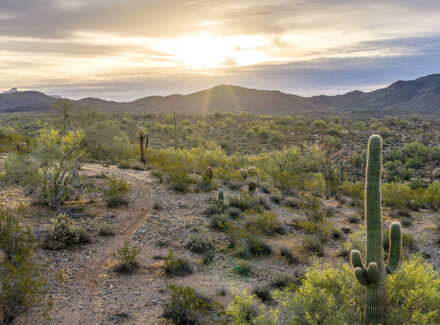
Rogers Wash Gold Mine
Wickenburg, Arizona
Positioned near Wickenburg, Arizona, in a region renowned for its mining legacy, this fully permitted placer mine project offers rare investment-grade potential backed by confirmed in-ground values exceeding $118 billion. A BLM-approved Mining Plan, completed Environmental Assessment, and secured water rights ensure the project is fully de-risked and ready to advance. With multi-phase development underway and significant expansion upside identified, this is a generational resource opportunity.
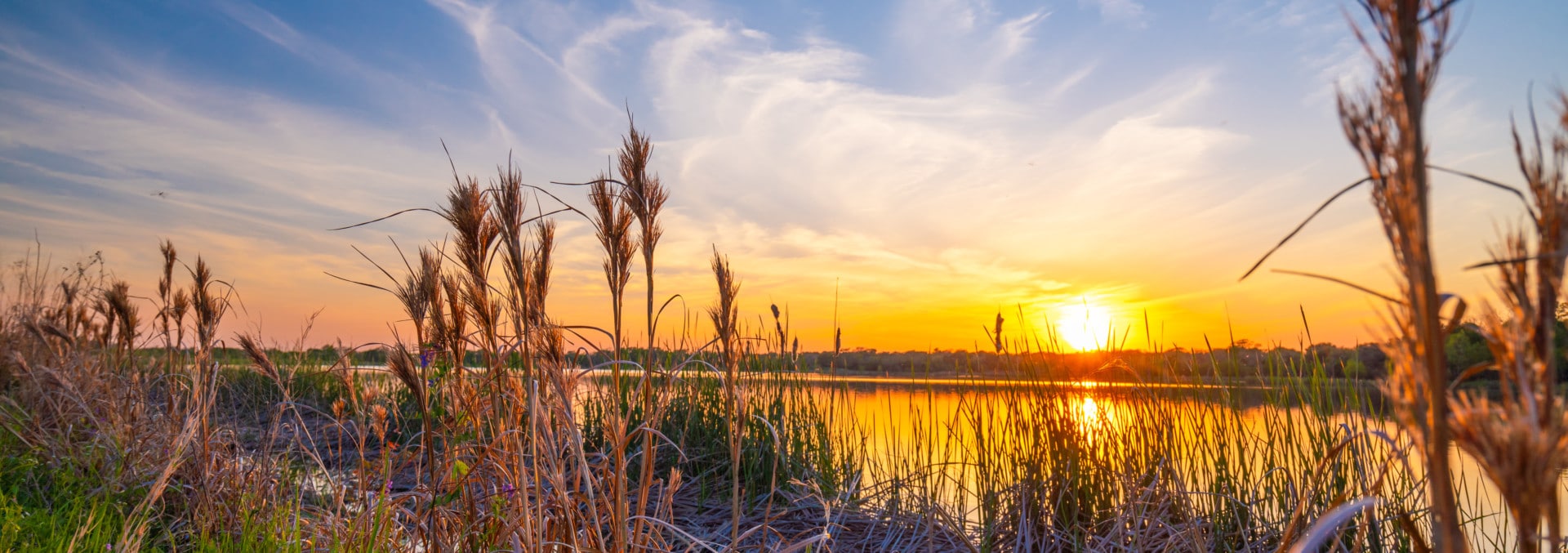
Lakes of Gibbons Creek
College Station, Texas
This Texas ranch is a world-class and extraordinary example of natural resource and rangeland restoration undertakings over the course of several decades following an intense use of portions of the surface to secure lignite. The resources that were put to work on this restoration project have resulted in an extensive ranch with rolling rangelands of both improved and native grasses, heavily wooded bottomlands (and some hilltops), and incredible water features.
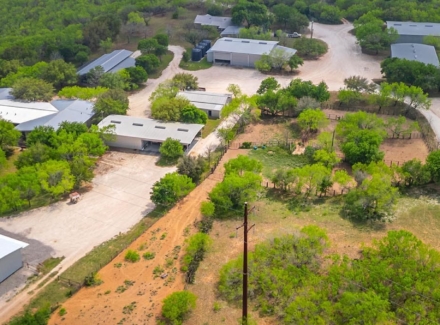
Crestonio Ranch
Hebbronville, Texas
The Crestonio Ranch, a premier 11,965± acre South Texas property, features exceptional quail hunting and a high-fenced 9,600± acre area with a top-tier deer herd, including multiple 200+ inch bucks. It offers superb dove and turkey hunting, efficient cattle operations, and luxurious amenities for entertaining. This meticulously crafted ranch combines luxury with functionality, making it a premier Texas playground and working ranch.
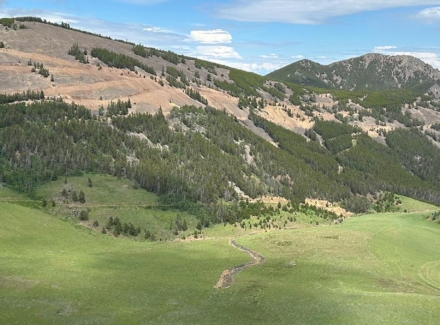
Zortman Landusky Gold Resource Property
Zortman, Montana
Through the work of Ruby Gulch Mining Company, the Gold Reserve Mining Company, and Pegasus Gold, this property was consolidated from mineral owners. Geologists estimate that only 20% of the gold and silver has been harvested from this Montana land, leaving plenty of reserves for investors or operators. The property is characterized by planted reclaimed pit mining sites, cliff bands, timbered ridges, and clearcuts, creating a bighorn sheep sanctuary and a mule deer and elk habitat.
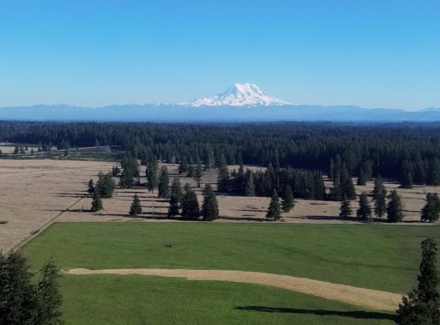
Silver Springs Cattle Ranch
Tenino, Washington
Located in Thurston County, Washington, this property combines high-value conservation potential, mineral resources, and income generation. Its diverse habitats support federally protected species and are eligible for mitigation credit development. The land also holds vast sand and gravel reserves with permits underway, plus rail access for distribution. Current leases—ranging from composting to solar—provide steady revenue and long-term flexibility.
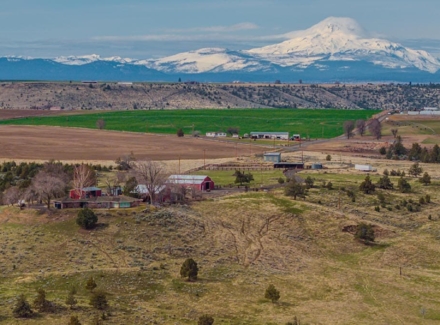
Cross Keys Ranch
Madras, Oregon
Established in 1879, Cross Keys Ranch spans 66,000± acres, blending history with a premier cattle operation. Rated for 1,200–1,500 cows, it features irrigated hay ground, vast grazing land, and stunning landscapes from the Cascade Mountains to the Deschutes River. Offering hunting, fishing, ATV trails, and more, it includes a luxury owner’s home, guest cabins, a rodeo arena, and historic buildings. With unmatched beauty and versatility, this ranch is a rare and historic opportunity.

Dome Mountain Ranch
Emigrant, Montana
This stunning ranch has incredible views in all directions ranging from mountain ranges, the Yellowstone River, the famed Paradise Valley and into Yellowstone National Park. The land transitions through three ecosystems from the river bottom riparian area to the Absaroka Mountain Range’s forested mountains. There are also three lakes on the ranch. The ranch is well improved with a beautiful log home and guest homes and the Dome Mountain Guest Ranch structures along the river.
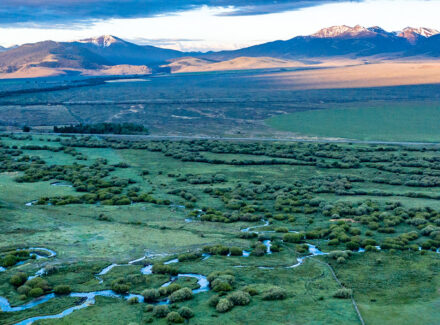
Leadore Angus Ranch
Leadore, Idaho
Set in eastern Idaho, this extraordinary river-to-mountain operation stretches from the fertile banks of the Lemhi River to the rugged peaks of the Continental Divide. The fully integrated cattle program supports 2,000+ cow/calf pairs year-round, with 2,900± irrigated acres producing thousands of tons of hay annually. Over eight miles of private Lemhi River frontage offers exceptional trout fishing, while expansive habitat supports trophy elk, deer, antelope, moose, and bighorn sheep.
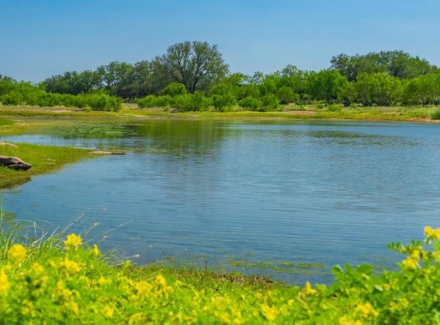
Kincaid Ranch
Uvalde, Texas
This South Texas property along the Frio River offers agricultural production, hunting, and recreation. Rolling brush country, fertile soils, and irrigated farmland support cattle and wildlife, including deer, quail, and turkey. A river house with an outdoor gathering space overlooks scenic pools, perfect for family gatherings. Conveniently located, this rare offering is offered in its entirety or as smaller east or west portions, blending history, utility, and natural beauty.
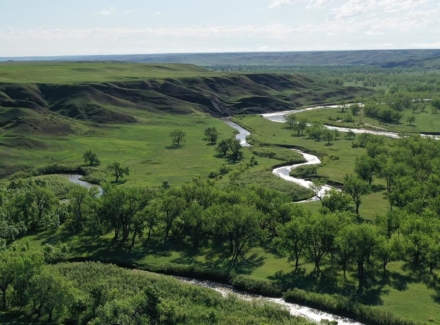
Cheyenne River Ranch
Rapid City, South Dakota
Cheyenne River Ranch spans 15,920± total acres just 30 minutes from Rapid City, South Dakota. It supports significant cattle and buffalo operations with 14,842± deeded acres, grazing permits, and rich water resources from Rapid Creek. Improvements include homes, working facilities, and 30 miles of pipeline. Fertile hay ground and trophy wildlife add to its value. This rare offering combines scale, productivity, and recreation—priced below multiple appraisals.
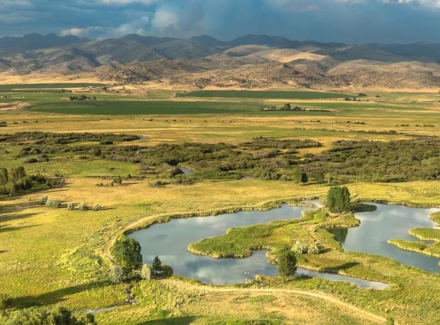
Silver Ruby Ranch
Sheridan, Montana
A premier river-to-mountain property in Montana’s Ruby River Valley, offering exceptional privacy, water, and wildlife. Both sides of a blue-ribbon trout river, a private spring creek, and a scenic pond system create outstanding fishing and waterfowl habitat. The land balances productive agriculture and conservation, with abundant elk and deer and nearby public land access. Improvements include a striking main residence, guest home, and manager’s home, all set in a beautiful, secluded landscape.
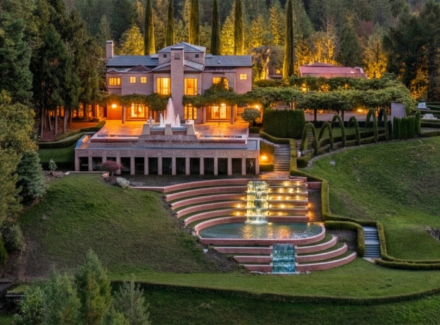
The Bird Estate
Rogue River, Oregon
Architecturally significant and featured in Architectural Digest, this neoclassical estate offers a level of design and craftsmanship rarely found in the luxury market. Set amid manicured grounds and wooded privacy, it includes formal entertaining spaces, an amphitheater with water features, terraced outdoor living areas, an Olympic-sized pool, guest accommodations, a vineyard, and equestrian facilities. It is well-suited for private use, hosting, or income-producing events.
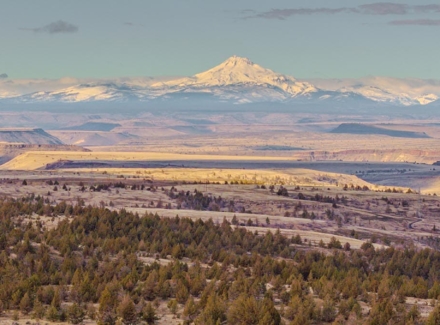
Criterion Ranch
Madras, Oregon
This extraordinary offering combines nearly 50,000± acres of prime Central Oregon cattle and hunting land. With irrigated meadows, reliable water, and excellent grazing, it supports strong hay and cattle production. Trophy elk, mule deer, antelope, and upland birds enhance its sporting value, along with fishing and extensive recreation. The property includes high-end residences, operational facilities, and event venues, offering turnkey income from ranching, outfitting, and hosting.
Foley Butte Ranch
Prineville, Oregon
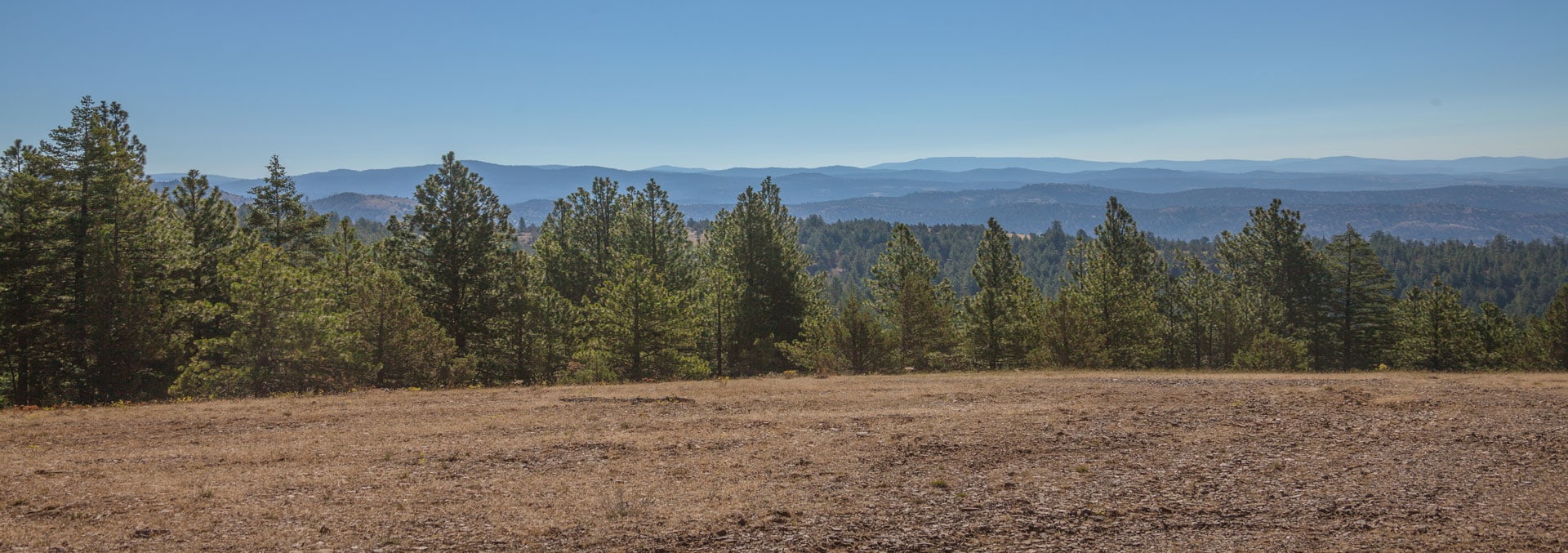
Extreme privacy without sacrificing a convenient location in Oregon! This ranch offers premier big game hunting and excellent summer grazing in the Ochoco Mountains, all within driving distance to everything Central Oregon has to offer. With over 140 miles of creeks and streams, beautiful meadows, outstanding timberland, and 8 landowner preference tags for Rocky Mountain bull elk and buck mule deer.
Crazy Elk Ranch
Belgrade, Montana
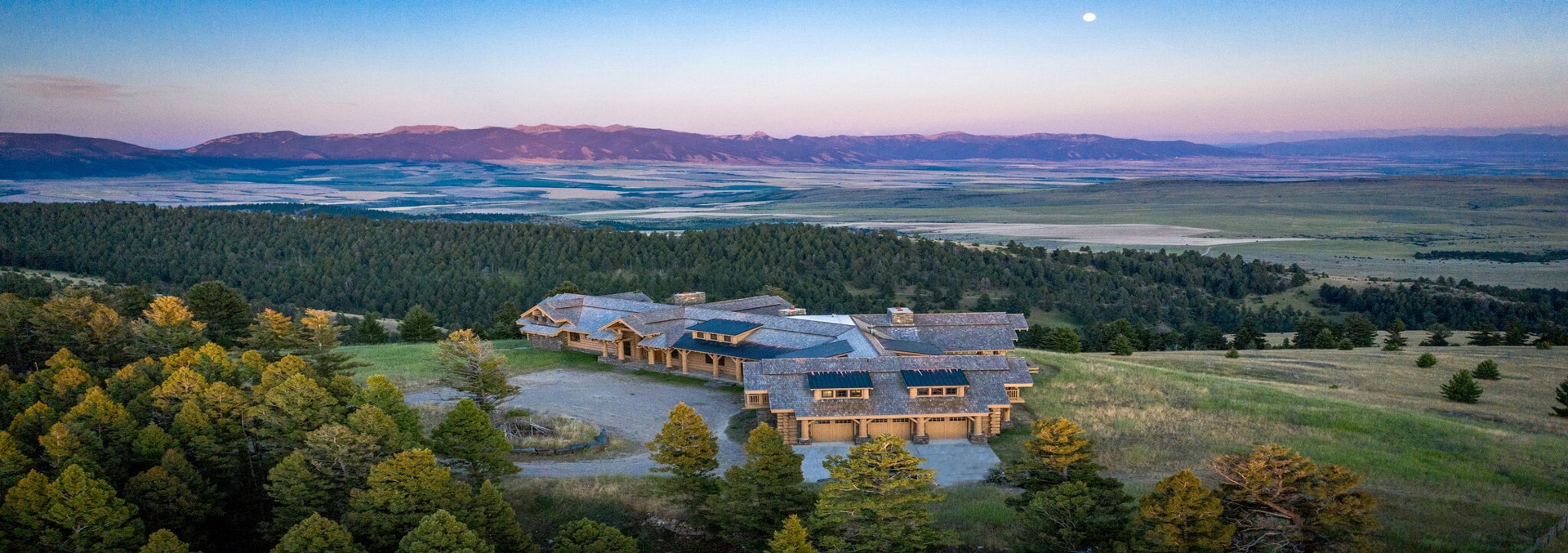
This property features a stunning 9,690± SF dream home designed by Locati Architects with views of Bozeman’s Gallatin Valley, the Bridger Mountains, and the Missouri River Valley. This escape in Montana includes a guest home, a barn for toys and gear, a rustic hunting cabin, and a ranch manager’s home. The striking improvements are only bested by the thousands of deeded acres to recreate on, already divided into 21 parcels.
Sage Creek Ranch
Fort Bridger, Wyoming
This premier big game hunting retreat is surrounded by public lands, offering rare seclusion and recreation. With year-round streams, a private reservoir, and direct access to national forest, it supports abundant wildlife, varied terrain, and boundless outdoor adventure. Rich in natural resources and scenic beauty—from open rangeland to aspen-covered high country—it perfectly captures the spirit of the Western lifestyle.
McWilliams Gold Claim
Talkeetna, Alaska
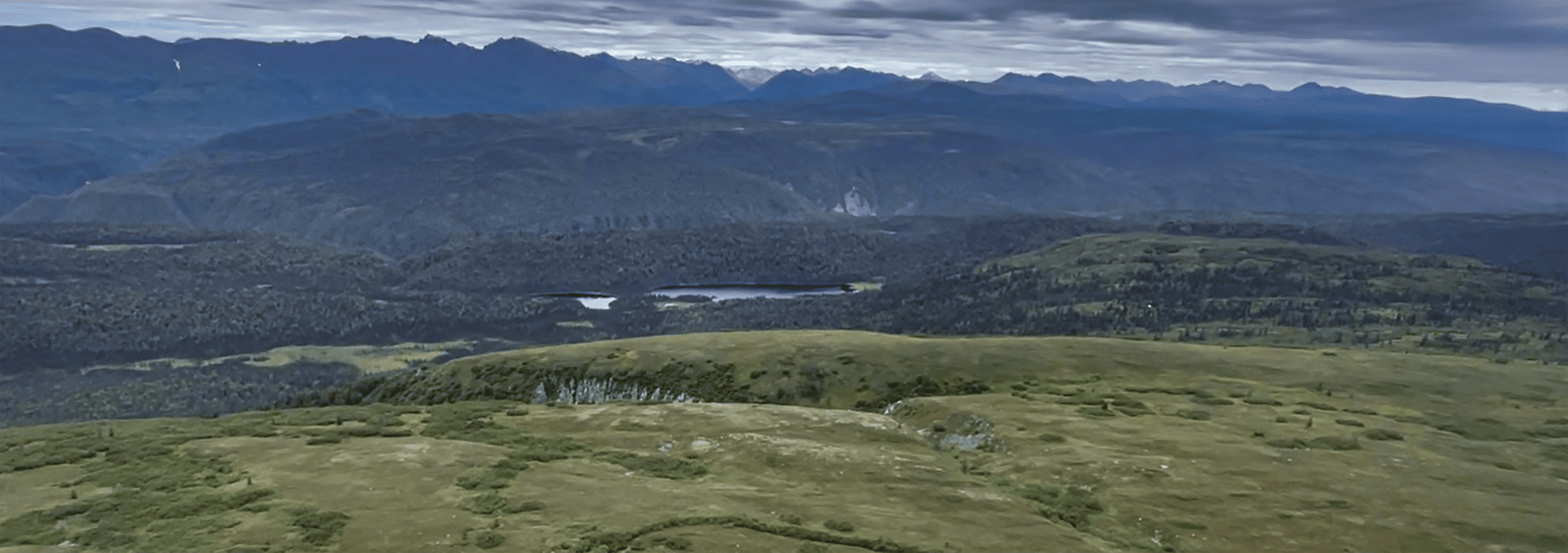
This Alaska Gold Claim offers the opportunity to own a piece of Alaska Gold Rush history with investment potential from the patented mineral rights. The ownership includes 41 gold claims along the Chunilna and John’s Rivers. Located 34± miles N/NE of Talkeetna, the property offers breathtaking views of Talkeetna and Denali Mountain ranges. With more annual snowfall than in Vail, CO, winter activities are countless, and summertime outdoor activities provide the authentic Alaskan experience.
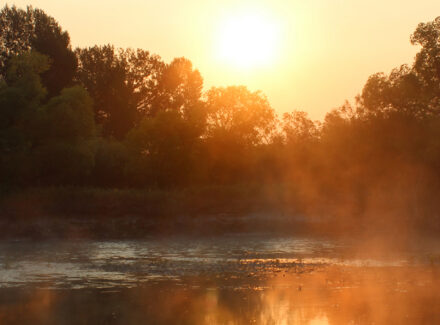
Jefferson River
Legacy Ranch
Three Forks, Montana
A six-generation, family-owned property with roots dating to 1855, this ranch reflects a deep connection to Montana’s history, including ties to Lewis and Clark’s 1805 expedition. Along the Jefferson River, it offers strong agricultural capability, conservation potential, abundant wildlife, and excellent hunting and fishing. Scenic mountain views, convenient access, and proximity to Three Forks and Bozeman deliver functionality and a true Montana ranch experience.
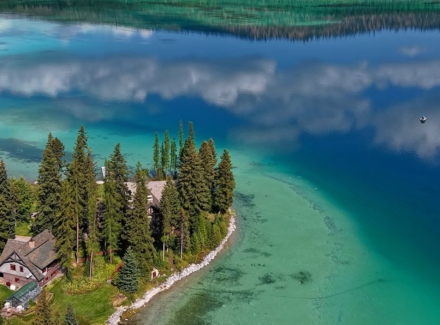
Ashley Lake Mountain Estate
Kila, Montana
This Montana estate combines natural beauty and refined living. It has over 1,100 feet of Ashley Lake frontage, 7.5± miles of private trails, and custom improvements crafted with timeless design. The property offers year-round recreation, from hiking and horseback riding to skiing and snowshoeing, all amid forested ridges and mountain views. Located minutes from Kalispell, Whitefish, and Glacier National Park, it provides seclusion, convenience, and unmatched opportunities.
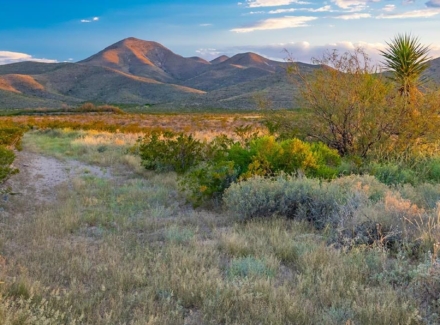
Wylie Mountains Ranch
Van Horn, Texas
This ranch covers nearly the entire Wylie Mountain range in West Texas, offering diverse habitats like desert grasslands, brushlands, foothills, and expansive canyons. The ranch supports wildlife such as mule deer, pronghorn, and quail, alongside exotic species like elk and aoudad. Improvements include a 3/2 owner’s home and manager’s residence. Water is sourced from 6 wells and runoff tanks. The ranch includes acres of mineral rights and leased acres from the Texas Pacific Land Trust.

Slash Broken Box Ranch
Steamboat Springs, Colorado
A diverse Colorado ranch, ranging in elevation from 6,700′ to 7,600′, includes over a mile of the legendary Elk River on the southeast boundary, rolling grazing land in the middle acreage, and the northwest boundary sits at the base of Sleeping Giant Mountain. Big game hunting for elk, mule deer, and pronghorn is present during the fall season. Due to the senior Elk River water right, the ranch produces in excess of 300 tons annually and can graze 200 AUMs. Multiple springs serve small ponds.
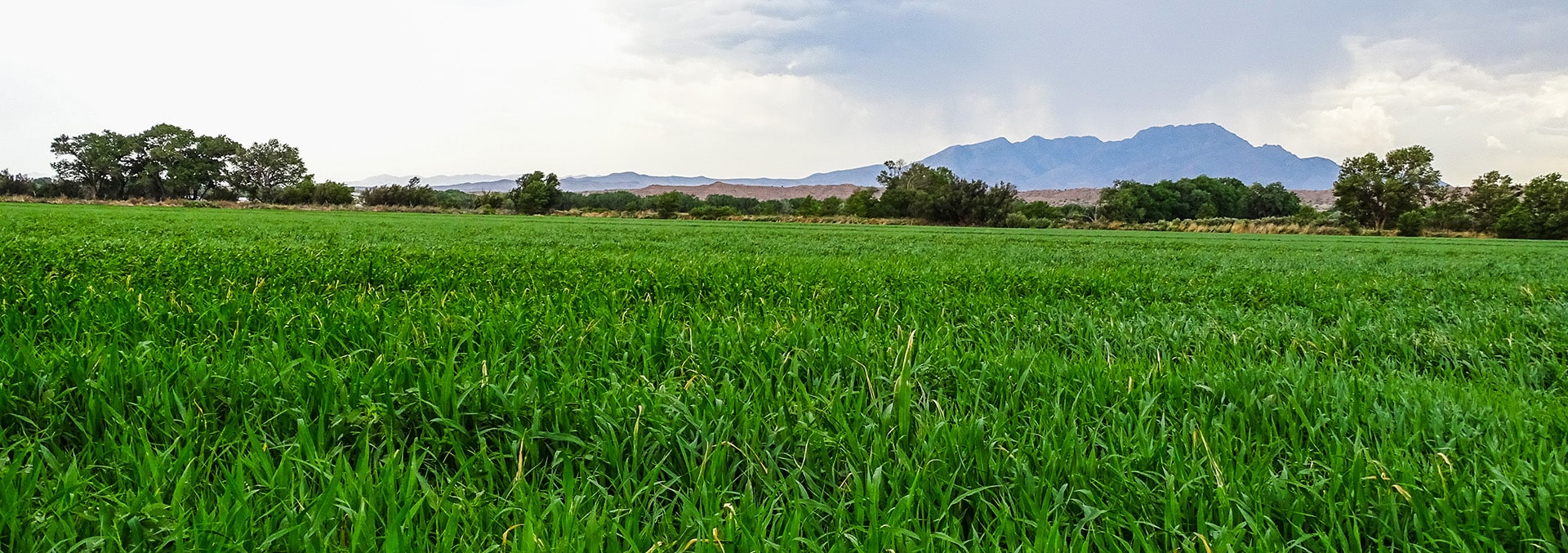
Uncle Bill’s Farm & Ranch
Las Nutrias, New Mexico
Nowhere in the Southwestern US will one find a more productive combination of farm & ranch at this kind of price, and with New Mexico’s low property taxes! An incredible amount of water is attached to this farm. An abundance of grazing with large-herd-carrying capacity makes up the range lands, with the price-per-animal-unit being lower thanks to State and BLM leased lands. Both properties are wildlife strongholds with biodiversity that lends itself to activities ranging from trophy big game hunting to some of the finest birdwatching in NM.
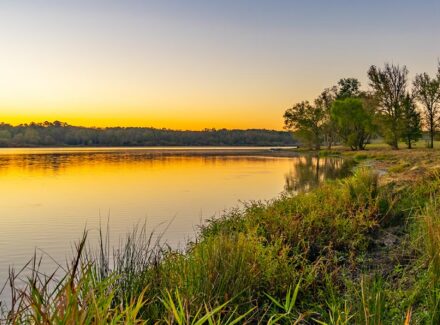
Red Barn Ranch on Lake Bob Sandlin
Winnsboro, Texas
Rolling piney woods, sweeping water views, and rare Lake Bob Sandlin frontage set the stage for an exceptional East Texas retreat. Multiple turnkey homes, enhanced wildlife habitat, productive wetlands, and abundant surface and groundwater create immediate enjoyment with long-term potential. Just under two hours from Dallas, this property blends solitude, recreation, and legacy appeal in a truly timeless setting.
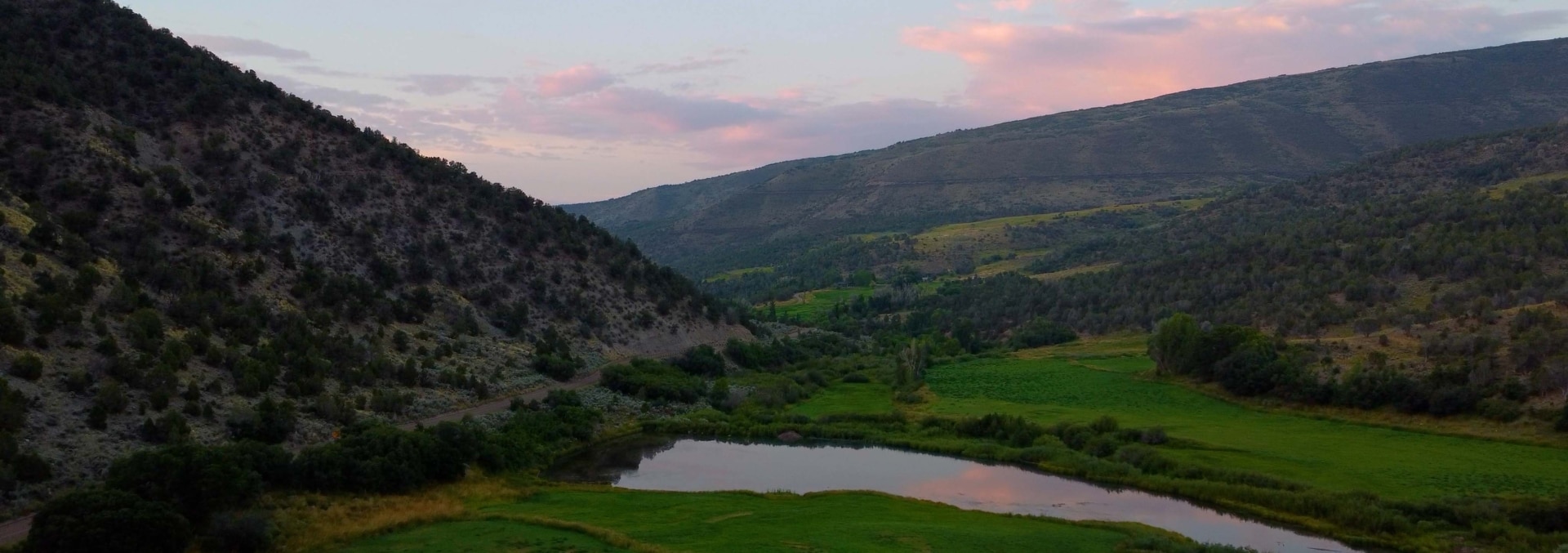
Sweetwater Ranch
Gypsum, Colorado
This Colorado ranch contains irrigated hay meadows across the entire ranch from low to high elevations & a perfect mosaic interspersed habitat including cottonwood, willow, aspen, gambrel oak, and evergreen forests. The abundant forage, plentiful water resources, and diverse habitat provide a natural preserve for the area elk herd and mule deer populations. The ranch includes over 1.5 miles of fishable Sweetwater Creek, multiple stocked reservoirs, and a diverse portfolio of senior water rights.
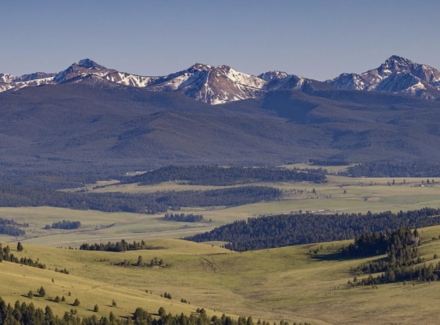
Rocking Chair Ranch
Philipsburg, Montana
This expansive holding supports a productive cattle operation across a diverse and functional landscape. Riparian meadows and irrigated fields transition into rolling rangelands and conifer forest, creating a balanced mix of forage, cover, and seasonal flexibility. More than two and a half miles of Flint Creek run through the property, sustaining a healthy brown trout fishery and strong riparian habitat. Elk, deer, and other wildlife regularly use the uplands and creek corridor.
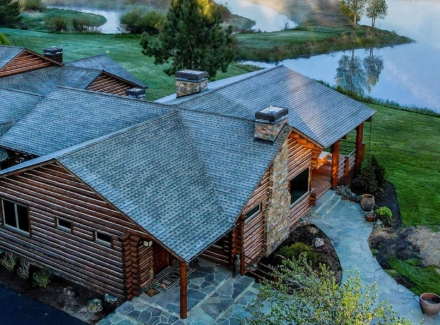
K Bar J Ranch
La Pine, Oregon
This Oregon property offers seclusion and wildlife habitat while bordering La Pine. Highlights include a log home with mountain views, a pond with a dock, and the Little Deschutes River. The main site features a detached carport, office, horse barn, hobby barn, additional homes, and historic barns. The ranch spans 2.7± miles along the river and includes pine forests and meadows with diverse wildlife. It offers various land use options and the perfect retreat for privacy and recreation.

Bighorn River Ranch
Custer, Montana
An hour from Billings, Montana, this property boasts 7.5+ miles of Bighorn River frontage. Endless fishing opportunities include walleye, sauger, smallmouth bass, catfish, ling, and rainbow and brown trout. For the hunter, pursue bull elk, white-tailed and mule deer, antelope, pheasants, turkeys, Hungarian partridge, and sharp-tailed grouse. This ranch is renowned for its waterfowl hunting. Boasting 5 center pivots/wheel lines and flood irrigation, the soils are high-producing.
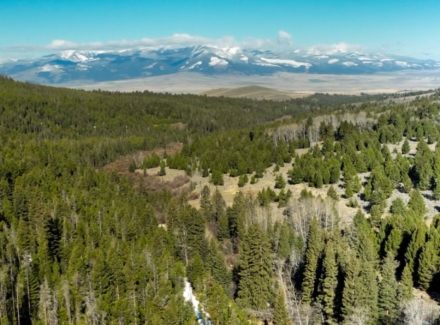
Burnt Hollow Ranch
Deer Lodge, Montana
About 10 minutes to Deer Lodge, Montana, this recreational paradise sits up against the Boulder Mountains. Creeks and springs flow through as animals traipse by on their way to contiguous National Forest, bordering the property for almost nine miles. The property features an 8,774± SF, 3 bed, 5 bath home, a second home, additional residences, hunting cabins, and outbuildings. Agricultural operations include irrigated hay ground, pivots, wheel-line and flood-irrigated fields, and fenced pastures. State and Forest Service grazing leases total 4,100± acres.
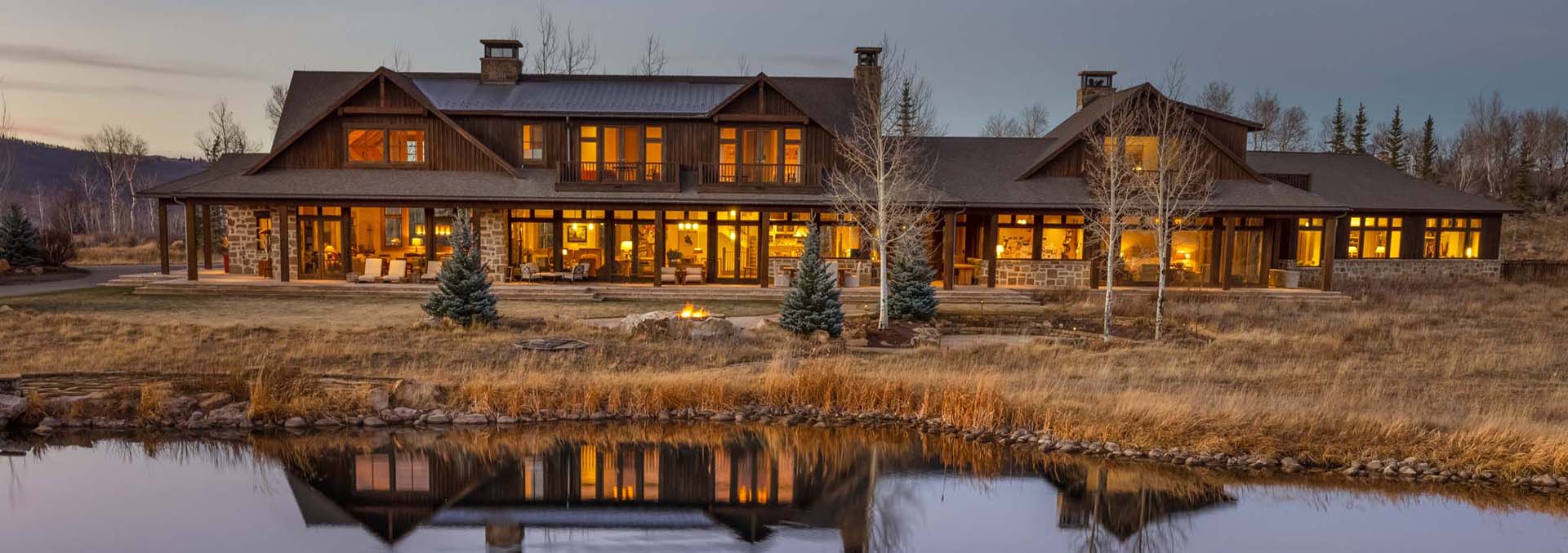
Sendero Verde
Edwards, Colorado
Unbelievable Colorado mountain retreat with includes two air-conditioned homes. With views of the Gore and Sawatch Mountain Ranges, the 14,419-square-foot home has a step-less entry, walls of windows capturing the magnificent views, two four-car garages, and a second 2,636-square-foot caretaker home with two bedrooms, three baths, and an office. Outside has a well-stocked fishing pond and 10 miles of custom-built trails for hiking, snowshoeing, or snowmobiling.
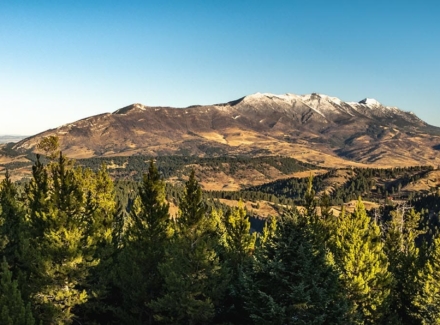
The Schmidt Ranch
Bozeman, Montana
This property offers an unparalleled recreational retreat just 10± minutes from downtown Bozeman, Montana, capturing the essence of Montana’s rugged beauty with rolling aspen hills, evergreen forests, meadows, and creeks, all with breathtaking views of the Bridger Mountain ridgeline to the north, along with sweeping 360-degree mountain views that complete this scenic landscape. The property is a haven for wildlife enthusiasts, featuring abundant deer, elk, bear, moose, and diverse bird species.
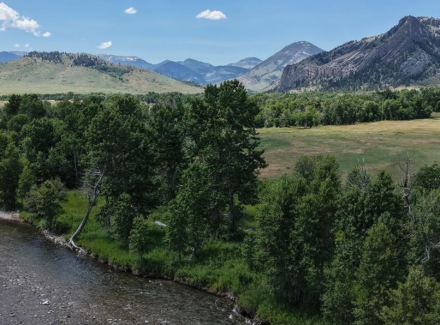
Stillwater Legacy Ranch
Nye, Montana
Located in the scenic Stillwater Valley near Nye, Montana, this legacy property features 1.65± miles of the Stillwater River frontage, complemented by 0.7± miles of both sides of the West Fork Stillwater River flowing through the heart of the ranch. With irrigated and sub-irrigated pastures, thermal springs, modest homes, abundant wildlife, and panoramic mountain views, it offers exceptional recreational opportunity, agricultural utility, and natural beauty in a private and peaceful setting.
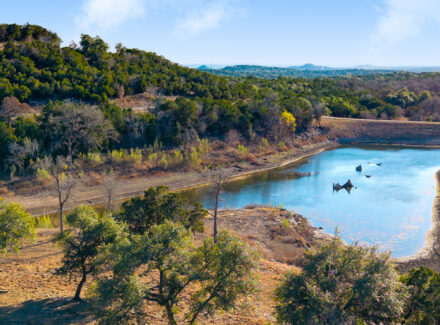
Lone Woman Mountain Ranch
Driftwood, Texas
This Hill Country ranch stands out for its strong water features, healthy wildlife habitat, and usable improvements. A stocked pond, a second pond, creeks, springs, and seasonal waterfalls support both recreation and native game. Two residences, wells, septic systems, electric meters, and an established road network add immediate function and flexibility. With no zoning, no ETJ restrictions, and adjacency to conservation land, it offers privacy, freedom, and long-term appeal.
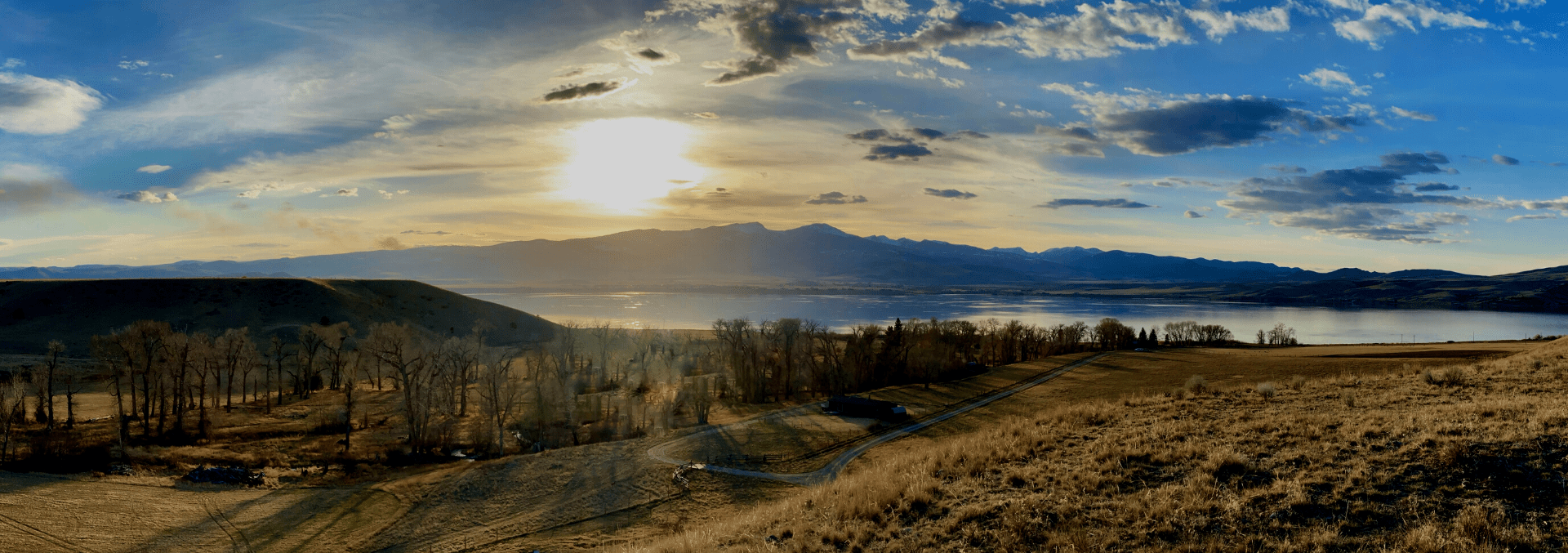
Ennis Lake Ranch
Ennis, Montana
Fay Ranches is proud to announce the featured sale of The Ennis Lake Ranch, one of those highly coveted Madison Valley ranches. The Ennis Lake Ranch is both stunningly beautiful and located in a highly desirable area. As its namesake implies, Ennis Lake Ranch is one of the very few ranches with frontage on the lake, providing gorgeous views and boating fun.
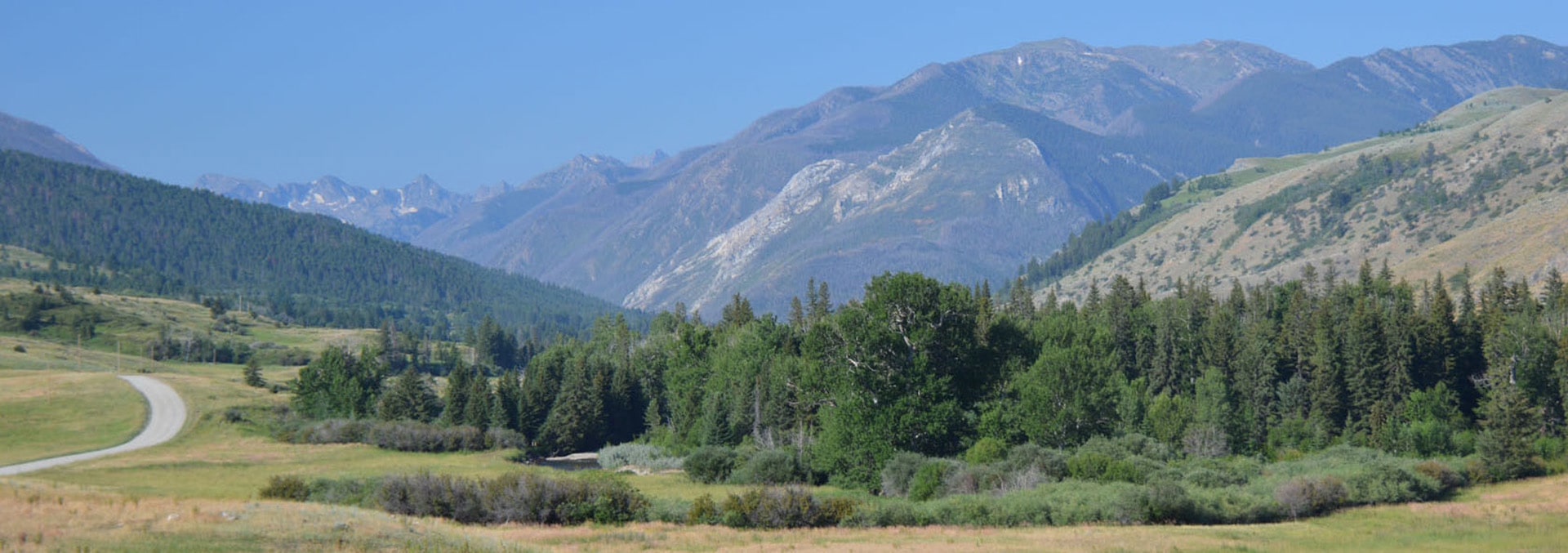
West Boulder Ranch
McLeod, Montana
Nestled at the base of the Absaroka Mountains in south central Montana, the West Boulder Ranch is one of the most scenic and prolific sporting ranches in the Northern Rockies.
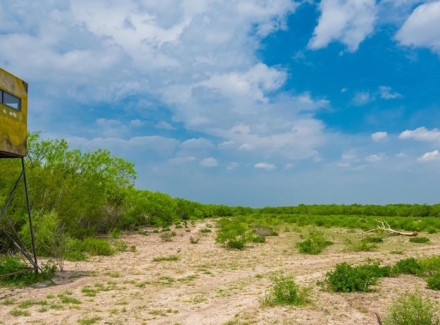
Continental Ranch
Freer, Texas
For the first time in 75 years, this Webb County, Texas ranch is available to new ownership. Known for its wild terrain, native whitetail deer, quail, and rich history, it offers prime fair-chase hunting with 80% low fencing and abundant wildlife. The land features rolling topography, two wet-weather creeks, and 14 water tanks, including stacked systems. With six cross-fenced pastures, working pens, and modest improvements, this is a rare chance to own a true South Texas sporting & cattle ranch.
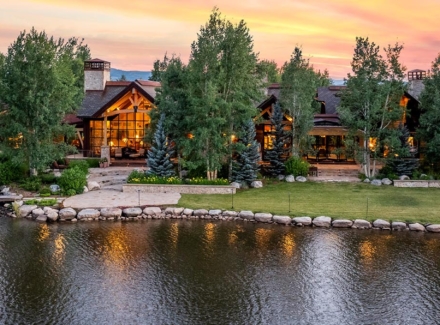
Wild Goose Ranch
Steamboat Springs, Colorado
A rare South Valley estate offering privacy, luxury, and abundant water features, including a private waterfall, ponds, creeks, and brooks, all minutes from Steamboat Ski Area. Designed for multi-generational living, the ranch offers panoramic mountain views, cathedral ceilings, a gourmet kitchen, and spaces for entertaining. A private primary wing, guest suites, and seamless indoor-outdoor living highlight the residence, which integrates sustainable solar systems.

Elk Meadows Ranch
Big Sky, Montana
Elk Meadows Ranch is a stunningly beautiful, private recreational ranch, a great real estate investment and a gathering place for friends and family. A world-class ranch within minutes of a world-class ski resort, this unique quality makes it a rare one-of-a-kind asset.
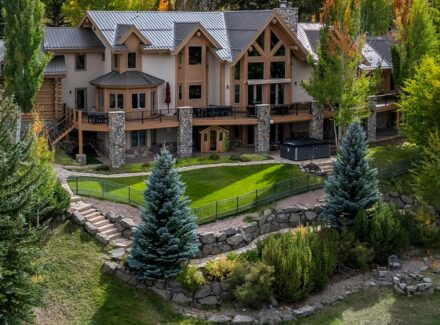
Skistone Mountain Ranch
Steamboat Springs, Colorado
Commanding, unobstructed views of the Steamboat Ski Area set the tone for this exceptional Colorado mountain estate. The residence pairs massive hand-hewn log beams, soaring cathedral ceilings, sweeping staircases, and multiple fireplaces with generous spaces for gathering, guests, and recreation. Rolling meadows, aspen groves, dark timber, water features, trails, abundant wildlife, and substantial outbuildings create a private retreat just minutes from Steamboat Springs.
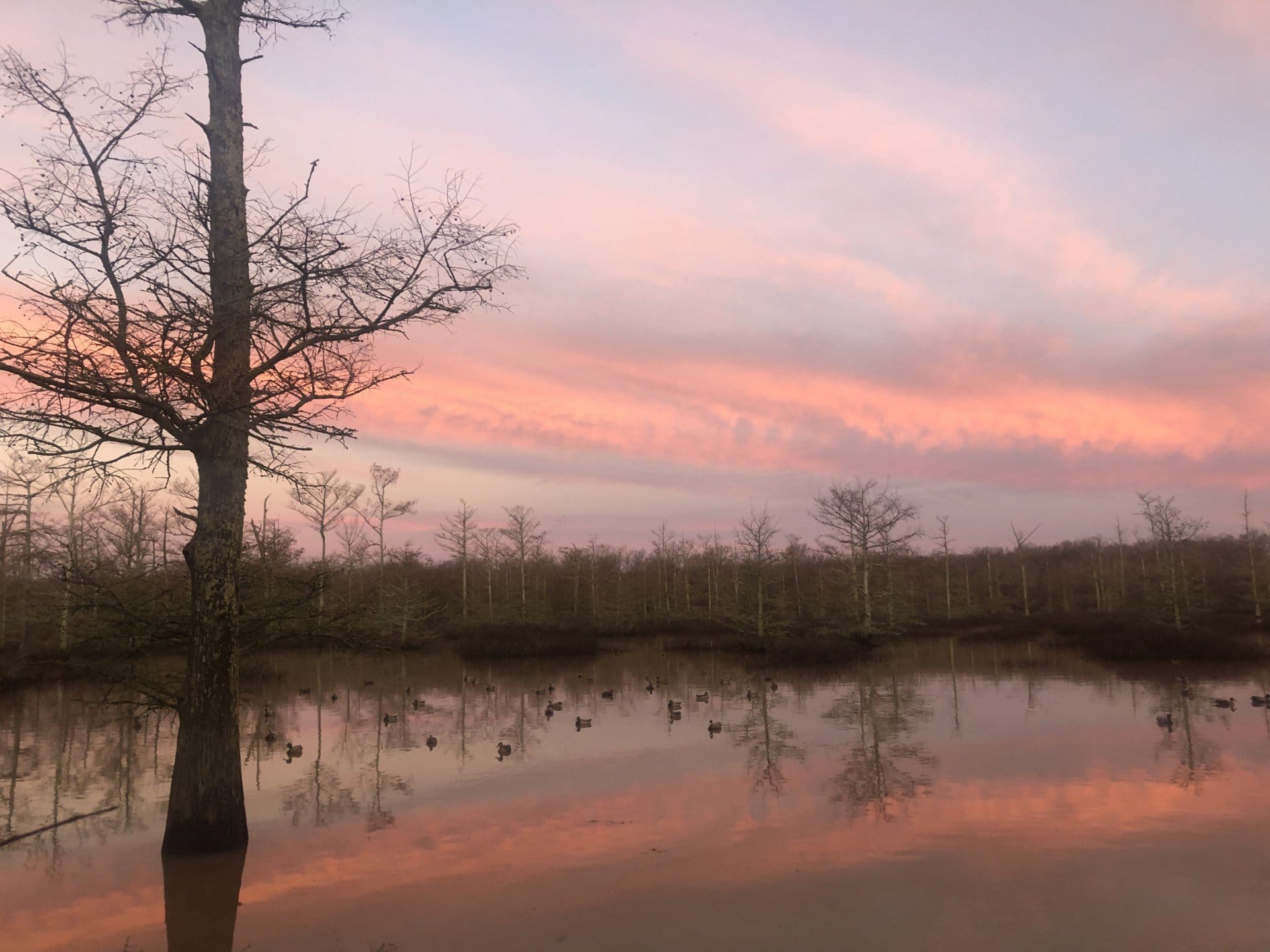
Mallard Rest
Webb, Mississippi
Mallard Rest has been the private Mississippi Delta duck hunting property of Memphis’s former cotton merchant William B. Dunavant, Jr for almost 40 years. This property has been featured in books, spoken of reverentially amongst duck hunting enthusiasts, and celebrated for decades as one of the south’s most productive and famous duck hunting properties. Mallard Rest is now available for purchase.
Berclair Ranch
Berclair, Texas
This Texas property, established in 1859 and managed by six generations, blends rich history with natural beauty. It features diverse landscapes, including rolling rangelands with live oaks and wildflowers and two creeks—Blanco and Mucorrera—offering scenic views and recreational opportunities. Home to abundant wildlife, the property also supports an active cattle operation. Improvements include working pens, hunting camps, and water sources, making it a versatile property for various uses.
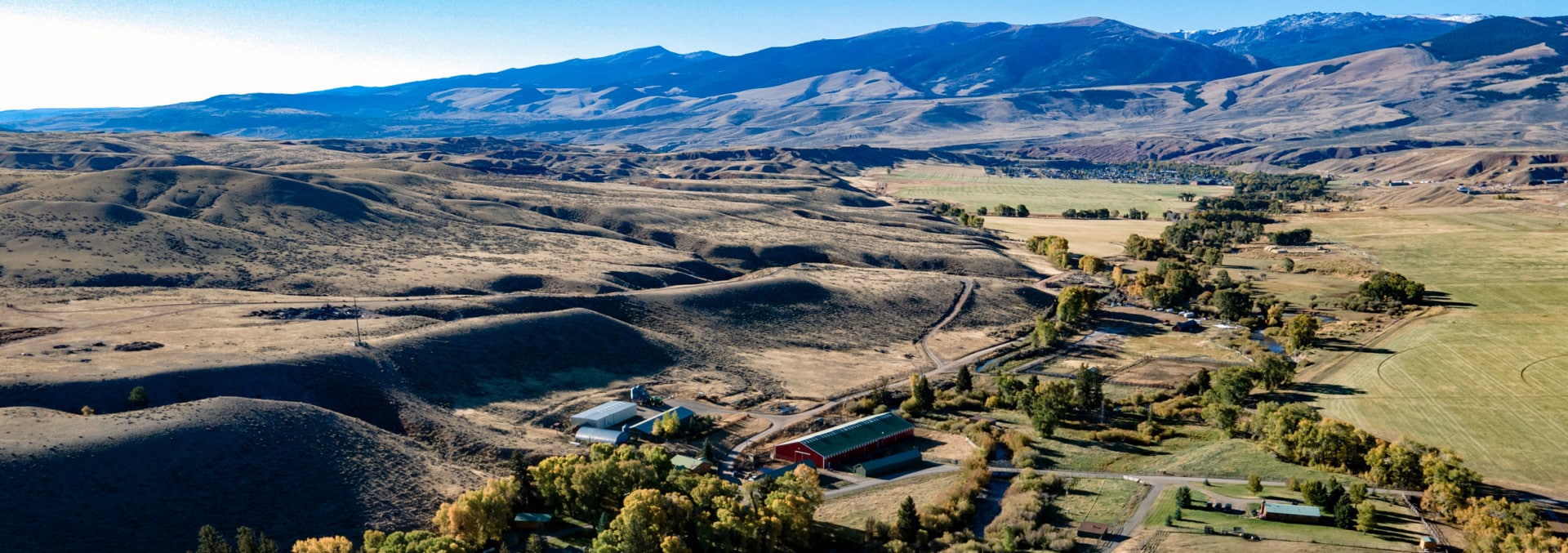
Rocking Chair Ranch
Dubois, Wyoming
This legacy Wyoming property for sale offers multiple residential dwellings, a working ranch, and expansion options – all within a majestic setting. The property’s expansive and varied landscape provides year-round recreational activities such as horseback riding, ATV trails, big game hunting, making this ranch ideal for multi-generational or expansive families. The Rocking Chair Ranch also offers a fully operational cattle ranch, with a turn-key option available.
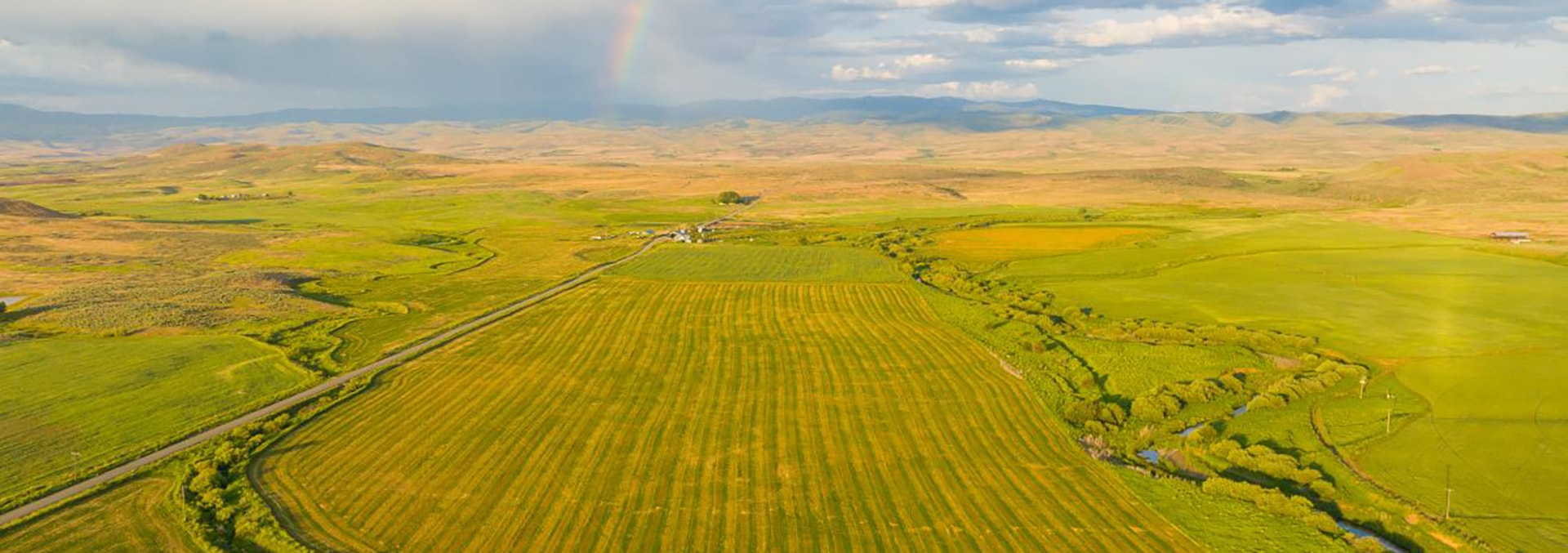
Branch Keyhole Ranch
Midvale, Idaho
Available for the first time in five decades, Idaho’s Branch Keyhole Ranch spans a vast expanse of undulating hills and fragmented waterways. With its eastern boundary adjacent to Payette National Forest, the ranch boasts 86,673± acres of grazing leases. The property includes around 600± irrigated acres (pivots & wheel line) and 600± acres of dryland farming. The ranch features three residences, corrals, and all the necessary infrastructure, epitomizing the classic Western cattle ranch setting.
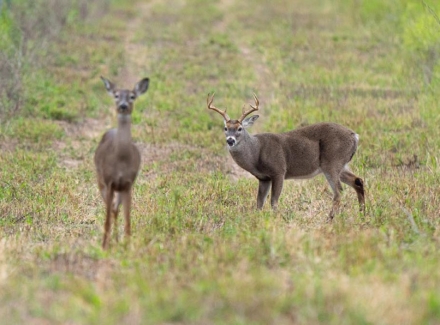
La Arena Ranch
Raymondville, Texas
This South Texas property offers exceptional hunting and ranching opportunities just northwest of Raymondville and near Port Mansfield. Sharing fence line with the famed King Ranch, it features old-growth brush, fine sandy soils, and diverse wildlife, including whitetail deer, quail, dove, turkey, and abundant free-ranging nilgai. With quality fencing, pastures, ponds, five water wells, and an excellent road system, it combines strong recreational appeal with functional ranch infrastructure.
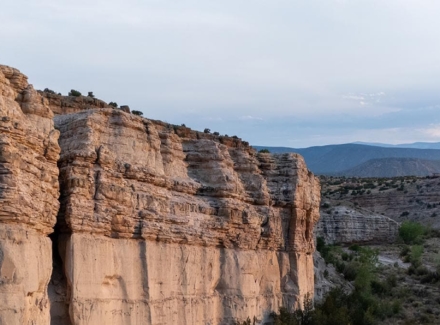
Plaza Blanca Ranch
Abiquiú, New Mexico
Set in the dramatic landscapes of Abiquiú, New Mexico, Shirley MacLaine’s property combines natural beauty with spiritual peace. Unique white sandstone cliffs made famous by Georgia O’Keeffe rise at the entrance, while vast pinyon/juniper forests & native grasses stretch across the land. A hacienda-style home with solar and wind power anchors the ranch, complemented by a caretaker’s home and barns. With national forest adjacency, abundant wildlife, and rich history, it offers a rare opportunity.
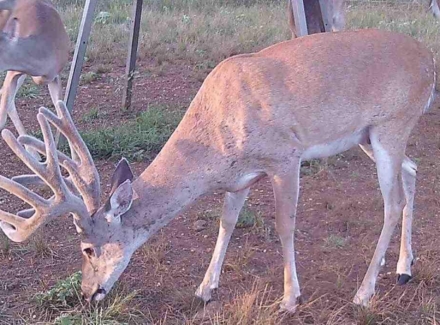
Purgatory Bend Ranch
San Marcos, Texas
This Texas conservation ranch offers diverse landscapes of live oaks, native grasses, bluffs, and canyons along Purgatory Creek. The property has been actively managed for wildlife, supporting whitetail deer, turkey, dove, and feral hogs. Water wells, troughs, and electrical services offer sustainable land stewardship and potential for future subdivision. Protected by two conservation easements, the ranch allows up to 6 building envelopes, making it an ideal long-term investment.
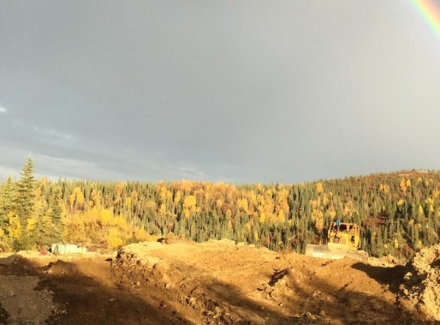
Moore Creek Gold Mine
McGrath, Alaska
Located on the Iditarod National Historic Trail in Alaska’s Yukon-Koyukuk Borough, Moore Creek Gold Mine spans 2,720± acres with 20 unpatented state claims. Renowned for placer and hard rock gold, the site has yielded gold nuggets up to 19 oz. Mining since 1911 has produced at least 53,990 oz of gold and 12,520 oz of silver. Rich in history and resources, it offers a rare investment opportunity in a remote, mineral-rich region, combining economic potential with Alaska’s rugged beauty.
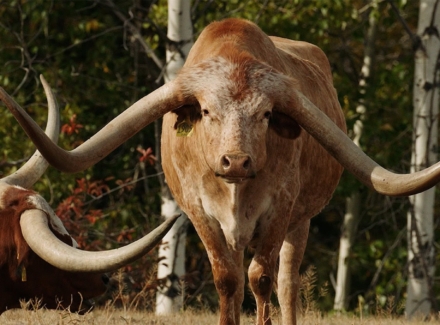
Canyon Creek Ranch
Canyon Creek, Montana
Located near Helena, Montana, this exceptional cattle and recreational property combines modern functionality with authentic western character. Extensive updates to improvements and infrastructure enhance efficiency and support all aspects of ranch operations. Fertile pastures, trout ponds, and abundant wildlife create outstanding opportunities for outdoor recreation. With comfortable living quarters and panoramic mountain scenery, this property offers the ultimate Montana ranching lifestyle.
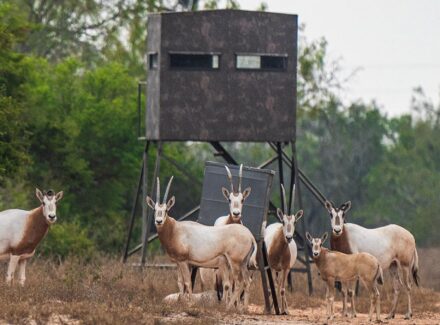
El Monte Gringo Ranch
McCook, Texas
Built from three historic South Texas ranch tracts in western Hidalgo County, this highly improved sporting property offers fertile soils, exceptional native habitat, abundant water, trophy whitetail management, strong quail and dove hunting, and a full suite of luxury improvements. With a major lodge, owner’s home, stocked ponds, wells, food plots, and turnkey operational infrastructure, it is suited for private enjoyment, corporate retreat use, or a proven commercial hunting operation.
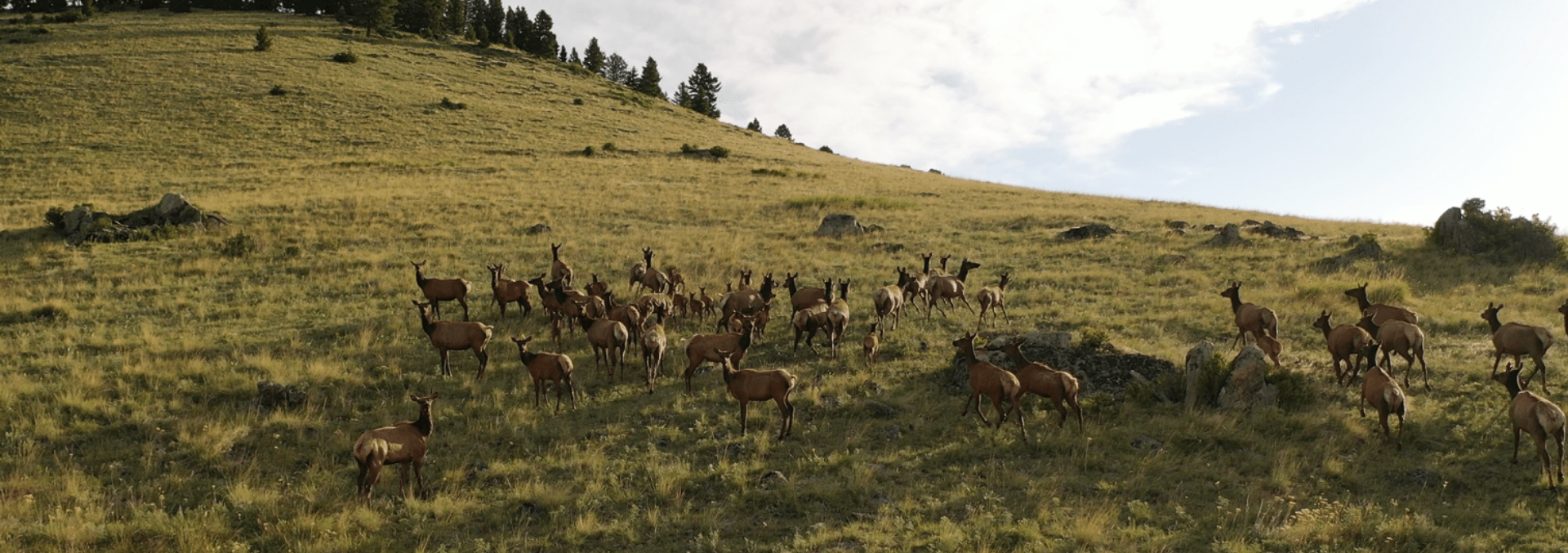
Little Belt Elk Ranch
White Sulphur Springs, Montana
This historic and stunning Montana ranch is situated in the Little Belt Mountain Range and offers a nearly incomparable spectrum of wildlife habitats to attract game. The combination of grassy meadows, large basins, spring seeps, aspen groves, and mature timber provides shelter, food, and sanctuary for a plethora of species. Eagle and Sheep Creeks flow through portions of the property, which provide endless fishing adventures for the avid angler. It is set up for a large-scale Cattle ranch.
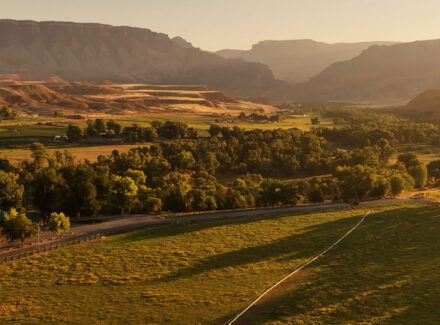
The Hideout Lodge & Guest Ranch
Shell, Wyoming
This acclaimed destination is internationally recognized for Western hospitality and equestrian experiences, earning accolades from major outlets and top ranch rankings. Known for advanced horsemanship and expansive riding terrain, it offers guests instruction and authentic immersion into Wyoming ranch culture. With luxury accommodations, extensive facilities, irrigated pastures, and a strong international reputation, it stands as a turnkey lifestyle investment and proven business enterprise.
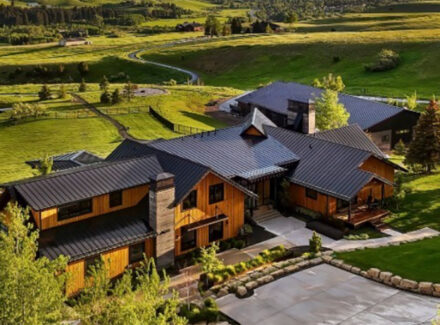
Brass Lantern
Bozeman, Montana
Just over four miles from downtown Bozeman, this extraordinary Montana estate delivers the perfect balance of privacy and accessibility, with direct access to National Forest trails and the M Trailhead right at your doorstep. Reimagined in 2022, the 9,787± square foot residence offers seven bedrooms, vaulted great rooms, mountain views, and a showpiece kitchen built for serious entertaining. Outside, radiant-heated patios, a private pond, and a covered outdoor kitchen complete the picture.
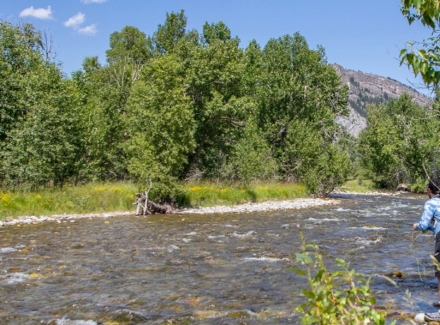
Ekwortzel Legacy Ranch 1896
Nye, Montana
Originally homesteaded in 1896 and owned by the same family for over a century, this historic Montana ranch embodies the spirit of the American West. With pristine river frontage, natural springs, abundant wildlife, and productive meadows, it offers opportunities for ranching, recreation, and conservation. Free from zoning restrictions or conservation easements, it provides the rare freedom to build, preserve, or evolve the land while enjoying proximity to natural landmarks and Yellowstone.
Settle Ranch
Canyon Creek, Montana
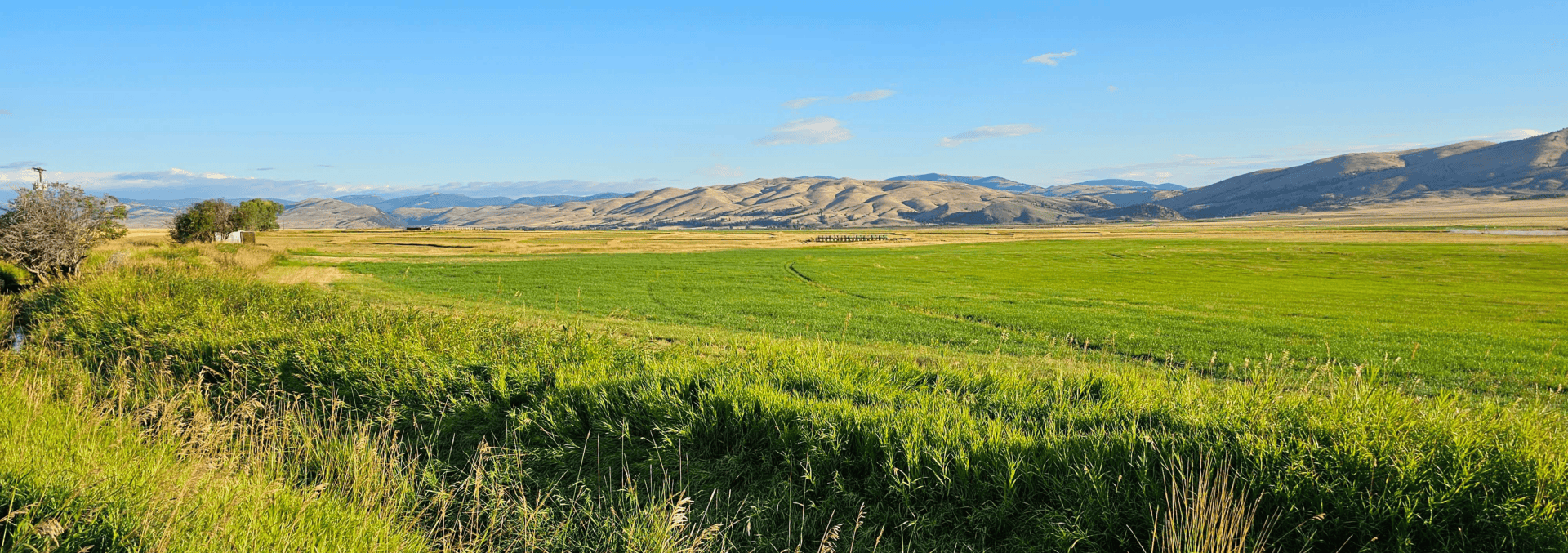
This extraordinary ranch offers diverse landscapes, including forested mountains, sagebrush hillsides, aspen creek bottoms, irrigated hay fields, and natural grasslands. Located 25± minutes from Helena, Montana’s state capital, the property is a generational working ranch providing excellent wildlife resources, recreation, and natural beauty. Developed as a traditional Montana cattle ranch, the improvements comprise multiple residences, historic sheep barns, loafing sheds, and corrals.
Willowdale Ranch
Madras, Oregon
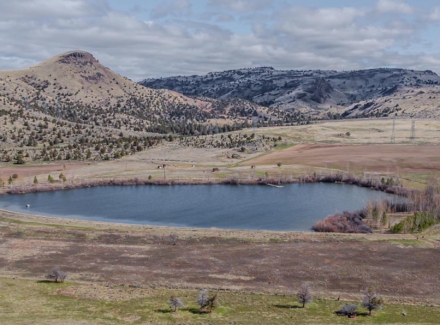
An extraordinary opportunity in the heart of the American West, this iconic ranch embodies the ideal blend of adventure, agricultural productivity, and natural beauty. Premier cattle and hay operations are supported by significant irrigation rights and supplemental wells. The ranch offers a private bass lake, outstanding big game hunting, abundant fishing, multiple homes and cabins, rodeo grounds, a trap and skeet range, and unmatched resources for a multigenerational Western lifestyle.
Corbly Mountain Ranch
Belgrade, Montana
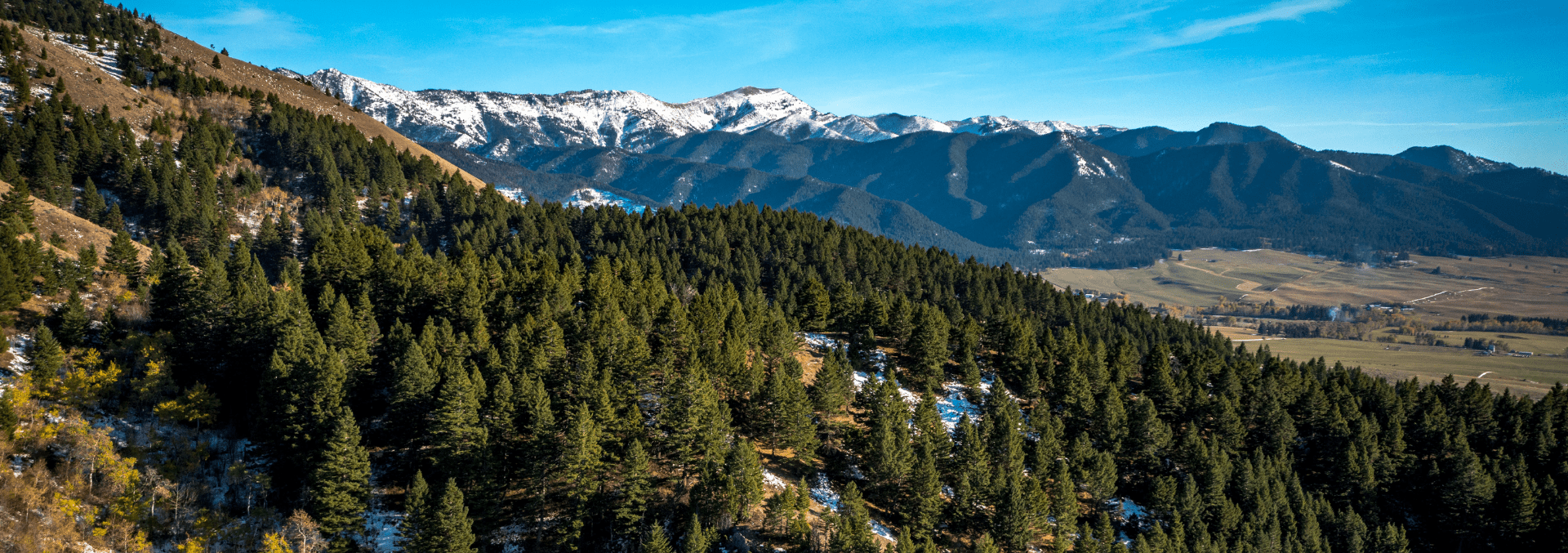
The Corbly Mountain Ranch offers a wide variety of recreational pursuits from hunting, hiking, biking, horseback riding, and whatever your heart desires. With private and direct access to the forest service, the possibilities are endless. Only 25 minutes from downtown Bozeman and 15 minutes from the airport the location is convenient while being at the end of the road and very private. Along with great views and many building sites, the Ranch is a must-see.
T90 Cattle Ranch
Tenino, Washington
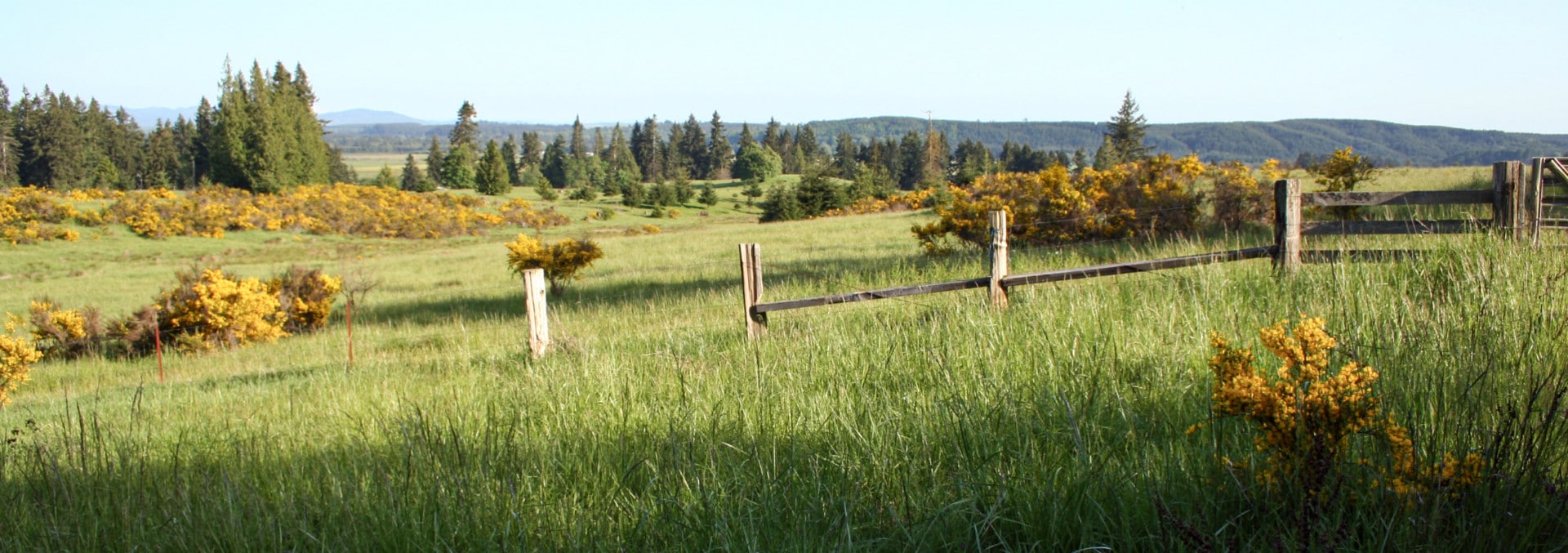
The opportunity to own a ranch of this size rarely comes up in Western Washington. The large open grassland area on the hill is the perfect place to build your dream home where you can enjoy watching the sunrise over the mountains. Enjoy a rural, secluded lifestyle with all the convenience of being close to amenities.
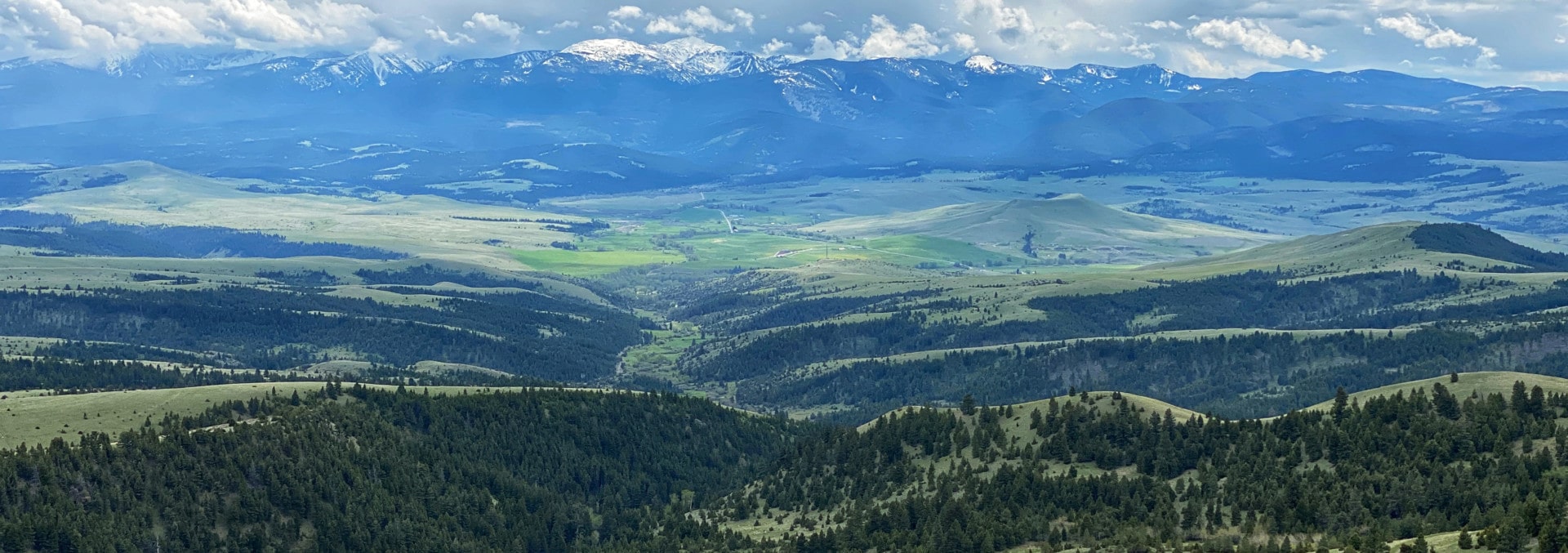
Carten Creek Ranch
Gold Creek, Montana
Montana’s beautiful Clark Fork River Valley is now a quiet ranching community and home to a unique Montana ranch. With its diverse and abundant wildlife population and rolling landscape, the property is a rare Montana property in a desirable location. A beautiful 3,000± square-foot off-grid log home rests on an open ridge, maximizing views of the valley below. From well-constructed mountain roads and trails and improvements, the ranch is the ultimate turn-key opportunity.
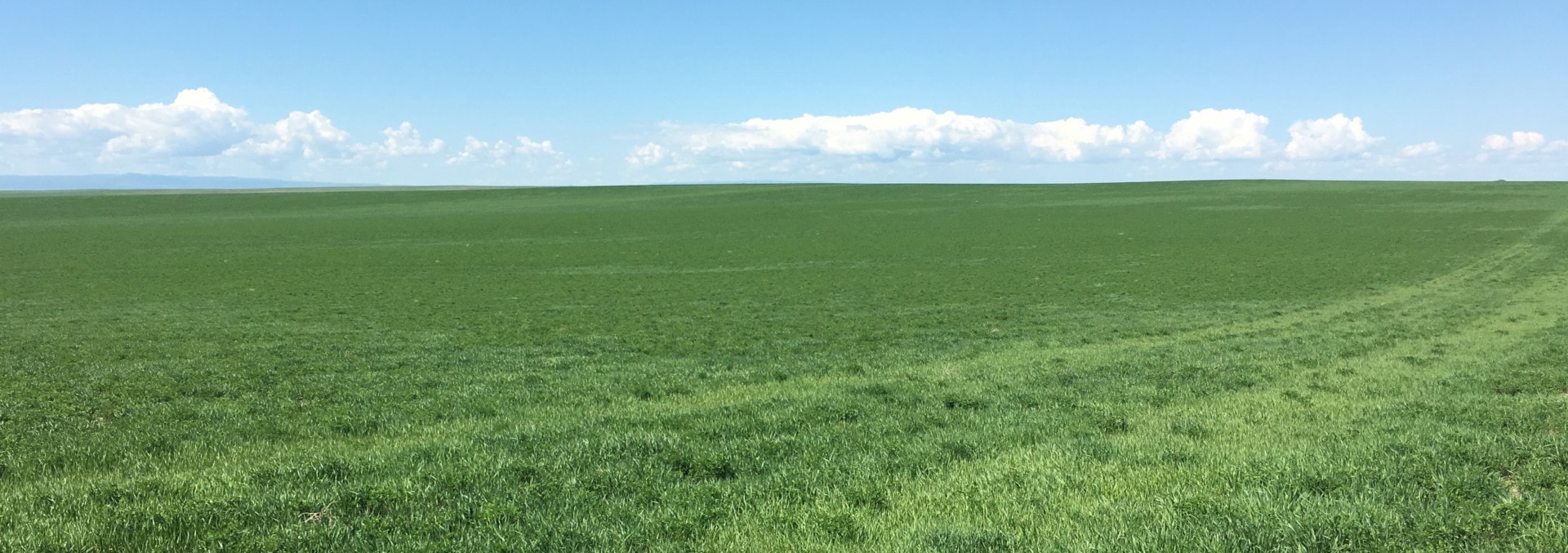
Northern Plains Ranch
Belle Fourche, South Dakota
This is an opportunity to invest in a very large production ranch in the heart of cattle country in South Dakota. Offering an exceptional feed base with an above-average water supply, quality fences, and excellent access. The livestock working facilities are strategically positioned for efficiency and the main headquarters and outbuildings are in excellent working condition.
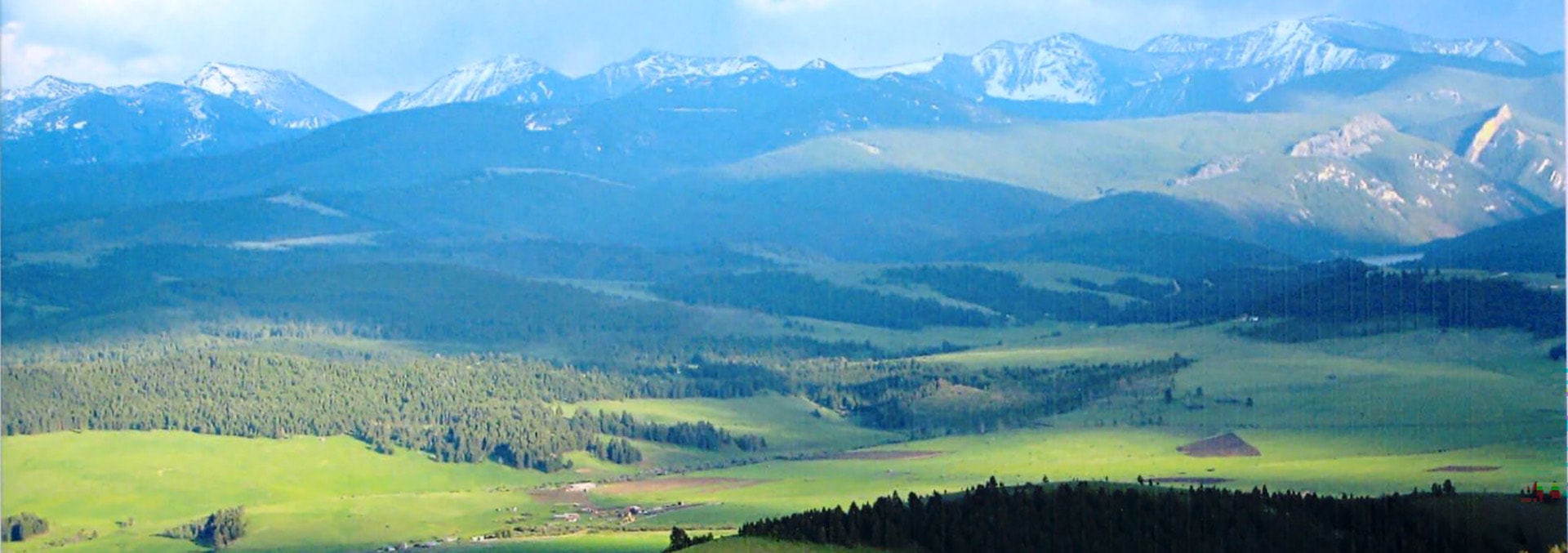
Mungas Ranch
Philipsburg, Montana
A classic Western Montana cattle ranch located in a tightly held region rich in history and agricultural heritage. A year-round cattle ranch with excellent water for irrigation, productive hay meadows and upland grazing pastures for spring, summer and fall grazing opportunities. This is a working cattle ranch with excellent improvements and facilities.
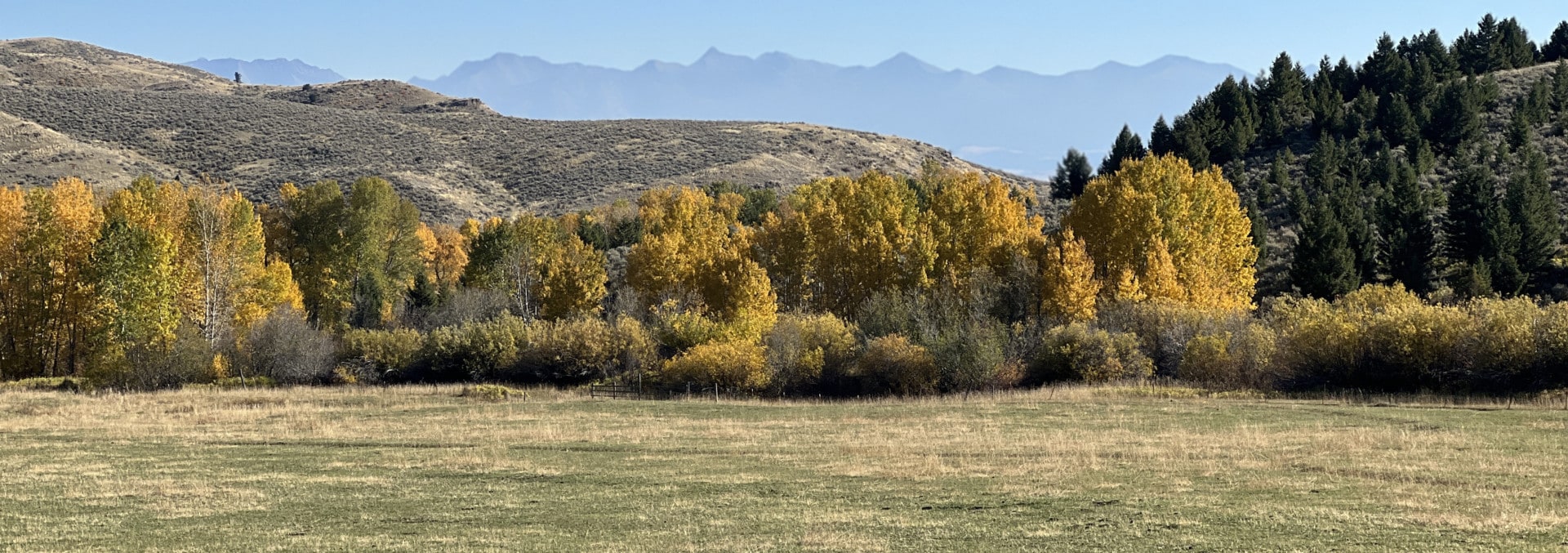
Leffingwell Ranch
Clyde Park , Montana
Fay Ranches represented the Buyer.
Located in one of the premier locations of the greater Bozeman, Montana area, the historic ranch hosts mountain views, creeks, meadow bottoms, and wildlife galore. Surrounded by neighboring ranches protected by conservation easements, the ranch offers solitude without being far from town and little risk of future development. Traditionally operated as a working ranch and dude ranch by the same family since the early 1900s, the history of this ranch runs deep.
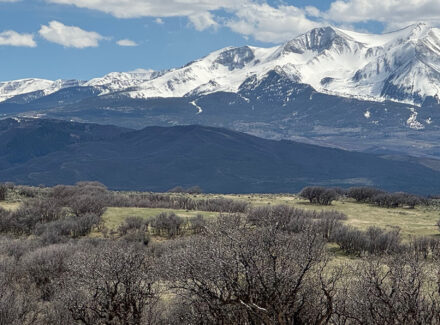
Roaring Fork Valley Ranch
Carbondale, Colorado
On a rolling mesa above Colorado’s Roaring Fork Valley, this property borders BLM for direct access to public land. Cattle Creek forms part of the western edge. At roughly 7,300± feet, it offers cooler summers and moderate winters, year-round with 360° views to Mount Sopris and the Elk Mountains. Elk and mule deer frequent the meadows. Eleven 35± acre lots with power, plus water rights to irrigate 200± acres, support recreation, conservation, or phased development, and 45± minutes to Aspen.
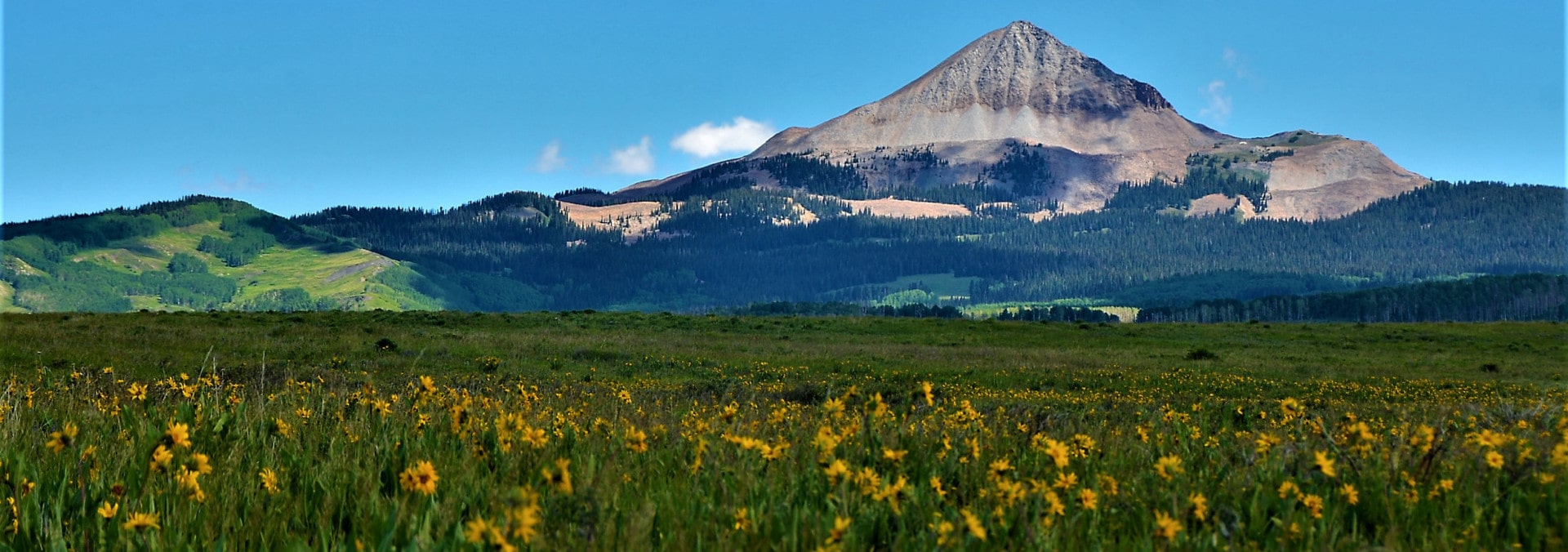
Brumley Aspen Waters Ranch
Dunton, Colorado
This Colorado mountain ranch offers aspen groves, spruce, fir, and meadows with live water creeks up from Groundhog Reservoir, offering lush grass for grazing cattle. A thoughtful conservation easement protects the property and provides flexibility, allowing commercial hunting, grazing, timbering, and future homesites. The fishery on the ranch is waiting to be developed further. Elk hunting is stupendous, and world record line class rainbow trout have been caught in Groundhog Reservoir.
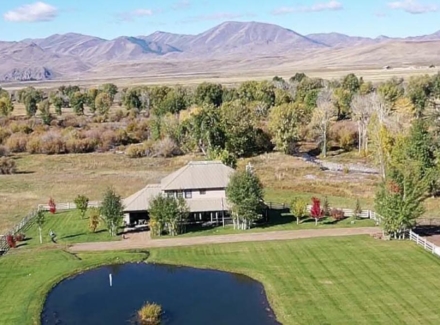
Muldoon Creek Legacy Ranch
Carey, Idaho
This Idaho ranch supports 1,300 cow/calf pairs and 400 yearlings. Upgrades to irrigation are planned with NRCS funding. Features include a 3,200 SF home (4BD/4BA, two family rooms) set in a breathtaking river valley against the Sawtooth Mountains. It boasts private access to over 3 miles of fishable waters, rich with brook and rainbow trout, and abundant hunting opportunities for upland game birds and big game. Priority water rights and year-round access are available via Muldoon Creek Road.
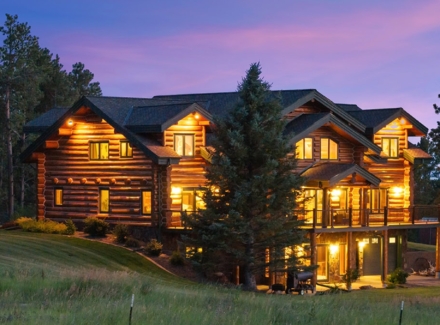
Piney Ridge Ranch
Sundance, Wyoming
This premier Wyoming ranch offers a rare combination of privacy, production, and recreation. Set in the western Black Hills, it features a 6,500± sq ft custom log home, a heated indoor arena with stalls and roping setup, and extensive cattle facilities supporting a 225-pair cow/calf operation. Diverse terrain supports trophy elk, deer, antelope, and birds, with two annual landowner elk tags. Ample water includes wells, tanks, springs, and reservoirs. Conveniently located near Upton and Sundance.
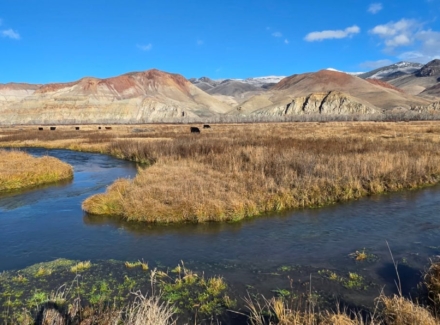
Piva Ranch
Challis, Idaho
This Idaho ranch offers exceptional agricultural productivity with extensive water resources, irrigated pastures, and efficient infrastructure for a large cattle operation. Multiple creeks, ponds, pivots, and well-designed facilities support strong hay and livestock production. Scenic river frontage on the Salmon River, abundant wildlife, and mountain views enhance its appeal, while quality improvements and year-round access create a rare blend of performance and functionality.
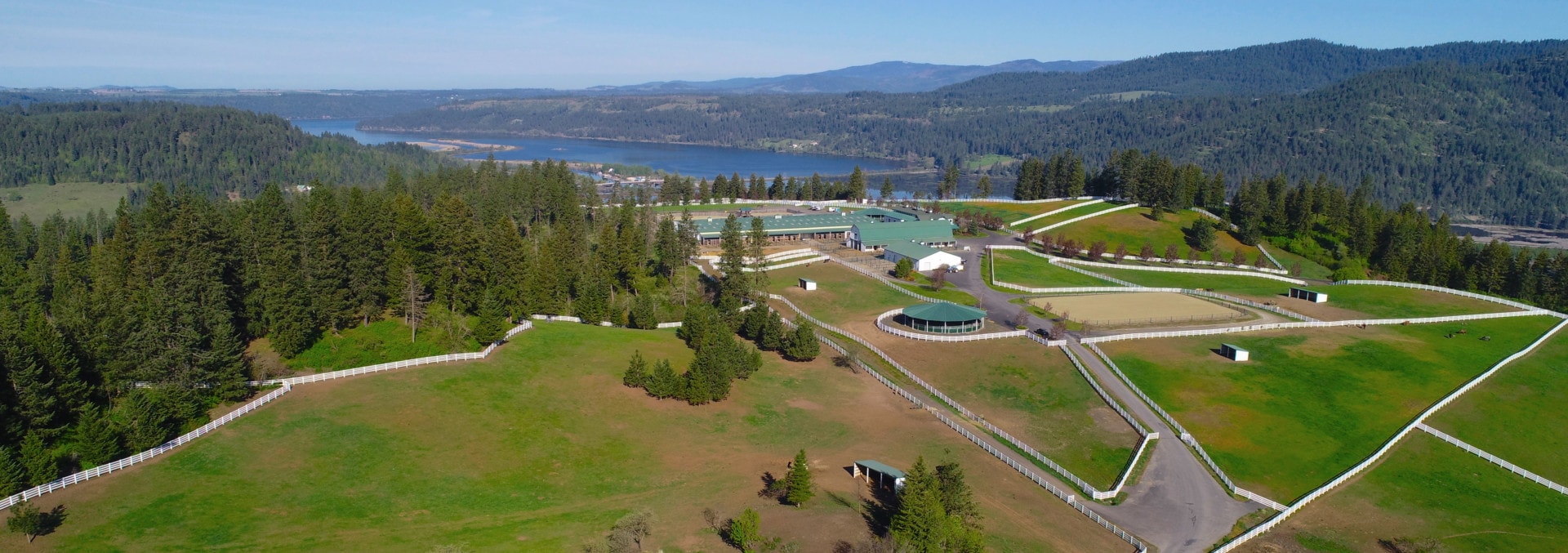
Black Rock Horse Ranch
Harrison, Idaho
This ranch in Idaho represents a one of a kind ranch ownership opportunity. While currently being operated as a world class equine facility, its location and size make this a trophy acquisition for the discriminating buyer. The views of the lakes, the mild weather and the lush hillsides are remarkable, making this one of the most beautiful ranches in the country.
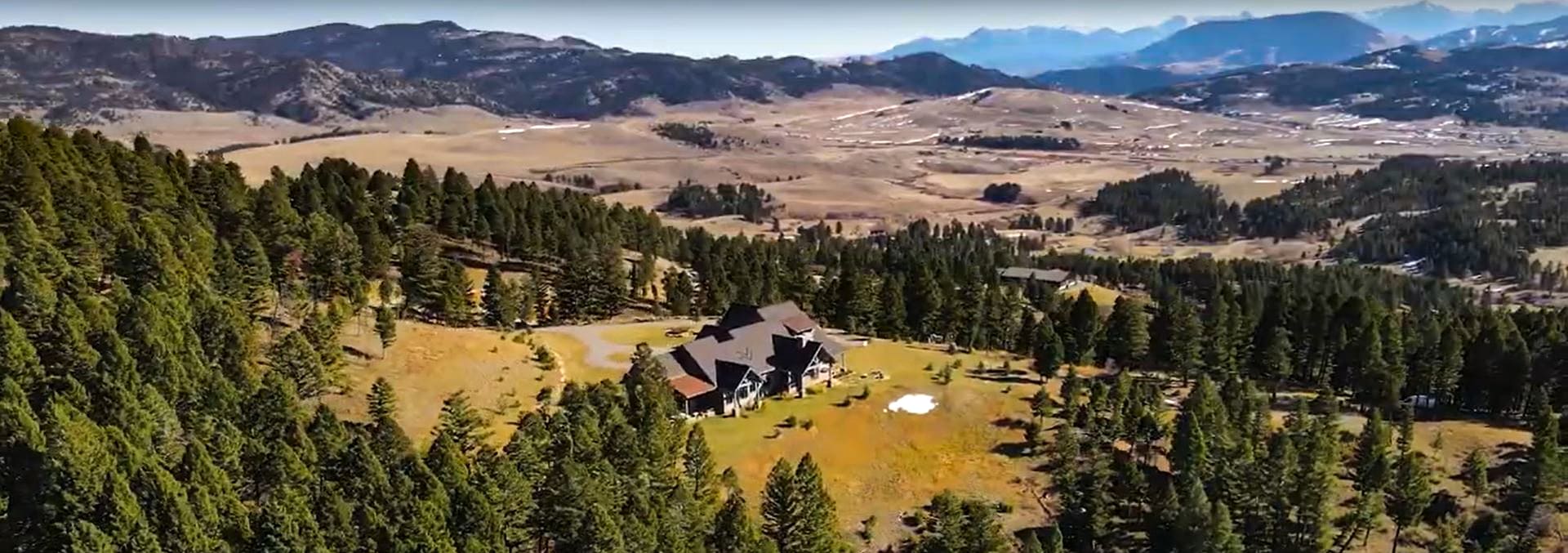
North Pass Ranch
Bozeman, Montana
Fay Ranches represented the Buyer. An unparalleled Montana oasis within Bozeman, Montana’s newest private, luxury ranch community, Northpass Ranches, is just 15 minutes to downtown Bozeman. This 146± acre property is truly a top-of-the-world experience, with commanding mountain views abound from all angles. This idyllic ranch includes a smartly appointed main house, guest house, and […]
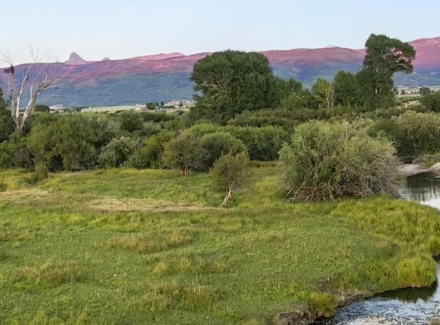
Teton Headwaters Ranch
Driggs, Idaho
This rare Idaho property, held by one family for 30 years, offers fishing on Teton Creek, abundant wildlife, and on-site hunting in complete privacy. Surrounded by conservation easements, it ensures open space, protected habitat, and striking Teton views. Just minutes from Driggs, it balances recreation and agriculture with hay production, grazing, and secure water rights. With growth in Teton Valley and Grand Targhee’s expansion, it offers lasting appeal and strong investment potential.
CloverCrest Ranch on the Jefferson
Twin Bridges, Montana
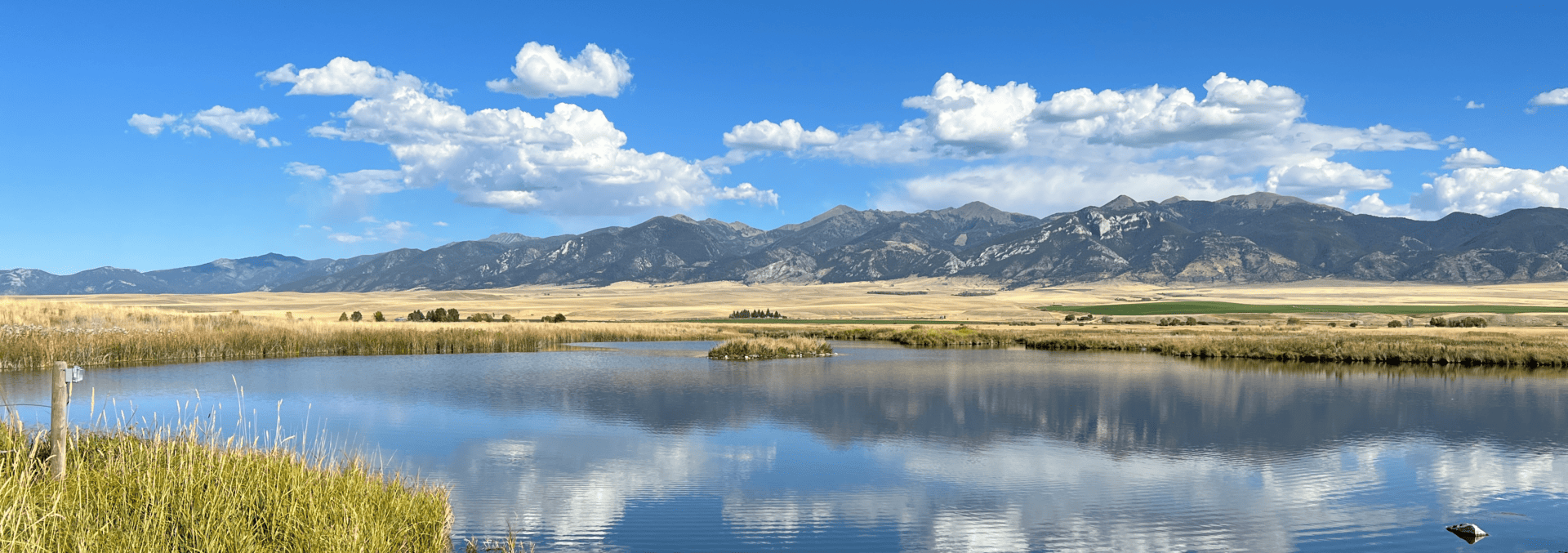
Situated on the banks of the Jefferson River and multiple spring-fed ponds on site, this ranch property offers a southwestern Montana sporting lifestyle. Fishing enthusiasts will be thrilled to discover 1.5± miles of world-class trophy trout river frontage on the property. The crystal-clear waters of the Jefferson River are home to some of the most impressive trout in the world. The new owner can enjoy exciting hunts for whitetail deer, waterfowl, and upland birds.

Woodchopper Gold Claim
Circle, Alaska
This Alaska gold claim offers an opportunity to own a piece of Alaska gold mining history as with income potential from the gold mining claims. Woodchopper Creek is an inholding in the Yukon-Charley Rivers National Preserve of fee lands and mineral rights only. The ownership includes 15 patented claims and 37 unpatented claims along Woodchopper Creek, a tributary of the upper Yukon River between the towns of Circle and Eagle, Alaska.
Sweet Grass Valley Ranch
Big Timber, Montana
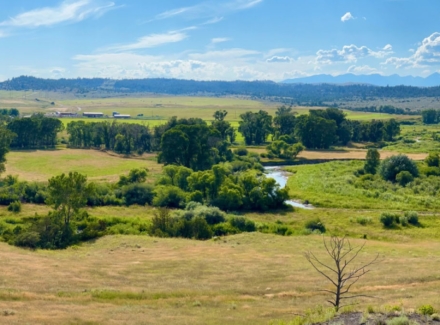
This property offers premier big game hunting for elk, deer, and antelope, along with over three miles of creek frontage and panoramic views of the Absaroka Beartooth Mountains. Featuring irrigated meadows, rolling pastures, and timbered hills, it supports both recreation and livestock operations. Ideally located near Big Timber with easy access to Livingston and Bozeman, it combines natural beauty, privacy, and strong agricultural potential in one remarkable setting.
Nickel Mountain Ranch
Riddle, Oregon
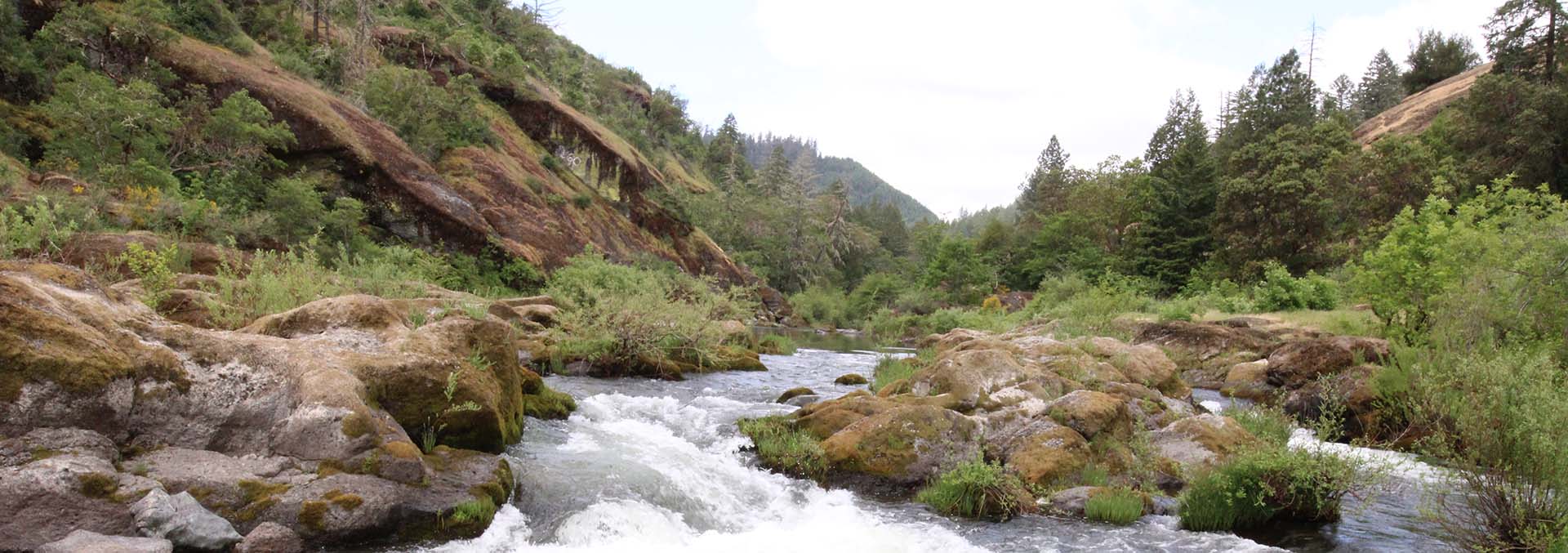
Nickel Mountain Ranch is a unique property for sale, offering diverse investment opportunities and a range of recreational activities. This Oregon ranch combines timbered areas and meadows, providing a picturesque setting to enjoy stunning views and is steeped in Native American history. A rock quarry with easy access offers potential income. The ranch affords exceptional hunting prospects, including trophy-class opportunities for black-tailed deer, Roosevelt elk, black bear, and wild turkey.
Fopiano Ranch
Mitchell, Oregon
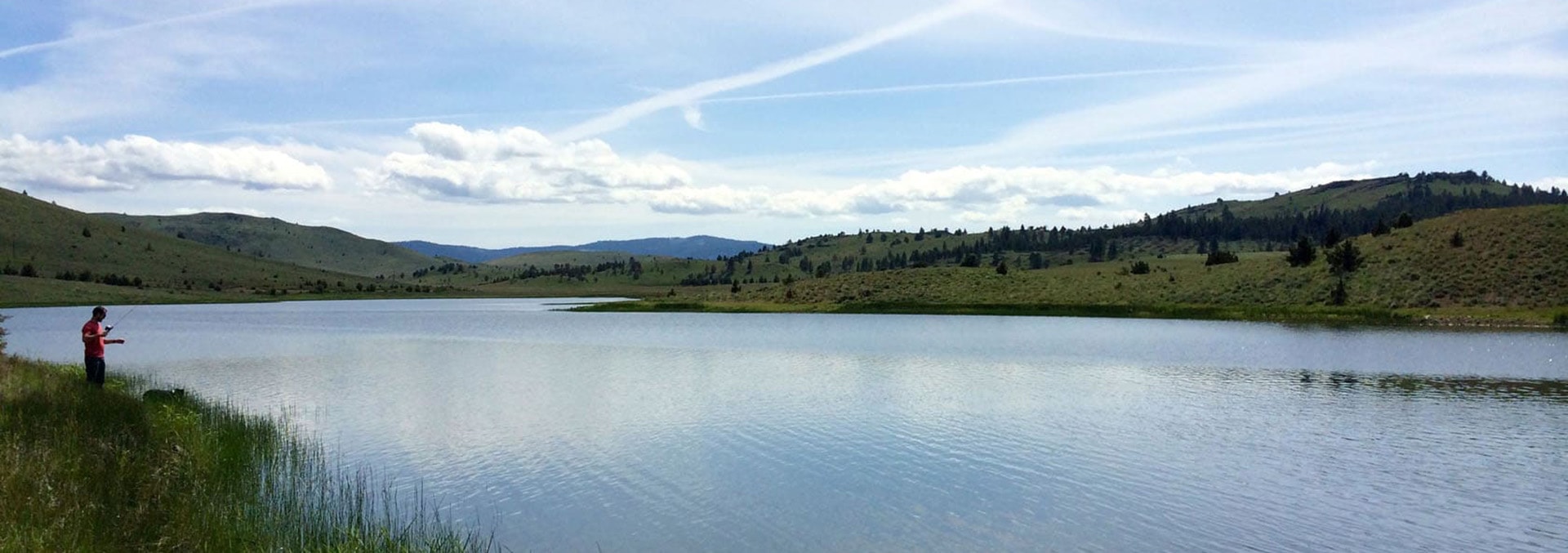
A premier cattle ranch with 745± acres of irrigated hay fields and meadows. This ranch offers multiple income opportunities including cattle ranching, hay production and logging. In addition to it’s income opportunities, it’s one of the best big game hunting ranches in Central Oregon and home to a large herd of Rocky Mountain elk.
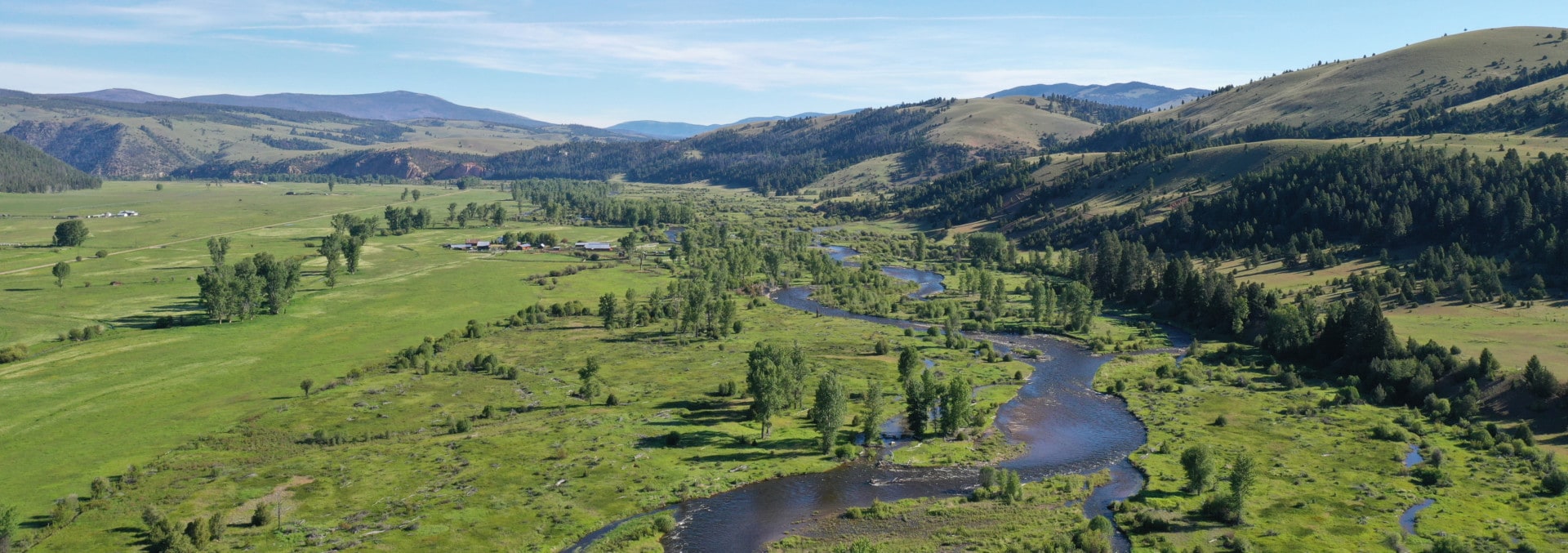
Rock Creek Cattle Ranch
Philipsburg, Montana
Generational ranches are very special, and this Montana ranch for sale is no different. It offers acreage, river frontage, and has surrounding forests to roam and enjoy the rugged nature of Rock. Rock Creek has flowed through this valley for thousands of years, etching its history into the canyon walls. Fertile soil, lush grass, and approximately 1.5 miles of river frontage offer an abundance of recreational opportunities and untamed beauty.
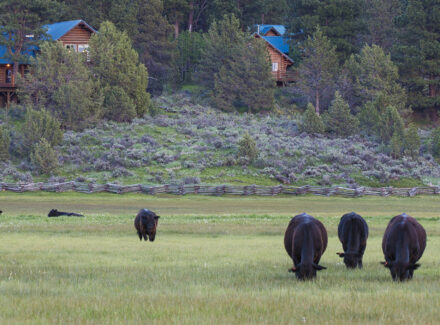
Aspen Ridge Ranch
Bly, Oregon
Seven lakes and reservoirs backed by senior water rights provide rare control, stability, and year-round operating confidence in south-central Oregon. Designed for productive cattle use, the property includes deeded land, adjoining Forest Service grazing, strong water distribution, wildlife habitat, and recreation. A substantial log lodge, additional cabins, and a manager’s home support owners, guests, or staff, while hydroelectric power with propane backup adds reliable off-grid capability.
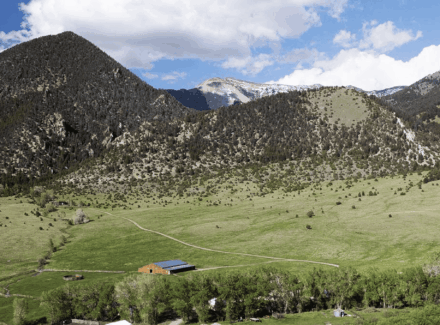
MJS Ranch
Located in Madison Valley
Cameron, Montana
Nestled in Montana’s breathtaking Madison Valley near Cameron, this secluded end-of-the-road ranch is bordered by 2.5± miles of National Forest, offering direct access to pristine wilderness. Enjoy sweeping mountain views, abundant wildlife, two year-round creeks, and close proximity to the world-renowned Madison River for fly fishing. Improvements include a custom main home, guest cabin, indoor riding arena, barns, and full ranch infrastructure—ideal for cattle, horses, recreation, and retreat.
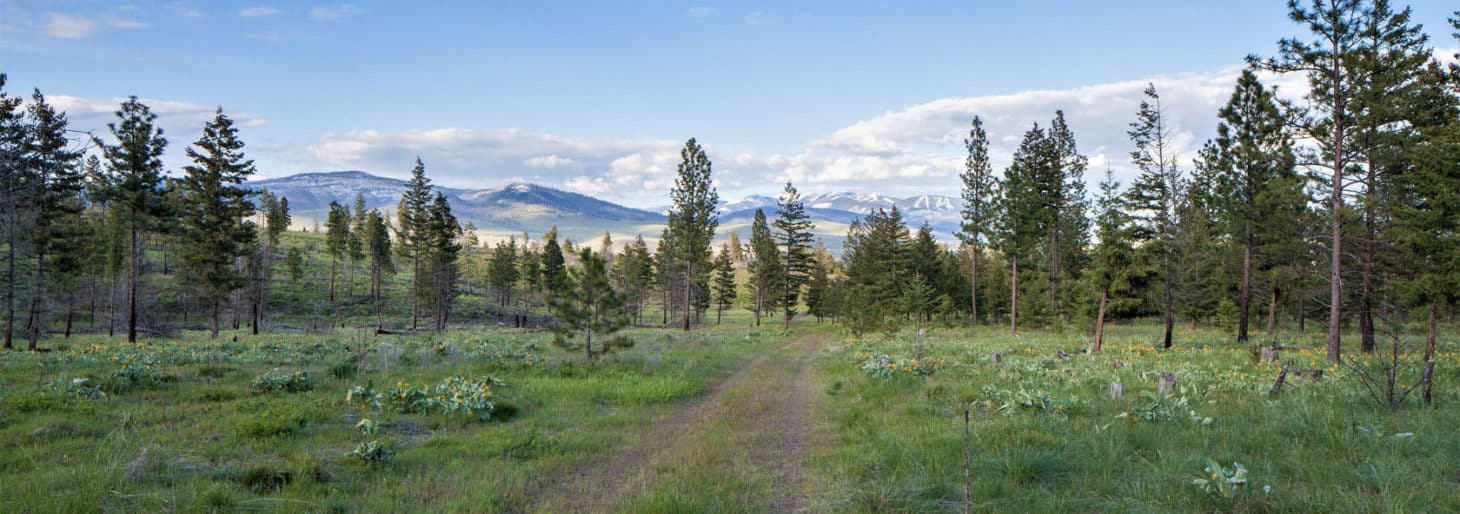
Wild Horse Mountain Ranch
Missoula, Montana
A true rarity in the Missoula valley, this large block of land just west of town provides an opportunity for a year-round residence, a recreational retreat or an investment play. The hunting opportunities on site are tremendous and fishing opportunities along the Clark Fork are great.
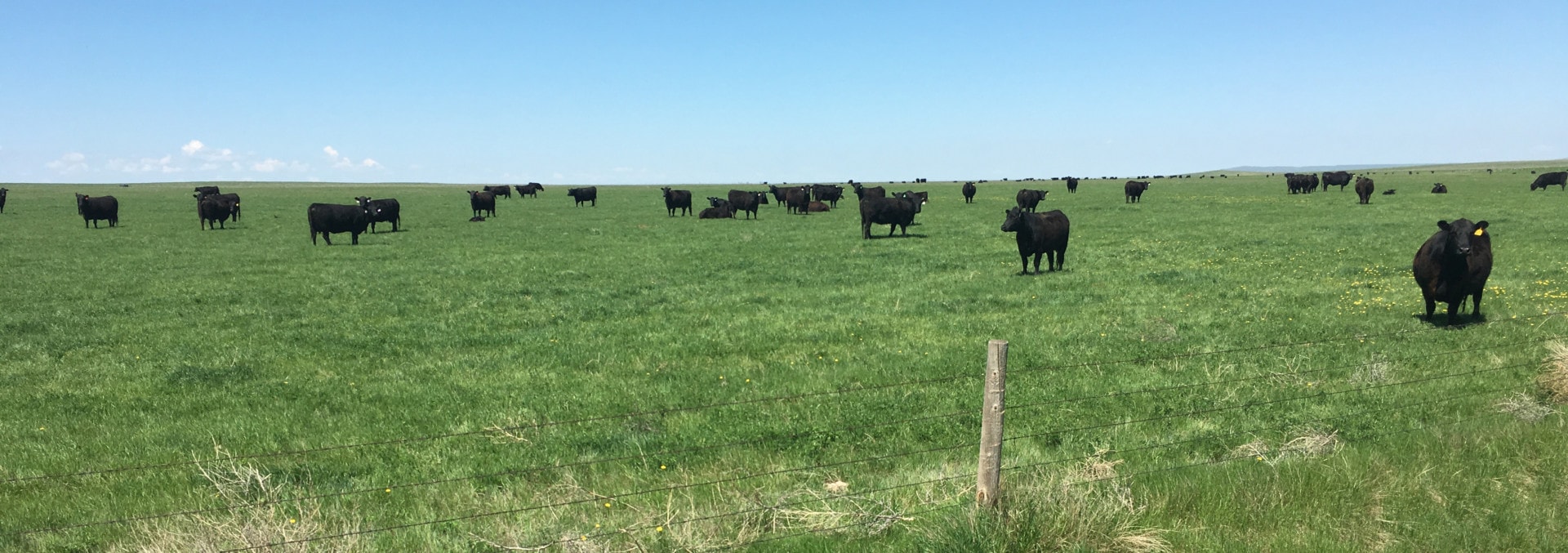
Northern Plains Grassland and Cattle Ranch
Belle Fourche, South Dakota
This South Dakota ranch’s recent sale includes 11,888± acres of prairie grazing, cross-fenced into several pastures with tanks and dams throughout, the remaining 2,389± acres are dryland hay fields. It features an abundant water supply via a deep well with a pipeline system and concrete tanks, numerous dams, and seasonal creeks. It is located on the plains of South Dakota approximately 20 miles north of Belle Fourche, South Dakota.
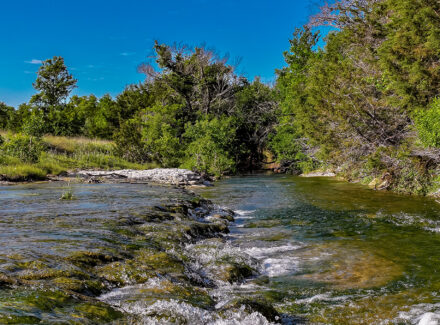
Cotton Willow Ranch
Valley Mills, Texas
Pristine live water creeks, natural springs, and rolling native prairie define this exceptional Central Texas ranch. Thoughtful land stewardship has preserved a thriving habitat for abundant wildlife and productive grazing. Improved with multiple ponds, extensive roads, quality fencing, and livestock infrastructure, the property offers outstanding hunting, scenic vistas, premier homesites, and rare accessibility near major Texas metro areas.
Tripple Creek Gold Mine
Nome, Alaska
With patented claims, this active turnkey placer mine produces coarse 91.5% pure gold and valuable sand and gravel by-products that contractors demand. Mining has been nearly continuous since 1997, with current operations underway since 2015. Infrastructure includes highway access, city power, and local equipment rentals. After mining, the land can be subdivided into building lots with proven sales success, offering strong potential for both continued extraction and long-term development.
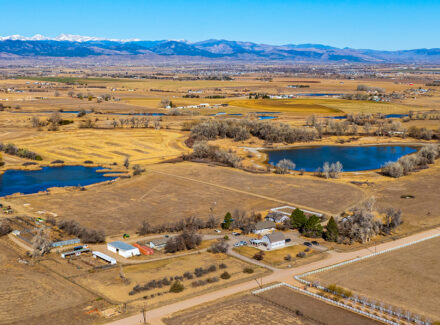
Stillroven Farm Pheasant & Kennel Club
Berthoud, Colorado
A turnkey sporting property within easy reach of Denver and the Front Range, this offering combines established pheasant hunting and kennel infrastructure with strong flexibility for income and personal use. Managed for upland habitat and privacy, it is well-suited for guided hunts, dog training, boarding, client entertaining, or a membership-based retreat. Productive yet restful, it offers a rare balance of accessibility, open space, and proven operational groundwork.
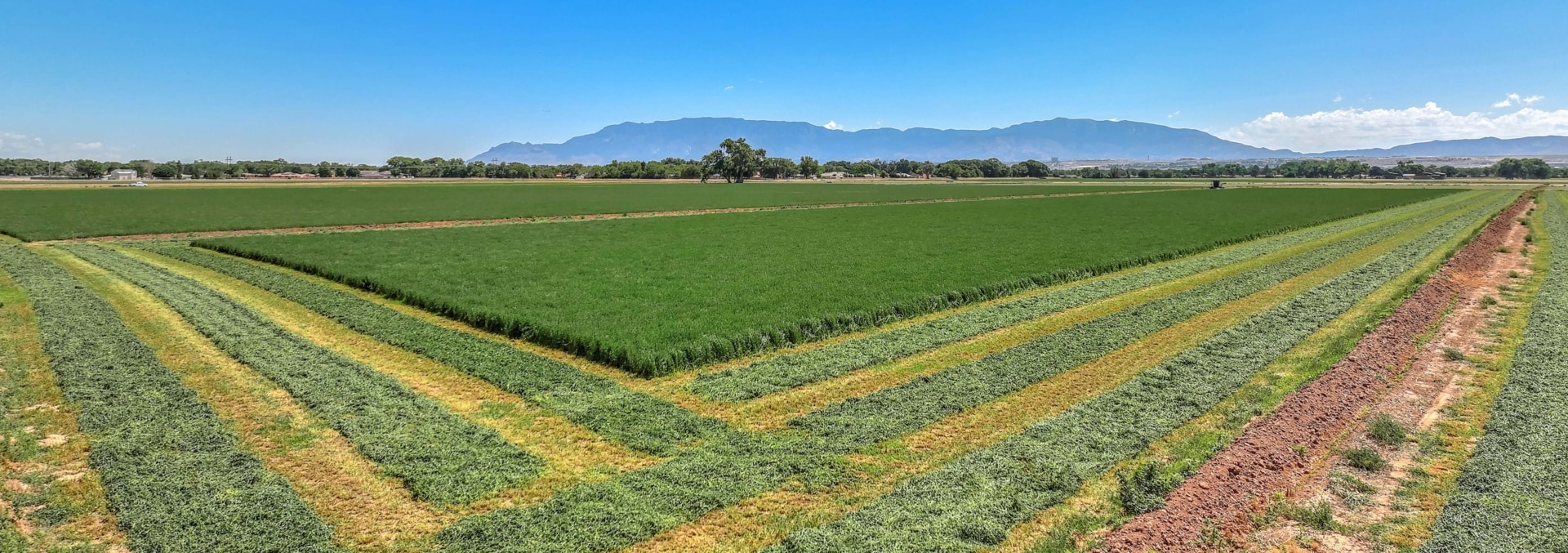
Old Tobacco Farm
Albuquerque, New Mexico
The Old Tobacco Farm in New Mexico is a green island of alfalfa hay fields in the center of an urban landscape, offering the buyer the opportunity to continue the farming operation, create an urban estate or land bank for the future, or explore the current development environment. The county has approved and adopted a plan for a very valuable 450-residential housing unit development. Outdoor living, art, and history are a way of life in the area. The Sandia Mountains are only minutes away.
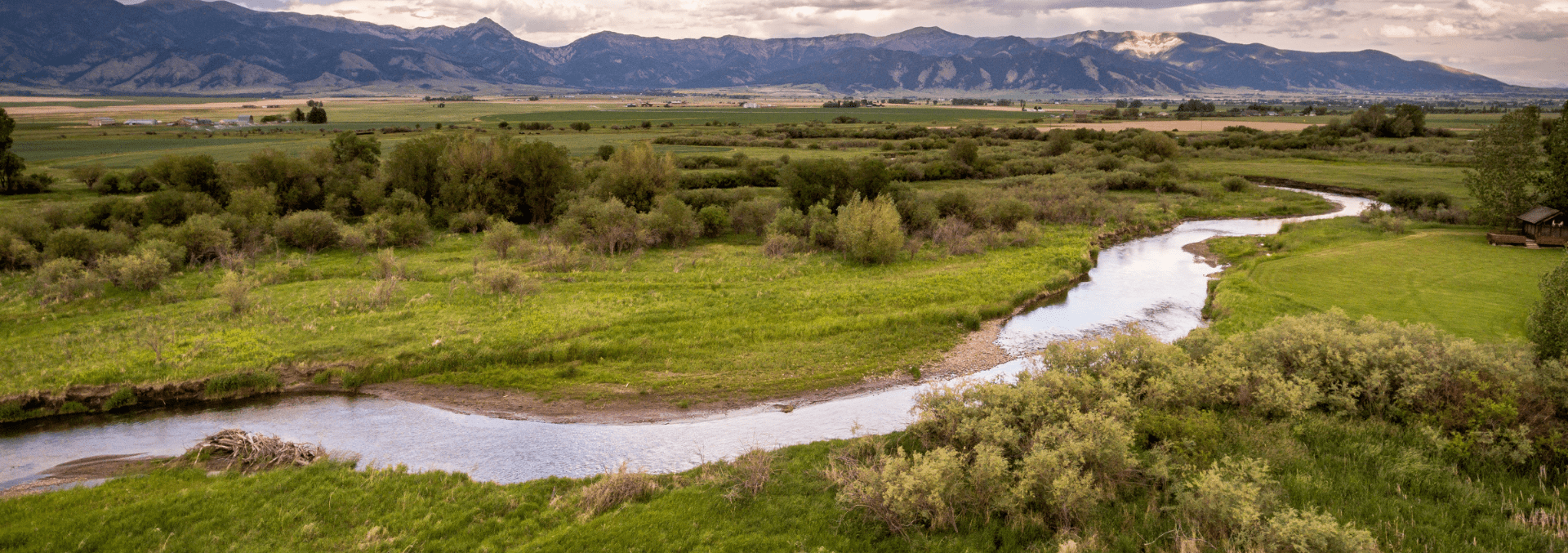
East Gallatin River Ranch
Belgrade, Montana
A peaceful 20± minute drive from the booming college town of Bozeman, Montana, the ranch boasts an unheard-of 1.75± miles of both sides of the East Gallatin River as well as a beautiful pond, spring-fed sloughs, and oxbows. A beautiful executive home and guest house overlook the large pond and river with stunning views of the Bridger Mountains and Ross Peak. The setting is private, peaceful, and secluded, yet close to many amenities.
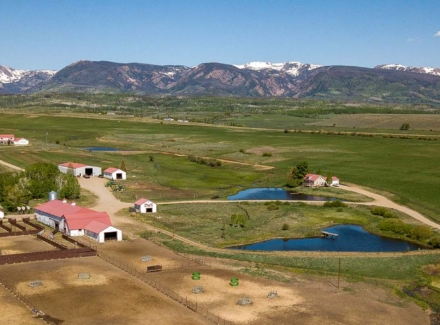
Eagle’s Wing Ranch
Coalmont, Colorado
In Colorado’s North Park, this income-producing ranch offers rare ownership of a contiguous, heavily watered operation with senior water rights and premium bison infrastructure. It includes three well-situated homes, robust hay production, and adjudicated ditches dating to the 1880s. Founded in 1882 and refined by conservation-minded stewardship, the ranch blends agricultural capability, recreation, and lasting value—ideal for buyers seeking meaningful land ownership in the American West.
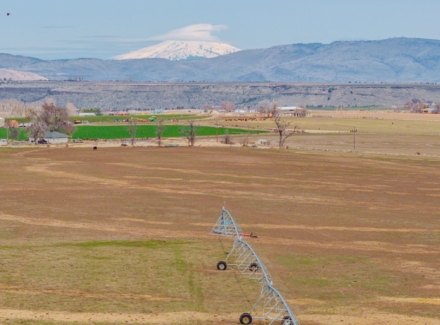
Fessler Hay & Cattle Ranch
Madras, Oregon
This North Central Oregon ranch offers irrigated farmland, hay ground, and rangeland, ideal for cattle and crop production. With significant water rights, seven residences, barns, workshops, a feedlot, and corrals, it’s a turnkey operation supporting both productivity and comfort. Set against the Cascade Mountains, it combines agricultural performance with recreation and scenic value—an income-producing property with the infrastructure, flexibility, and potential to support long-term success.
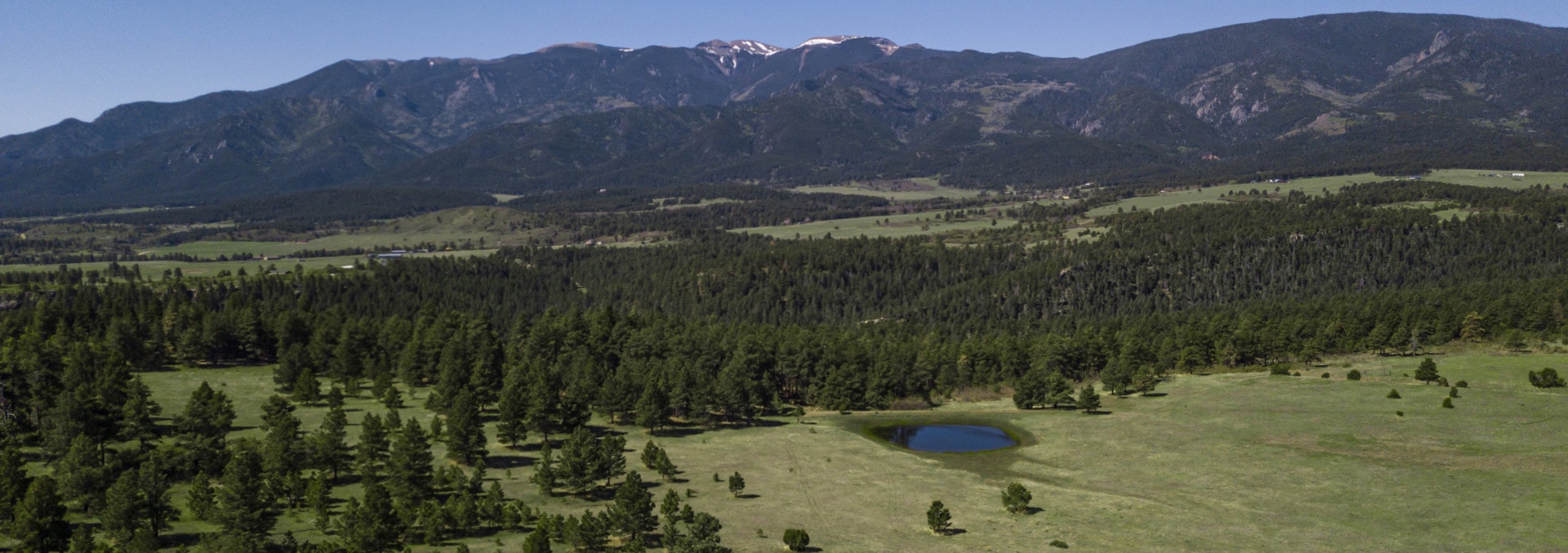
Strawberry Ridge Ranch
Colorado City, Colorado
Deriving its name from a wild strawberry patch on the top of a towering bluff, this Colorado ranch for sale offers outstanding big game hunting or watching with an abundant number of species such as trophy elk, mule deer, black bear, and pronghorn antelope. It features a 4,013.45± deeded acres and 640± acre state lease parcel. One of the many features that make this ranch stand out is the valuable water rights, providing 275 acre-feet of water annually for agriculture and municipal use.
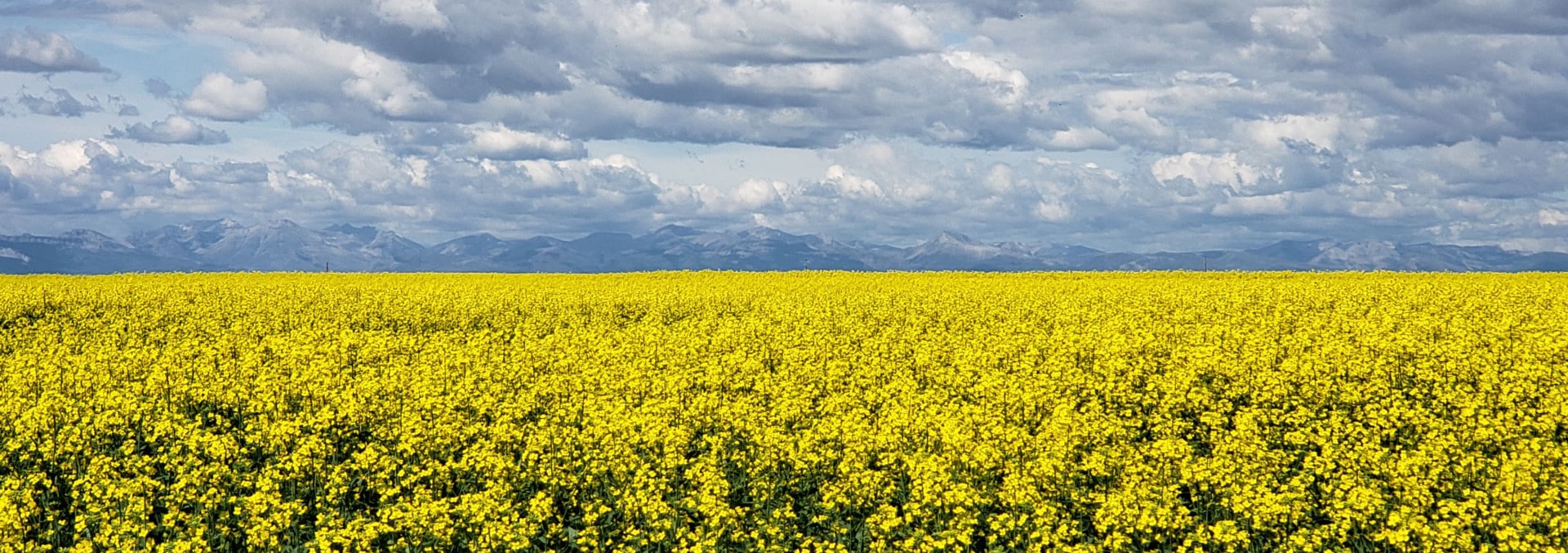
Lake Francis Irrigated Farm
Valier, Montana
This highly productive irrigated and dryland farm is set in the shadows of the Rocky Mountain Front and close to the banks of Lake Francis. With meticulous stewardship and well laid out operating systems for efficient farming practices and an excellent history of production, this farm will serve and owner-operator or investment minded buyer long into the future.
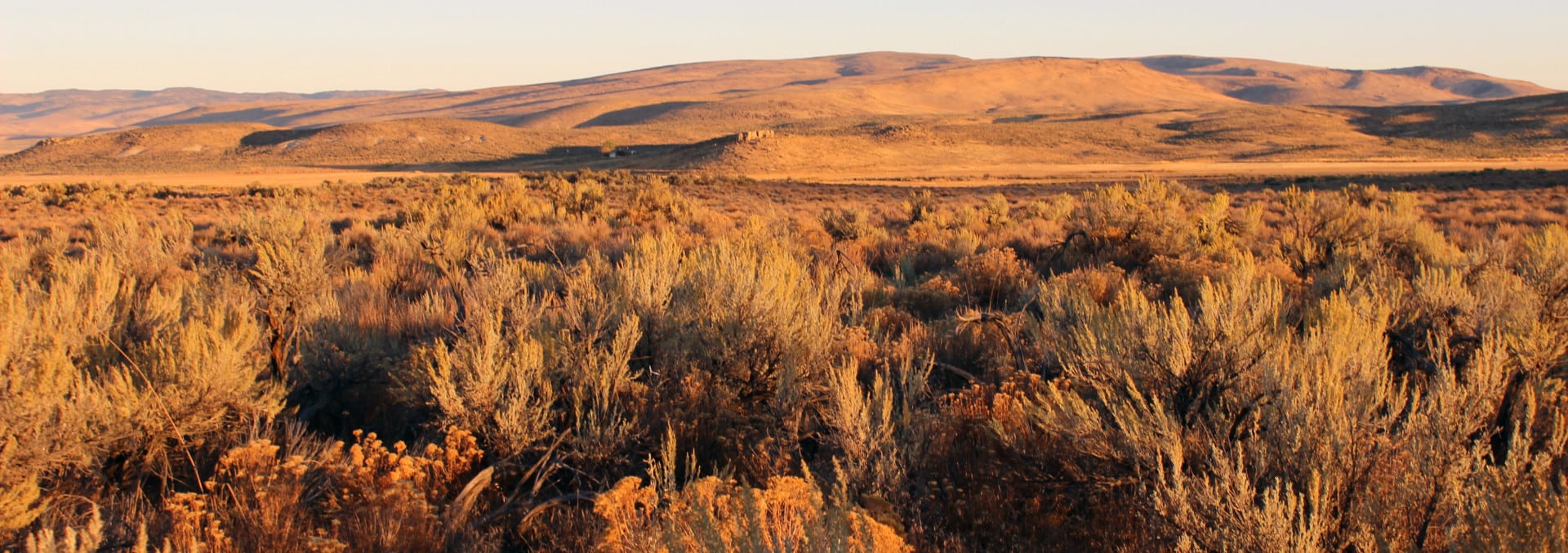
Brackett Ranch
Jordan Valley, Oregon
This sprawling Oregon desert ranch for sale is divided by the border between South East Oregon and South West Idaho. This is big cow country made up of rolling sage and grass-covered hills with deep draws. The ranch has the capacity to run 1,000 plus cows year around. The cattle are outside grazing much of the year coming in in the fall to wild meadows and a few months of wild hay feeding.
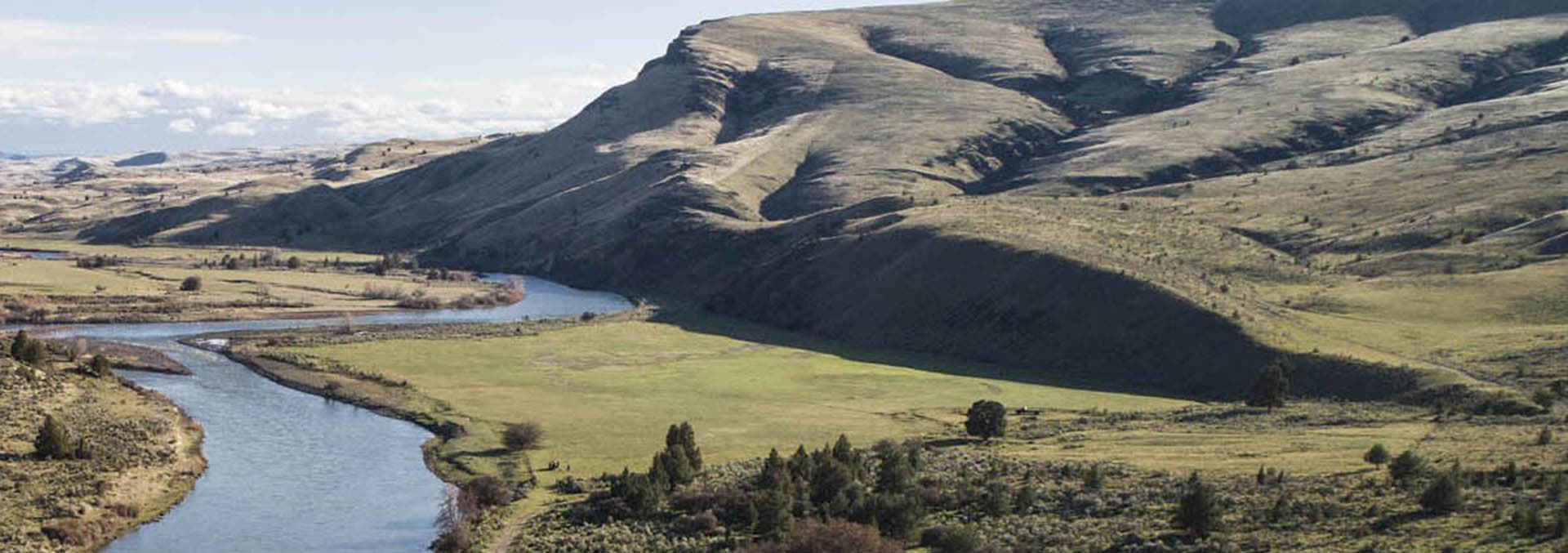
Maurer Ranch
on the John Day River
Antelope, Oregon
The John Day River winds along this Oregon ranch for approximately 11.5± miles which include 9.5± miles of deeded river frontage, with the balance of the river frontage mostly along BLM lands which are grazed by the ranch! It is one of the few ranches that boasts the rare combination of quality upland game bird, waterfowl, and big game hunting, plus fly fishing for steelhead and smallmouth bass! Rich in history, jaw-dropping vistas, and amazing geology, this ranch has it all.
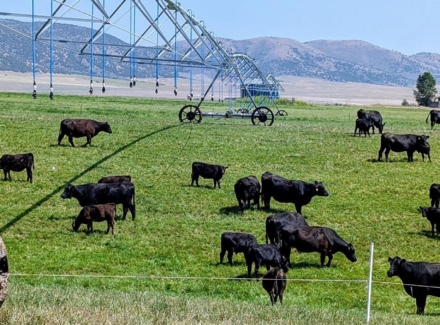
Flying H Ranch
Downey, Idaho
A rare opportunity to own a fully operational cattle ranch in southeastern Idaho’s productive ranching country. Developed for efficient large-scale livestock production, the property blends irrigated ground with native and improved pastures for disciplined rotational grazing and a direct-to-consumer beef program. Approximately 400± acres under pivot irrigation, durable fencing, and modern infrastructure support high carrying capacity.
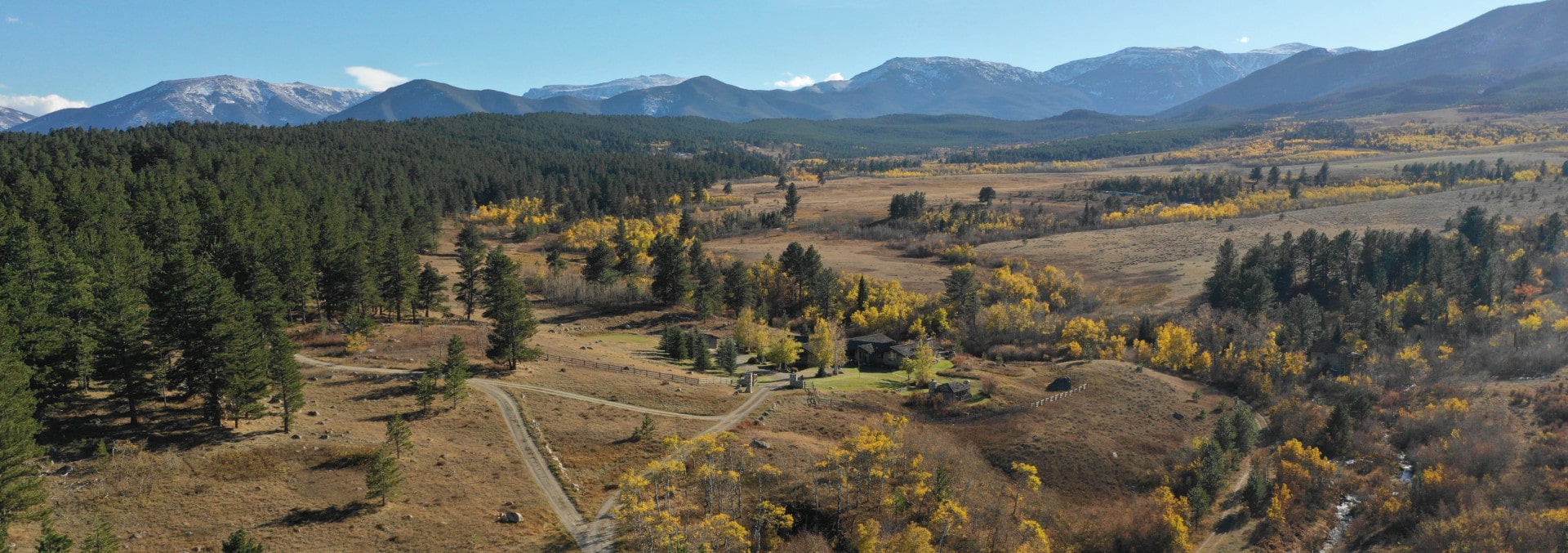
Sacred Raven Ranch
Fishtail, Montana
This property lies along Montana’s coveted “Beartooth Front” and is contiguous to thousands of acres of National Forest. The property consists of lush meadows, aspens, conifers, and almost 3 miles of streams and springs, along with a 3,392± SF, 3 bed, 3.5 bath main home, 2,970± SF, 4 bed, 3.5 bath guest home, historic cabin, screened-in kitchen/dining building, and outdoor sauna. Enjoy world-class elk hunting on the ranch and contiguous public land. This property feels private yet is only 1.5± hours to Billings-Logan International Airport, 15± minutes to Fishtail, and 45± minutes to Red Lodge.

Bridger Shadows Farm
Bozeman, Montana
This property is a beautiful 735± acre ranch that has been in the same family operation since the early 1940’s. The Bridger Mountains provide a stunning melodic backdrop with 360-degree views of the entire Gallatin Valley. Located just 5± miles north of Bozeman, this property offers endless possibilities to the new owner.
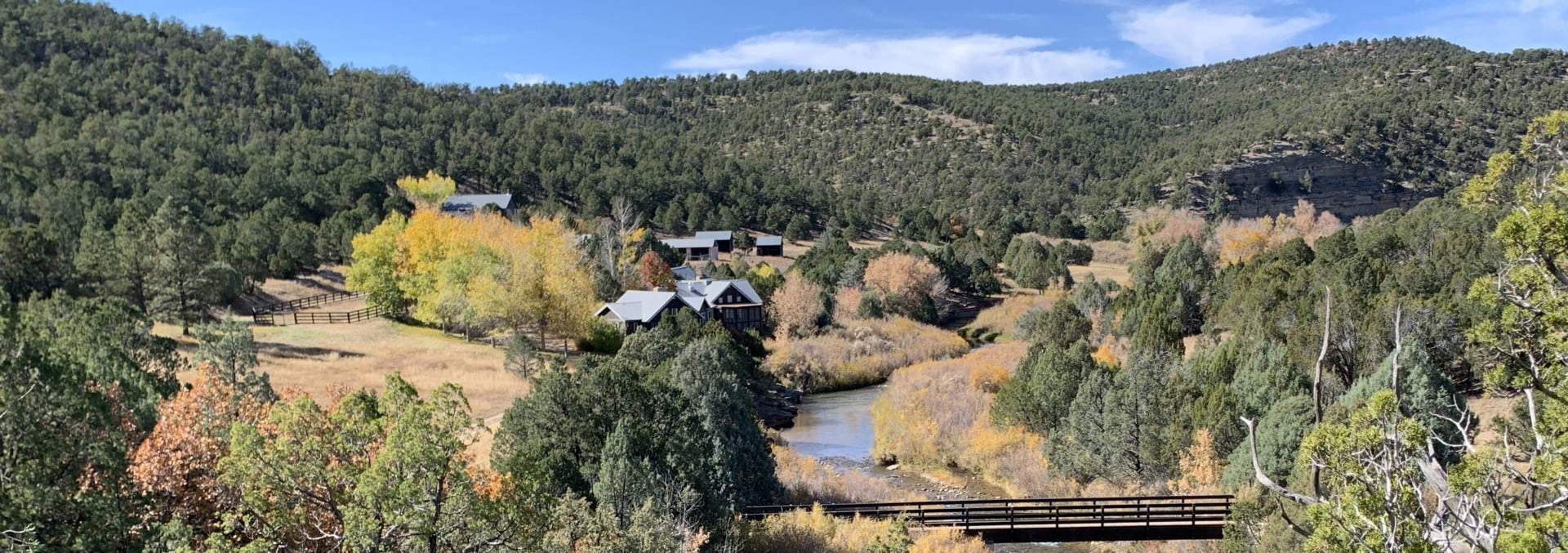
Los Trigos Ranch
Rowe, New Mexico
This iconic Pecos River property has almost two miles of the trout-filled Pecos River meanders through the middle of the ranch, dotted by majestic cottonwoods and native willows. Deep river pools flow against stunning canyon wall backdrops, providing habitat for 20-inch rainbows, cutbows, and browns. Wildlife including trophy elk, mule deer, black bear, and mountain lion, roam this property. It adjoins the Santa Fe National Forest on the north, offering endless recreational possibilities.
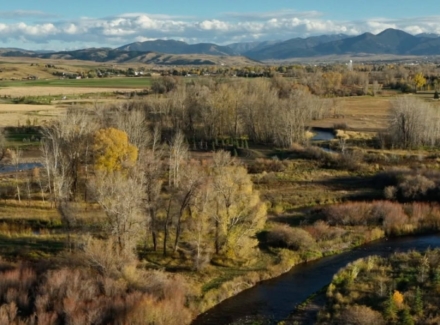
Oxbo Preserve
Bozeman, Montana
This Montana property boasts 1.5+ miles of both sides of the East Gallatin River and mountain views. Wildlife enhancement and stream restoration have made this property a conservation success. With private roads and trails throughout, the property is farmed and maintained, providing hunting for pheasant, deer, & waterfowl. Five minutes from Bozeman & 10 minutes from Bozeman’s airport, this property balances seclusion and accessibility. This is the sale of a third interest in the LLC/community.
Double Angel Lodge
Lewisville, Arkansas
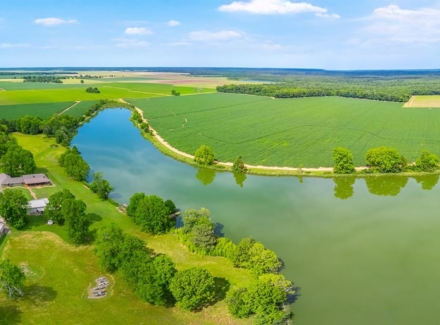
Built in 2006 on the shores of Mays Lake, this lodge features 10 private bedrooms with en suite baths, expansive living areas, chef’s and commercial kitchens, and sweeping views of premier flooded timber. Modern amenities include Starlink Internet, a Klipsch sound system, and multiple gathering spaces. The property offers trophy fishing, exceptional waterfowl, deer, and hog hunting, along with heated shops, equipment storage, and welcoming spaces designed for comfort and camaraderie.
Ninemile Valley Ranch
Huson, Montana
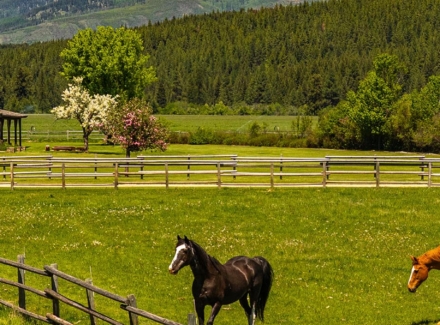
Nestled in the highly sought-after Ninemile Valley, this ranch is 45± minutes from Missoula, Montana. Contiguous to Lolo National Forest for about a mile, this ranch boast views, privacy, and almost two miles of fishable Ninemile Creek. Wildlife includes deer, elk, turkeys, grouse, sandhill cranes, and the occasional wolf. Improvements include a 2,970± SF home, 902± SF log cabin, barn/recreation center that sleeps 22, rustic cabin, two pole-frame storage buildings, and a sporting clays course.
Bangtail Creek Ranch
Livingston, Montana
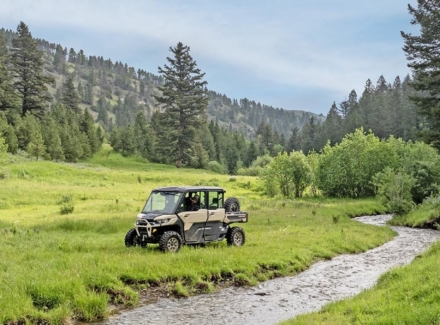
Most of this acreage is contiguous to National Forest, near Livingston, Bozeman, the Yellowstone River, and Yellowstone National Park. The land boasts views of the Crazy Mountains, Bangtail Ridge, and the Chief Mountain plateau. Wildlife roam through the sage-filled land with newly constructed roads and electricity. This is the ideal location to build your dream home in Montana, as you can enjoy the seclusion of your private property with the convenience of nearby amenities.
Montana Eagle Ranch
Wilsall, Montana
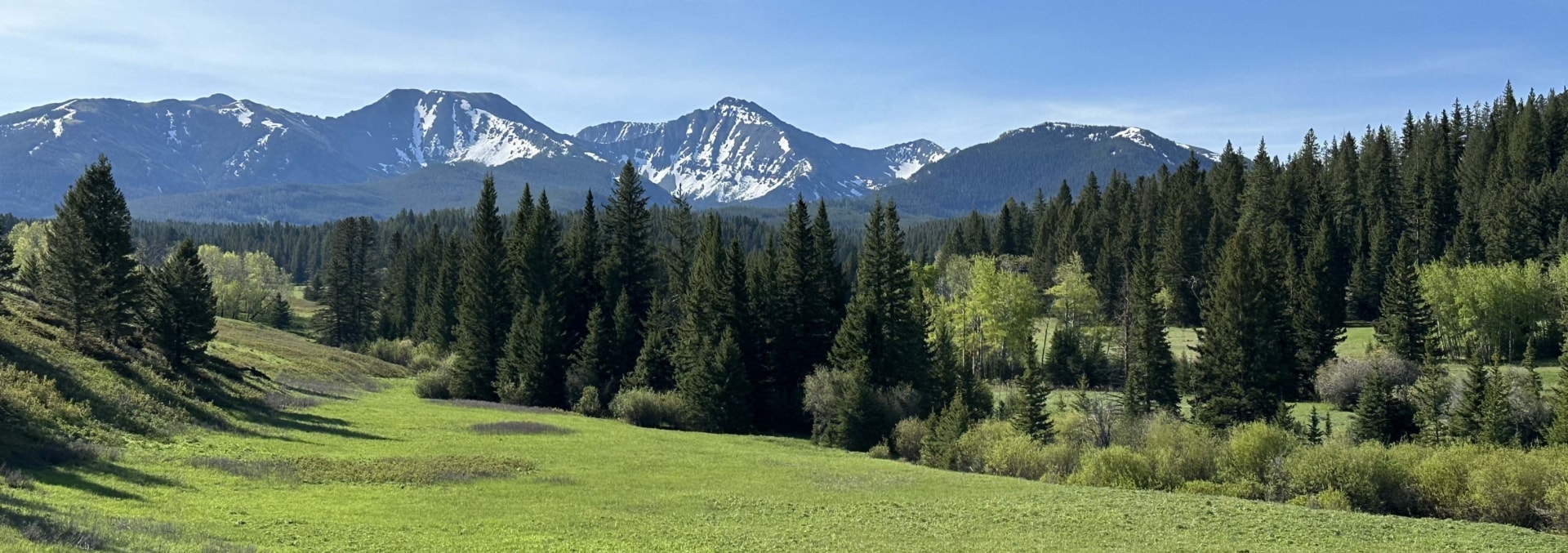
Nestled in the shadow of the Crazy Mountains and contiguous to thousands of acres of National Forest, this property is a little over an hour from Bozeman in the tightly held Shields River Valley. The trout-rich Shields River flows through the property for over half a mile, as well as over a mile of both Mill Creek and Deep Creek, and a little less than half a mile of the South Fork of the Shields River, providing habitat for diverse wildlife. The 1,596± SF, 2 bed, 1 bath log home with loft sleeps 12. Other improvements include a 2 bed guest cabin with outhouse, and a private deck with hot tub and sauna.
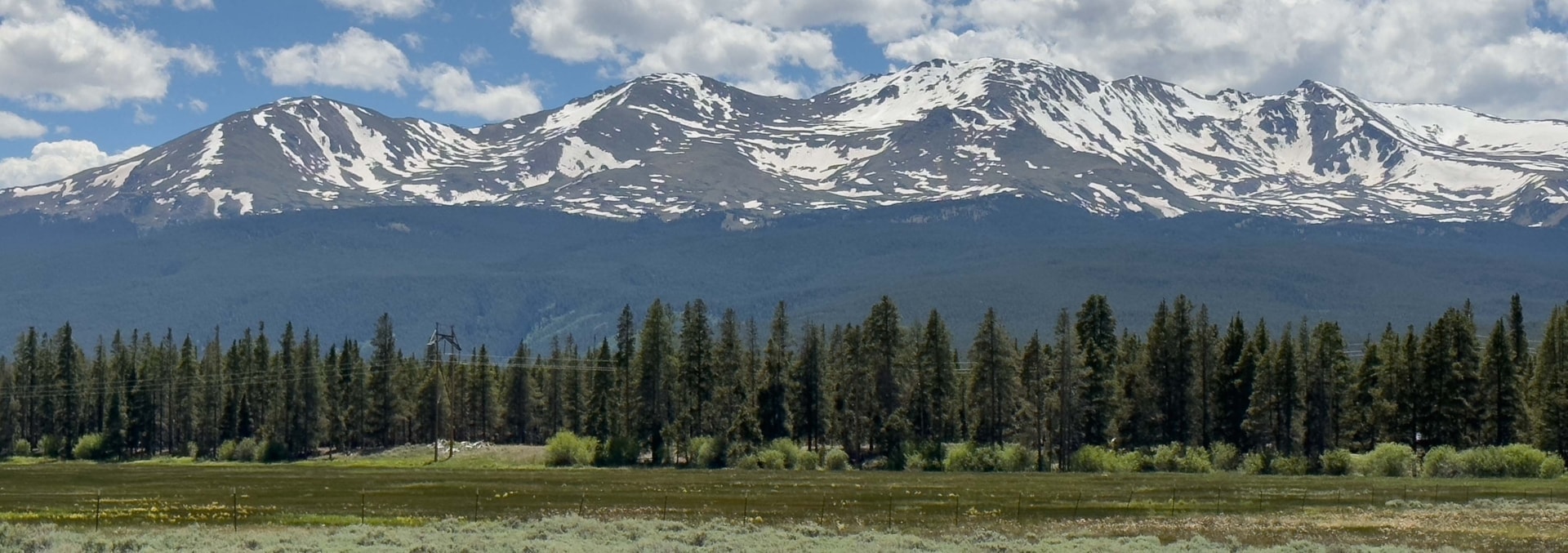
Lake Fork Ranch
Leadville, Colorado
This Colorado ranch offers much: 1.5± miles of productive fish habitat-improved Lake Fork Creek, water rights, hunting opportunities, stunning views, easy access to world-class ski areas, the summer jaunt over Independence Pass to Aspen, and recreational opportunities. A golf course, fish hatchery, Turquoise Lake, and the Arkansas River are all neighbors. Whatever draws you to consider this ranch, it is not difficult to see all the possibilities and wonderful attributes that are Lake Fork Ranch.
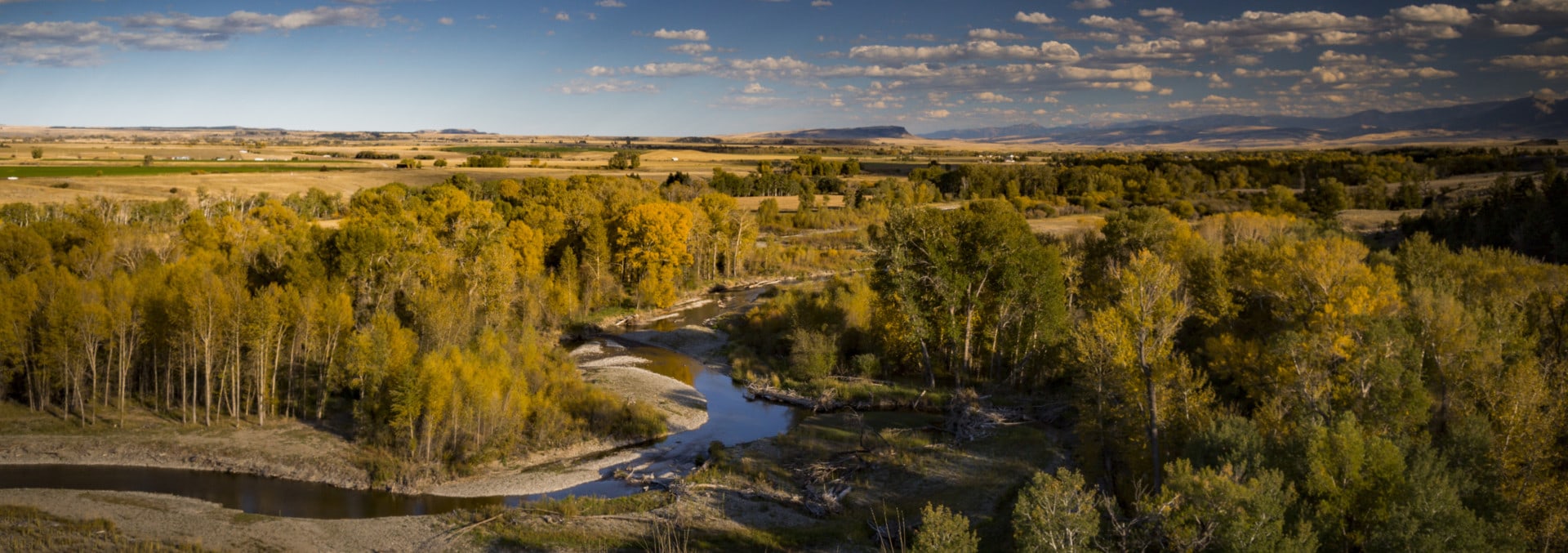
Shields River Lodge
Clyde Park, Montana
This Montana property, nestled between the Bridger, Absaroka, and Crazy Mountains, has a mile of the Shields River, a guide favorite for fishable trout water, making up the eastern boundary. Run as a fly fishing lodge in the past, the nine-bed, 10.5-bath lodge looks out on incredible views. Located just outside Clyde Park, close to Livingston, and not far from Bozeman’s airport, this property is offered turnkey and is move-in ready for the next owner to begin their Montana adventure.
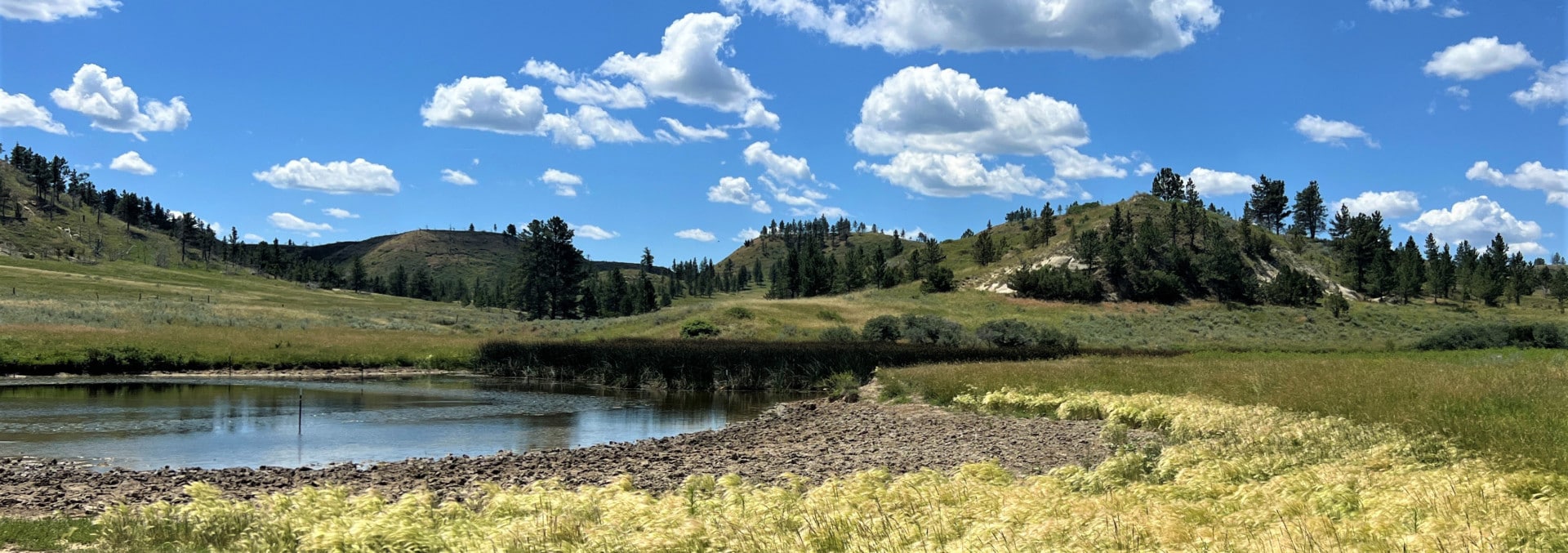
Golder Ranch on Rosebud Creek
Colstrip, Montana
This legacy property checks all the boxes on your ag, conservation, recreational, and investment property list with a set of working improvements – all within a serene setting rarely available in Montana. The expansive landscape makes it an ideal option for multi-generational families. Its easily-accessible location allows for an authentic Western experience. Grasslands, sub-irrigated meadows, and water rights, make it a highly productive ranch with potential for a conservation easement.
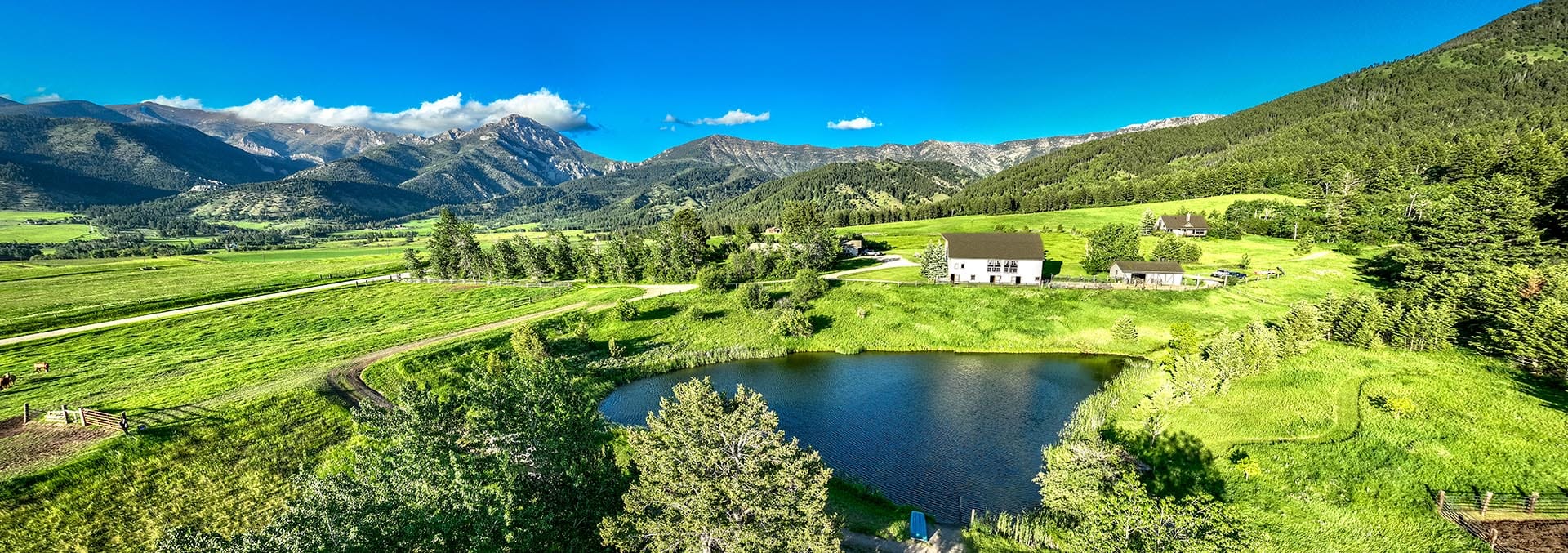
Windcall Ranch
Springhill, Montana
Nestled among the meadows of the Bridger Mountains, with stately Ross Peak serving as the backdrop, lies an exciting opportunity to own land and investment property. The offering hosts five residences, recreational outbuildings, a riding arena, endless trails, and a little piece of Montana. As part of the historic farming community of Springhill, the offering provides a rare opportunity to own a beautiful piece of the Valley of the Flowers near Bozeman, one of Montana’s most charming locations.
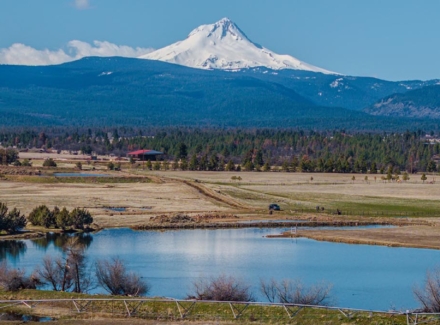
White River Ranch
Wamic, Oregon
White River Ranch offers exceptional water resources with 1,427.37 acres of primary water rights ( district and surface rights ) plus 303.2 acres of supplemental water rights. Spanning 2,864.5± acres at the base of Mount Hood, it supports 2,000–2,100 yearlings with six pivots, 16+ lakes and ponds, and flows from the White River, Rock Creek, and Dry Creek. Located in Wamic, this productive ranch includes four homes and organic operations. This is a premier ranching and investment property.
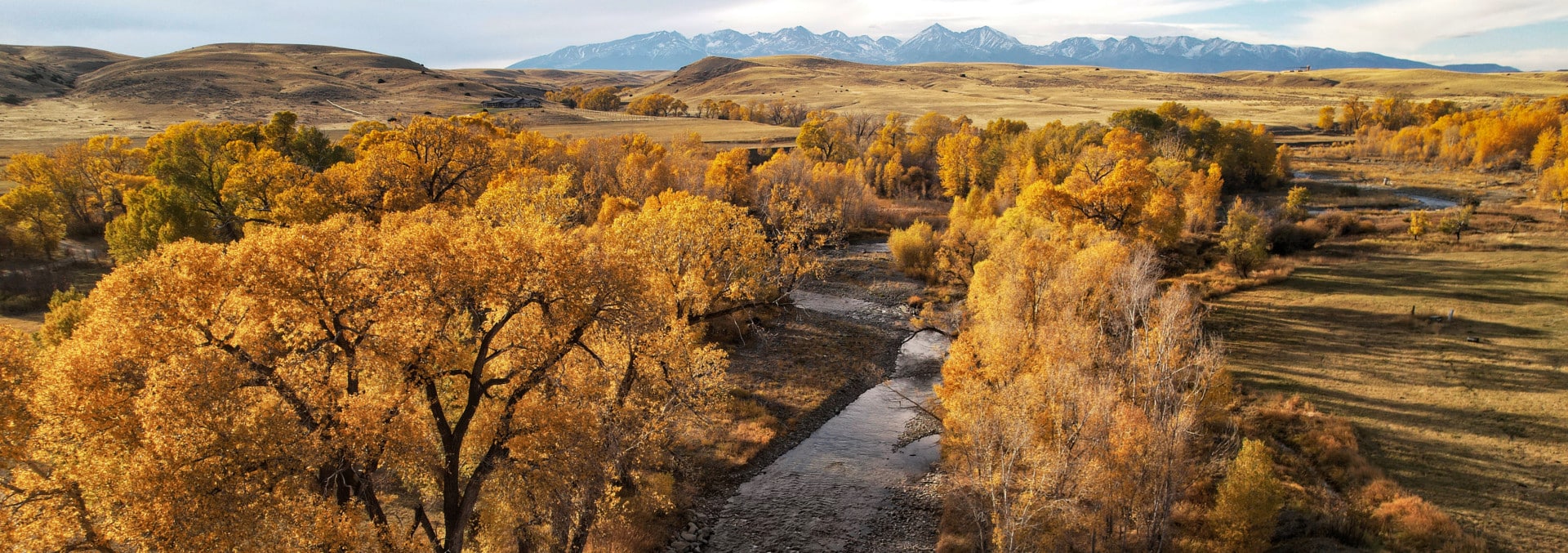
Two Bear Ranch
Big Timber, Montana
This gemstone property combines productive agricultural and irrigated hay land and is located a short distance north of Big Timber, Montana. The ranch is positioned along the banks of Big Timber Creek, and the ranch backdrop showcases the snow-capped peaks of the Crazy Mountains to the west and the Absaroka Mountain Range looming to the south. The views are powerful and welcoming. The Ranch offers 730± diverse acres with excellent upland bird, whitetail, and mule deer hunting.
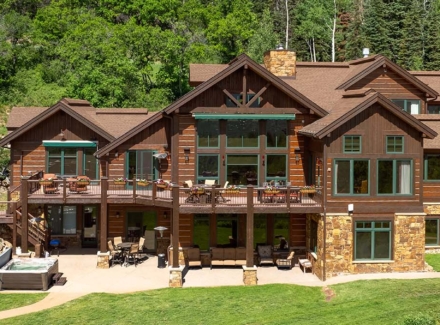
Sweetwater Estate
at Agate Creek Preserve
Steamboat Springs, Colorado
Sweetwater Estate at Agate Creek Preserve in Colorado epitomizes luxury and tranquility. This 8,444 sq-ft masterpiece features 6 bedrooms and 8 bathrooms, showcasing meticulous craftsmanship and design. Highlights include a great room with cathedral ceilings and a custom rock fireplace, a gourmet kitchen with high-end appliances, and a private master suite with a spa-like bathroom. Large windows frame panoramic views of the Yampa Valley, offering a serene backdrop for this mountain retreat.
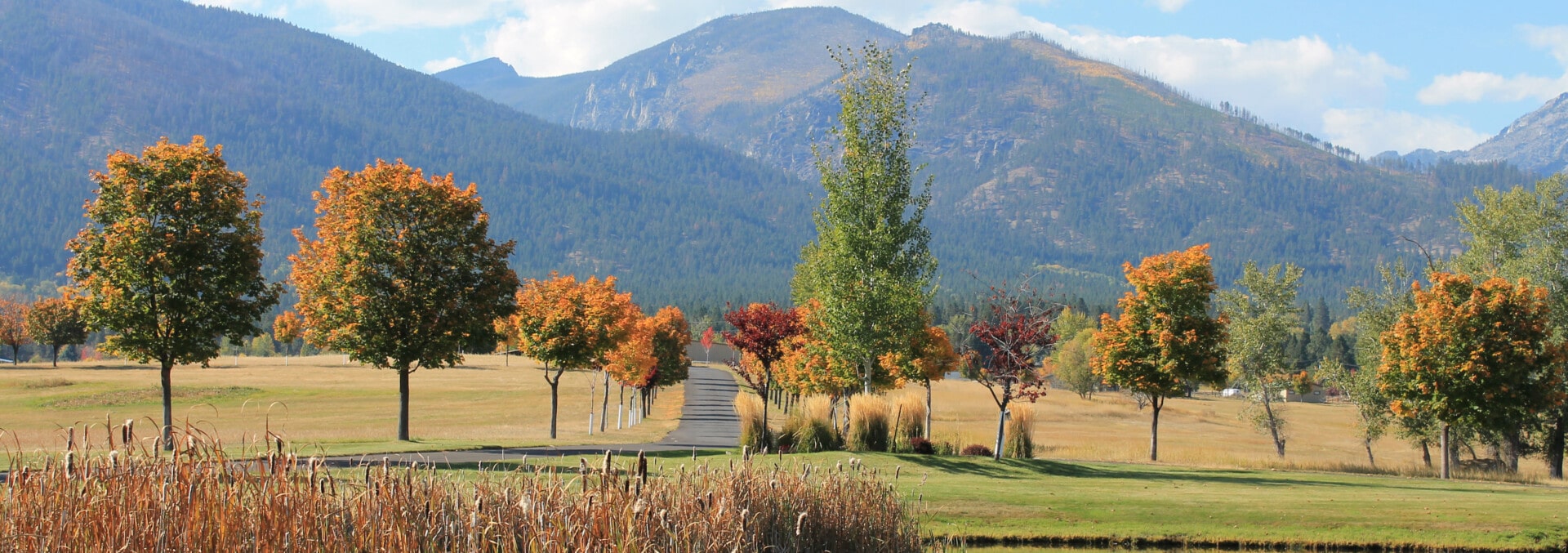
Bitterroot River Valley Ranch
Hamilton, Montana
On a rare occasion a ranch becomes available with so many amenities that it may excite even those individuals with an exacting list of requirements who yearn for the Montana experience yet provides all the conveniences a nearby town can offer. The Bitterroot River Valley Ranch, an amazing ranch, is an exciting discovery.
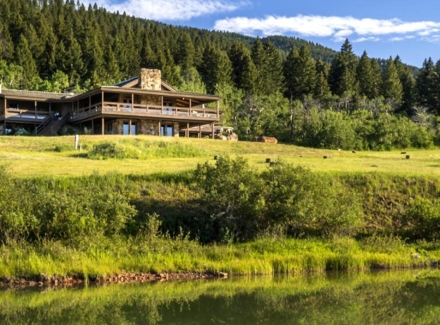
Silver Brand Ranch
Bozeman, Montana
Set against Mount Ellis, this end-of-the-road property is less than 8 miles from Bozeman. Privacy, mountain views, wild meadows, pastures, forests, and spring waters surround a 7,632± SF home, a 1,590± SF guest cottage, equestrian facilities, and outbuildings. The 122± deeded acres are bordered on three sides by millions of acres of public land. Whether you’re seeking an equestrian estate, a hunter’s paradise, or a basecamp for year-round adventure, this is a once-in-a-lifetime opportunity.
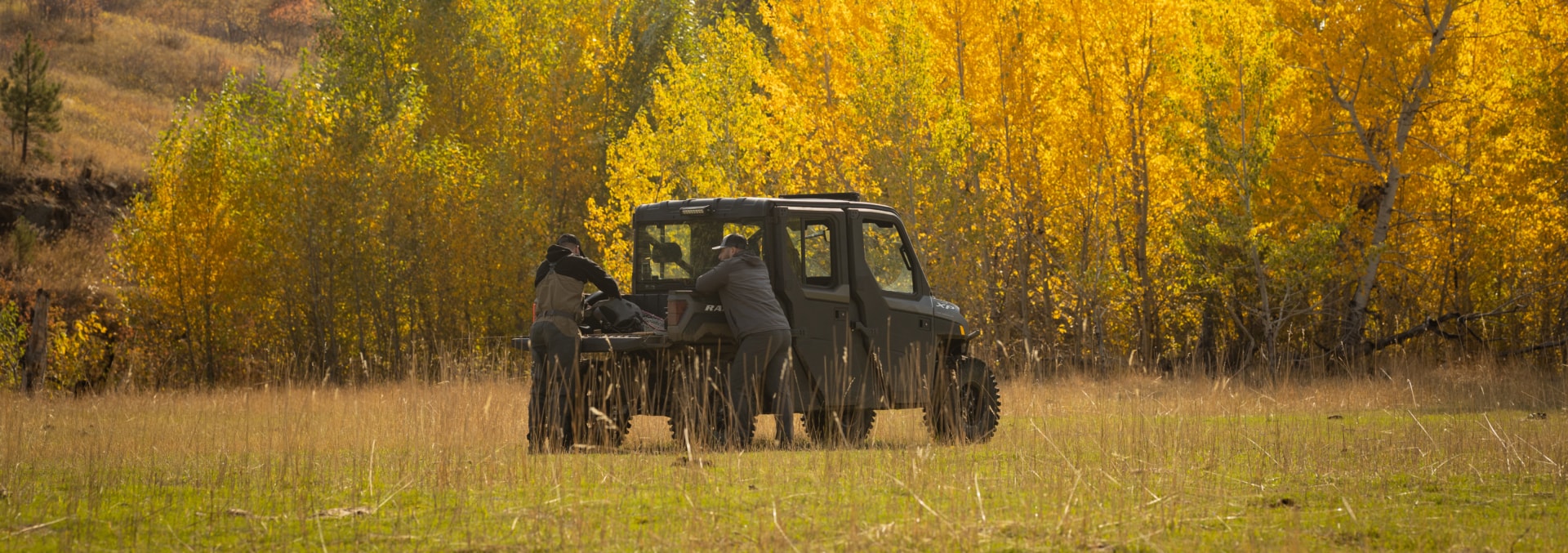
Four Creeks Sporting Ranch
Big Timber, Montana
This Montana property offers 9± miles of live water and natural pools awaiting a dry fly cast, timbered draws, and shrub-covered hills camouflaging elk and mule deer. The ranch is a blank canvas for new owners to pursue quiet solitude and their favorite recreational activities. Only 29± miles southeast of the small ranching town of Big Timber, Montana, the property presents endless outdoor pursuits and attractive investment opportunities.
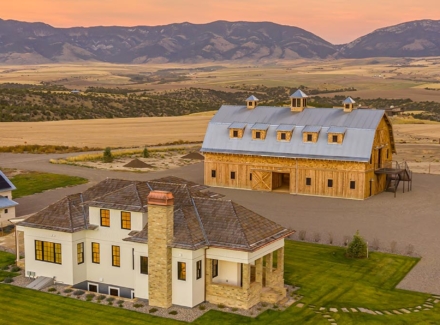
The SxS Ranch Estate
Belgrade, Montana
This property encompasses breathtaking views of the Tobacco Root, Bridger, Gallatin, and Madison Mountain ranges in Montana. Much of the property is dedicated to wildlife habitat for pheasants, sharp-tailed grouse, Hungarian partridge, whitetail deer, mule deer, and elk. As part of the exclusive SxS Ranch Reserve, a new owner will have access to 971± shared acres and 1.4± miles of the Dry Creek fishery. The estate features luxurious improvements and additional building opportunities.
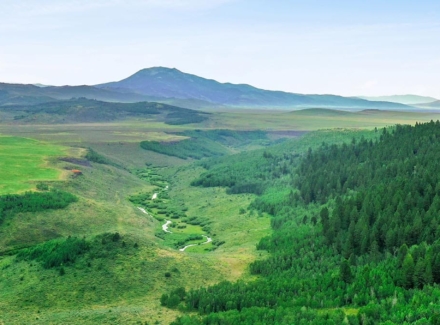
Poverty Ridge Ranch
Bone, Idaho
At the base of Caribou Mountain sits Poverty Ridge Ranch, a cattle ranch and premier hunting destination in Idaho. Surrounded by 40,000± acres of public land, it boasts unparalleled access to pristine landscapes. The property features Grays Outlet, a tranquil water source winding through the land, and numerous springs. It offers exceptional wildlife habitat, particularly for elk, deer, and moose, situated in prime hunting areas. A cozy A-frame cabin is ideal for outdoor enthusiasts.
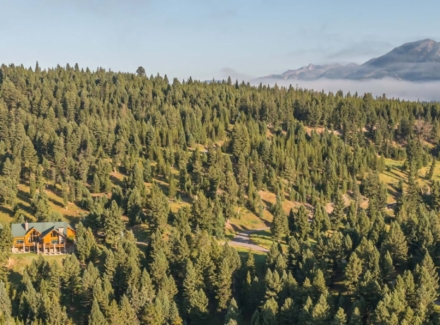
Wapati Point
Big Sky, Montana
A short drive to Big Sky Town Center, 20± minutes to Big Sky Resort, and less than an hour to Yellowstone National Park, this spectacular 9,437± SF home includes 5 beds and 4.5 baths and incredible views of Ramshorn Mountain and the Gallatin Range. A 1-bed, 1-bath guest apartment sits over the detached second heated garage. Sitting on 20± acres in the heart of southwest Montana, this mountain retreat is perfect for the equestrian or someone looking for extra space in an unmatched location.
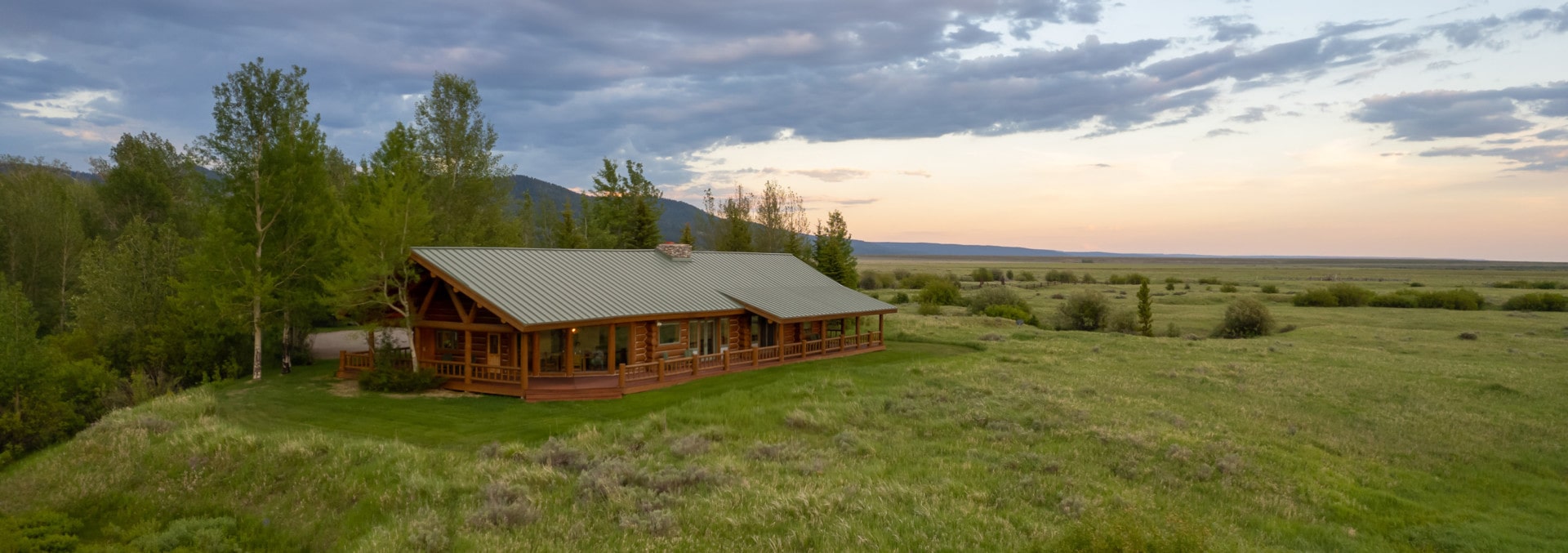
Slash E Ranch
Island Park, Idaho
Slash E Ranch for sale sits between Island Park, Idaho, and West Yellowstone, Montana, home to the famed west entrance to Yellowstone National Park and is contiguous to Department of Interior land and State Land connecting with National Forest lands leading into Yellowstone Park. Elk, moose, antelope, mule and white-tailed deer, bears, raptors, eagles, wolves, and waterfowl migrate through the property from summer range to winter range and back again, making this a private version of the park.
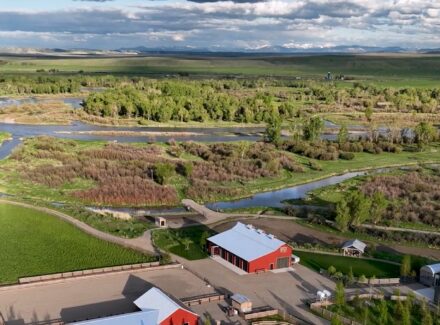
1805 River Ranch
Three Forks, Montana
Blending Lewis and Clark history with a rare combination of live water and privacy, this turnkey river property lies in the Lower Jefferson River Valley near Three Forks. Featuring Jefferson River frontage, a side channel, a trout-stocked pond, and strong riparian habitat, it supports excellent fishing and abundant wildlife. With quality, move-in-ready improvements and easy access to Bozeman, it offers a secluded yet convenient setting for a private retreat or lasting legacy holding.
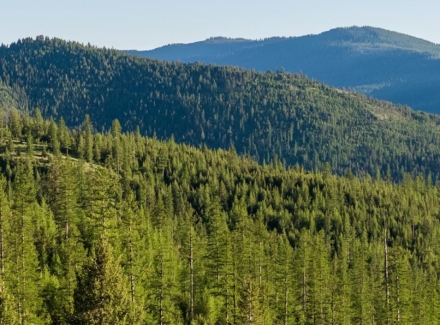
Coon Hollow Retreat
Kila, Montana
Positioned in Montana’s Flathead Valley, Coon Hollow Retreat encompasses 3,545± acres with diverse terrain, including timbered slopes, mountain meadows, and picturesque vistas. The property features a vast road network for easy exploration. Conveniently located near amenities yet offering privacy, this serene retreat is an ideal recreational property with endless possibilities and a prime investment for land enthusiasts.
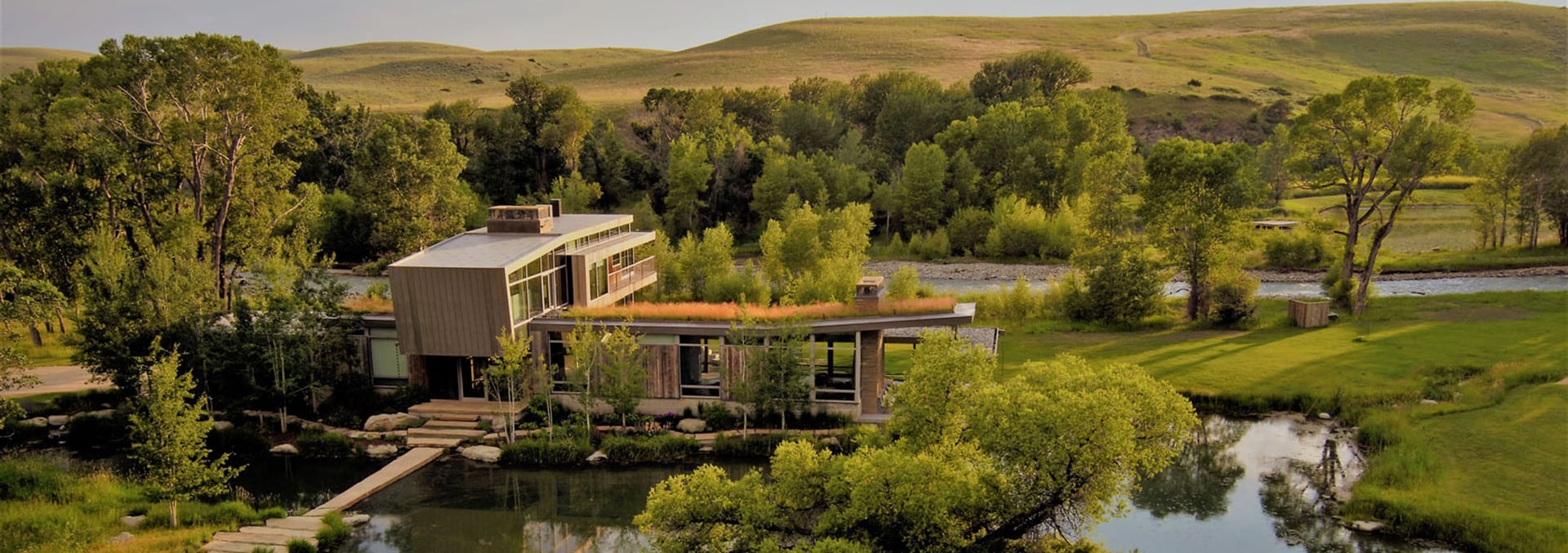
High Alpine Ranch
Big Timber, Montana
This is one of those rare Montana properties that combines fine architecture, wildlife, agriculture, and aquatic features creating a setting like none other. An amazing 3,800± square foot modern masterpiece is surrounded by four spring fed ponds and Big Timber Creek. The property also enjoys stunning views of the snow-capped peaks of the Crazy Mountains to the west and the Absarokee Mountains to the south.
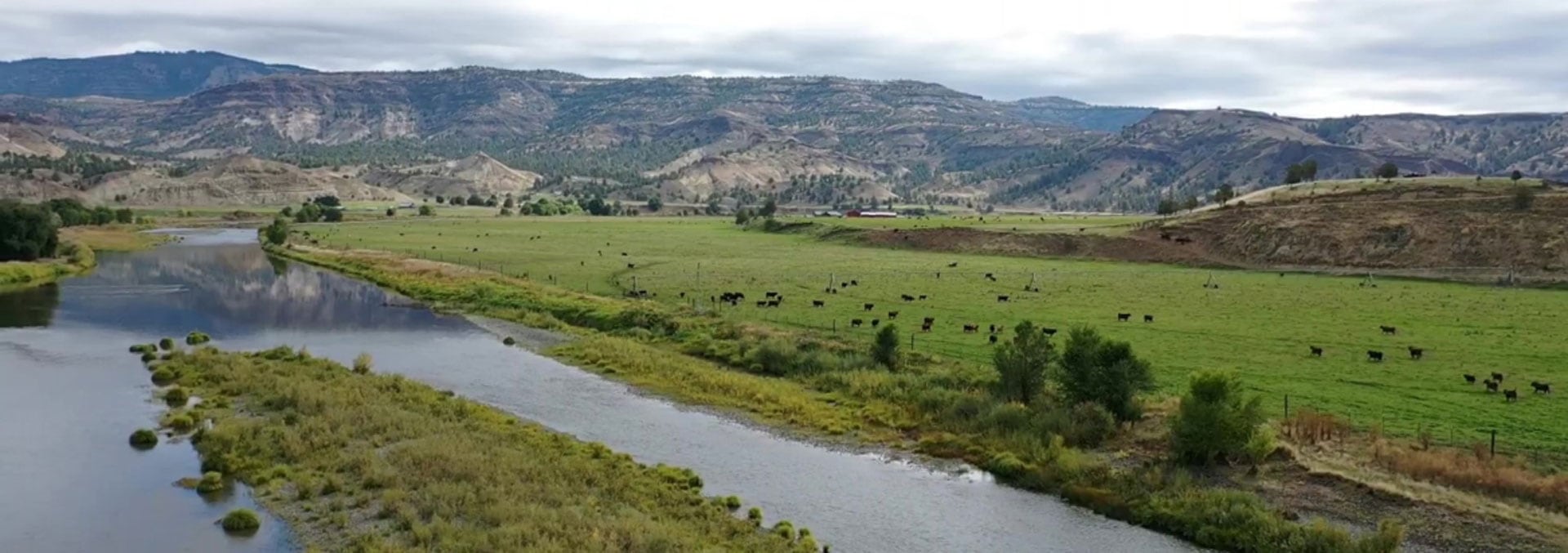
Circle W Ranch
Spray, Oregon
It’s hard to find a ranch that checks all the boxes but this one has all the dimensions of an excellent ranch… river frontage, irrigated farm land, excellent cattle grazing, a BLM lease, timber, fishing and some of the best big game hunting in one of Oregon’s best hunting units. Six L.O.P. tags for Rocky Mountain bull elk and buck mule deer are also available on this ranch. All this and a very nice home!
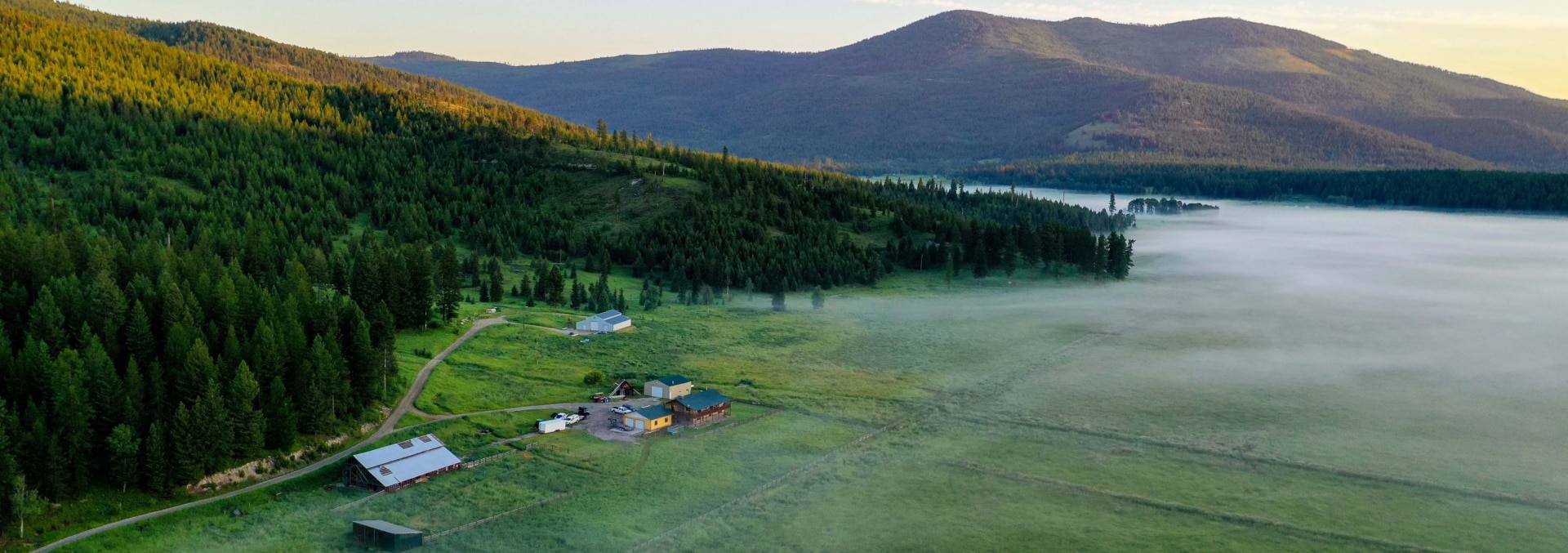
Browns Meadow Ranch
Kila, Montana
Seldom do we see ranches in a high mountain meadow setting with all of the desirables found at Browns Meadow Ranch. A location in a pristine Montana valley with unmatched privacy and scenic beauty, consistent agricultural production, strong wildlife values, and exceptional recreation. This ranch possesses all of these attributes. These ingredients, along with public land boundaries, lack of conservation easement encumbrances, and a superior location in the Flathead Valley, make it exceptional.
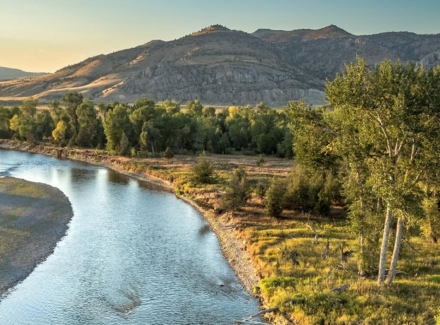
Jefferson River Sporting Ranch
Three Forks, Montana
This Montana riverfront ranch is a premier recreational and agricultural property nestled along the Jefferson River near Three Forks. It features spring-fed wetlands, mature cottonwood groves, and sweeping views of the Bridger, Madison, and Tobacco Root mountains. The land supports abundant wildlife, including deer, moose, waterfowl, and upland birds. With designated homesites and approved septic permits, it’s an ideal setting for a legacy residence or private sporting retreat.
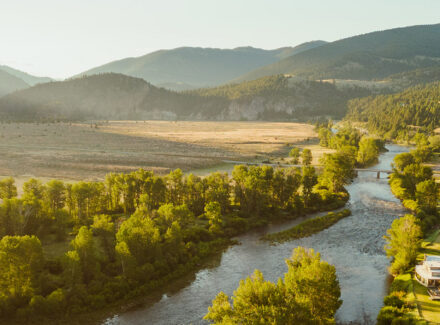
Complete Fly Fisher
Wise River, Montana
Established in 1968, this legendary Montana fly fishing lodge has hosted anglers for nearly six decades on the Big Hole River. Operating as a full-service, turnkey lodge, the property includes guided drift boat fishing, chef-prepared meals, on-site lodging, and an unmatched portfolio of river permits on the Big Hole, Beaverhead, Rock Creek, and upper Bitterroot. With five-star reviews, a loyal global clientele, and six decades of continuous operation, this is a rare and irreplaceable offering.
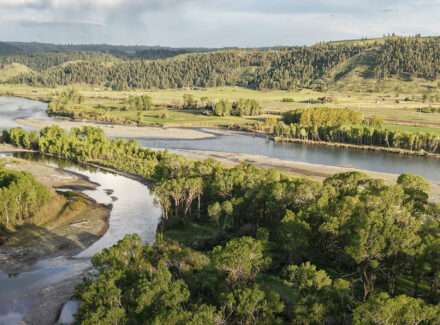
Springtime Ranch on the Yellowstone River
Big Timber, Montana
Nestled between Big Timber and Columbus along the Yellowstone River, this remarkable Montana ranch offers approximately two miles of blue-ribbon trout fishing frontage. Productive irrigated farmland, diverse terrain of riparian bottomlands, ponderosa pines, and rolling hills create a stunning backdrop. Abundant wildlife roam freely, while two comfortable homes provide the perfect base to enjoy this rare combination of recreational and agricultural opportunity.
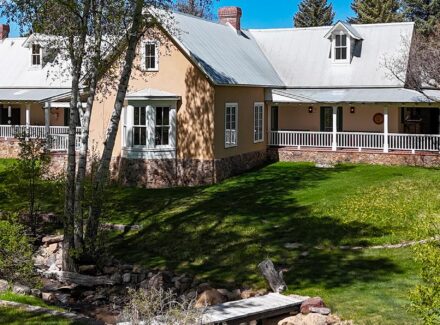
Old Cañones Creek Ranch
Chama, New Mexico
Drive into your own private enchanted forest near Chama, New Mexico. Four trout-filled ponds, two creeks, and exquisite landscaping surround a custom adobe main home and guest home. Stonework, artistic touches, and a stone-and-log gazebo add charm. Three renovated historic log cabins, a guest lodge, barn, and equipment shelter complete the property. Mostly forested with a central meadow, it hosts elk and mule deer. Minutes from Chama and Tierra Amarilla, comes furnished and move-in ready.
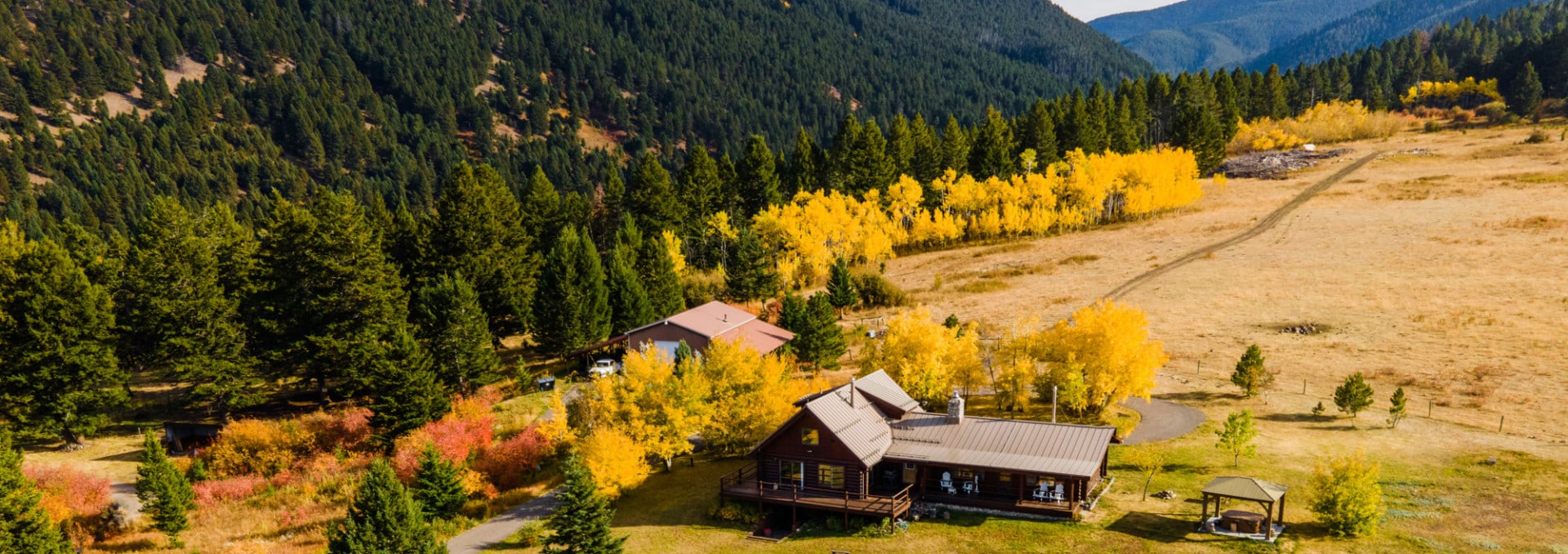
Hyalite View Ranch
Bozeman, Montana
Less than 15 minutes from Bozeman, this 137± acre property boasts .7± miles of Hyalite Creek, originating at Hyalite Reservoir and flowing through National Forest before reaching the property. A private drive leads to the 2,888± SF, 3 bed, 4 bath home, as well as a pole barn and horse corrals for the equestrian. Enjoy views of the Gallatin Valley and surrounding mountains from the sunny upper bench, adjoining over 1 mile of Gallatin National Forest, connecting with Yellowstone National Park.
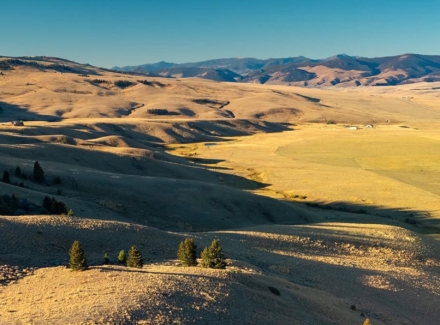
Curly Gulch Ranch
Divide, Montana
Located in the heart of Montana, this exceptional sporting and agricultural property offers premier elk hunting, abundant wildlife, and productive grazing land. Rolling timbered hills and native grasslands provide ideal habitat for elk, mule deer, and antelope, while pristine water sources enhance the landscape’s natural beauty. Featuring stocked trout ponds, spring-fed creeks, and sweeping mountain views, this property perfectly captures the essence of Montana’s ranching and outdoor lifestyle.
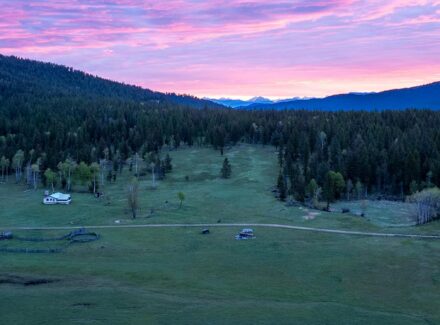
Riley Creek Basin
Kila, Montana
A pristine valley ranch outside Kalispell, this property blends rich riparian corridors, mature timber, and productive hay meadows supporting both agriculture and exceptional wildlife diversity. Well-watered with flood irrigation, stock water rights, and natural springs, it offers multiple scenic build sites with sweeping valley and ridgeline views. Free of conservation easements and covenants, this investment-grade Montana ranch is offered for the first time in five generations.
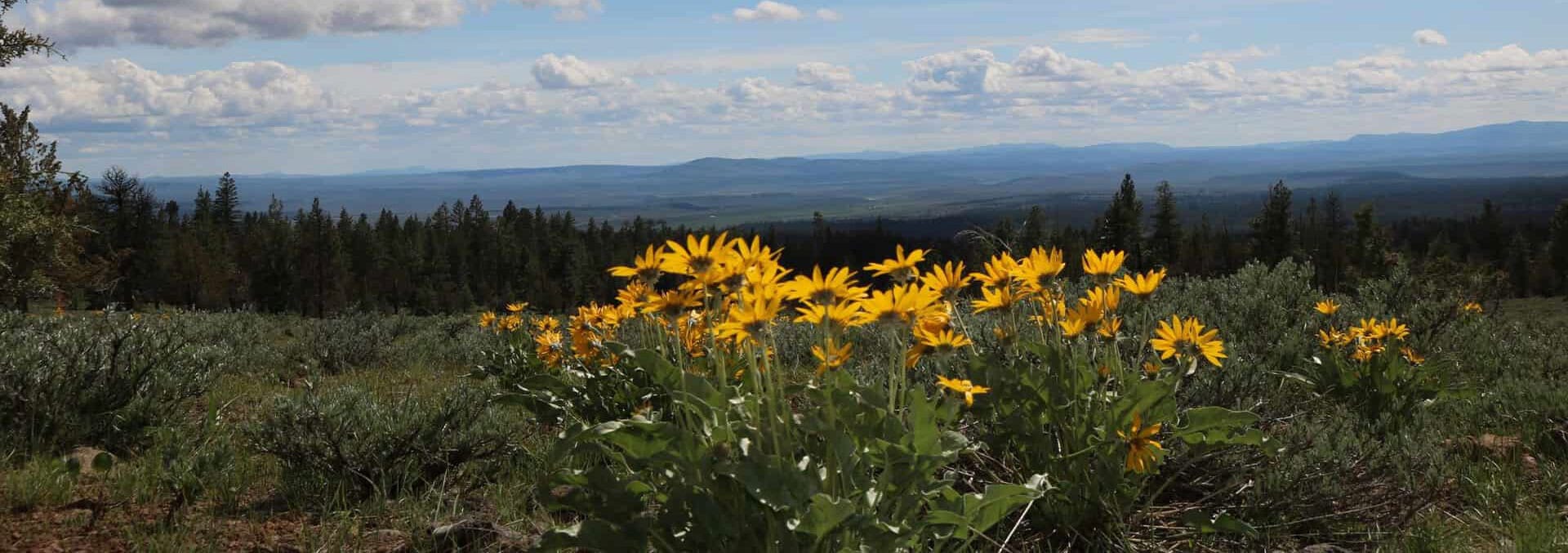
Flying S Ranch
Izee, Oregon
A world class hunting ranch with 284± acres of irrigation, 500± acres of meadows, and heavy stands of timber. This Oregon ranch offers several income opportunities and endless recreational possibilities. With 6 buck deer and Rocky Mountain elk bull L.O.P. tags, no public roads or private holdings within the property lines, this is a one of a kind!
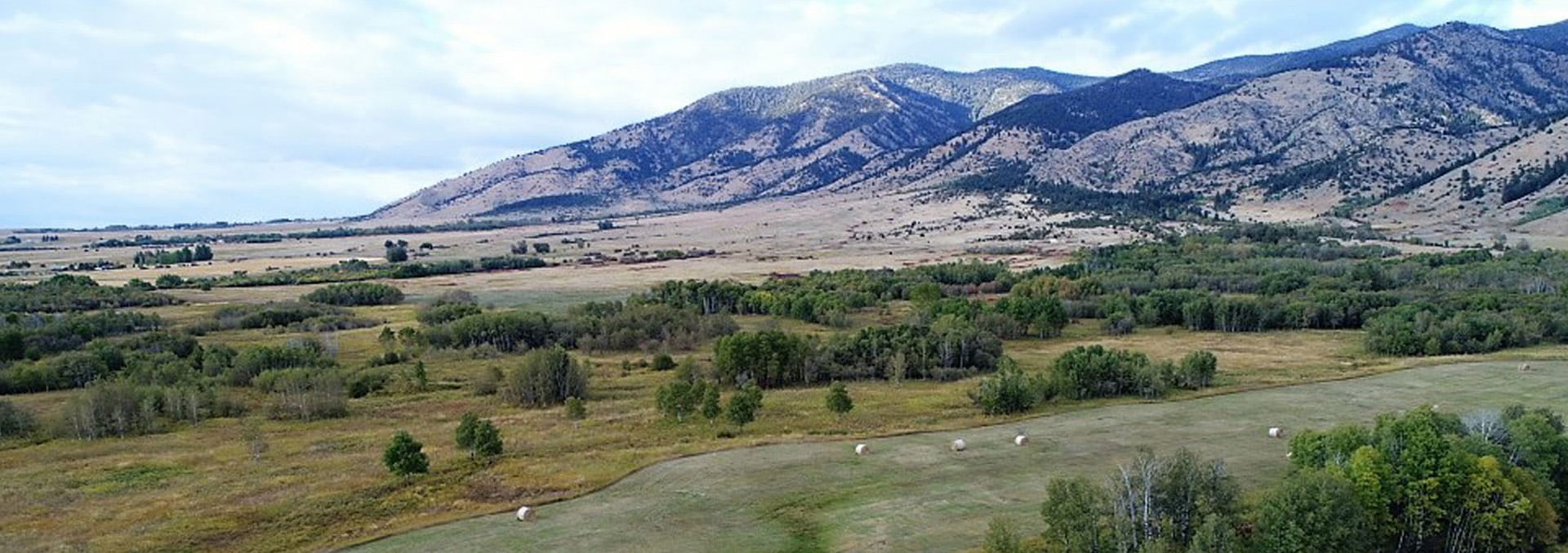
Elkhorn Ranch
Belgrade, Montana
Positioned at the base of the Bridger Mountains, the property sprawls from the forest covered hills and contiguous forest service lands down to lush, productive meadows with mountain streams laden with aspen groves. Numerous building pockets are perfectly positioned to take in the mountains above or the valley below. Wildlife abounds with an elk herd that frequents this ranch along with whitetail, mule deer, pheasant, turkey as well as a variety of other alpine inhabitants.
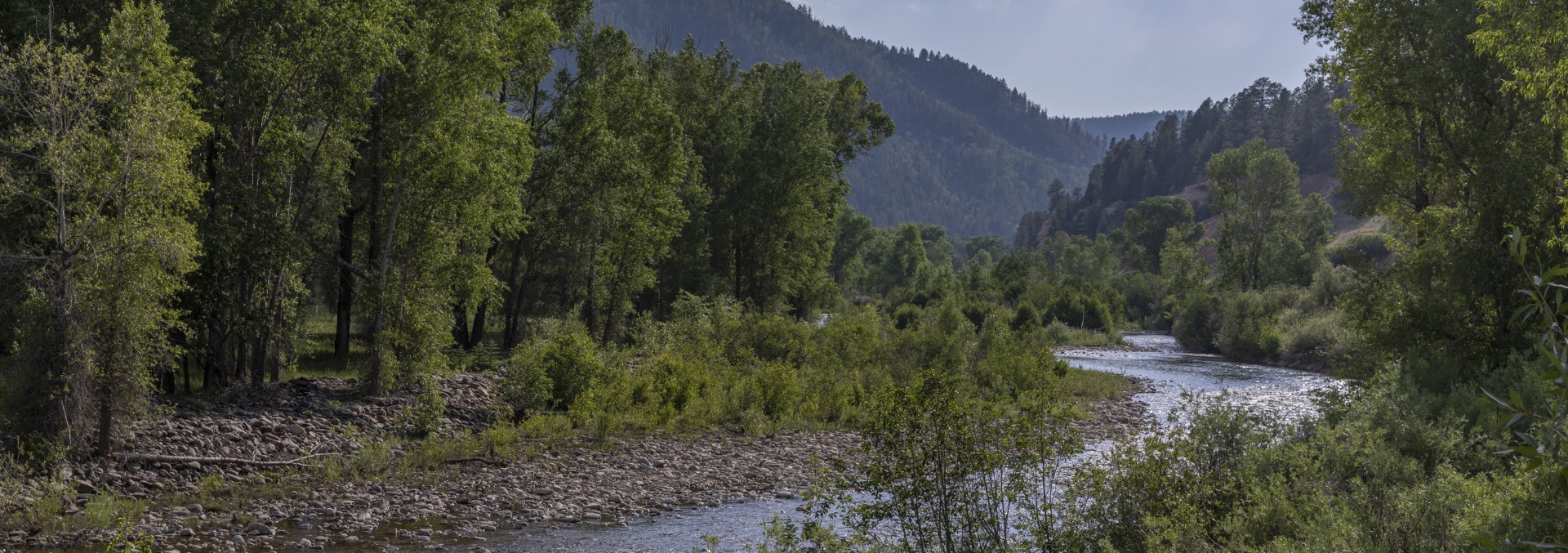
Dolores River Ranch
Dolores, Colorado
History is woven into this lush 318± acre landscape with a charming 11-bedroom, half-century-old lodge at the base of the now-defunct but delightfully skiable Stoner Ski Area. This Colorado recreational property is located on the Dolores River, dubbed by Trout Unlimited as one of the “Top 100 Trout Rivers in America.” The river is fed by a dozen brook, rainbow, and brown trout streams and is distinguished by riffles, runs, bends, cut banks, and back eddies.
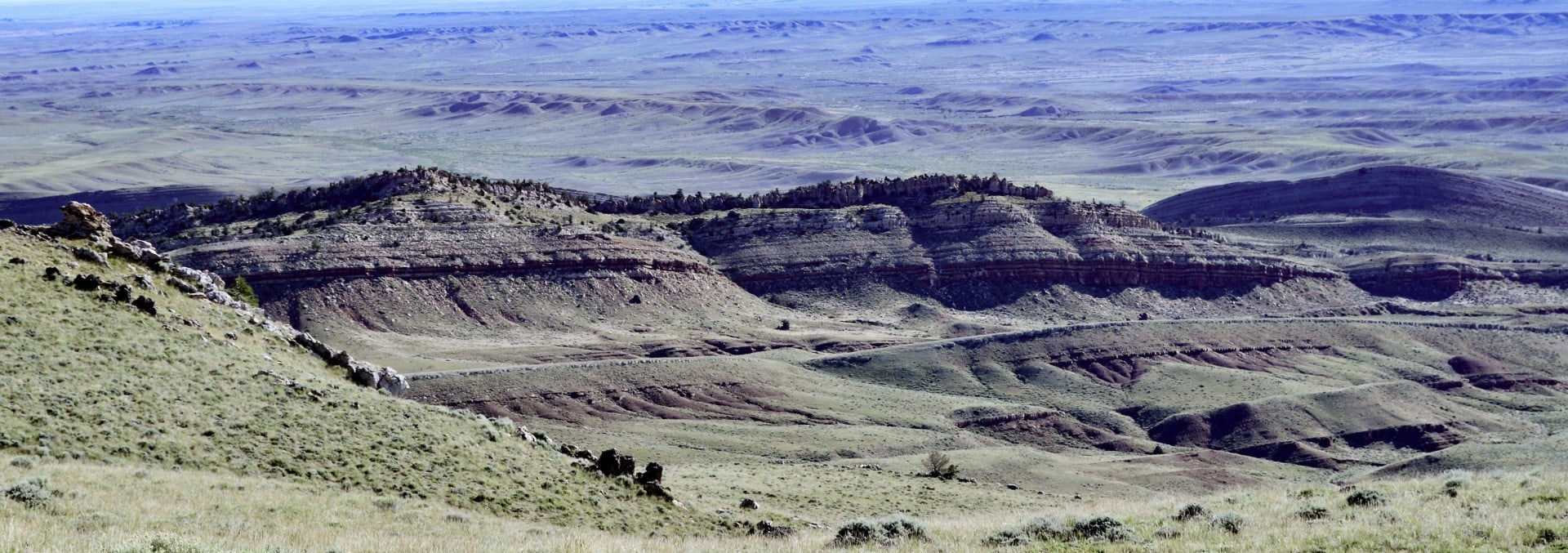
Hidden Springs Ranch
Riverton, Wyoming
This Wyoming cattle ranch offers low overhead, low operating costs, and big production, along with outstanding big game and bird hunting opportunities. It is home to huge mule deer, pronghorn antelope, Rocky Mountain elk, and some of the best chukar hunting available. All the improvements make this a turnkey cattle ranch, including the main home, ranch hand home, bunkhouse, shop, barn, and efficient cattle working facility. Countless “hidden” springs are scattered across the acreage.
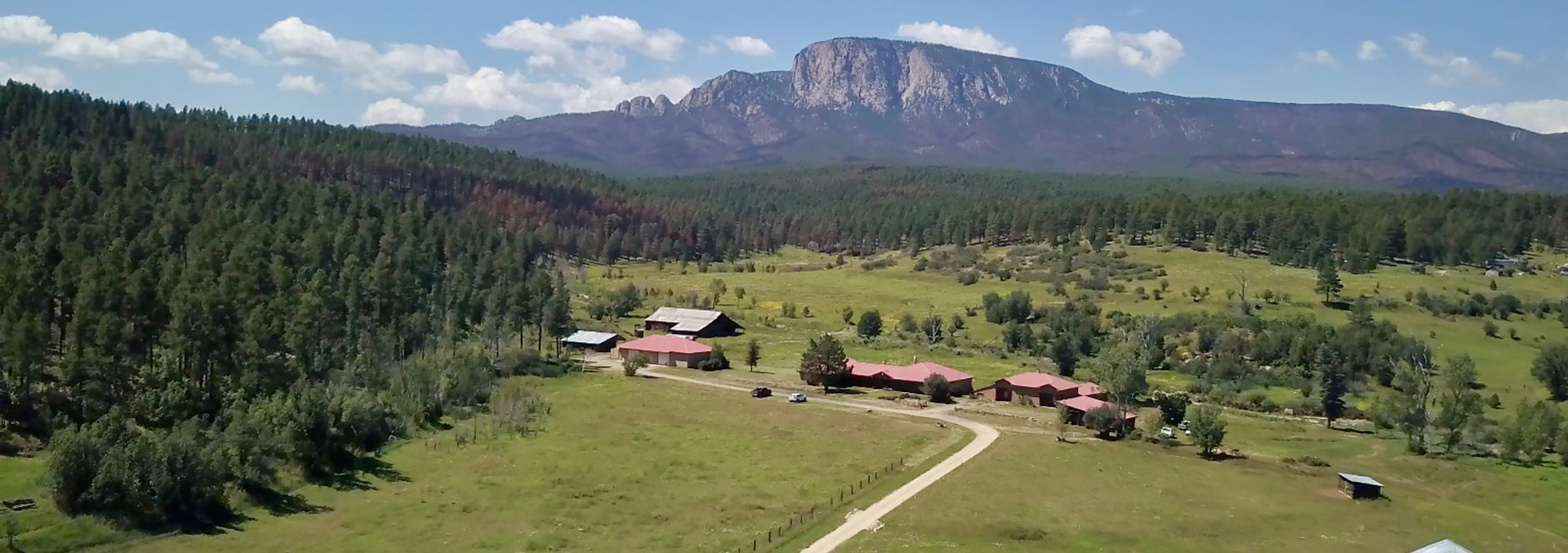
Rancho San Ignacio
Sapello, New Mexico
Rancho San Ignacio is a classic Northern New Mexico ranch at the base of the iconic Hermit’s Peak. The adobe hacienda compound frames a spectacular backdrop. The sprawling property combines a rich history, irrigated meadows, well-managed forests, and abundant wildlife. The Sapello River runs for 1.7± miles through the property, providing habitat for hungry brown trout. The murals in the bunkhouse are incredible. Rancho San Ignacio is truly a legacy property!
Crooked Creek Ranch
Winnett, Montana
Lots of water, excellent feed sources, and healthy populations of trophy bull elk make this one of the top hunting ranches in Montana. In the rugged Missouri River Breaks, the ranch is surrounded by thousands of acres of public land. This area is renowned for excellent trophy elk, deer, antelope, and turkey hunting. From high tree-covered ridges to rolling grasslands to timbered coulees and over 300 acres of food plots, this ranch has everything an outdoor enthusiast is looking for.
Over the Cliff Ranch
Forsyth, Montana
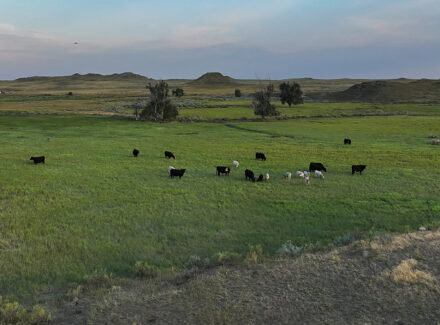
Eastern Montana offers a working cattle ranch with a legacy of stewardship and long-term, practical management. Grazing is managed to strengthen grass health, improve water distribution, and build soils, supporting livestock performance while helping the native range recover. Productive pastures and reliable water keep operations consistent. Wildlife and recreation abound with elk, mule deer, whitetail, antelope, and upland birds, drawn by water and native cover across rolling grasslands.
Diamond J Ranch
Ennis, Montana
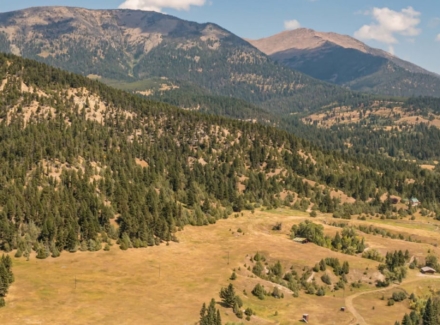
In 1929, Julia Bennett, a dude ranch pioneer, designed and built this Montana ranch, using architect Fred Wilson, known for The Baxter in Bozeman. Historically a summer guest ranch, this private retreat boasts views of jagged peaks inhabited by elk, moose, bear, and deer. Improvements include a large old lodge, historic cabins, horse corrals, a barn, a pool/pool house, and an indoor tennis court. Water features include Mill Creek and the fishable Jack Creek, as well as a spring-fed trout pond.
Henry Cattle Ranch
Kooskia, Idaho
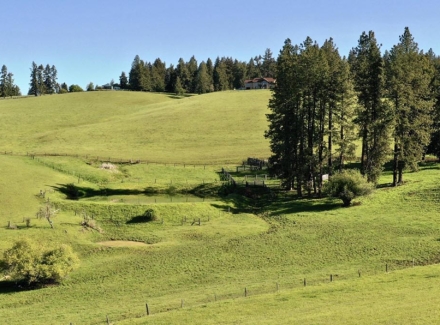
Henry Cattle Ranch offers a quintessential Western lifestyle amid Idaho’s wilderness, with rolling meadows, pine-covered ridges, and several creek drainages, including Sutler Creek and Red Pine Creek, fostering diverse wildlife. The 2,825± acres near Kooskia include a 4,224± square foot residence, a 3,132± square foot ranch manager’s home, and operational infrastructure like hay fields, timberland, barns, and pastures, with scenic views and recreational opportunities.
Dos Rios Ranch
Pagosa Springs, Colorado
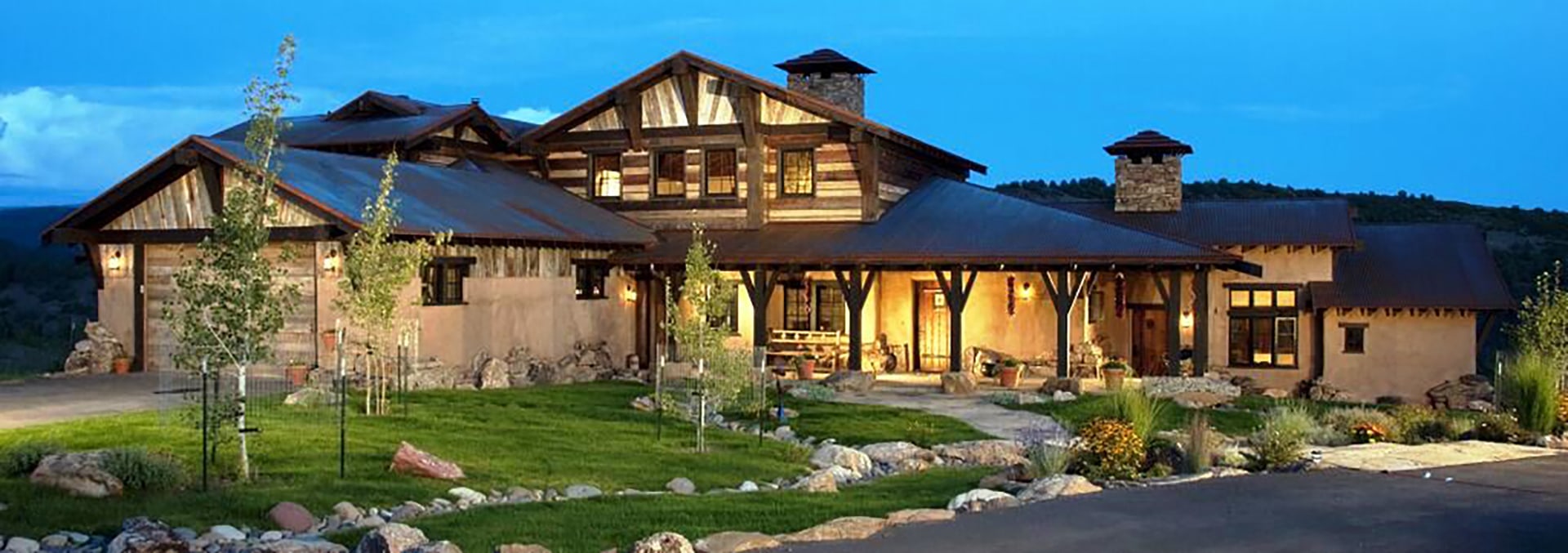
Both the Rio Blanco and San Juan rivers flow through the property, ideally situated in Archuleta County south of the Colorado mountain town, Pagosa Springs. The site supports cattle ranching and hay production, set against the backdrop of the stunning San Juan Mountains.
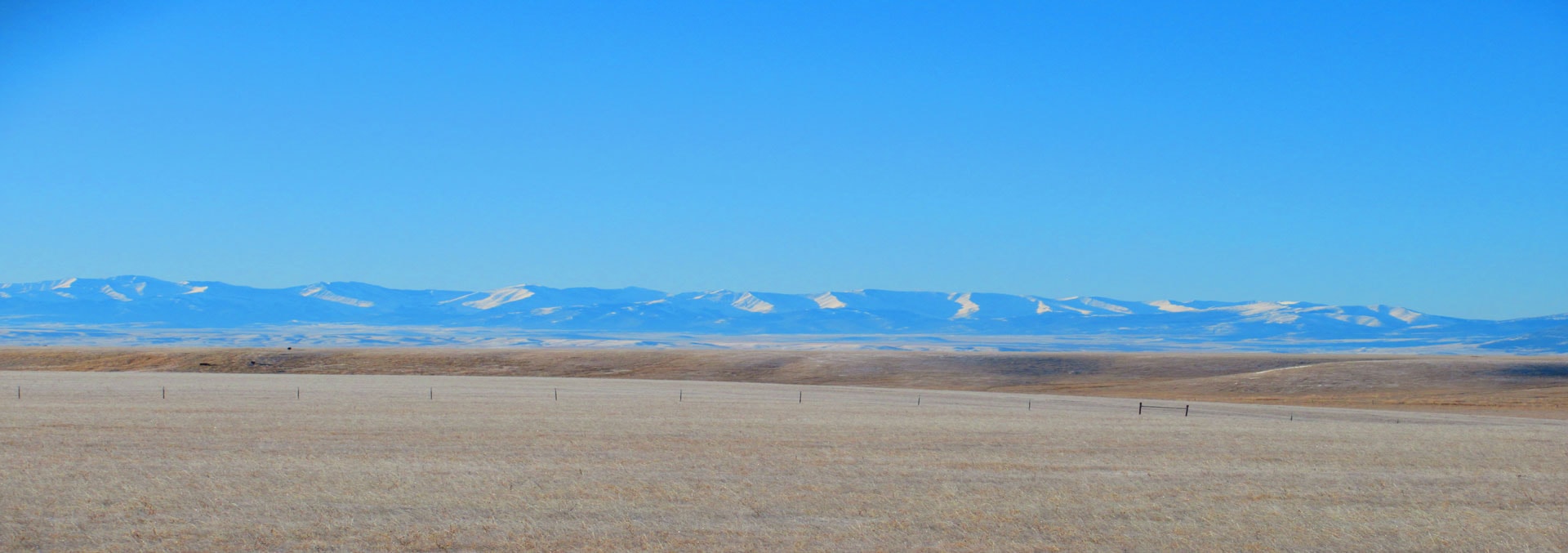
Big Country Grass Ranch
Judith Gap, Montana
This new to the market opportunity offers an investment-minded buyer looking to explore possible wind energy or solar project near an existing highly productive wind farm located in Montana. This is a unique opportunity to secure a sizeable ranch property that has been closely held by the same family for some time.
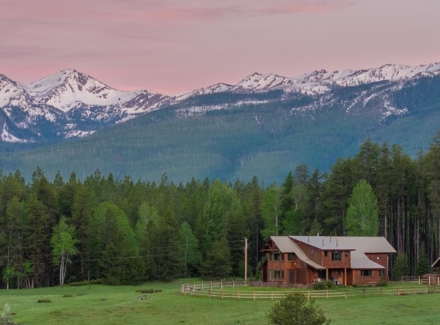
Hanging J Ranch
Condon, Montana
Located in Montana’s Swan Valley, this property offers long-held family ownership, exceptional privacy, and expansive mountain views. A custom log home overlooks an 11± acre wetland lake fed by seasonal tributaries, ideal for wildlife observation. The landscape blends timber, meadows, and riparian corridors and directly adjoins US Forest Service land, with public access nearby. Scenic Highway 83 provides convenient access to Condon, Bigfork, Missoula, and western Montana destinations statewide.
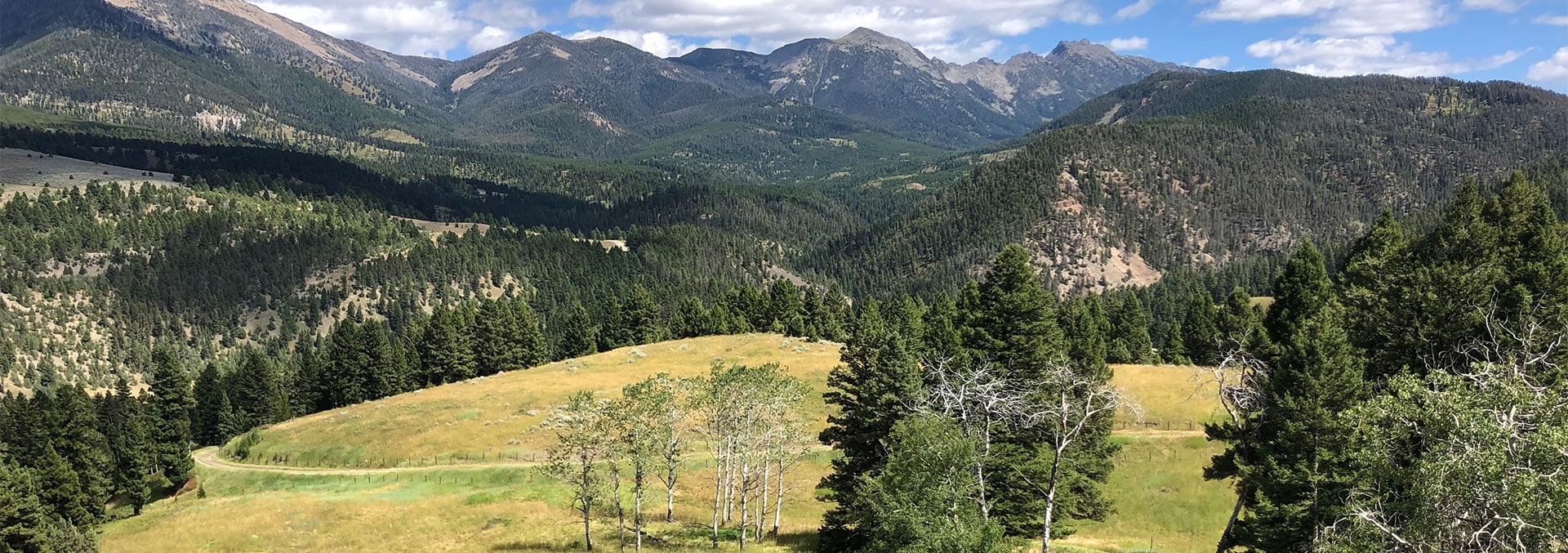
Dancing Bear Ranch
Ennis, Montana
This rolling alpine ranch in Montan is a private mountain retreat surrounded by some of the most pristine mountain wilderness in the lower 48 states, yet close to great skiing and fly fishing. Complete with a beautiful traditional Montana home this ranch offers world class recreation right out your backdoor.
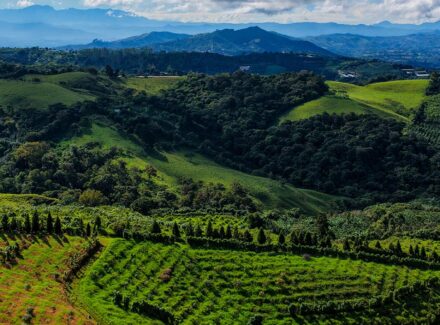
The GlobalTerra
Naranjo, Costa Rica
Agroproductive estate in central Costa Rica, positioned between San Ramón, Naranjo, and Zarcero, about 50 minutes from Juan Santamaría International Airport. Built as a coffee estate with strong infrastructure, it now supports two sectors: rotational cattle grazing with organized fencing, roads, and handling facilities, plus a large avocado operation with 28,100± trees. Diverse seasonal crops add cash flow, with recreation and long-term regenerative, ecotourism, and wellness potential as well.
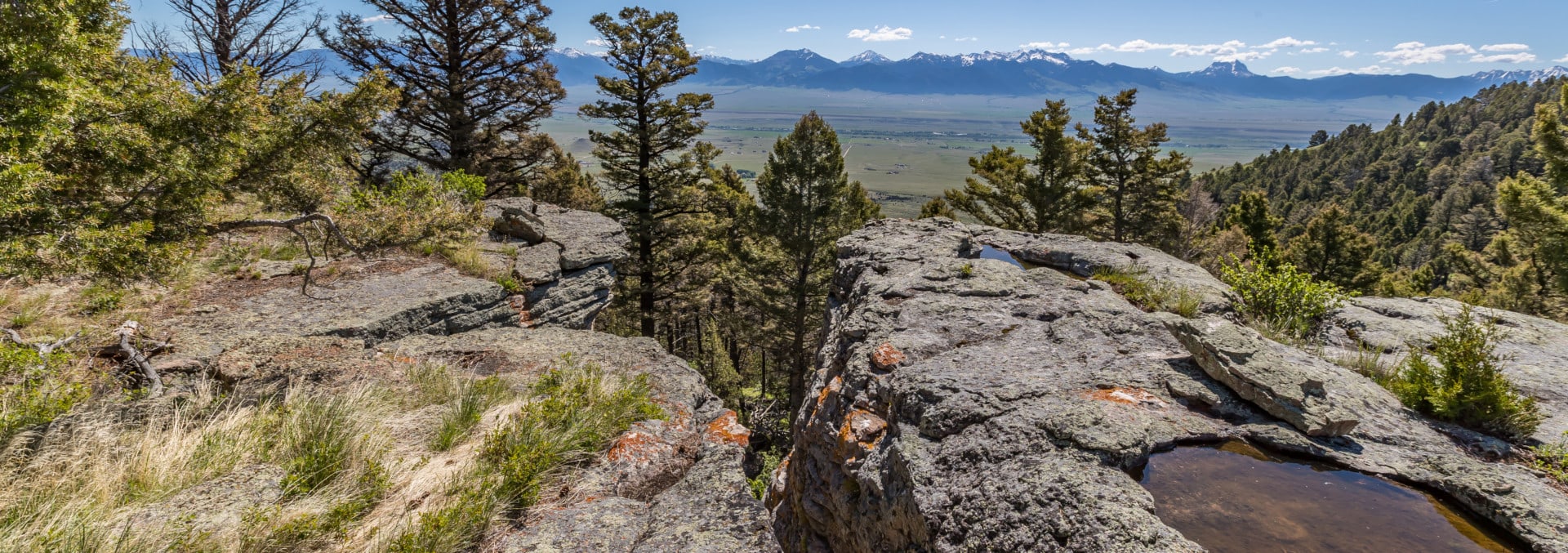
V Timber Creek Ranch
Ennis, Montana
About 10 minutes to Ennis, Montana, only 3± miles to historic Virginia City, and 20± minutes to the Ruby and Madison Rivers, this property borders BLM and State land, providing thousands of acres to recreate on. This ranch boasts staggering views of seven mountain ranges, as well as wildlife ranging from bears and moose to eagles and elk. The property is very diverse, from grassy hillsides filled with flowers, juniper, and aspen trees, to spring-fed valleys teeming with wildlife.
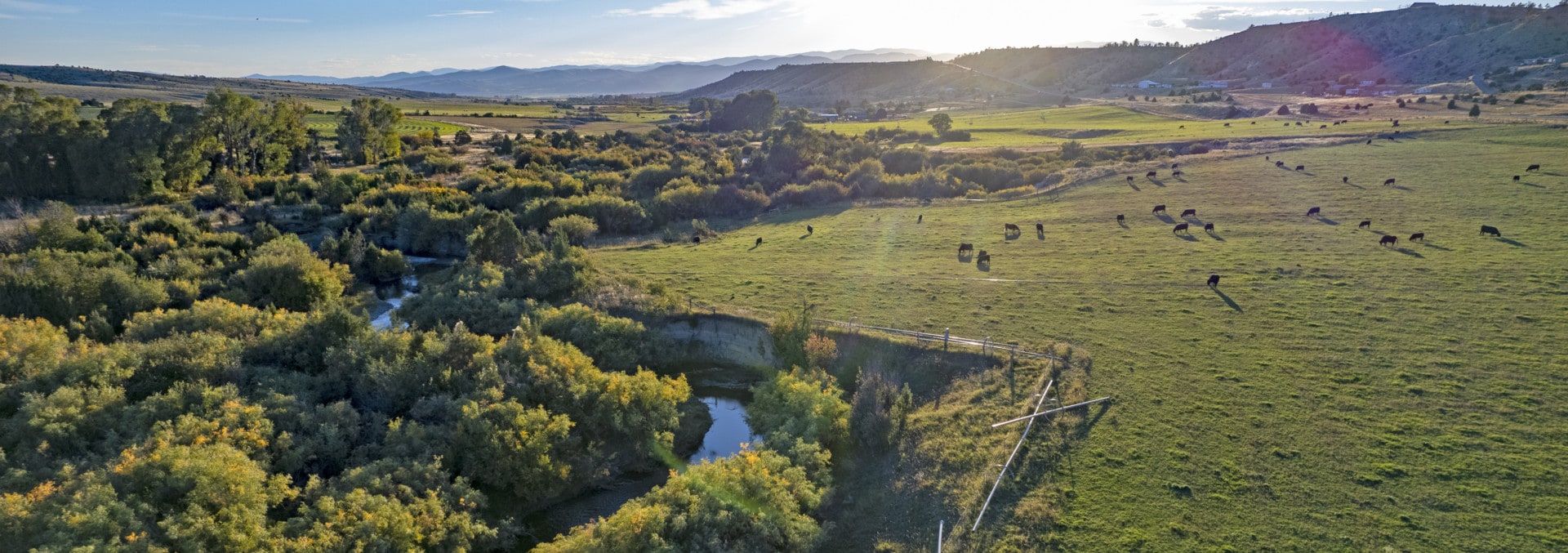
Deep Creek Wildlife Sanctuary
Townsend, Montana
This property boasts 3+ miles of Deep Creek teeming with trout, 400± irrigated acres, and contiguous public land. The Missouri River and Canyon Ferry Reservoir are both just down the road. A mix of forested canyons, native grass, and creek bottom provide terrain suitable for a wide variety of wildlife, including moose, elk, deer, antelope, upland birds, and waterfowl. About an hour from Bozeman and just a few minutes from Townsend, Montana, this property enjoys views of the Big Belt Mountains.
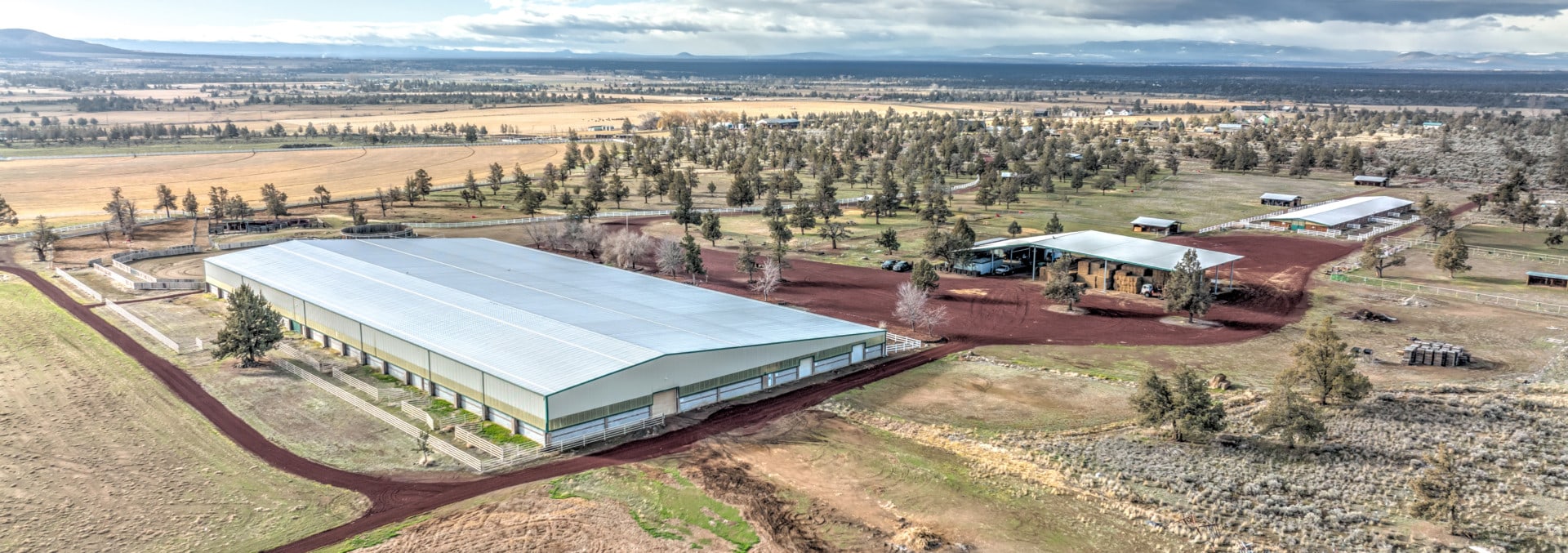
Mountain View Ranch
Powell Butte, Oregon
This Oregon ranch includes an impressive 81,600± square foot equestrian facility, a horse lover’s dream! Complete with 117 horse stalls, two indoor arenas, an office, three large tack rooms, spectator judging areas, a studio apartment, restrooms, built-in waterers, stainless steel stall fronts, concrete alleyways, and two wash rack facilities. In addition, there is an outdoor cutting arena, a heated mare barn with 36 stalls, several farm buildings, irrigated hay lands, and 24 RV hook-ups.
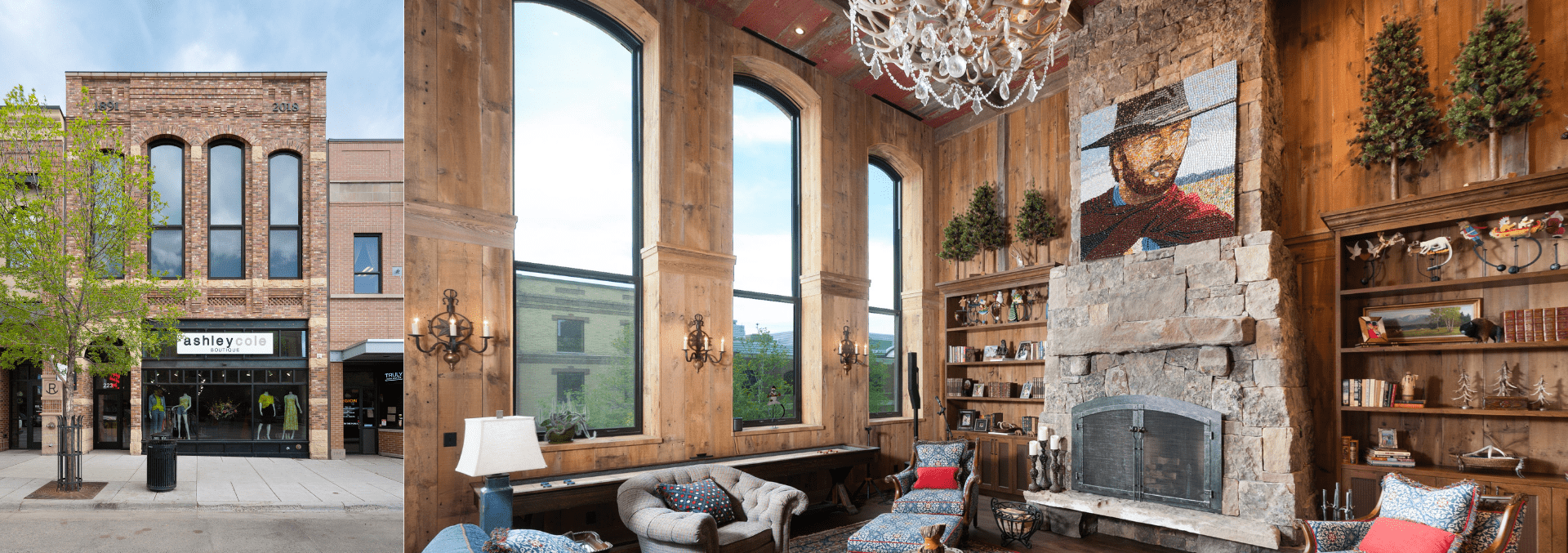
223 E. Main
Bozeman, Montana
This property imbues the Rustic and Elegant elements: complete custom-built interior, wood and tile floors throughout, stone archways and fireplaces, reclaimed wood doors and details, and Pierre Frey wallpaper. 223 E. Main offers a classic example of refined Bozeman living.
Oxbow Crescent
Menan, Idaho
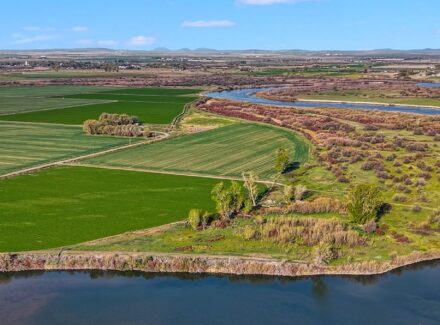
A private peninsula accessible only by land entry or boat, this Snake River property delivers unmatched seclusion along extensive river frontage that connects directly to BLM lands. Irrigated fields, pasture, and waterfowl habitat create a balanced working ranch, supported by senior water rights dating to the 1880s. Whitetail deer, moose, ducks, and geese thrive here, while anglers fish from the riverbank, and a historic homestead with working corrals anchors a proud agricultural legacy.
Burnt Leather Ranch-Steen Place Headquarters
McLeod, Montana
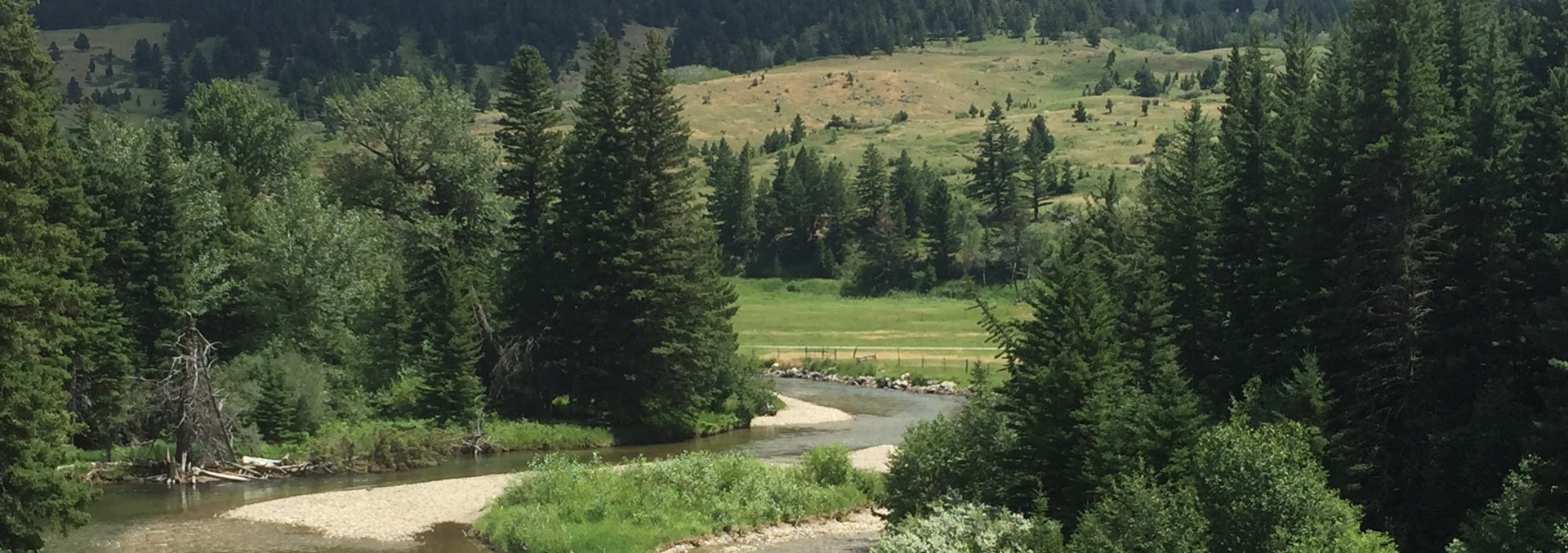
The Burnt Leather is arguably the most coveted recreational ranches in Montana. It provides a window to the very best of the Northern Rockies and a privileged place in nature alongside one of America’s great wildernesses.
Absaroka Moon Retreat
Livingston, Montana
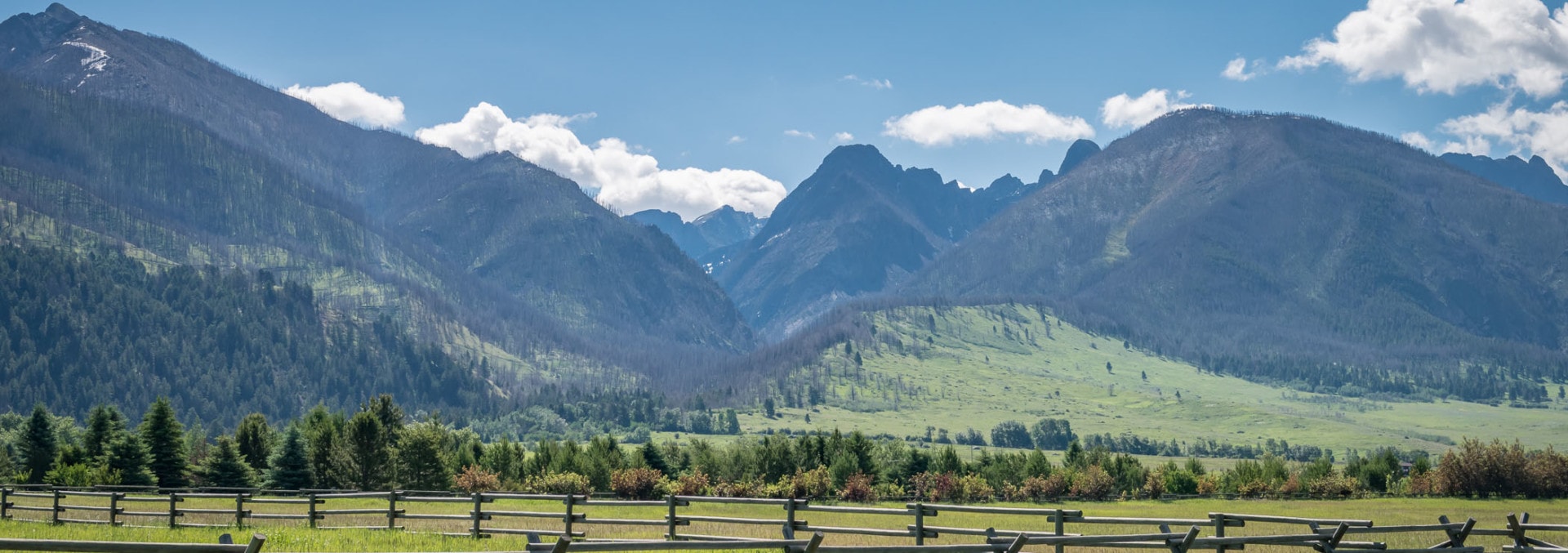
An extraordinary property located in one of the most spectacular settings in North America. Nestled at the foot of the Absaroka Mountain Range near Deep Creek in the northeastern corner of Montana’s famed Paradise Valley, all five structures feature breathtaking views of 9,000 to 11,000-foot peaks – many rising dramatically just 2,000 yards from the main house and others winding 30 miles downrange to the south.
Doc Utterback Ranch
Steamboat Springs, Colorado
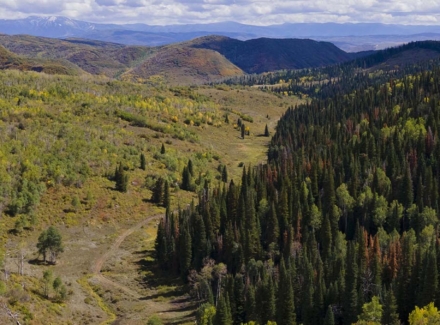
Just west of Steamboat Springs, Colorado, the Doc Utterback Ranch spans 1,144± deeded acres. This mountain ranch features varied topography, from open meadows to forests and riparian zones along Tow & Little Tow Creeks. It offers rich big game hunting opportunities, with mule deer, elk, bear, and a recently spotted moose. Awarded for its habitat restoration, the ranch includes 9 springs and is fully fenced with big game-friendly wire, ideal for conservation-focused buyers.
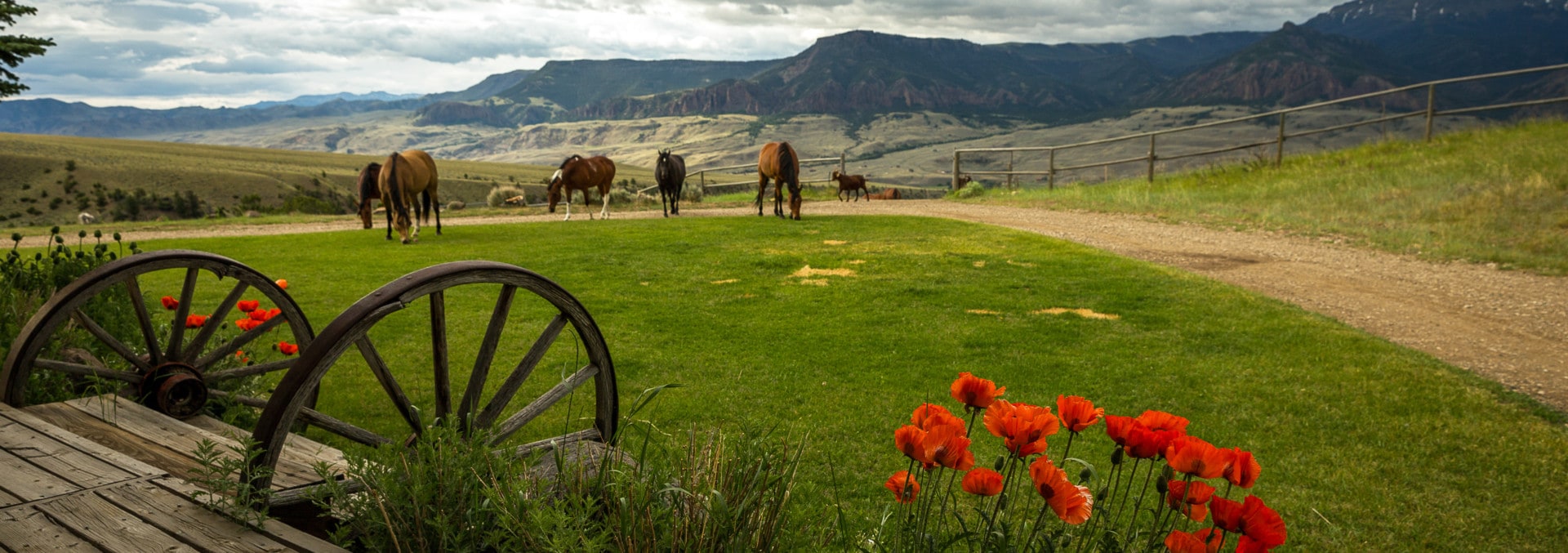
Wyoming’s Star Hill Ranch
Cody, Wyoming
This is truly a unique property that combines the benefits of a serene setting, a myriad of outdoor activities and the comforts of modern living. In today’s fast-paced world, this property provides a safe refuge from the stress and complexity of urban life, providing a place to build unforgettable family memories while reconnecting with nature. We invite you to visit the magic of Star Hill!
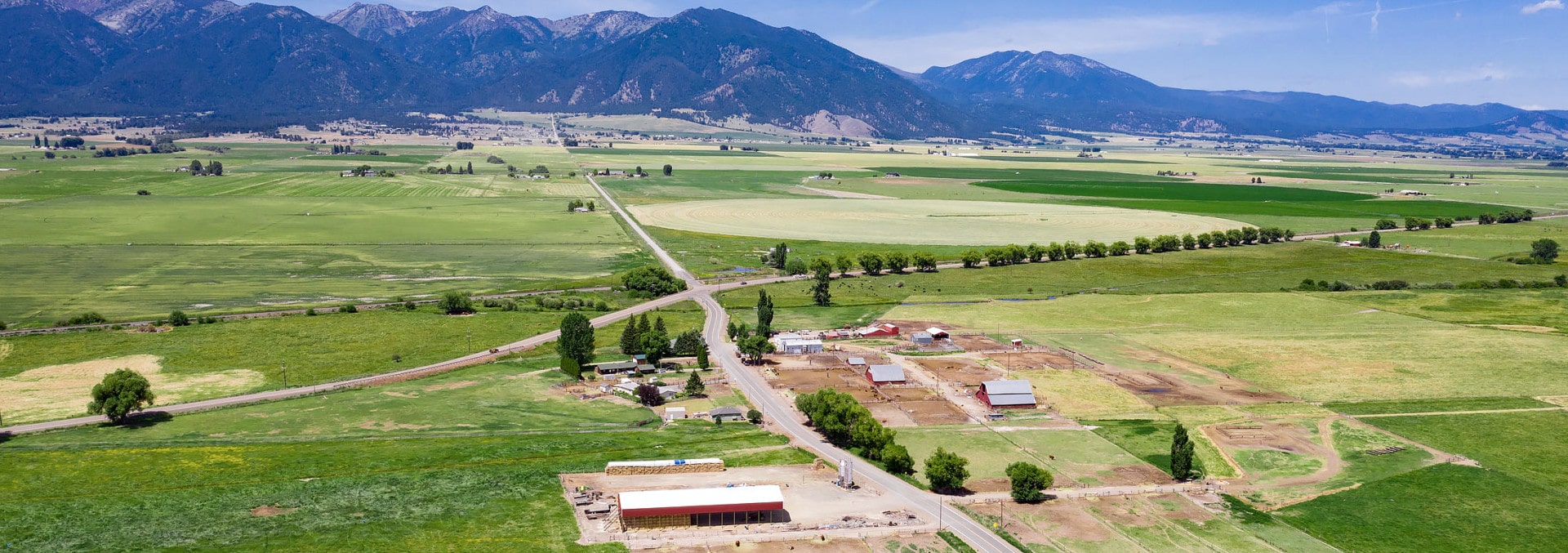
Chandler Hereford Ranch
Baker City, Oregon
A rare opportunity to purchase a piece of Western history in Oregon. The Chandler family has raised registered Hereford Cattle at this very location for a continuous period of 131 years. This well-established “Grass Ranch” provides all the necessary ingredients for a discerning purchaser to continue managing the ranch as a year-round cow/calf operation, or to change the operation to a very productive summer cattle grazing enterprise.
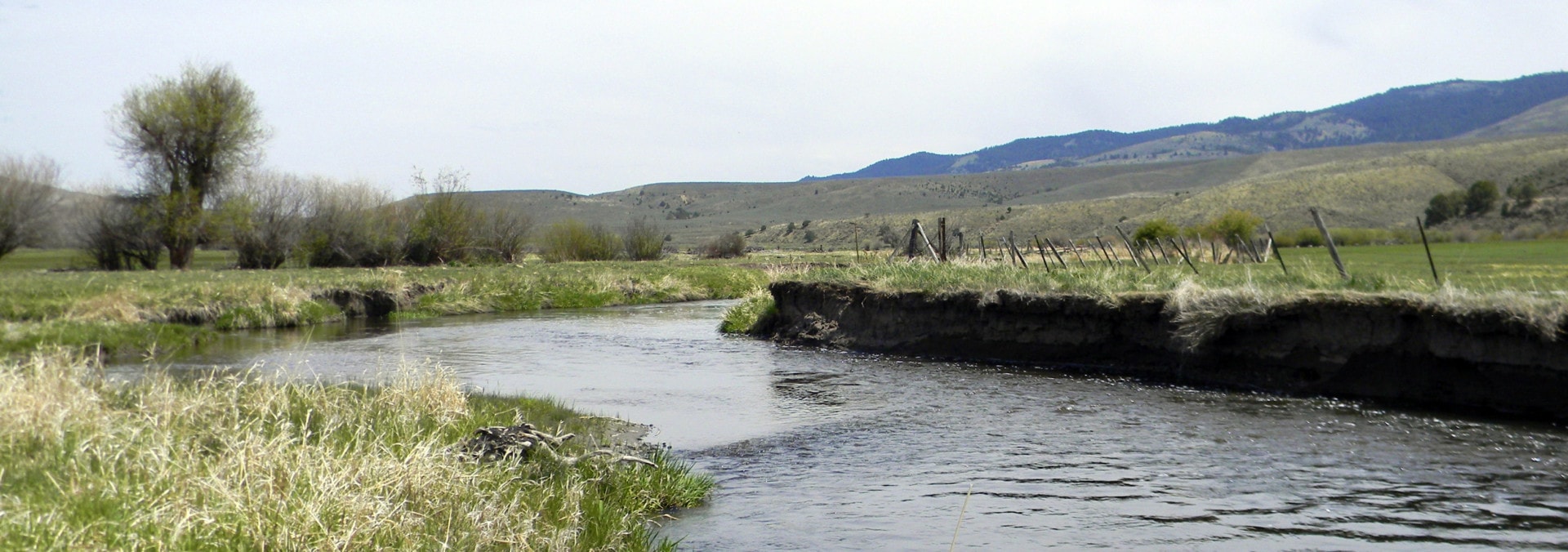
Hereford Burnt River Ranch
Hereford, Oregon
A fantastic grazing ranch with irrigated pastures and alfalfa. This Oregon ranch lies in the lush, burnt River Valley with exceptional grass and excellent water rights. The bonus is the prolific wildlife found on the ranch, with elk and mule deer making up much of what folks love about this area. The peace and solitude of this ranch is something special.
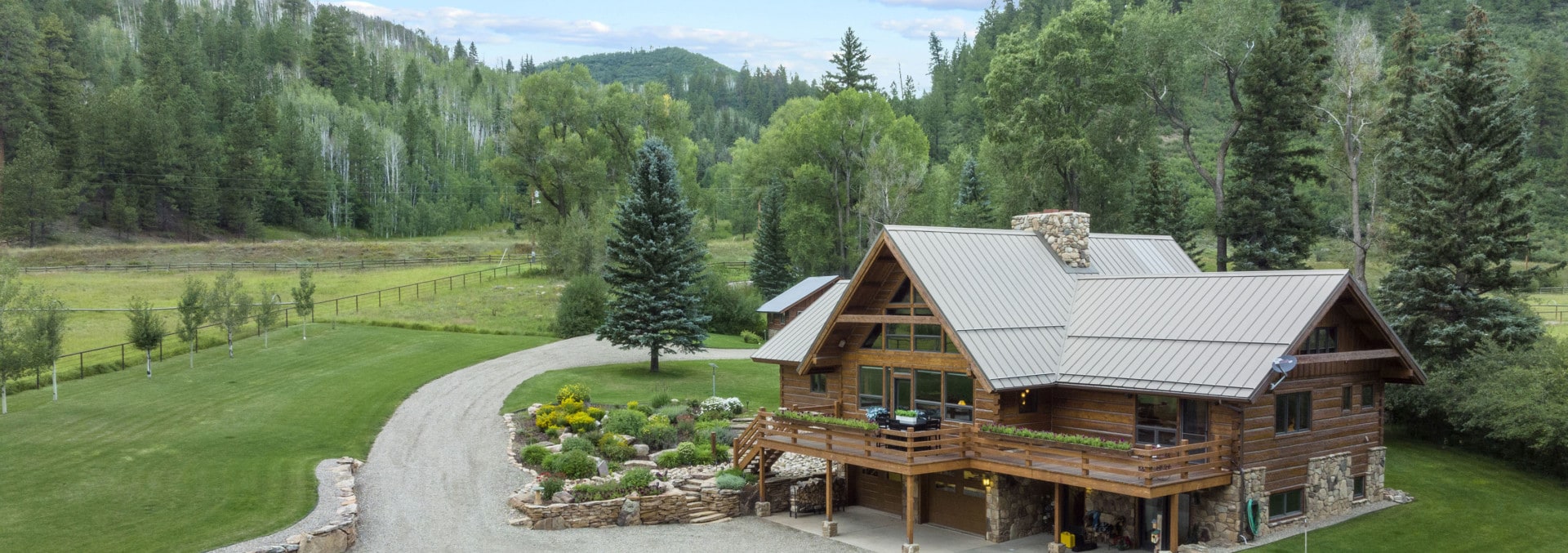
Goble Creek Ranch
Rico, Colorado
The Colorado ranch boasts approximately 0.4 miles of both sides of the West Fork of the Dolores River, with exceptional trout fishing for browns and rainbows. Privacy yet convenient access is a hallmark of this property. Paved publicly maintained roads to the ranch driveway allow for year-round use of the property. The log home is amongst an enticing grove of trees near the river. A riding arena, oversized 3-car detached garage, and custom tack room round out the improvements.
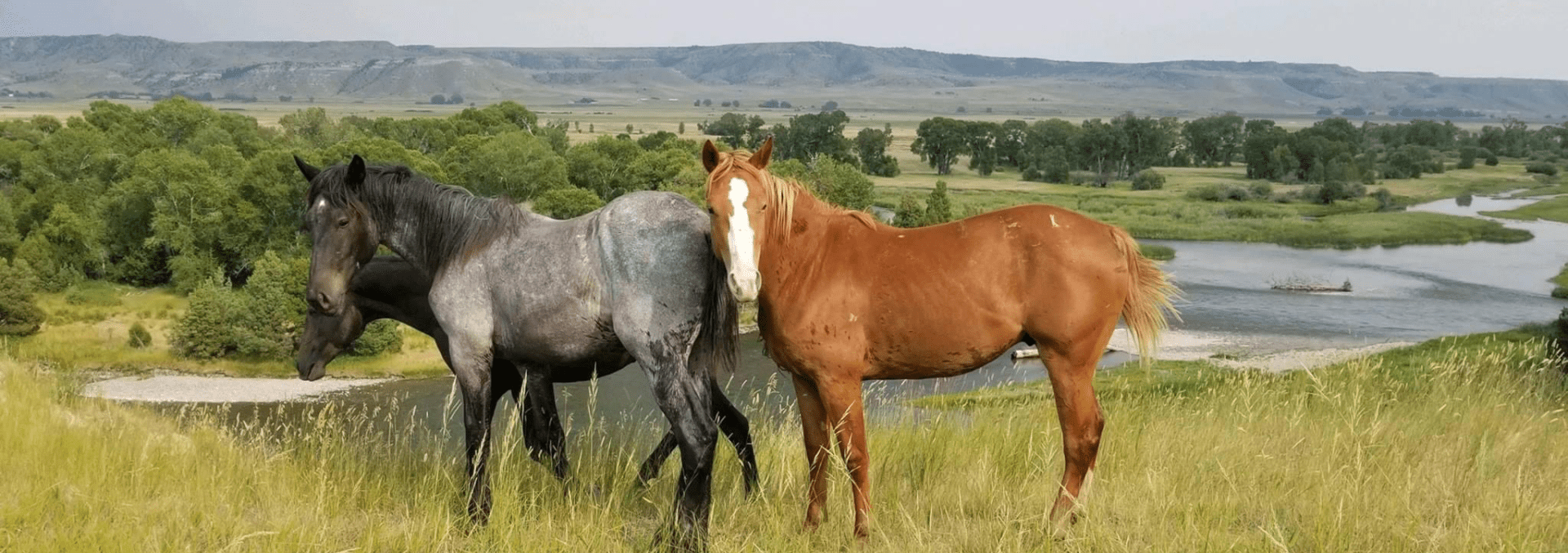
Buffalo Jump Equestrian Estate
Three Forks, Montana
The Montana equestrian ranch boasts the most impressive facilities to be admired by elite horse breeders and the most serious horse trainers. A nearly 30,000± square foot heated indoor arena provides horsemen ample space to work year-round in any discipline of the equestrian arts. The ranch dramatically frames the distant Spanish Peaks while quietly perched above the world-famous Madison River below, counting the ranch among premium fishing properties of Southwest Montana.
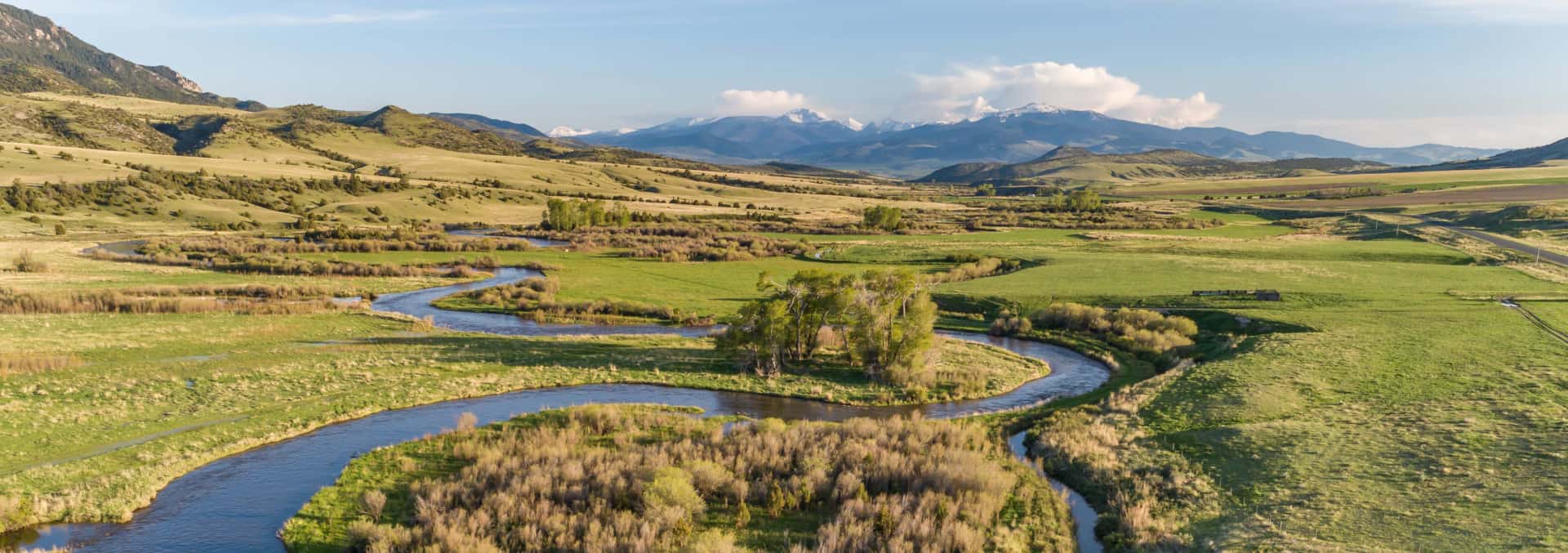
North Boulder River Ranch
Cardwell, Montana
Nestled in the shadow of Bull Mountain and surrounded by the Elkhorn, Boulder, and Highland Mountains sits this exceptional unspoiled 2,687± acre wildlife-rich ranch. Located just 50 minutes west of Bozeman Montana in the tightly held North Boulder River Valley, land this size in this valley rarely comes to market.
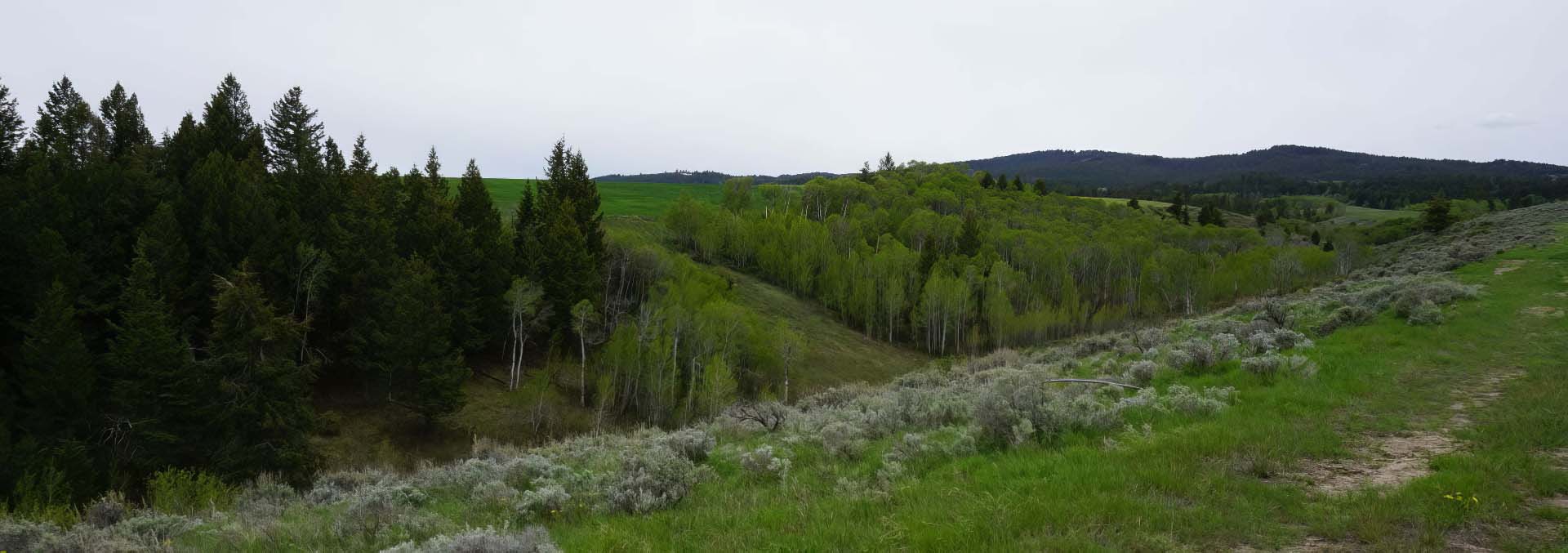
Teton River Farms
Tetonia, Idaho
Located in the Teton Valley, this unique rural community farm offers rich fertile soil for agriculture production, gorgeous views of historical mountains and a multitude of recreational activities making this ideal for a family retreat.
Hope Creek Ranch
Canyon Creek, Montana
This property is in Montana’s pristine wilderness and seamlessly borders 1.5± miles of Helena National Forest, providing access to thousands of acres. Hope Creek meanders approximately 1.12± miles through the property, and three large ponds provide water and allow endless fishing and other recreational opportunities. The property boasts a charming but functional log home, a bunk house, and a barn for equipment and feed storage, serving as the perfect basecamp after a day of adventure.
Mountain Star Ranch
Guffey, Colorado
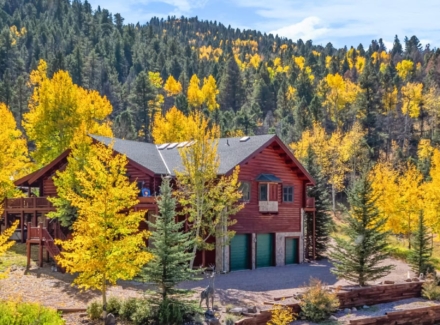
Mountain Star Ranch near Guffey offers a secluded 5-bed, 6,500± SF log home in a Rocky Mountain valley. Accessible by a private mile-long drive, the home features Montana pine logs, vaulted ceilings, floor-to-ceiling windows, stained glass, and an indoor pond with a waterfall. The ranch includes a renowned horse barn, large garages, and a versatile workshop. Bordering 16,000± acres of BLM land, it offers prime hunting and two LOP Draw applications. Located near Breckenridge & Colorado Springs.
Trapper View Ranch
Darby, Montana
Trapper View Ranch is 689± acres of forest, meadows, springs, and grassy benches. Situated at the base of Trapper Peak and the Bitterroot Mountain Range the ranch is bordered by National Forest and boasts approximately 200± irrigated acres and 389± acres of water rights.
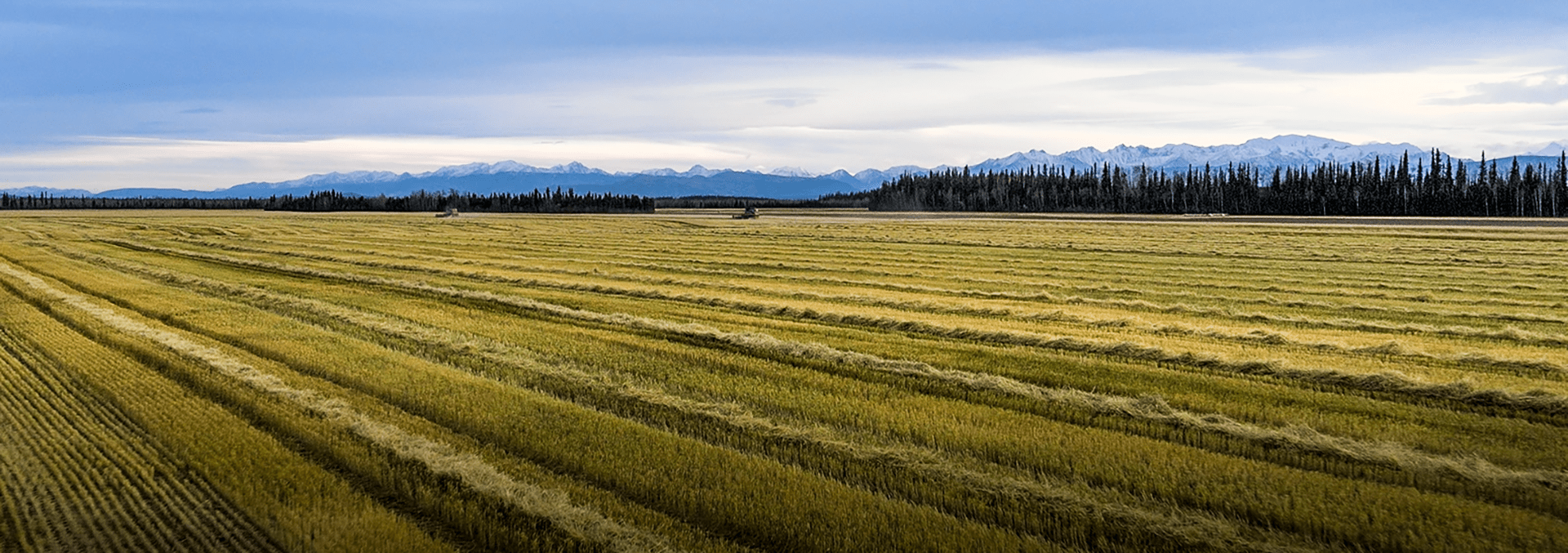
Schultz Farms
Delta Junction, Alaska
This Alaska offering for sale is a turnkey farm operation with a full line of equipment just 20 miles east of Delta Junction, with a hard surface road with 3-phase power. Crops include canola, barley, hay, and grass seed. The perimeter is fenced, and field roads have been added to help with moving fully loaded trucks in and out. The property includes a heated shop, a Quonset building, an insulated shop, two generators, 60,000 bushels grain storage, two grain dryers, and four wells.
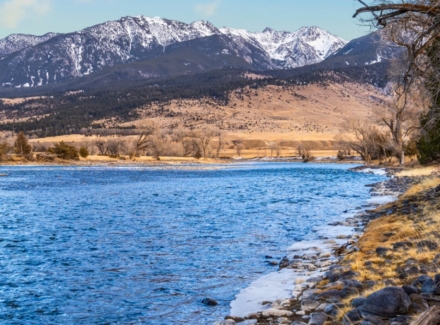
Yellowstone Riverbend
Livingston, Montana
Located along the banks of one of Montana’s greatest fly fishing rivers, this property is between Yellowstone National Park and Livingston in the famed Paradise Valley. The Yellowstone River forms the north and west boundaries of the property for about a mile. Rolling bluffs above the river showcase ‘big sky’ views, with the Gallatin Range to the west and the Absaroka Range to the east. The river bottom is full of cottonwood trees and small junipers and loaded with wildlife.
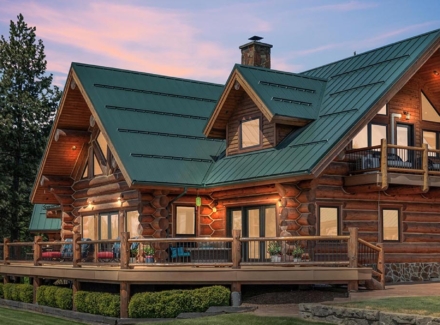
Painted Rose Ranch
Worley, Idaho
Perched atop a mountainside at the end of a gated drive, this luxury estate offers sweeping views of Lake Coeur d’Alene and the valley below, just minutes from town. A 5,440± SF log home features four bedrooms, four baths, custom antler accents, and expansive windows. Additional amenities include a heated shop, abundant wildlife, natural springs, mature timber, an 800-yard shooting range, a high-producing well, and secure, paved access—perfect as a residence, retreat, or hunting lodge.
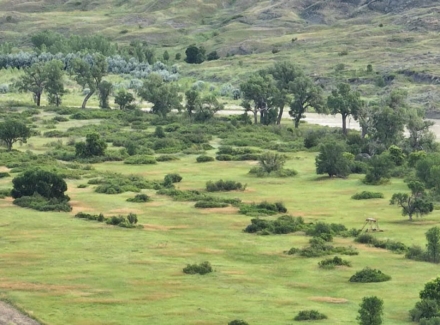
White River Hunting Retreat & Production Ground
Hamill, South Dakota
Over five miles of White River frontage, combined with native grasslands, fertile cropland, and quality pasture, create an ideal blend of recreation and production. Trophy whitetail, mule deer, pheasant, grouse, turkey, and prairie chicken thrive. Strong soils support grazing and hay production, while fertile bottom ground and crop acres add income potential. Scenic build sites, diverse habitat, and lease-back opportunities make it attractive to investors, sportsmen, and land stewards alike.
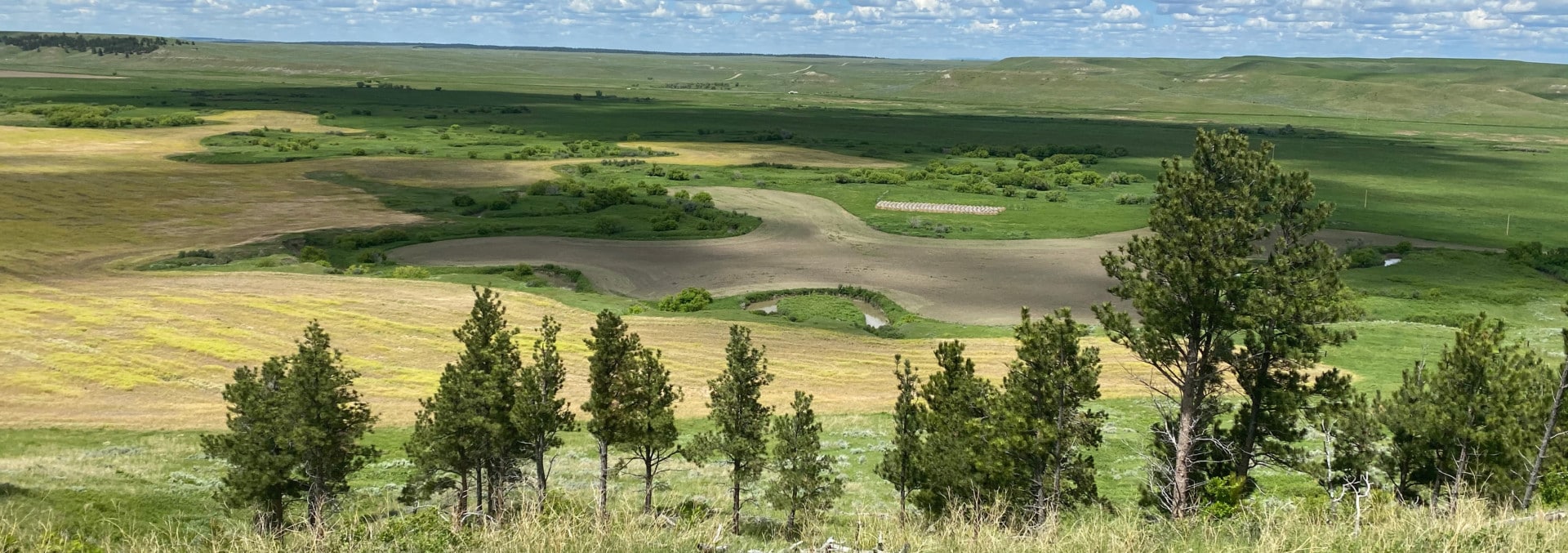
Paradise Coulee Ranch
Teigen, Montana
With prolific views of rolling hills, prairie bottomland, and sagebrush slopes, Paradise Coulee Ranch in Teigen, Montana, is a hunter’s dream property. From upland bird hunting to prairie big game, the property offers many tucked away places with ample pastureland and cover. McDonald Creek meanders through Paradise Coulee Ranch fields in agriculture production, supplementing food sources and adding income opportunities to future owners.
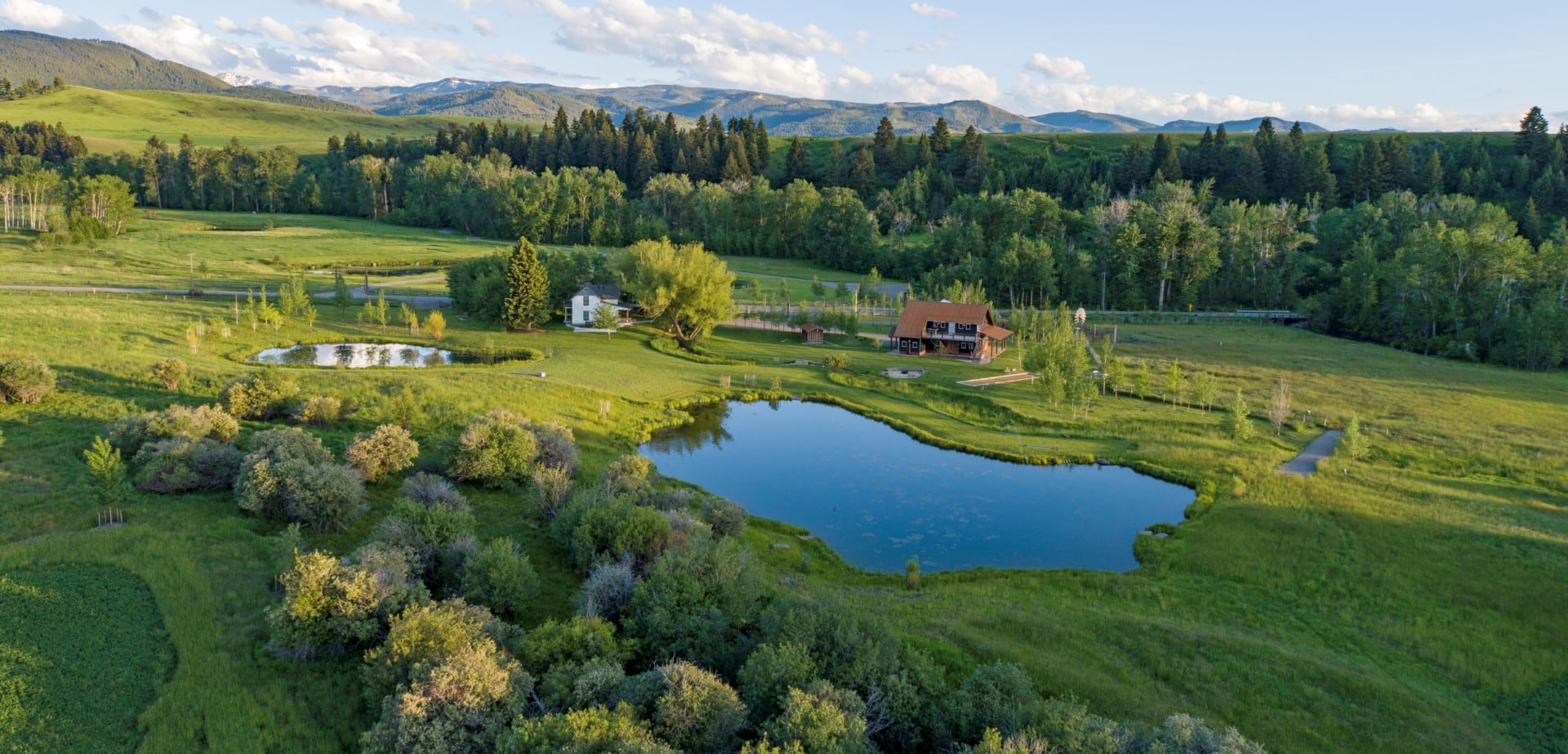
South Cottonwood Farm
Bozeman, Montana
Tucked away at the mouth of Cottonwood Canyon and within close proximity to Bozeman, Montana, the property intertwines the amenities of city life with the privacy of lush meadows, secluded fishery, agricultural, and multiple recreational amenities. In addition to having premiere building sites, the property also provides top-level improvements. Truly a wonderful property that has been managed and developed with no expense or detail overlooked.
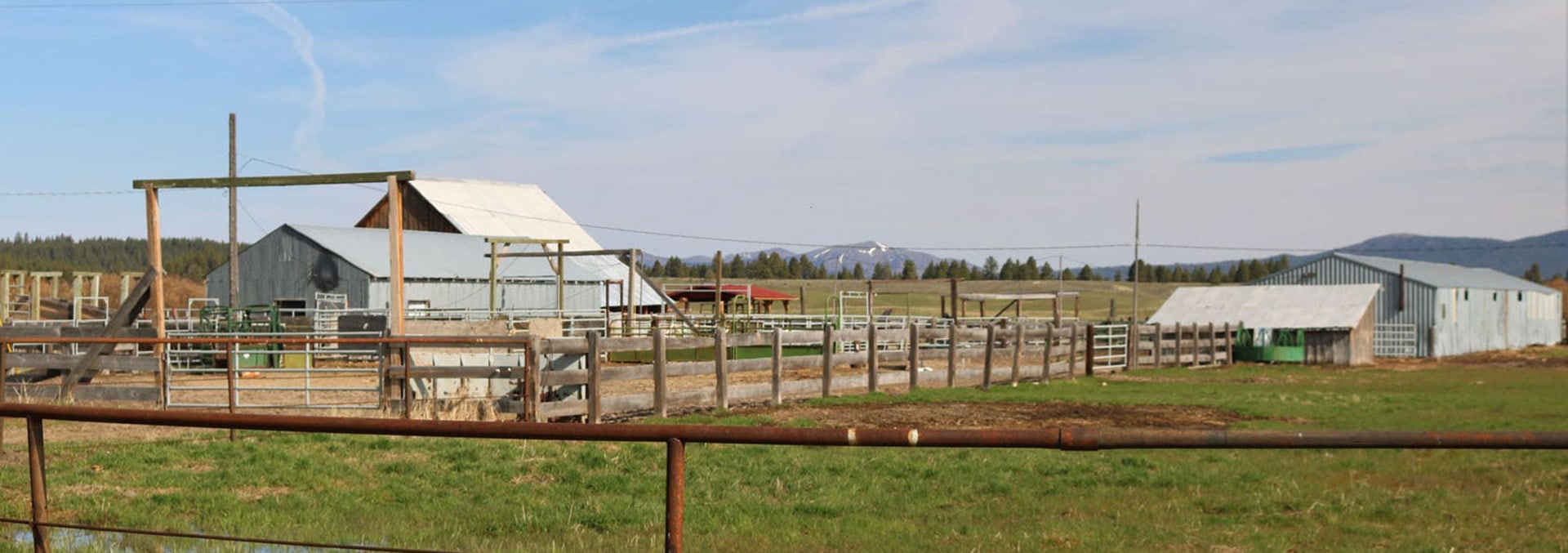
Bear Valley 96 Ranch
Seneca, Oregon
This ranch has it all! Highly productive hay grounds, 25,000± acre private forest permit, excellent big game hunting, LOP tags (buyer to confirm with ODFW), amazing mountain and valley views with complete privacy. Several mountain springs run through the property along with great stands of healthy timber.
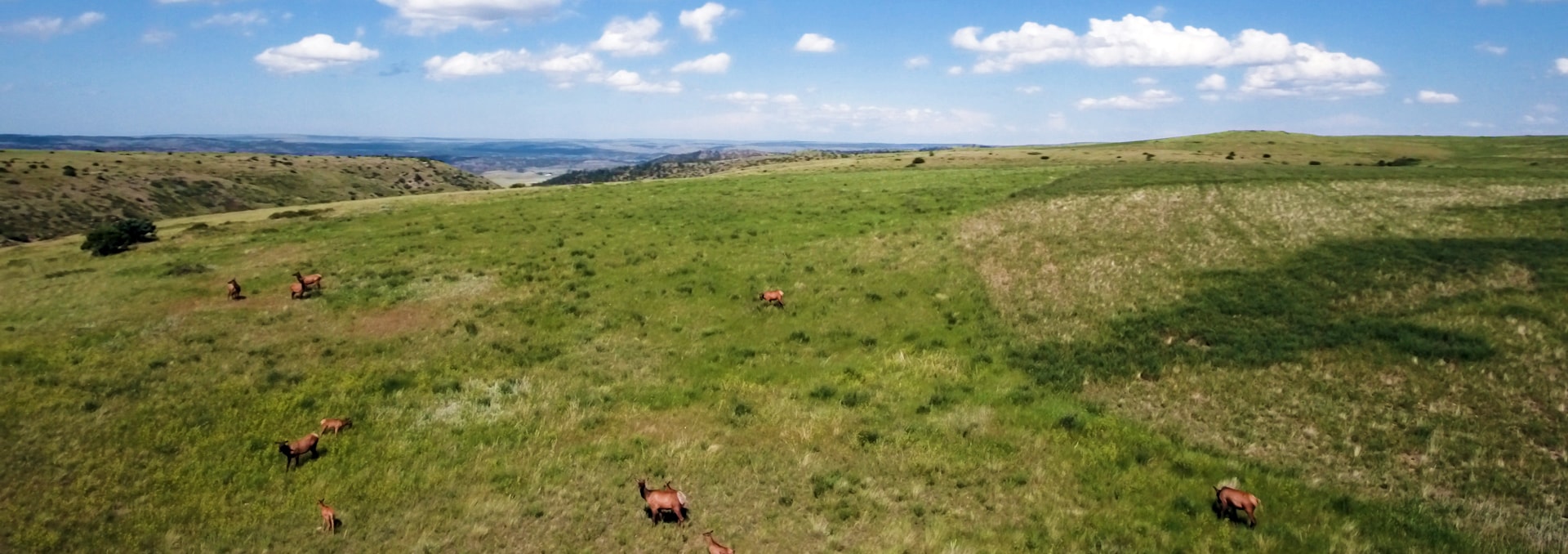
Krueger-Upper West Ranch
Reed Point, Montana
With the Crazy Mountains looming to the west and the Beartooth Mountains to the south, this 6,015± acre ranch is comprised of beautiful rolling pastures, covered draws, incredible panoramic mountain views, and springs. Just 12± miles south of small-town Reed Point, MT, and 12± miles west of Columbus, MT, Upper West Ranch is the perfect mix of agricultural rich environment, excellent year-round access, and an incredible amount of wildlife, from elk to upland birds.
Yampa Headwaters Ranch
Yampa, Colorado
Yampa Headwaters Ranch in Colorado features a unique Army Corps-permitted wetland mitigation bank with over 200 credits, two creeks, and multiple stocked ponds. The ranch includes a 100+ acre hay meadow, wetland areas, and diverse upland topography. It offers fishing in Brinker and Chimney Creeks, stocked ponds, and abundant waterfowl. Improvements include a custom barn with an apartment. Its wetland credits and recreational assets make it a unique investment opportunity.
Stagecoach Lake Ranch
Oak Creek, Colorado
Fay Ranches represented the seller in the off-market sale of Stagecoach Lake Ranch, a 308± acre property near Steamboat Springs. Located 13± miles from the town and adjacent to the proposed Stagecoach Ranch Ski Development, the ranch features 50± acre-feet of Overman Reservoir water rights. It offers open meadows, forests, a homestead cabin, and views of four wilderness areas. The property provides exceptional homesites and future development potential, making it unique in the land market.
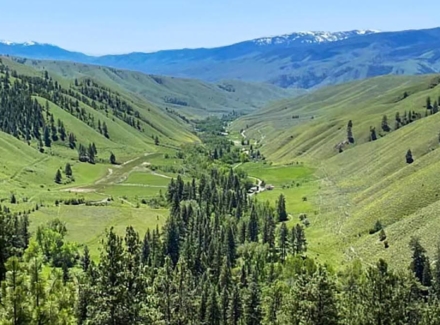
Salmon, Idaho’s Sky Ranch
Carmen, Idaho
A rare Idaho opportunity offering private access to 4.7M acres of public land. Features include Tower Creek frontage, a 2,600’ airstrip with hangar, guest cabin, and primary residence. Elk, deer, and other wildlife thrive here, with Unit 21A hunting opportunities. Twelve pastures and irrigation systems support cattle and crop operations, historically yielding hay and income from a tree farm. Recreation abounds with direct access to wilderness trails, riding, snowmobiling, & aviation adventures.
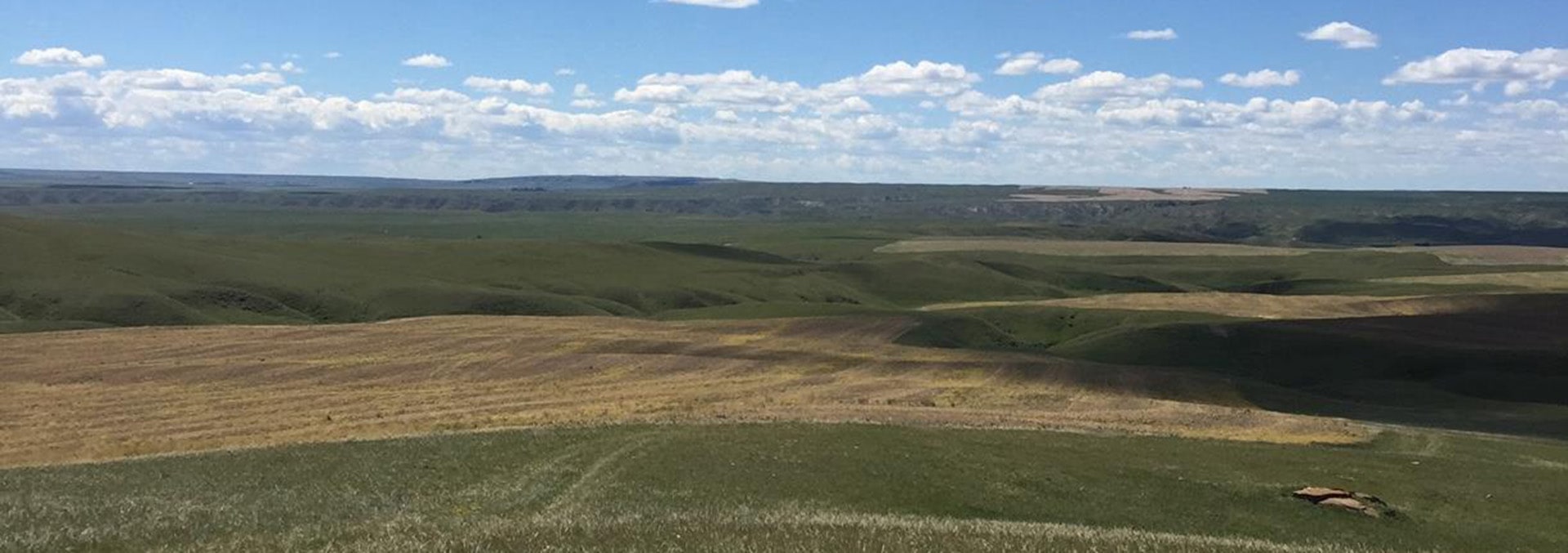
H & J Quarters Farm No Wind
Ethridge, Montana
This Montana farm sits in the heart of the Golden Triangle region with the backdrop of the breathtaking Rocky Mountain Front in the distance. The deep-rooted farm was expanded over the years to amass the almost 5,500± acre farm that is offered today. This opportunity is ideal for a discerning buyer interested in investing in a unique property with historically established income from dryland farm leases. The owner can continue a farm lease for a source of income or serve as an owner-operator.
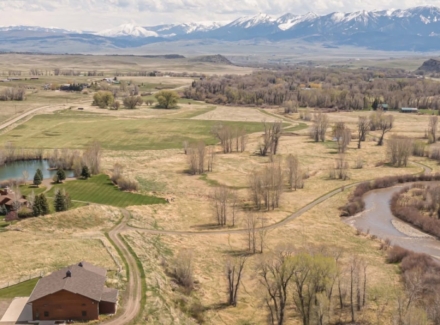
MY Ranch
Livingston, Montana
About 0.75 miles of Shields River frontage makes up the western boundary of this property, which also includes 0.75± miles of Palmer Ditch, 0.25± miles of Lower Shields Valley Ditch, and a 1± acre trout pond. Improvements are custom, including a 6,053± SF, 5 bed, 6.5 bath home and a Morton Buildings heated shop with an attached horse facility. A new owner could fly fish for wild rainbow or brown trout from the property and, within 15 minutes to an hour, be in Livingston or Bozeman, Montana.
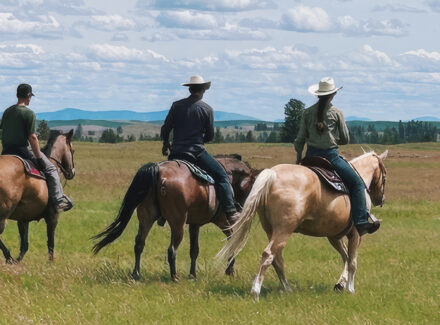
The Stillwater Ranch
Cheney, Washington
35± minutes south of Spokane, Washington, this turnkey holding features a remodeled 2,732± sq. ft. Montana-style home with refined finishes, Johnson Lake views, sauna, and four-car garage. The land includes a 15± acre lake, seasonal ponds, and year-round Rock Creek. Improvements include a 3,600± sq. ft. insulated shop, corrals and feedlot, 40± acre hay field, Cover-All hay shed, caretaker cabin, private gated entry, range, and GMU 130 hunting for mule deer and turkey, plus black Angus cattle.
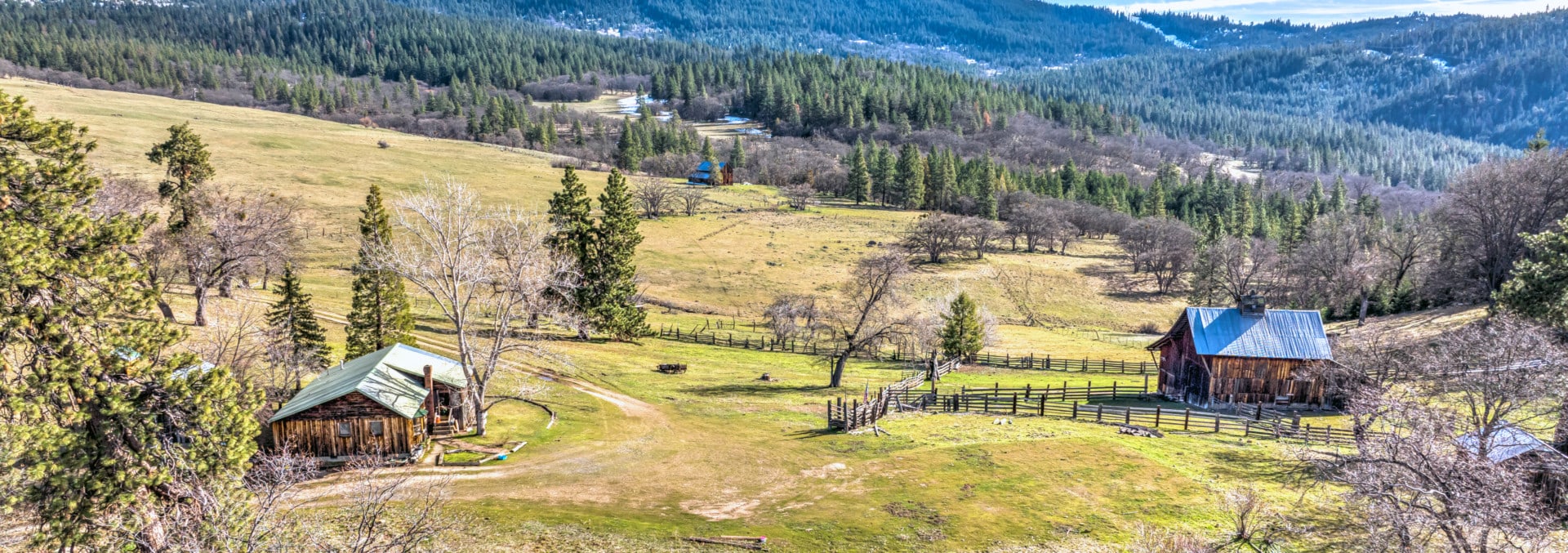
The Legend of Cove Creek Ranch
Ashland, Oregon
This Oregon ranch offers timber, live water, privacy, amazing views, hunting, and fishing, plus a great location. This spectacular ranch also includes 255± acres of water rights, several natural springs and ponds, and Cascade and Siskiyou Mountain views from every direction. Improvements include the original homestead, three rustic cabins, and two barns. Historically used for cattle ranching and timber harvesting, this ranch would be great for recreation, retreat, winery, or conservation.

Heritage Mountain Ranch
Steamboat Springs, Colorado
Located just west of Steamboat Springs, Colorado, this mountain sanctuary offers dramatic scenery and exceptional privacy. Aspen and fir ridges, open meadows, and alpine lakes create a quintessential high-country setting. A handcrafted log home overlooks a private lake and pastures visited by elk and deer. Multiple ponds and springs support outdoor recreation, from horseback riding to hunting—an unspoiled retreat that embodies Colorado’s natural beauty, tranquility, and enduring value.
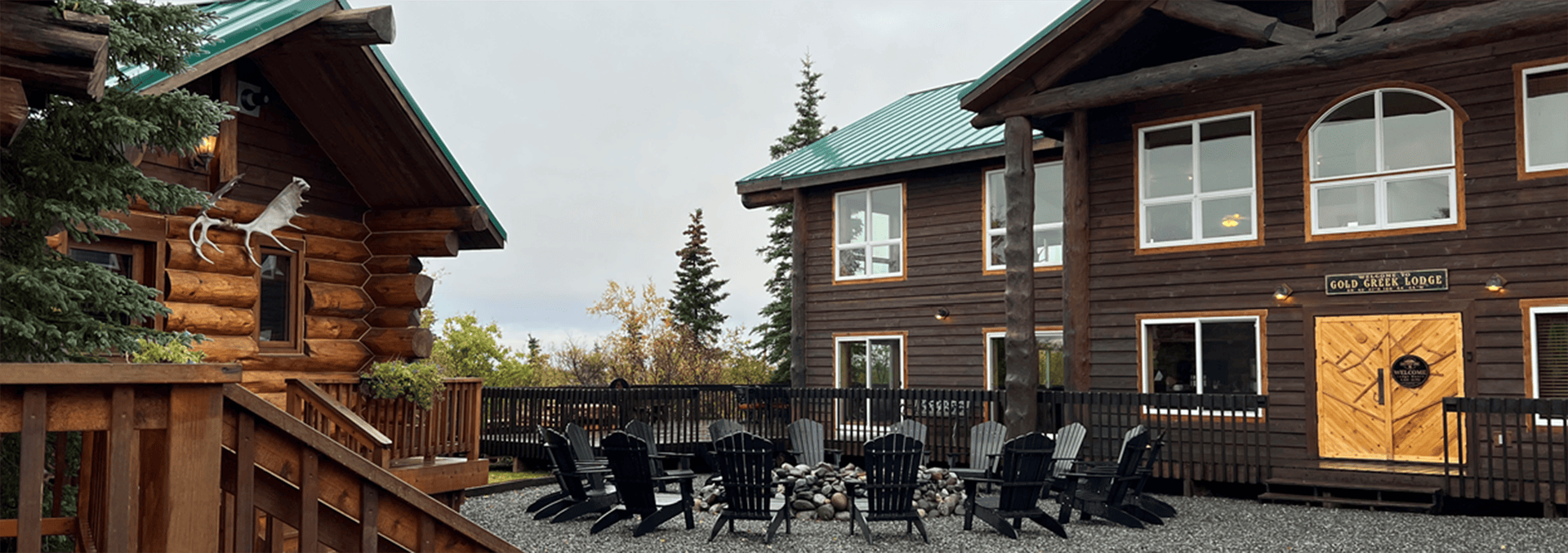
Alaska’s Gold Creek Lodge
King Salmon, Alaska
Otis the famous Fat Bear would agree that this Alaska property, perched on the banks of the Naknek River, is a spectacular first-class luxury lodge. It’s the gateway to most of Southwest Alaska’s pristine wilderness experiences, from fishing to bear-watching to back trail adventures. With a world-class fishery, incredible hunting, eco-tourism, breathtaking scenery, and minutes from a modern commercial airport. This turn-key investment opportunity has remarkable upside.
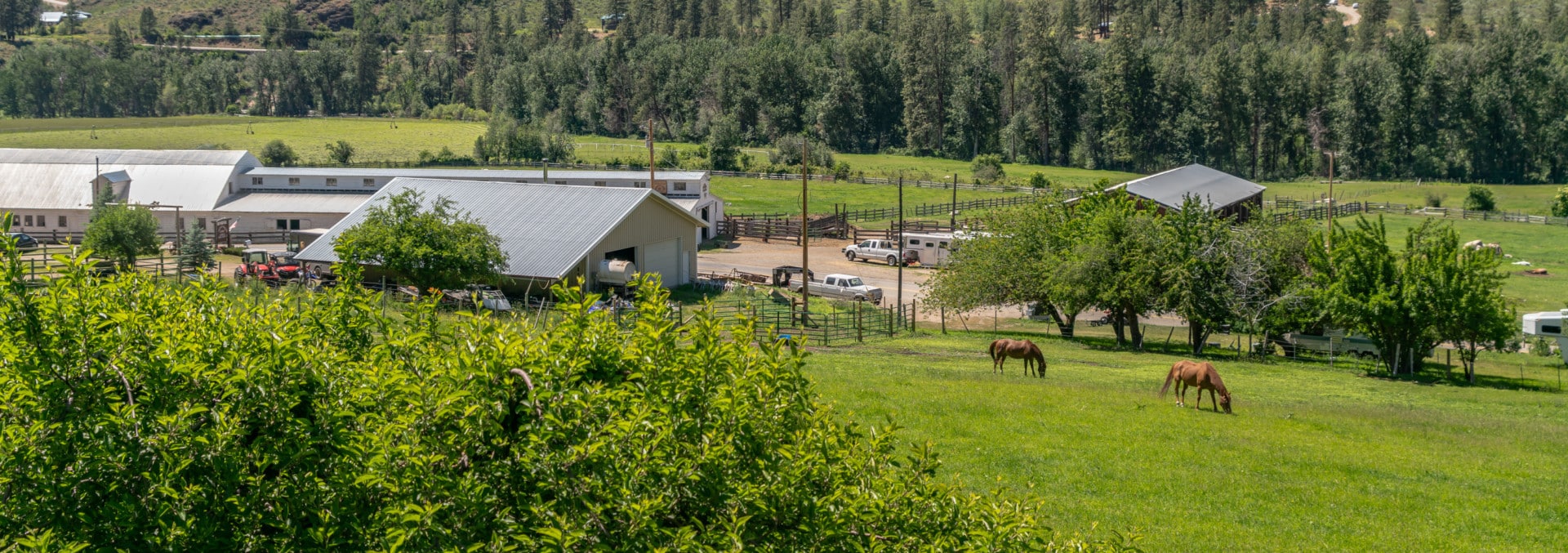
Chewack River Ranch
Winthrop, Washington
Located just north of Winthrop, Washington, the Chewack River Ranch offers the opportunity to run your cattle ranch, farm your acreage, and produce income off the many amenities this ranch has to offer. About 15 miles up the road is the world-renowned Pasayten Wilderness, known for its beautiful mountain peaks, wild rivers, rugged wilderness, and extensive hiking and horseback riding trails. There is so much beauty wrapped into one property that you won’t want to miss out on this ranch.
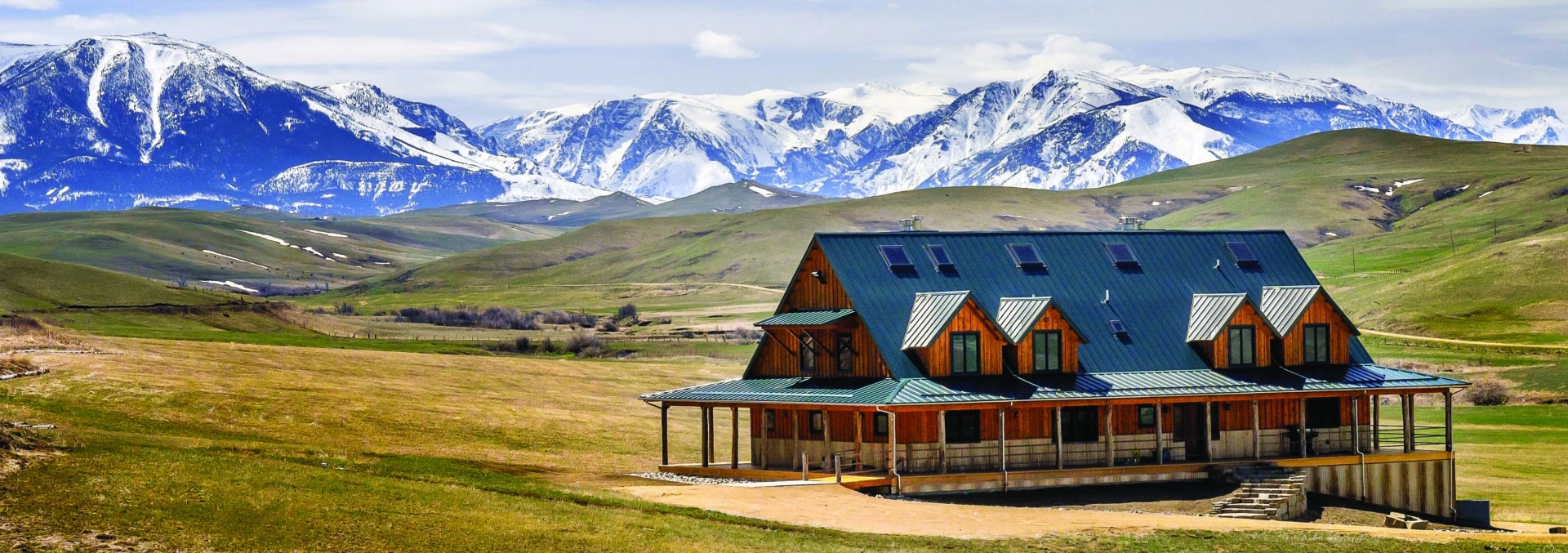
Volney Creek Ranch
Red Lodge, Montana
This Montana ranch offers acres of lush fields and rolling hills with awe-inspiring views of the magnificent Beartooth face of the eastern Rocky Mountain front. The palatial home & superb equestrian facilities present privacy, luxury, and the Western recreational lifestyle. Volney Creek flows through the property and provides irrigation water for the ditches that irrigate the 330± acres of verdant hayfields and is full of trout. Dry Creek also runs all year and draws a large resident elk herd.
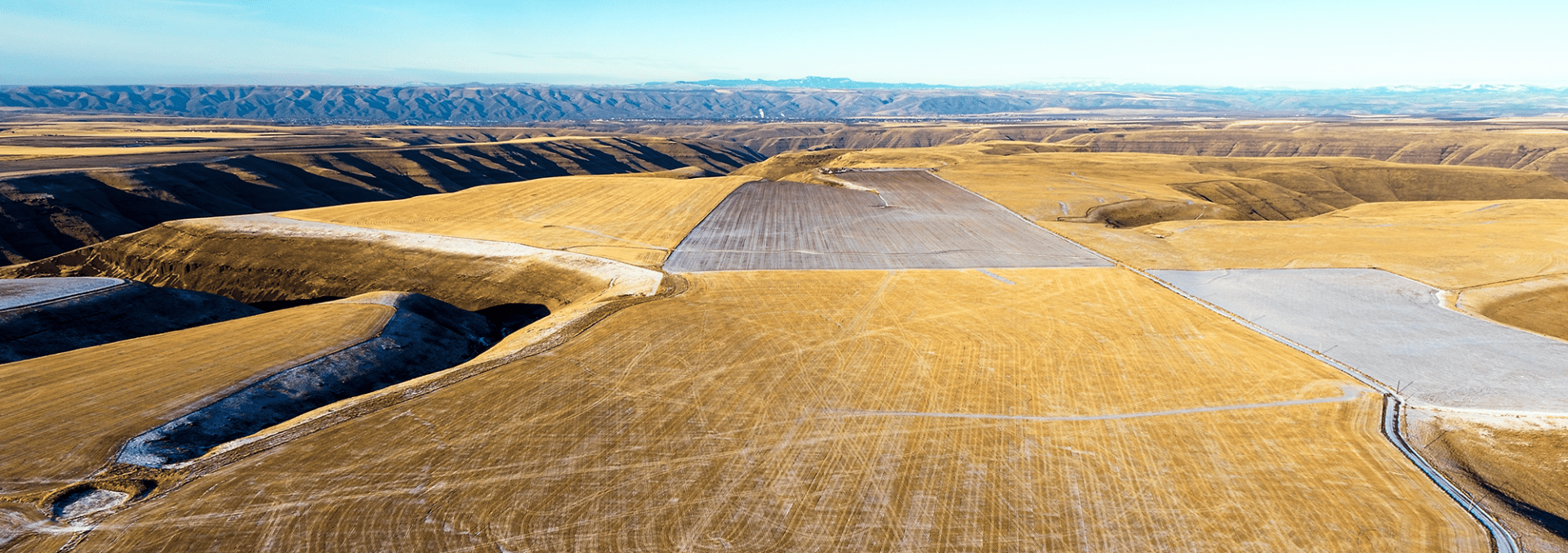
10 Mile Creek Ranch
Asotin, Washington
10 Mile Creek Ranch is an opportunity that doesn’t come around often. The 5 bedroom/2 bath main home includes a mechanical, unfinished basement. Outbuildings and a bunkhouse round out this farmland. The views are nothing short of spectacular. The contiguous pastureland is fenced and cross-fenced. The abundance of wildlife on this acreage creates endless hunting adventures. The ranch is a mere three miles from the Snake River, where you can enjoy many recreational and water activities.
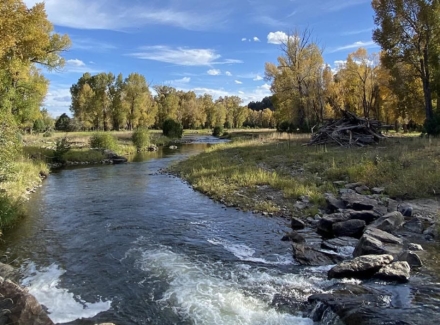
Canones Creek Ranch
on the Chama River
Chama, New Mexico
Cañones Creek Ranch offers 518± acres in northern New Mexico, featuring 1.25± miles of Chama River frontage, renowned for world-class fly fishing and enhanced trout habitat. The ranch also presents excellent hunting for elk and mule deer, bordering the Jicarilla Apache Nation. With substantial water rights, it supports hay production and cattle grazing, providing income. Improvements include a remodeled home, apartment, and garage, making this a rare live-water recreational retreat.
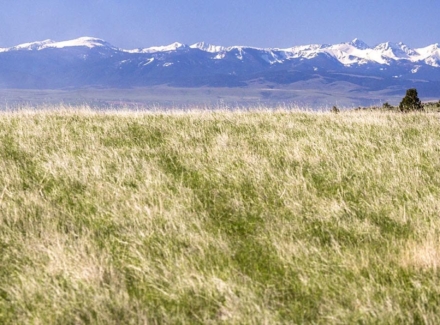
Horseshoe Foothills Ranch
Belgrade, Montana
This property is tucked away in the Gallatin Valley at the base of the Bridger Mountains and the Horseshoe Hills. The views from the property are stunning, with the Bridgers looming to the northeast, encompassing an expansive view of the lights of Bozeman and the Gallatin Valley, the Spanish Peaks rising to the south, and the Tobacco Root Mountains to the west. Take in the views from this ranch, close to one of the most celebrated small towns in the western United States: Bozeman, Montana.
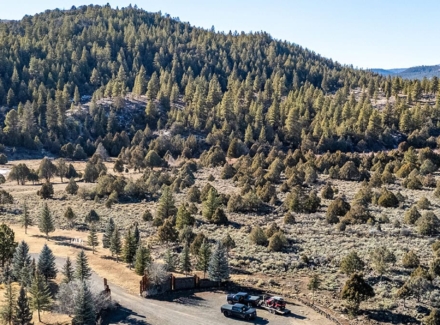
Mammoth Ridge Muleys
Hatch, Utah
Purpose-built southern Utah trophy mule deer ranch in big-game country, near the Paunsaugunt unit. Easy county-road access, gated entry, pastures, and roughly 0.5± mile of fishable Mammoth Creek form a year-round wildlife corridor. With improved habitat, water, and feed, the ranch naturally draws deer and wildlife. Infrastructure includes 14 food plots, an underground water system, hunting blinds, and internal roads for discreet access. An established management system may continue under new ownership.
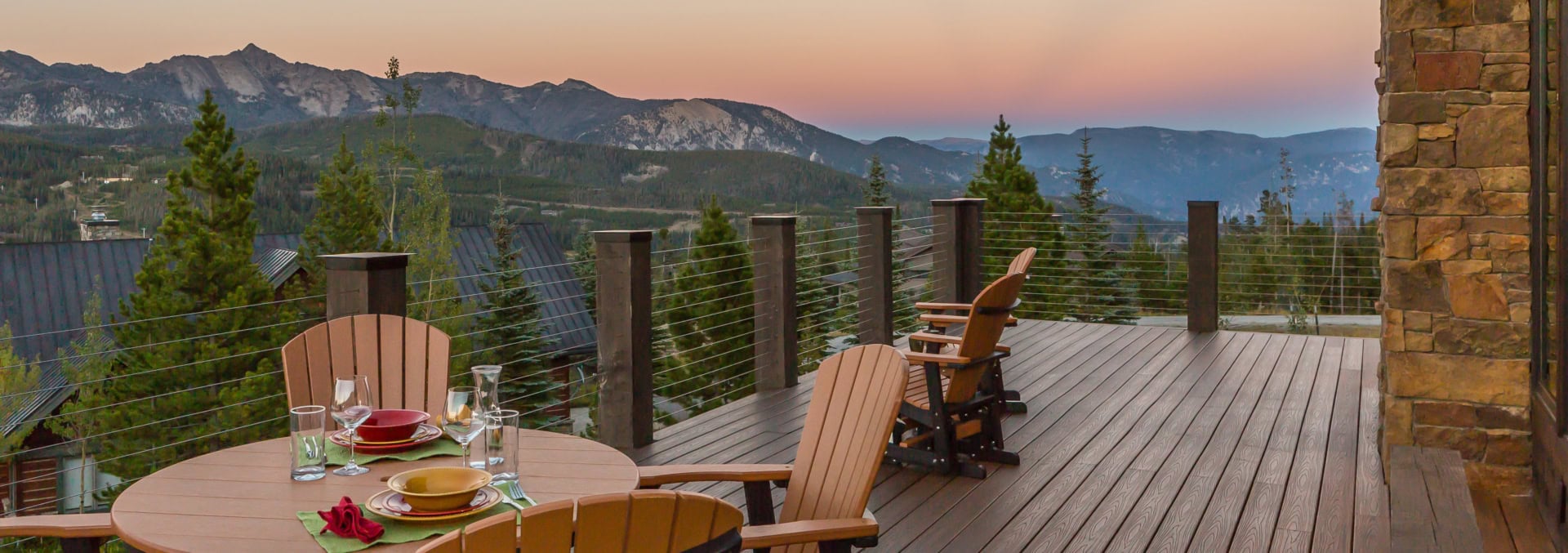
Diamond Hitch Ski Chalet (ski-in/ski-out)
Big Sky, Montana
Ski-In/Ski-Out at its best! Awe-inspiring views make this slope-side mountain chalet the perfect backdrop for all your adventures. If you want the finest luxury home and vacation experience possible in Big Sky/Moonlight Basin, Diamond Hitch Ski Chalet is your clear choice.
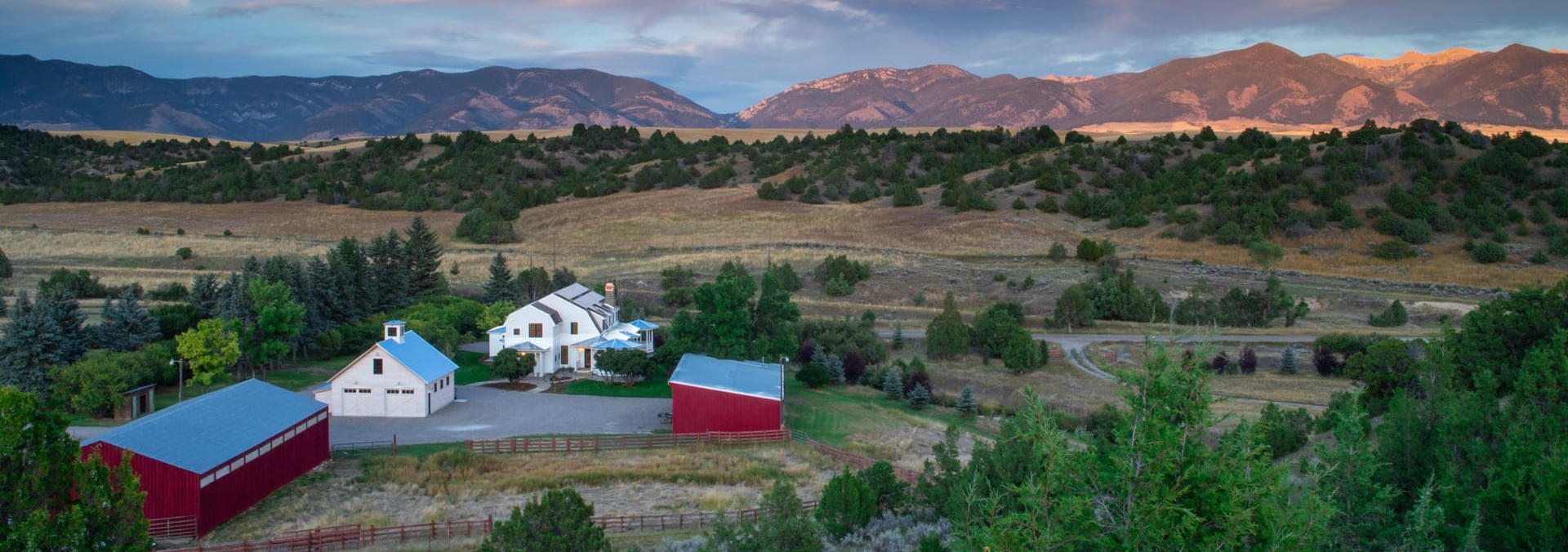
The Farmhouse on Dry Creek
Belgrade, Montana
A 94± acre escape, this property is a rare opportunity on the northern edge of the Gallatin Valley to purchase a beautiful brand-new, ultra energy efficient home; the perfect amount of acreage, as well as live water, with fishable Dry Creek traversing through the property for 2,050± feet. Located only 23± miles to vibrant Bozeman and 14± miles to Bozeman Yellowstone International Airport this property checks all the boxes.
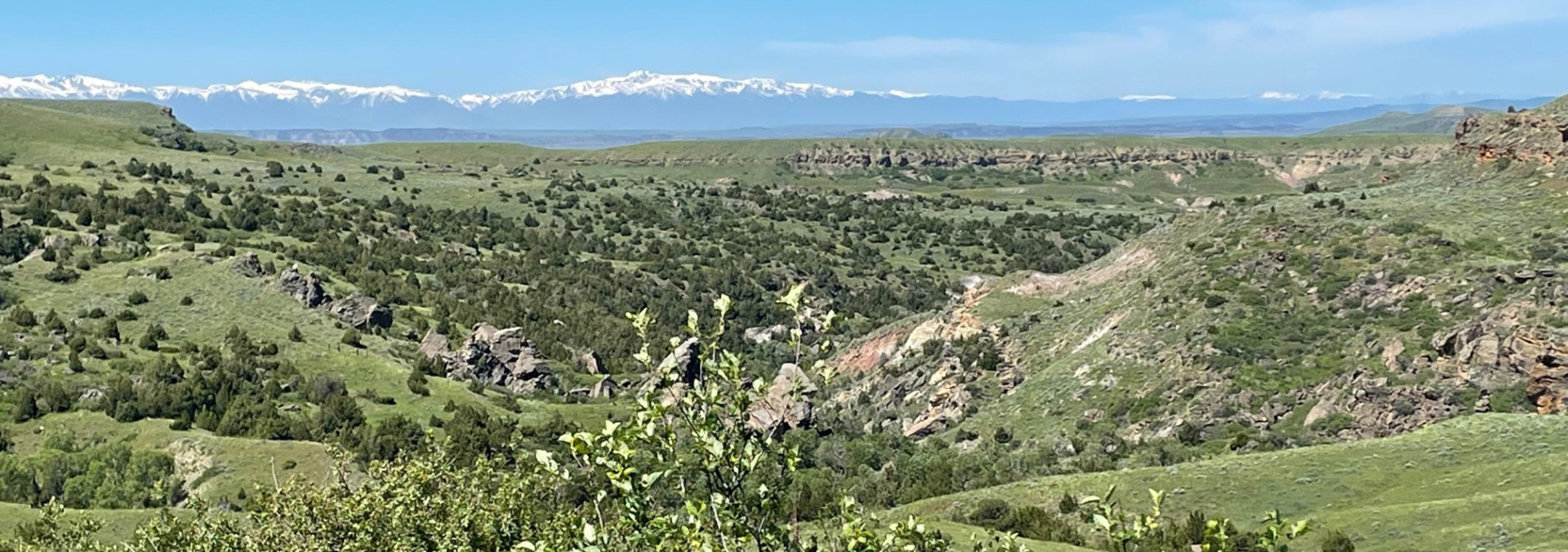
Velociraptor Ranch
Billings, Montana
This Montana ranch has 1,280± acres of BLM and State lease ground, dryland wheat fields, grazing, year-round Cottonwood Creek, and numerous seeps & springs. With world-class upland bird hunting for sharptailed grouse and Hungarian partridge, big mule deer, black bear, lion, bobcat, and antelope, the hunter will be in Heaven. The big canyons and coulees are famous for known dinosaur and fossil deposits. Grand views of the Pryor/Bighorn Mountains and the Eastern Rocky Mountain Front set the scene.
Sky Range Ranch
Missoula, Montana
Sky Range Ranch is a historic 351.96± acre equestrian property from 1883. It features a historic home, studio apartment, manager cottage, and essential equestrian facilities such as a horse barn, corrals, and custom steel fencing. LaValle Creek flows through the property, enhancing its scenic beauty and utility. The ranch includes 28± irrigated acres, farming equipment, and mature landscaping. It is conveniently located near Missoula and offers a rare blend of history and modern amenities.
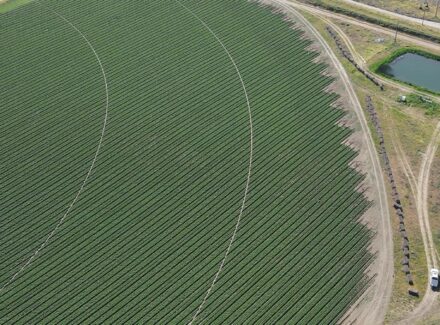
Preston Organic Irrigated Farm
Pasco, Washington
Near Pasco in Washington’s Columbia Basin, this certified organic farm offers a premier agricultural investment. A comprehensive irrigation system with three GPS-equipped center pivots ensures efficient water delivery and reliable crop production. A long-term lease generates approximately $162,260 annually, operated by a fourth-generation Columbia Basin farmer. More than a financial asset, this property is a legacy holding that balances strong returns with responsible, enduring land stewardship.
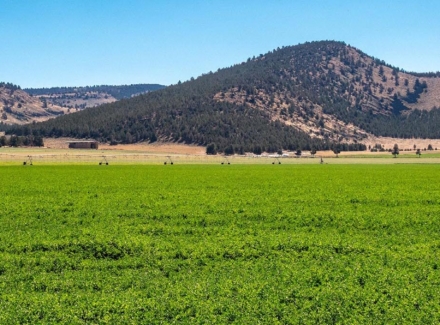
Green Valley Ranch
Dorris, California
In northern California’s Butte Valley, this agricultural property combines fertile sandy-loam soils, dependable groundwater irrigation, and well-engineered cropland supported by pivots, wells, wheel lines, and an underground distribution system that ensures efficient water delivery. Three homes, barns, grain storage, a shop, and service roads create a complete operational base. Native pasture adds grazing and wildlife value, with Highway 97 and Klamath Falls offering convenient regional access.
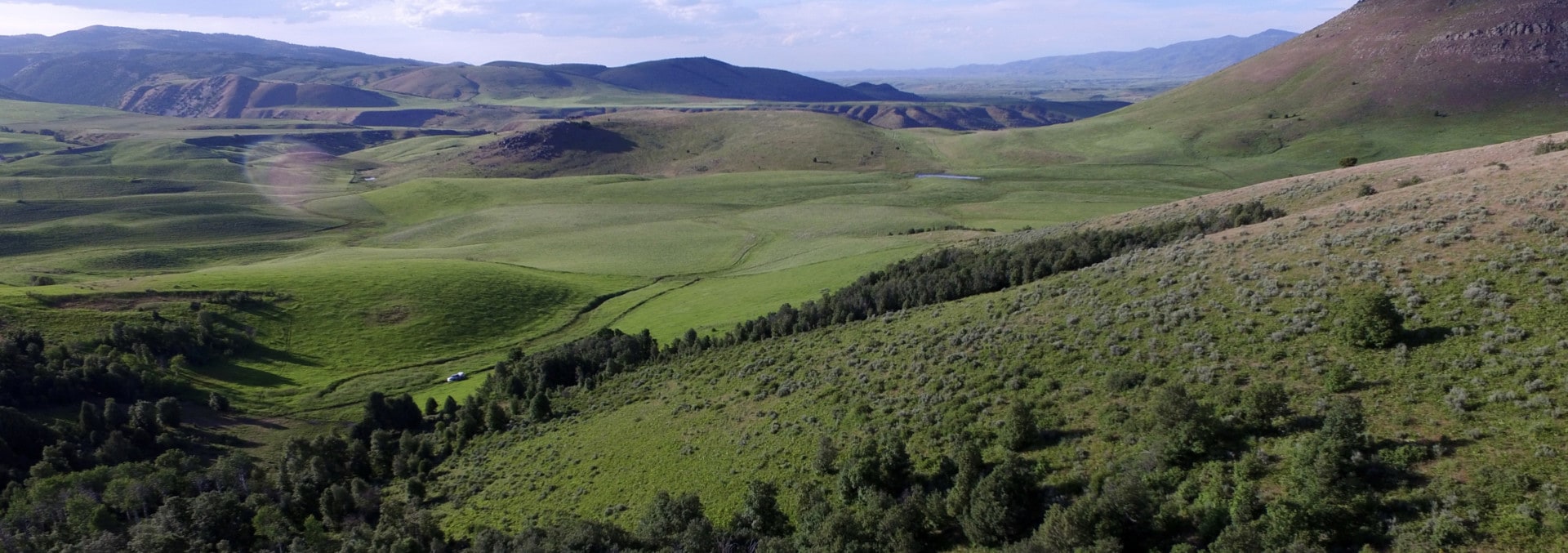
High Desert Ranch
Preston, Idaho
This ranch has all the benefits of a remote ranch without being remote. With various recreational pursuits from hunting to fishing on the Bear River in Idaho, this ranch is a rare offering within Idaho and the west. This ranch offers grazing and big game hunting, specifically mule deer and elk. The area is known for its large mule deer genetics. The current owners have taken many steps in operating the ranch for maximum agricultural productivity while making sure wildlife habitat is preserved.
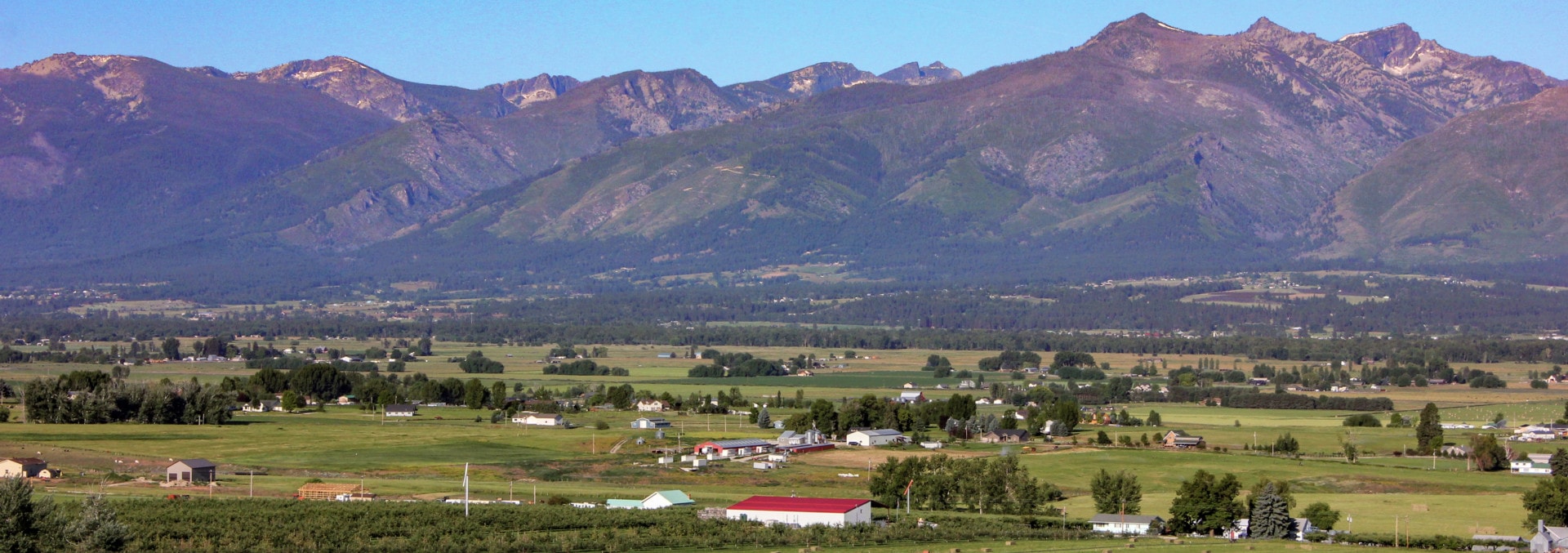
Swanson’s Apple Orchard
Corvallis, Montana
This Montana orchard/ranch has hay ground, pastures, and a productive apple orchard. The apple orchard covers approximately 30± acres with plenty of room to expand the orchard and increase production. With Macintosh, Empire, Spartan, Snow-Sweet, and Golden Delicious apples, the business has built a reputation for producing high-quality apples that are sweet and crisp. It comes with a warehouse and two refrigerated cold storage rooms.
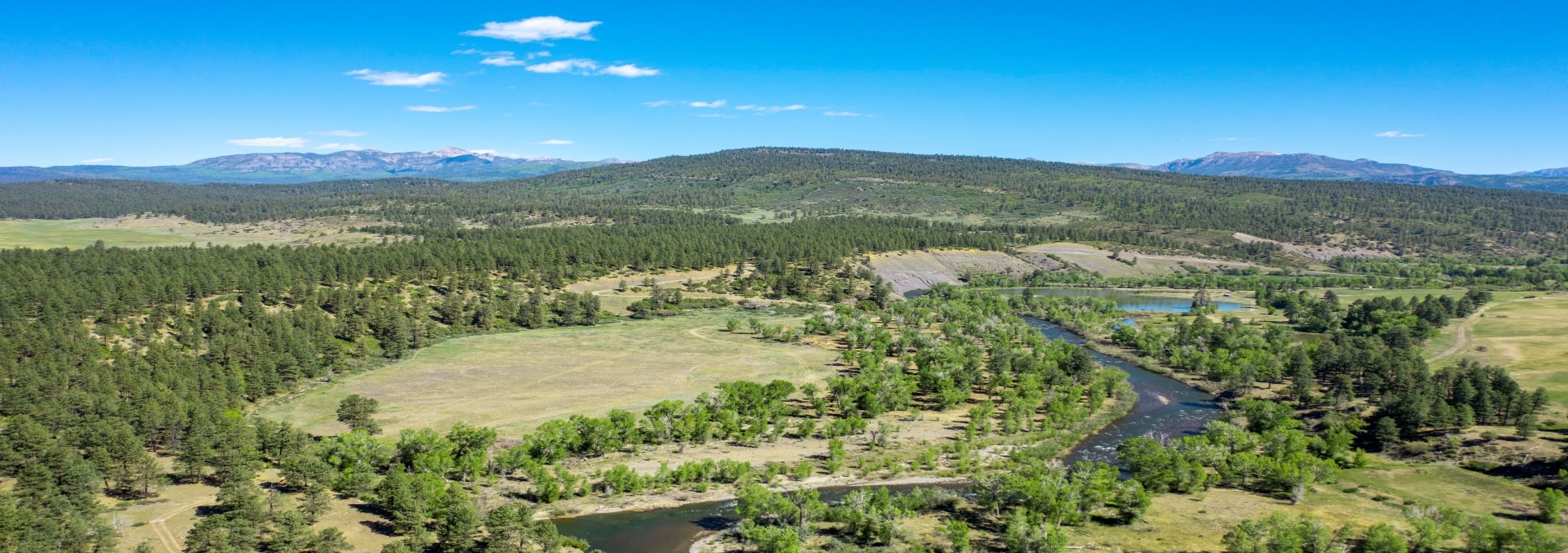
The River Ranch
Pagosa Springs, Colorado
With the San Juan River flowing through the acreage, its year-round access, proximity to the town of Pagosa Springs, and sheer beauty, the possibilities with this gorgeous Colorado ranch are indeed many. Develop the quintessential fishery for you and your friends. Plan the family compound you, your children, and grandchildren have dreamed about. Create an equestrian center extraordinaire and ride for endless miles into the San Juan National Forest. Use it as a sporting base for big game hunts.
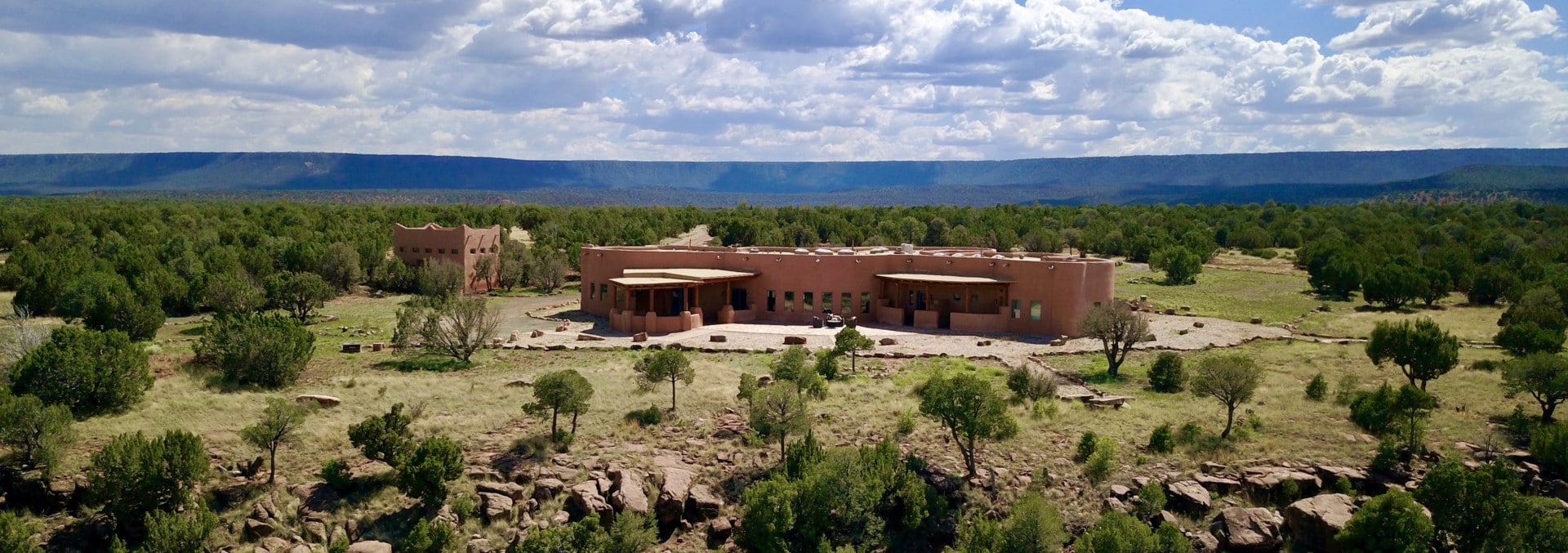
Mesa Springs Ranch
Ribera, New Mexico
This rich New Mexico oasis in the rugged Glorieta Mesa area offers dramatic canyons, coniferous forest, essential springs, and abundant wildlife. Direct access to the Santa Fe National Forest provides an exceptional opportunity for hiking and horseback riding. The stunning adobe hacienda is an ideal place for relaxing with family and friends. Enjoy fishing on the nearby Pecos River, skiing at Ski Santa Fe, and the fine dining and culture of downtown Santa Fe, a mere 45 minutes away.
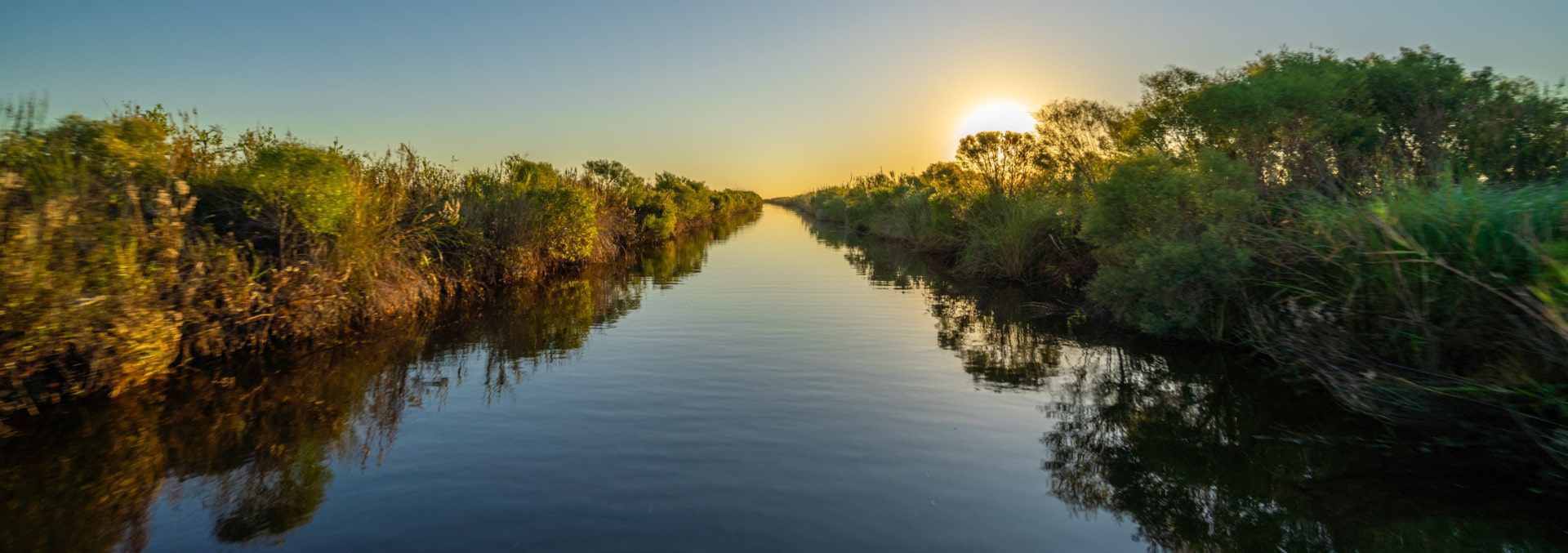
Commissary Point
Big Lake, Louisiana
This is a duck hunter’s dream, but also offers phenomenal fishing on Lake Calcasieu, Louisiana, for speckled trout, redfish, and flounder. No boat is required to crab and cast to redfish just outside the back door or fish lights for speckled trout off the pier. As a bonus, deer, hogs, and alligators are present in huntable numbers, or be a kid again and catch some bullfrogs! Raptors, various cranes and herons, roseate spoonbills, gallinules, rails, and coots are common sightings.
Canyon Ranch
Crawford, Colorado
Approaching the gated entrance, encounter a picturesque Eden-like setting featuring Smith Fork Creek, a fishing pond, a vineyard, equestrian facilities, and rustic cabins framed by a private canyon backdrop. Abundant wildlife thrives thanks to substantial water rights & a flexible conservation easement, offering additional building and subdivision potential. Canyon Ranch sprawls across 663± acres in central-western Colorado, with access to BLM trails near Black Canyon of Gunnison National Park.
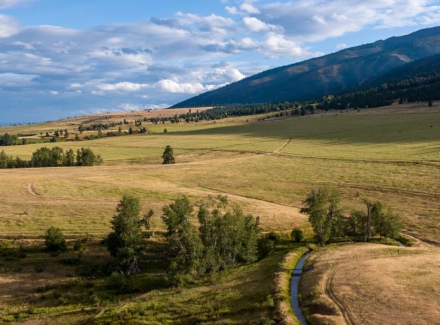
Maclay Ranch
Lolo, Montana
This historic Montana ranch has been family-managed for over four generations. The acreage spans from the valley floor to the mountaintop and includes irrigated meadows, rolling foothills, and upland forests. The excellent habitat diversity here supports abundant wildlife, including resident deer and elk. With historic water rights, numerous scenic building sights, and proximity to Missoula, it provides a unique blend of solitude, production, and recreation, with convenient access to amenities.
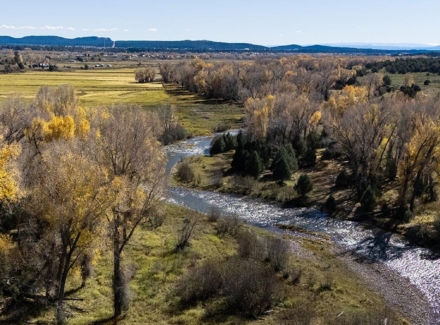
El Barranco Ranch
on the Chama River
Tierra Amarilla, New Mexico
Trout-filled waters, productive hayfields, and desirable elk and mule deer habitat converge to create an exceptional blend of recreation and agriculture. Owners enjoy incredible fly fishing and are eligible for landowner hunting vouchers. Senior water rights drive reliable hay production and grazing, with the option to operate directly or maintain existing leases. This is a rare New Mexico find that delivers both outstanding sporting opportunities and dependable agricultural value.
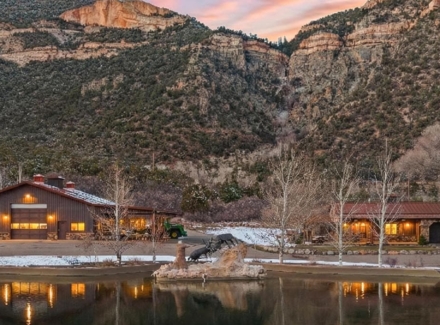
Fall Creek Ranch
Gateway, Colorado
Located deep in Colorado’s largely unknown Unaweep Canyon, this working ranch is framed by towering red canyon walls and feels like a private national park. Surrounded by public land yet accessible year-round, it features two creeks, a pond, grazing and hay production. Improvements include a large shop with apartment and a well-appointed ranch house. Trophy elk and mule deer hunting, eligible for landowner vouchers, and nearby airports complete the offering. Year-round access adds value.
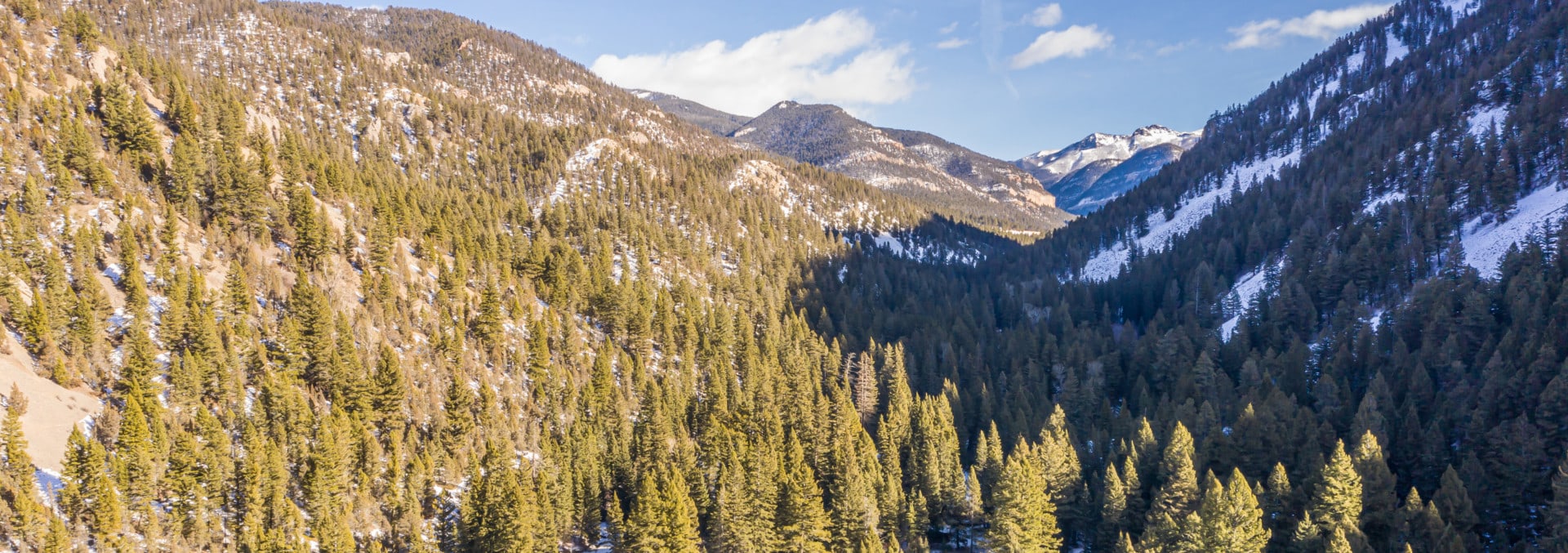
Mill Creek Fish Camp
Pray, Montana
Located in the Mill Creek drainage of Paradise Valley in Montana and surrounded by National Forest on 3 sides, the acreage is made up of alpine trees, riparian habitat, and views of Castle Rock. Approximately 1,100 ft of the East Fork of Mill Creek flows through, offering native cutthroat trout fishing on-site. Feel at home in the under-construction 4-bed lodge while providing friends a place to stay in the recently constructed 2-bed guest home.
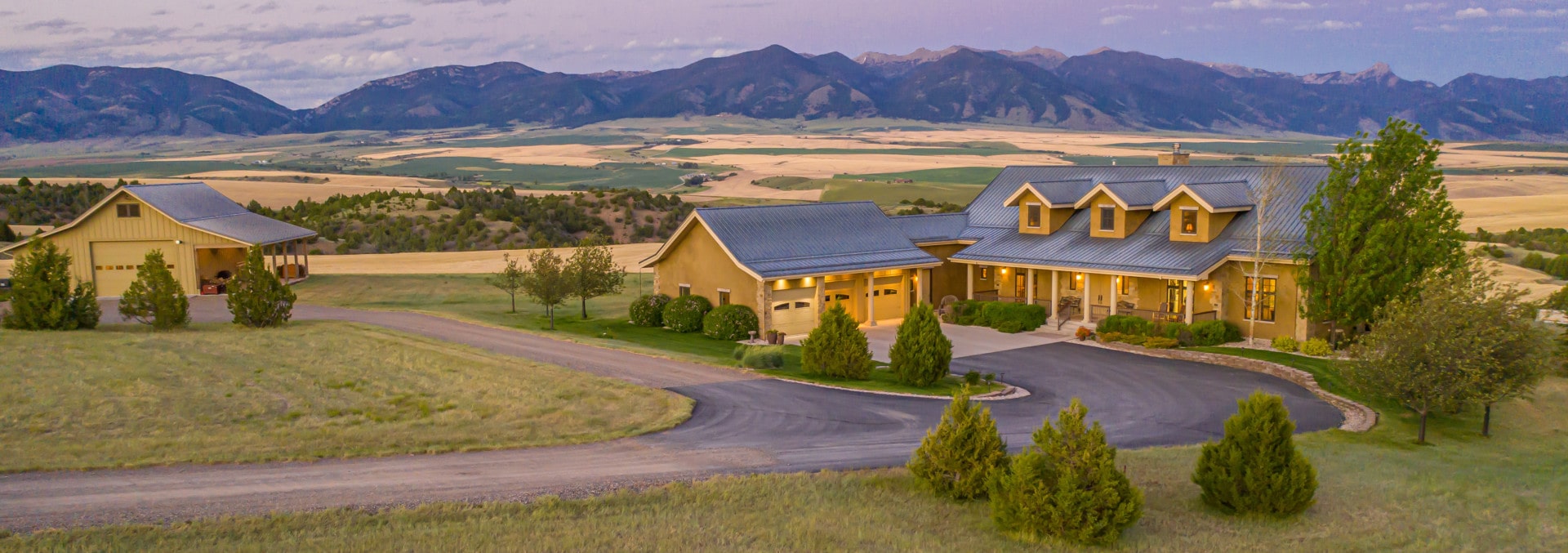
Bridger View Country Estate
Belgrade, Montana
This Montana home is the perfect blend of privacy, incredible views of the Gallatin Valley and multiple mountain ranges, and proximity to amenities. Just 30± minutes from Bozeman, this property features a custom 5 bed, 4 full bath, 2 half bath, 6800± SF home that was built with open space and functionality in mind. Elk, deer, antelope, and the occasional moose wander through, moving from the valley floor to higher elevations. The home is timeless, the views are remarkable, and the stillness is unbeatable.
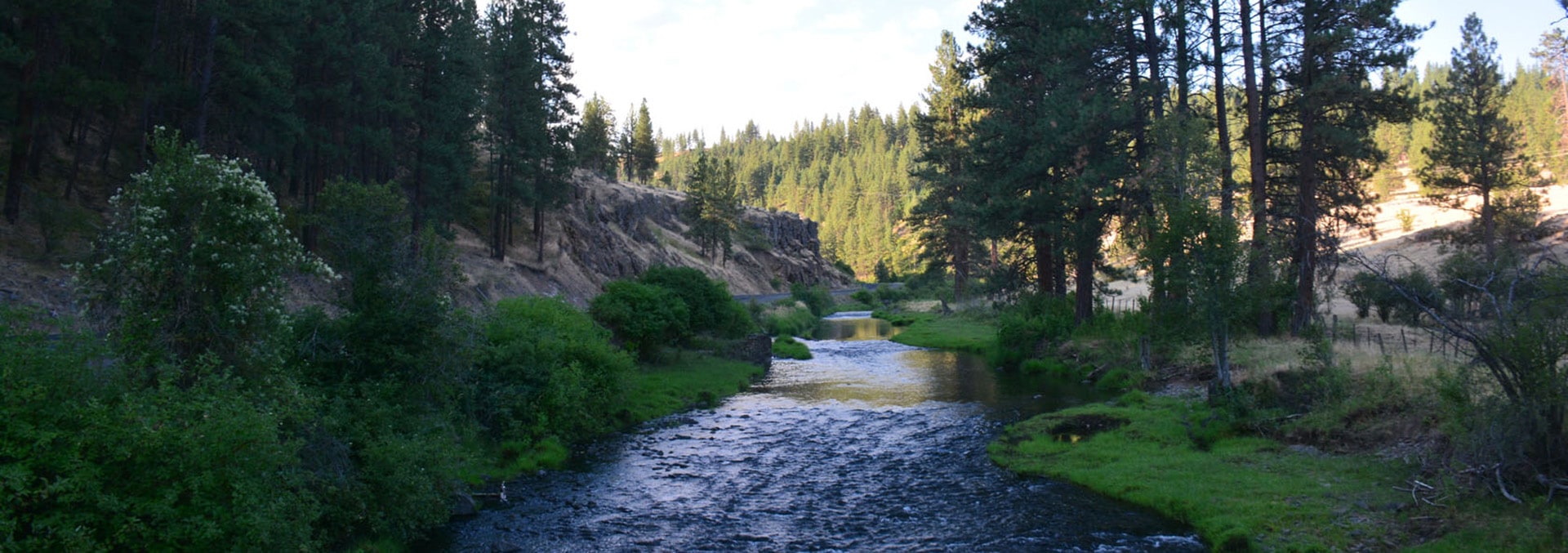
Lower Middle Fork Ranch
Ritter, Oregon
Lower Middle Fork Ranch is a private setting on the John Day River with about 5 miles of river frontage and seven seasonal and year-round streams on the property. The habitat and terrain support healthy herds of elk, deer, antelope, turkey, bear and game birds.
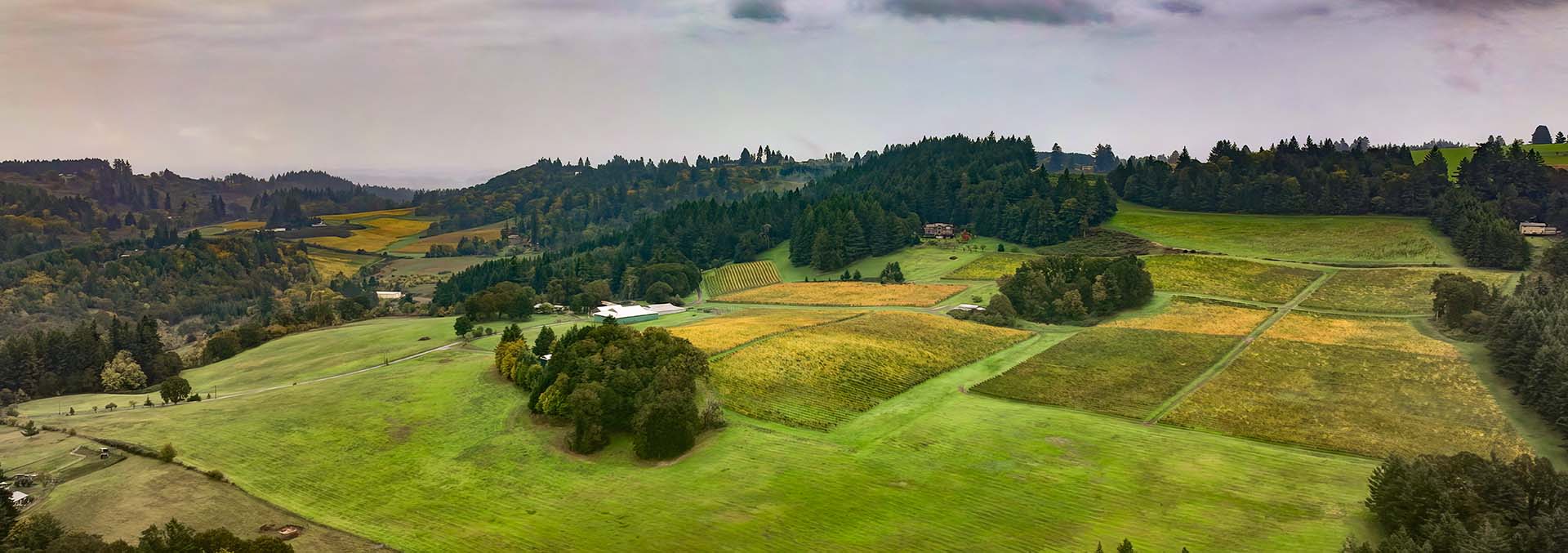
Jubilee Vineyard
Amity, Oregon
In the esteemed Eola-Amity Hills of the Willamette Valley, Oregon, Jubilee Vineyard sits within a highly sought-after American Viticultural Area. Spread throughout the vineyard are blocks of Pinot, Chardonnay, Gamay, and Dolcetto grapes. The vineyard has a special focus on dry-farming techniques and benefits from the refreshing marine air that flows through the Van Duzer Corridor. This natural cooling effect helps to maintain optimal conditions for the vineyards, even during the warmer months.
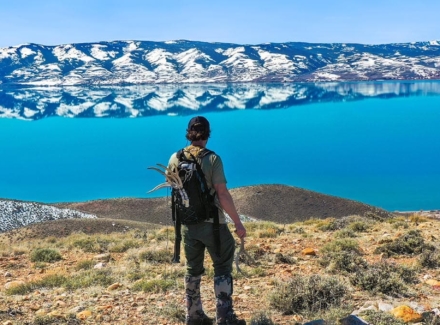
Chokecherry Ranch
St Charles, Idaho
This rare opportunity offers stunning views, direct access to Bear Lake recreation, and eligibility for Idaho’s Landowner Appreciation Program in a top trophy elk and mule deer zone. Adjacent to public land and just one parcel from the lake, it’s ideal for shed hunting, fishing, boating, hiking, and winter sports. West-facing slopes provide year-round sun. With limited high-elevation land near Bear Lake available, this property offers unmatched recreational access and long-term value.
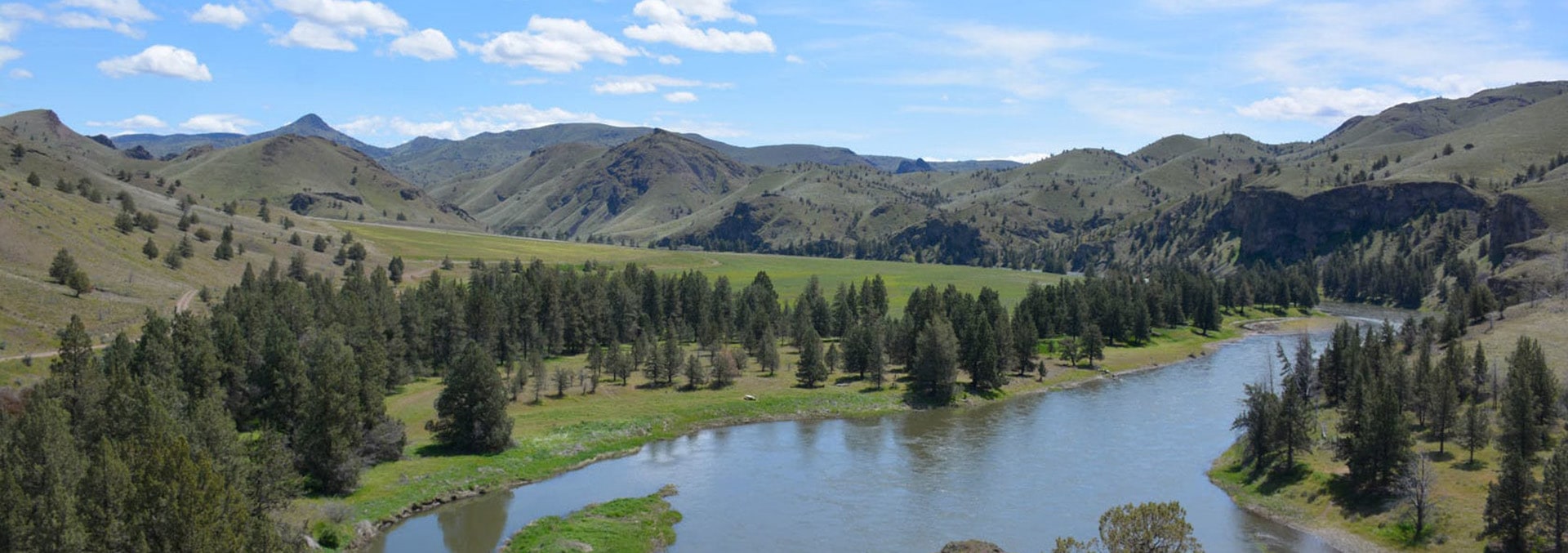
Riverview Ranch
Fossil, Oregon
A well equipped ranch with 2 excellent homes, a man cave/party room, 5 stall barn, hay shed, cabin and more! Access to thousands of BLM acres with little or no public access. Complete with 3 L.O.P tags (buyer to confirm with ODFW) and over 1 mile of John Day River frontage! This a true recreational paradise!
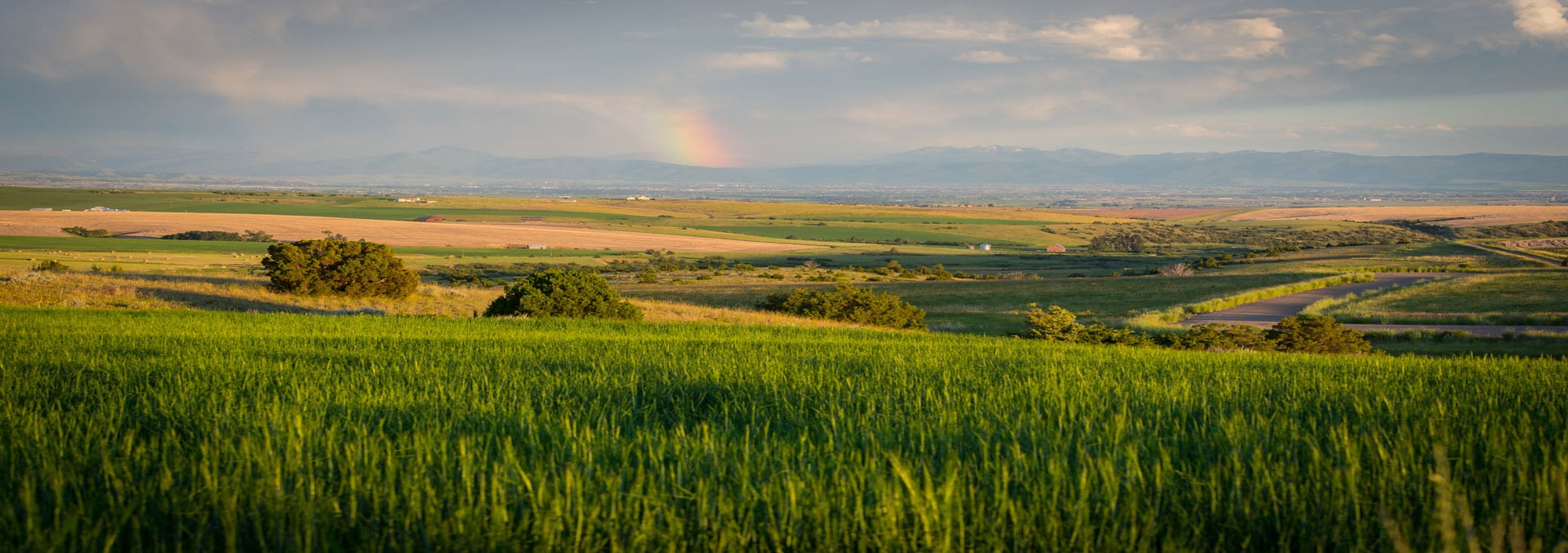
Dry Creek Canyon Ranch
Belgrade, Montana
Located just northwest of Bozeman Montana and its airport, this rare 300± acre land opportunity boasts almost a mile of the private, fishable, restored, and award-winning Dry Creek. The ranch provides excellent habitat attracting wildlife, food plots, and grain fields, as well as a spring-fed trophy trout pond. With views of the Gallatin Valley, as well as out-the-door access to an abundance of activities, the ranch is turnkey with power, bridges, and roads already in place!
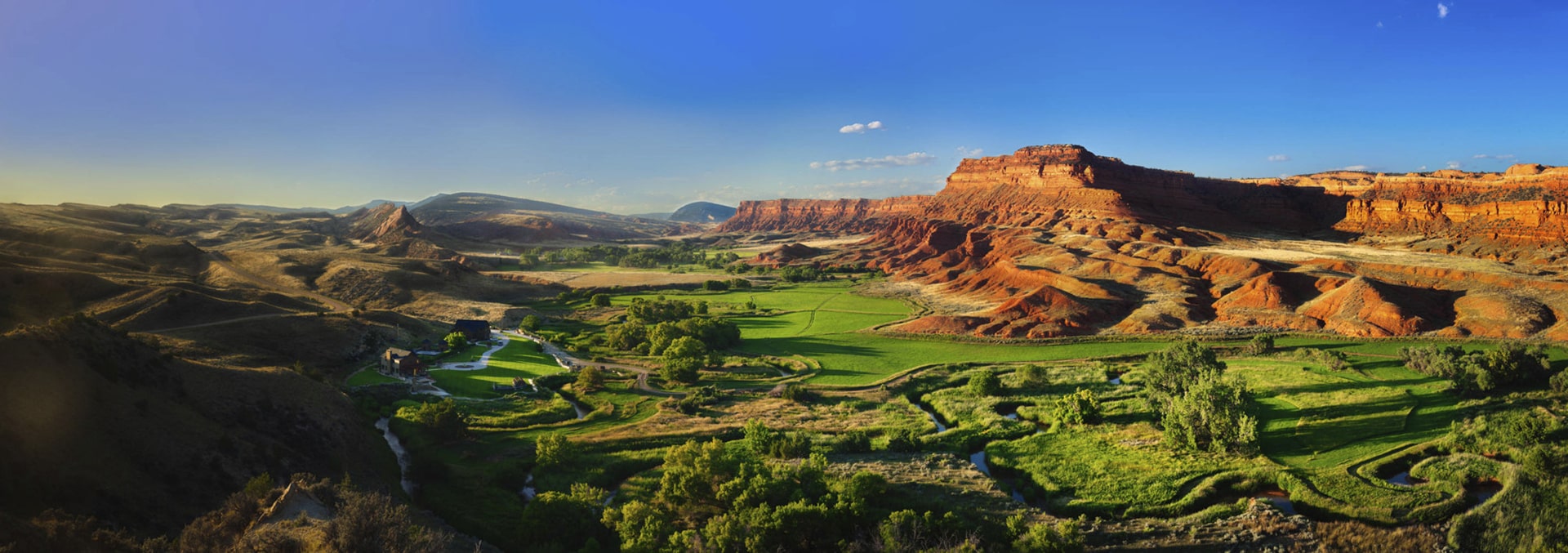
Vintage Ranch
Kaycee, Wyoming
This ranch offers modern amenities in the midst of a landscape and community reminiscent of the old west. Providing an inviting, relaxing setting for family, friends and associates this property is well suited as a family home or a corporate retreat destination. Flanked by the ‘red wall’, the valley is green with irrigated meadows and a year-round trout stream.
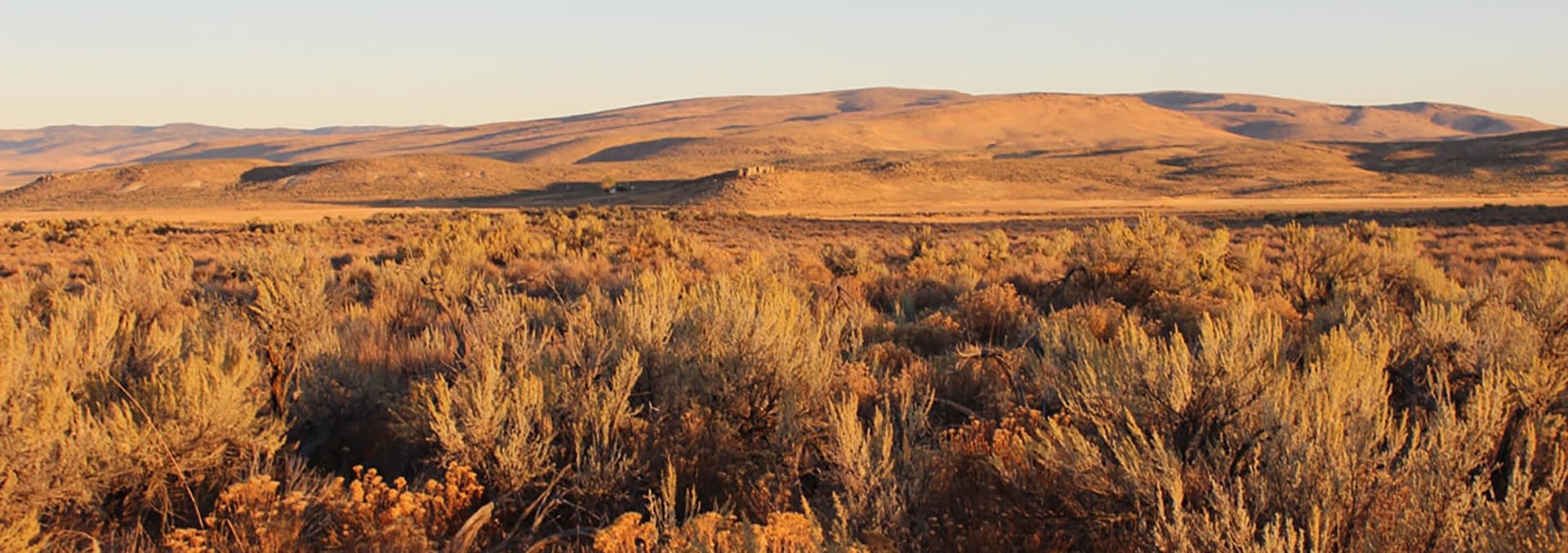
Baltzor Cattle Company
Jordan Valley, Oregon
This historic cattle ranch includes 797± acres of water rights, two BLM Grazing units (2,729 active AUM’s in Oregon, 1,781 active AUM’s in Idaho) and 4 buck mule deer LOP tags (buyer to confirm with ODFW). Less than a two hour drive to Boise, Idaho with unlimited recreational opportunities!
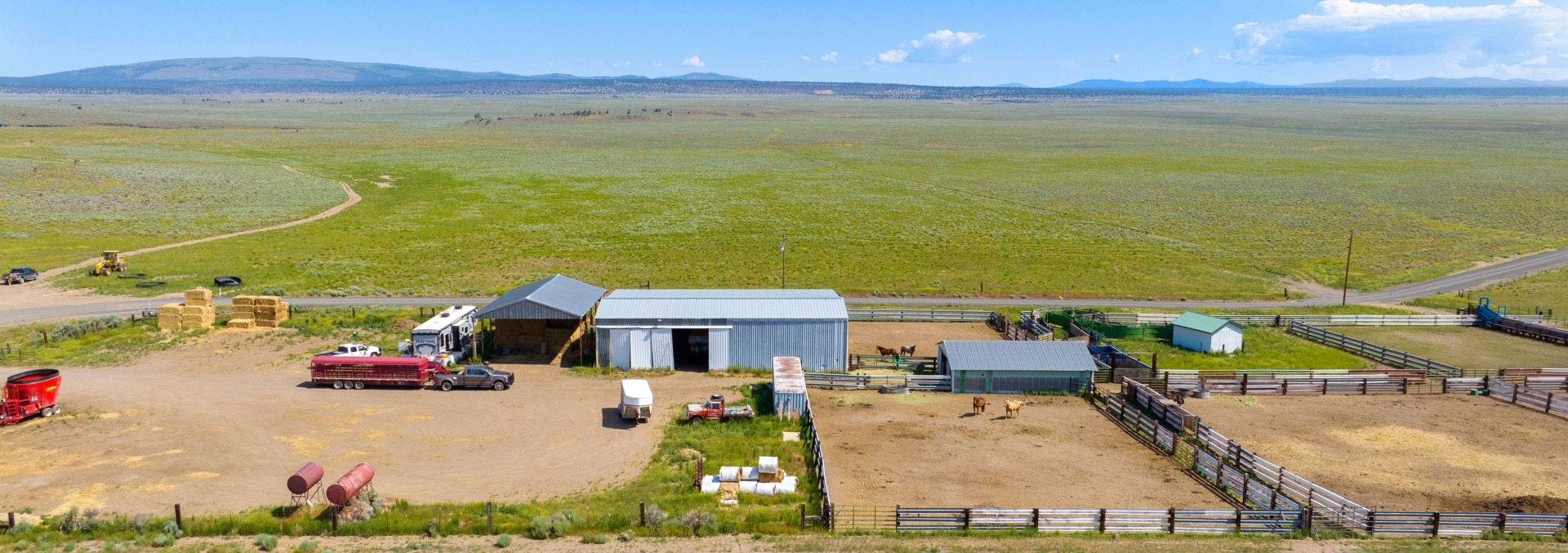
Moffitt Ranch
Brothers, Oregon
Moffitt Ranch, 35± miles east of Bend, Oregon, spans 93,000± acres in Central Oregon’s high desert, offering a premier cattle operation. It includes a BLM permit for 29,930± acres (2,326± AUMs) and a USFS permit for 55,967± acres (600 pairs, May 15–Sept 30). Improvements feature a feedlot, remodeled shop, two-bedroom ranch house, and two new pivots irrigating 300± acres. With a 450 HP VFD pump delivering 1,900–2,100 GPM, this ranch supports a 500-600 head cattle operation with a strong hay base.
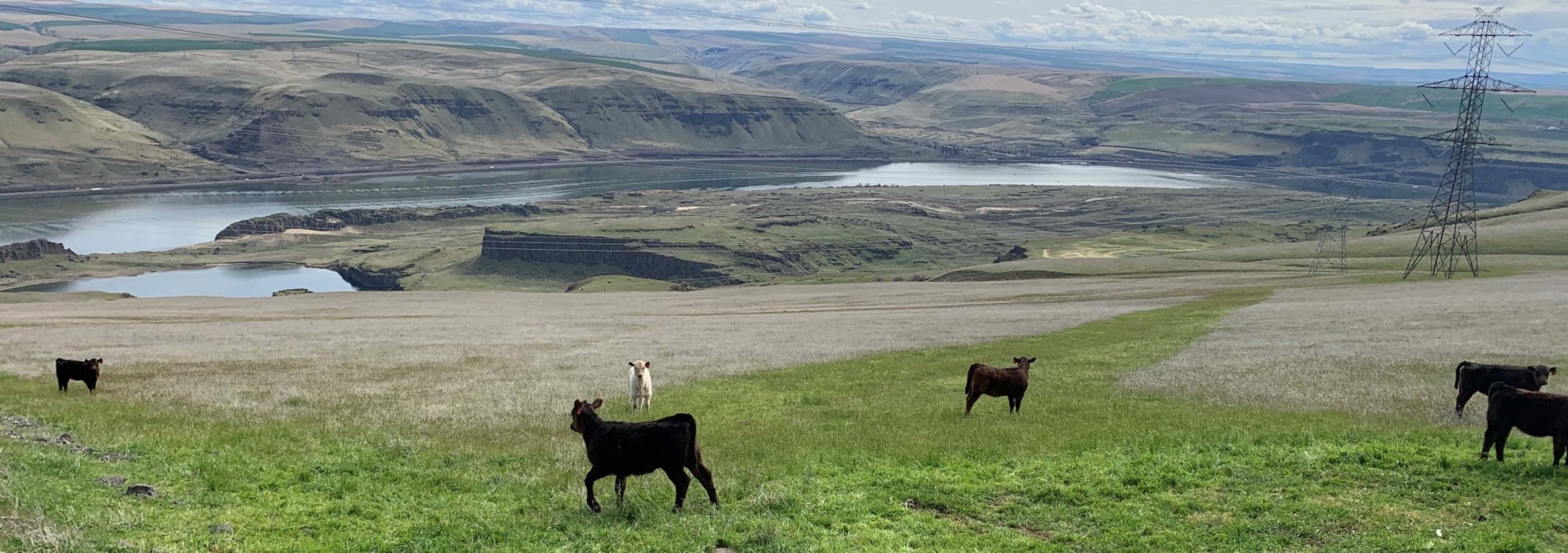
Columbia Gorge Cattle Ranch
Goldendale, Washington
Along with deeded land, this Washington ranch offers 241± acres of leased State land, 873± acres of Native American land, and 360± acres of USFS land. It is well-equipped for calving on the south side, featuring two covered sheds. The home offers stone exterior, a covered front porch, and a large dining room. The kitchen boasts modern appliances while preserving original built-ins, and a spacious island for seating and cooking space. A screened-in sunporch tops it off with captivating views.
Keep Cool Creek at Smith Lake
Lincoln, Montana
This premier fishing and recreational property, located in Montana’s upper Blackfoot Valley, features multiple creeks meandering through the property and a private pond. Surrounded by breathtaking views of the Crown of the Continent, it’s a sanctuary for wildlife and a testament to land stewardship, once owned by renowned outfitter Paul Roos. With conservation easements and potential for two residential building sites, it offers a unique opportunity to uphold its legacy while enjoying nature.
North Star Ranch Colorado
Mancos, Colorado
With 80± acres of irrigated meadows & stunning vistas, North Star Ranch is perfect for equestrian pursuits, ranching, & enjoying the tranquility of southwestern Colorado, just 25 minutes west of Durango, Colorado. This picturesque 488± acre property features diverse terrain, providing a habitat for elk, deer, bear, & turkeys, ideal for outdoor enthusiasts. It includes a ranch house, a 3-bedroom caretaker’s casita, vintage barns, and a new timber-frame horse barn with luxurious accommodations.

Jefferson River Preserve
Three Forks, Montana
This riverfront property in Montana features fertile bottomland, spring-fed wetlands, and vibrant wildlife habitat. Towering cottonwoods, meandering sloughs, and abundant waterfowl, upland birds, and big game create an unmatched recreational retreat. With an existing home and a ready-to-build homesite, this scenic escape offers privacy, flexibility, and stunning views of surrounding mountain ranges—just a short drive from modern conveniences.
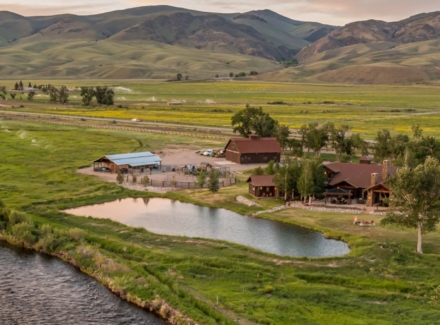
Rivers Edge
Melrose, Montana
This riverfront property features blue-ribbon trout access on the Big Hole River, sweeping views of the Pioneer and Highland Mountains, and direct proximity to public lands. A luxury custom home with vaulted ceilings, open living spaces, and artisan details overlooks a stocked pond, the river, and thoughtfully designed outdoor areas. Improvements include multiple barns, a workshop, gazebo, and greenhouse, all just minutes from Melrose with convenient access to regional and commercial airports.
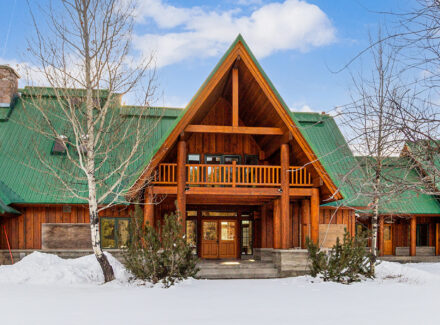
Island Park’s Coho Reserve
Island Park, Idaho
At the end of a private paved drive in the heart of Island Park, this owner-commissioned mountain home offers rare privacy beside the Buffalo River corridor and Caribou-Targhee National Forest. Built in 1997 by the craftsmen behind Henry’s Fork Lodge, it spans 7,000± square feet with enduring timber construction, expansive patios, in-floor heat, and year-round comfort. Surrounded by renowned fisheries, abundant wildlife, and direct snowmobile trail access, it is exceptionally maintained.
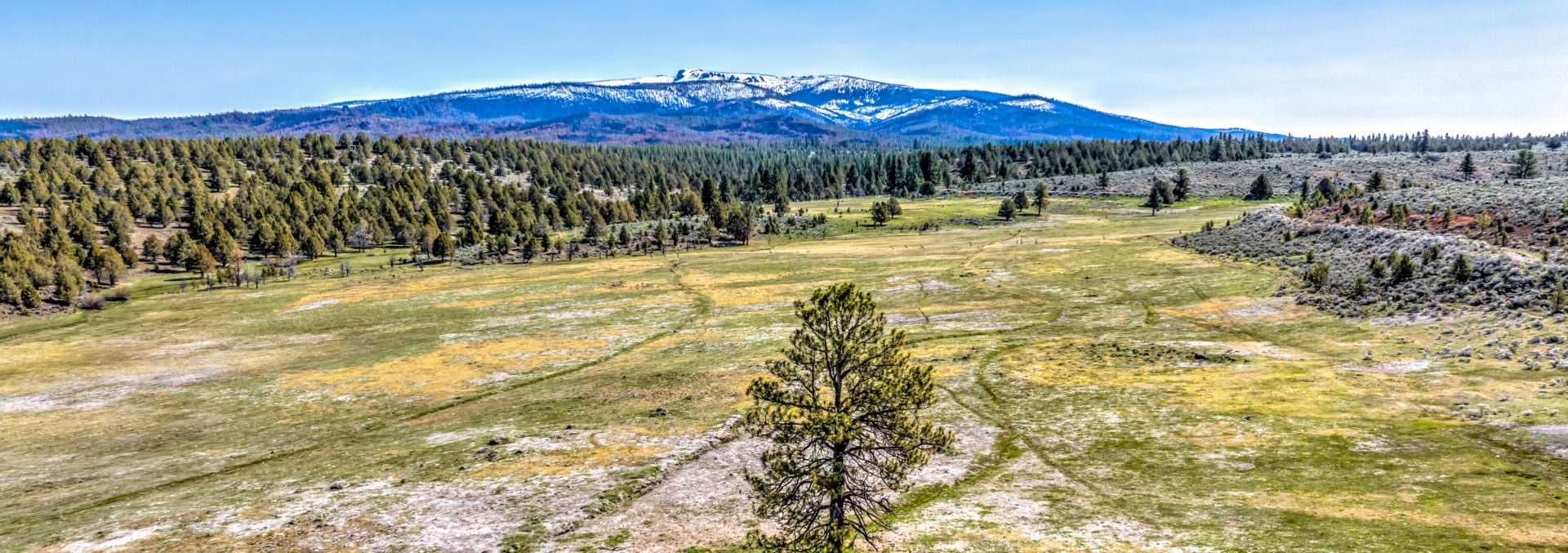
Deming Ranch
Bly, Oregon
This Oregon cattle ranch offers 11,000± deeded and leased grazing acres with1,000± acres of irrigated meadows, pastures, and hay ground. The ranch has excellent improvements, including an owner’s home, ranch hand home, bunkhouse, large hay shed, and a beautiful mountain log cabin. The property provides both hunting and fishing recreational opportunities, with 5 LOP tags and access to live water. This fantastic cattle ranch is one of the best on today’s market and is ready for its new owner.

Pine Butte Ranch
Ryegate, Montana
Over two miles of year-round water flows from Custer Creek and Big Coulee Creek, which feed two large reservoirs. Timbered draws and creek bottoms turn into unique rock formations and productive farm ground, providing a home to a wide array of wildlife. The ranch includes 650± acres of tillable land with valuable irrigation rights on 230± acres, offering significant agricultural potential for farming or ranching ventures. The property also includes a newly constructed 4-bed, 3-bath home.
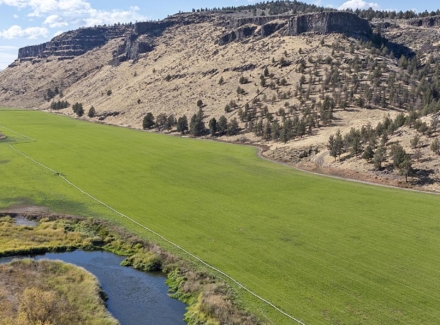
King Ranch on the Crooked River
Prineville, Oregon
This Central Oregon property blends productive agriculture, recreation, and natural beauty. With river frontage, irrigation, and hay production, it supports farming and livestock operations while offering exceptional hunting and fishing. Two landowner preference tags and nearby recreation enhance its appeal. Featuring a home, barns, shop, and arena, it’s ideally located near Prineville and Redmond, offering privacy, functionality, and an extraordinary rural lifestyle.
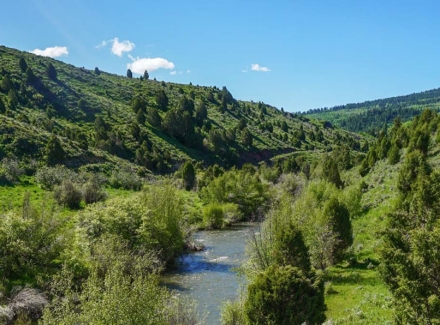
Heart L Ranch
Bone, Idaho
Heart L Ranch, a 2,425± acre property located 21± miles east of Idaho Falls, offers peace and privacy at the end of a private road. This expansive property features live water and excellent big-game habitat, adjacent to Tex Creek Wildlife Management Area. Enjoy world-class big game hunting, trout fishing, and a cozy onsite cabin. Eligible for Idaho LOP hunting tags, the ranch is conveniently accessible, with Idaho Falls Airport 29± miles away and notable destinations within 100 miles.
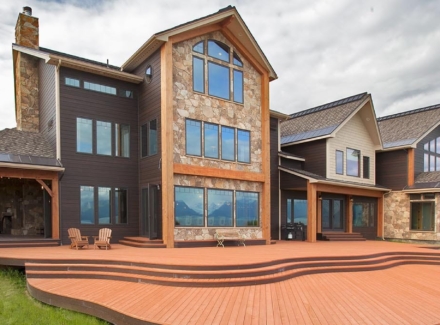
Second Star
Homer, Alaska
Second Star is a 17,000± SF luxury estate on 2.5± acres of water frontage overlooking Kachemak Bay, offering an exclusive retreat in Alaska’s stunning wilderness. With eight unique suites for up to 30 guests, it features a whimsical Peter Pan-themed top floor, a private spa, an indoor pool, and a hidden theater. A successful luxury rental, Second Star is an elite investment blending high-end living, adventure, and breathtaking scenery in one of Alaska’s most sought-after destinations.
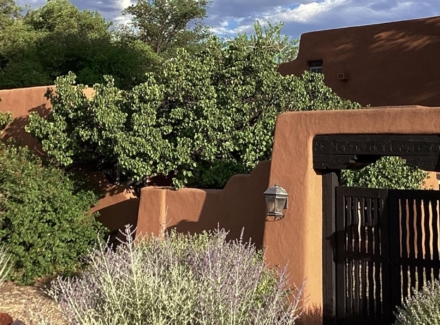
Rancho de Abiquiú
Abiquiú, New Mexico
This historic New Mexico estate offers refined living along the Chama River with a restored Spanish Colonial hacienda, productive hay fields, and senior water rights. Surrounded by mature cottonwoods and rich wildlife, it provides opportunities for fishing, rafting, and outdoor recreation. With guest accommodations, agricultural potential, and deep historical roots dating back to the 1700s, the property is ideal for a private retreat, equestrian use, or a luxury hospitality venture.
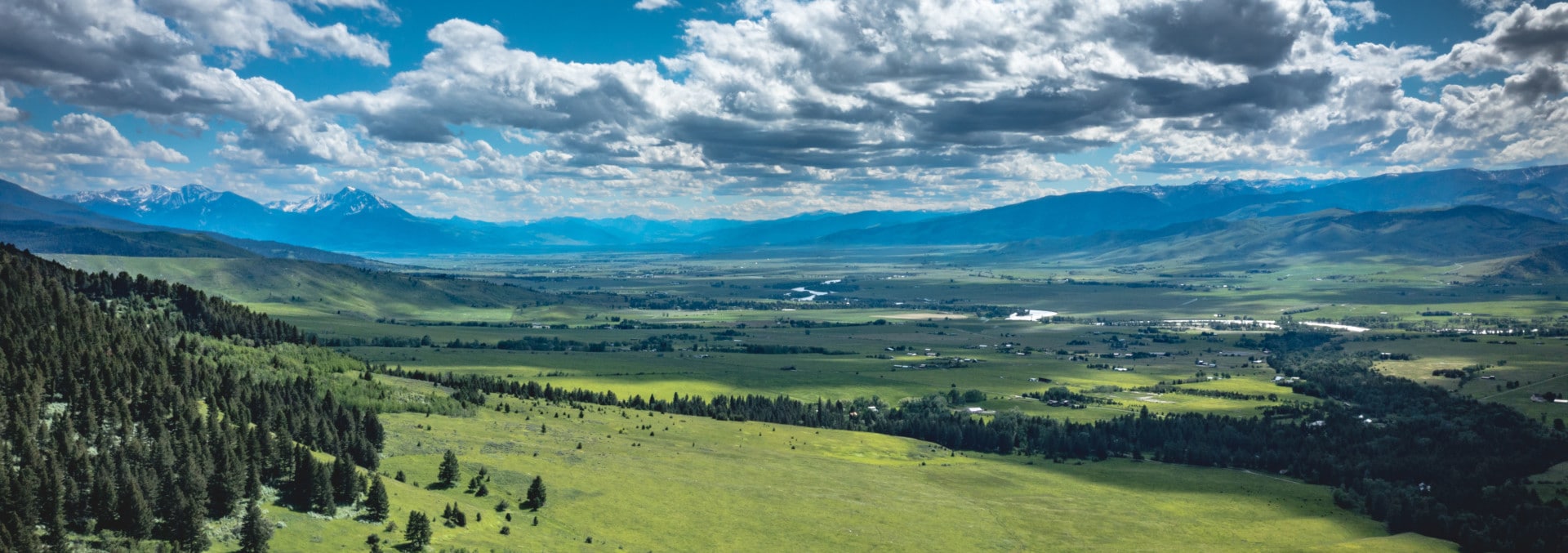
Deep Creek Ranch
Livingston, Montana
Deep Creek Ranch is an extraordinary property in one of North America’s most spectacular settings. The ranch is located at the foot of the Absaroka Mountain Range in the northeastern corner of Montana’s famed Paradise Valley. Woods, meadows, plentiful and varied wildlife, and snow-capped mountain peaks dominate this magnificent and visually private acreage. It is near world-class cross-country skiing, hiking, biking, horseback riding, hunting, and other recreational opportunities.
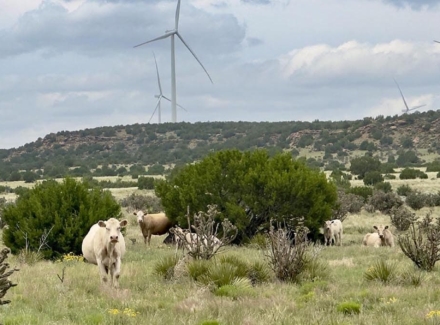
Martinez Pintada Ranch
Pastura, New Mexico
Located 30± miles southwest of Santa Rosa in Guadalupe County, this historic ranch spans deeded, state, and BLM land. Family-owned since 1920 and first time offered, it supports 250 head, with excellent rangeland, solar wells, pipelines, dirt tanks, and working corrals. Improvements include a caretaker’s house, a rock house, and a barn. Wind lease generates $51K+ annually. Wildlife includes pronghorn and mule deer. Easy access to I-40 adds convenience to this scenic, productive holding.

The Lamb Ranch
Drewsey, Oregon
A historic Eastern Oregon ranch, The Lamb Ranch adjoins BLM with grazing leases and has supported a cattle herd of 450± pair year-round. The ranch’s reservoir has helped provide a reliable source of irrigation water for the ranch’s irrigated meadows, essential for winter feed production and aftermath grazing. Dating back to the Old West, the 1890s ranch house still stands. Additional improvements include corrals, livestock scales, a shop, a power building, and additional housing.
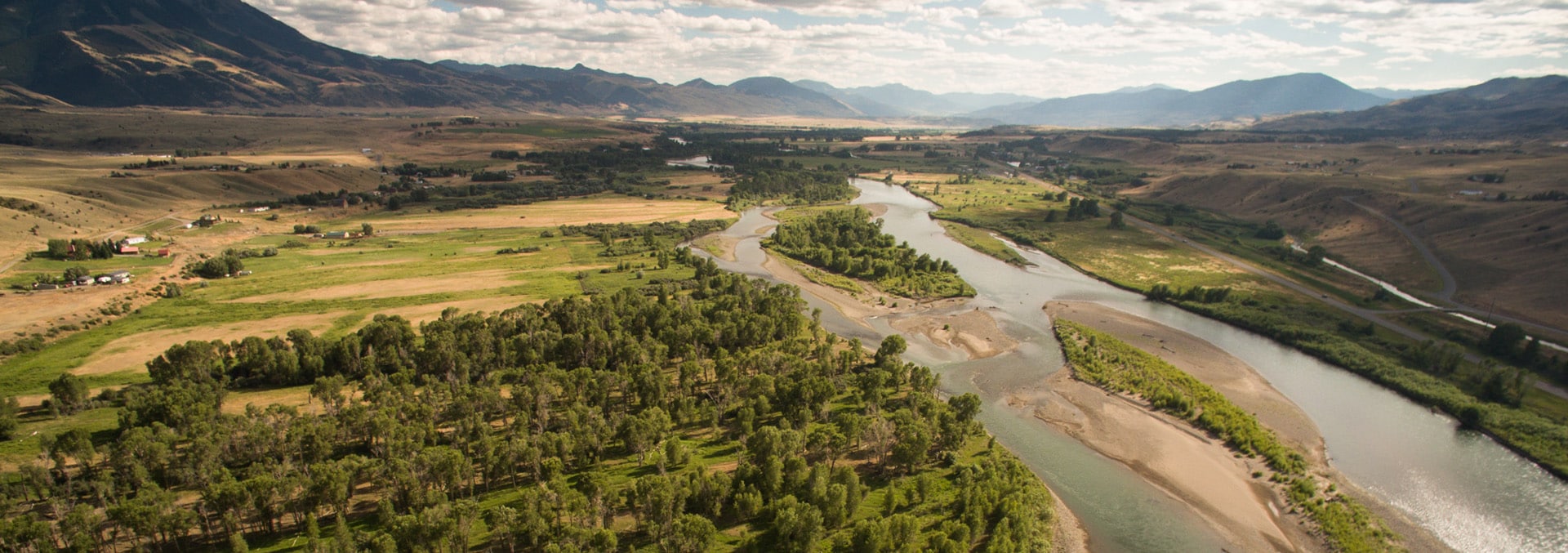
Yellowstone River Ranch
Emigrant, Montana
Along one of Montana’s greatest fly fishing rivers and one of the last large ranches left in the Paradise Valley. It is highly prized for its dramatic beauty, extraordinary outdoor recreation and close proximity to southwest Montana’s cultural and transportation hub of Bozeman.
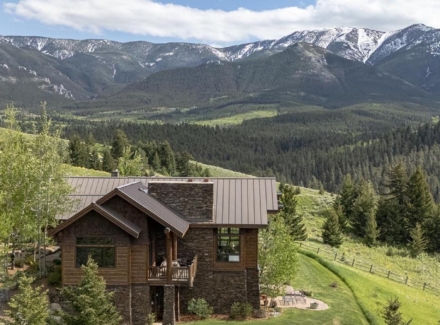
Sheep Mountain High Point Ranch
Red Lodge, Montana
A stunning five-bedroom, 5.5-bath custom home near Red Lodge, “Luther”, Montana, sits privately at the end of the road, surrounded by State Land and National Forest on three sides. Crafted with reclaimed materials and local stone, the property includes a horse barn, complete guest quarters, and direct access to hunting, fishing, and horseback riding on public lands. Wildlife is abundant, views are protected, and recreation opportunities extend all the way to Yellowstone National Park.
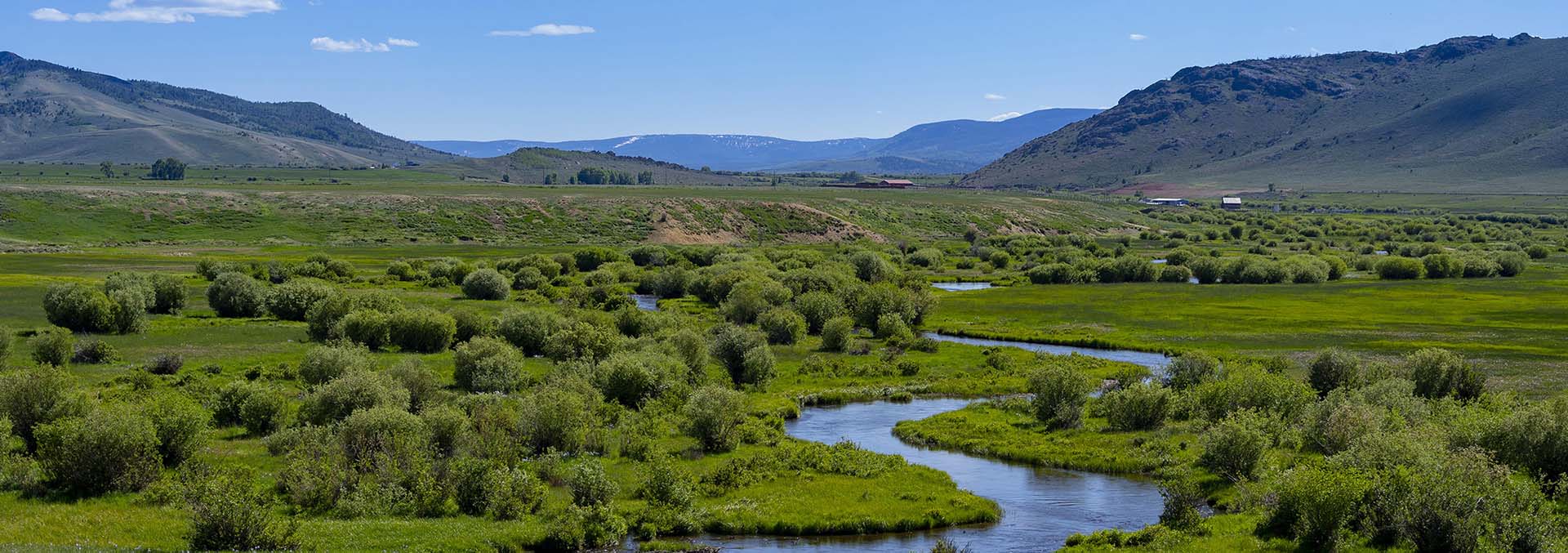
North Fork River Ranch
Walden, Colorado
North Fork River Ranch in Colorado represents a first-time offering and is one of the most diverse ranches in this size and class on today’s market, including agriculture and recreational revenue potential. It includes 2,236± BLM leased acres and over three miles of the North Fork of the North Platte River. The ranch is in close proximity to Steamboat Springs, within an hour’s drive, and offers significant recreational opportunities onsite and in the surrounding North Park area.
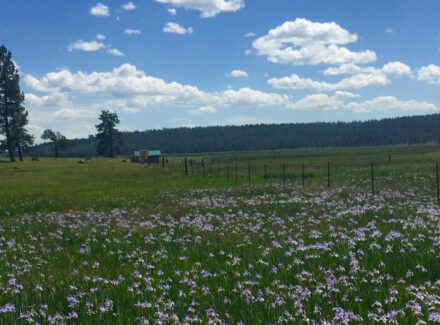
Jackson Creek Ranch
Chiloquin, Oregon
A rare, fully off-grid holding near the Klamath Marsh, accessed by a quiet Forest Service road, delivers true self-reliance with big views to Yamsay Mountain, Mount Thielsen, and Mount Scott. Extensive water rights, merchantable timber, and a grazing lease support long-term utility. Three residences and substantial outbuildings complement year-round power from hydro, solar, batteries, and backup generation, plus abundant elk, deer, antelope, and upland birds.

Triple S Ranch
Big Timber, Montana
Located within the shadow of the Crazy Mountains just 15± minutes north of Big Timber, Montana the 1850± deeded acres of the Triple S Ranch offers beautiful rolling pastures, covered draws incredible panoramic mountain views, Big Timber Creek frontage, and unmatched peace and privacy.
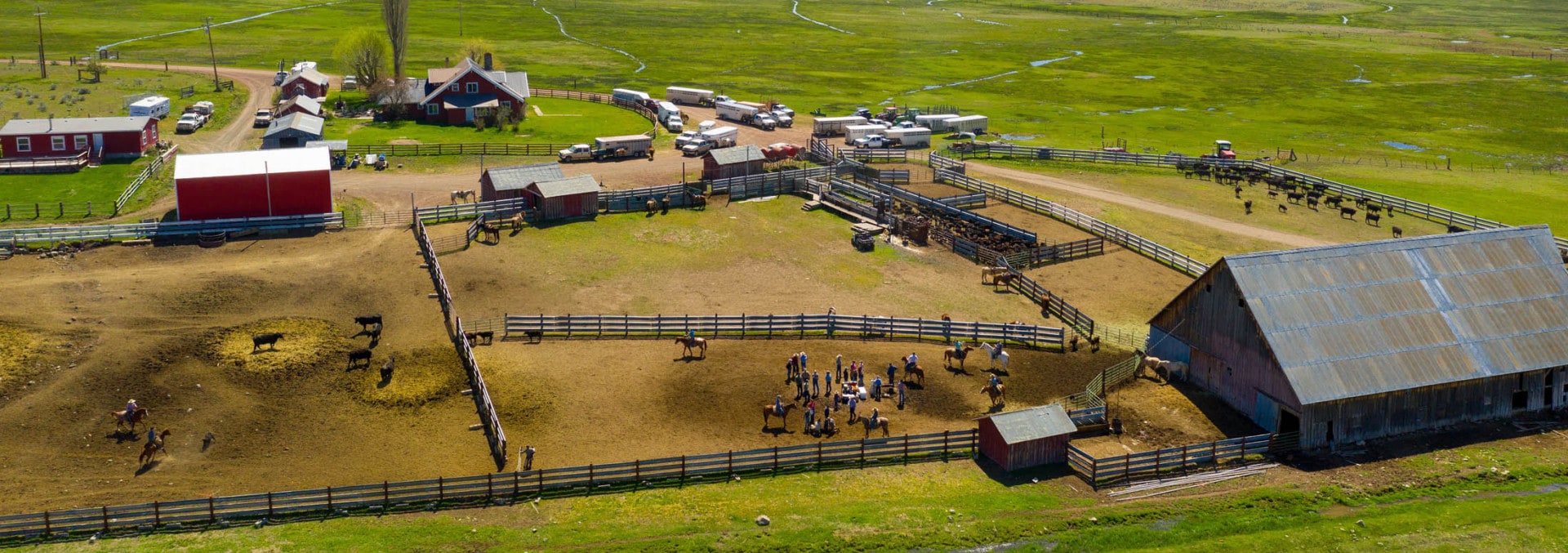
BK Ranch
Bly, Oregon
This Oregon ranch offers a discerning cattleman the opportunity to own this all-deeded, reputation cattle ranch. The ranch possesses significant agricultural production and excellent accessibility without sacrificing privacy or access to adjacent recreation and public lands. Living on the BK Ranch provides daily opportunities to view unbridled beauty and nature, plus handy access to the Freemont National Forest. You will have to look far and wide to find an Oregon Ranch that matches this one!
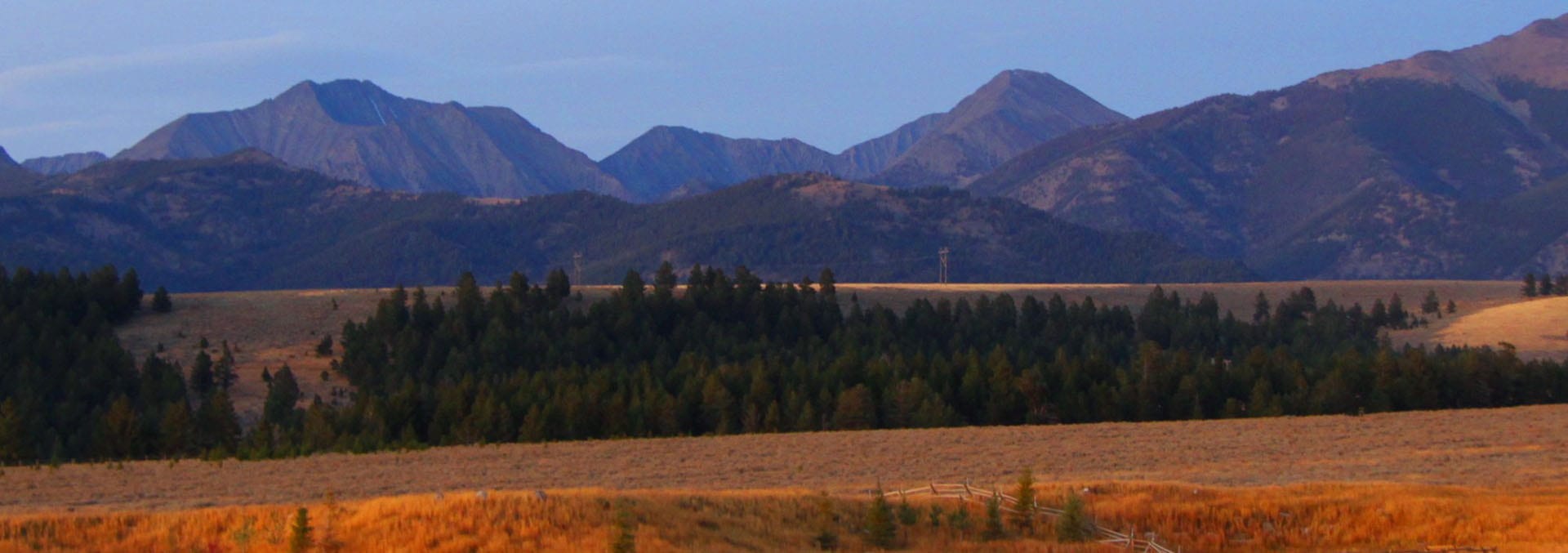
Pishkun Crazy Mountain Ranch
Clyde Park, Montana
Situated in the midst of Montana’s rolling ranch country, and offering vast acres of private, peaceful and unspoiled natural beauty this ranch consists of three beautiful Ranch homes and incredible views in all directions. Surrounded by large ranches and in close proximity to Forest Service access the ranches location provides endless year around recreation. The ranch is comprised of a mixture of topography including timbered creek bottoms, grass ridges, rolling hills, along with pastures for horses.
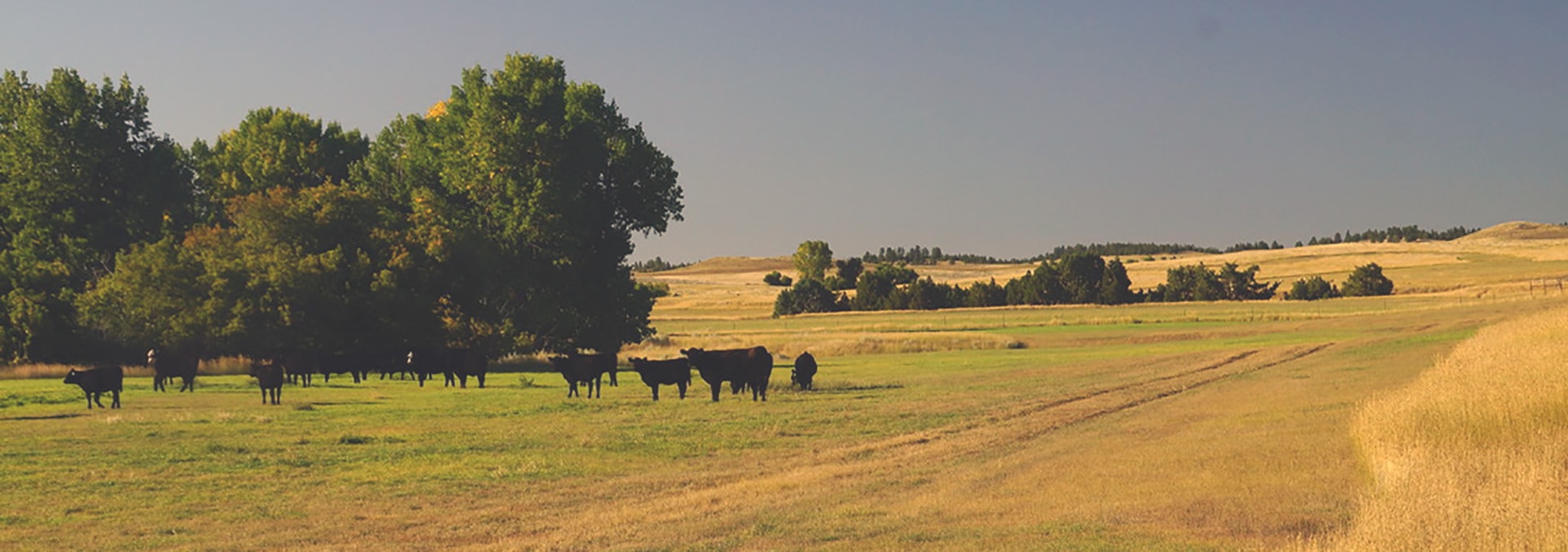
Bar U Ranch | Parcel 1
Recluse, Wyoming
This Wyoming ranch for sale has been improved with pipe corrals and a roping arena, a metal shop, a tack room, an equipment room, and owner’s quarters; this ranch has everything one needs. Water tanks and pipelines were placed strategically to benefit grazing and support wildlife habitat. Big game opportunities exist for trophy mule deer, antelope, and elk.
Chaparral Ranch
Las Animas, Colorado
A large-scale agricultural operation in southeastern Colorado, this ranch combines productive dryland wheat farming with fenced grazing land, creating a diversified crop and livestock asset. Infrastructure includes a certified truck scale, insulated pole barns, grain bins, dual Quonset buildings, and five well permits. A rare water rights component supplied through discharge water adds exceptional value, while proximity to Las Animas ensures convenient access to full agricultural services.
Bear Creek Valley Ranch
La Grande, Oregon
Located in one of the most beautiful valleys in the State of Oregon, with timbered and open pastures, draws, riparian areas and meadows, four creeks, five developed ponds, and 1.25± miles of the Grande Rhonde River flowing through, Bear Creek Valley Ranch is a lush home to livestock and wildlife alike.
Circle E Ranch
Guffey, Colorado
This is the perfect ranch for so many reasons. The incredible 5,000 SF log home is the perfect retreat for your family to enjoy and feel safe in today’s unpredictable world. Ranch life awaits you, complete with comfort, security, connectivity and all the amenities to make the rural life yours.
John Day River Ranch
Antelope, Oregon
This operating Oregon cattle ranch includes outstanding recreational amenities and an opportunity to improve on what nature has provided, both in agricultural production and recreational development. The John Day River winds along and through the ranch with deeded river frontage. The balance of the frontage is predominately through BLM lands which are grazed by the ranch. The ranch joins BLM land accessible only from the river or adjoining private lands.
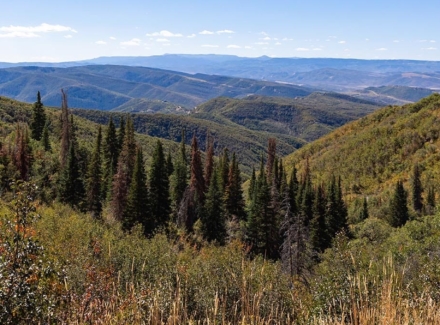
Red Rock Ranch
Steamboat Springs, Colorado
Located 15± miles from Steamboat Springs, Red Rock Ranch spans 1,454± acres, with 1,330± acres under permanent conservation. The unencumbered 124± acres allow for future improvements. With elevations from 6,800’ to 7,800’, it offers diverse terrain—meadows, timber, and riparian zones—ideal for elk, deer, bear, and lion habitat. A true big game sanctuary, it supports year-round wildlife and prime hunting conditions. Ren Martyn represented both the Buyer and Seller.

Silver Sage Ranch
Midvale, Idaho
This ranch is a true 400 head, year-round cattle operation conveniently located in Idaho. In addition to the deeded acreage, it includes a large adjacent leased portion of land, greatly expanding the grazing capacity of the property. This ranch has ample irrigated land to grow enough hay to feed livestock during the winter and sell what is not needed.
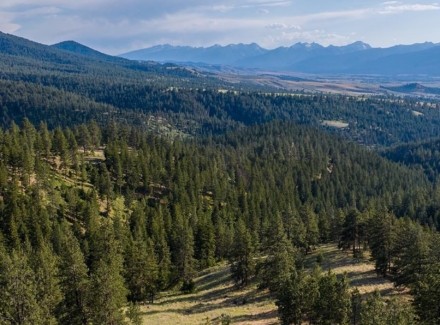
The Bitterroot Highlands at Willow Creek
Corvallis, Montana
Set in the Sapphire Mountains with sweeping views and unmatched privacy, this Montana property includes diverse terrain, Willow Creek frontage, and direct access to public land. Wildlife thrives in the varied landscape of ridgelines, meadows, and timber. With no covenants or restrictions, it offers prime building sites and flexibility for recreation or conservation. Only minutes from Corvallis and Hamilton and just 51± miles from Missoula, it blends seclusion with accessibility.

Bellinger Lane Vineyard Estate
Jacksonville, Oregon
Along with its indisputable beauty and quality, the location makes this property an iconic estate in the Rogue Valley just 1.5 miles from the historic town of Jacksonville, Oregon. The visionary concept of this exquisite estate is extraordinary.
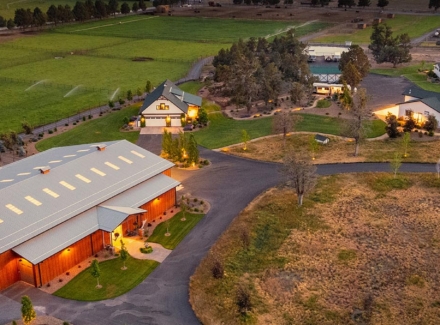
Horseman’s Dream
of Central Oregon
Bend, Oregon
Luxurious equestrian estate in Tumalo, Oregon, backing to BLM land and offering a 3,000± square foot, 5-bed, 5-bath home plus a 1,862± square foot hobby building with outdoor kitchen. Premier horse facilities include a 2021 indoor arena with stalls, washroom, tack and feed rooms, roping arena, hot walker, irrigated pastures, and custom pipe fencing. It also features a trail course, a round pen, a small feedlot, and an excellent setup for cattle or diversified livestock.
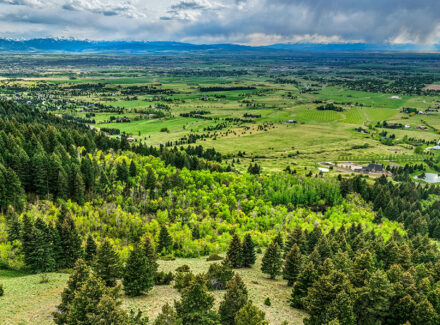
Bozeman Creekside Hideaway
Bozeman, Montana
Tucked above the Gallatin Valley in the coveted Middle Cottonwood corridor, this exceptional Montana retreat offers breathtaking natural beauty, live creek frontage, and remarkable proximity to Bozeman. A Forest Service boundary extends the landscape into a protected wilderness, creating a true wildlife sanctuary. With a newly constructed house/barn, no covenants, flexible zoning, and multiple development rights, this rare creek side holding delivers seclusion, convenience, and long-term value.
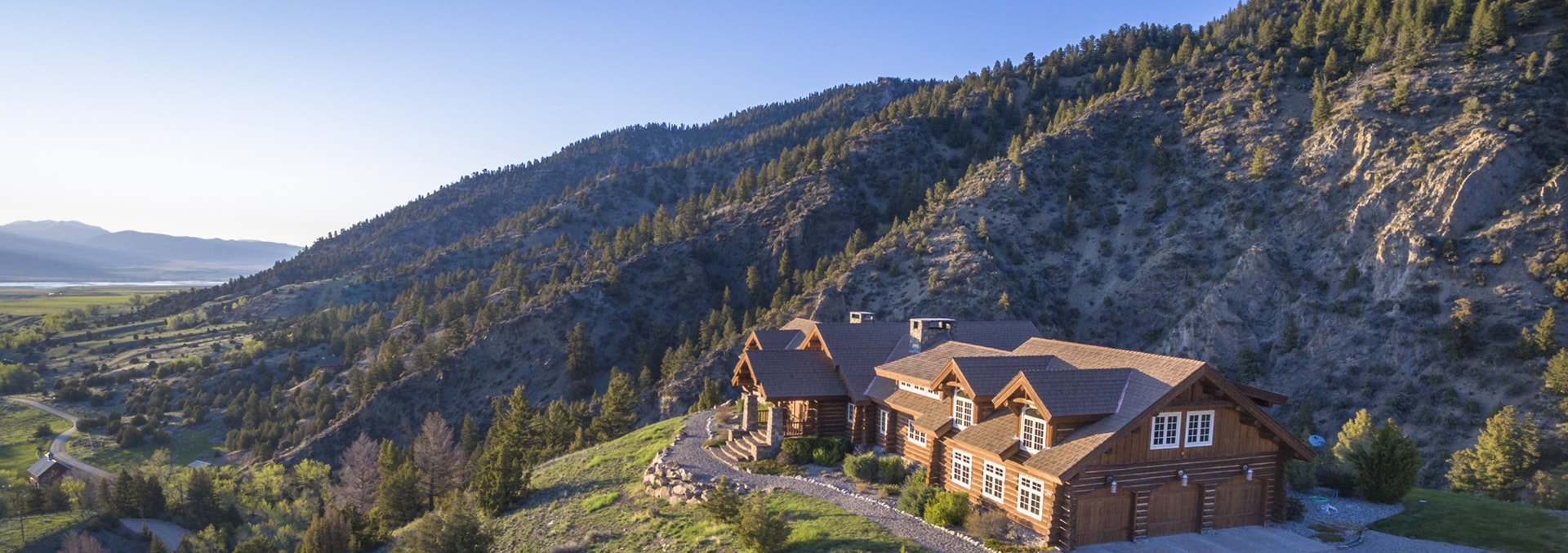
Shedhorn Ranch
Ennis, Montana
With private Jack Creek Road access, this custom built home is within close proximity to the resort town of Big Sky, Montana. Enjoy incredible views from your back deck of the Madison Range and watch elk, bighorn sheep, deer and other wildlife climb the hillside.
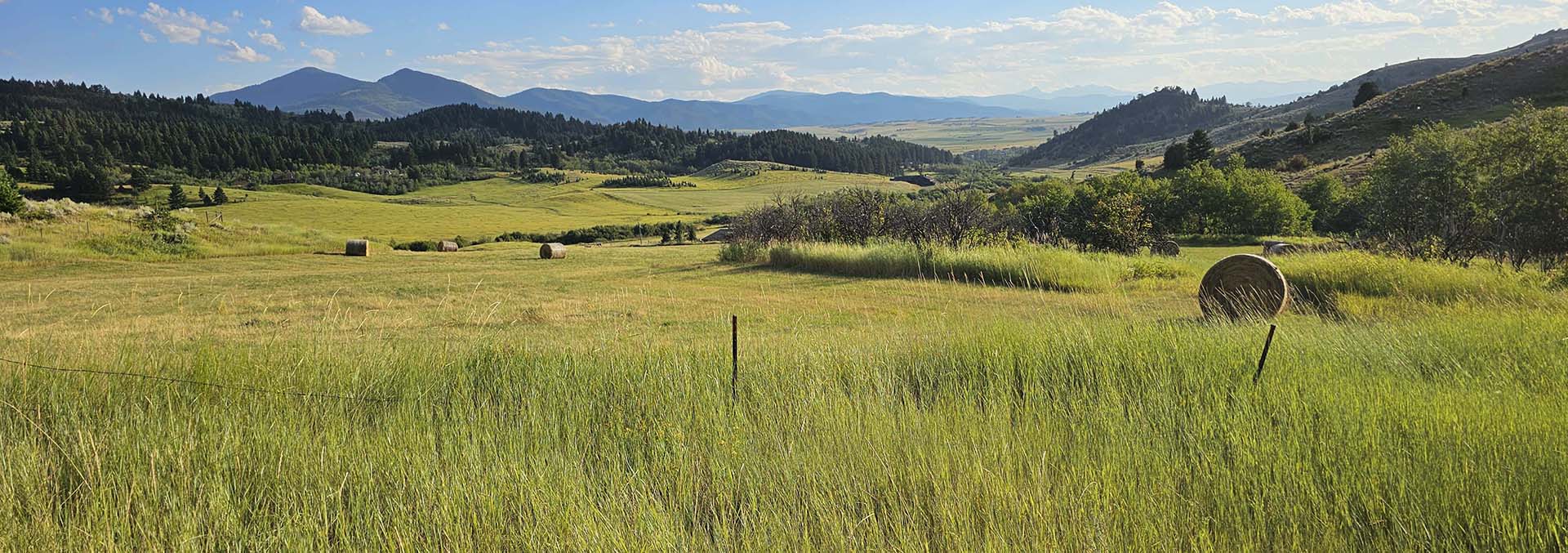
Kelly Canyon Ranch
Bozeman, Montana
This distinctive property features Kelly Creek, natural springs, and views of Montana’s Gallatin Valley and the surrounding Bridger, Bangtail, and Gallatin Mountains. The landscape provides two residences, blending seamlessly with forests, meadows, sagebrush hillsides, and a creek bottom filled with wildlife. A conservation easement preserves its beauty, while convenient access to Bozeman and recreational centers enhances its allure. This listing embodies a blend of nature and accessibility.
Heart Lake Ranch
Sisters, Oregon
The luxury home boasts meticulous craftsmanship perched on a bluff overlooking a private valley, irrigated fields, stunning mountain views, and access to BLM land. Reclaimed wood accents, oversized timbers, top-tier appliances, granite counters, and custom solid wood cabinets define luxury. The large finished shop rivals a family room, featuring an HD Golf Simulator, car lift, and wet bar. Below, 63± acres of irrigated fields surround a 7.5± acre stocked lake with a custom recreation house.
Mountain Lake Ranch
La Veta, Colorado
This Colorado ranch boasts a 7,200± square foot custom luxury home with four bedroom suites and a dry sauna. It offers year-round access, a 4± acre lake, exceptional elk and mule deer hunting, water and mineral rights, and access to public lands. With grid-tied solar power, redundant systems like two boilers and septic systems, plus a 15kW backup generator, it ensures efficiency and reliability. This property combines luxury living with recreational opportunities only minutes from La Veta.
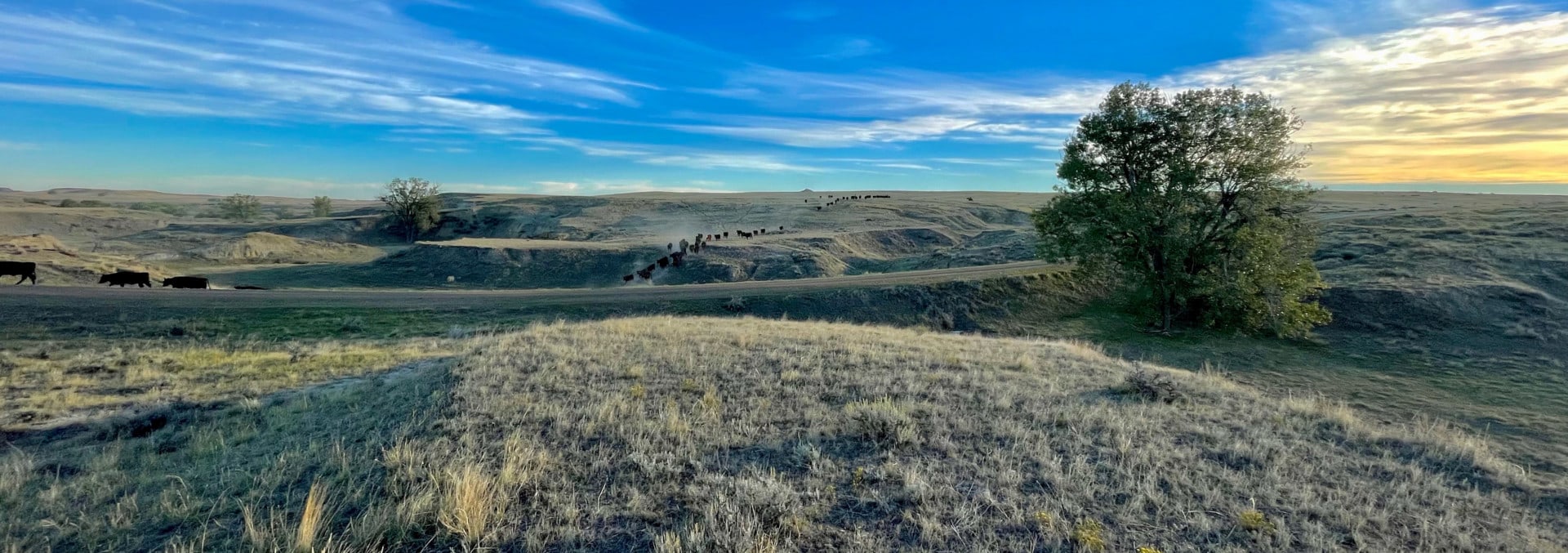
Montana’s T-Rex Ranch
Jordan, Montana
This one-of-a-kind Montana ranch serves as a perfect example of the diversity within the region. It’s part of the Hell Creek Formation with rolling hills, native ranges, wide-open prairies, timbered stands, rocky buttes, sandstone cliffs, reservoirs, seasonal drainages, and desert-like flora and fauna. The property offers a productive dryland farming and ranching legacy with forage, forests, open meadows, exceptional big game and upland bird hunting, and two well-maintained homes.
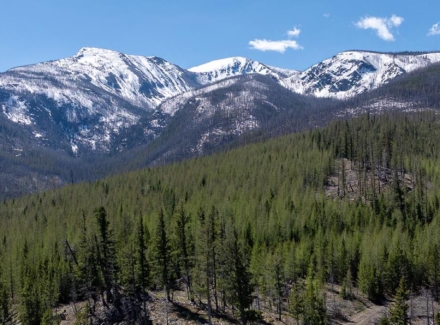
Lolo Peak Shadows
Lolo, Montana
This property borders the Lolo National Forest and includes deeded land across five parcels with diverse terrain—forests, ridgelines, meadows, and creeks. It has panoramic build sites, a road network, and off-grid infrastructure. On-site recreation includes hunting, skiing, hiking, and wildlife viewing, with direct access to vast public land. Just 10± miles from Lolo and 21± from Missoula, this unencumbered Montana property offers privacy, access, and potential for investment or recreation.
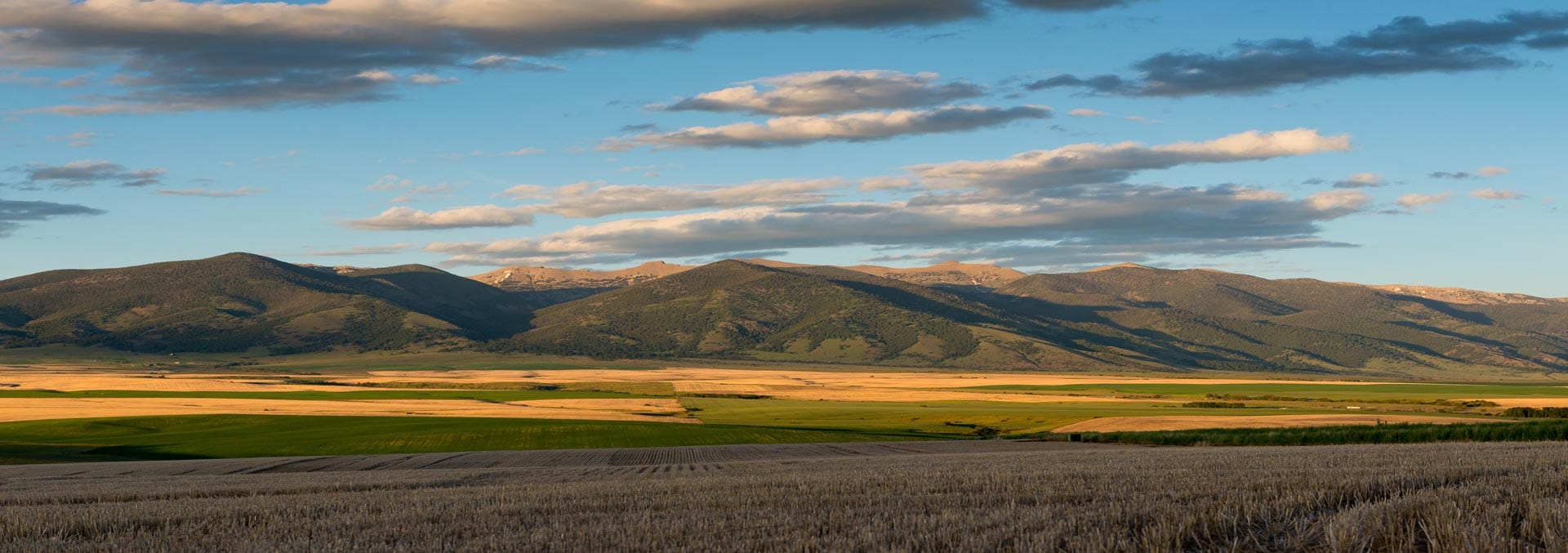
Dry Creek Farm
Belgrade, Montana
Located just northwest of the desirable mountain town of Bozeman and the busiest airport in Montana, this rare 256± acre land opportunity boasts 1.2± miles of restored and award-winning Dry Creek, with several springs, excellent habitat attracting and sustaining wildlife, food plots, and grain fields. With incomparable views of the Gallatin Valley, as well as out-the-door access to an abundance of recreational activities, this property is an exceptional investment opportunity.
Papoulis Canyon Ranch
Steamboat Springs, Colorado
Surrounded by conserved ranches, this property is ideal for a hunting retreat or private ranch development. It features attractive home sites, small agriculture potential, and topography favorable for big game. The land includes grasslands, creek bottoms, and timbered areas, with water rights and scenic rock outcroppings. Accessed via two private gated entrances, it offers exceptional privacy and a diverse ecosystem, including elk, mule deer, and other wildlife, making it a unique opportunity.
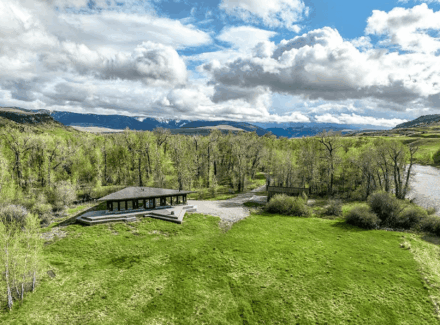
Montana River Retreat
McLeod, Montana
This Montana retreat features rare Boulder River frontage, four spring-fed ponds, and a winding spring creek, creating an exceptional fishing opportunities. The Frank Lloyd Wright-inspired home was designed to maximize views and blend indoor comfort with outdoor beauty. Set in the scenic Boulder River Valley, it offers unmatched fly fishing, abundant wildlife, and peaceful seclusion, all within close reach of Big Timber and just over an hour from the vibrant community and amenities of Bozeman.
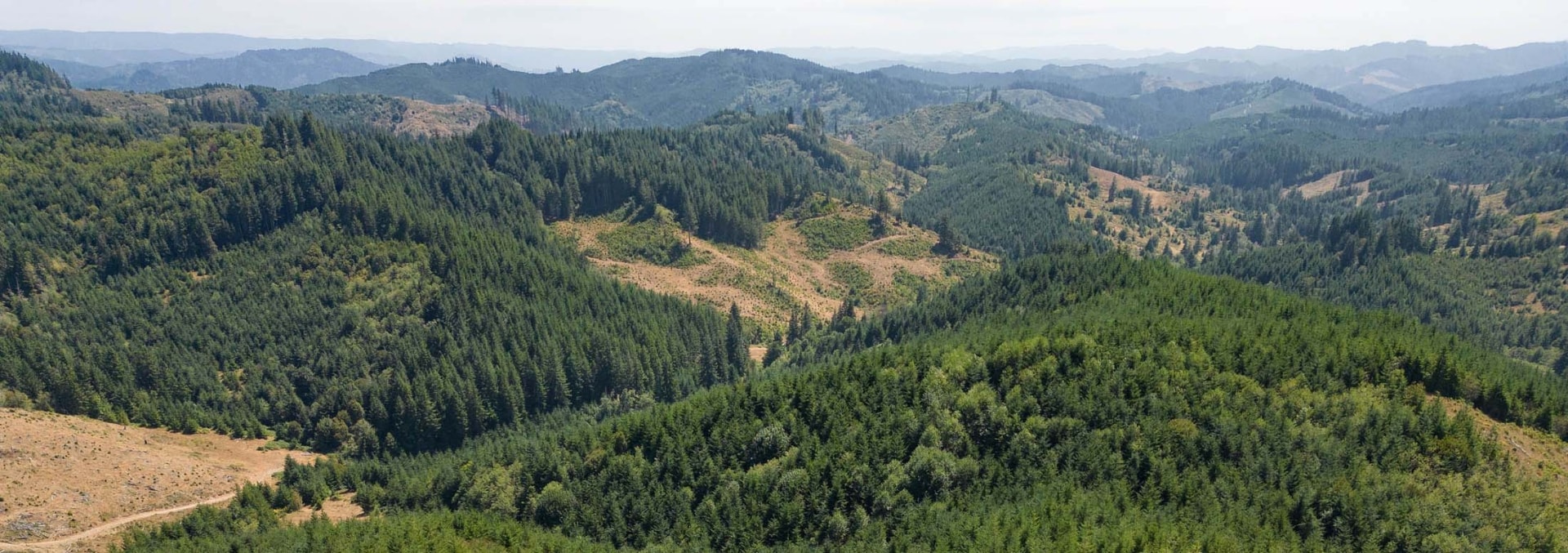
Upstream Timber
and Cattle Ranch
Myrtle Point, Oregon
Invest in rural Oregon property for sale for sustainable income from varied sources, with outstanding ranch and area recreational and lifestyle opportunities. Monetize this property with all the possibilities, whether cattle, timber, rentals, or hunting. This property is awe-inspiring. You will often find yourself looking up through the stately trees into the deep blue sky as you enjoy the gentle ocean breeze off the Pacific, listen to the call of the dove or for an elk bugle.
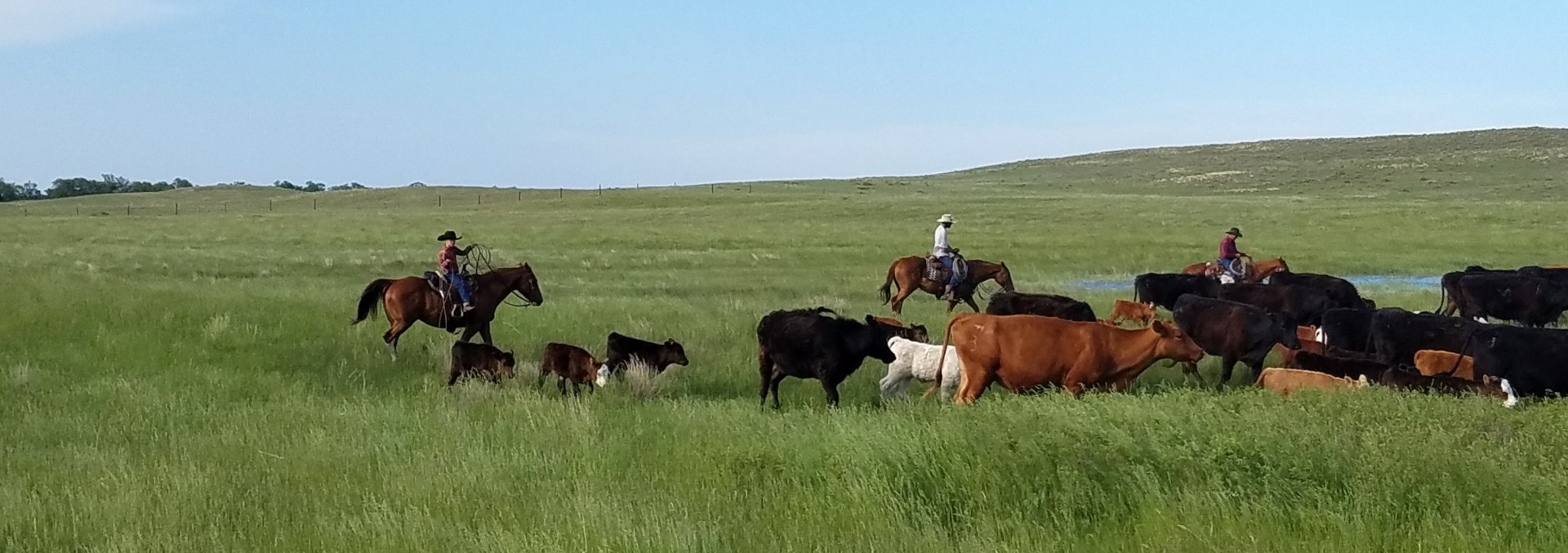
Stewart Quarter Horse & Cattle Ranch
Tuthill, South Dakota
A classic working cattle and horse ranch situated in productive and scenic southwestern South Dakota, with abundant water resources, a state-of-the-art equestrian facility, custom living quarters, manager’s residence, bunkhouse, barns, Quonsets, and chicken house. The bulk of the ranch consists of expansive rolling hills and draws of native prairie grasses and yucca plants.

South Valley Yampa River Ranchette
Steamboat Springs, Colorado
This rare property in Steamboat Springs, Colorado, boasts 1,000± feet of Yampa River frontage. Located in the desirable South Valley, minutes from Steamboat Ski Resort, it features a four-bedroom home, a 70’ x 40’ barn, a pond, and breathtaking views. It is ideal for equestrian or cattle use and offers prime fly-fishing and serene privacy. Live in the existing home while building your dream retreat on this exceptional riverfront property.
Pitchfork Ranch
Silver City, New Mexico
The 11,393± acre Pitchfork Ranch lies 30± miles south of Silver City, New Mexico, where rugged mountains meet the Chihuahuan Desert. Nine miles of the rare Burro Ciénaga run through the property, supporting critical habitat and at-risk species. With 5,160± deeded acres and conservation protections, the ranch is a hub for biodiversity and restoration. The Cole Family has invested over $1M in restoring the ciénaga, making it the only one of its kind being restored on private land in New Mexico.
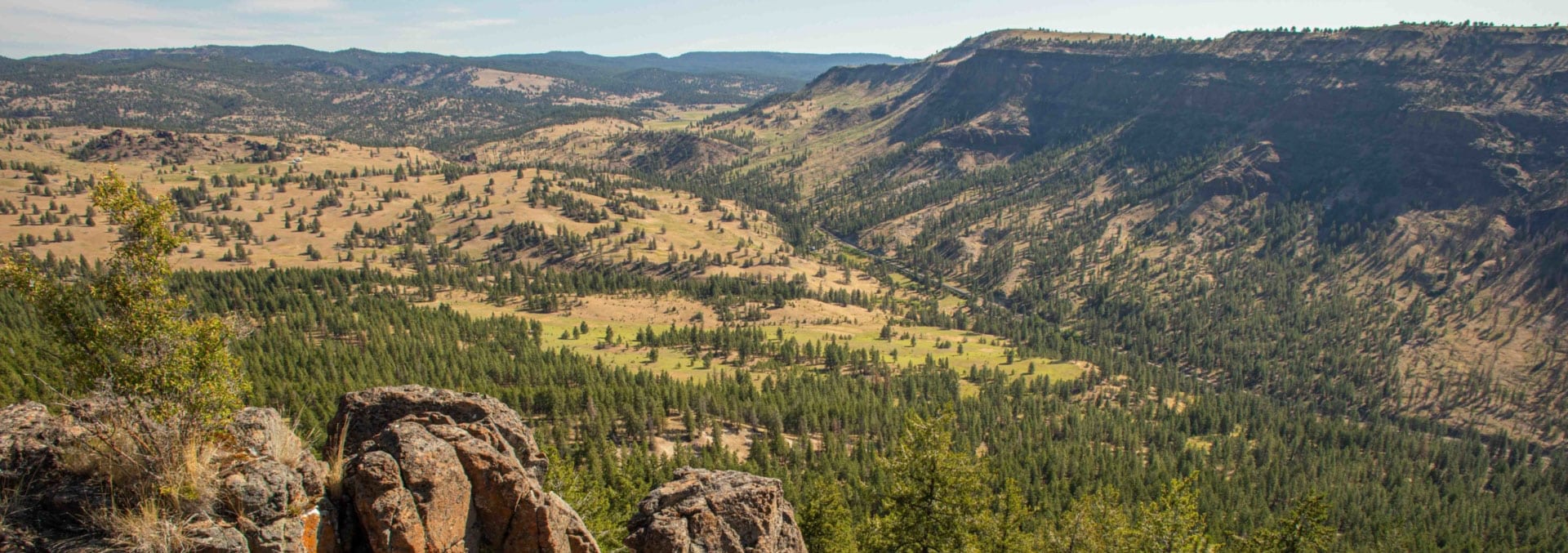
Dutch Flat Ranch West
Fossil, Oregon
Located just 15 minutes south of historic Fossil, Oregon is one of the most private hunting properties available today. The over eight thousand, mostly contiguous, acres are located in the Fossil Hunting Unit, which is arguably one of Oregon’s best big game hunting units. This is an exceptional getaway with lots of privacy in a secluded, but not isolated, the region of Oregon, that is close to goods and services yet offering a level of solitude that is hard to find today.
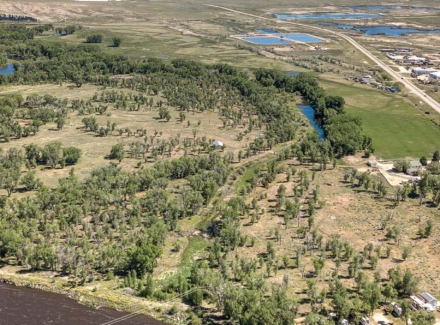
Saratoga North Platte
River Ranch
Saratoga, Wyoming
Located just north of Saratoga, Wyoming, this 203± acre retreat offers North Platte River frontage, cottonwood groves, historical oxbows, and irrigated meadows. With senior 1902 water rights, it features natural river bottom landscapes, ponds, and recreational amenities. A three-bedroom ranch house with a garage and shop sits within Saratoga’s limits, offering future development potential. The ranch boasts trout fishing on the North Platte River and wildlife-rich habitats like Mullison Island.
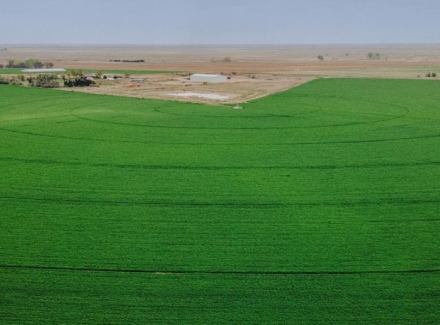
Swink Cattle Farm
La Junta, Colorado
This exceptional irrigated farm and feed yard includes a four-bedroom, two-bath home with a wrap-around porch and finished basement. Ideal for cattle and hay operations, it features an 800-head feedlot, roping arena, tack shed, irrigated grass trap, grain bins, a new hay shed, calving barn, scale, and 2,040± square foot shop. The farm produces high-quality alfalfa and grass hay with extensive water rights and infrastructure, offering a rare blend of production and livability.
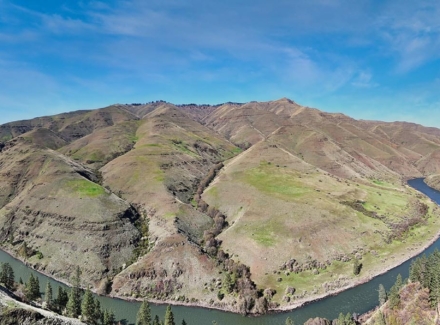
Sunrise Ranch
Anatone, Washington
This private retreat on the Grande Ronde River in Anatone, Washington, offers year-round recreation, furnished living quarters, and included ranch equipment. Enjoy steelhead fishing, deer and elk hunting, hiking, and horseback riding. Modern structures include a primary residence, bunkhouse, and wine cellar, all with high-speed internet. Landscaped grounds feature fire suppression systems and private wells. This turnkey property blends comfort, wilderness, and seclusion for immediate enjoyment.

Distant Waters Homestead
Bozeman, Montana
This ranch is an exceptionally rare offering and resides in one of the most coveted and historic areas in the Gallatin Valley. Almost impossibly secluded and located in the shadow of Ross Peak, the ranch is in a very rich and varied wildlife corridor near the Springhill community.
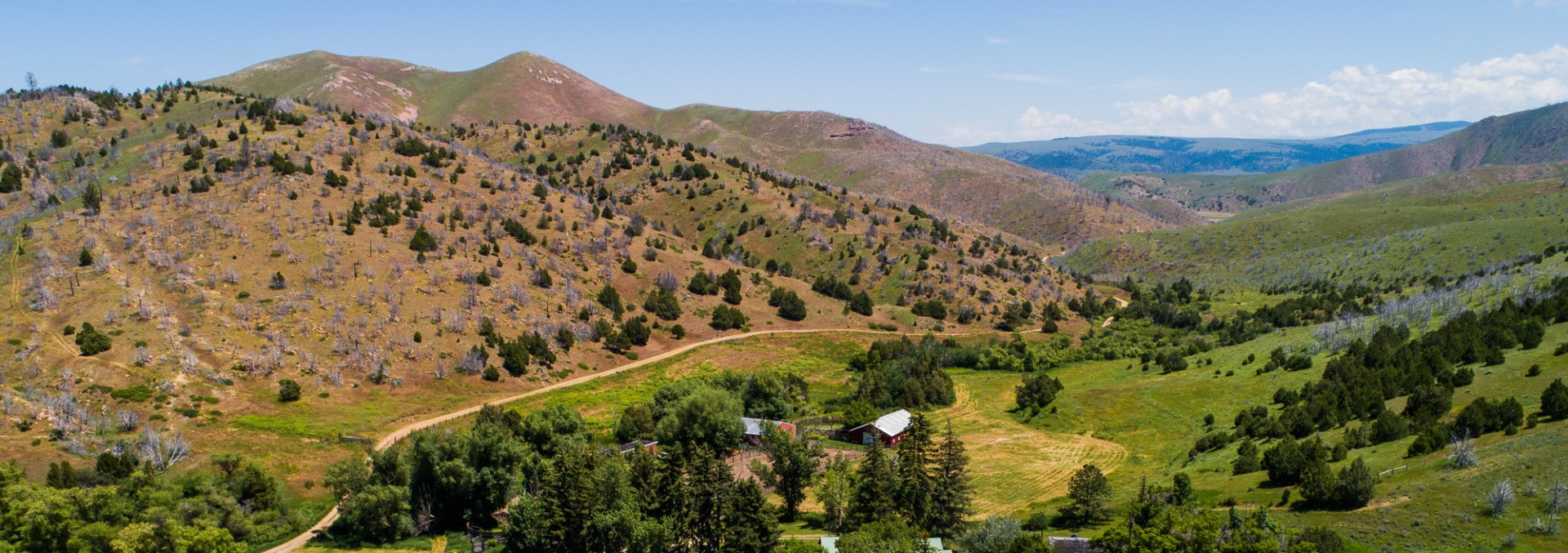
Cold Springs Ranch
Norris, Montana
This ranch sits only a stone’s throw away from world-class fishing on the Lower Madison River and is conveniently located equidistant to Bozeman and Ennis. Mature cottonwood trees line the small creek bottom and surround the building compound while the tops of the moderately sloping benches provide sweeping panoramic views that include the Bridger, Madison and Tobacco Root mountain ranges, as well as the beautiful lower Madison River Valley.
Elk Canyon Ranch
Dillon, Montana
This top-tier elk hunting ranch is in a general hunting district, which provides an optimal opportunity to hunt in both Idaho and Montana. Although it is nestled in the Beaverhead Mountains and surrounded by endless public land, the property is not off grid, with power, fiber optics, and water from a spring. This ranch includes 2.5± miles of Nip and Tuck Creek for trout fishing and four ponds. Travel less than a half hour to Leadore, Idaho, for basic amenities or 50+ minutes to Dillon, Montana.
White River Hunting Mecca
Hamill, South Dakota
On the White River in South Dakota, this property offers exceptional sporting and agricultural opportunities. With fertile bottom ground, native pastures, cropland, and food plots, it sustains abundant wildlife including trophy whitetail and mule deer, pheasant, turkey, and grouse. The river creates rich habitats, secluded draws, and ideal sites for building. Just 35± minutes from Winner, it combines accessibility, privacy, and investment potential for recreation or stewardship.
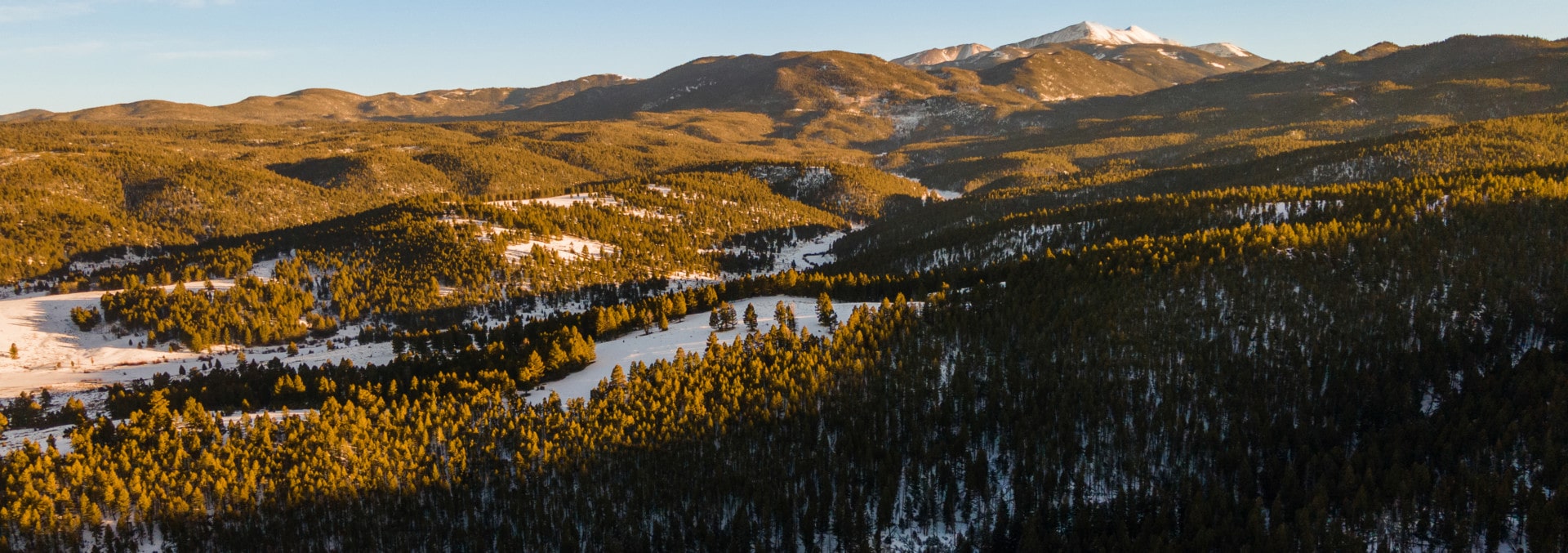
Retreat at Basin Creek
Butte, Montana
From its perch overlooking Basin Creek Valley, this property offers privacy in a beautiful setting, as well as proximity to Butte and its airport. The 534± deeded acres are contiguous to thousands of acres of National Forest and wildlife-filled, with multiple springs, a pond, and almost 1.5 miles of the nearly year-round Two Bit Creek. Improvements include a custom 4,348± SF, 4 bed, 3 full bath, 1 half bath home, oversized garage, and rustic summer guest cabin. Every detail has already been thought of and implemented, making this an effortless property to purchase.
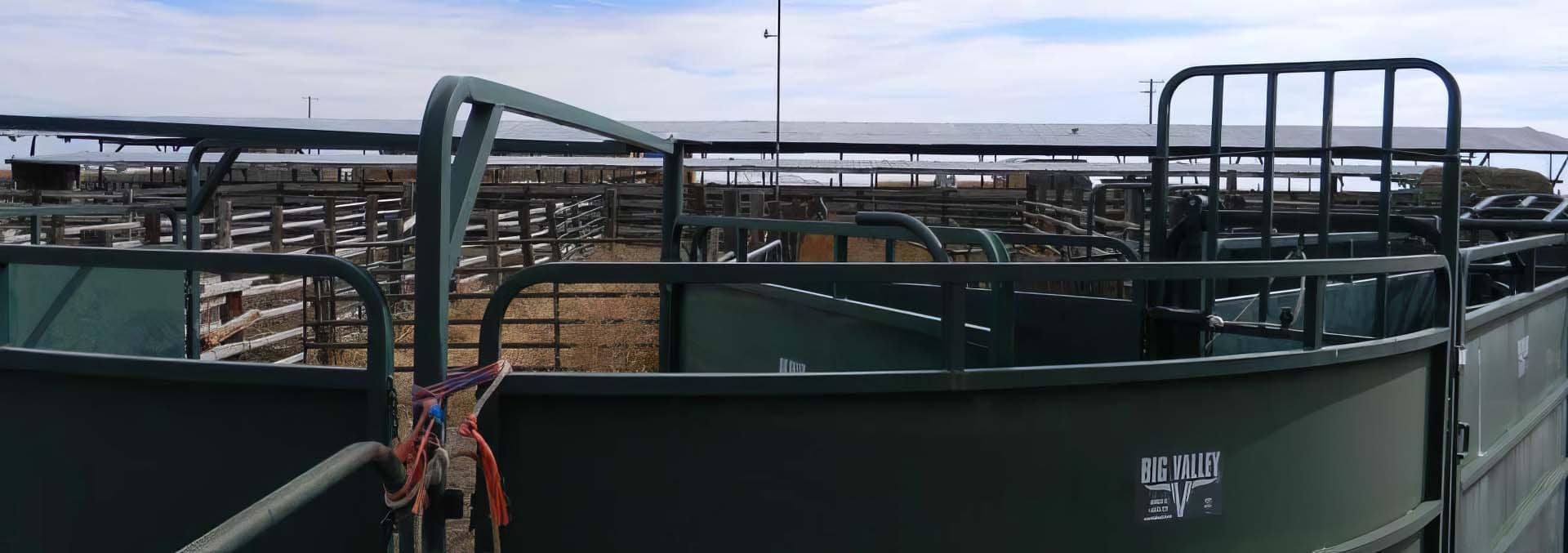
Dietrich Farm
Dietrich, Idaho
Comprised of irrigated farm ground and pasture the farm presently produces about 7 ton per acre of alfalfa and averages 30 ton of corn silage. Along with the fertile soils, which can grow a variety of crops, there is irrigated and dry land pasture that supports 110 head of cattle.
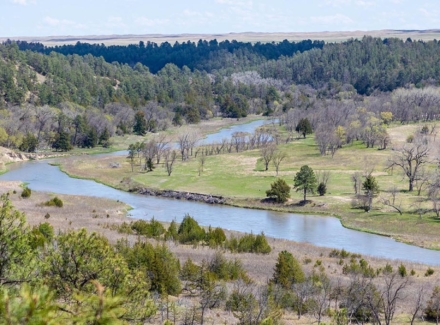
Niobrara River Refuge
Nenzel, Nebraska
Welcome to a remarkable Nebraska Sandhills property featuring 1,013± acres of pristine terrain and 1.6± miles of Niobrara River frontage. This haven for wildlife offers habitat for deer, elk, & turkeys and lies in a Landowner Elk Management Unit. Enjoy exclusive hunting with landowner permits and proximity to Merritt Reservoir and the National Forest. The property includes four stock tanks & supports 70 pairs in summer. The brick ranch-style home provides modern amenities and year-round access.
Twin Willows Event Center
Deer Park, Washington
Located 20± minutes north of Spokane, Washington, this premier equestrian and event facility combines top-tier infrastructure, multiple income streams, and residential comfort. Features include a 29,000± SF indoor arena, 30-stall barn, outdoor arena, new hay barn, and a 2022-built 3BR/2BA home. The property hosts year-round events—from horse shows to go-kart racing—and includes a shop, high-speed internet tower, and strong water access. An additional 20± acres are available for expansion.
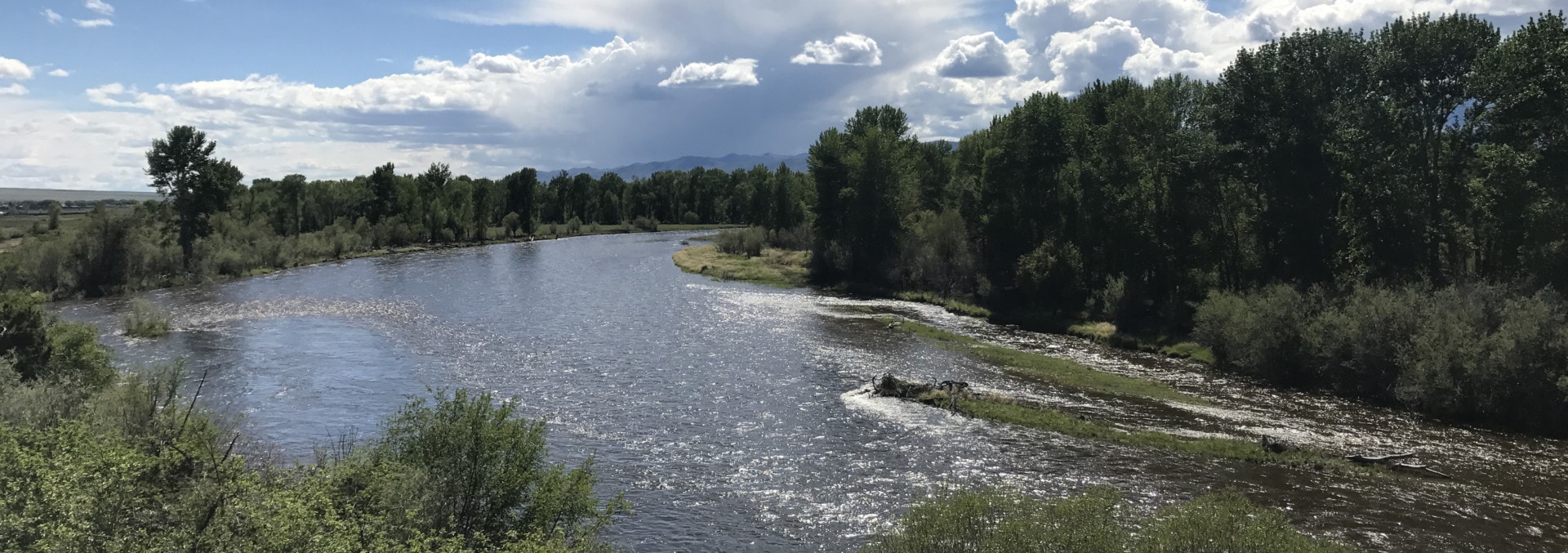
Perry Canyon Ranch
Whitehall, Montana
This ranch boasts .5± miles of Jefferson River frontage, notably one of the top trophy trout fisheries in the West, and offers excellent hunting for elk, mule deer, white-tailed deer, antelope, upland game birds and waterfowl. This 995± acre ranch is located in an expansive Montana river valley with mountain views in all directions. The ranch is a true river to mountain property running from the Jefferson River into the timbered ridges of the Tobacco Root Mountains.
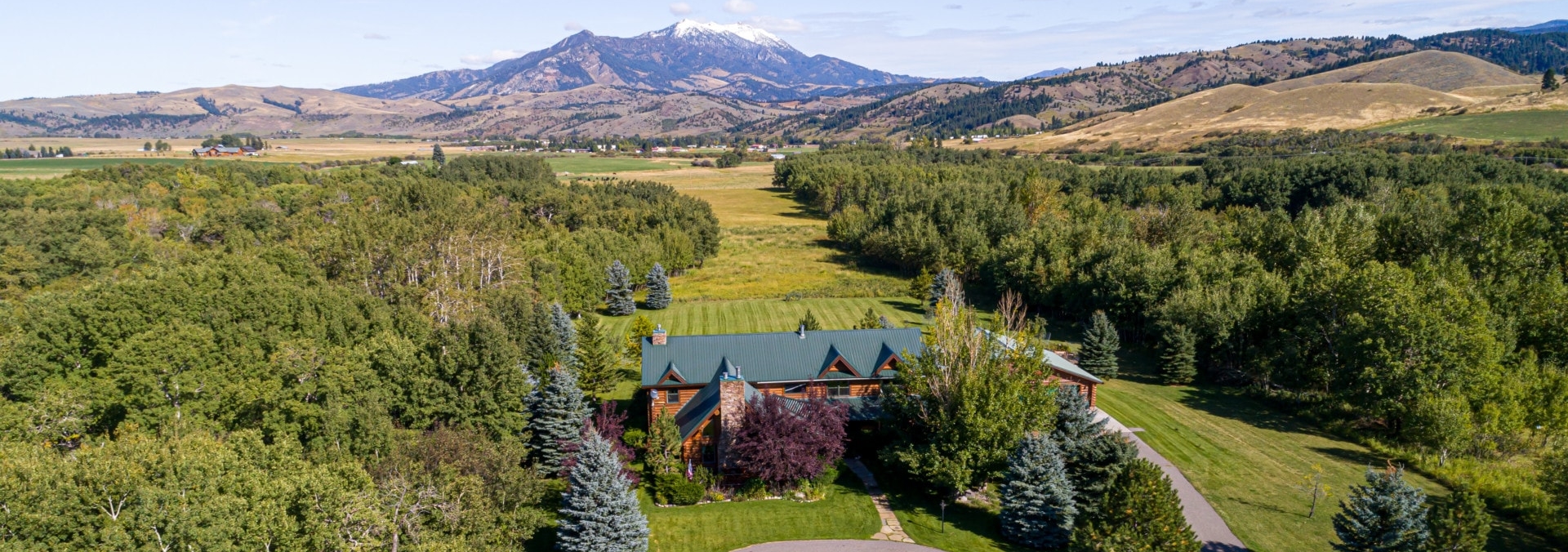
Bridger Peaks Estate
Bozeman, Montana
Just 7± miles from downtown Bozeman, this property offers a combination of Arts and Crafts styling in a beautiful western log home. Situated on 66± private acres and surrounded by aspen trees is a 4 bed, 3 bath main home, and a 2 bed, 1 loft, 1 bath guest quarters above a horse barn. A pond on the property provides a private pool for elk with a picturesque foreground of the dramatic Bridger Mountains.
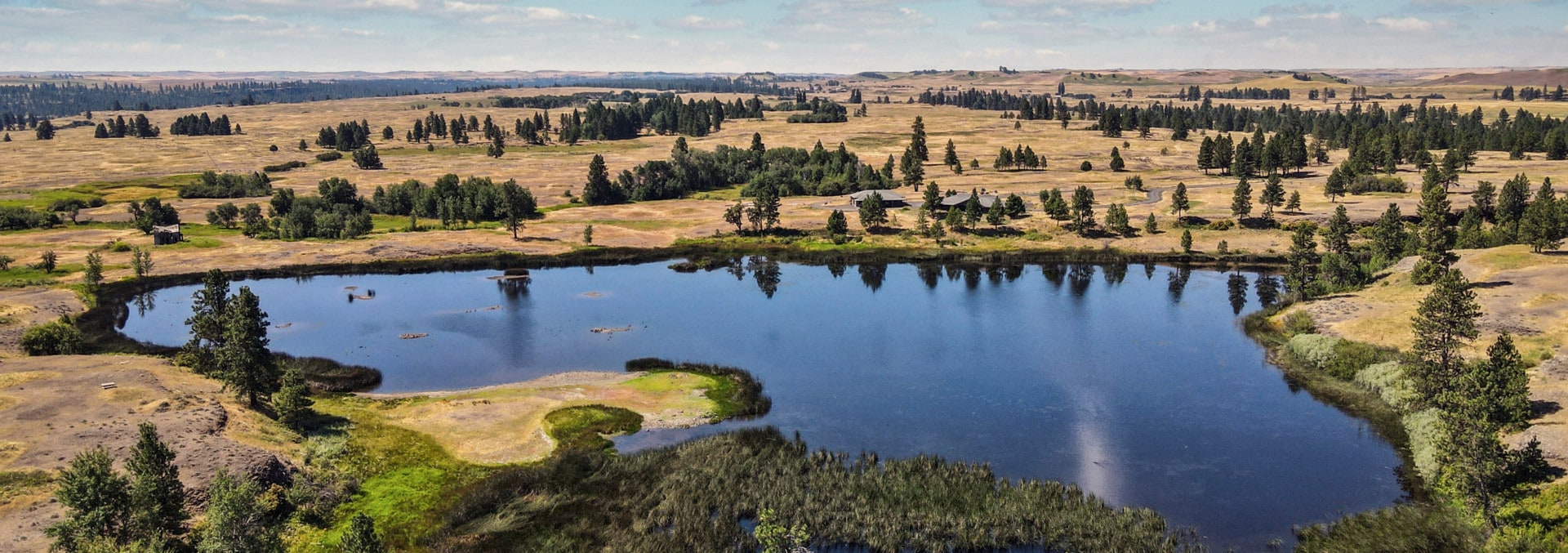
Johnson Lake Ranch
Cheney, Washington
This immaculately cared for and well-maintained ranch offers a custom-built main home with an attached heated garage on prime acreage in eastern Washington. The large heated and insulated shop located near the house is drive-thru with full-length carports on both sides. This property is a wildlife paradise with numerous big game and abundant waterfowl.
Big Hole River Ranch
Jackson, Montana
Montana’s Big Hole River Ranch boasts breathtaking views and over two miles of river frontage, making it a haven for fishing and wildlife enthusiasts. It borders Forest Service land, featuring lush meadows, dense timber, abundant wildlife, a cozy cabin, and a private, 4,000± foot airstrip. A cozy cabin with 3 beds/2 baths and the 48′ x 38′ four-stall horse barn make this property a unique blend of adventure and tranquility for those drawn to the majestic seclusion of the Rocky Mountains.
Dry Creek Wilderness at SxS Ranch
Belgrade, Montana
Located just 30± minutes north of Bozeman, this Montana retreat offers privacy, live water, and mountain views. Anchored by Dry Creek, the land provides access to trout fishing, diverse wildlife habitat, and breathtaking scenery. Two thoughtfully positioned building envelopes maximize views, while a vintage off-grid Observatory Cabin serves as a unique venue for gatherings. With shared recreational interest in 971± total acres, the land supports wildlife, including elk, deer, and upland birds.
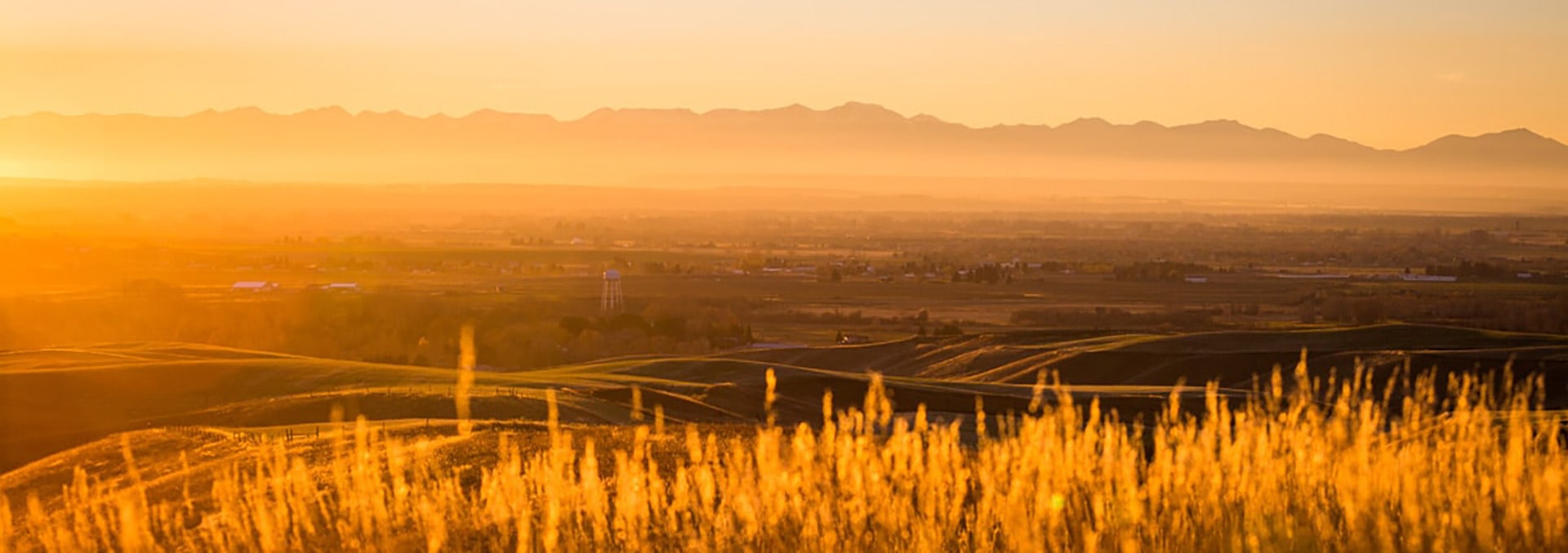
Valley Views at Bridger Shadows Farm
Bozeman, Montana
Located in beautiful Bozeman, Montana in the shadow of the Bridger Mountains overlooking the Gallatin Valley and all of Bozeman, Valley Views at Bridger Shadows Farm commands an eagle’s perch of the surrounding landscape. An outstanding sporting property with terrific conservation easement potential, this is a desirable property fit for many.
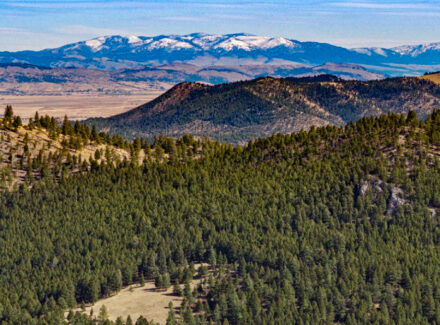
Elk Ridge Wilderness Retreat
Helena, Montana
Just east of the Continental Divide and minutes from Helena, this Montana retreat combines privacy, mountain views, and year-round convenience. Bordering Forest Service land, it offers strong wildlife habitat, varied terrain, and freedom from conservation easements or restrictive covenants. Improvements include an accessible single-level home, a view-filled office, an oversized shop with guest space, and an RV hookup, offering excellent flexibility for full-time living or recreation.
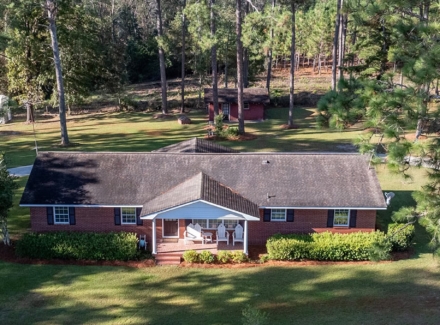
Woodpecker Trail Olive Farm
Glennville, Georgia
For sale along Georgia’s historic Woodpecker Trail, this premier estate merges southern heritage with modern agribusiness. Established in 1854 and honored as a Georgia Centennial Farm, it has become one of the state’s top olive oil producers. Featuring advanced irrigation and a full orchard-to-bottle system, it produces nationally acclaimed extra virgin olive oil. With turnkey infrastructure and strong brand presence, it offers a rare agricultural investment opportunity.
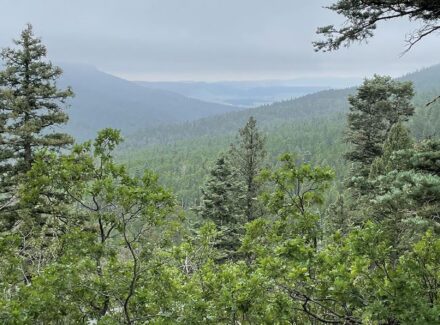
Manueles Creek Ranch
Angel Fire, New Mexico
Encompassing over a thousand deeded acres in northern New Mexico’s high country, this property offers a rare balance of privacy and accessibility. Manueles Creek flows more than two miles through the land, supported by springs and potential for a trout fishery. Elevations from 8,100 to 9,800 feet create timbered ridges, drainages, and sweeping valley views. A trail system supports recreation while elk, mule deer, and bear frequent the area, with adjoining public lands expanding access and scale.
Orchard Bay
Oroville, Washington
Exceptional private shoreline on Osoyoos Lake delivers sweeping lake and mountain views with multiple premier building sites for a legacy estate or luxury retreat. Just minutes from the British Columbia border, this setting pairs peaceful seclusion with convenient access to renowned wineries, championship golf, and year-round recreation. Natural topography and rich, mature landscaping frame a rare opportunity to create something lasting in one of the Northwest’s most coveted lakefront corridors.
Twin Sisters Ranch
Council, Idaho
Offering endless recreation in beautiful Idaho, this retreat is within an hour drive of the quaint mountain resort town of McCall, located on the crystal clear Payette Lake. This is an ideal hunting ranch, along with the possibility of grazing cattle on 7,800± acres of deeded and leased land.
Pitcher Ranch
Silver Lake, Oregon
This Oregon property affords a prospective purchaser the rare opportunity to enjoy a beautiful ranch that is rich in history and offers quiet solitude and privacy amongst a plethora of varied landscapes and wildlife yet affords an elegant home for the owner and comfortable accommodations for their family and guests. The outdoor enthusiast’s pursuits will only be limited by their imagination. Unusual in all of this, the ranch is easily accessible and under 1.5 hours from Bend, Oregon!
Priday Ranch on Trout Creek
Willowdale, Oregon
This historical cattle ranch has everything you could want in a ranch. Miles of streams and creeks, 150± acres of irrigated fields, excellent big game hunting and plenty of acres for grazing. This excellent ranch has never been on the market and is an exceptional and rare offering. Unlimited recreational opportunities, 5 LOP tags for buck mule deer and bull Rocky Mountain elk (buyer to confirm with ODFW) and a private and convenient location.
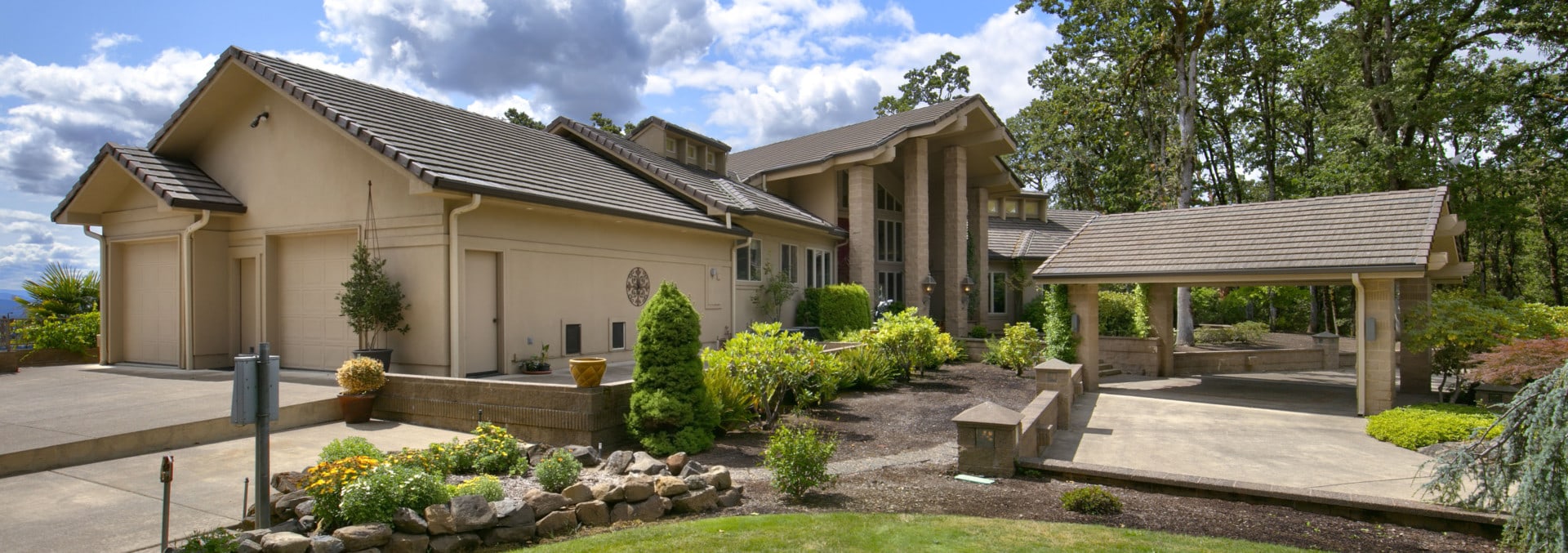
McKenzie Hills Ranch
Springfield, Oregon
The McKenzie Hills Ranch is a premier family compound tucked away in the Willamette National Forest, just a stone’s throw from the McKenzie River, located in Springfield, Oregon. This estate consists of two parcels, a rock quarry, a 20-foot deep 1.5± acre pond, a professional five-stand trap shooting facility, 2 barns/shops, a studio, and a beautiful 4,000± square foot home with an outdoor swimming pool. This is truly a private, gated, legacy estate that can’t be missed.
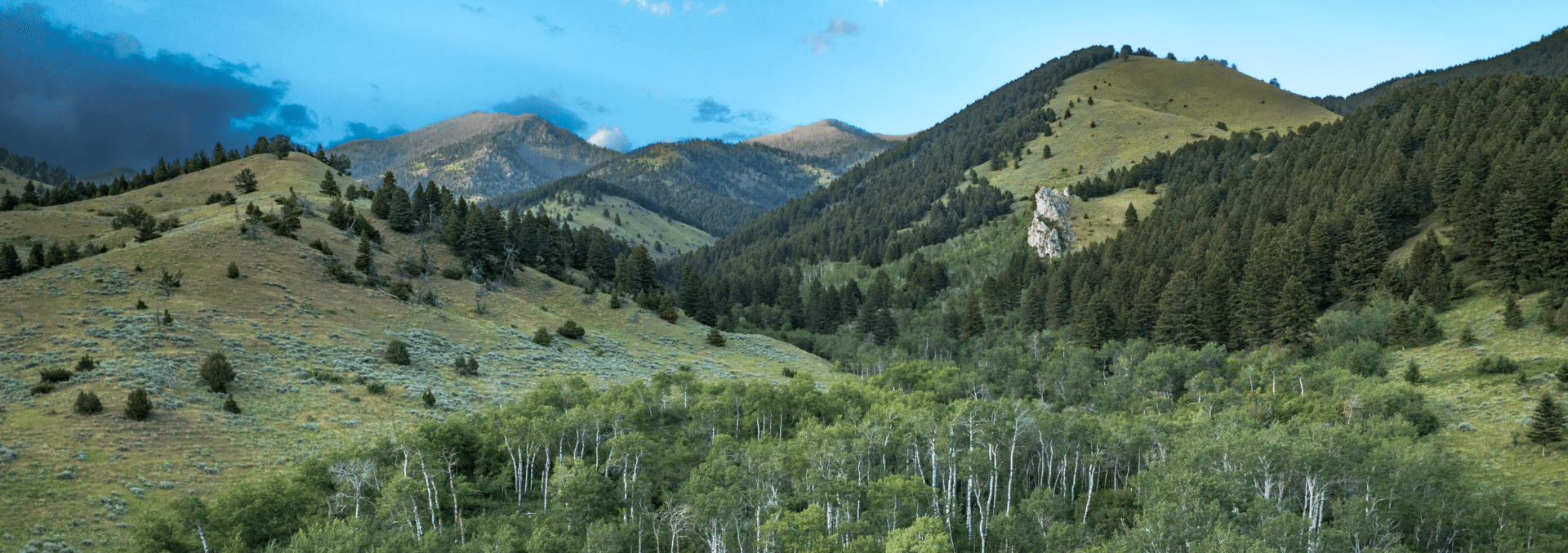
Limestone Cliff Ranch
Bozeman, Montana
This property is one of four rare and available properties near Corbly Gluch Road in Bozeman, Montana. This end-of-the-road property borders National Forest, gaining access to thousands of acres for endless outdoor recreational opportunities. The backdrop to the property includes the most renowned peaks in the Bridger Mountain Range, Ross Peak, and Sacajawea, and are comprised of rolling foothills with aspen-filled draws and hillsides covered with evergreens.
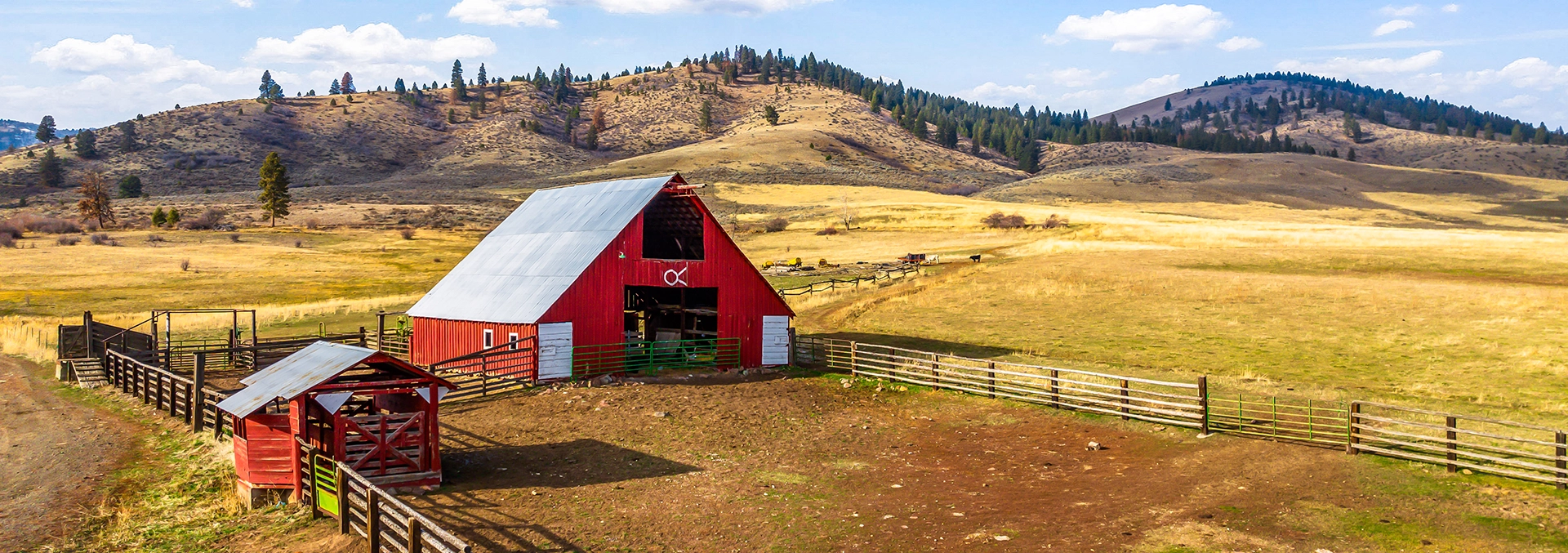
OK Ranch
Council, Idaho
This remarkable Idaho ranch is enriched by the meandering Hornet Creek through its lush, irrigated meadows. Nestled amidst public lands, it is a haven for wildlife. Historically significant, it once served as a stagecoach stop. This area is a vast playground, offering exceptional fishing, hunting, boating, hiking, and exploring abandoned ghost towns, remnants of the copper mining era. This ranch offers the flexibility to be operated as a cattle production enterprise or as a recreational retreat.
The Davis Lodge at Loafer Creek Falls
Clifton, Idaho
Bordering Caribou National Forest on three sides, this cattle and horse ranch sits just below Clifton Basin Trailhead in southeastern Idaho. In Big Game Unit 73, it consistently produces record-book mule deer and offers controlled elk hunts. Spring-fed Loafer Creek runs through the property, creating exceptional wildlife habitat. The off-grid Davis Lodge sleeps twelve with four bedrooms and a fireplace. A 75-head summer grazing operation runs across seven pastures. Downata Hot Springs is nearby.
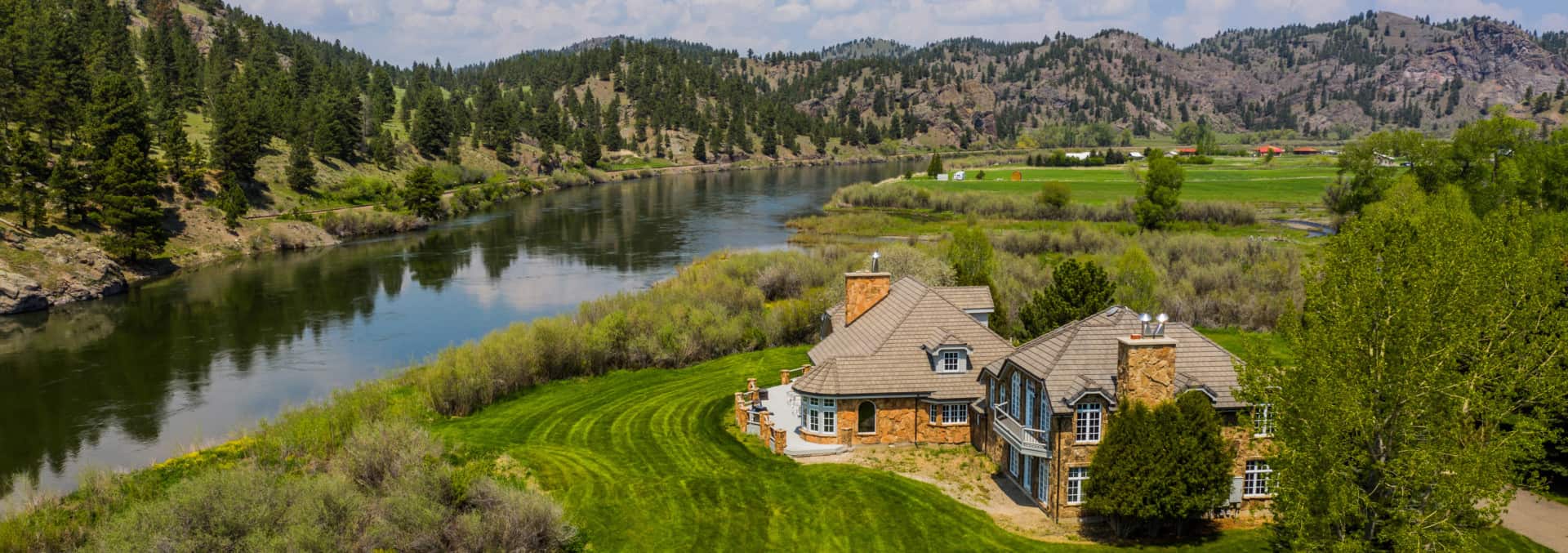
Missouri River Getaway
Craig, Montana
This Montana ranch has an amazing .7± miles of frontage on the Missouri River, providing excellent habitat for waterfowl, white-tailed deer, moose, eagles and so much more. The property boasts a 5,966± SF home with expansive views of the surrounding timbered hillsides, dramatic cliffs, fertile valley, and trout-rich waters of the “Mighty Mo.”
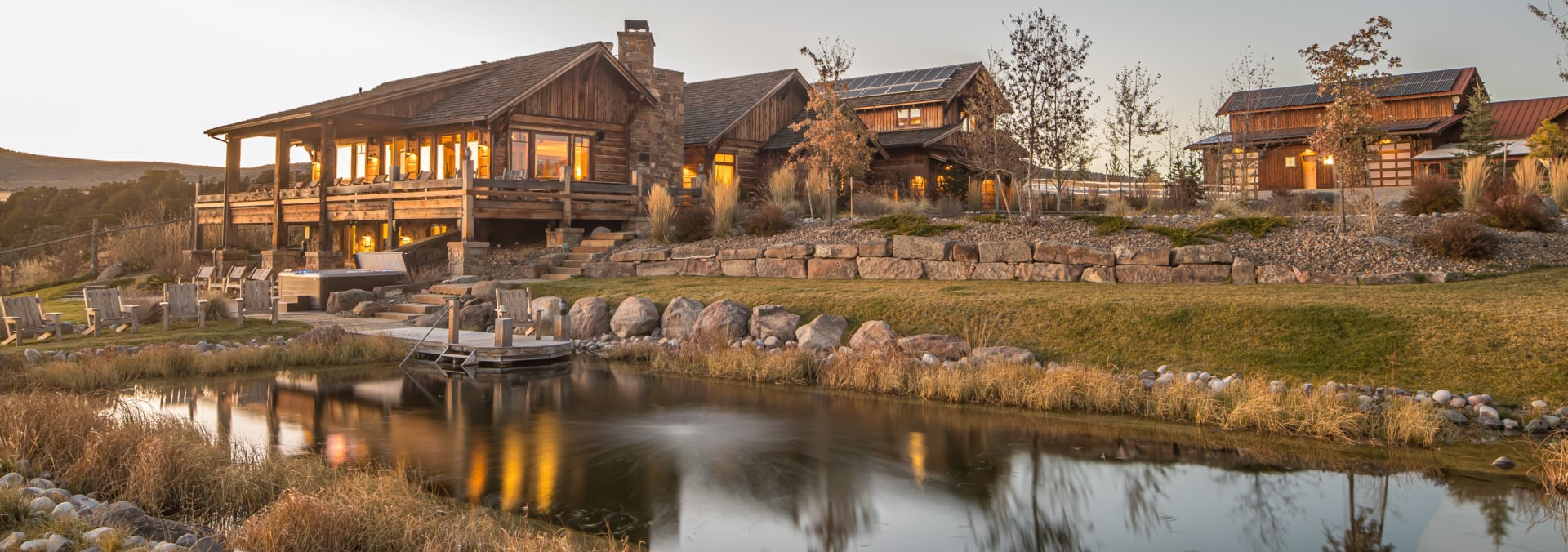
Raven Hill
Belgrade, Montana
Located 30± minutes from Bozeman, this property features a 2 bed, 4 bath, 4,279± SF home, and an 890± SF, 1 bed, 1 bath guest home with a bunk room that connects to a heated 4,641± SF shop with multipurpose rooms. Water features include 2 stocked koi ponds, waterfalls, a stream, and a swimming pond, and permaculture techniques are utilized in the greenhouse, garden, and orchard. Various wildlife wanders through, utilizing cover in the draws to move from the valley floor to higher elevations.
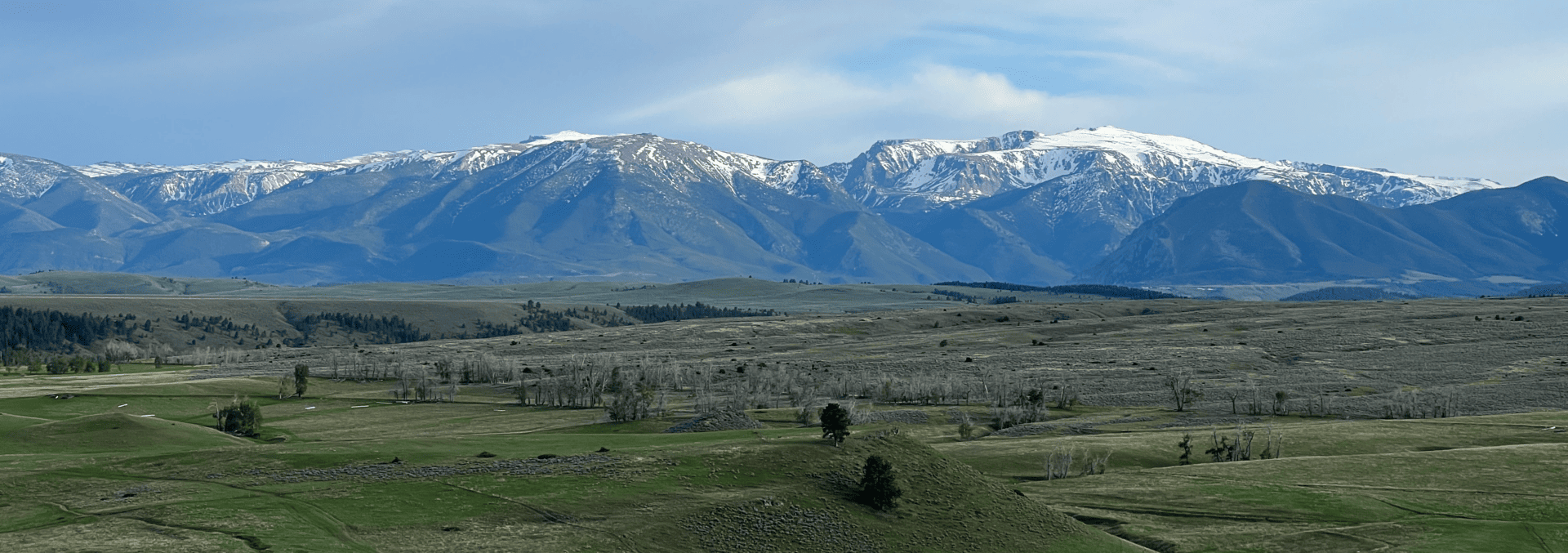
Beartooth Overlook
Fishtail, Montana
Located one mile from the charming town of Fishtail, this ranch offers breathtaking views of one of Montana’s most spectacular and untamed landscapes while providing meaningful agricultural production and recreational opportunities. The ranch comprises diverse topography, including native stream bottom and rolling bluffs overlooking the West Rosebud River drainage and the Beartooth Range beyond. Water is plentiful on this well-rounded ranch, with Fishtail Creek fishery and Hogan Ditch Creek.
Rock-n-Horse Ranch
Cody, Wyoming
Escape to Northwest Wyoming—just 13± miles from Cody and near Yellowstone. This rare property offers irrigated land, live water, abundant wildlife, and access to public lands for hiking and hunting. A custom 7,670± square foot cedar log home features five bedrooms, four bathrooms, and multiple outbuildings, including a barn and shop with an apartment. Enjoy privacy, recreation, and sweeping views near Buffalo Bill Reservoir in a location perfect for ranching, relaxation, and adventure.
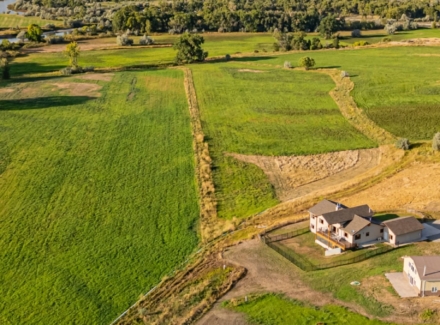
Clarks Fork River Ranch
Edgar, Montana
Set along the Clarks Fork of the Yellowstone River, this Montana property features nearly a mile of river frontage, lush irrigated pastures, and stunning mountain views. The 2016 custom-built home and guest quarters offer quality craftsmanship and modern comfort. Excellent water rights support crop and livestock operations, while abundant wildlife provides premier hunting and recreation. Just over half an hour from Billings and Red Lodge, it’s a rare balance of beauty, productivity, and privacy.
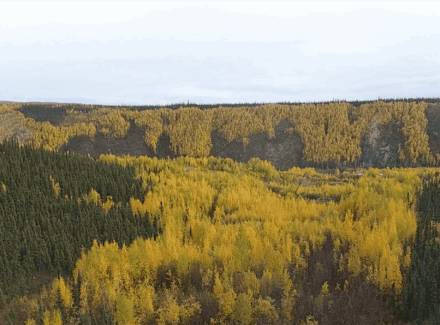
Little Boulder Creek Gold Mine
Manly Hot Springs, Alaska
Located in Alaska’s historic Hot Springs Mining District, this site includes 46 placer claims spanning five miles with confirmed gold and scheelite. The area’s complex geology, comprising sedimentary and intrusive rocks, has yielded encouraging results from past and recent sampling efforts. Mining has occurred intermittently since 1917, yet production data remain limited, positioning this property as an exceptional opportunity for renewed exploration and modern placer mining operations.
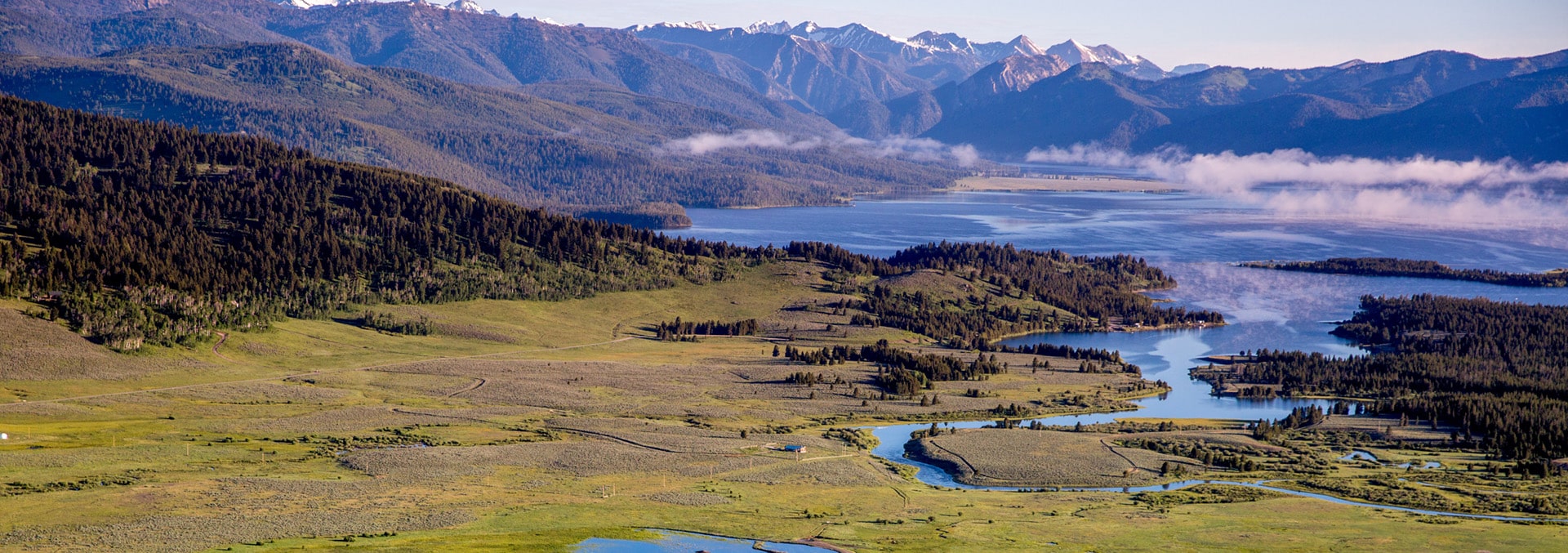
Yellowstone Basin Ranch
West Yellowstone, Montana
It is not often that a ranch of this quality comes on the market. The Yellowstone basin has, for many years, been the most sought after location for recreational ranches in Montana because of the abundant wildlife and fishery resources as well as some of the most dramatic scenery in the Northern Rockies.
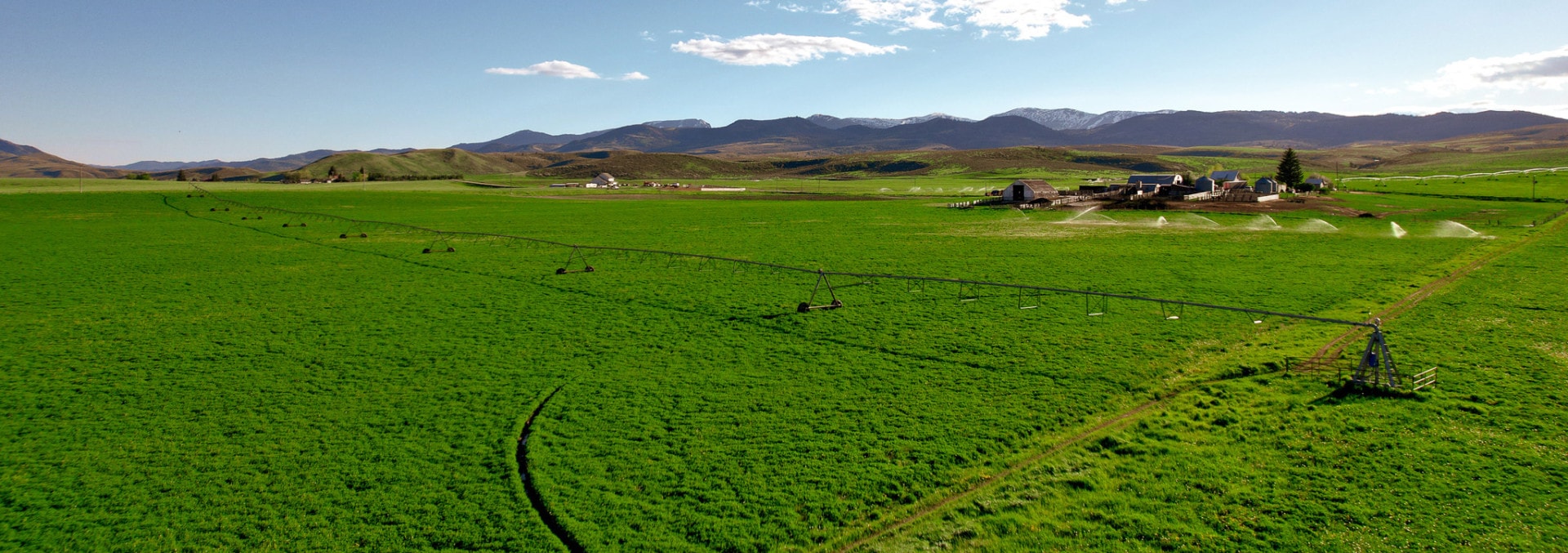
Shilo Ranch
Bancroft, Idaho
This Idaho ranch is an opportunity to own a profitable livestock or hay-producing operation and experience everything the Idaho outdoors offers. Bordering the ranch family farms and gorgeous open hillsides cover the landscape. You are greeted by a community where western values run deep. You will get a friendly wave and helpful neighbors. The ranch and area are special and the panoramic views are a place of peace. You will rarely have the opportunity to own a piece of Idaho quite like this.
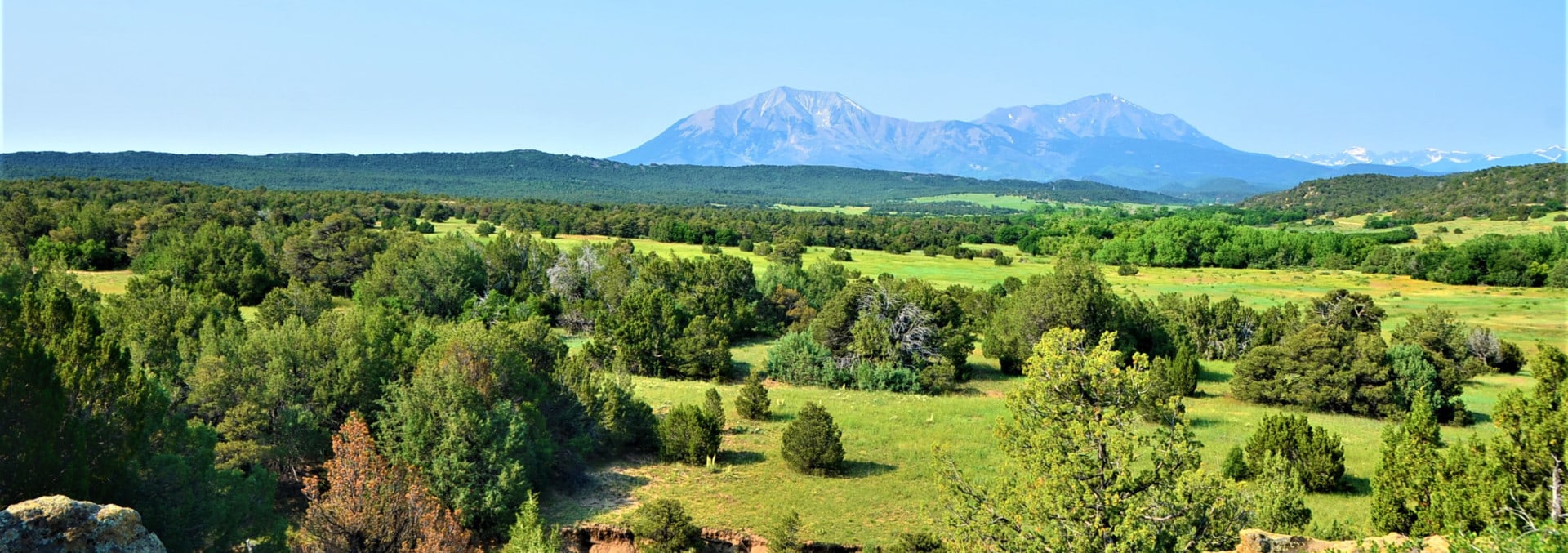
Bear Creek Ranch
Walsenburg, Colorado
This Colorado ranch holding is coming on the market for the first time since it was first assembled. Historically the ranch has been used for cattle grazing with an ample supply of well water piped to six stock tanks on the property. Bear Creek flows seasonally through the ranch, and vegetation zones vary from creek bottom cottonwoods, classic piñon juniper forest, and towering ponderosas. Volcanic dike walls and sandstone rock formations accentuate the scenic vistas.

Mountain View Hay & Cattle Ranch
Powell Butte, Oregon
The perfect equestrian facility with highly productive hay grounds! If the breathtaking views of the Cascade Mountains aren’t enough, the 6 bedroom, 4.5 bath custom home is sure to seal the deal. Conveniently located less than an hour from Bend, this ranch is a one-of-a-kind!
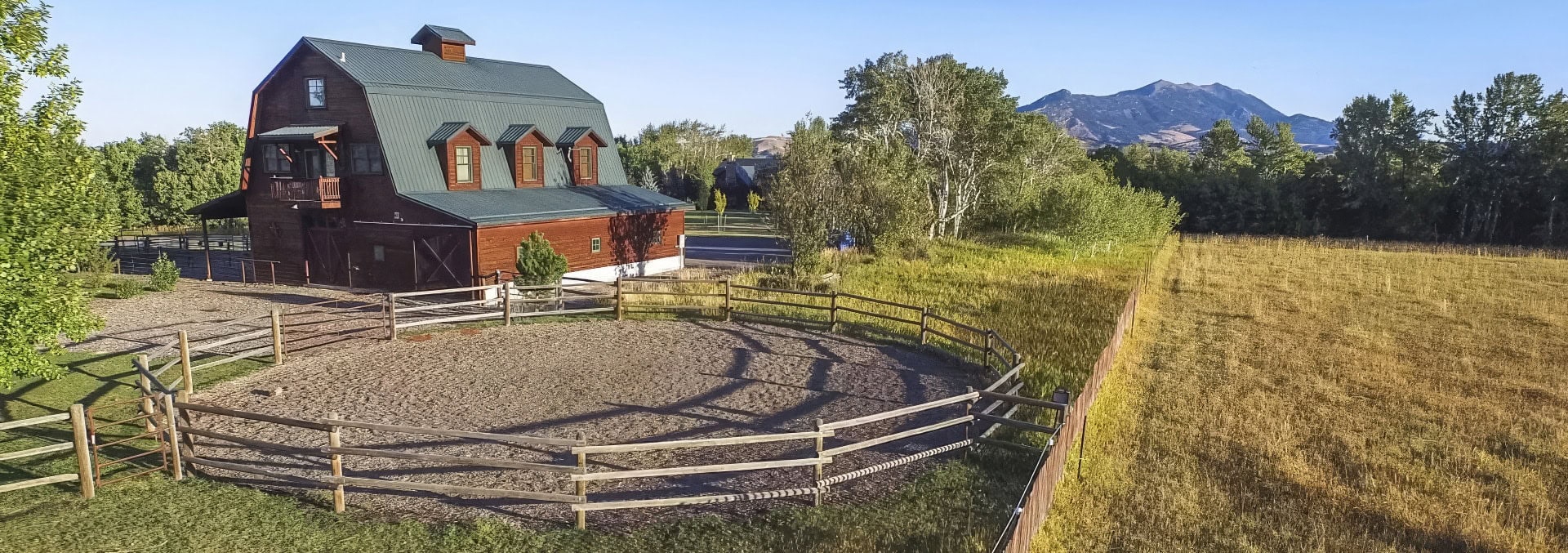
Sunny Meadow Farm
Bozeman, Montana
This property combines very close proximity to Bozeman with a custom-built home and equestrian amenities. Surrounded by aspen and mature trees, the property consists of 66± usable deeded acres on Bozeman’s south side with end of the road privacy. The improvements are outstanding, showing artistic form, quality workmanship and functional design. Ideal property for the horse lover or any outdoor recreational enthusiast.
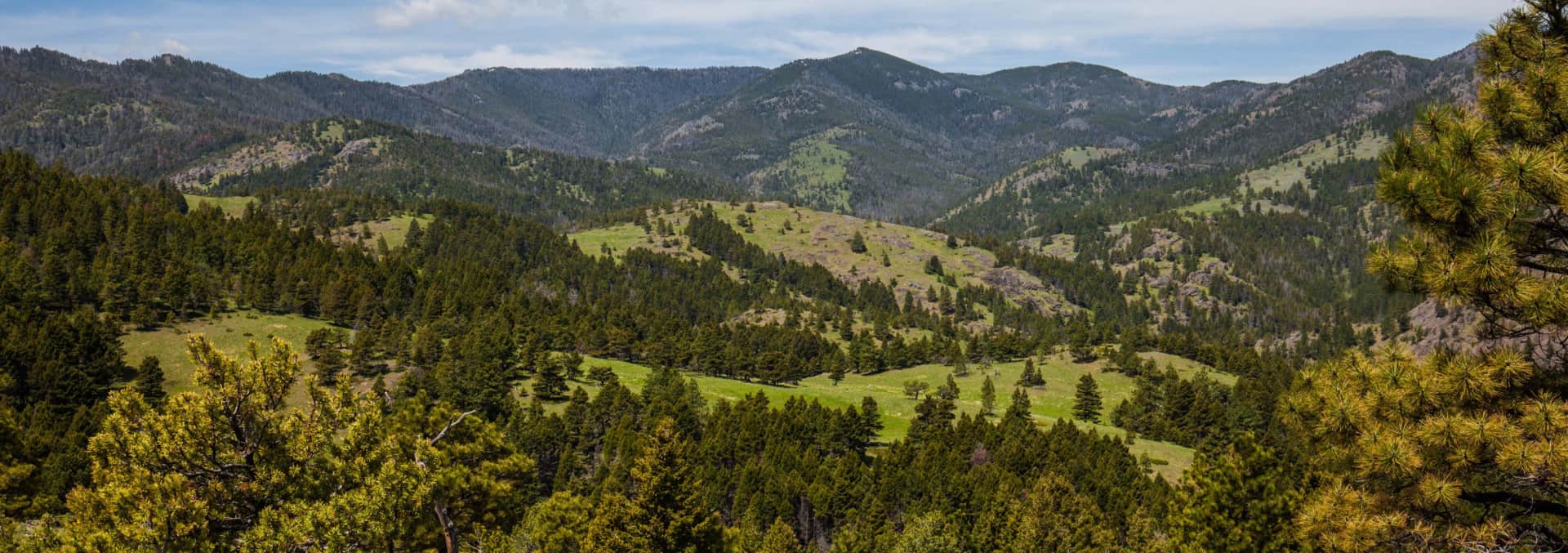
West Hound Creek Ranch
Cascade, Montana
Resting amid the pristine Montana alpine wilderness on the east side of the Big Belt Mountains, this untouched recreational ranch varies from gentle sloping meadows and rolling hills to heavily timbered ridges and mountains. Over three miles of the fishable west fork of Hound Creek runs through the entire length of the property. This ranch is an exceptional deer and elk hunting property located in between the world‐class Missouri and Smith Rivers.
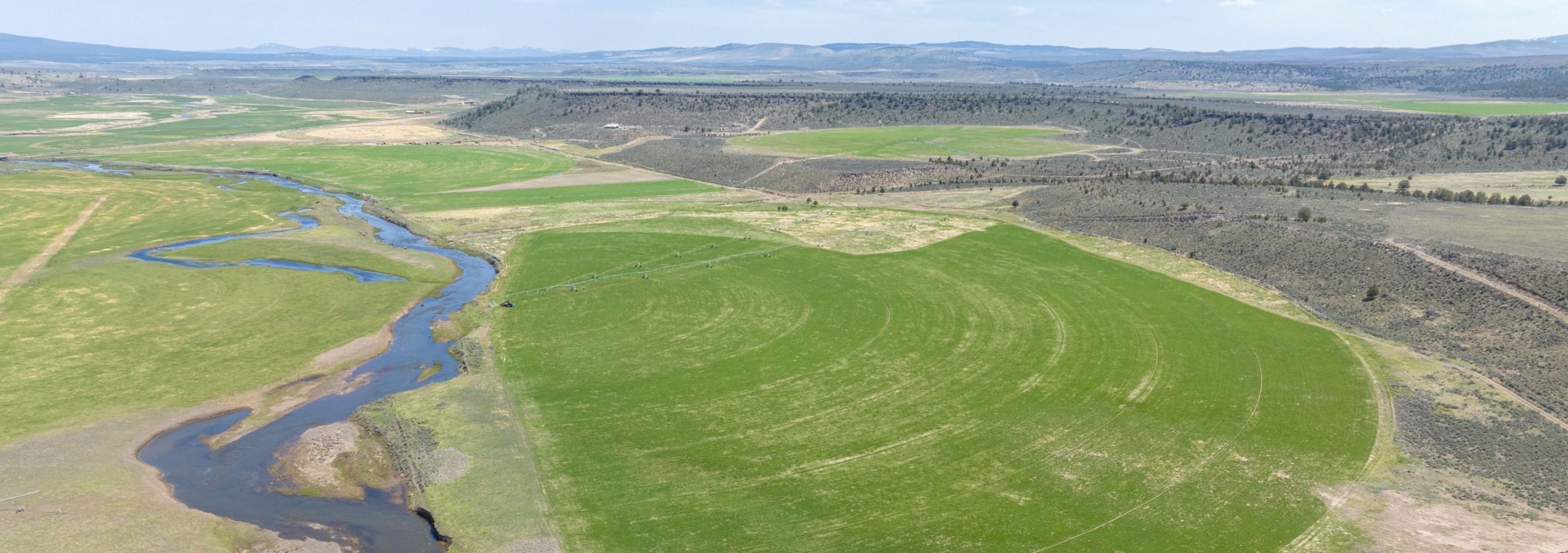
Giorgi Ranch
Paulina, Oregon
The Giorgi Ranch is an excellent hay and cattle operation located in Central Oregon. This ranch includes acres of irrigation with Beaver Creek flowing through it. With an excellent infrastructure, including 3 homes, a bunkhouse, a large shop, a horse barn, cattle facilities, and excellent irrigation distribution, most of the hard work has been done to make this an efficient operation that adjoins acres of BLM land. It includes 3 landowner tags for buck mule deer and bull Rocky Mountain elk.
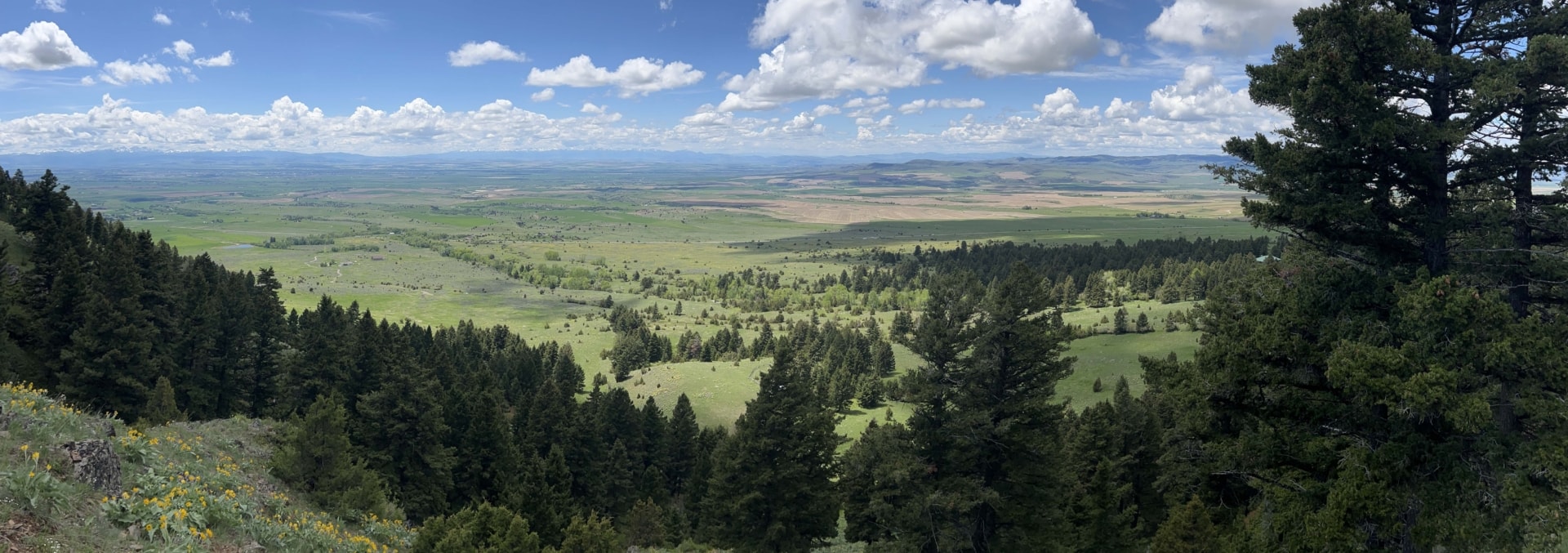
Gallatin Valley Overlook
Belgrade, Montana
Nestled along the Bridger Mountains, this Montana property is an opportunity to own increasingly rare acreage with amazing views of the entire Gallatin Valley. The property, home to big game and upland birds, boasts a diverse landscape of grasslands, meadows, and foothills. Adjacent to National Forest, this offering has easy access to miles of recreational opportunities for outdoor enthusiasts. This property is a unique opportunity to live in a pristine natural environment close to amenities.
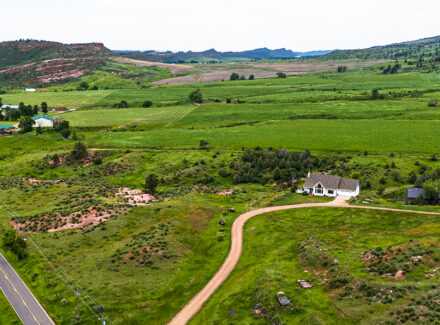
Bar D Ranch
Loveland, Colorado
A rare legacy property in the foothills of northern Colorado, ideally situated in Larimer County just 15± miles west of Loveland and Fort Collins via paved county road. The diverse terrain transitions from gentle meadows to rugged ravines, bordering National Forest on two sides. Wildlife abounds, including elk, mule deer, moose, and bears. Historically grazed, the land now thrives as a natural habitat. Unencumbered by easements, this Front Range opportunity is increasingly hard to find.
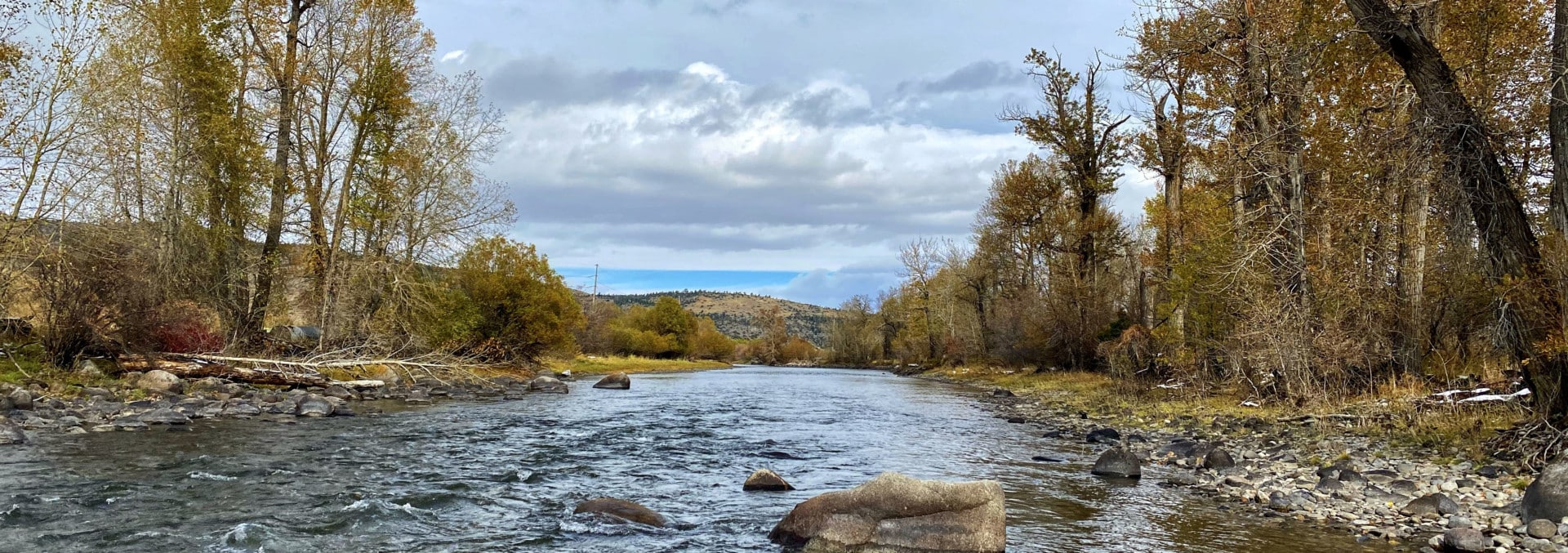
Boulder River Crossing
McLeod, Montana
Sitting in the bottom of the Boulder River Valley, this ranch is located 20± minutes from Big Timber, Montana and an easy 90± mile drive to Bozeman. Frontage on this crystal-clear Montana river is highly desirable and difficult to find. This ranch will turn dreams into reality for the new owner.
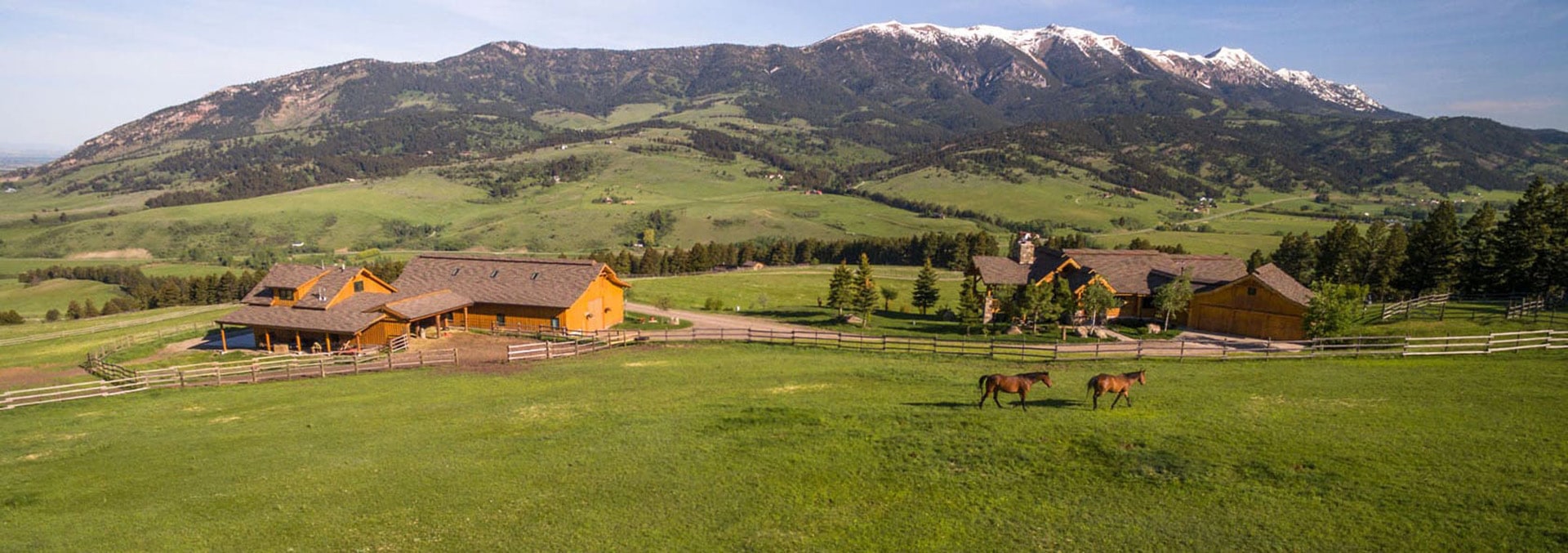
The Preserve at Bridger Creek Ranch
Bozeman, Montana
The Preserve at Bridger Creek Ranch blends luxury, privacy and warmth to create a recreation oriented property that is nothing short of spectacular. Improvements on the property include a 4564± SF custom home that features 3 bedrooms, an office and 2.5 bathrooms, a barn and a separate caretaker’s quarters above a stand alone 2-car oversized garage.
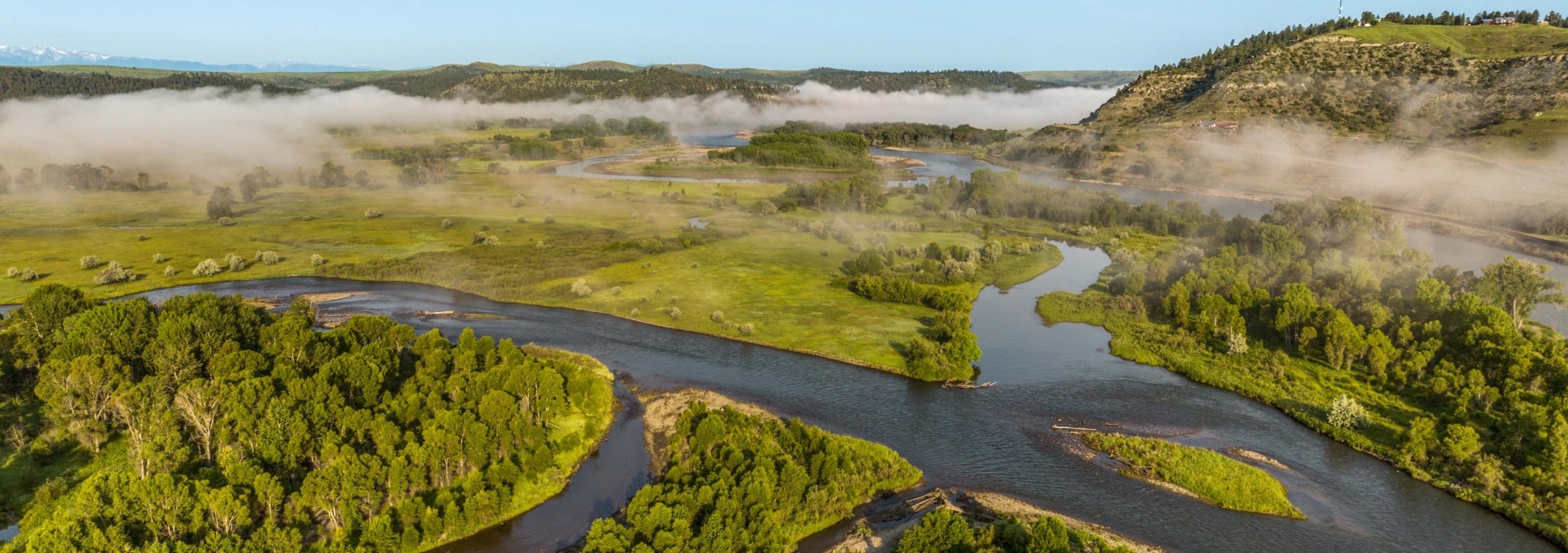
Be Still River Ranch
Columbus, Montana
This modern home, built in 2019, sits at the confluence of the Yellowstone and Stillwater Rivers on 66± acres of wetlands and river braids. This provides habitat diversity for a wide range of wildlife. The 2,657± SF, 3 bed, 2.5 bath home boasts luxury features, including walnut cabinets and doors, heated floors, Thermador/Sub Zero appliances, fully integrated audio/visual, reclaimed wood siding, and 2 large garages. Hunt for white-tailed deer, turkeys, and waterfowl out your backdoor. This property is near Columbus, Big Timber, Red Lodge, and Billings and its commercial airport.
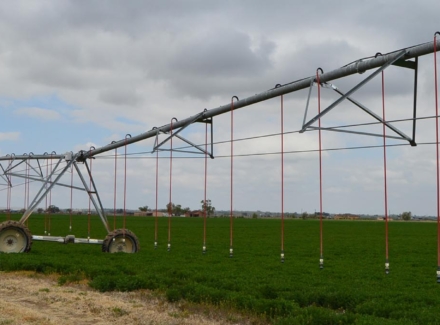
Otero County Irrigated Farm
La Junta, Colorado
Offered for the first time in nearly 30 years, this productive hay and livestock operation spans two irrigated farms with senior water rights, Zimmatic pivots, ponds, and transferable irrigation. Producing high-yield alfalfa and grass hay, it includes valuable shares in Catlin, Otero, and Larkspur canals, strong road access, and established infrastructure. With consistent production, quality water sources, and crop base, it offers long-term agricultural viability and income potential.
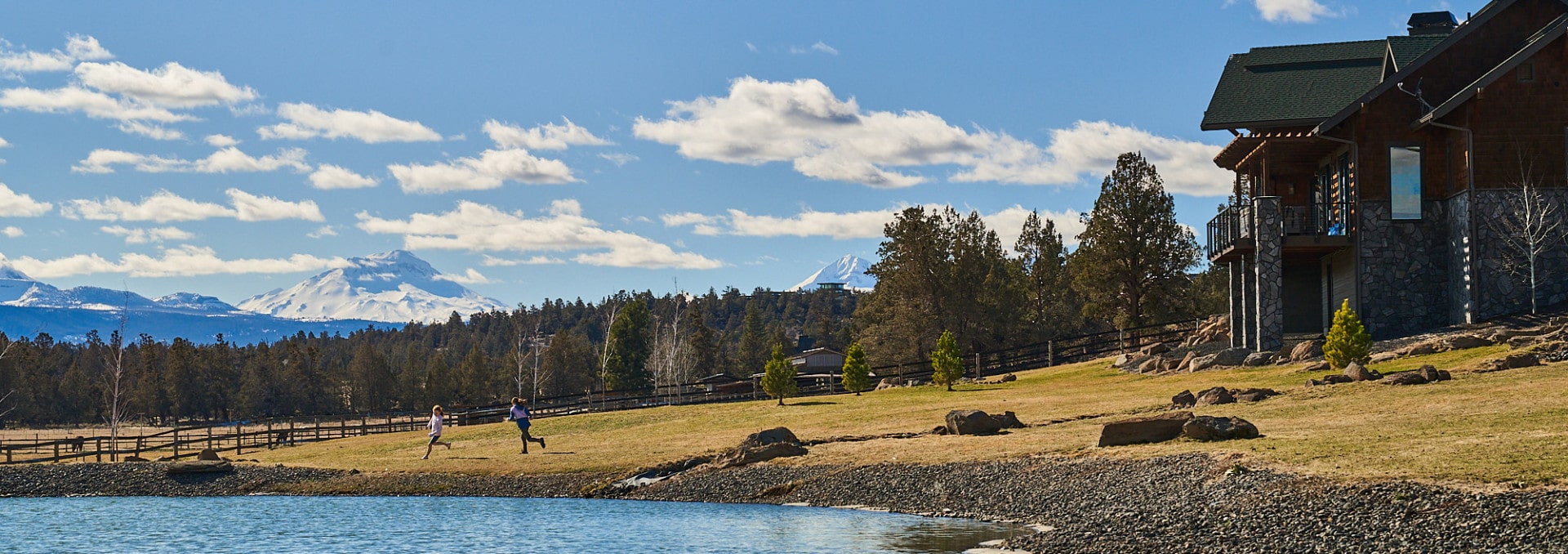
Tumalo Family Farm
Bend, Oregon
This gorgeous Oregon hobby farm boasts two legal dwellings: a breathtaking 2017 Johannesen Builders custom build with countless luxury features, and the original 1927 remodeled/updated farmhouse with lots of charm. This offering includes 25± acres of TID irrigation rights, a 2016 built horse barn with 5-horse stalls, tack room, hay storage and wash stalls, a large 60± ton hay barn, perimeter fencing, water feature, pond, and fully landscaped. This is not just a “package”; it is THE PACKAGE!
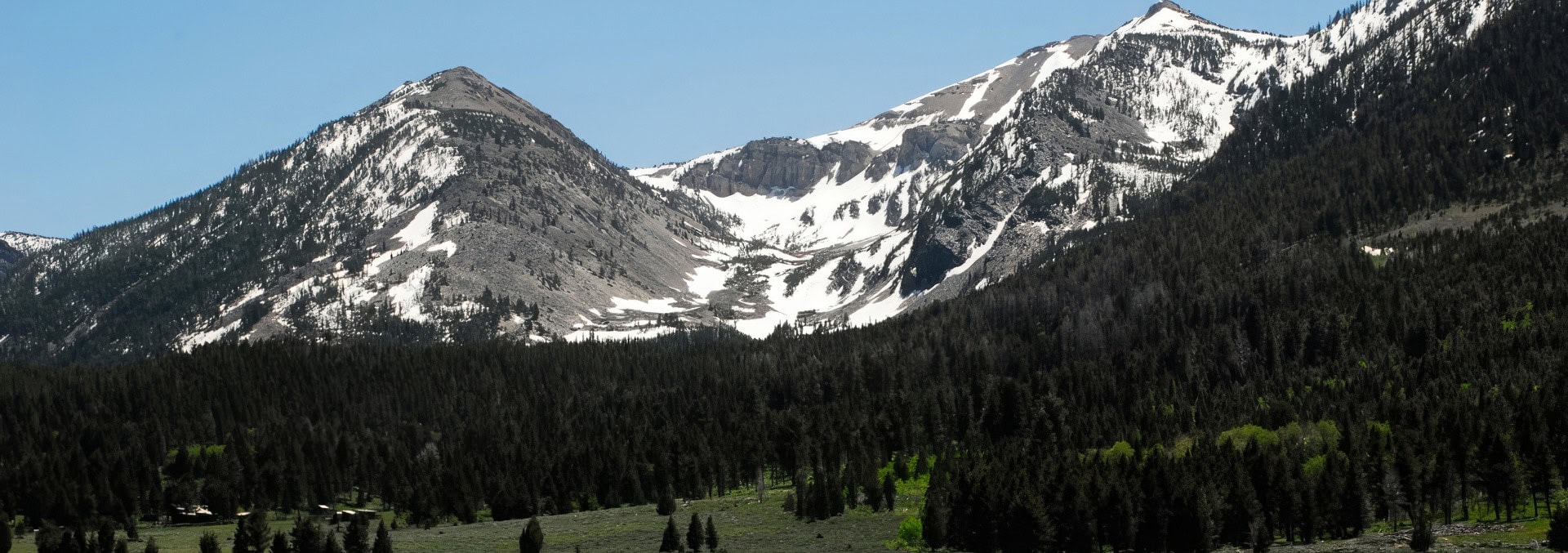
Roaring Creek Ranch
Lima, Montana
Located in the Centennial Valley, this ranch boasts unparalleled mountain and valley views. Mountains loom over the ranch, with two springs, numerous wooded areas and improvements including a horse corral and off-grid compound.
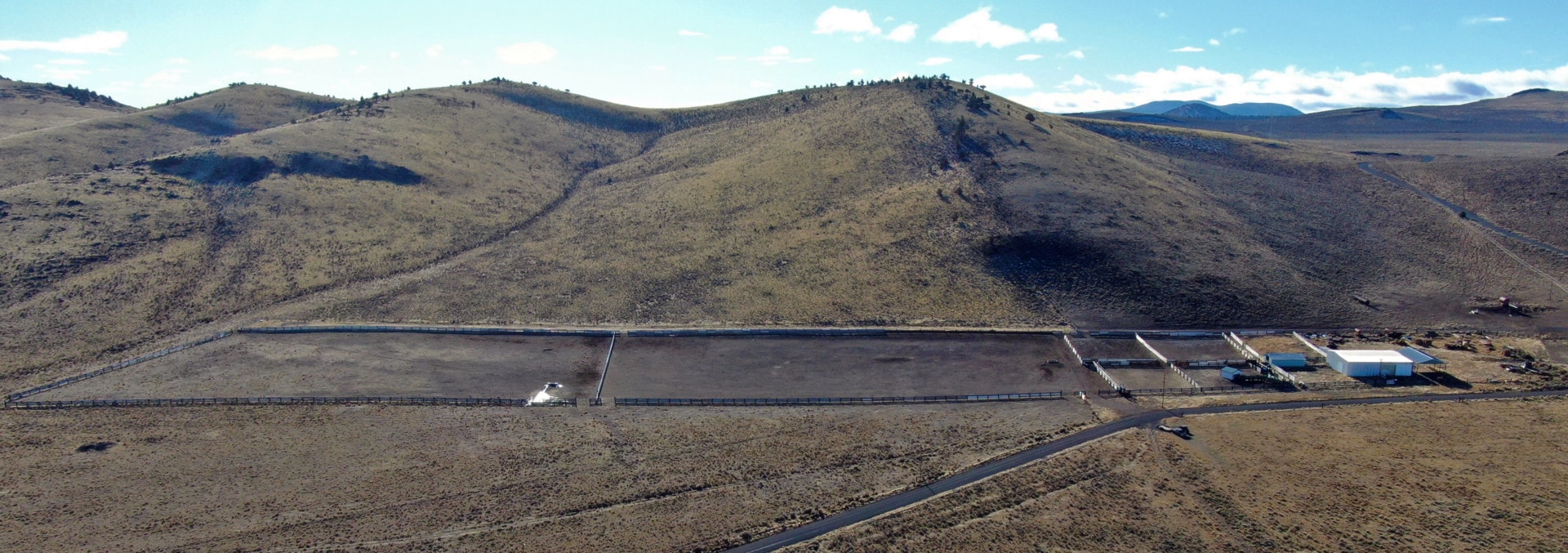
Moffitt Desert Ranch
Brothers, Oregon
With over 93,000± acres of deeded, BLM and U.S. National Forest grazing land in Oregon, this is the perfect high desert cattle ranch. All the deeded acres and grazing allotments are contiguous, making this an easy out-the-gate operation. Depending on the year, this ranch has run annually 500± mother cows with an average feeding of one ton of hay per winter. The current owner has run the entire operation by himself for many years. This is an easy “out of the gate operation.”
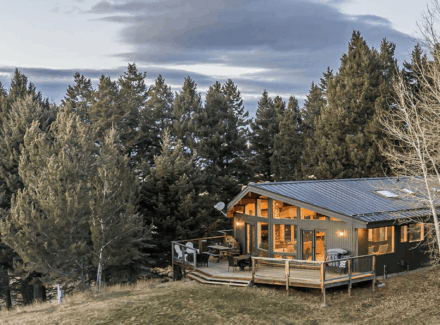
Double G Montana
Belgrade, Montana
This property nestled at the base of the iconic Bridger Mountain Range in Montana, offers an opportunity to own a mountain retreat at the end of a quiet road, blending luxury, nature, & privacy. This serene property boasts 690± feet adjacent to National Forest, granting direct access to thousands of acres for outdoor adventure. With multiple improvements surrounded by breathtaking views of the Gallatin Valley, you’ll experience unforgettable sunrises & sunsets from your very own mountain oasis.
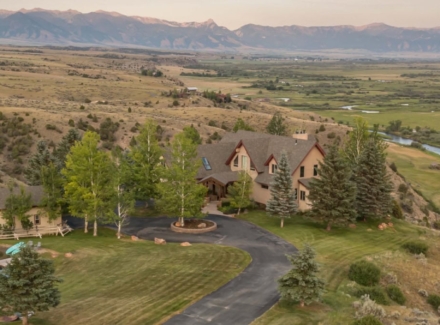
Rio Vista
Manhattan, Montana
Overlooking the East Gallatin River, this property boasts a 7,890± SF custom home, guest apartment, shop and barn, stables, corrals, and a stocked pond. The Gallatin River Ranch community offers a horse facility (privately run business), 2,000± acres of open space, and 2.5± shared Gallatin River miles with private fishing access. Wildlife are abundant, including white-tailed deer, pheasants, Hungarian partridge, waterfowl, and bald eagles. Only 30± minutes from Bozeman and its amenities, this is a true legacy property.
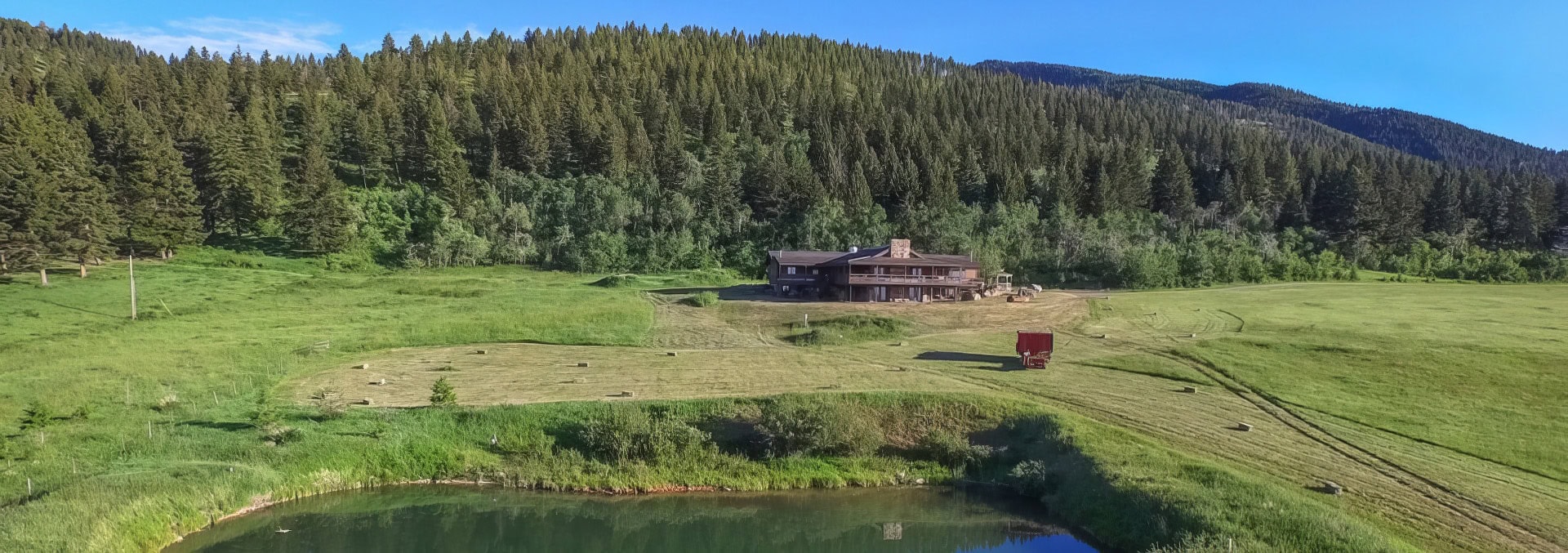
Gallatin View Ranch
Bozeman, Montana
Within 15 minutes of Bozeman, MT, yet surrounded on 3 sides by State land, this property is made for the recreational enthusiast! The breathtaking views of Bozeman’s Gallatin Valley and Bridger Mountain Range make this property one of a kind.
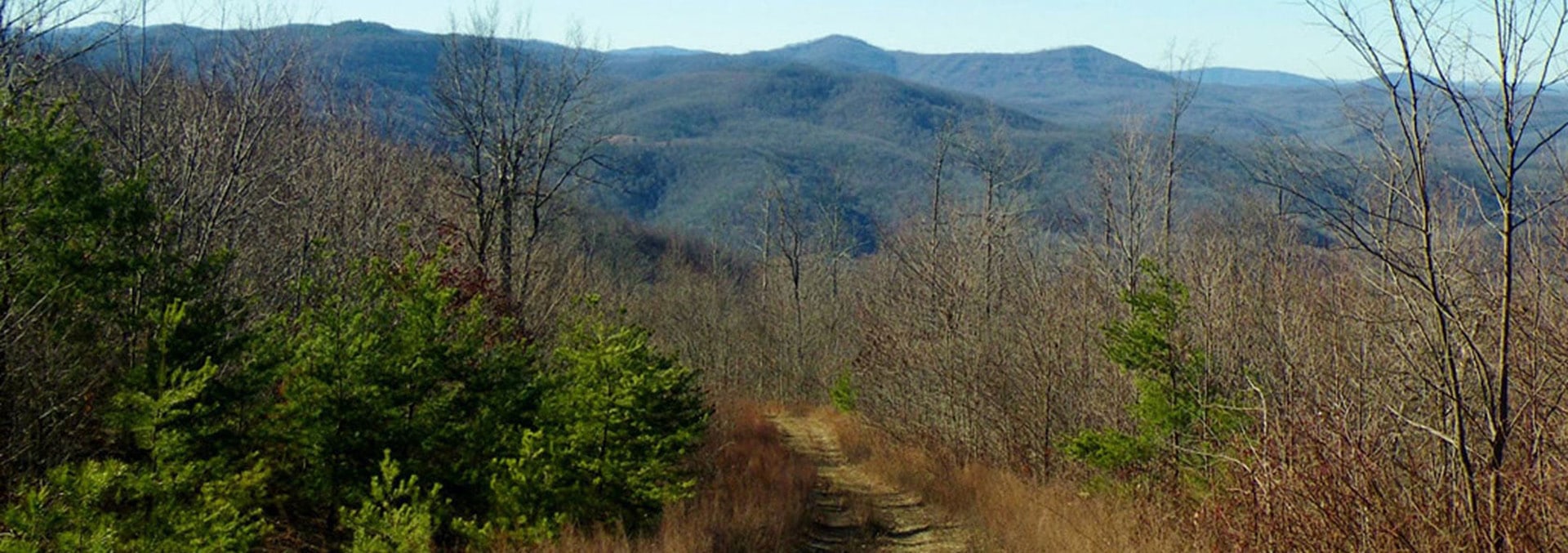
The Dean Tract
Huntsville, Tennessee
An investment-grade, beautiful Tennessee mountain property of raw land on the Northern Cumberland Plateau consisting of hardwood timber, mineral reserves, exceptional viewsheds, and wildlife including elk, deer, and turkey.
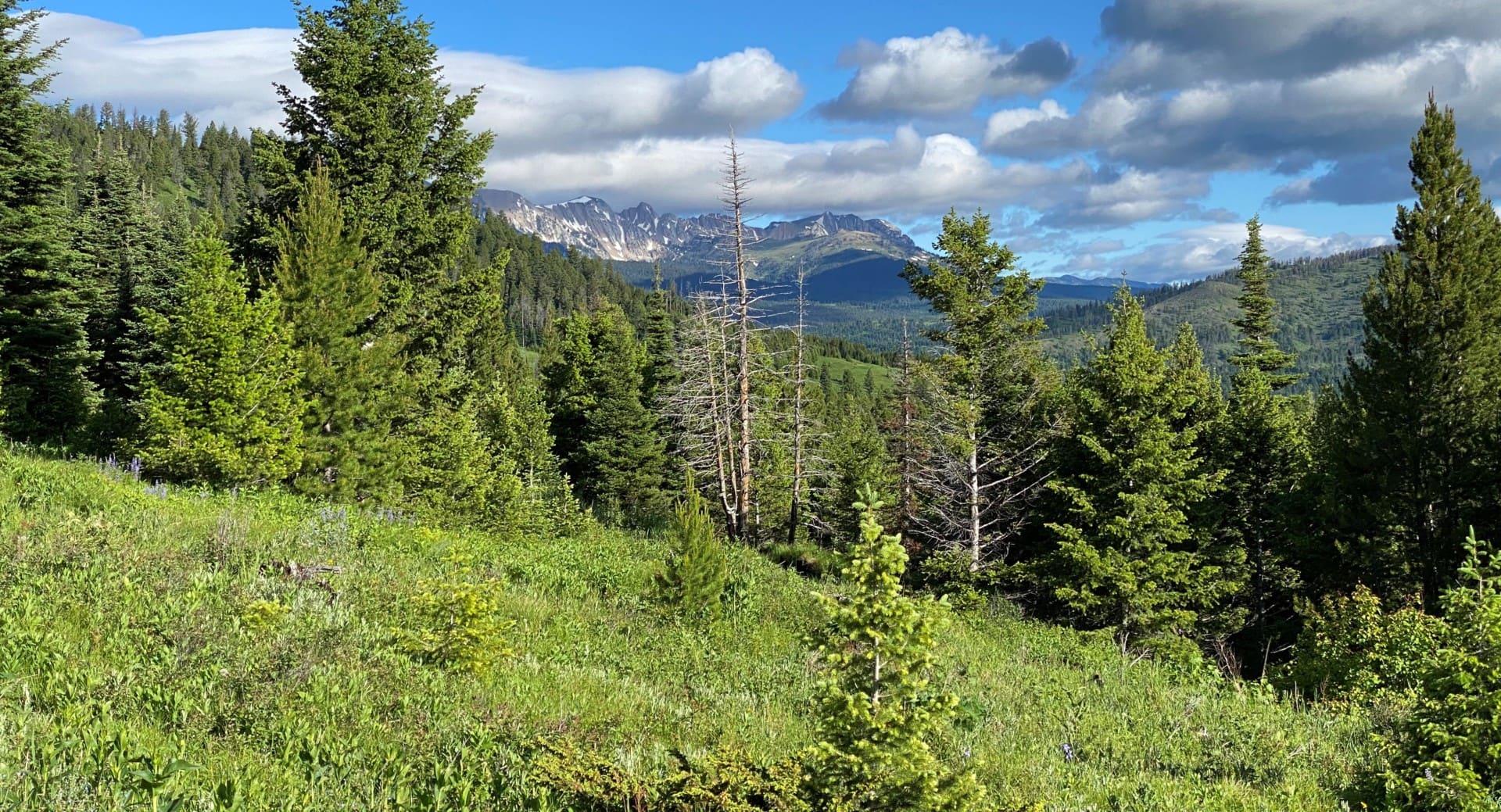
Bangtail Mountain Highlands
Bozeman, Montana
Bangtail Mountain Highlands is tucked in the trees at the base of Grassy Mountain in the Bangtail Mountains. A total of 547± acres make this property a rare find in the heavily developed area of Bridger Canyon. To add to the vastness of the property, it is bordered by Forest Service on three sides.
Linehan Outfitting
Libby, Montana
Near the town of Libby, in a pristine and less-discovered area of Montana rich with fish and wildlife, Linehan Outfitting operates from their Kootenai River Lodge along the Kootenai River. The lodge serves as the perfect launch point for guests, who can relax and enjoy the sights and sounds of the river between their hunting and fishing adventures. Linehan Outfitting is one of the few businesses in the industry offering a full range of hunting and fishing packages year-round.
BT Equestrian Ranch
Perry, Utah
Located on a scenic valley bench in Perry, Utah, this property combines luxury, privacy, and accessibility. It offers a serene retreat at the end of a quiet road surrounded by vast state and federal land. Highlights include a stunning home designed for breathtaking views and an impressive 15,200± square foot horse arena with a kitchenette, bathrooms, and a viewing platform. It also includes a shop, a piped irrigation system, stables, and a live stream, all contributing to a tranquil atmosphere.
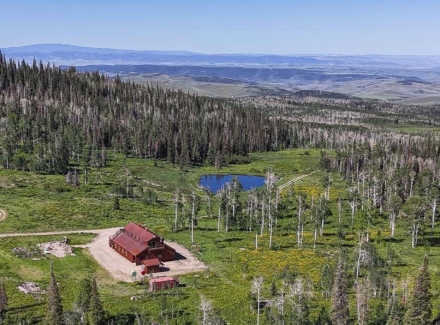
Yellow Dog Ranch
Hayden, Colorado
Located in Northwest Colorado’s prime elk migratory corridor, this diverse recreational property offers timber, meadows, ponds, and springs with adjudicated water rights. A custom barn includes a heated shop, kitchen, and private living quarters. Stocked ponds, big game habitat, and nearby USFS access make it ideal for hunting and family recreation. Trails lead to Steamboat Lake and beyond. Designed with care, it’s a fully developed, turnkey retreat built for lasting family memories.
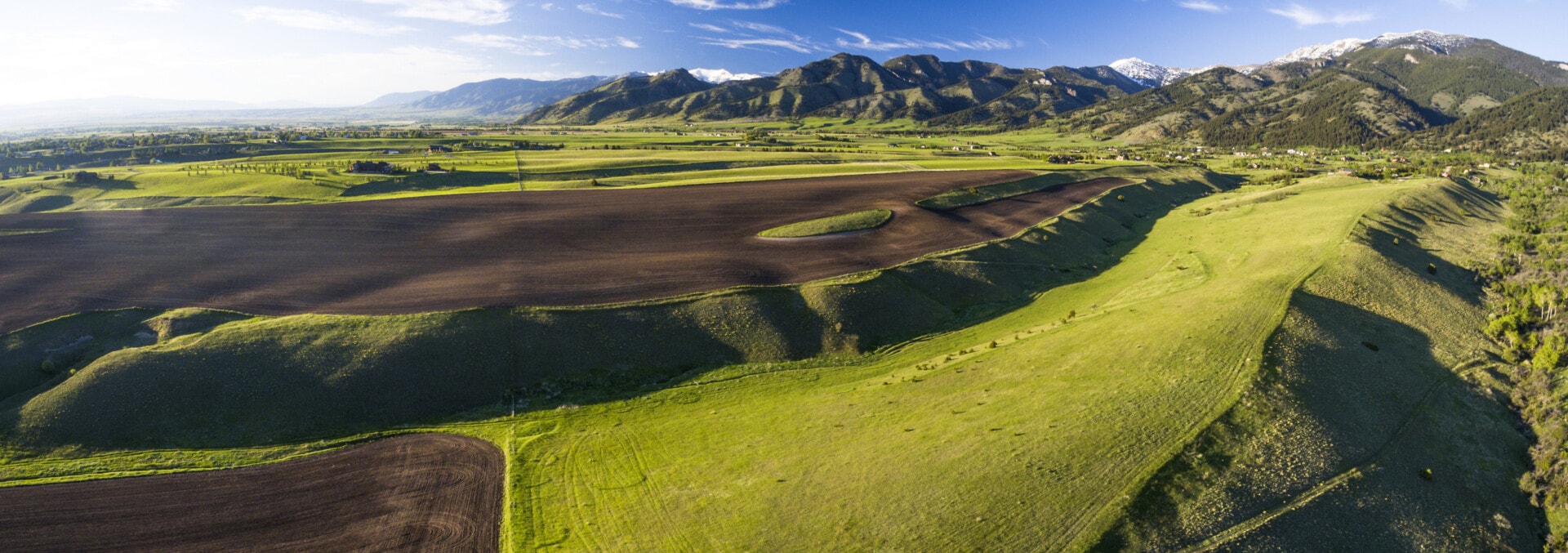
Aspen Draw at Bridger Shadows Farm
Bozeman, Montana
This property is a stunning 240± acres that encompasses some the Gallatin Valley’s most picturesque land. Numerous building pockets are perfectly sited to take in the mountains above or the valley below. The Bridger Mountains provide a stunning melodic backdrop with 360-degree views of the entire Gallatin Valley.
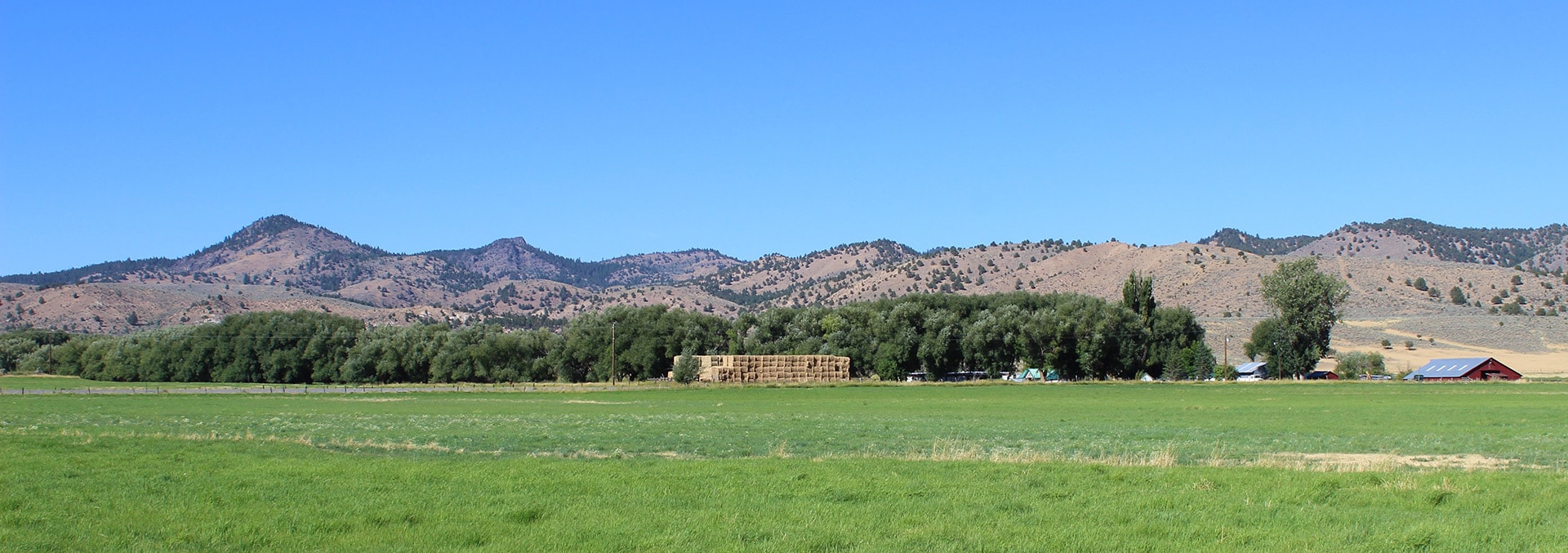
Cottonwood Ranch
Unity, Oregon
An opportunity to run cattle on a family-sized operation in a stable ranching community. With 450 acres of irrigation and reliable water, this ranch is located in prime Oregon ranching country and is just 7± miles to town and school.
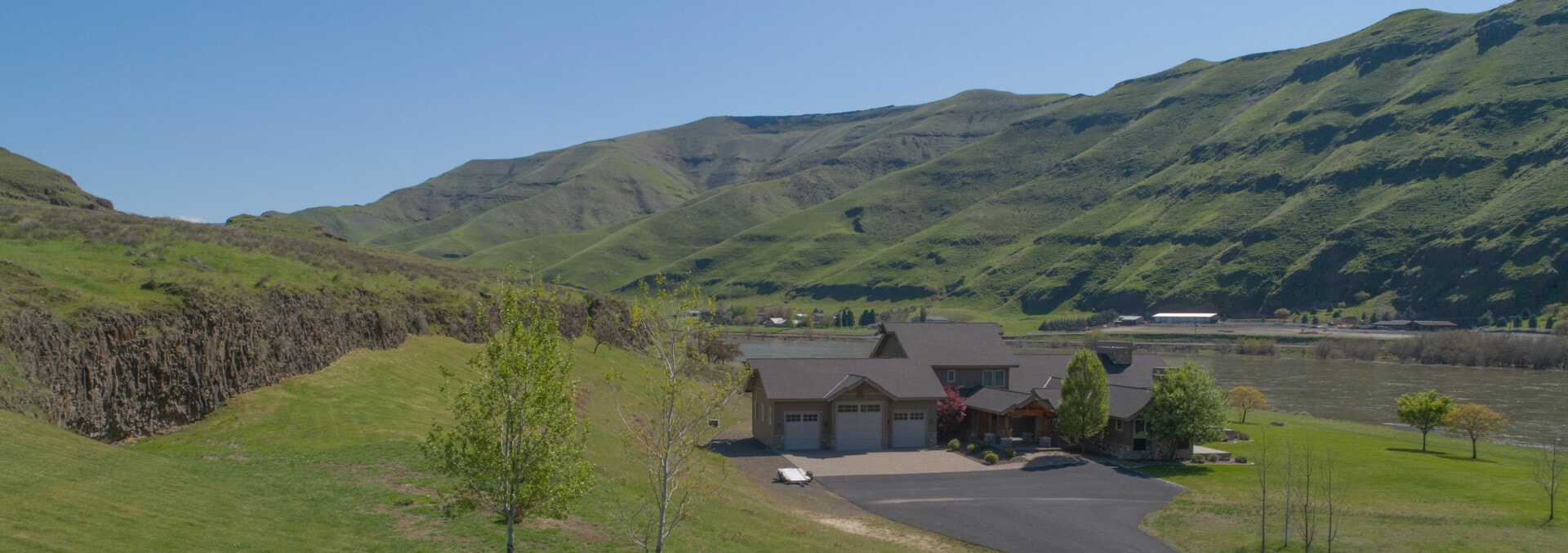
Ten Mile Creek Ranch
Lewiston, Idaho
This one-of-a-kind property offers world-class salmon, steelhead, sturgeon and bass fishing right out the front door, as well as excellent upland bird and trophy mule deer hunting. The ranch’s steep cliffs are home to hundreds of bighorn sheep and various species of birds including chukar and golden eagles, making for exciting year-round wildlife viewing.
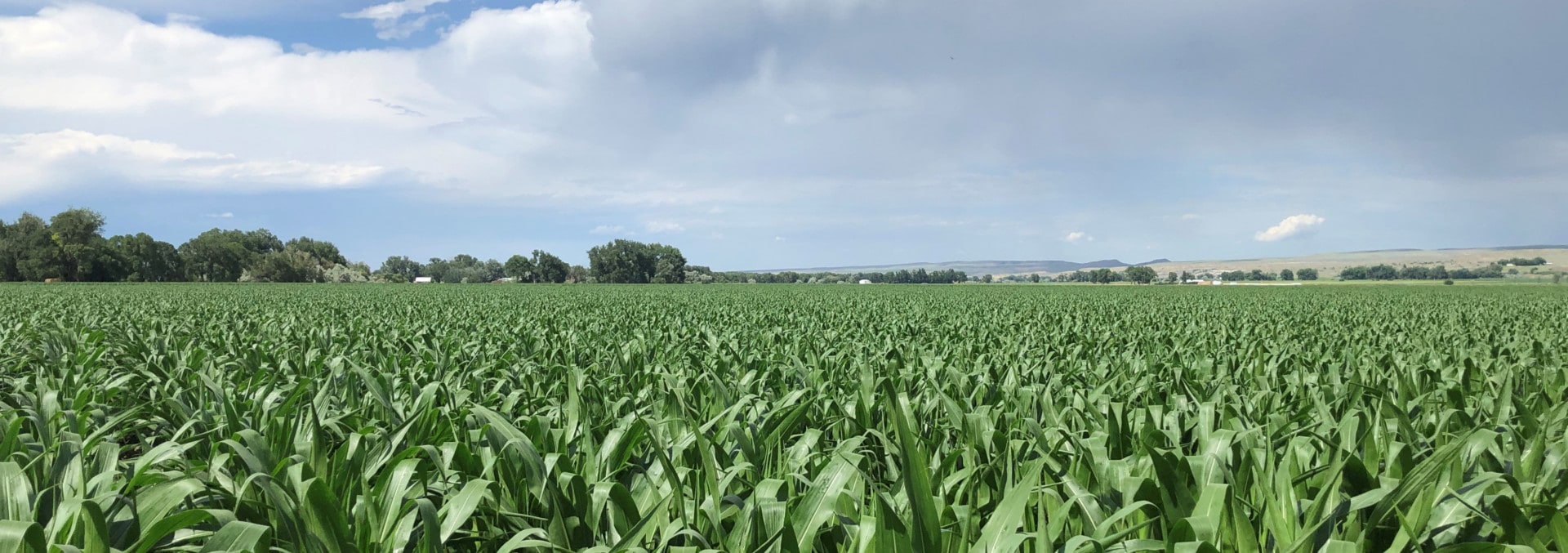
Spencer Irrigated Farm and Feedlot
Fromberg, Montana
Located on the Clark’s Fork River, this productive farm and feedlot boasts 2.3± mi. of river frontage, providing wildlife habitat. The riverbank is covered in cottonwood trees, willows, and grass, perfect for hunting mule/white-tailed deer, dove, pheasant, waterfowl, and turkey. The Orchard Canal flows through the farm, irrigating the income-producing alfalfa, corn, and malt barley fields. With Beartooth Mountain views, this farm is private yet is only 40± minutes from Billings and its airport.
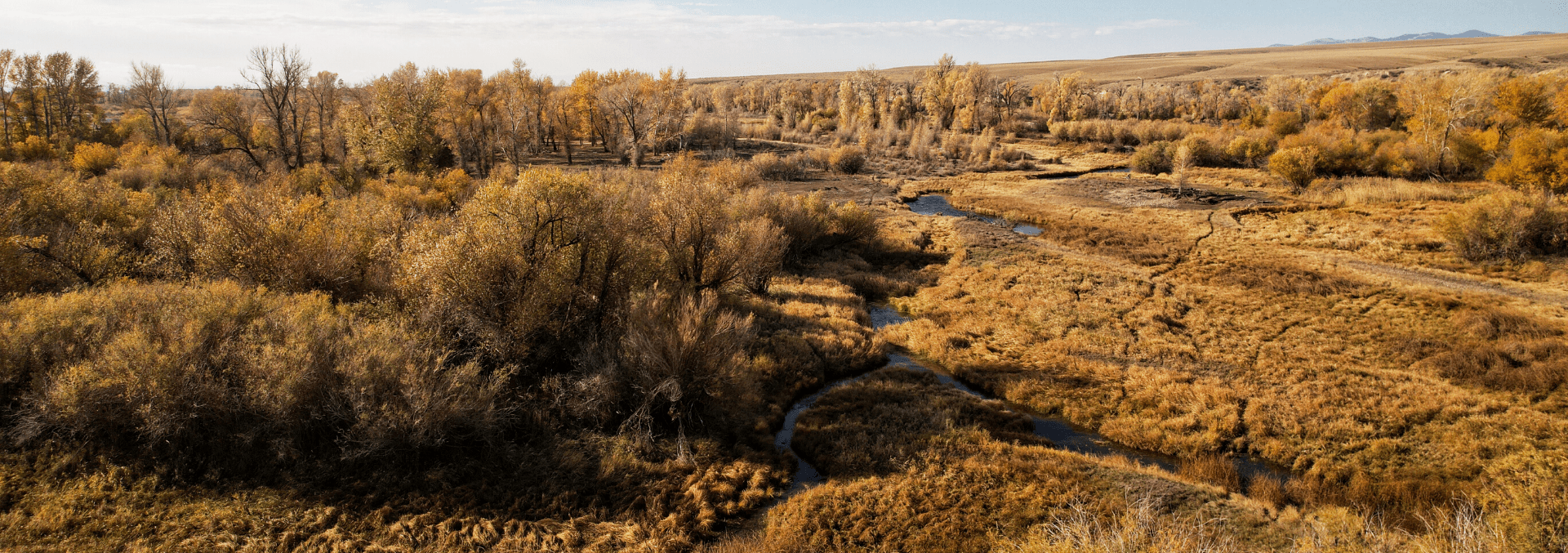
Jefferson Sporting Ranch
Twin Bridges, Montana
Jefferson Sporting Ranch is located a few minutes from the small town of Twin Bridges, Montana. Hay meadows, old cottonwoods, and a lush riparian area along the Jefferson River form the 219± acres. This ranch has all the ingredients of a quality recreational ranch, offering trophy-class whitetail deer hunting, turkeys, pheasants, incredible waterfowl and fly angling pursuits.
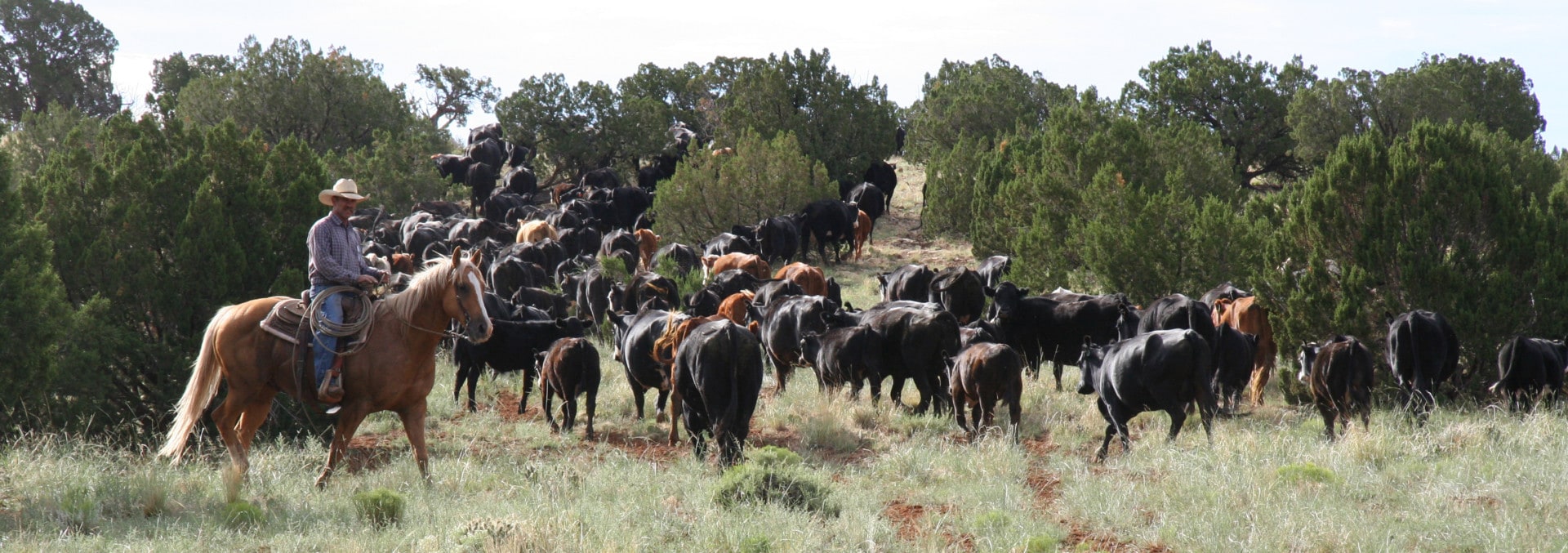
Ox Yoke Ranch
Holbrook, Arizona
If you are a discerning cattle operator looking for an Arizona ranch that “makes sense,” Ox Yoke Ranch is well-improved and presents an opportunity to acquire a “Big-Country” outfit with significant capacity that is a comparatively low-cost operation with good income potential. Aside from the 1000s of acres of the ranch to enjoy, Sitgreaves National Forest is adjacent for more exploring or hunting with elk, pronghorn antelope, mule and whitetail deer, black bear, turkeys, and mountain lions.
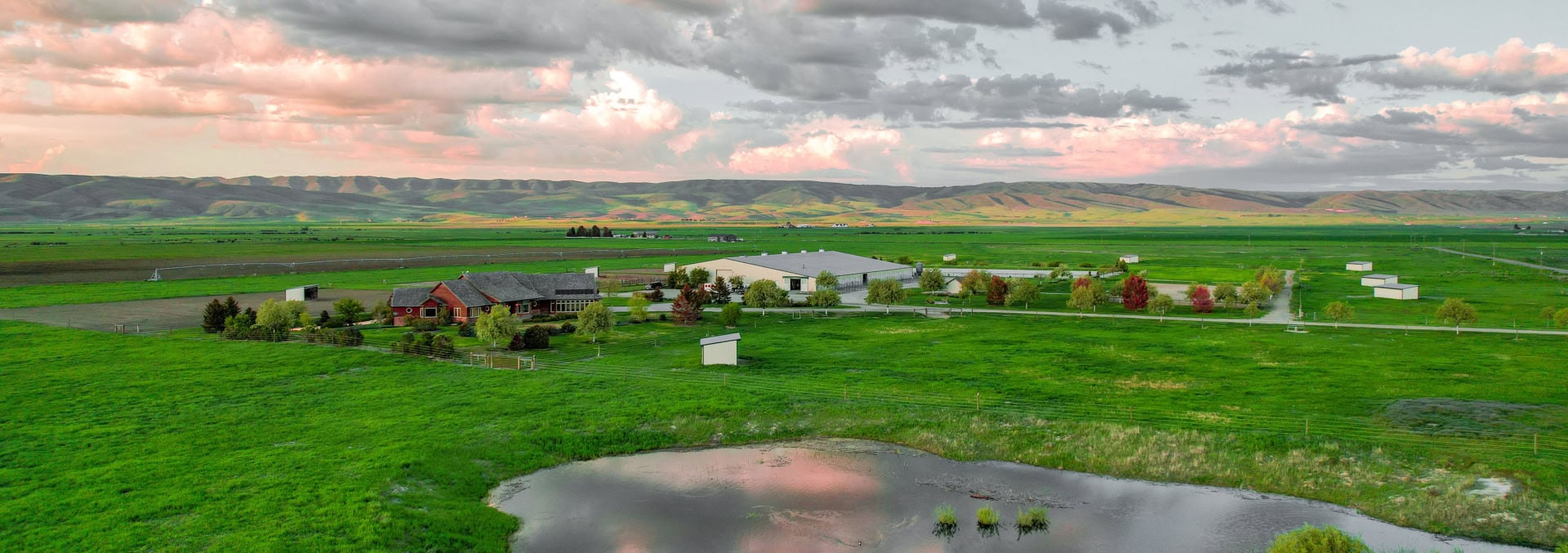
Knox Farm Equine Center
Chesterfield, Idaho
This Idaho equestrian property provides an exceptional chance to blend a commercial equine training center with an equally magnificent and spacious home. Situated in Chesterfield’s historic farming and ranching community, it is a piece of history along the Oregon Trail. The location is the perfect private or commercial equine operation facility. This is a turnkey setup for breeding, training, boarding, riding instruction, shows, clinics, or any form of pleasure or competitive riding.
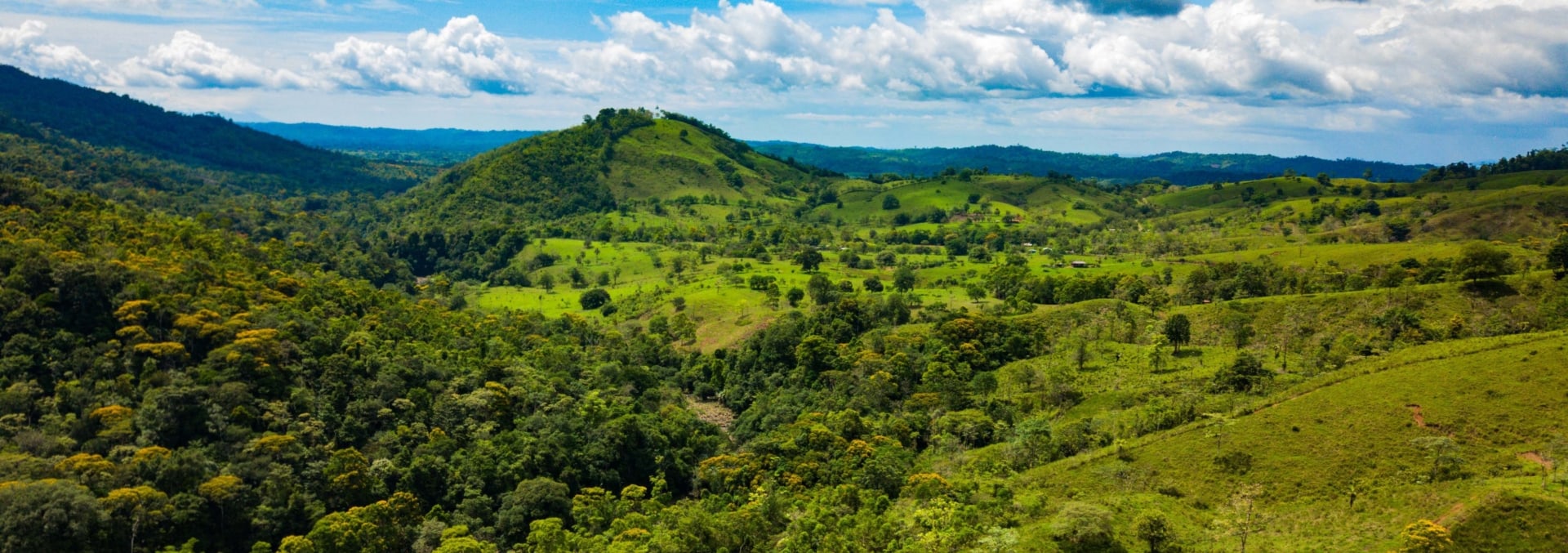
Hacienda Los Gauchos
Cuatro Bocas, Costa Rica
Hacienda los Gauchos in Costa Rica will leave a buyer with the local feeling of “Pura Vida,” which is to say, a “happy life.” The land itself provides a self-sustaining sanctuary providing safety and seclusion. Ag production delivers self-reliance through cash flow and fertility. Recreation creates relaxation, adventures, and memories. With vista views of national parks, Lake Nicaragua, and fertile valleys, the chalet building sites are sure to ignite your vision.
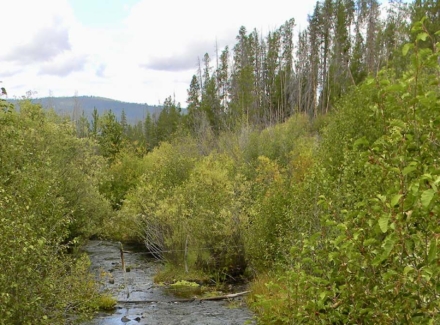
Phelan Creek Ranch
Salmon, Idaho
Located in Idaho’s Salmon National Forest, this ranch offers a unique hunting retreat surrounded by public land. With 472 acres of water rights from Phelan and Pony Creeks, it supports diverse wildlife, including elk and deer, creating a hunter’s paradise. The property features two rustic cabins, one by the creek, and is fully fenced for cattle grazing. It boasts stunning scenery and year-round access. Close to Leesburg & Salmon, it’s an ideal sanctuary for nature lovers and outdoor enthusiasts.
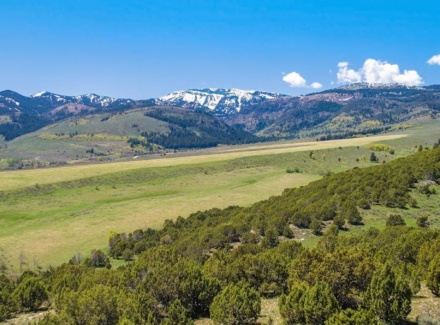
Mill Canyon Ranch
Malad Summit, Idaho
Set atop Malad Summit with panoramic views of the Portneuf and Bannock Ranges, this property offers year-round access, strong big game and upland bird hunting, and a year-round creek for wildlife and grazing. Adjacent to 50,000+ acres of National Forest, it supports hay production and outdoor recreation. Located near Devil Creek Reservoir and just under two hours from Salt Lake City, it balances seclusion and accessibility for agriculture, sport, or retreat.
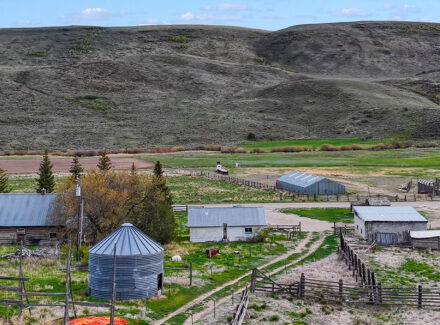
Medicine Lodge Creek
Dubois, Idaho
Straddling both banks of a historic waterway, this Idaho ranch delivers a rare blend of irrigated farmland, private creek frontage, and direct BLM access for boundless riding and exploration. Senior water rights dating to the 1880s support livestock and crop production, while elk, deer, moose, and upland game thrive across diverse terrain spanning two hunting units. A conservation easement permits a residence, preserving this legacy landscape for generations of Western outdoor living.
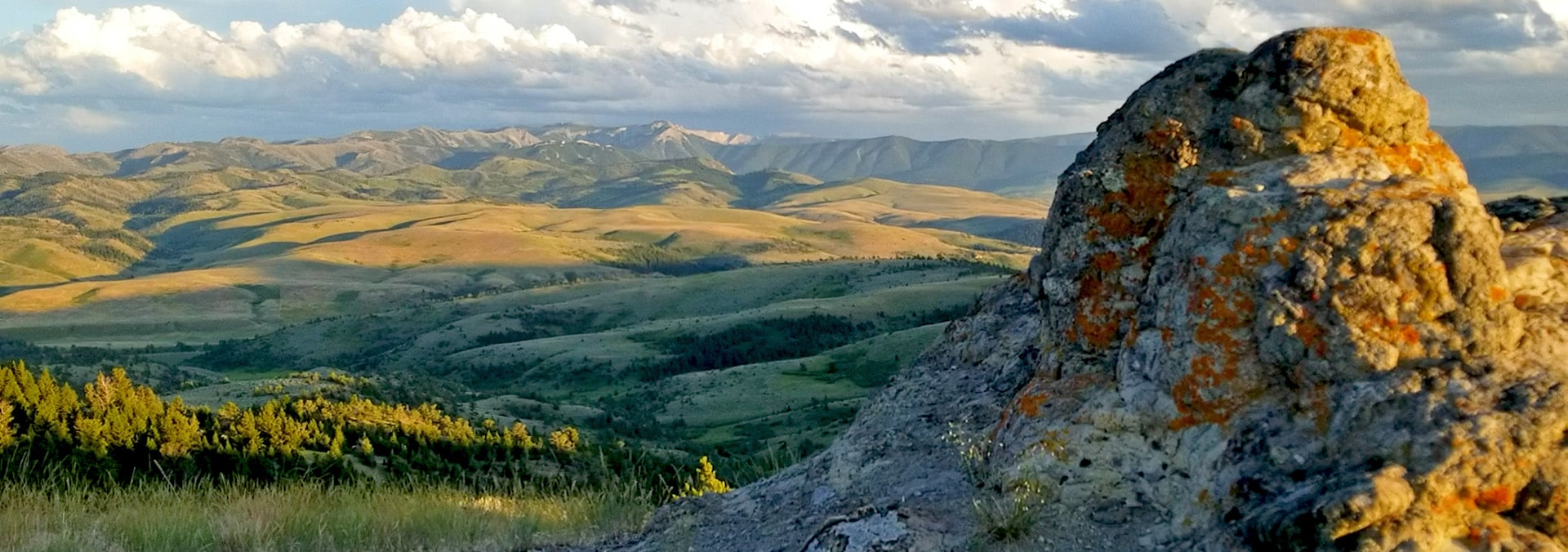
McLeod Highlands Ranch
McLeod, Montana
Within some of the country’s most breathtaking scenery lies the McLeod Highlands Ranch. This is a rare opportunity to own one of the West’s most beautiful and naturally wild experiences. The property provides a window to the very best of the Northern Rockies and a privileged place in nature alongside one of America’s great wildernesses.
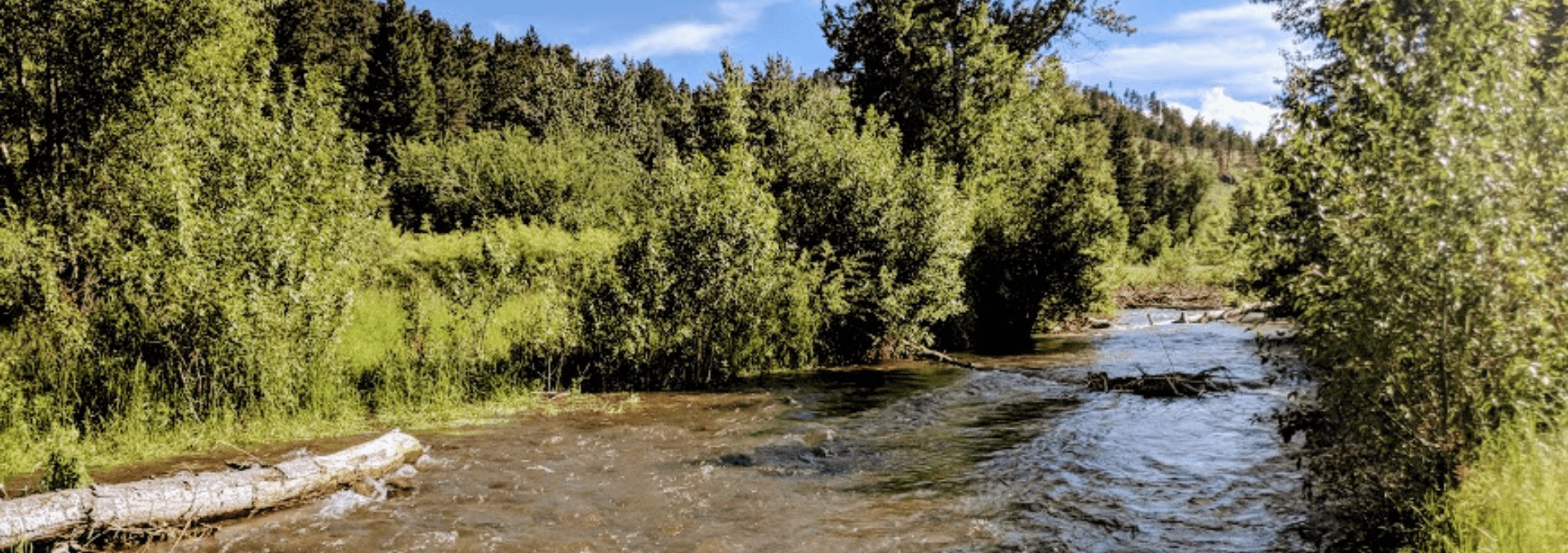
Silver Creek Elk Preserve
Big Timber, Montana
Offering some of the finest wildlife viewing and elk and Big Game Hunting opportunities in Montana. With excellent water sources, abundant wildlife populations and deeded land presented in a blocked-up configuration, the Silver Creek Elk Preserve Ranch is a prime candidate for a conservation easement, which if implemented would provide enormous tax benefits to the buyer.

Paradise View Lodge
Livingston, Montana
Just 10± minutes from Livingston, this home sits atop a ridge, providing views of the Paradise Valley and the Absaroka Mountain Range. No expense was spared when building this 9,778± SF, 6 bed, 7.5 bath home, which includes an attached guest home. A pond and stone waterfalls lie just behind the home with a walkway built for morning and evening strolls. Nearby Fleshman Creek drainage and State Land offer appealing viewsheds, as well as cover, travel corridors, and access to food and water that entice an abundance of wildlife.
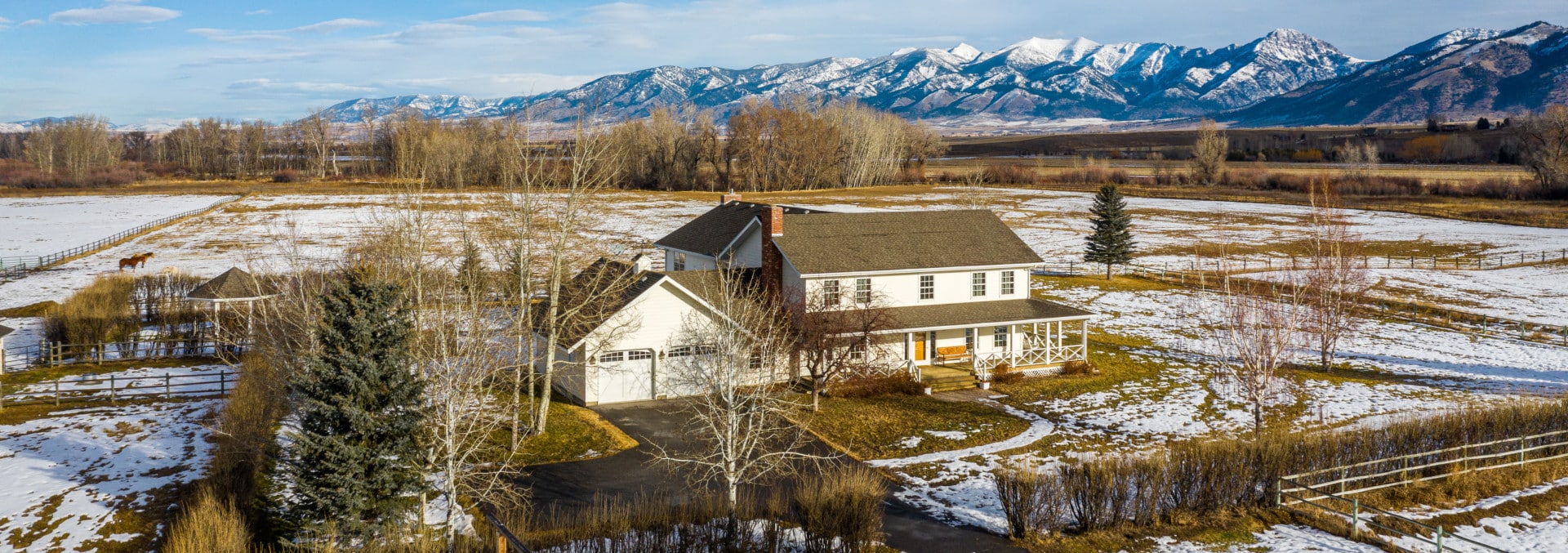
East Gallatin River Farmhouse
Bozeman, Montana
This 20± acre riverfront getaway with private fishing access on the famed East Gallatin River is located just 10± minutes to downtown Bozeman, Montana, 10± minutes to Bozeman Yellowstone International Airport, and 25± minutes to Bridger Bowl Ski Area. The country estate blends seamlessly into the bucolic setting, boasting a barn, loafing shed, and 4 fenced pastures, perfect for the equestrian enthusiast. The home totals 4,904± SF with 5 bedrooms, 4 full bathrooms, 1 three quarter bath, and 1 half bath.

Highland Ranch
Livingston, Montana
Between the vibrant mountain towns of Bozeman and Livingston, Highland Ranch sits in one of Montana’s most coveted recreational corridors. The property boasts awe-inspiring views of four mountain ranges—Crazy, Absaroka, Gallatin, and Bridger—framing every sunrise and sunset. From the expansive porches of the custom 4,111± square foot, three-bed, three and a half-bath home, watch elk graze, and golden light paint the peaks—this is mountain living at its most majestic.
King Ranch
Springville, California
Set in the Sierra Nevada foothills near Springville, this California holding features oak-dotted rangeland, irrigated pastures, and extensive frontage on the Tule River. The main home showcases quality craftsmanship, supported by multiple guest residences and a versatile workshop. Reliable water from wells, springs, creeks, and surface rights strengthens operations. Numerous parcels, a grazing permit, and abundant wildlife add meaningful flexibility, recreation, and long-term potential.
Pine Creek Ranch
Huson, Montana
Set in a pristine valley adjacent to national forest lands and conservation easements, Pine Creek Ranch offers a mountain retreat with minimal improvements, preserving its rustic character. The property features diverse timber, a half‐mile± stretch of Pine Creek, lush bottomlands, grassy parks, and a hay meadow. Often hosting elk and deer, this ranch provides fly fishing, big-game hunting, and additional acreage opportunities, making it a rare find. Additional adjacent acreage is also available.
Sky Band Retreat
Livingston, Montana
This property, between Bozeman and Livingston, Montana, at the southern base of the Bangtail Mountains, boasts commanding views of four surrounding mountain ranges, diverse topography, multiple springs, and native vegetation combined to provide an ideal wildlife haven. The 2,138± SF, three bed, two bath, custom log home offers a blend of natural beauty, tranquility, energy efficiency, and recreational opportunities, making it an appealing choice for those seeking a picturesque living experience a short distance to amenities.
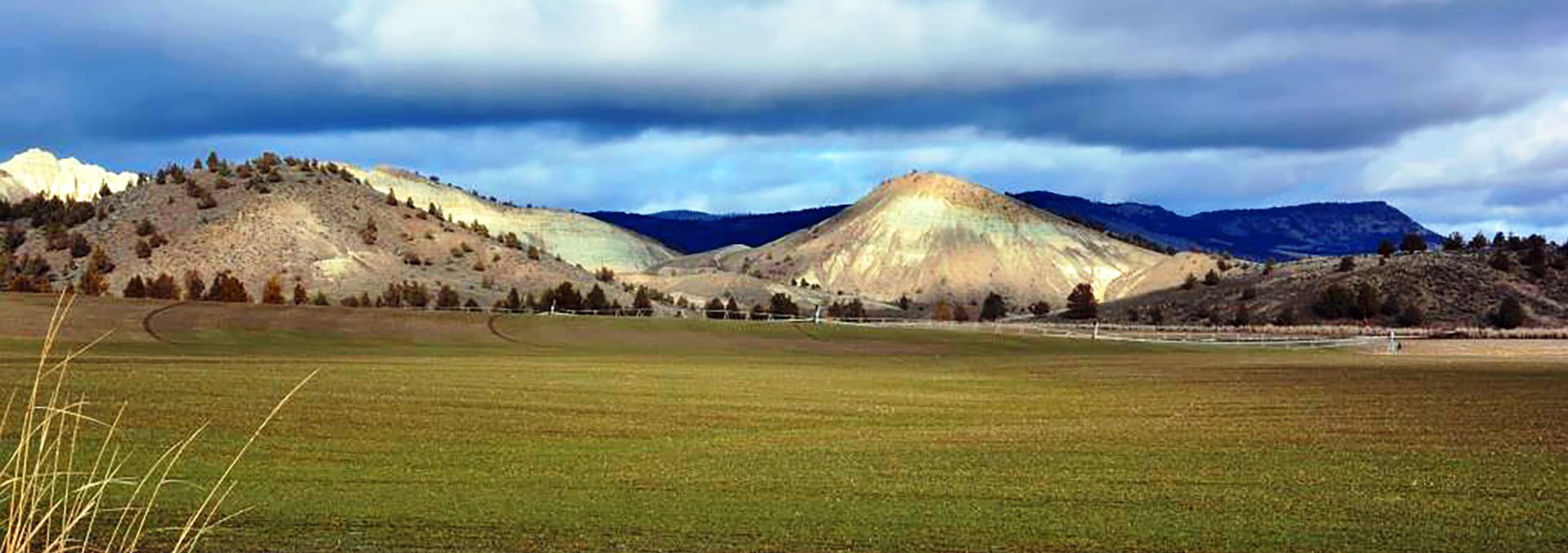
96 Ranch
Prineville, Oregon
An awesome location just a little over an hour from Bend, Oregon. This ranch is an ideal summer ranch or year-round operation. The improvement’s feature a nice main house, a large second home with plenty of ranch-hand housing, a great shop, hay storage and a horse barn.

Logan Butte 96 Ranch
Prineville, Oregon
Big game hunting, out the gate BLM and National Forest permits with very productive hay grounds all within an hour from Bend, Oregon! With unlimited recreational access, a fully functioning cattle ranch and an updated ranch home, this ranch is one of a kind!
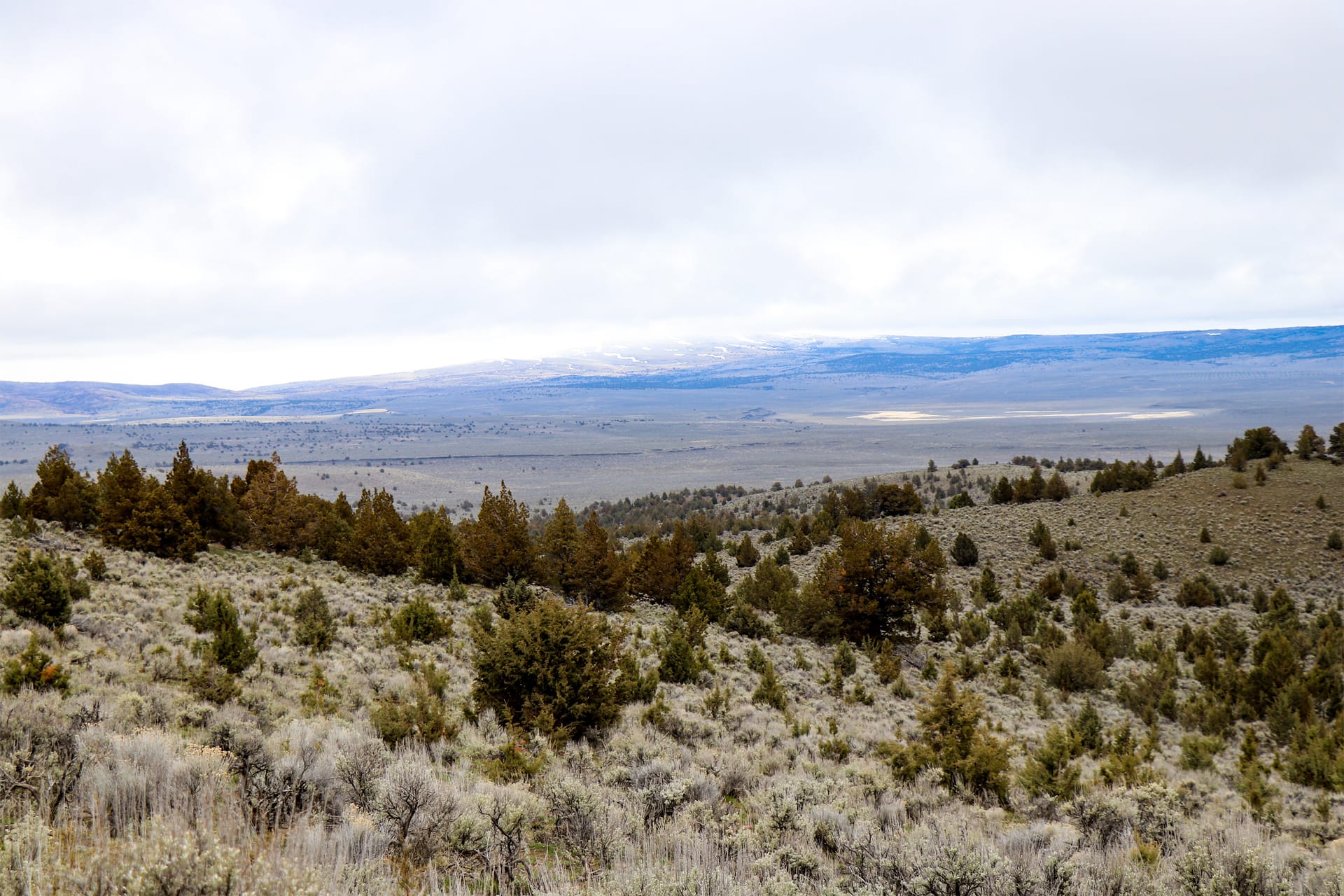
Glass Butte Ranch
Hampton, Oregon
This is an efficient, outside, desert cattle operation in Oregon with a huge deeded base. Cattle are out most of the year. There are 15,326± deeded acres combined with a large BLM permit with 4,346 AUM’s. This ranch is fenced, cross-fenced, and has been in operation for many years. This is a desert, year-round cattle operation. There is no irrigated hay ground. Stock water is provided using some pipelines from wells, stock water ponds, developed springs and water truck hauling.
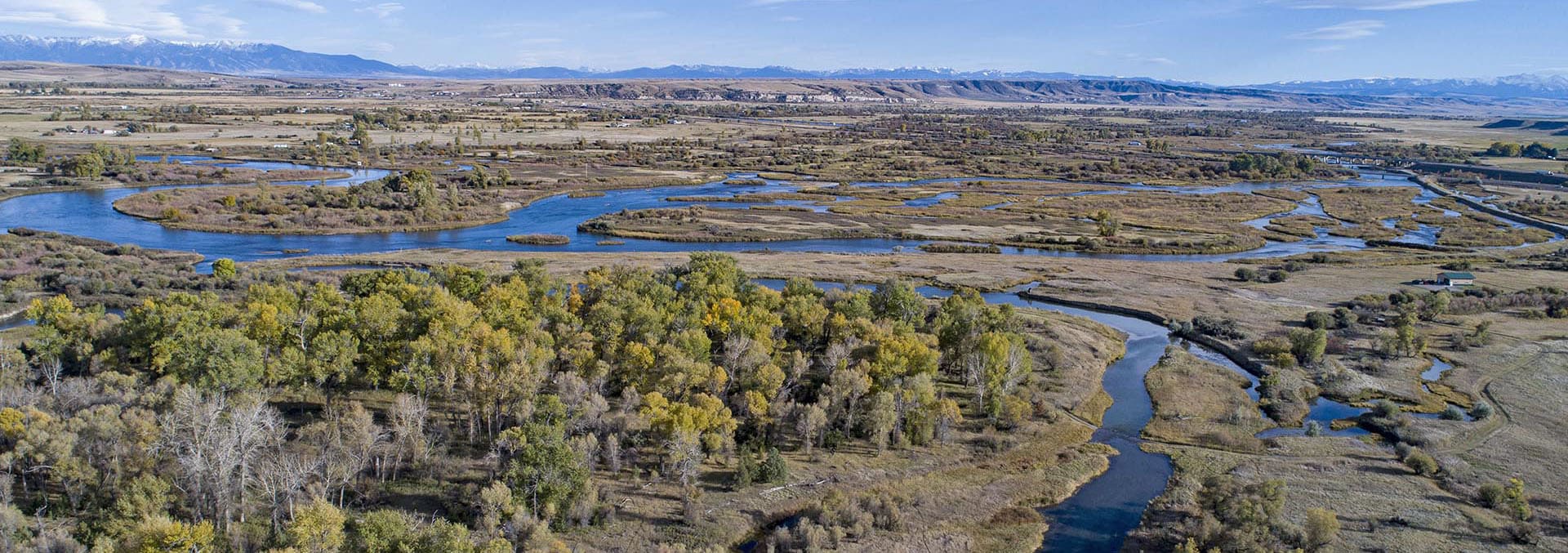
Madison Bend Ranch
Three Forks, Montana
A Montana sportsman’s paradise boasts fantastic fishing and hunting. This premier recreational property has direct access to the Madison River, multiple springs, sloughs, and high-quality river bottom land. The habitat provides substantial food, and cover enhanced by cultivation for upland birds, waterfowl, and whitetail deer. Over 2± miles of combined Madison River main channel and Jefferson River braids offer deep, slow holes for large trout and more dynamic fishing and spawning habitat.
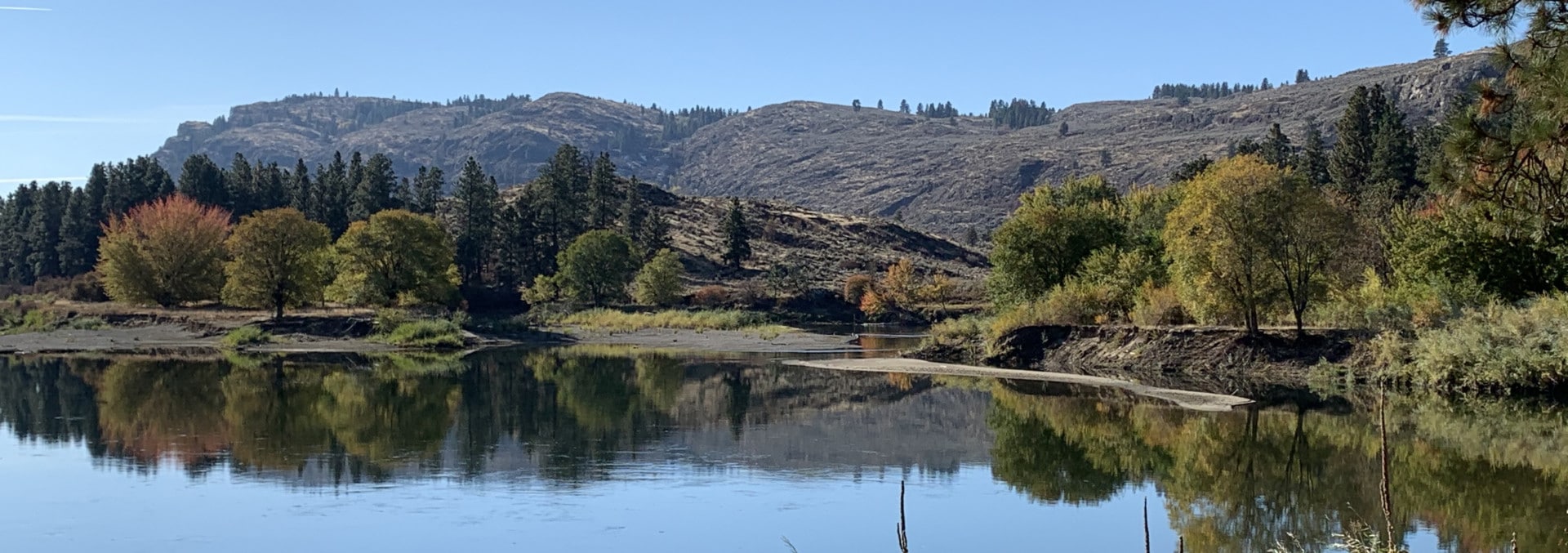
McLoughlin Falls Retreat
Tonasket, Washington
With over a mile of river frontage, the opportunity to get away to fish for steelhead, salmon, or smallmouth bass, or to hike the 3,000± miles of trails in nearby national forest lands, nature is everywhere in this beautiful Washington State property with incredible views of McLoughlin Falls from the shoreline. Local wildlife includes whitetail and mule deer, upland and shoreland birds, and numerous waterfowl. This property includes 54 separate parcels including a number with river frontage.
Peacemaker Ridge at The Ranches at Belt Creek
Belt, Montana
This Montana property boasts 18± acres of deeded land in a private recreational community. As an owner and member of the Ranches at Belt Creek, fishing opportunities are ample, with Belt Creek traversing through the community for 8± miles and the famous Missouri River just minutes away. Luxurious and secluded, a lifetime of possibilities is just outside your back door. This property is the ultimate find for those who want it all waiting for them when they drive through the gate.
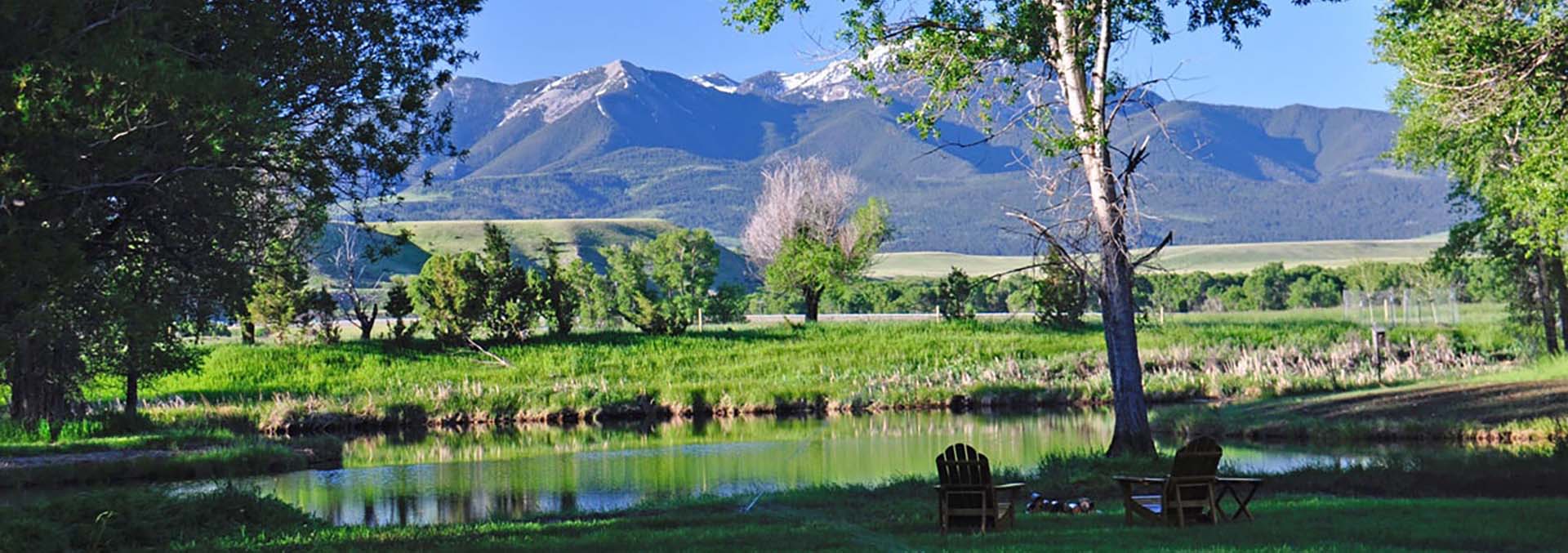
Yellowstone Preserve Ranch
Livingston, Montana
Rarely a ranch with as many recreational attributes in such a premier location comes on the market. The Yellowstone Valley has been the most sought after location because of its abundant wildlife and fishery resources.
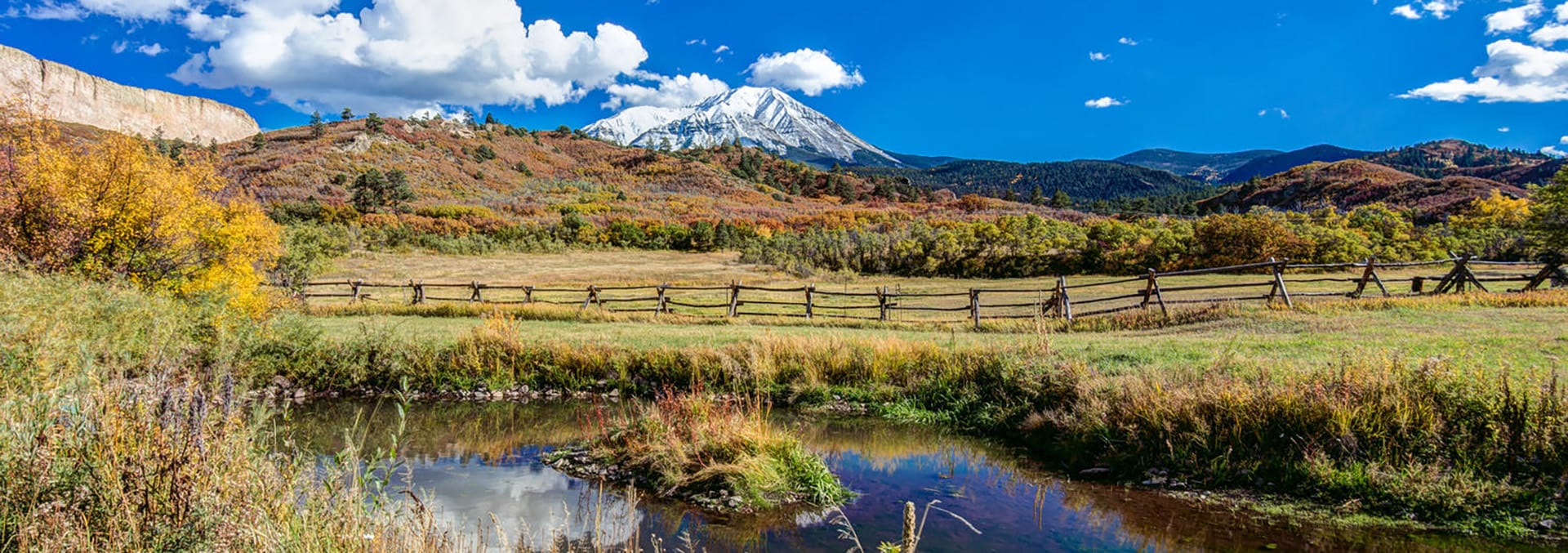
Escalera Ranch
La Veta, Colorado
Escalera has been called the premier ranch in southern Colorado, With its incredible location and dramatic views of the West Spanish Peaks, vertical dike wall formations and the Sangre de Cristo mountain chain that runs from Colorado to Santa Fe, New Mexico this stunning ranch property is the perfect combination of private retreat and productive land.
Clarks Fork Riverbend Ranch
Edgar, Montana
With nearly two miles of private river frontage along the Clarks Fork of the Yellowstone River, this ranch offers excellent hunting opportunities for whitetail deer, turkey, pheasant, and waterfowl, as well as spectacular views of the nearby Beartooth Mountains front range. The property features two homes, a shop, barn, feedlot, cattle pens, corrals, and loading/veterinary facilities. This ranch was unique to the market for its extensive riverfront and its proximity to Red Lodge and Billings.
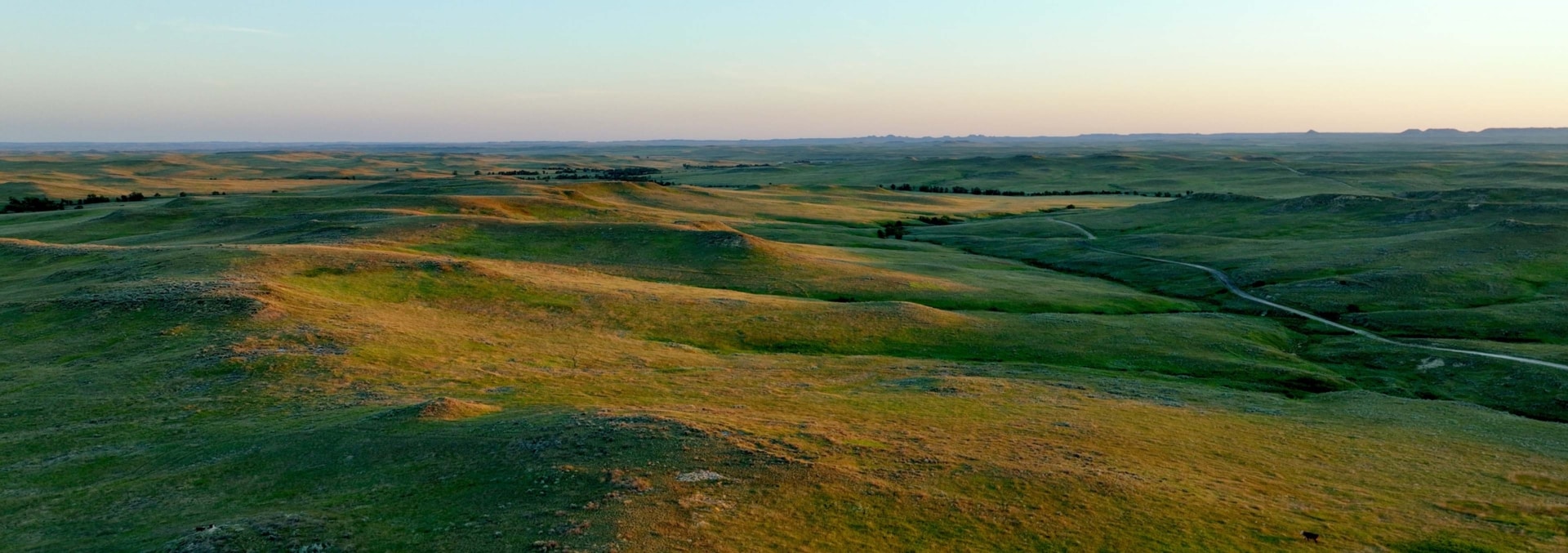
Ringling Ranch II
Ekalaka, Montana
For those who appreciate the quiet beauty of the outdoors, Ringling Ranch II in Montana is nothing short of a paradise. The sunsets paint the sky in hues of orange and pink, casting a warm glow over the endless grassy plains. The ranch possesses inherent qualities that make it a favorable addition to an established ranching endeavor. Similarly, it presents itself as an exceptionally promising property for individuals embarking on the journey of initiating their own cattle operation.
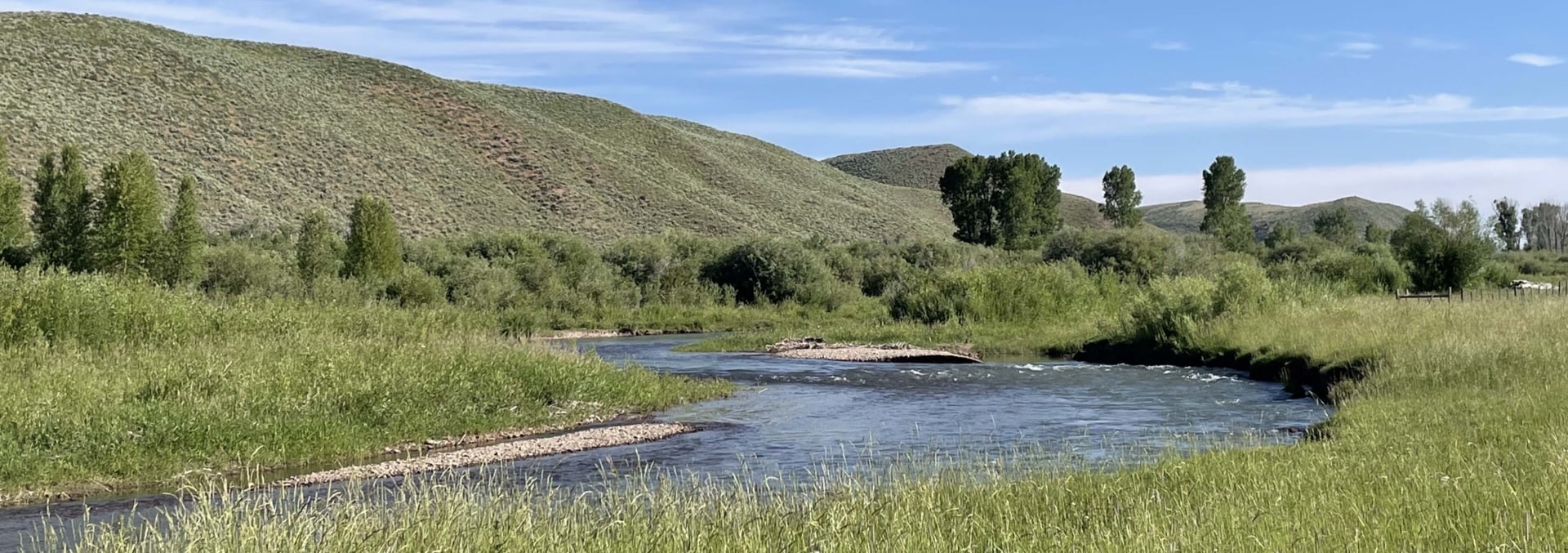
Smiths Fork Haven
Cokeville, Wyoming
The historic Wyoming ranch is a timeless family treasure that has been cherished for generations. This exceptional ranch offers a blend of irrigated farmland, improvements, and endless recreational opportunities with the Smiths Fork River meandering through the property. The fertile soil and a reliable irrigation system provide an excellent opportunity for crop cultivation, hay production, and grazing, ensuring the land’s continued productivity.
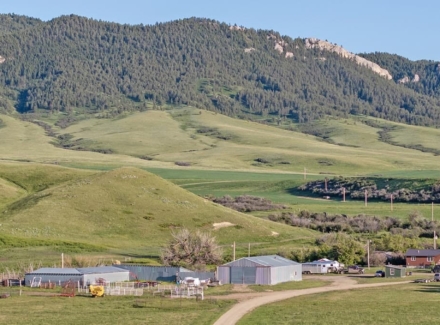
Plum Creek Ranch
Lewistown, Montana
Plum Creek Ranch is a meticulously maintained 2,060± acre cattle ranch & farm in Montana’s pristine grasslands. The ranch offers stunning views of the North Moccasin, Highwood, Little Belt Mountains, and the Judith River Breaks amidst rolling hills and picturesque coulees. Located 20 miles N of Lewistown, it combines seclusion with accessibility, blending functional facilities with natural beauty. Ideal for ranchers and nature enthusiasts, it embodies the timeless allure of the Montana frontier.
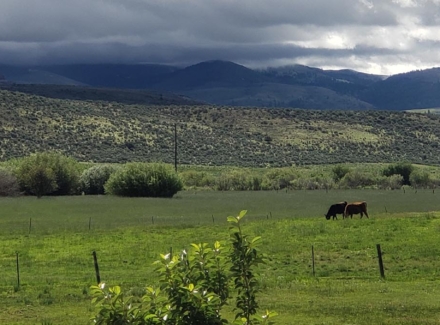
Cow Creek Ranch
Marsing, Idaho
Cow Creek Ranch spans 1,796± deeded acres with 5,000± BLM lease acres in Idaho’s Owyhee Mountains. Cow Creek flows for three miles, irrigating 192± acres, supporting a 250 head cow/calf operation with a 160-head BLM lease. The ranch produces 500-550 tons of hay annually and offers trophy mule deer and elk hunting. Improvements include a 1,846 sq. ft. home, a 42’ x 75’ shop, barns, corrals, and fencing. A prime cattle and recreation ranch with vast public land access.
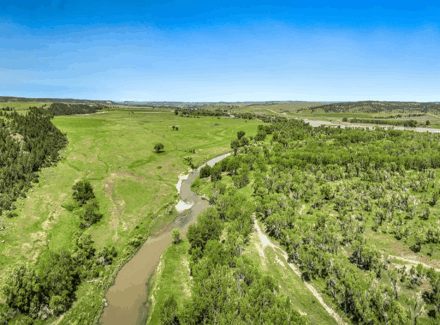
Cottonwood Ranch on the Yellowstone
Columbus, Montana
Nestled along a scenic stretch of the Yellowstone River near Columbus, Montana, this rare opportunity offers river frontage, cottonwood bottomlands, and productive pasture. Wildlife thrives in this unspoiled setting, from whitetail deer and wild turkeys to pheasants and elk. With elevated building sites outside the floodplain and easy year-round access, the property blends natural beauty, recreation, and agricultural value just 45 minutes from Billings.
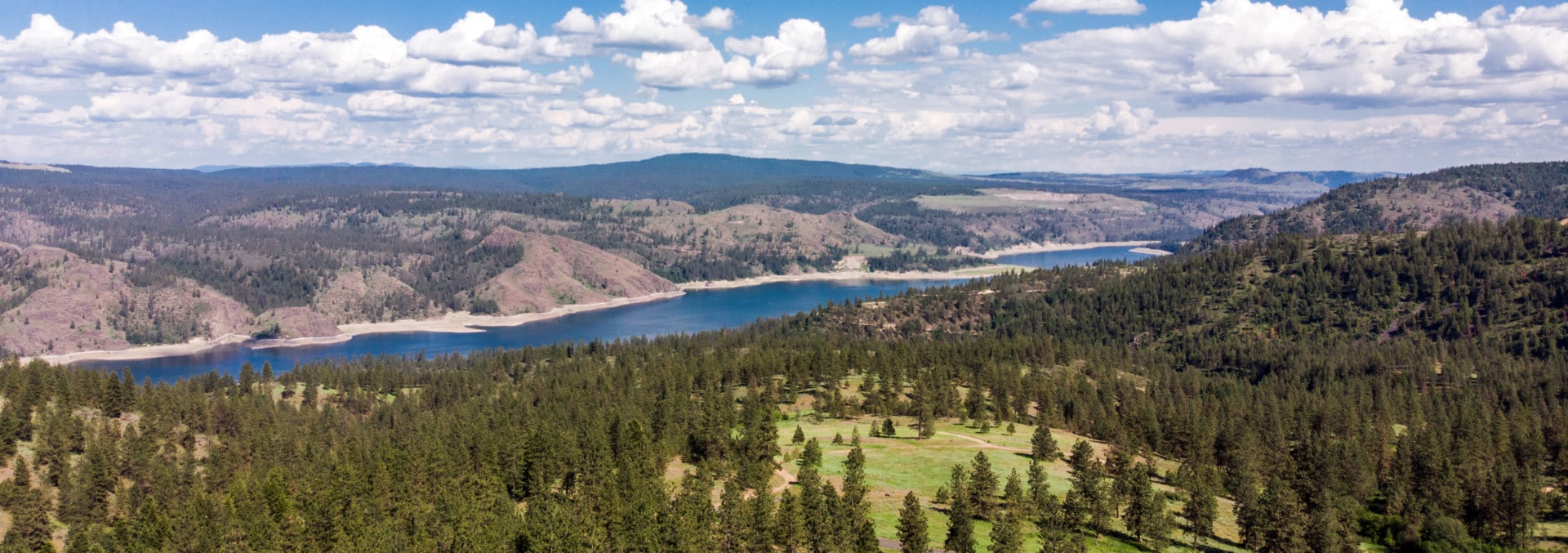
Grandview Ranch
Davenport, Washington
This beautiful ranch property in Washington features territorial and lake views that are a must see! Property amenities include a charming ranch home, an impressive log gate entry, all-weather gravel roads, 2 wells providing potable water, underground electricity and phone service. The ranch borders 960 acres of state ground and other large private lands for added privacy and seclusion.
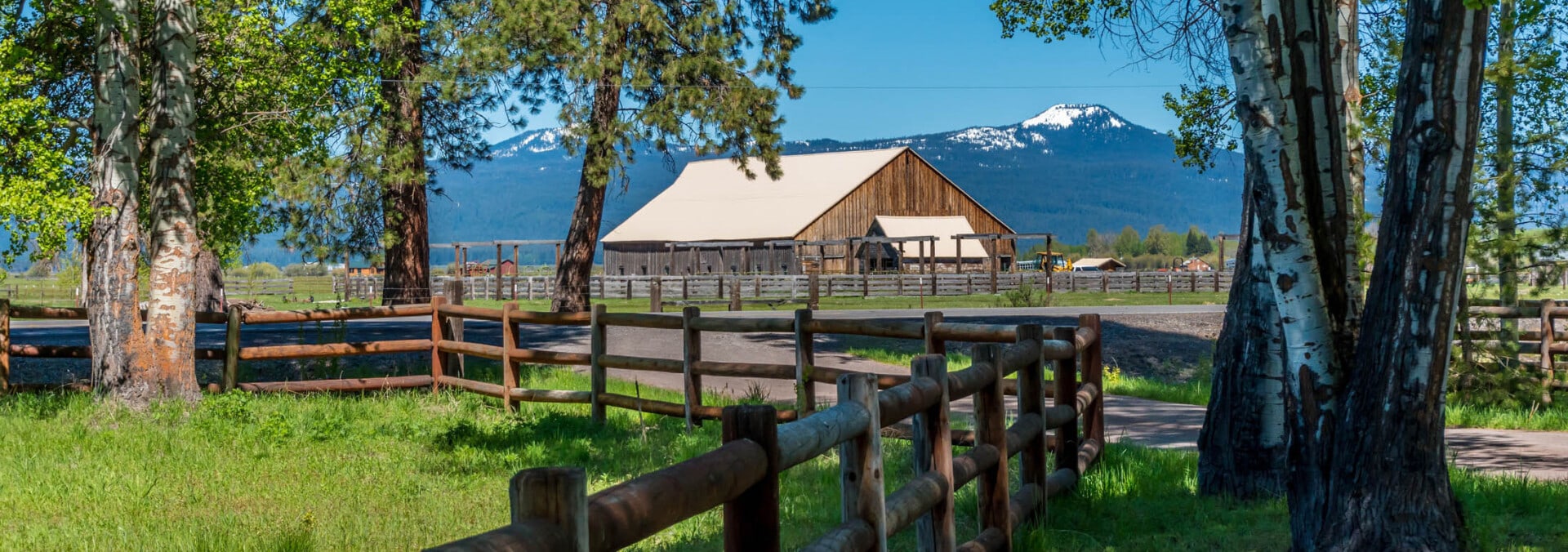
Double K Ranch
Fort Klamath, Oregon
Lush meadow pastures and wetlands with areas of aspen groves, ponderosa pines and willows add to the natural beauty of the ranch. The flood irrigated pastures provide excellent summer cattle feed, are well cross-fenced and are supported by an excellent set of working corrals, shipping pens and a large, historic barn.
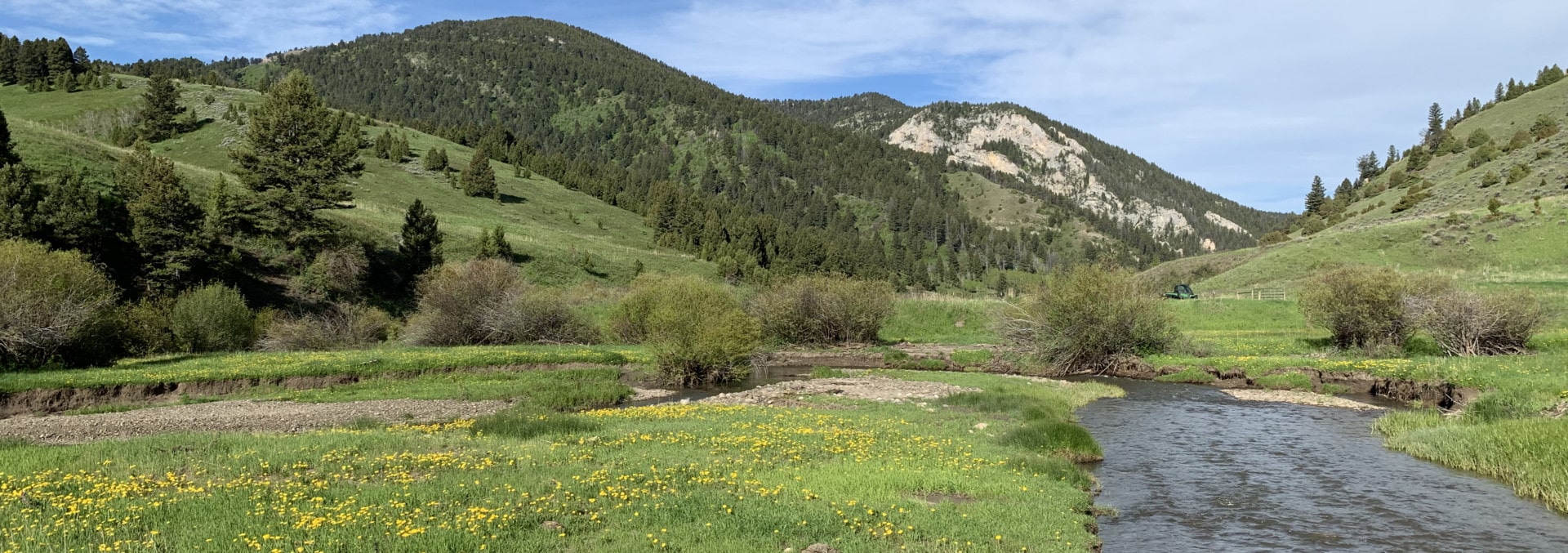
Middle Fork of Sixteen Mile Creek Ranch
Belgrade, Montana
A little over an hour to Bozeman and its airport, this property is made up of 542± acres in 2 parcels. A bridge crosses the middle fork of the fishable Sixteen Mile Creek as it meanders through the property for almost 1.5 miles. A recently enhanced road takes you to the newly updated off-grid cabin that includes a kitchen, bedroom, bathroom, sleeping loft, covered porch, and a wood-burning stove. The topography is varied, from timbered draws to productive grassland to wildlife habitat with multiple springs. Enjoy hiking, biking, snowmobiling, cross country skiing, fly fishing, hunting, wildlife viewing, or just relaxing on this piece of southwest Montana.
Mountain Meadows Lake
Newport, Washington
Discover a 411± acre haven in Washington, just 20 minutes from Newport. This property features a stunning 178± acre lake ideal for year-round fishing with bass, crappie, & trout. Wildlife abounds with elk, moose, deer, turkey, cougar, & bear, offering exceptional hunting opportunities. Surrounding industrial timberland expands the hunting possibilities. With potential for conservation & land management, including forest thinning, this property invites you to create your dream retreat.
Ridgeline Legacy at SxS Ranch
Belgrade, Montana
This Montana property offers privacy, convenience, and recreational amenities just minutes from Bozeman. Featuring two designated building envelopes, shared access to 971 acres, and 1.4± miles of fishing on Dry Creek, the land is rich with wildlife and stunning mountain views. The property is conveniently close to Bridger Bowl, Big Sky, and Yellowstone. Thoughtfully crafted covenants and design guidelines protect the land’s integrity and ensure lasting investment value for years to come.
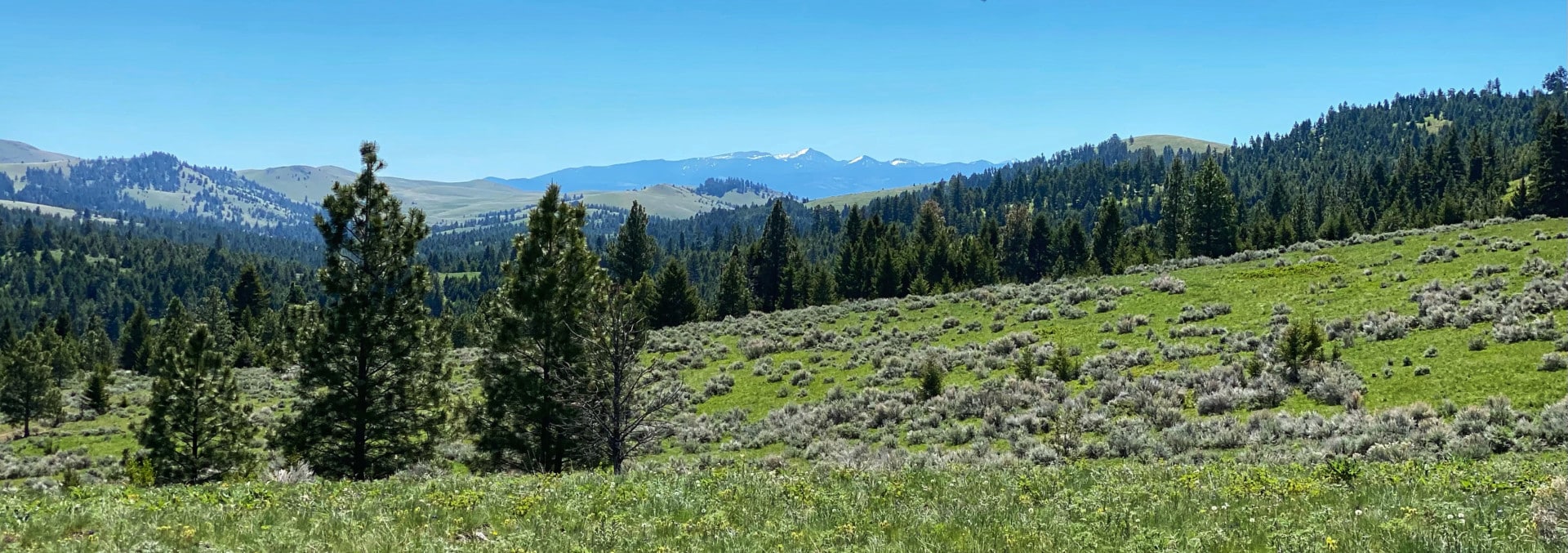
Bull Mountain Elk Camp
Drummond, Montana
World-class big game hunting, including trophy elk and deer, horseback riding, mountain biking, hiking, and snowmobiling are examples of what can be enjoyed on this ranch. With 1800± deeded acres and adjoining forest service with excellent access for the ranch owner, the space to enjoy these pursuits is endless. When it is finally time to go home, the superb location of the ranch makes for an easy commute with the Missoula International Airport a quick 45± miles from the ranch gate.
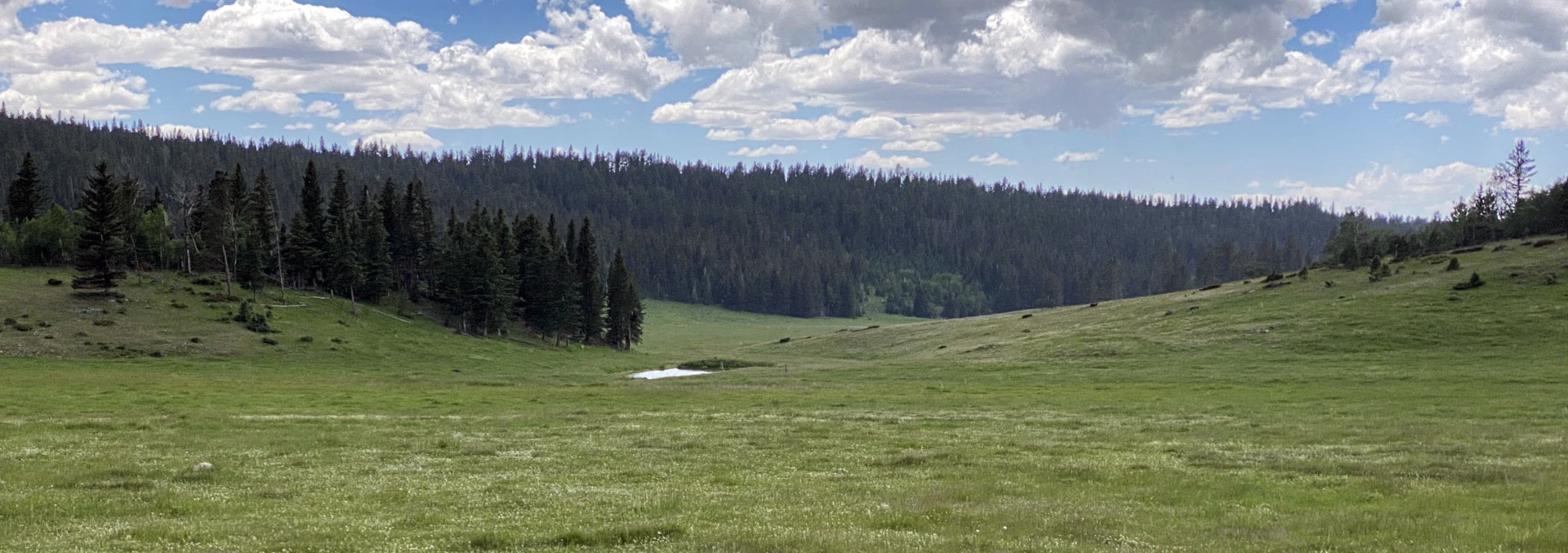
Boles Canyon Ranch
Hill City, South Dakota
Whether you are looking for an agriculturally zoned mountain ranchland property, your own private hide-away parcel of raw land overlooking lush meadows and surrounded by whispering pines, a wrangler’s horseback riding property, or other year-round recreational and hunting haven, this cattle property in South Dakota is a tangible asset that could be passed down for generations.
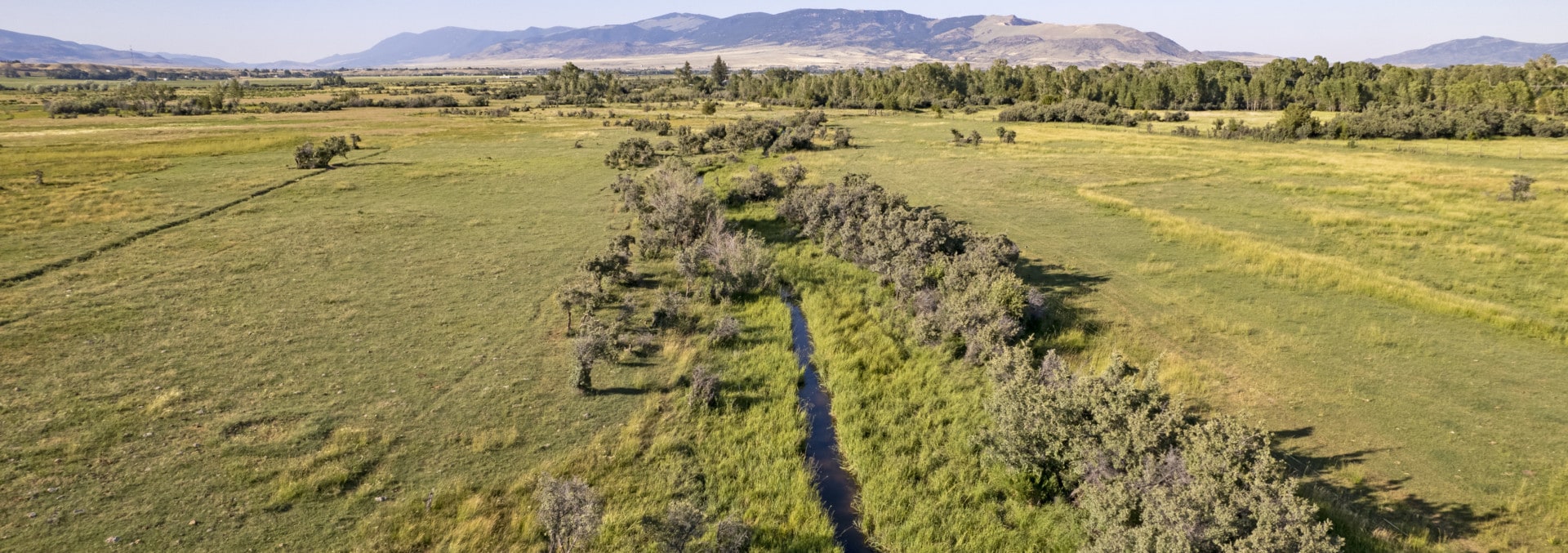
Clear Springs Ranch
Whitehall, Montana
This property includes 1± mile of springs about 5 minutes from Whitehall, Montana. Views of the Tobacco Root and Highland Mountains surround the property. The wildlife habitat on the ranch attracts white-tailed deer, turkey, pheasant, and waterfowl. The Jefferson River, just down the road from the property, is one of the many world-famous trout streams in the area. This ranch holds tremendous potential for a spring creek enhancement project. It is a relatively blank canvas with unlimited potential for recreational development.
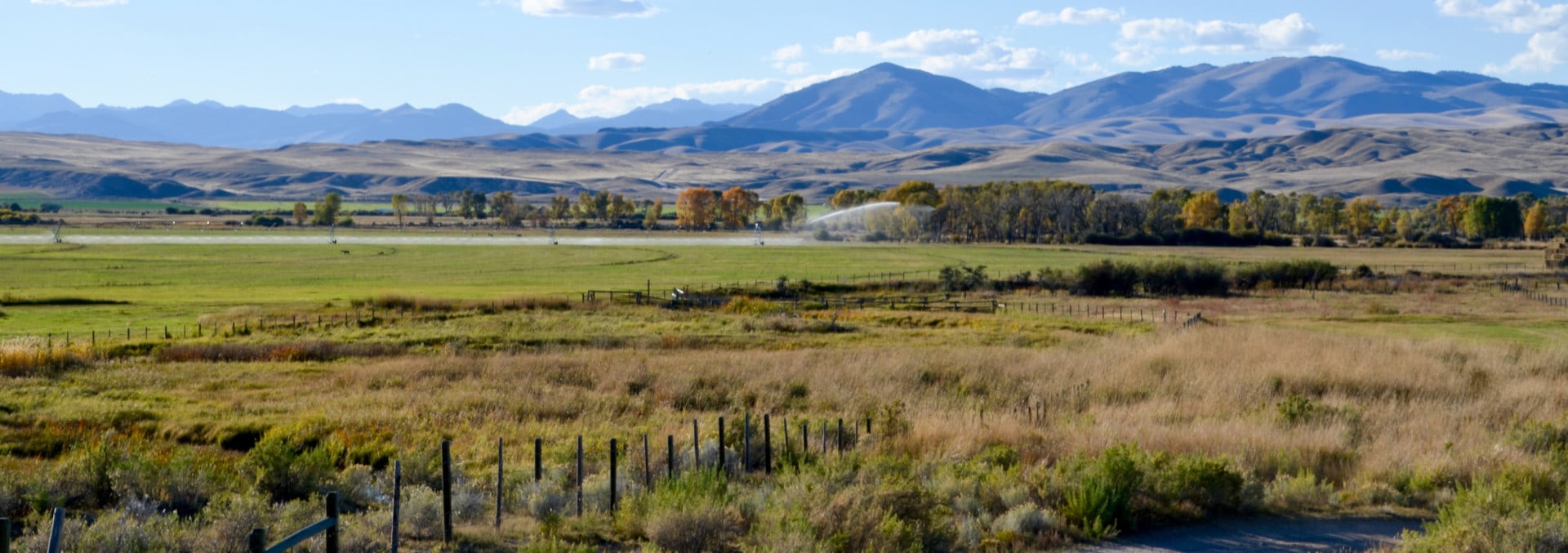
Fintail Ranch
Twin Bridges, Montana
It’s rare to find a ranch this compact with approximately 4 miles of live trout water as well as incredible hunting opportunities. The over 120± acres of irrigated lands provide the ranch with an agriculturally productive component that doubles as attractive wildlife habitat.
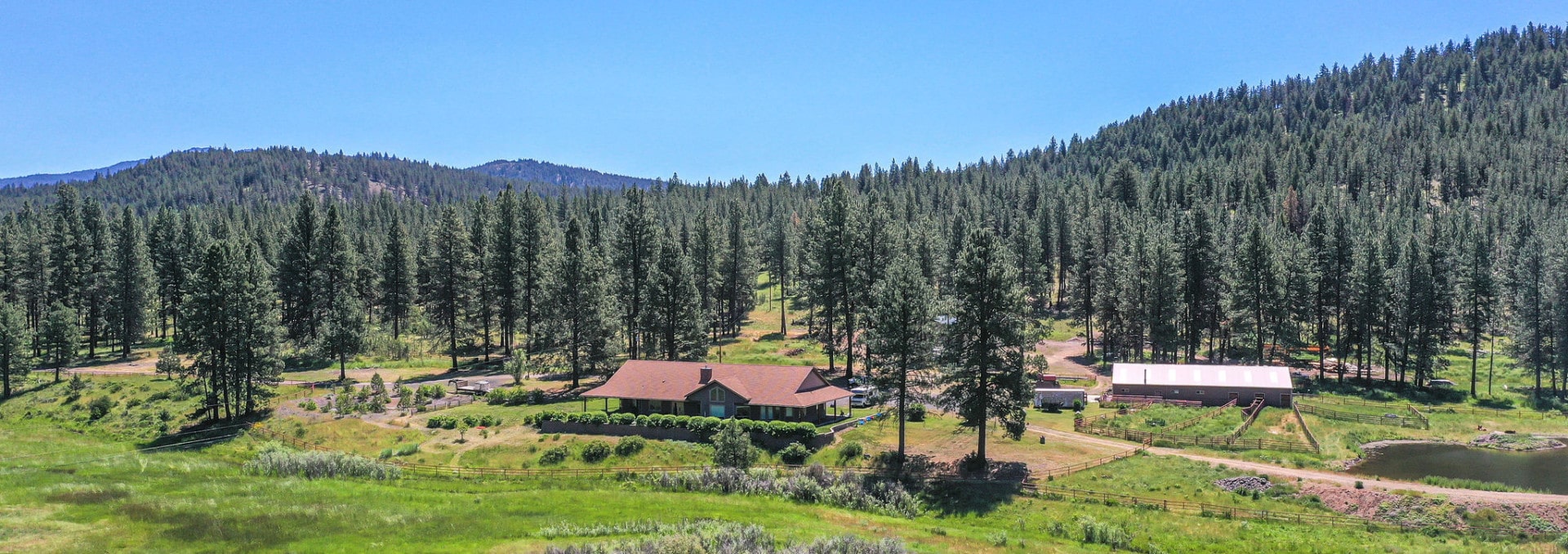
Ochoco Mountain Ranch
Prineville, Oregon
This Oregon ranch is where the outdoor lifestyle blends perfectly with luxury living and proximity. Located 15 miles from the city of Prineville, Oregon, this ranch includes 166± acres of irrigation, nestled up against the Ochoco Mountains, which Ochoco Creek frontage. The home is a single-level ranch-style home with 3 bedrooms, 2 masters, an office, and a beautifully crafted kitchen, a barn/shop with seven stalls, a heated tack room, and a large equipment shop to store your tractor, RV, boat, and more.
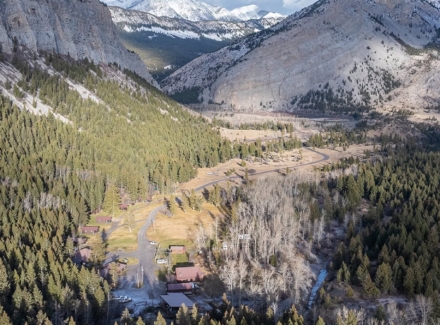
Sun Canyon Lodge & Outfitting
Augusta, Montana
Established lodge and backcountry outfitting business near Augusta, Montana, at the base of the Rocky Mountain Front. Forest Service permits support lodging, camping, and a popular public restaurant and bar, plus guided horseback pack trips, fly fishing, and fall hunting in the Bob Marshall Wilderness, including trips to the Chinese Wall. Diversified revenue, loyal guests, proven demand, and room to expand. Expert guides, mountain stock, and established camps serve outfitted and DIY guests alike.
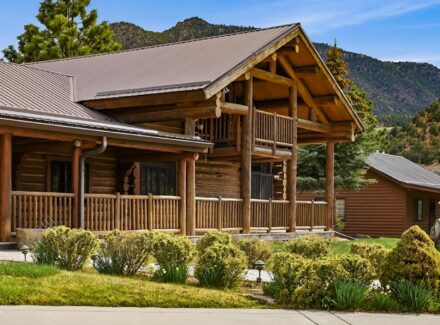
Casa del Rio
Parowan, Utah
Within Parowan, Utah’s city limits, this substantial residential estate offers uncommon privacy, space, and convenient access to town. The property features a large lodge-style log home, a guest house, a log pool house, and versatile outbuildings, including garages, a woodshop, a workout room, and an art studio. Bordering BLM land and near Brian Head, Zion, Bryce Canyon, and more, it combines historical character, recreation, and investment appeal.
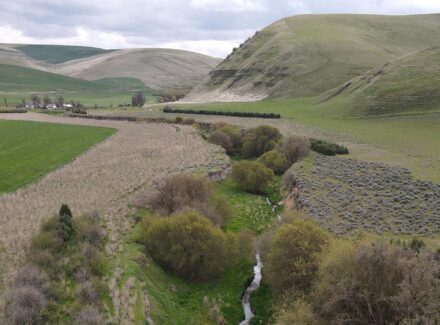
Whitmore Hereford Cattle Ranch
Pomeroy, Washington
Located in Garfield County, Washington, near Pomeroy, this legacy ranch sits between the Snake River corridor and the Blue Mountain foothills. Cropland runs ~829 acres in wheat-fallow rotation, averaging 67 bu/ac on fallow and 43 bu/ac on recrop. Nearly 30 CRP acres generate $2,457 annually through 2031. Around 1,560 pasture acres support 45–50 cow/calf pairs with an NRCS-funded watering system. A 3,017± SF, 5-bedroom home and multiple outbuildings complete this productive, heritage property.

McKay Creek Ranch
Prineville, Oregon
This Central Oregon ranch is a horse and cattleman’s dream! With first-class improvements, a beautiful custom home, 3 additional dwellings, amazing privacy, fenced and cross-fenced 131.5 ± acres of irrigation, and endless recreational opportunities, this Oregon ranch also includes 2 LOP tags and access to thousands of acres of public land right out your back door. You’re sure to fall in love with this one!
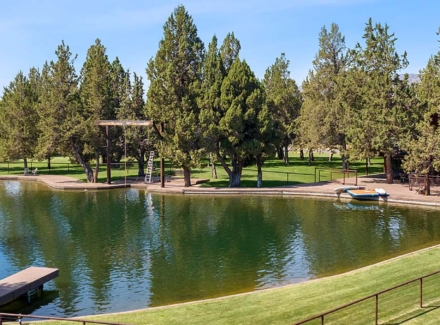
The Perfect Haven
Redmond, Oregon
Your family retreat in central Oregon, near the Deschutes River, Cline Falls State Park, and Eagle Crest, featuring stunning Cascade Mountain and Smith Rock views! This lodge-style home offers luxury and comfort, with 2 beds, 3 baths, a spacious loft, and a primary suite with a fireplace & soaking tub. Outdoor amenities include a massive deck, kitchen, hot tub, fire pit, swimming pond, 21.55± acres of irrigation, a large hay barn, a restored dairy barn, & a second dwelling for guests or rental.
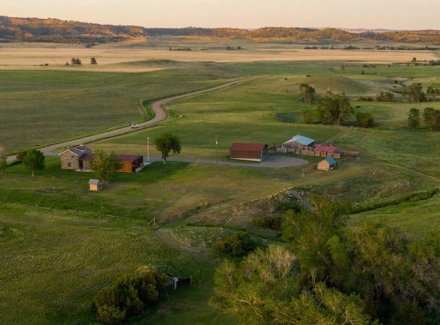
Stonehouse Ranch
Reed Point, Montana
Just 30± minutes to Big Timber and Columbus, Montana, this home welcomed travelers on the Bozeman-Miles City stage line. With dates carved in stone, this treasure dates back to 1872. A manicured lawn gives way to pastures and prairies traversed by a mile of spring creek and two year-round high-producing springs. Elk, deer, antelope, and upland game abound. Outbuildings include a solar-heated hanger, barn, corral, and shed. The past and present converge in this private, tranquil property.
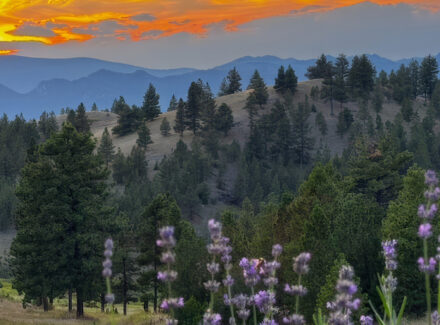
Elk Ridge Mountain Ranch
Helena, Montana
Private, usable mountain ground near Helena, Montana, this property offers timber, open grassy pockets, elevated ridges, and strong wildlife presence, including elk, mule deer, moose, black bear, and birds. Mountain views, dark skies, and the absence of conservation easements or restrictive covenants add flexibility. A single-level home, office, large shop, guest quarters, and RV hookup make it well-suited for full-time living, recreation, or a quiet retreat.
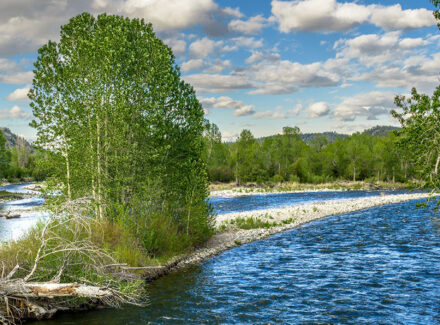
Stillwater Riffle Ranch
Columbus, Montana
This Montana property sits along one of the state’s most celebrated blue-ribbon trout rivers, offering exceptional rainbow and brown trout fishing along roughly 1,600± feet of Stillwater River frontage. Irrigable acres with established water rights provide strong agricultural productivity, while a comfortable three-bedroom home frames the sweeping Beartooth Mountains. Located just south of Columbus with easy access to Red Lodge, Yellowstone Country, and Billings, this is a rare Montana basecamp.
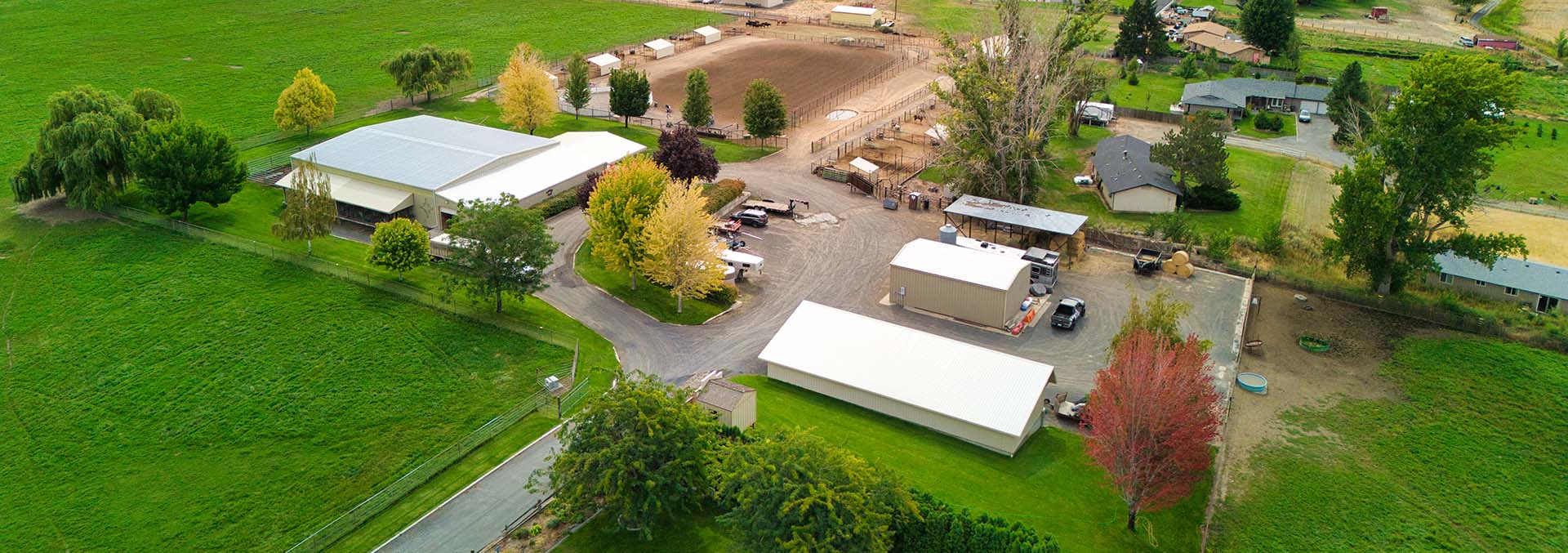
RK Ranch
Selah, Washington
The RK Ranch is a captivating Washington horse haven offering picturesque views & the perfect blend of luxury and functionality. This 4,470-square-foot ranch-style home, custom-built with high-quality craftsmanship, is a move-in-ready masterpiece. It is nestled amidst stunning landscapes & boasts exceptional indoor and outdoor amenities, including arenas for leisure and equestrian pursuits. Every detail of this remarkable property exudes luxury and practicality, making it a ranch lover’s dream.
Nez Perce Prairie
Nezperce, Idaho
Located on the Nez Perce Prairie in Idaho’s Palouse region, this contiguous agricultural holding combines productive tillable ground, rangeland, and timber. The area is known for exceptional dryland soils and limited availability of properties at this scale. Timbered draws support wildlife and recreation, including big game and upland birds. Access is a maintained gravel road, leading to a private headquarters with prairie views, functional farm buildings, and a farmhouse ready for restoration.
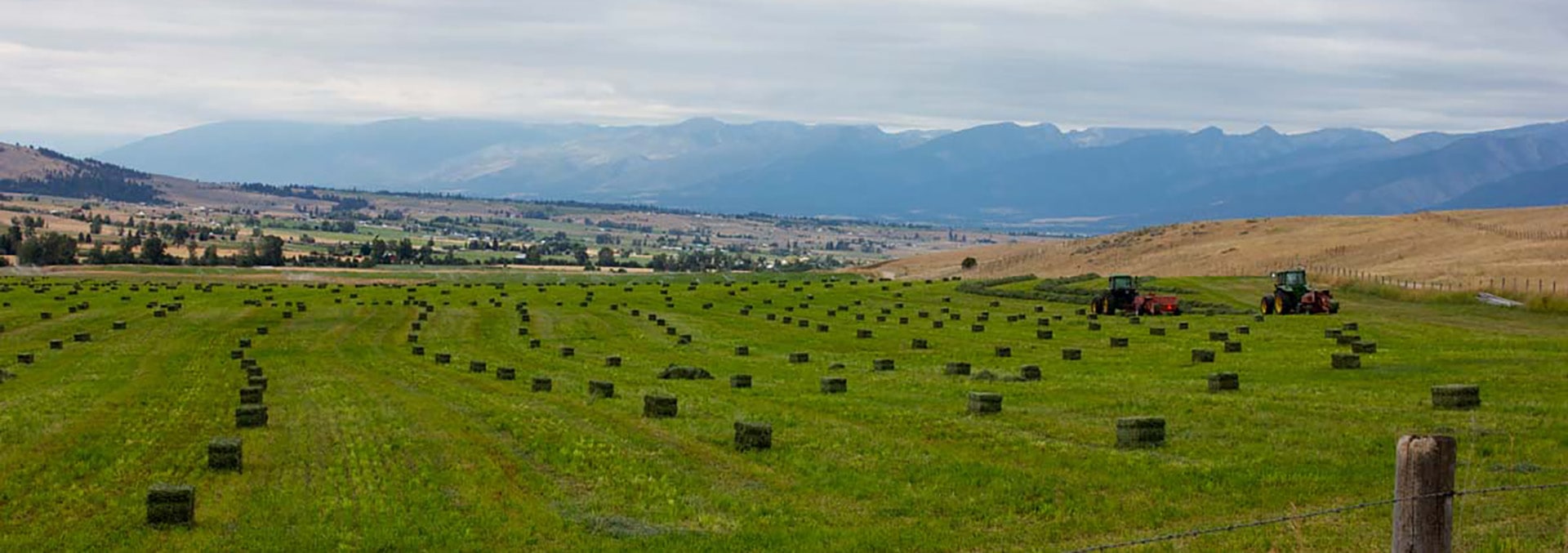
Brown Valley Ranch
Stevensville, Montana
The ranch grounds are a harmonic blend of riparian corridors and irrigated fields that converge with the rolling foothills of the Sapphire Mountains. These surrounding hillsides are covered with native grasses and healthy timber providing grazing pasture and vital habitat for wildlife.
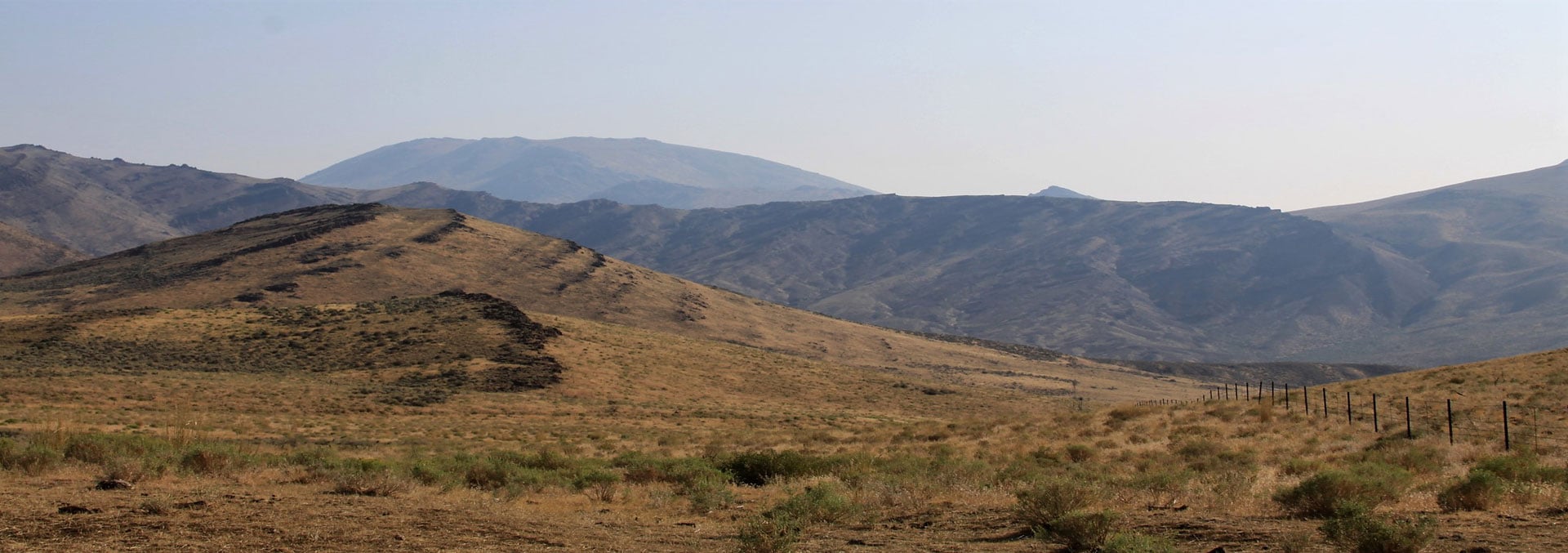
Moser Ranch
Fields, Oregon
This old-time Nevada/Oregon desert ranch lies next to Denio, Nevada. The deeded land and the BLM permit are in both states. The permit is out the gate both for summer and winter. The irrigated ground has water rights from Denio creek for early spring and amazing wells for the remainder of the year. The Cow Lakes shares allow for another 200 plus cows and the ranch can put up enough hay for 450+ cows. This is an opportunity to own a productive cattle ranch at an attractive per unit price.
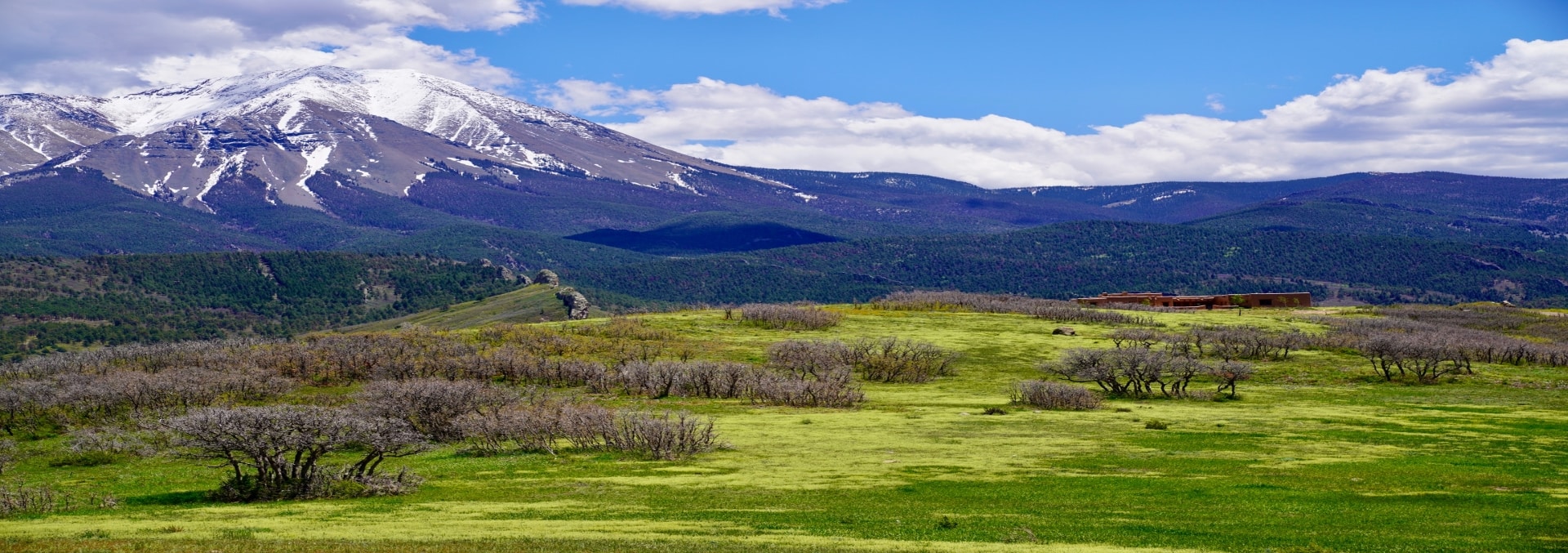
Ventana al Cielo
La Veta, Colorado
This spectacularly crafted 4,000-square foot mountain-territorial home is an absolute piece of art. Perfectly scaled, this 4-bedroom, 4-bath sanctuary is filled with gorgeous detail and rich, southwestern design. From every window of this Cucharas River Valley custom mountain home, you will experience phenomenal and extraordinary vistas and expansive views of the Spanish Peaks, the Sangre de Cristo Range, and the unique and dramatic dike formations characteristic of this southern Colorado area.
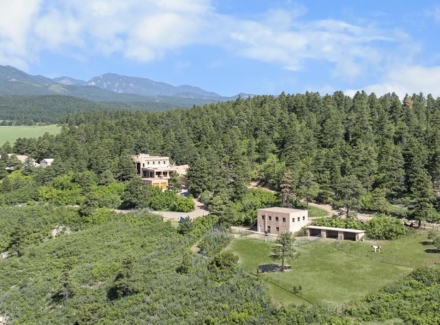
Bramaré Ranch
Rye, Colorado
This exceptional estate combines luxury and function with a custom 8,300+ sq ft Santa Fe-style home, handcrafted finishes, and sweeping views of southern Colorado peaks. Features include five bedrooms, six baths, multiple fireplaces, and a walk-out basement with a wet bar and hot tub. The infrastructure supports equestrian use with barns, irrigated pastures, and ditch rights. Fully fenced with modern utilities, the property offers privacy, rental potential, and no HOA in a serene setting.
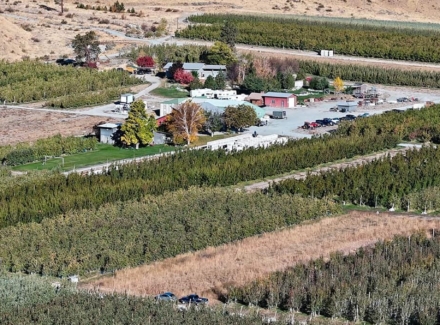
Chelan Organic Orchard
Chelan, Washington
Seize a rare opportunity to own a certified organic orchard in Washington’s renowned fruit-growing region. Located just minutes from Lake Chelan and the airport, the property features irrigated cropland and tree fruit supported by secure water rights. A modern packing facility with advanced sorting and cold storage ensures efficiency, while established sales channels deliver strong returns. Residences, shops, and storage support operations and offer potential for agritourism or expansion.
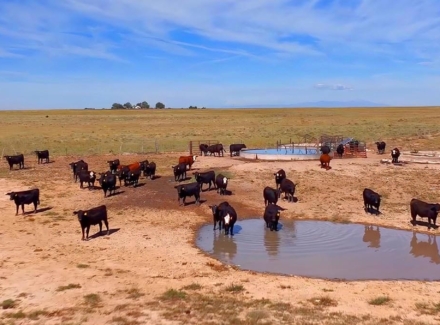
Sandhills Ranch
Olney Springs, Colorado
This expansive eastern Colorado ranch combines the productivity of shortgrass prairie with the rugged beauty of rolling sandhills. Native vegetation creates durable forage well-suited to semi-arid conditions. Fully fenced and cross-fenced, it supports rotational grazing with six solar-powered wells and a large catch pond. Long managed for cow/calf and yearling operations, it offers reliable water, proven efficiency, and ecological integrity for sustainable livestock production.
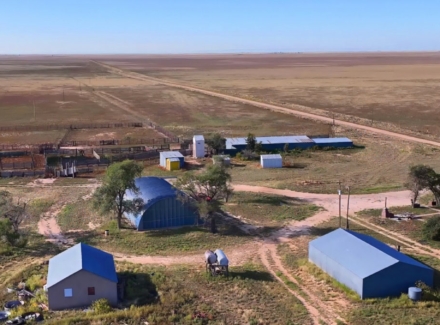
Moreland Home Place
Boone, Colorado
Spanning acres of Colorado short-grass prairie, this ranch offers one of the most resilient and productive grazing ecosystems in the West. Historically operated as a cow/calf operation and recently leased for yearlings, it demonstrates strong versatility. The property is fully fenced with four dependable wells, and efficient working corrals. A 1,680± square foot home and multiple outbuildings combine comfort, functionality, and proven ranching infrastructure.
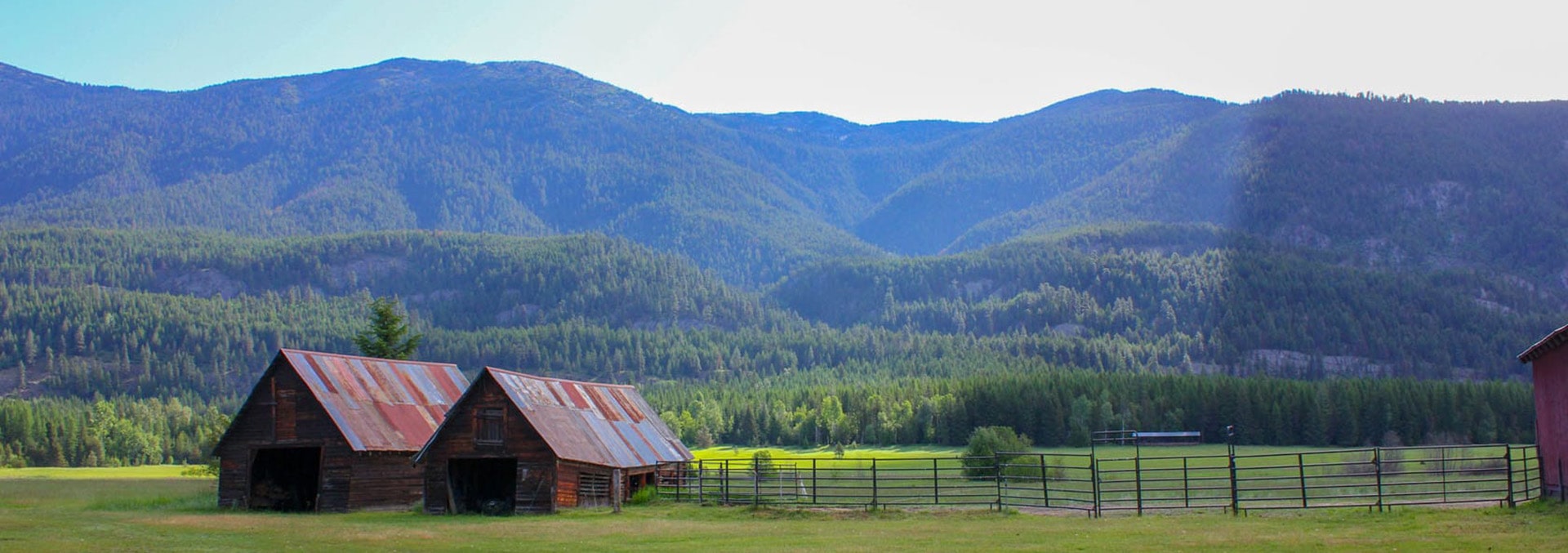
Thunder Mountain Wildlife Estate
Moyie Springs, Idaho
This property is truly a wildlife estate and embodies a lot of great improvements that enhance habitat. Fishing and hunting opportunities are abundant for a multitude of species. Perfect for someone who enjoys the expanse of the wilderness and seeks adventures on and off their property.
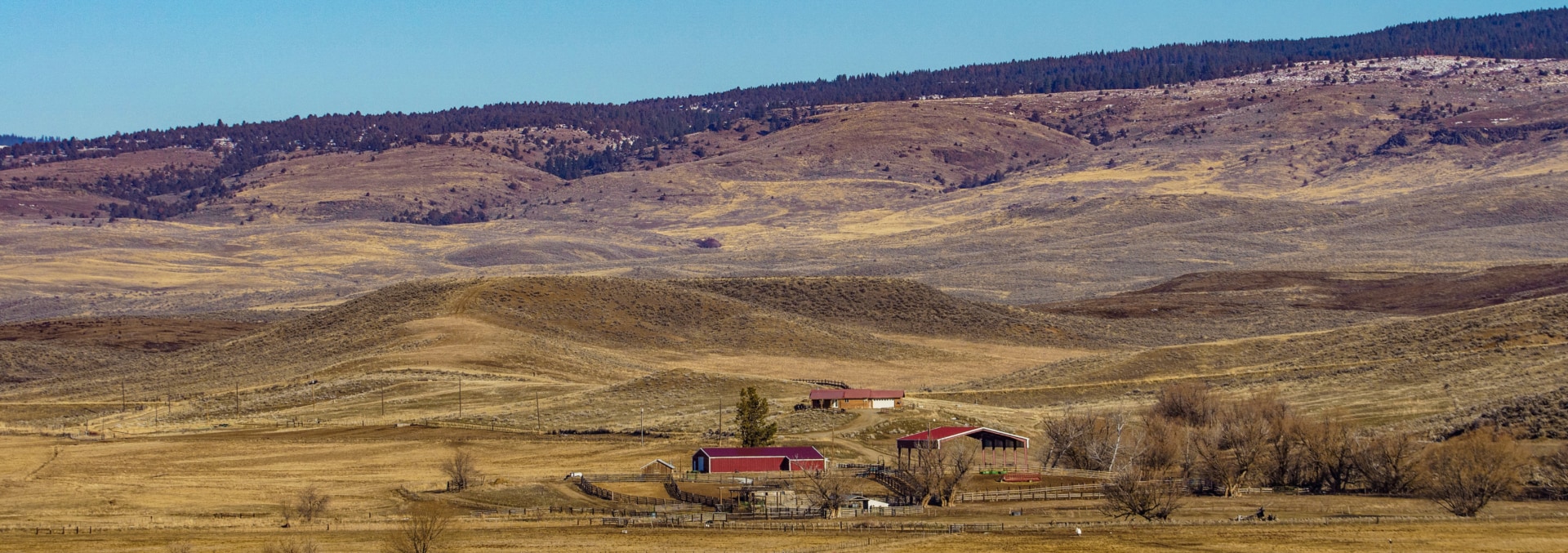
Keating Valley River Ranch
Baker City, Oregon
The Keating Valley River Ranch is an affordable Oregon cattle ranch with the expected hunting and wildlife owners love to see. The ranch has been very well taken care of and has all the structures in place, along with corrals that are ready for a new owner and energy. The feel of the ranch is one of privacy and remoteness but only 20 minutes from town. The Powder River flows through the ranch, and BLM allotments are right out the back gate.
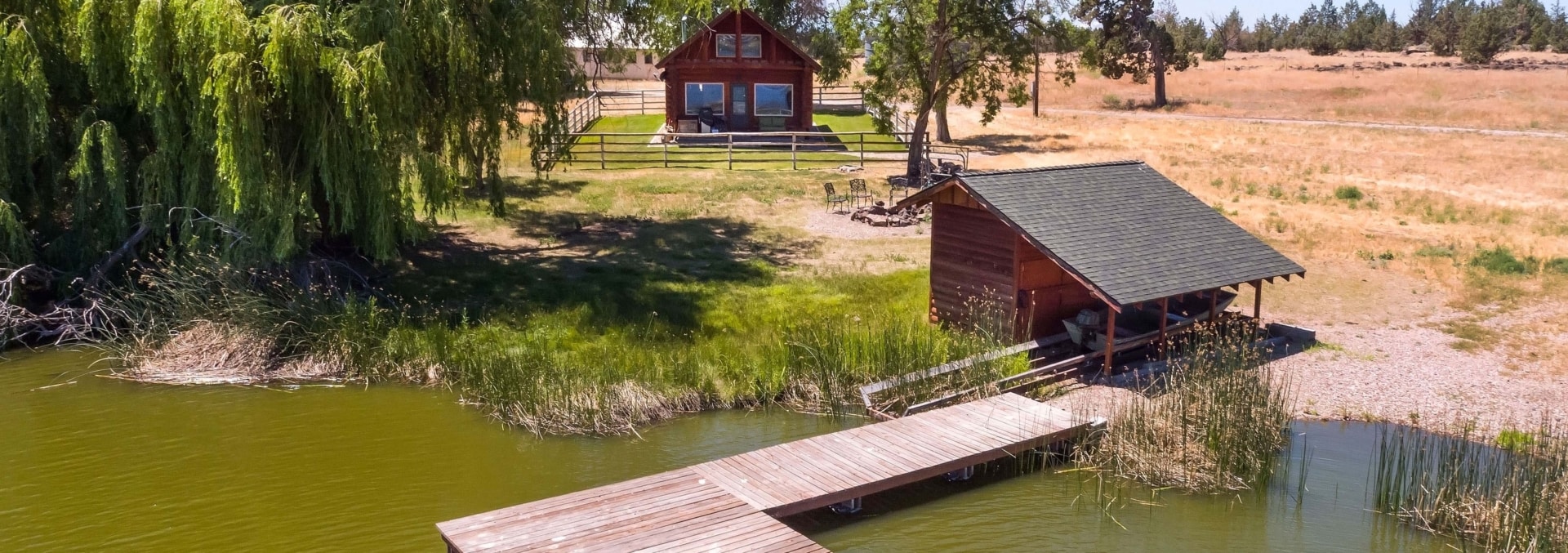
Houston Lake Ranch
Powell Butte, Oregon
This Oregon recreational paradise offers a private 60± acre lake, waterfowl hunting, and fishing. It has 79± acres of irrigated land with 3 fenced pastures for all your livestock needs. The small, cozy log home on the Houston Lake Ranch has a bedroom loft, a kitchen, a bathroom, and glorious lake views. With incredible sunrises and breathtaking sunsets off the Cascade Mountains, this ranch is something special. Grab your paddle board or boat to float, row, or motor in your private lake.
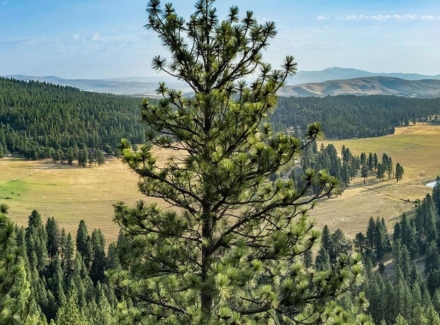
Flyin’ E Ranch
Janesville, California
This Northern California property combines irrigated pasture, timberland, abundant recreation with modern pivots, adjudicated water rights, and the capacity to run 200 cow/calf pairs. Enrolled in the Williamson Act, it offers notable tax benefits. A 1,500± square foot home and multiple build sites add comfort and opportunity. Wildlife, a stocked pond, and proximity to Susanville and Reno make it ideal for ranching, hunting, fishing, or a private retreat.
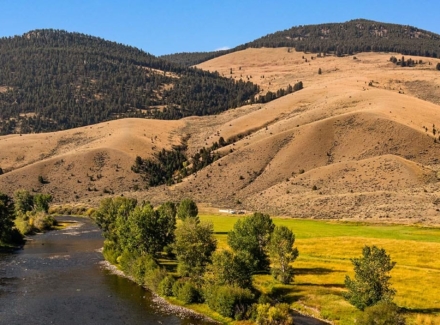
Big Hole River Hideaway
Divide , Montana
Rare chance to own 300± feet of Big Hole River frontage! This 5± acre trout haven includes a 3,757± square foot custom home, two guest apartments, RV site, heated shop, and stunning views. Enjoy world-class fly fishing out your back door. Located on a quiet dead-end road near Divide, Montana. Just 15± minutes from Wise River and 30± minutes to Butte’s airport, offering both privacy and convenience. A truly unique riverfront retreat perfect for anglers and outdoor enthusiasts.
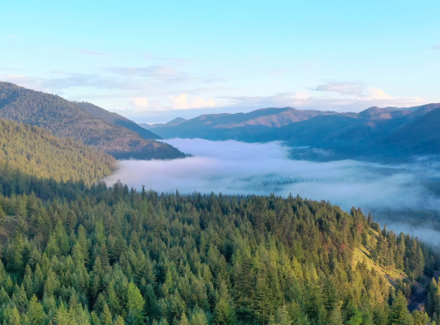
Clark Fork River Sporting Ranch
Superior, Montana
Positioned west of Missoula, Montana, this end-of-the-road sporting ranch features 1± mile of Clark Fork River frontage, open meadows, forested bottomlands, and timbered ridges. The river holds all of Western Montana’s wild trout species, while the land supports elk, deer, turkey, and grouse, with Lolo National Forest bordering the property. Eight legal parcels and no conservation easement offer flexibility for a private retreat, recreational base, or long-term investment.
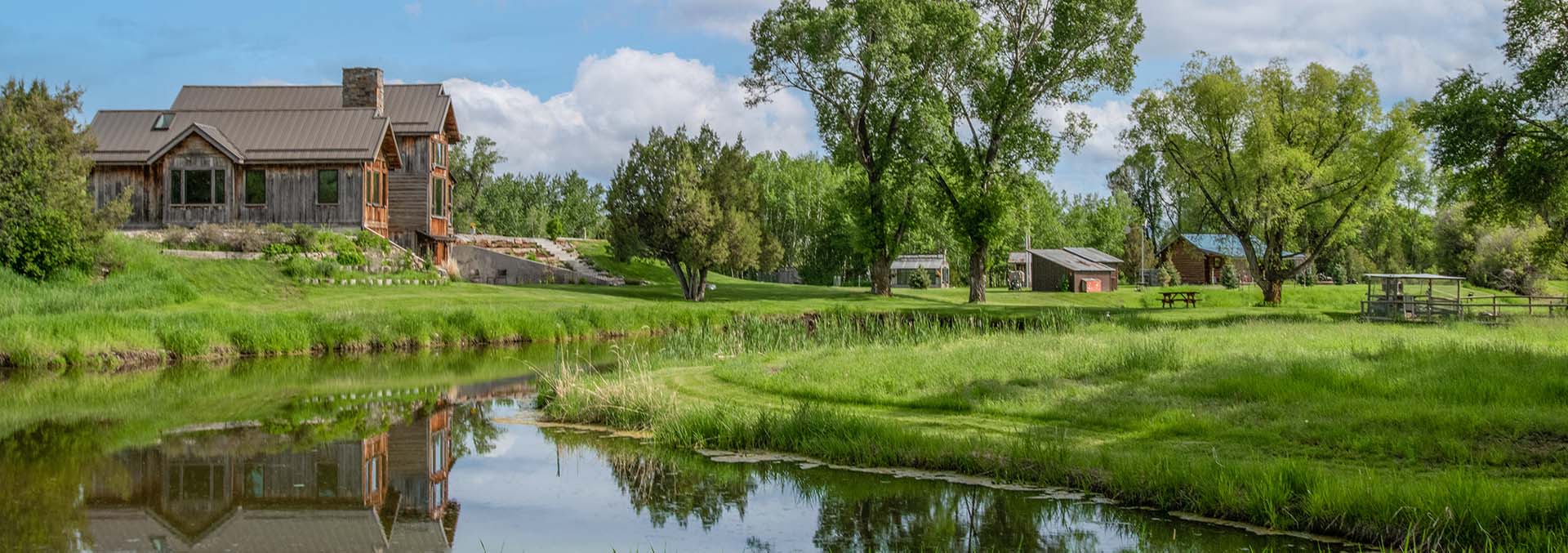
Shields River Retreat
Clyde Park, Montana
Fay Ranches represented the buyer. Welcome to a rare opportunity for an authentic Montana lifestyle. The listing boasts diverse acres, Shields River frontage, two ponds, and varied wildlife habitat. The exquisite main residence was built from reclaimed ranch buildings. A charming log guest cabin, greenhouse, timber shed, chicken coop, granary, and metal shop round out the improvements. Enjoy trout fishing, gardening, and hosting gatherings while living close to Livingston and Bozeman.
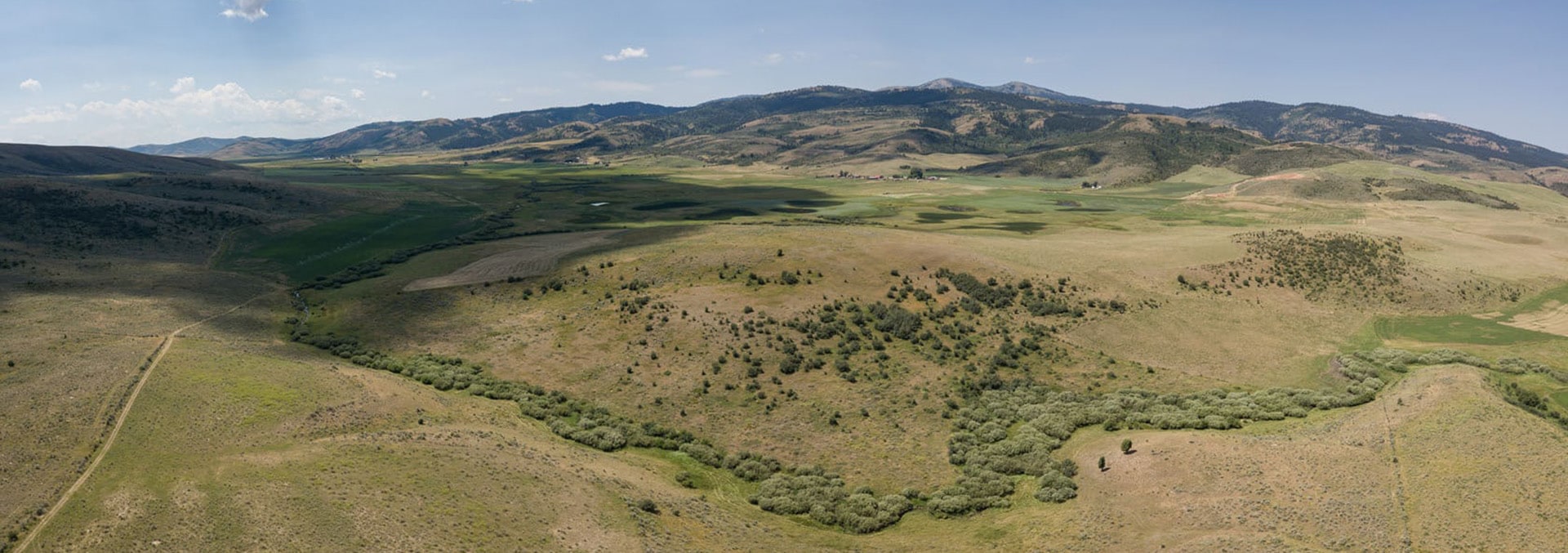
Post Ranch
Montpelier, Idaho
This Ranch is a unique clean turn key ranch with gravity fed irrigation operation in the secluded Bear River Valley. Surrounded by foothills with endless recreation. Offering a multitude of outdoor recreational activities as well as ideal cattle and production ground, this ranch truly has it all at a price to match.
CR Longhorn Ranch
Harper, Oregon
A compact, productive pure breed ranch is for sale in Oregon. The current owner raises registered Texas Longhorn cattle that can be found on the CR Longhorns website. The ranch has water rights that come from stored water delivered by the Vale Irrigation District by a large canal that goes through the property. The water is pumped out of the canal and into the pivots, wheel lines, and gated pipes from three pumping stations. The climate is conducive to crop growth with four cuttings of alfalfa that should produce 7+ tons to the acre.
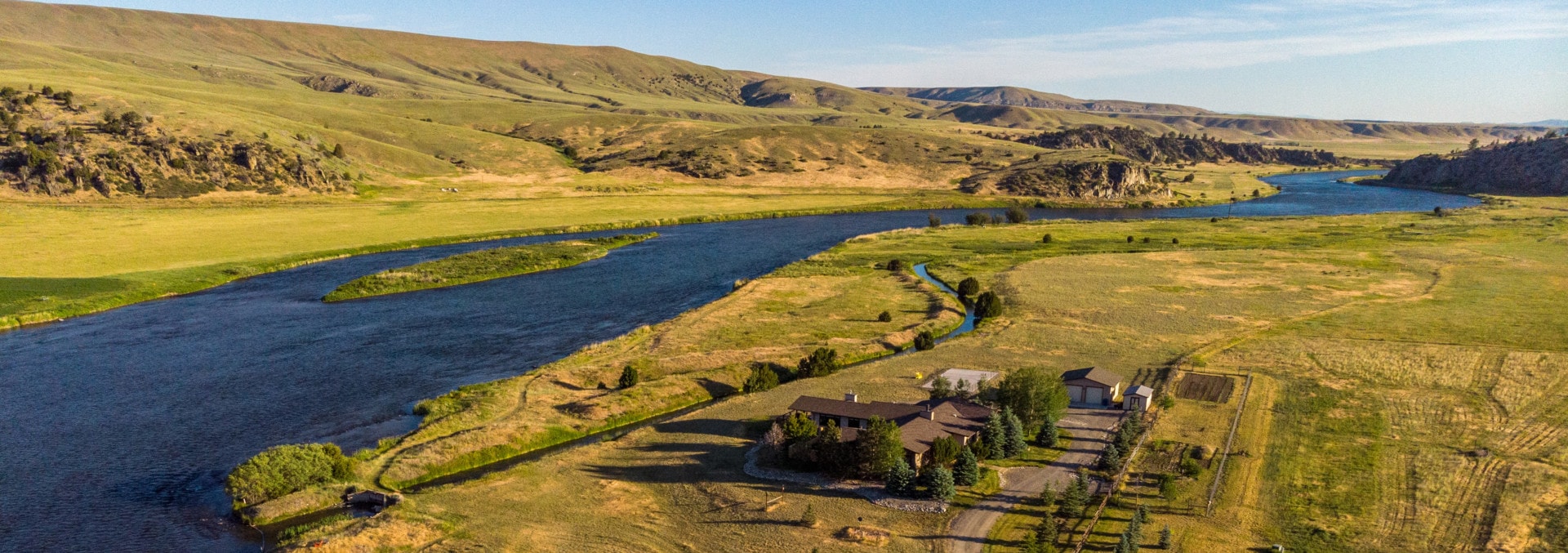
Bison View River Ranch
Three Forks, Montana
Just 30± minutes from Bozeman, Montana, and its airport, this property sits on the banks of the Madison River, offering world-class fly fishing steps from your door. This anglers paradise boasts a 4,650± SF, 3 bed, 3.5 bath home with views of the river and valley. The river attracts a wealth of wildlife that wander through the property to the contiguous State land. Come see this retreat for yourself, with three separate entertainment areas and a regulation pickleball court for endless family fun!
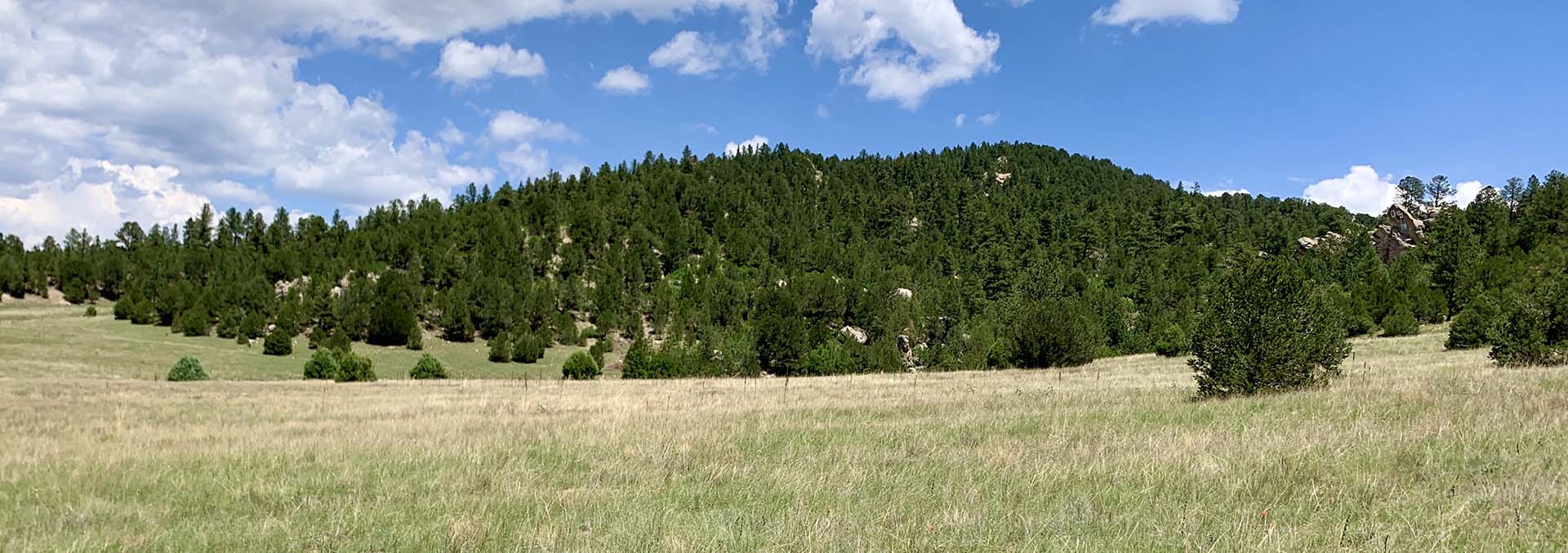
Romero Hills Ranch
Mora, New Mexico
Romero Hills Ranch is an opportunity to own acres of pristine forested land in one of the most desirable areas of Northern New Mexico. Enjoy abundant wildlife, hunting, hiking, and horseback riding. This ideal location is close to nearby skiing, canoeing, and fishing opportunities with amazing views of Hermit’s Peak and the charming Mora Valley. Easy year-round access from a state highway makes it conveniently located near Taos, Las Vegas, and Santa Fe. What a perfect spot to build your dream mountain home.
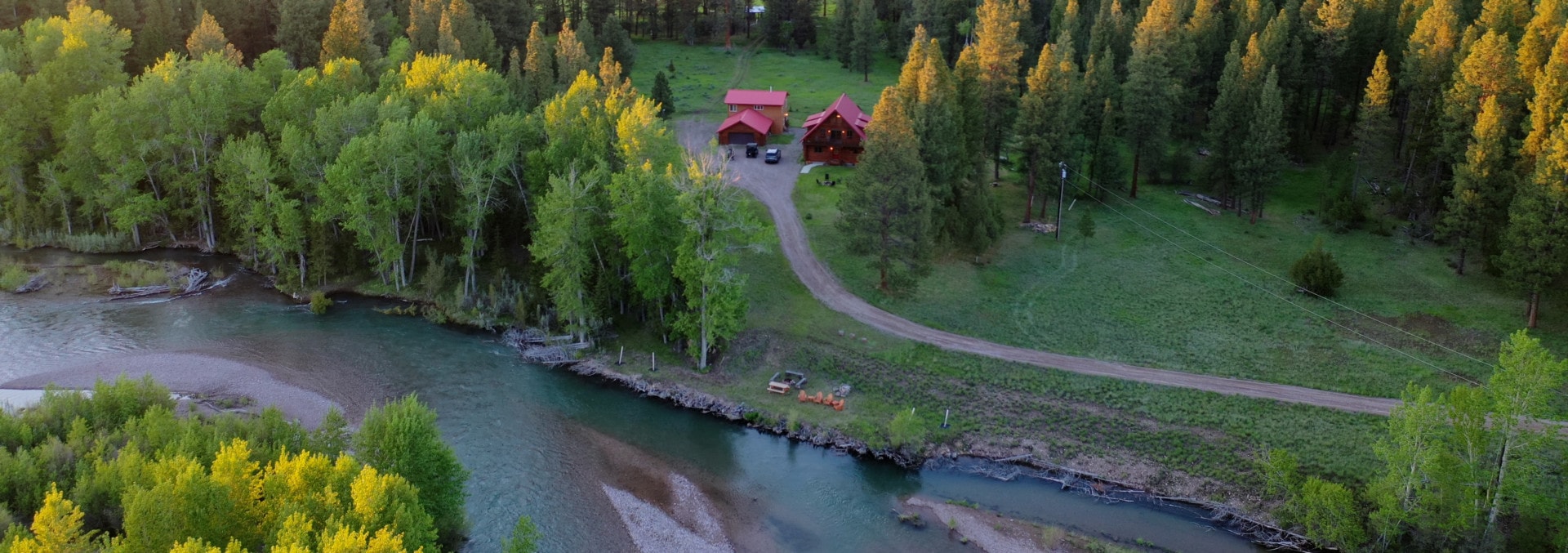
Blackfoot River Retreat
Lincoln, Montana
The Blackfoot River Retreat is rare, if not singular, in today’s market. Coupling top-notch angling and hunting opportunities with unsurpassed ecosystem diversity, the Montana retreat is a haven for anyone that wants to immerse themselves in the natural grandeur of the historic Blackfoot Valley. The turn-key 3-bed, 2-bath log cabin was built with the river as a visual centerpiece; large windows and doors open to the sights and sounds of the river. A two-car garage offers guest quarters upstairs.
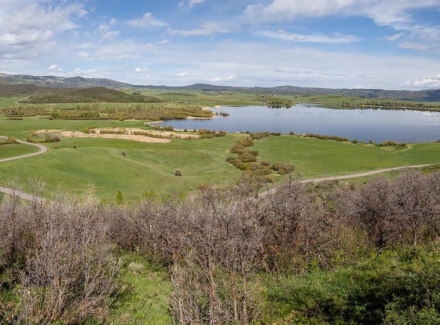
Lake Catamount Homesite
Steamboat Springs, Colorado
This premier homesite is located in Steamboat Springs’ South Valley and offers 360-degree views of Lake Catamount, conserved ranchland, and National Forest. As the first lot was chosen in the original selection, it reflects an unmatched location and scenery. Set within a gated community with a 3.3± acre building envelope, it provides privacy, direct trail access, and the option to join the Catamount Ranch & Club, featuring a private lake, golf, Nordic skiing, and top-tier recreational amenities.
Cox & Fisher Farm
Powell, Wyoming
A premier 298± acre farm in Northwest Wyoming offering excellent crop production and exceptional infrastructure, including a 5,000+ square foot shop, climate-controlled bee facility, 31,000± bushels of grain storage, 40’x150’ hay shed, and fertilizer and fuel storage. With proven productivity and convenient access to key markets, this property represented an outstanding agricultural investment. Congratulations to the buyers and sellers on this successful transaction!
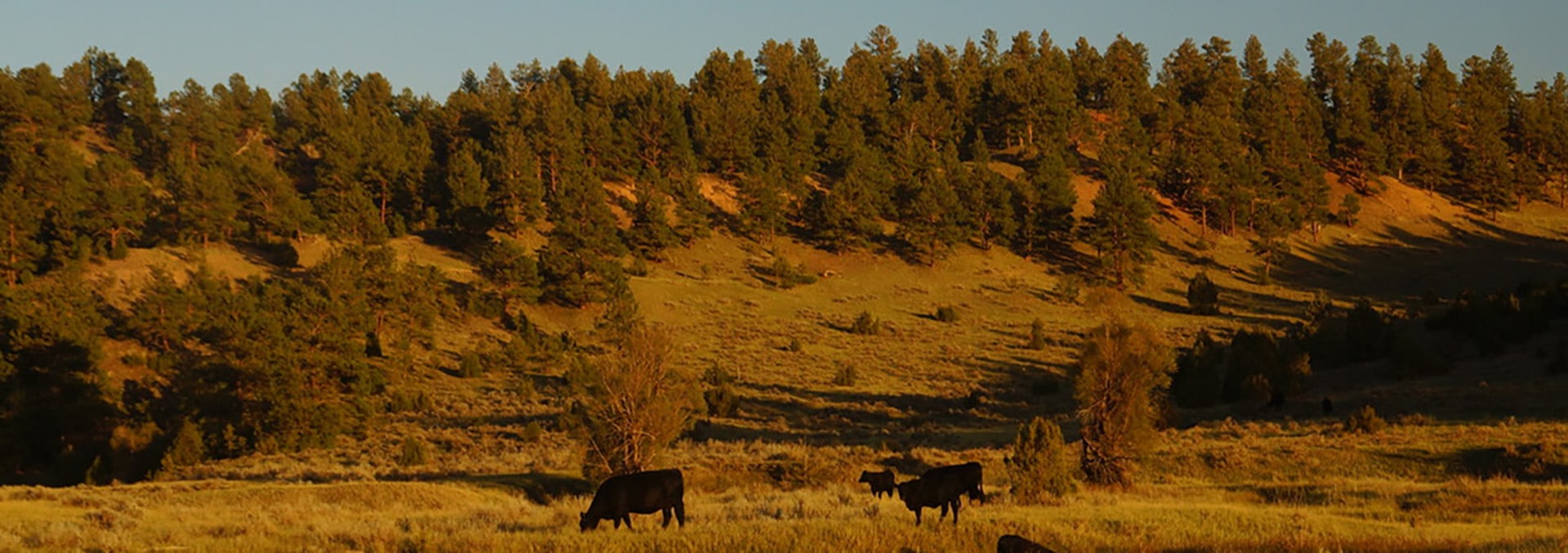
Bar U Ranch | Parcel 2
Recluse, Wyoming
Improved with pipe corrals and roping arena, metal shop, tack room, equipment room and owner’s quarters, this ranch has everything one needs. Water tanks and pipelines were placed strategically to benefit grazing and support wildlife habitat. Big game opportunities exist for trophy mule deer, antelope and elk.
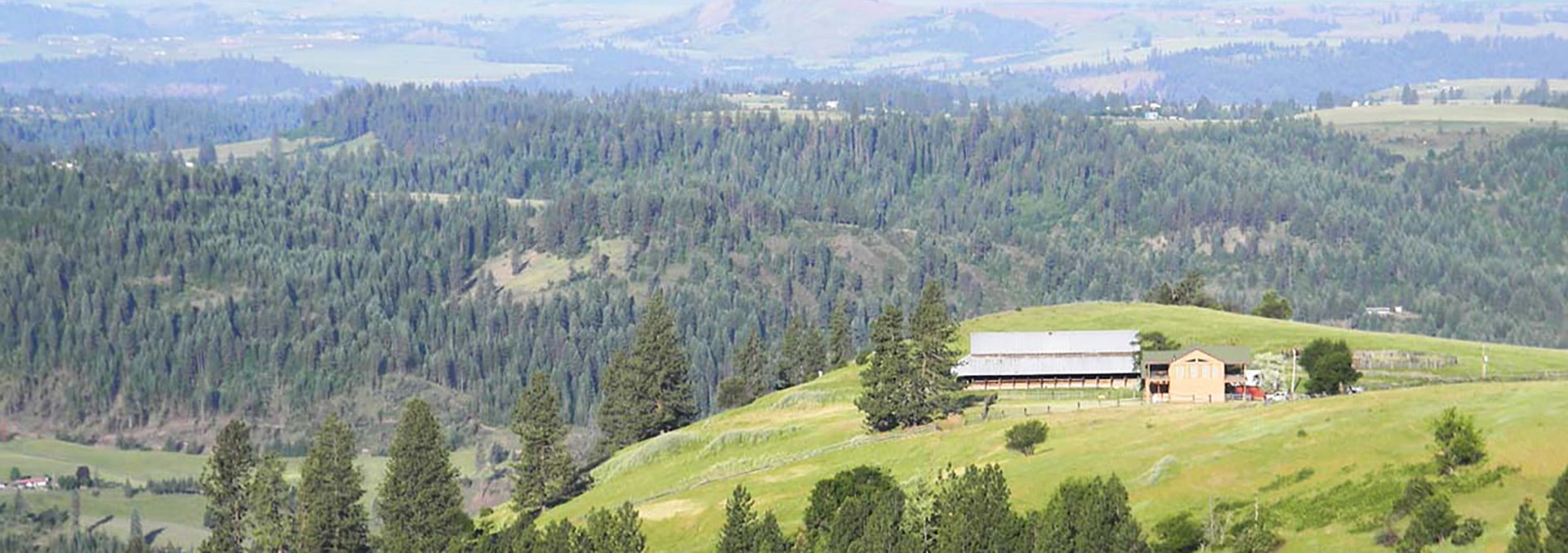
Big Cedar Ranch
Kooskia, Idaho
Big Cedar Ranch is a beautiful mountain property located in the fertile, high plateau region above the Clearwater River near Kooskia, Idaho. The ranch consists of rolling meadows of natural grass, pine covered ridges dropping into the Clear Creek Drainage and ¾± mile of Clear Creek.
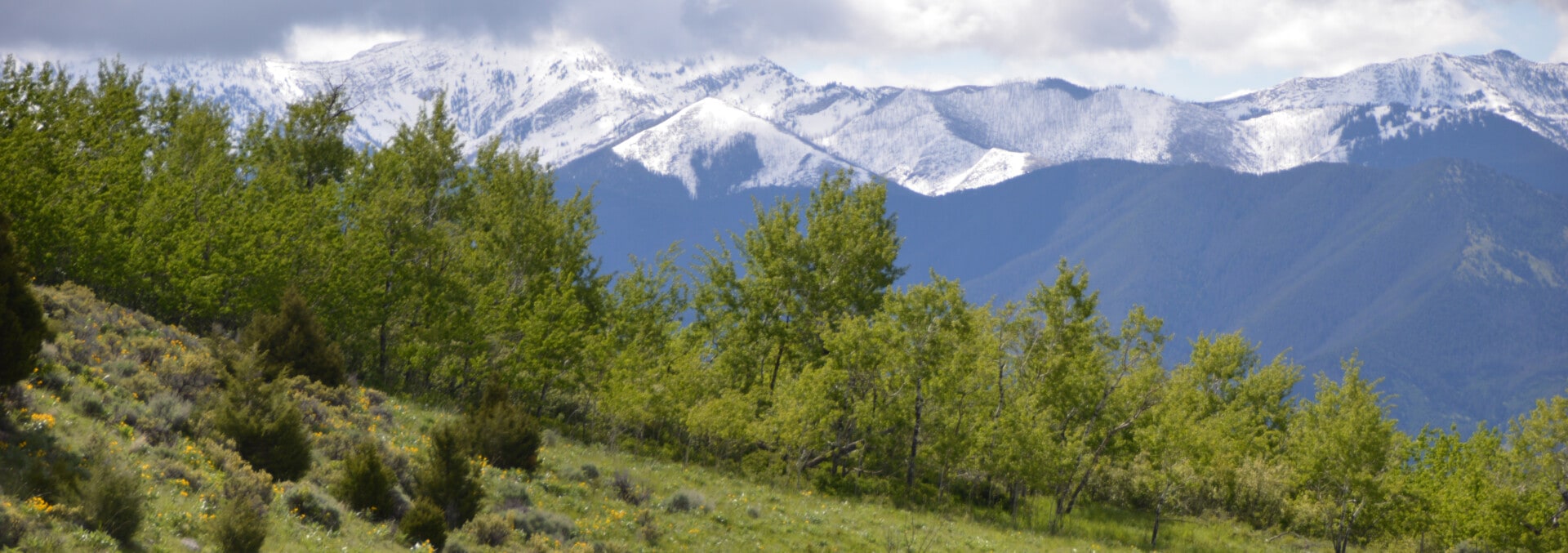
Bridger Foothills Ranch
Belgrade, Montana
Bridger Foothills Ranch is nestled in the northern part of the Gallatin Valley near the historic community of Reese Creek. The property sprawls from the forest-covered draws and contiguous forest service lands down to productive meadows with aspen groves and small springs.

Imnaha River Ranch
Imnaha, Oregon
This Oregon ranch on the Imnaha River has a fantastic amount of wildlife on the property and in the adjacent national forest. The fishing is excellent, and the river is small enough to wade, making it very family-friendly. The views are stunning, with steep, rugged canyon walls that form the mountains above the ranch. This private, out-of-the-way ranch with national forest access is suited to run cattle or as a getaway to enjoy recreational pursuits.
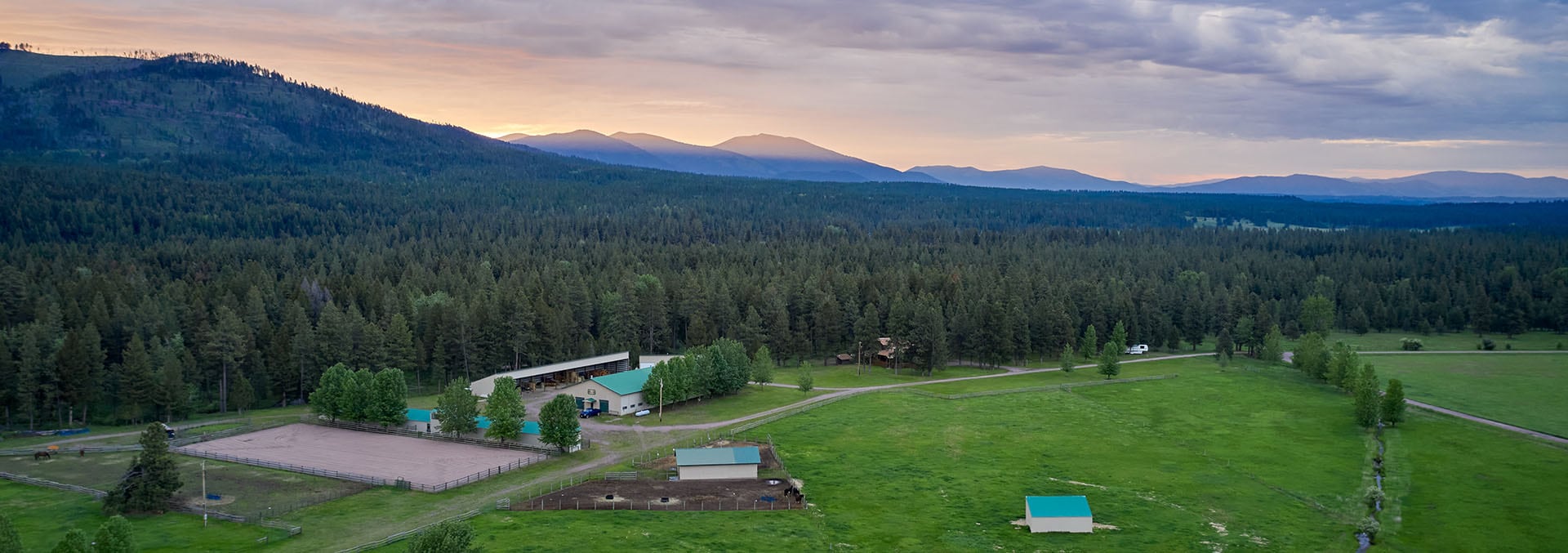
Horseshoe Hills
Seeley Lake, Montana
Nestled in a true Montana landscape, abutting thousands of acres of public lands, this is a unique property that embodies the essence of the West. Whether you indulge in an afternoon hike, embark on a horseback ride, immerse yourself in an evening of hunting, or start your day on one of the trout streams nearby, this property will transport you to a time gone by. Whether you’re seeking a year-round, permanent residence, a mountain getaway, or a vacation home, this property will have you covered.
Grand View Ranch
Inkom, Idaho
Grand View Ranch in SE Idaho offers a unique blend of seclusion and convenience on 282± acres bordered by public land. The 6,609± SF log home features superior craftsmanship with vaulted ceilings, combining rustic charm and elegance. The ranch includes open pastures, forested hillsides, and abundant water sources from two creeks feeding multiple ponds. Exceptional hunting, fishing opportunities & well-maintained outbuildings enhance functionality, making it a perfect retreat for nature lovers.
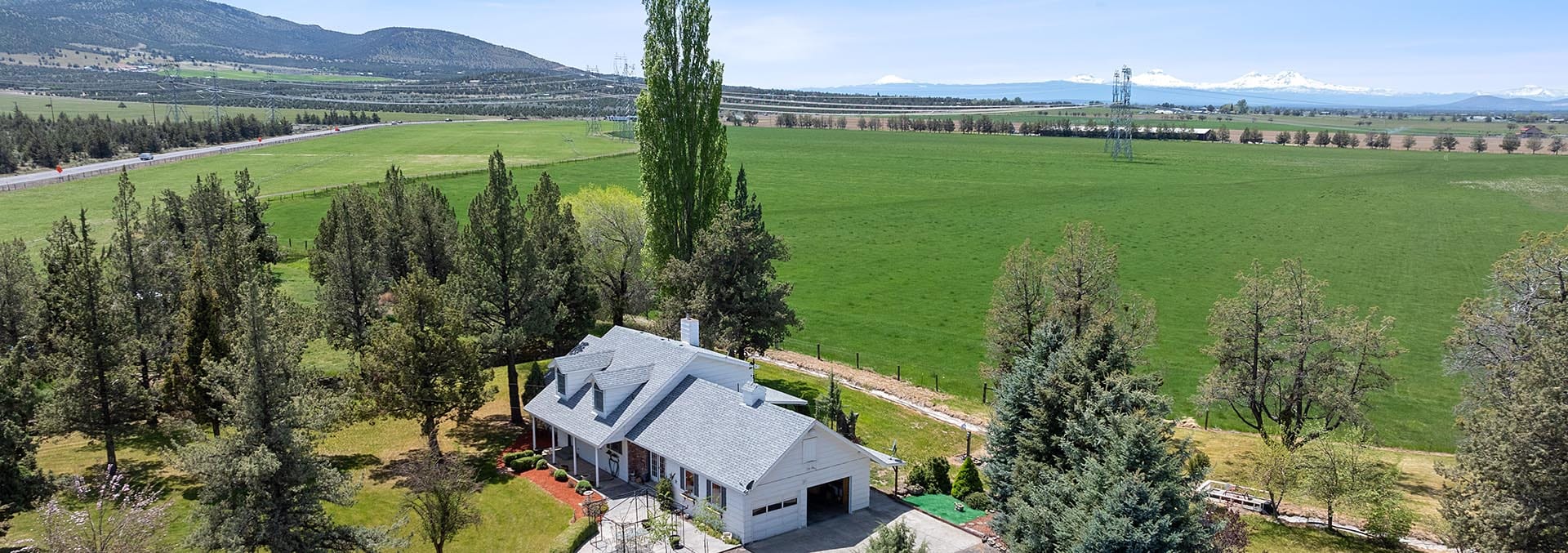
Lazy JW Ranch
Powell Butte, Oregon
Owner financing available at 5% interest on approved credit. The Lazy JW Ranch is an excellent choice for your small hay and cattle operation or to add to your existing, more extensive operation. With 260± acres of irrigation, impressive Cascade Mountain and Smith Rock views, all the necessary improvements, and a convenient location, this Oregon ranch is a great choice. Known for its sense of community, Powell Butte and Lazy JW Ranch will speak to the rancher or farmer in you.
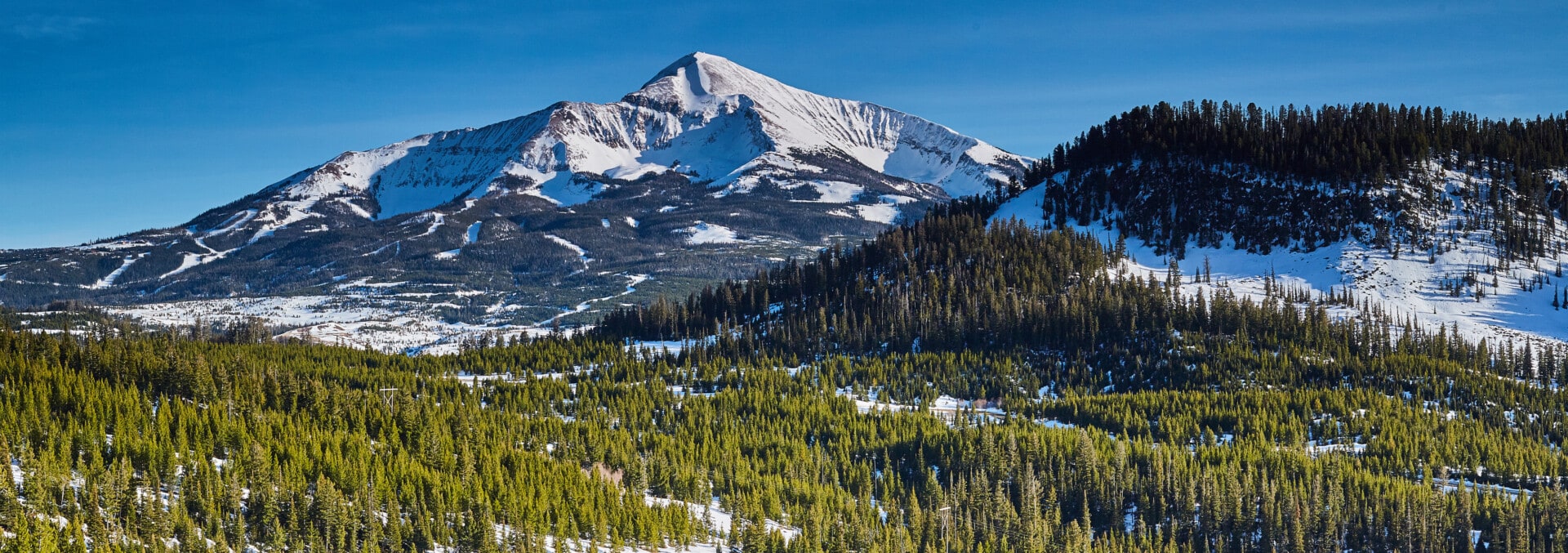
Jack Creek Reserve
Big Sky, Montana
Strategically located within the private Jack Creek drainage, less than 11 miles to the six shooter lift at Big Sky Resort and all the amenities the resort offers, this 160± acre gem provides an owner a classic Rocky Mountain private alpine setting.
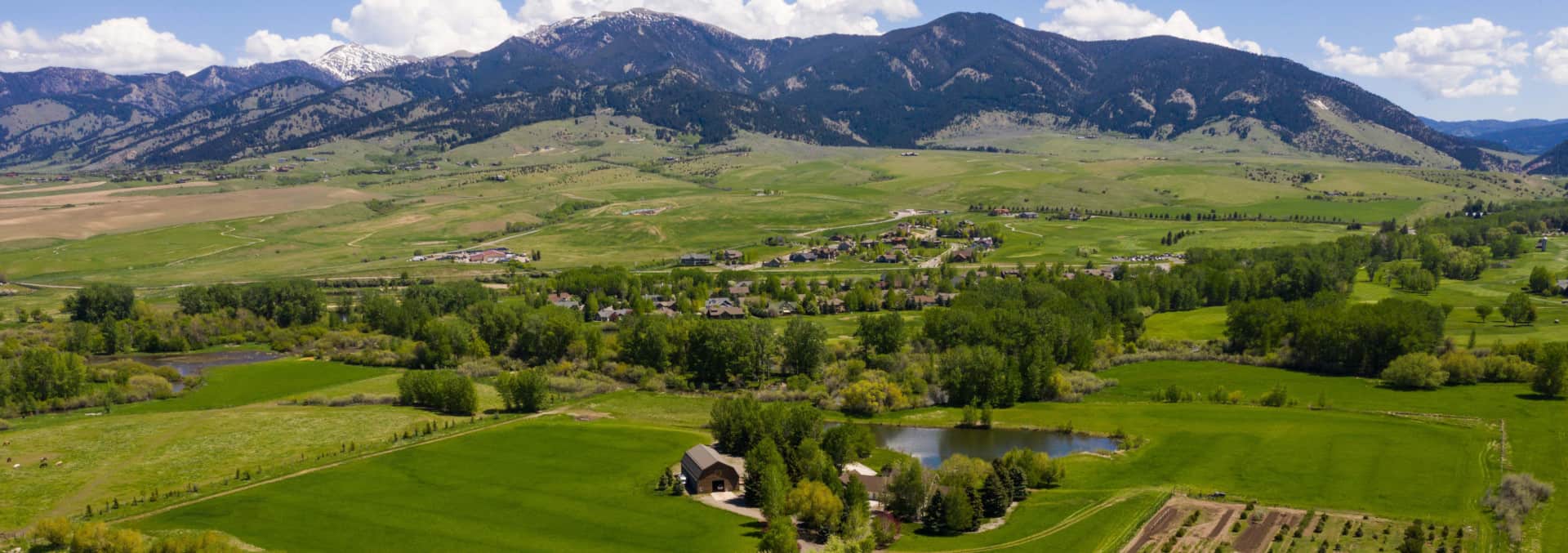
Whitetail Farm
Bozeman, Montana
Situated along the banks of the gorgeous East Gallatin River and bordering Bridger Creek Golf Course, as well as 82± acres of State Land, this property combines beautiful views, world-class trout fishing, a 1.4-acre pond, a 4,680± SF spacious 4-bedroom house with guest house attached, a large barn with sleeping quarters and a separate 4-car detached garage.

Cuddy Mountain Ranch
Cambridge, Idaho
The diverse habitat and bordering national forest make this ranch a wildlife haven and a fantastic property for recreation and hunting. The private setting, 2 homes, 3 live creeks, water and timber rights and a private runway with a hangar make this a property you are going to want to experience!

Muskrat Open Ranch
Riverton, Wyoming
This Wyoming cattle operation allows for six months of grazing from May through November. With 4,190 AUMs, the BLM allotment will allow a total of 716 cattle for these six months. The deeded parcels provide improved water sources in the form of solar wells, and there are numerous reservoirs, creeks, and springs throughout the allotment. With outstanding big game hunting on the ranch including large mule deer, antelope, and Rocky Mountain elk, and Chukar the hunter will enjoy the opportunities.
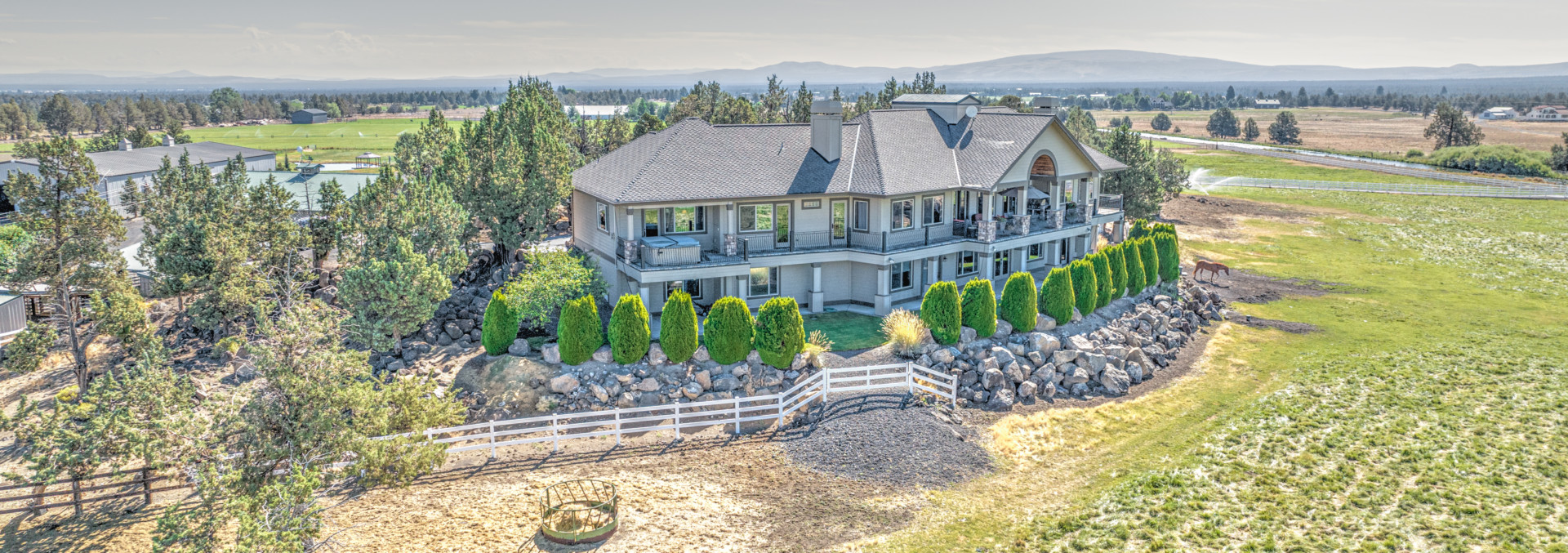
Cowgirl’s Dream
Bend, Oregon
This Central Oregon stunner is what the equestrian lover dreams of! From the beautiful custom home, large indoor riding arena, outdoor riding arena, nice apartment and horse barn, and two shops to the convenient location with breathtaking Cascade Mountain views, you are sure to fall in love. It includes 8.66± acres of irrigation, with 2 irrigated pastures. It is one of the finest and most luxurious equestrian properties on the market today and is an ideal fit for the western or dressage rider.
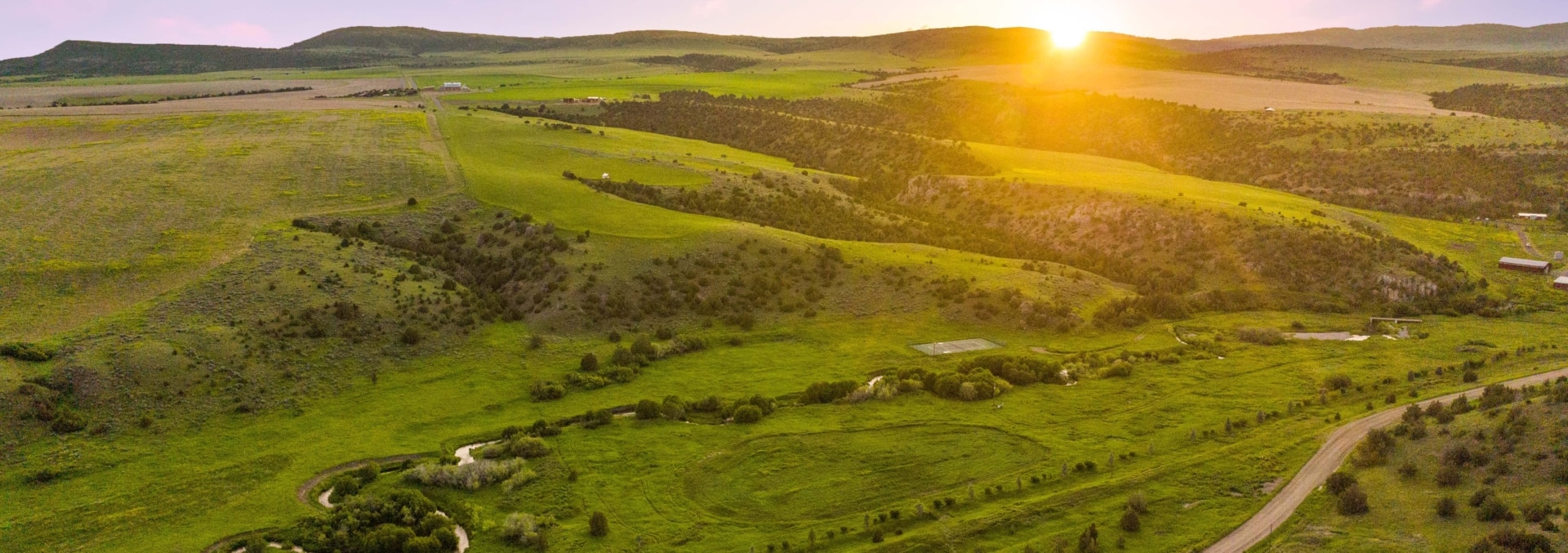
Overlook at the SxS Ranch
Belgrade, Montana
This is a rare opportunity to purchase land on the northern edge of the Gallatin Valley in Montana, along with live, fishable, year-round water. Dry Creek, headwaters of the Missouri River, traverses through the property. Vegetation lines the creek, while mature trees and covered draws add to the beauty. This property is only 30± minutes to Bozeman, 15± minutes to the airport, and 45± minutes to Bridger Bowl Ski Area. This opportunity provides membership in the 971± acre SxS Ranch.
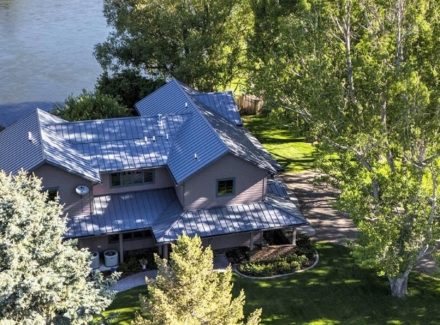
Missouri River Fishing Retreat
Cascade, Montana
Experience unmatched fly fishing luxury at the Missouri River Fishing Retreat, just 10± miles from Craig, Montana, a fly fishing haven. Enjoy 160± feet of prime river frontage and “Blue-Ribbon” trout fishing. The 4,015± SF custom home offers stunning views, a screened porch, & a second-story deck overlooking the “Mighty Mo.” It includes a 1,150± SF guest space above a large heated garage/workshop, perfect for storing all outdoor gear: a haven for making lasting memories in nature’s grandeur.
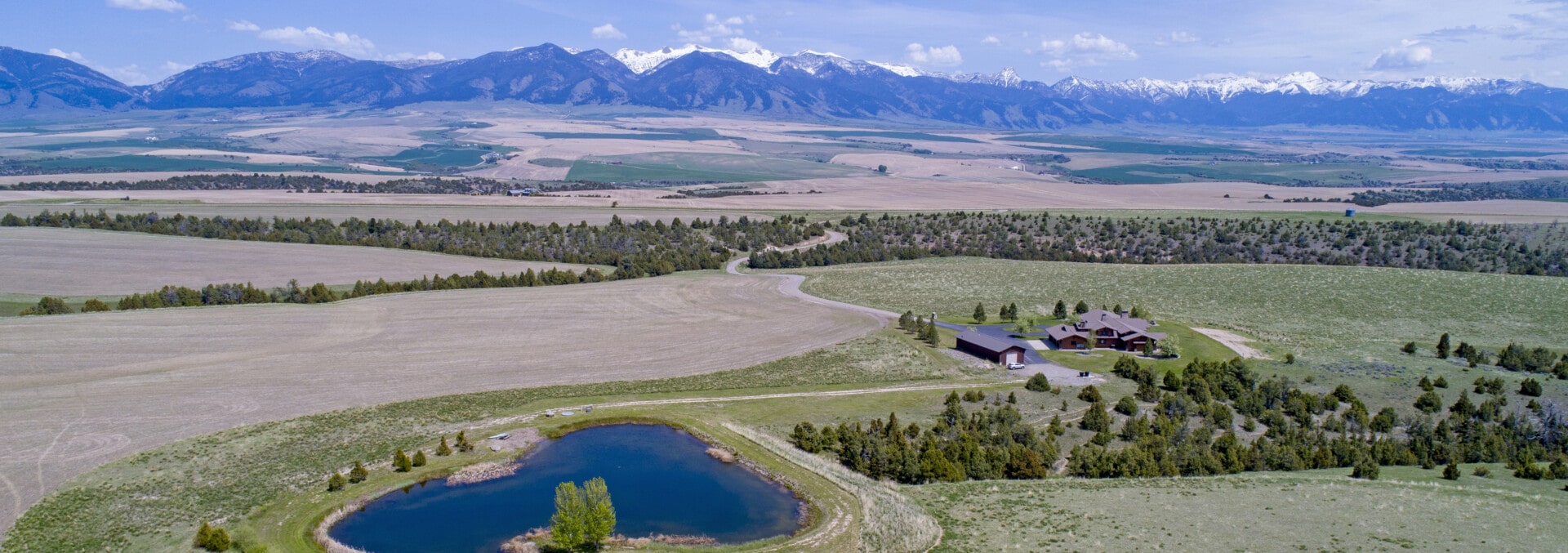
Gallatin Overlook Ranch
Belgrade, Montana
From its perch overlooking the Gallatin Valley, the ranch provides the best of both worlds; complete privacy in a beautiful setting, as well as easy access to Bozeman and all the amenities this vibrant university town has to offer. There is a beautiful ranch compound with a custom ranch style home, shop and a 1 acre stocked trout pond and the property is contiguous with an additional 640± acre State section of land. It is the ideal property for those looking for privacy and ideal proximity.
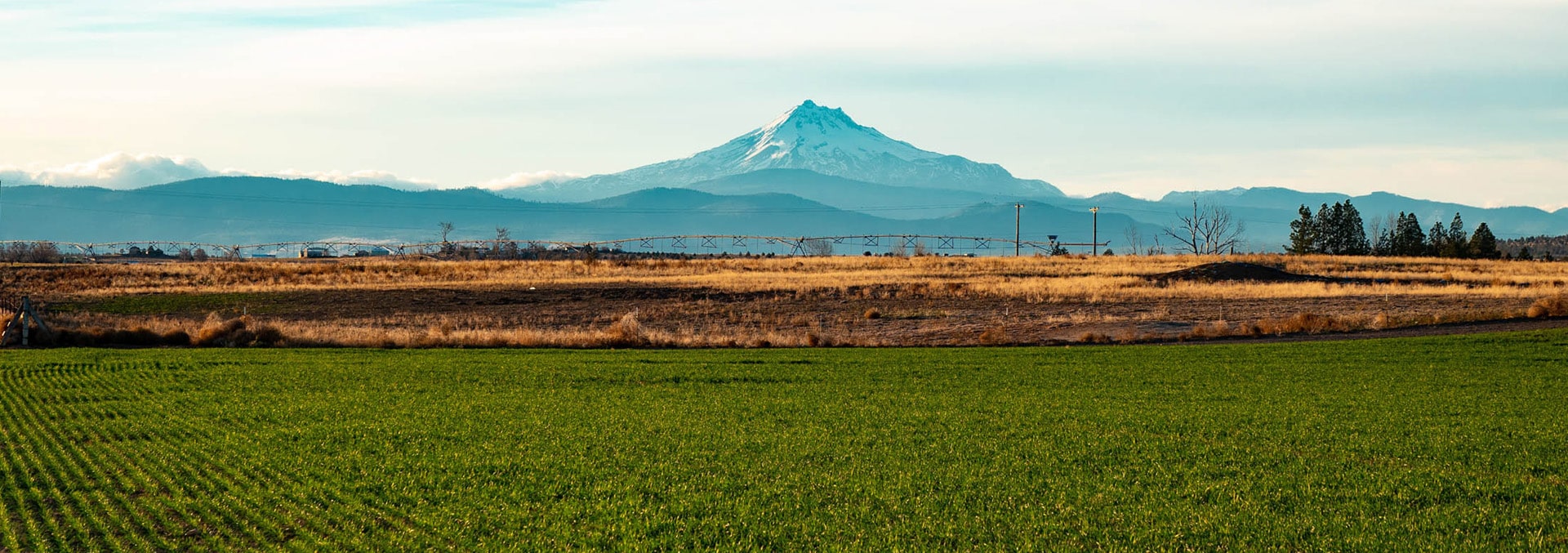
Cascade Mountain View Farm
Madras, Oregon
The Oregon farm’s rich soils, together with its 392.2± acres of irrigation water rights can produce most crops common to the area. The linear, center-pivot, wheel line and handline irrigation systems effectively distribute timely irrigation water. Onsite housing is conveniently located and affords great Cascade Mountain views. The unfinished shop/storage/office structure, irrigation pump, linear, center-pivot, wheel line, and handline irrigation system, 3 Granaries, and fuel storage included.

Missouri River Refuge
Highwood, Montana
Missouri River Refuge spans 1,349.74± acres along the Missouri River near Highwood, MT. With 2.5 miles of river frontage, 2 miles of Highwood Creek, CRP and riparian habitats, it offers prime recreation and wildlife value. A furnished log home, five outbuildings, and water rights support year-round use. Adjacent State and BLM lands add to the appeal. Protected by a conservation easement, this secluded property holds rich history and stands out for its terrain, habitat, and privacy.
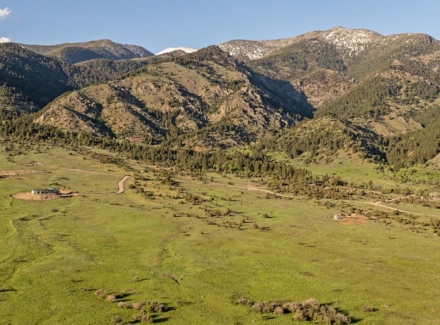
Springhill 40
Bozeman, Montana
Secluded and located in the shadow of Ross Peak, this property is in a vibrant and varied wildlife corridor near the Springhill community. Tom Reese Creek and Evan Reese Creek turn into Reese Creek, flowing through the property for about a third of a mile. Just 25± minutes north of Bozeman, this private escape is the epitome of scenic beauty. The acreage is comprised of lush wetlands and groves of aspens with exquisite views of the south face of the Bridger Mountains and Gallatin Valley.
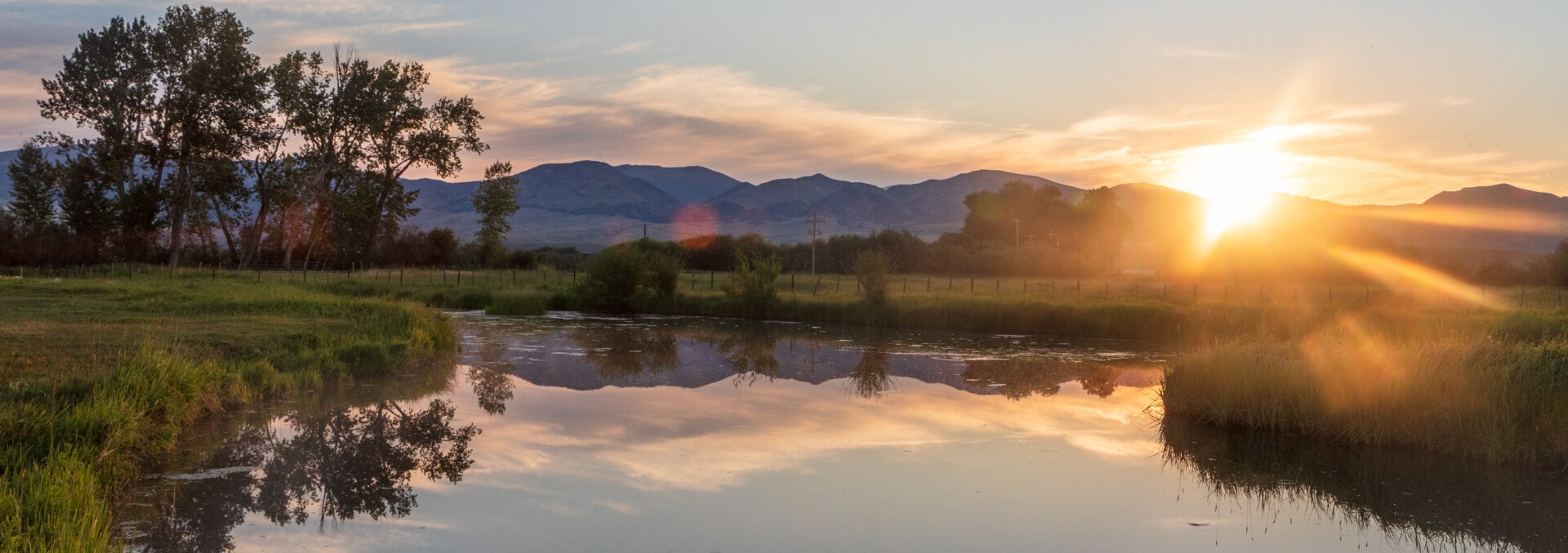
Big Hole River Retreat
Melrose, Montana
The Big Hole River makes up the west boundary of this mostly irrigated end-of-the-road property, with a pond in the center. Improvements include a 2,400+ SF, 2 bed, 2 bath home, a guest cabin, another guest quarters adjacent to a detached garage, and a heated shop. Enjoy views of the Pioneer and Highland Mountains while casting to trout. Near Melrose, Dillon, and Butte, the property and endless acres of nearby public land are home to white-tailed deer, elk, bear, duck, geese, and other wildlife.
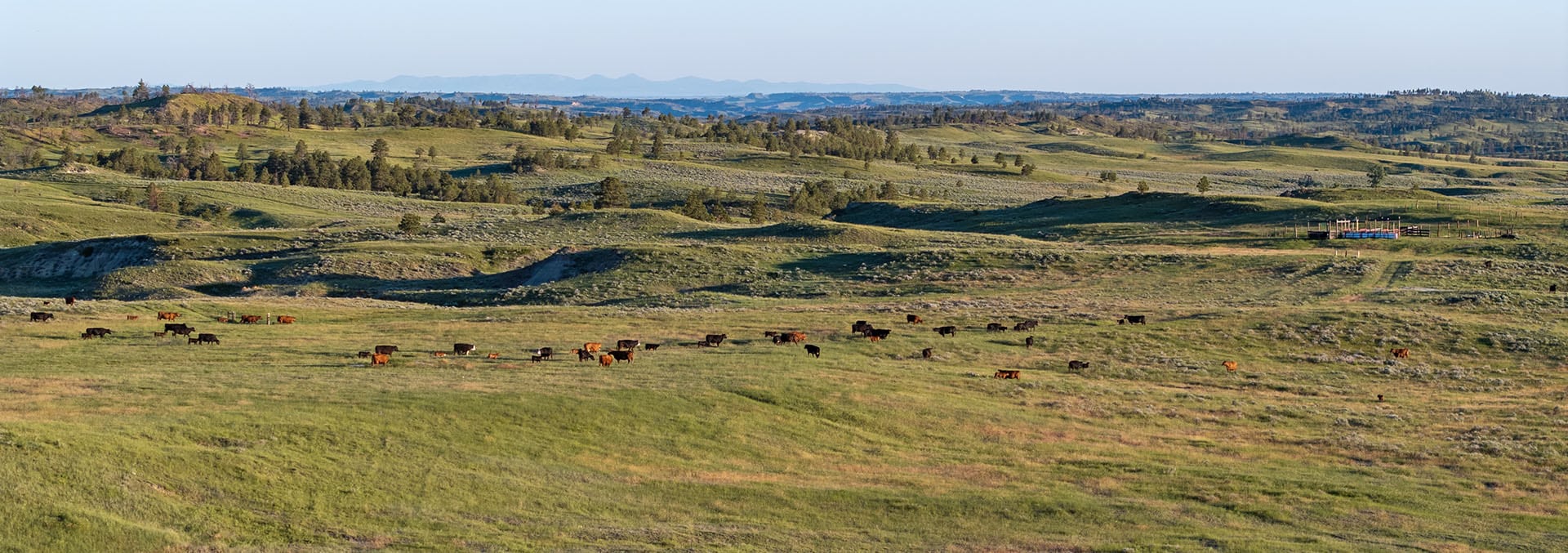
Missouri River Breaks
Square Butte Ranch
Sand Springs, Montana
This quality, versatile ranch located in the Missouri Breaks offers a fantastic getaway for those with a spirit of adventure who truly enjoy seclusion, privacy, and the great outdoors. Whether you are in the market for grass, are an avid hunter, or just appreciate seeing wildlife in its natural habitat, this ranch is a beautiful mix of deep canyons, badlands, and prairie wilderness with unlimited potential. The elk, deer, and antelope play today, but there is evidence dinosaurs once roamed here.
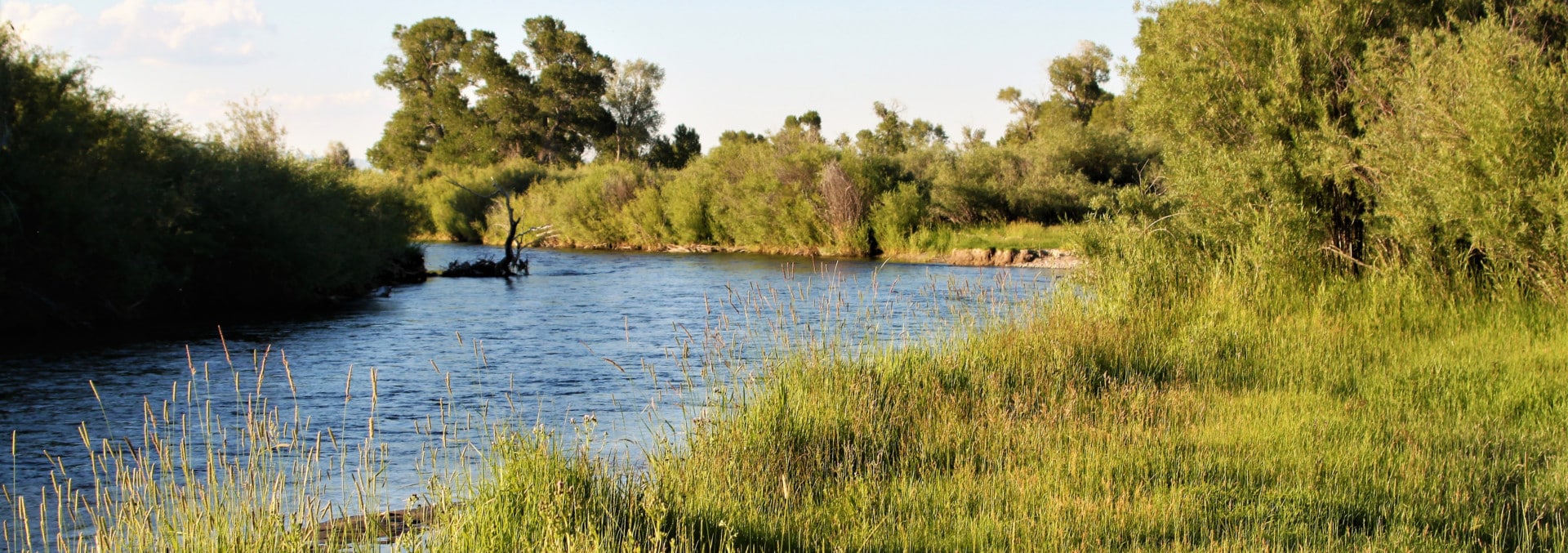
Mussard Ranch on the Beaverhead River
Dillon, Montana
The Mussard Ranch on the Beaverhead River provides all the ingredients our customers look for in a recreational property. It has frontage on one of the finest trophy trout streams in the world, good water rights with irrigated ground, spring-fed wetland, mountain views, and proximity to a nice town.
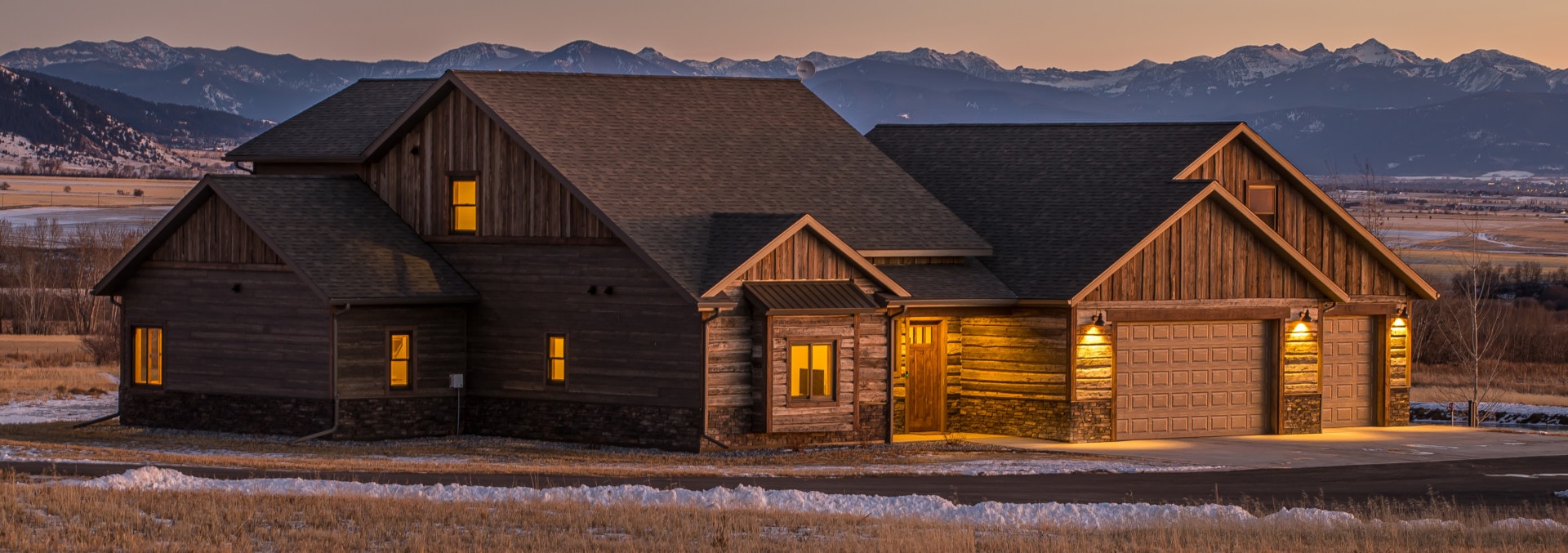
Reese Creek Farmstead
Belgrade, Montana
Just 20± minutes from Bozeman and 15± minutes from the airport, this acreage sits in the shadow of Ross Peak, one of the most dramatic mountains in Montana. Boasting a new 3,169 SF, 4 bed, 3 full bath, and 1 half bath home, the property also includes a pickleball court and pond. A large heated barn is attached to a 1 bed, 1 bath guest apartment. Lined with grassy cover and scattered willows, this property acts as an excellent pheasant, Hungarian partridge, and white-tailed deer habitat.
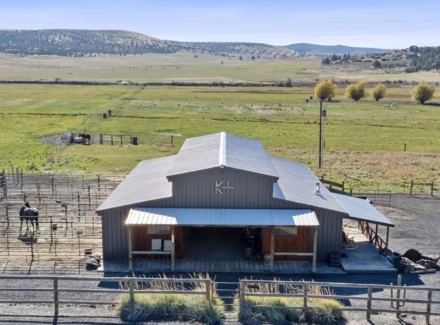
K Kross Ranch
Antelope, Oregon
Located in Oregon’s high desert near Antelope, this productive and scenic ranch combines efficient agriculture, comfortable living, and outstanding recreation. With 252± acres of irrigation rights, pivot and wheel-line systems support lush pastures and hay fields. Improvements include a home, shop, barns, bunkhouse, and cattle facilities. Fully fenced and cross-fenced with NRCS programs in place, the property also offers exceptional hunting and Cascade Mountain views.
Hungry Ridge Fly-In Ranch
Grangeville, Idaho
Hungry Ridge Fly-In Ranch offers 39± deeded acres in Idaho’s Nez Perce-Clearwater National Forest. Just 14± miles from Grangeville, it features a 2,200± foot private airstrip, log home, and sweeping views at 4,599± feet elevation. Outdoor recreation includes hunting, fishing, hiking, and horseback riding. With access to trophy wildlife and premier steelhead waters, this remote property is ideal for aviators, sportsmen, and anyone seeking solitude and adventure in the Idaho backcountry.
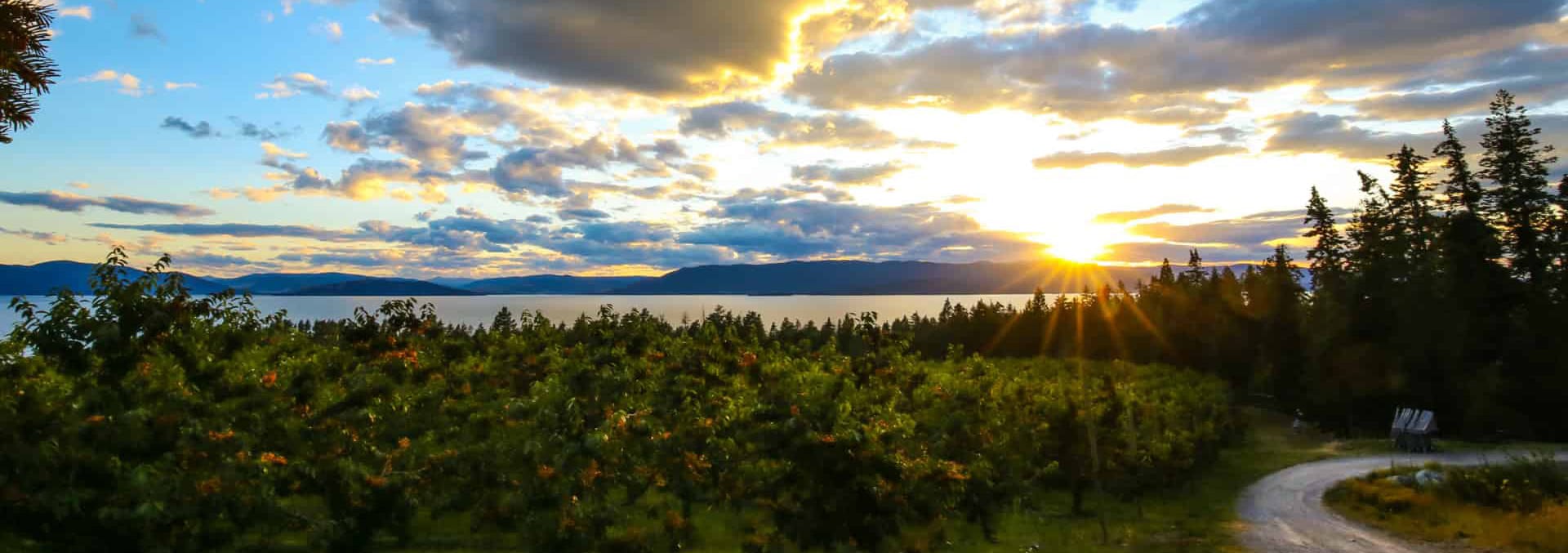
Glacier Fresh Cherry Orchard
Bigfork, Montana
The Glacier Fresh Cherry Orchard consists of 54± acres on the eastern side of Flathead Lake. This is a great opportunity to purchase a producing cherry orchard and packing facility, build a very secluded estate home, and be right in the middle of a recreational mecca.
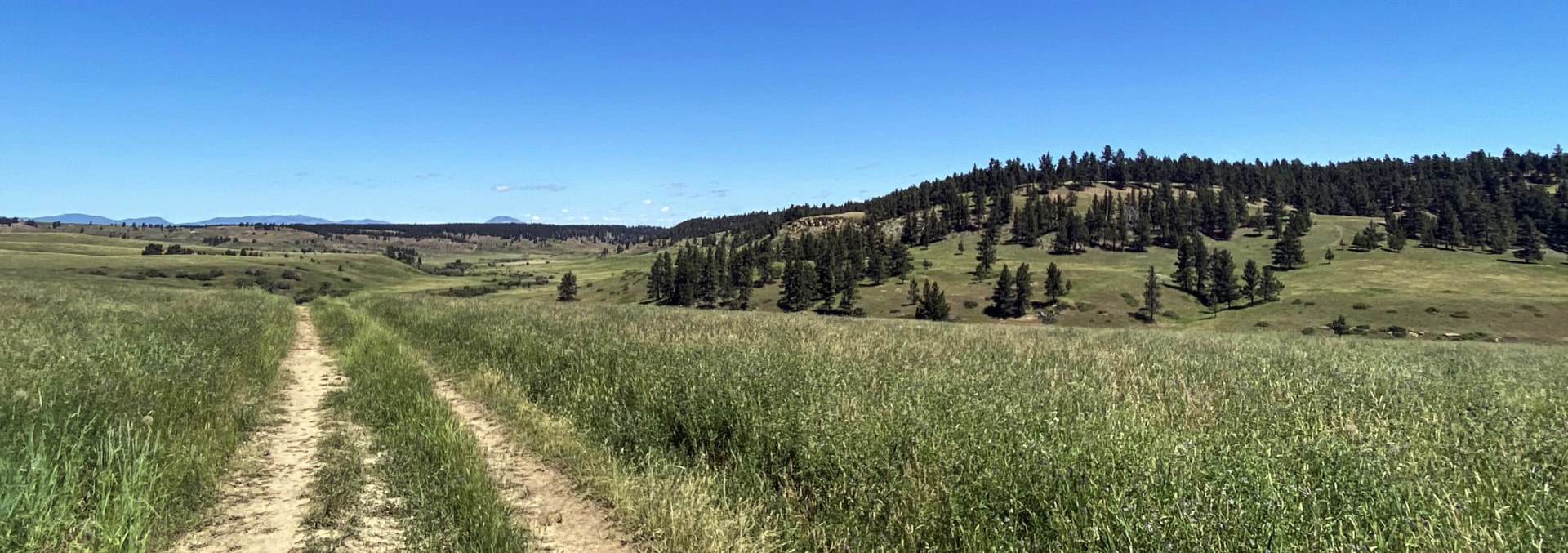
Blacktail Creek Ranch
Grass Range, Montana
This is a rare piece of the west located in a highly desirable and beautiful part of Montana that is private yet close enough to town to provide convenient services. Offering a variety of recreational and agricultural opportunities, including excellent hunting opportunities for world class bull elk on the property and on the adjoining public lands.
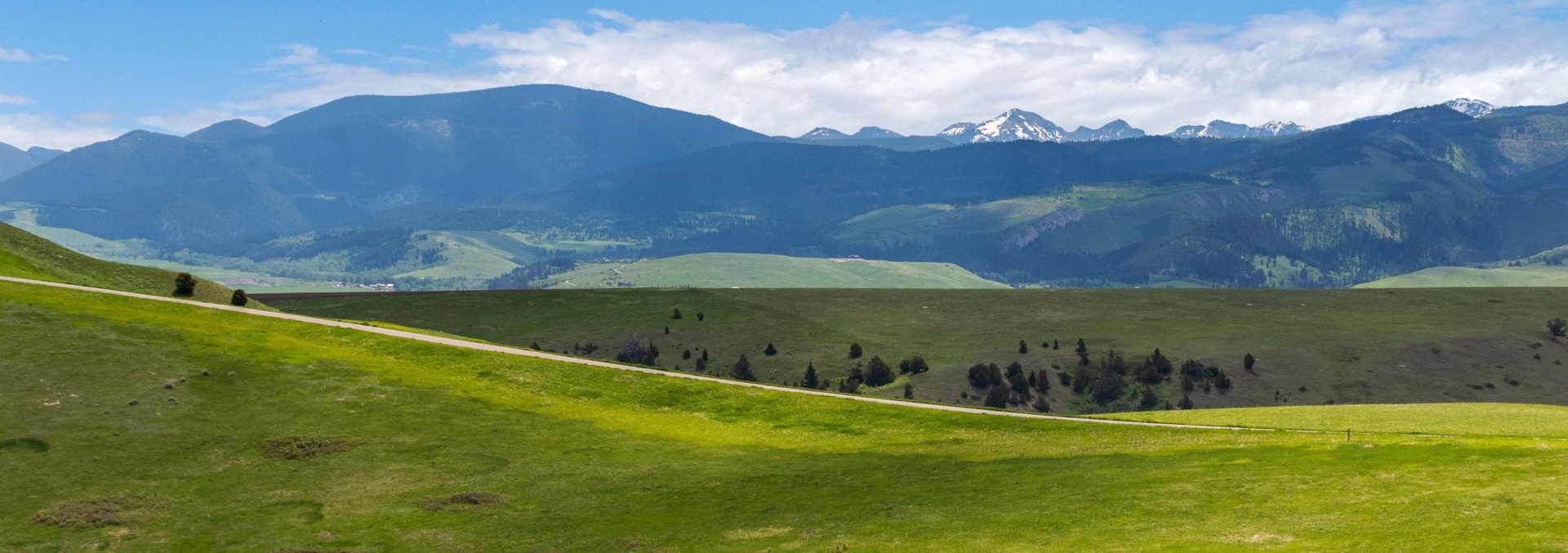
Maryott Gulch
at Montana Ranch
Gallatin Gateway, Montana
Over a mile of Maryott Gulch runs the length of this property, just 30± minutes from Bozeman, Montana and 10± minutes from the Gallatin River. Panoramic views of the Spanish Peaks, Bridger Mountains, Ruby Mountain, Tobacco Roots, and Elk Horns are visible from the two elevated Designated Residential Areas. Deer, elk, and other Montana wildlife roam the acreage. Montana Ranch’s amenities, including trails and an equestrian facility, are exceptional. This property is perfect for outdoor enthusiasts looking to build their Montana dream home.
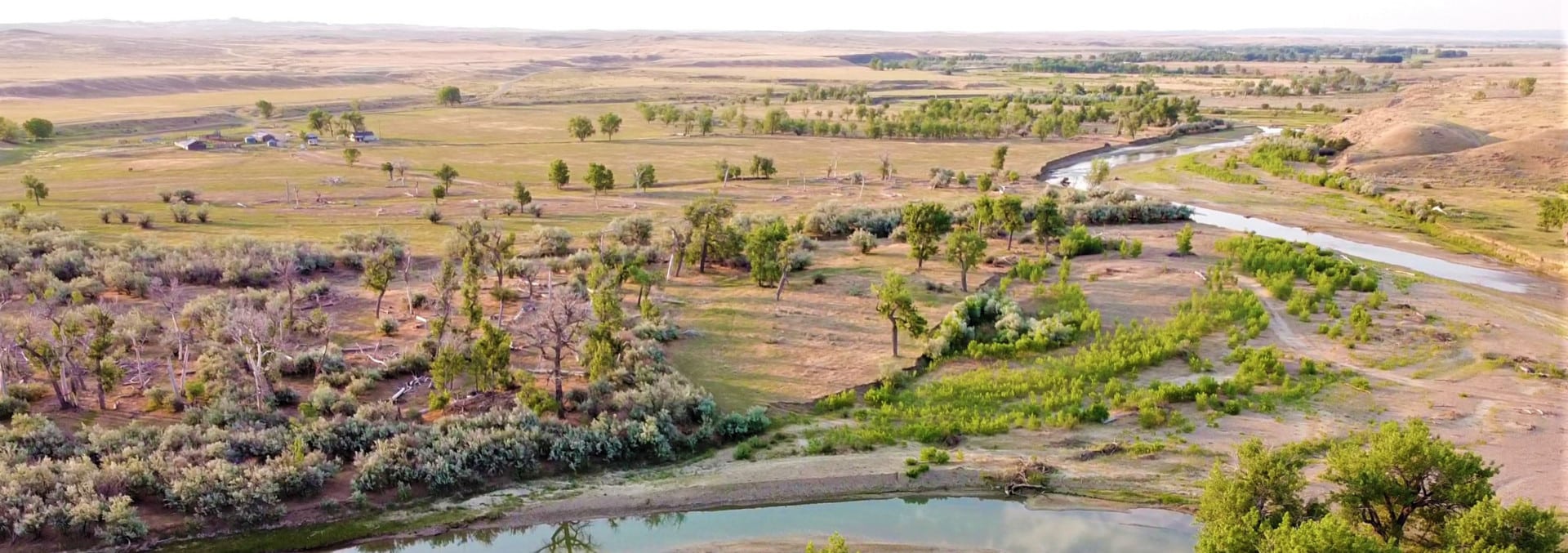
Whiskey River Ranch
Melstone, Montana
Located in Montana’s picturesque Musselshell River Valley, this ranch is primarily agricultural land with over three miles of the Musselshell River and offers both lifestyle and livelihood elements. The ranch is watered by several reservoirs and lush seasonal creek drainages. Improvements are sustainable to livestock and equestrian operations, with horses year-round and leasing pastures for cattle. Along the river, a variety of wildlife species and livestock have access to cover and forage.
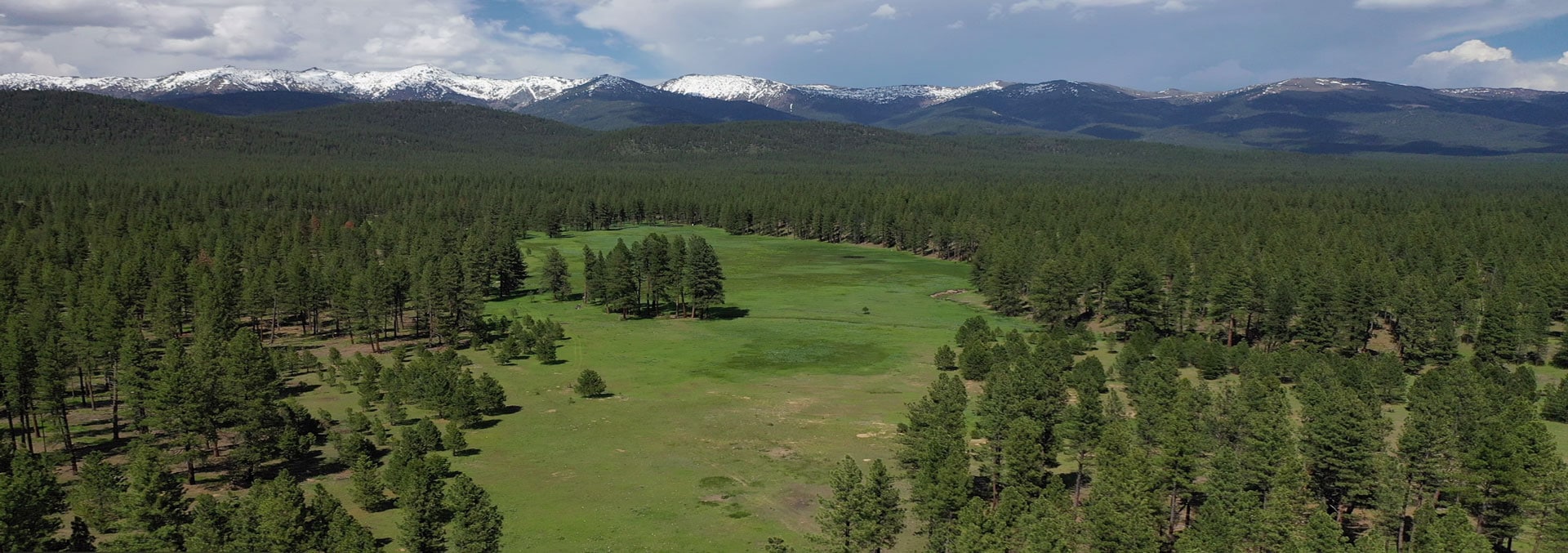
Sumpter Valley
Elkhorn View Ranch
Sumpter, Oregon
This scenic ranch in Oregon, with its lush irrigated and native meadows, uplands, and timbered pastures provides excellent wildlife habitat, as well as agricultural opportunities through cattle grazing and timber production. This historic ranch has been in the same family for 5 generations. Make this ranch your seasonal or year-round recreational headquarters!
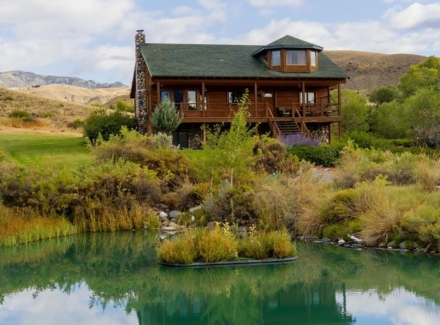
Jim Creek Retreat
Cody, Wyoming
Tucked into the mountainside in Wyoming near Yellowstone National Park, this ranch offers 1,650± feet of Jim Creek frontage, a fish pond, a creek-bottom forest, and stunning views of Table Mountain and Shoshone National Forest. With a 3,000± SF 4/3 home, it has dramatic views, several outdoor gathering spaces, and a guest cabin. Two catch pens, a round pen, two irrigated horse pastures, a wind shelter, and a hay storage shed make this horse facility ideal. A BLM Grazing lease is included.
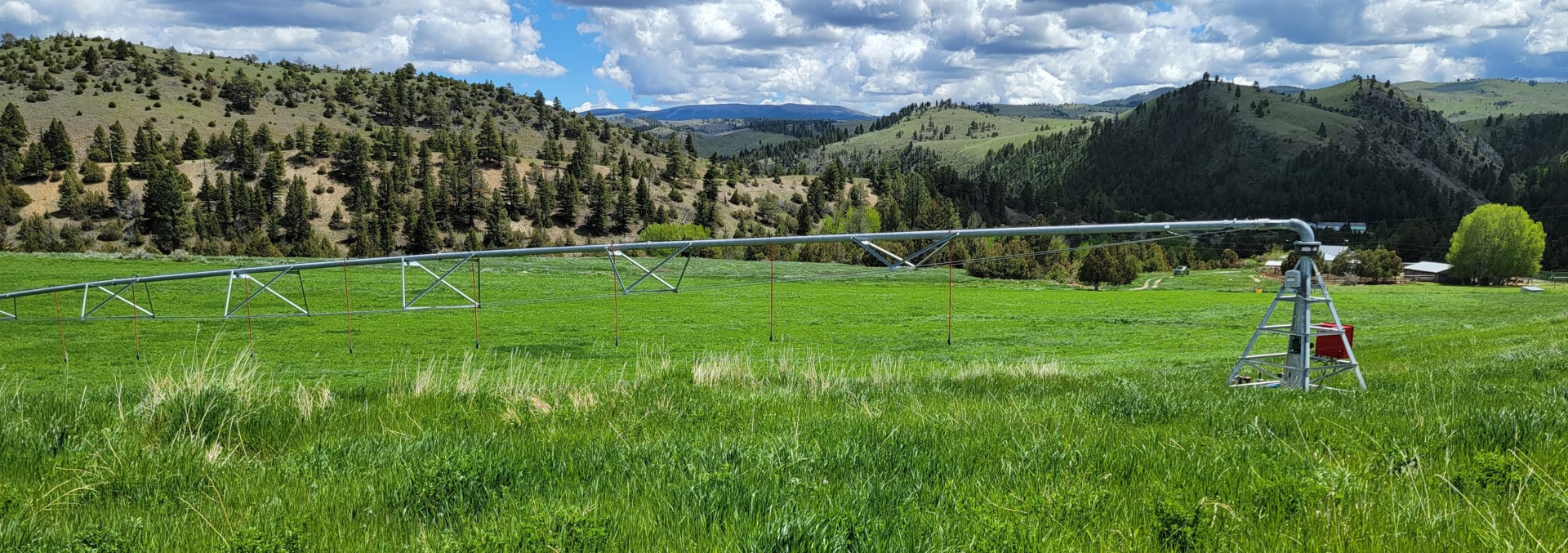
Schock Ranch on the North Fork
Townsend, Montana
This Montana property with houses is an opportunity to own a turn-key operational ranch, fine-tuned to provide ease of management and maximum enjoyment. Recreational pursuits on and around the ranch provide the ability to pursue some of the finest hunting and recreation. The ranch is close enough to town to be convenient but far enough away to unplug. The renovated home and outbuildings provide a clean, comfortable place for a seasonal getaway or permanent place to call home.
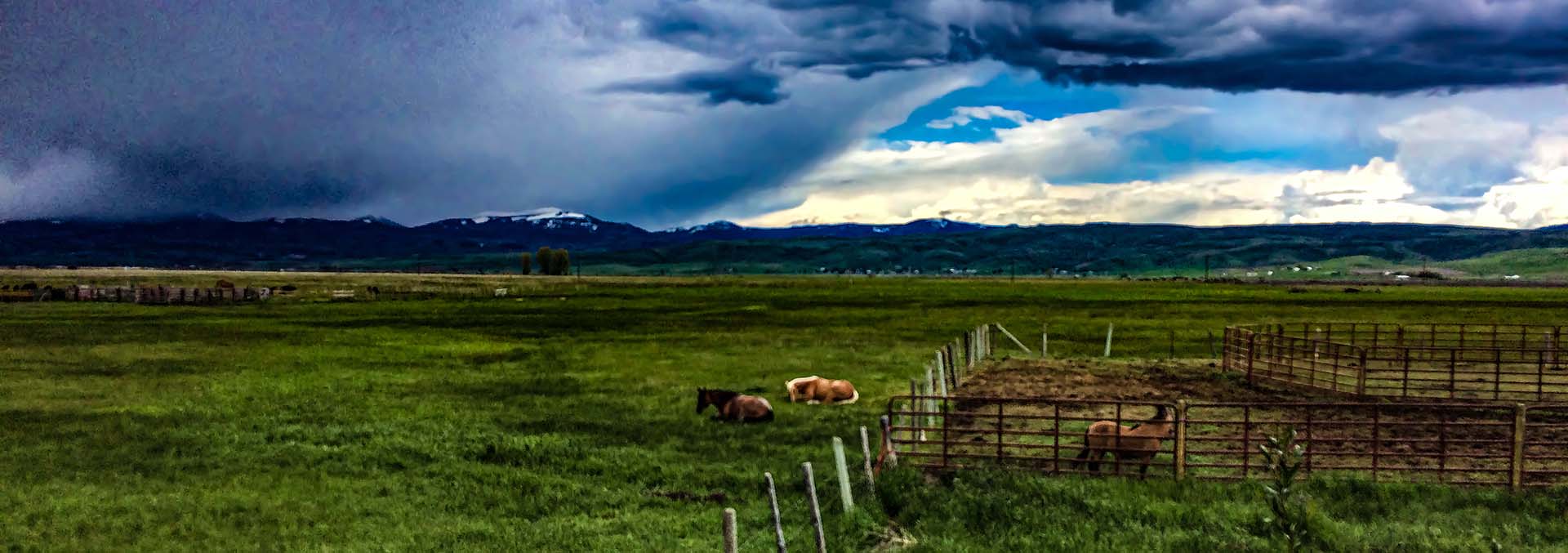
Diamond Heart Ranch
Montpelier, Idaho
With a history of raising some of Idaho’s finest beef, this Montpelier, Idaho, ranch is offering its irrigated pastureland, water rights, and year-round water flow. It grows some of the best quality hay in the Bearlake Valley area. Additionally, Diamond Heart Ranch raises some of Idaho’s finest beef on their ranches. Southeast Idaho offers a multitude of recreational activities, including hot springs, watersports, horse and hiking trails, snowmobiling, and skiing.
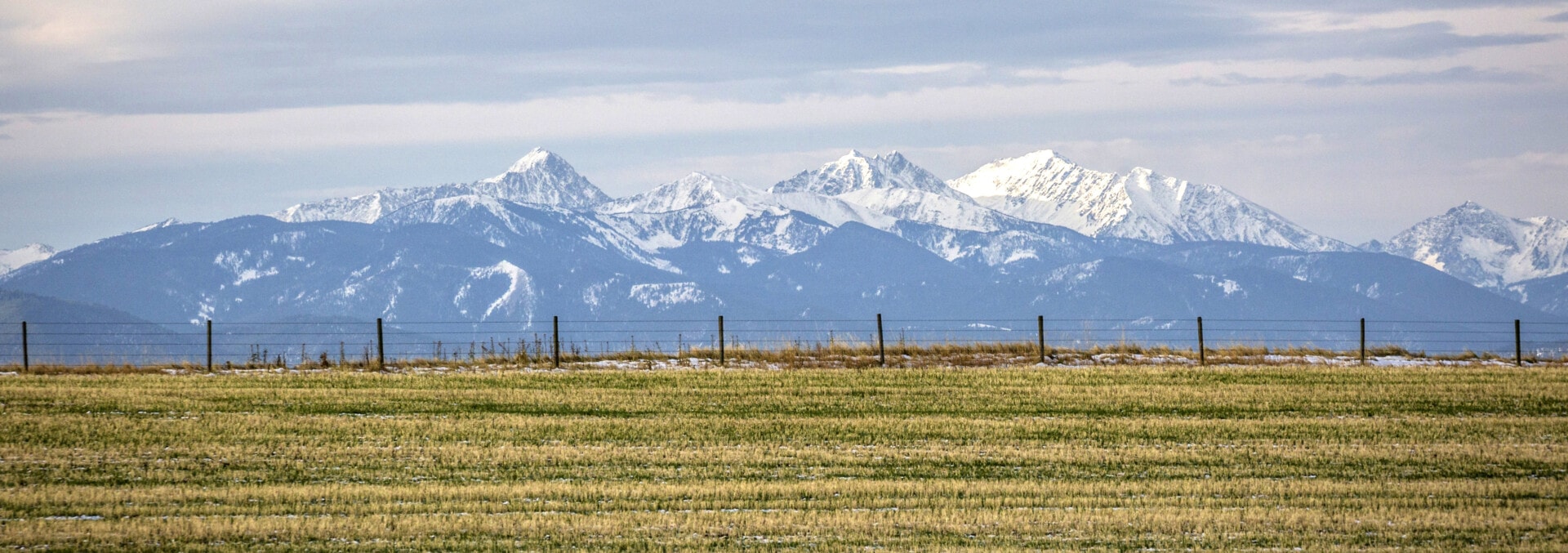
Lookout Point at Bridger Shadows Farm
Bozeman, Montana
This property is a beautiful 186± acres that is configured in 5 separate parcels that are contiguous. Two of the parcels totaling 78 acres are zoned Agricultural Suburban while the rest of the farm is unzoned. You can’t beat the location, just minutes from downtown Bozeman.
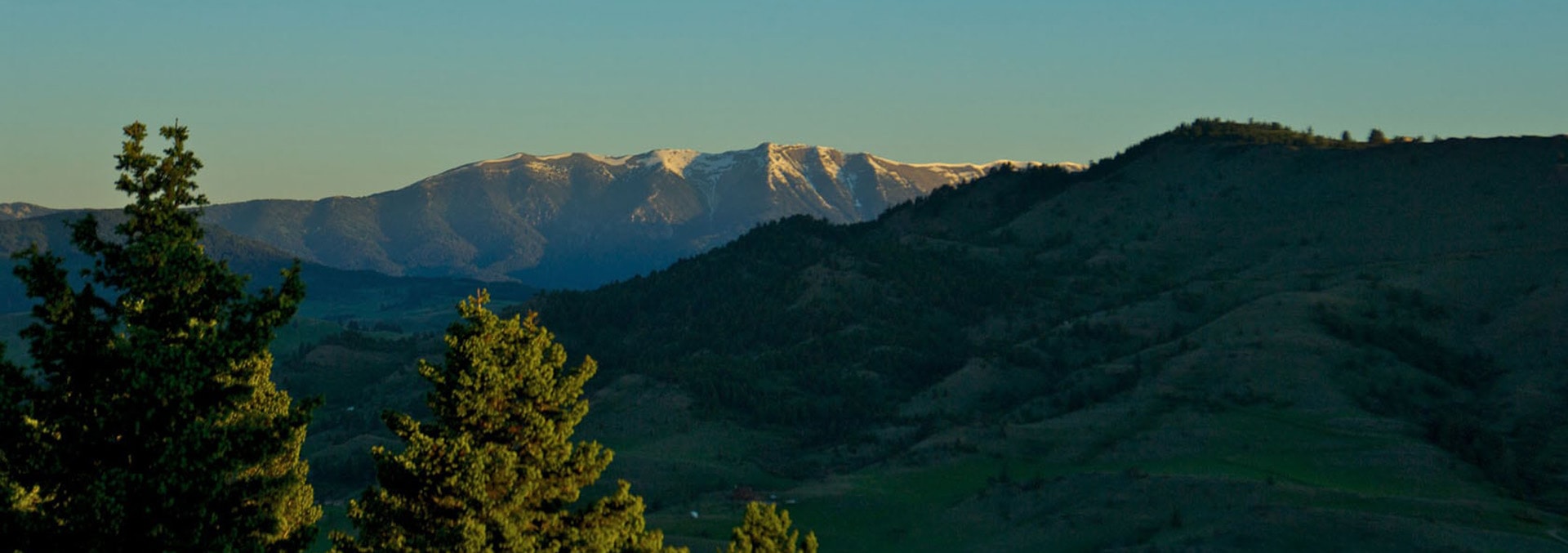
Visions West Ranch
Livingston, Montana
The ranch offers commanding views of 4 surrounding mountain ranges while providing diverse topography and native vegetation making for the perfect wildlife haven. Within the property are dramatic changes in elevation, ranging 650 feet from the lowest to highest point, rising and falling again and again through stands of trees, wide open wildflower meadows, natural springs and rolling grassy hills. Ideal for a hunting retreat, conservation easement, family compound or development.
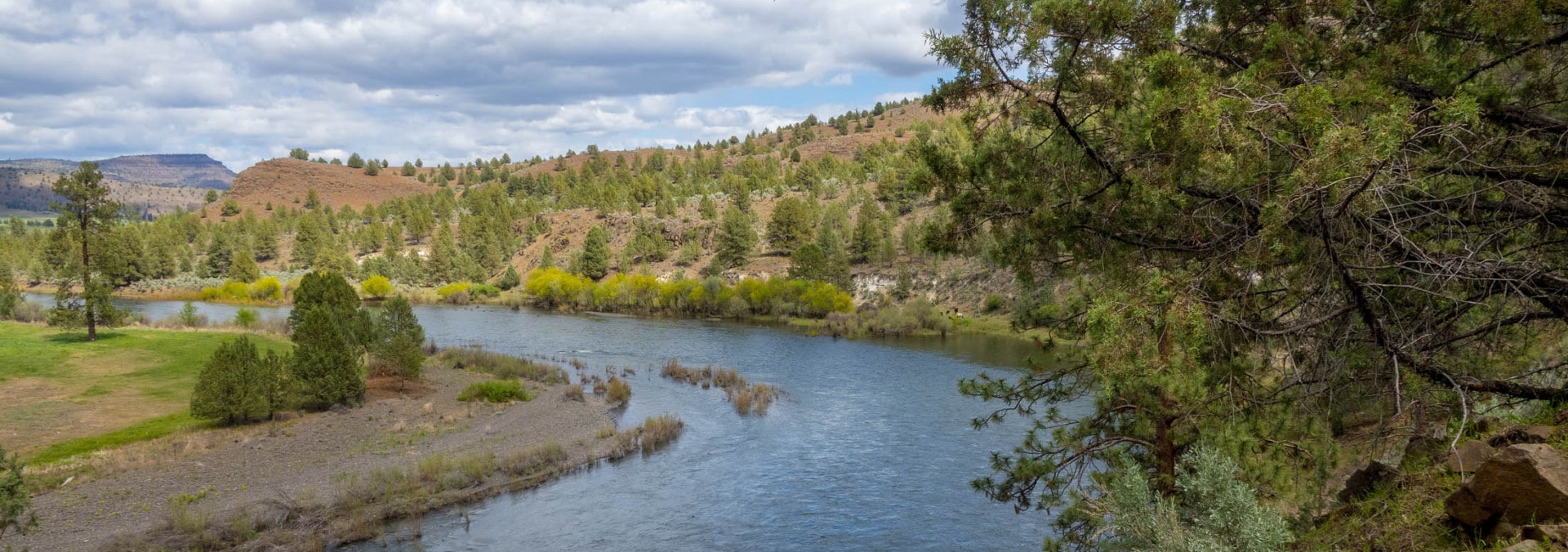
North Fork Ranch
Kimberly, Oregon
Ever dream of owning your own Oregon ranch on a river and with a creek flowing through, fish for largemouth bass, rock bass, smallmouth bass, and rainbow trout, plus hunt for mule deer, Rocky Mountain elk, upland game birds, and waterfowl, right out your door? North Fork Ranch just might fit the bill, boasting 2.5± miles of North Fork John Day River frontage, plus Rudio Creek flows through the ranch for 1.5± miles.
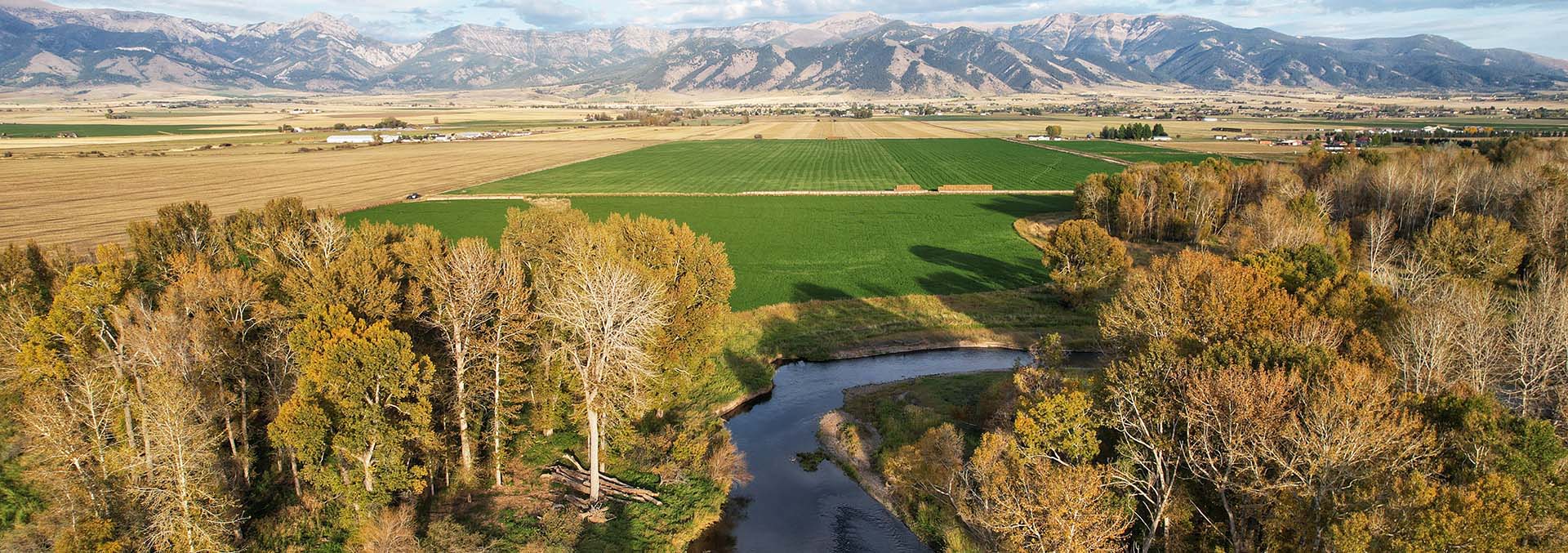
East Gallatin River Reserve
Belgrade, Montana
Spanning around 34 acres with 0.5 miles of East Gallatin River frontage, this land listing offers exceptional fishing and stunning Bridger Mountain views. The property has existing infrastructure, including septic systems and road easements. Conveniently located 10± minutes from Belgrade and the airport, and 20± minutes from Bozeman, it balances urban access and natural serenity, making it an appealing investment or living choice.
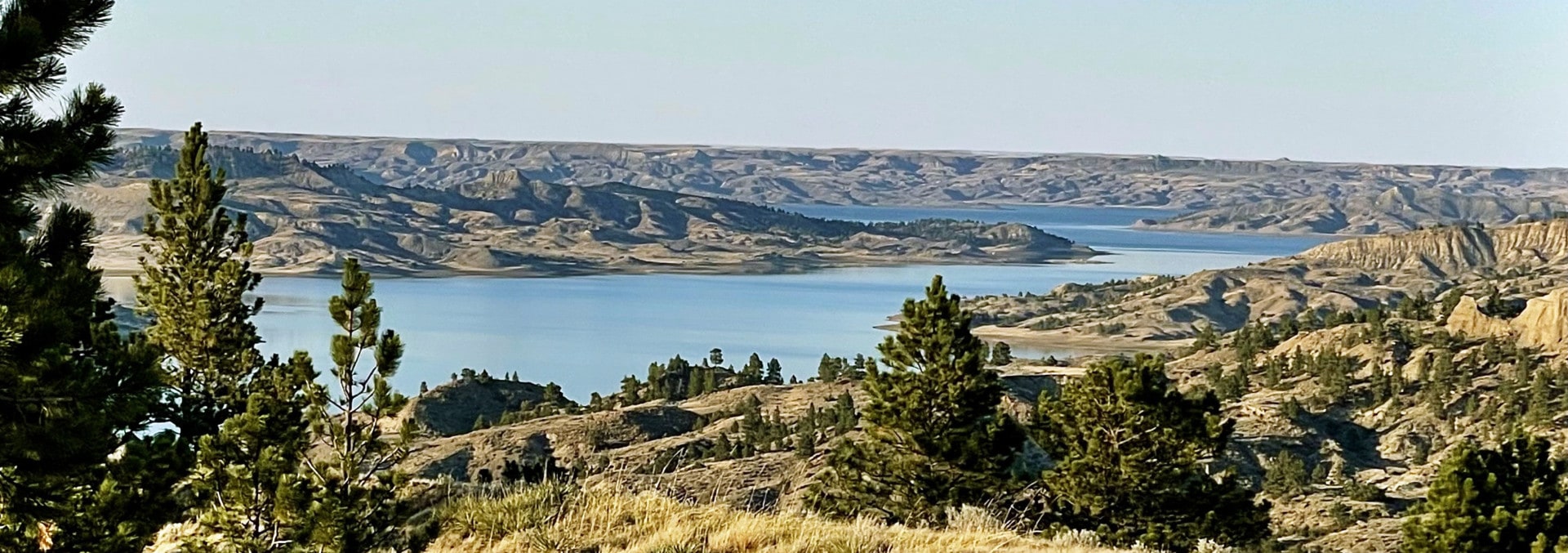
Missouri Breaks
Snow Creek Ranch
Jordan, Montana
This untouched, majestic Montana landscape features spring-fed deep draws, cliffs, and beautiful rock outcroppings with native prairie interspersed. Renowned for its excellent hunting, trophy elk, mule deer, and antelope can be found in the forested draws and the rock formations. The Snow Creek drainage meanders through the property to Snow Creek Bay. Remnants of earth’s first visitors have been discovered in the area and have provided fossils including Triceratops, Tyrannosaurus Rex,
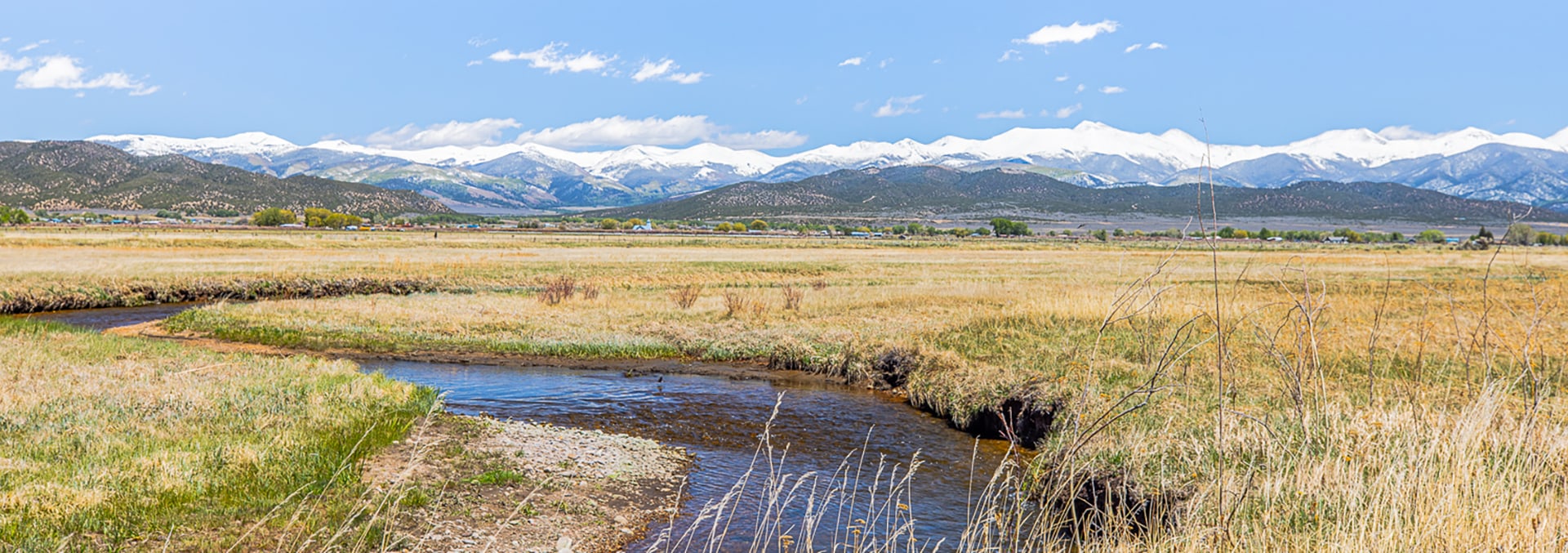
Culebra Creek Angler’s Retreat
San Luis, Colorado
Unique and exceptional fly fishing and recreational property in southern Colorado boasts 2 miles of Culebra Creek, home to giant wild brown and cutbow trout. Surrounded by 14,000-foot mountain peaks, the views are stunning. The property realizes income through a fishing club lease, which interferes very little with the use of the property by the owner. The purchase comes with a Solitary Angler’s Fishing membership, allowing access to over 25 miles of prime fishing waters in CO, NM, and WY.
Allen Creek Hunting Retreat
Prineville, Oregon
An outdoor enthusiast’s dream, this ranch offers endless adventures in snowmobiling, ATV’ing, horseback riding, hiking, camping, biking, and more. Or enjoy sitting by the campfire, relaxing, and breathing in the fresh mountain air. This blank canvas is waiting for you to make it the retreat you’ve been dreaming of. With 3 LOP tags, plenty of wildlife, two seasonal creeks, excellent access, and only 15 minutes to Prineville and an hour to Bend, Oregon, this is the perfect hideaway in the woods.
Shields Valley Irrigated Farm
Livingston, Montana
Nestled between the Bridger, Absaroka, and Crazy Mountains, this Montana farm sits right off Highway 89 for year-round access. The farm has been well-managed, from rich farmland to rolling meadows, including 168± acres of flood-irrigated land with high-priority water rights from Cottonwood Ditch. An additional 73± acres of dryland hay ground can be productive during wet years, as well as 10± acres of pasture. The property has traditionally been leased out for farming and seasonal grazing.
Castle Rock River Ranch
Nye, Montana
This property, just east of the Beartooth Mountains in Montana, includes about a third of a mile of Stillwater River frontage, pine-covered hills, rock formations, and meadows. The property consists of two parcels contiguous to State and BLM land. A one-bed, one-bath, 1,572± SF main home and one-bed, one-bath, 509± SF guest cabin sit right on the river. The property also includes a horse barn and stable, a horse shelter, a wood round pen, and four horse pastures, perfect for the equestrian.
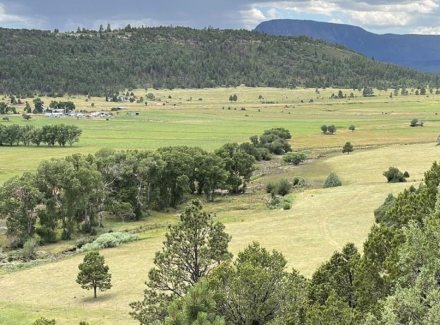
Sapello River Retreat
Sapello, New Mexico
This serene haven in the picturesque Sapello River Valley features nearly 2,000± feet of river frontage, divided into lush irrigable farmland and old-growth forest. The property supports diverse wildlife, including elk, deer, and songbirds. It boasts a Northern New Mexico-style adobe main house with expansive views, a historic barn, and additional equestrian facilities. Surrounded by majestic ponderosa pines and mature pinons, it offers exceptional tranquility and natural beauty.
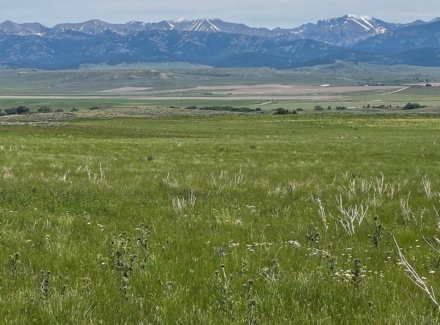
Shields Valley View Ranch
Wilsall, Montana
This property in Montana has stunning views of the Crazy Mountain range to the east and Bridger Mountain range to the west in the heart of Shields Valley. The property features two developed springs running through its northern and southern portions, allowing water to the land, enhancing the vegetation as well as providing reliable water for livestock and wildlife to thrive. The property offers endless possibilities for uses as a recreational getaway, ag operation, or land investment holding.
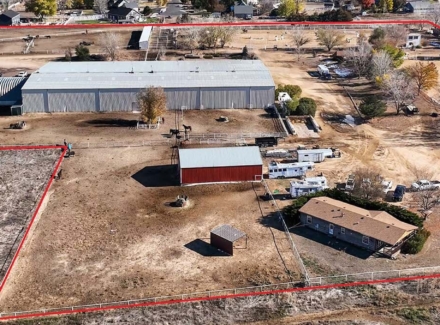
Hobby Horse Farms
Firestone, Colorado
This premier equestrian facility offers an 80-horse capacity and exceptional amenities for both riders and horses. It features heated box stalls, Quonsets, loafing sheds, and multiple large paddocks, all surrounded by durable fencing. The property also includes a 200′ x 90′ indoor arena and two large outdoor arenas. With a solid reputation, the facility generates steady income, offers growth potential, and presents long-term investment opportunities, especially as the area grows.
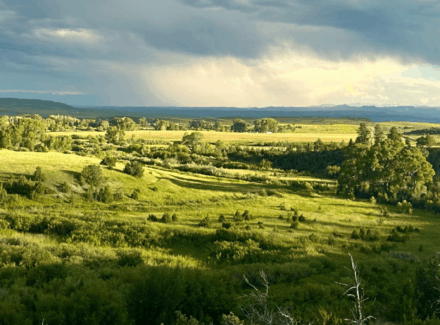
Sweet Grass Overlook
Big Timber, Montana
This property offers both striking beauty and practical utility in the heart of Sweet Grass County, Montana. With approximately 2,200± feet—nearly half a mile—of Sweet Grass Creek flowing through both sides of the ranch. The creek offers year-round flow and supports wild trout, creating a rare on-property fishing opportunity. With improvements already in place, the ranch also shares a half-mile border with 320± acres of BLM land, expanding the recreational footprint and preserving open space.
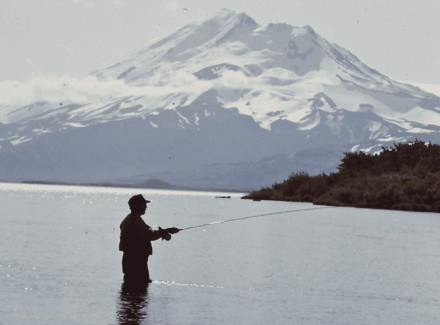
Painter Creek Lodge
Pilot Point, Alaska
A rare retreat in Alaska’s remote Peninsula, this full-service lodge offers true seclusion, located 100 miles south of King Salmon and nearly 400 miles from the nearest road. Surrounded by over 4 million acres of protected wilderness, it sits beside a 40-mile river system flowing into Bristol Bay. A private 4,000-foot airstrip allows access. Guests enjoy a cozy main lodge, three duplex cabins, and fly-out adventures to untouched areas, all beneath the glacier-capped Aleutian Range.
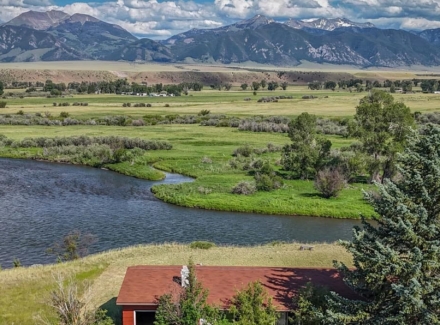
Madison Angler’s Retreat
Ennis, Montana
Tucked away at the curve of the Madison River, where mountain views stretch wide and the pulse of Ennis, Montana echoes with fly fishing lore, this 2.3± acre sanctuary has been held in quiet reverence for 70 years. Madison Angler’s Retreat boasts expansive views overlooking undeveloped land where the river gorges during the winter. Bordering over 500 feet of the river, this offering provides a sense of privacy and unparalleled fishing access. It also includes a modest home and two lots making up over two acres, presenting an incredible opportunity for a new owner to write the next chapter.

Quail Creek Gold Mine
Manley Hot Springs, Alaska
Located in Alaska’s Rampart Mining District, this permitted, turnkey gold mine spans 44 state claims with rich test results and strong mineralization. First mined in 1898, the site holds bench placer deposits, an old gold-bearing channel, and favorable geology, including slaty shale, quartz, and porphyry dikes. Though historical production data is limited, recent test holes show high potential. On-site assets include living quarters, equipment, storage, an airstrip, and modern data.
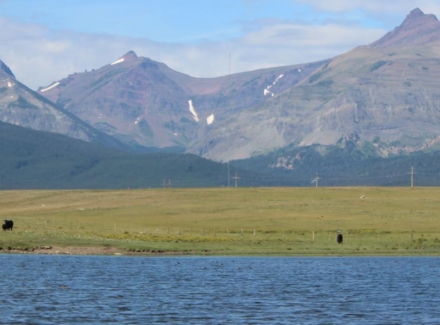
East Glacier Meadows Ranch
East Glacier Park, Montana
Expansive Montana property near East Glacier Park offers varied terrain, lush pastures, and a private lake. It is ideal for grazing, recreation, or building, providing sweeping views, agricultural potential, and year-round access. Close to Glacier National Park, Amtrak, and nearby airports, it’s positioned for both convenience and adventure. From horseback riding to winter exploration, this rare opportunity combines functionality and scenic beauty in one of Montana’s most spectacular settings.
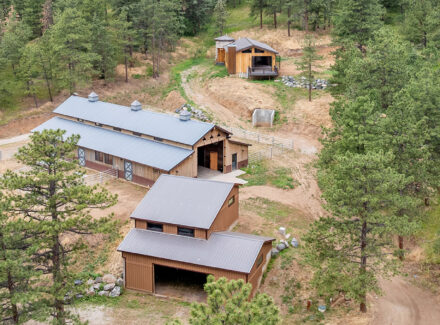
McKinney Road Ranch
Littleton, Colorado
Set in Deer Creek Canyon less than 20 minutes from West Denver Metro, this secluded Colorado retreat combines high-end equestrian improvements with flexible gathering spaces and mountain privacy. Highlights include a six-stall luxury horse barn, additional hay and equipment storage, a striking retreat space with bi-fold glass doors, and a historic log cabin. Multiple wells, A-2 zoning, and existing parcels support a range of uses, from horses to events, retreats, or future residences.
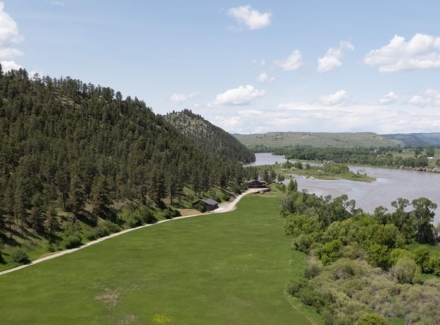
Yellowstone River Hideaway
Columbus, Montana
This property offers an idyllic retreat, with roughly 3,000± feet of pristine Yellowstone River frontage. To the south, the ponderosa pine bluffs stand guard over the property, framing breathtaking views of the Beartooth Mountain Range. A spacious 3,300± square foot, two-story home offers a blend of comfort and nature overlooking the river. Located just a short drive from Columbus, Montana, the property ensures convenient access to amenities while enjoying direct riverfront access.
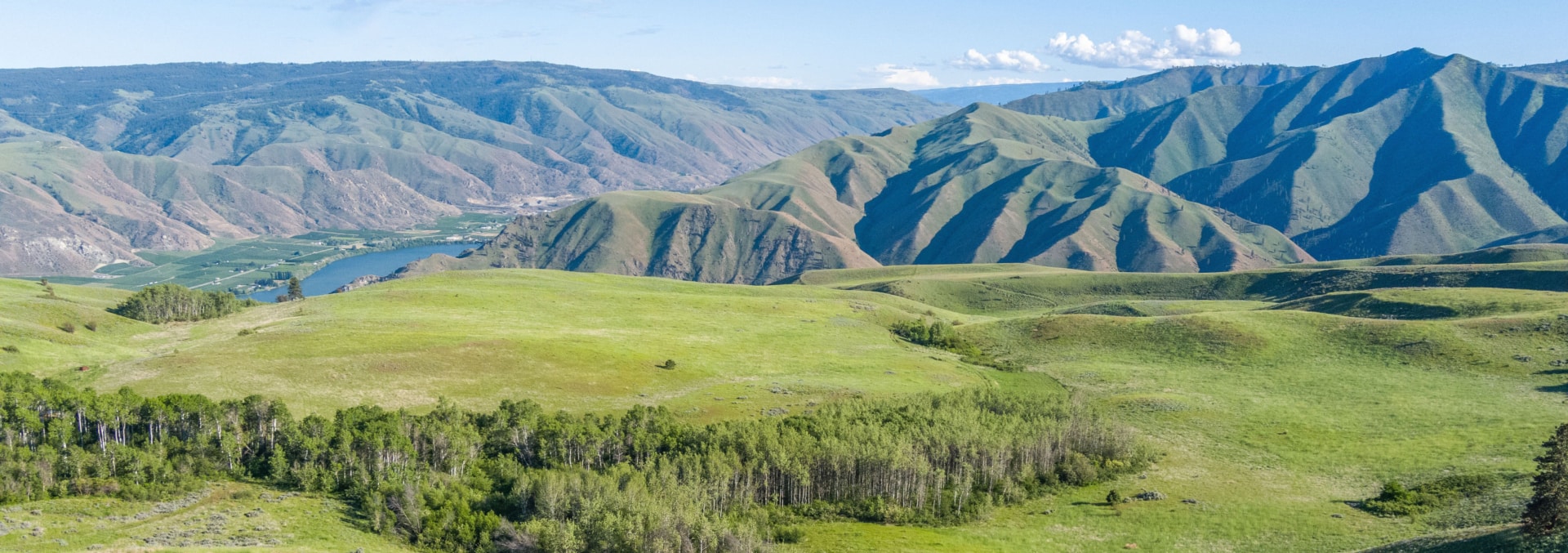
Entiat Mesa Ranch
Entiat, Washington
Located only a few miles up the hill west of Entiat, this Washington ranch is a peaceful paradise ready to be explored. With many building sites, establish your once-in-a-lifetime ranch or getaway property. Endless hunting and recreational options, access to a world-class fishery on the Columbia River, and entertainment options are nearby. The endless views create the perfect location for the outdoor enthusiast in the upper Columbia River basin.
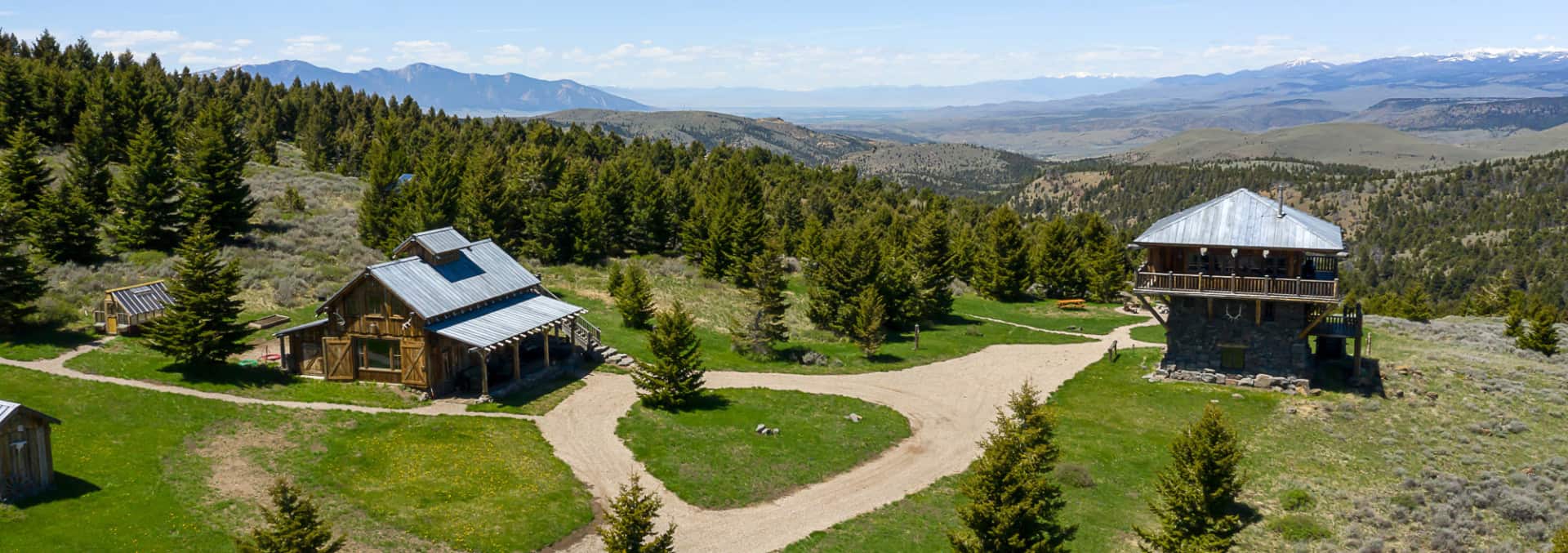
Fire Tower Ranch
Ennis, Montana
Bordering BLM land, which then borders National Forest, this property offers the owner thousands of acres of public land to recreate on. Emanating a wild west feel, the improvements include a replica of a 100-year-old United States Forest Service fire lookout tower; truly a work of art. This property has it all, including staggering views of both the Ruby and Madison Valleys and wildlife ranging from bears and moose to eagles and elk.
Gallatin Views
at Montana Ranch
Gallatin Gateway, Montana
Rolling hills and plenty of pasture space make this the perfect property for the equestrian. Contiguous to state land, this property is 30± minutes from Bozeman, Montana, and less than 10 minutes from the Gallatin River. Incredible views of the Spanish Peaks, Bridger Mountains, Ruby Mountain, Tobacco Roots, Big Belts, and Elk Horns are visible from the two elevated Designated Residential Areas on this property. Deer, elk, and other Montana wildlife roam the acreage. Montana Ranch’s amenities, including trails and an equestrian facility, are exceptional.
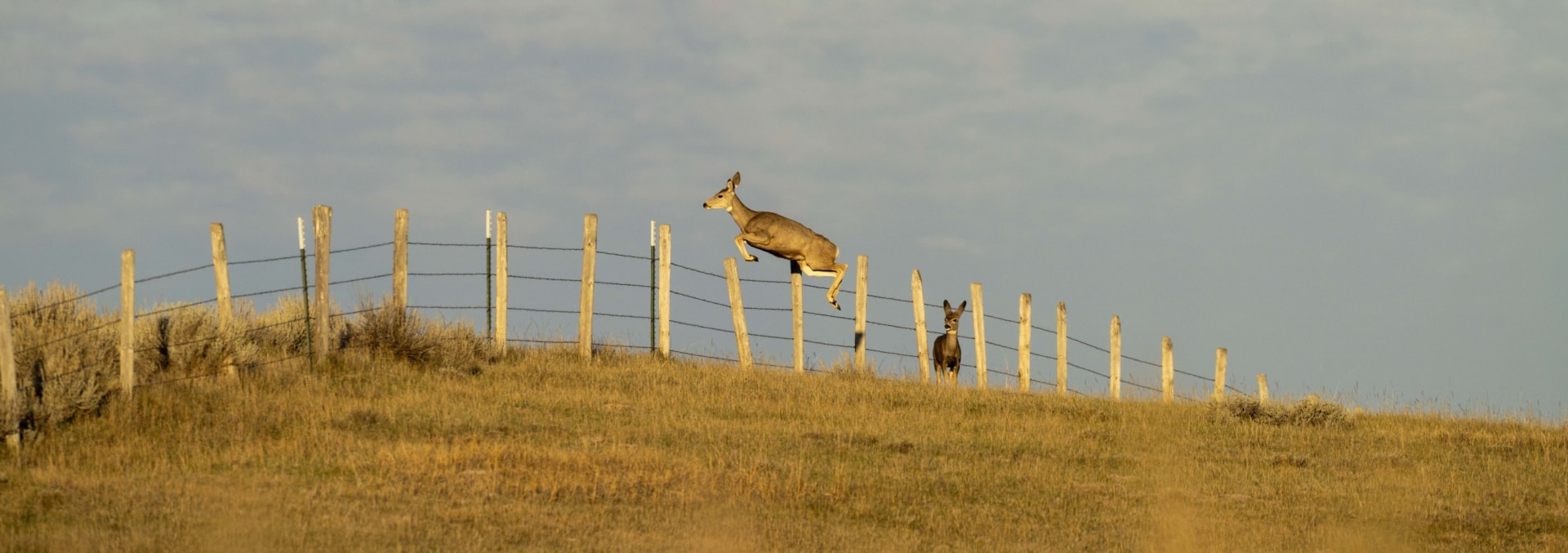
Rock Creek Farm at Fort Peck
Fort Peck, Montana
An abundance of healthy grass and 700± acres of winter wheat make up this property, in addition to a 2,680± acre BLM lease. Where the pheasants, deer, and antelope play today, dinosaurs roamed long ago. Just 30± minutes from Fort Peck Dam and 10± miles from Rock Creek Marina on Fort Peck Lake in Montana, it is easy to imagine days spent casting to walleye, smallmouth bass, northern pike, lake trout, and Chinook salmon or hunting on the property and thousands of acres of contiguous public land.
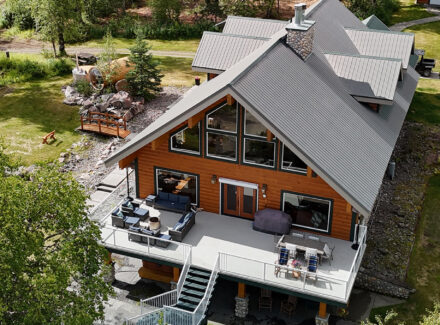
Shulin Lake Resort
Trapper Creek, Alaska
This rare Alaska offering blends true remoteness with refined modern comfort on the shores of a pristine interior lake. A meticulously built lodge features a chef’s kitchen, spa-style baths, advanced technology, Starlink connectivity, and a robust solar power system. Year-round recreation includes fishing, hunting, boating, snow machining, ATVing, and hiking, with Denali views and frequent Northern Lights. Turnkey amenities, air access, and gold claims add long-term value.
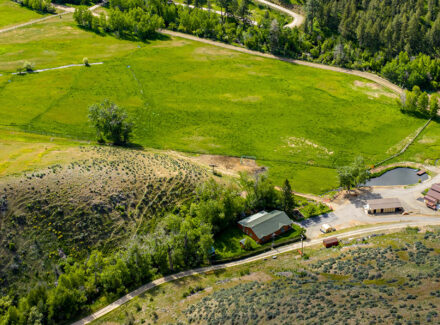
North Mountain Ranch
North Fork, Idaho
On the Lewis and Clark route at the confluence of Fourth of July and Little Fourth of July Creek, a home sits beside the creek and a private trout pond. Irrigated pastures border 375,000+ acres of National Forest with paved access. Built in 2006, the 4-bed, 3-bath home includes two primary suites. Improvements include a heated barn, a heated shop with office, hay/equipment storage, boiler heat, generator, and an engineered shelter. Seven parcels add flexibility; elk and deer frequent the ground.
Thorn Creek Ranch
Heppner, Oregon
Located in the rolling ranch country of Eastern Oregon near Heppner, this 1,258± acre property offers live water, productive ground, and open range. Two year-round creeks support wildlife and 31± acres of irrigated ground. Elk, mule deer, turkey, and upland birds frequent the ranch, with on-property fishing. Irrigated pasture and native rangeland support livestock grazing, while the terrain invites horseback and ATV use — a capable working ranch and recreational retreat.
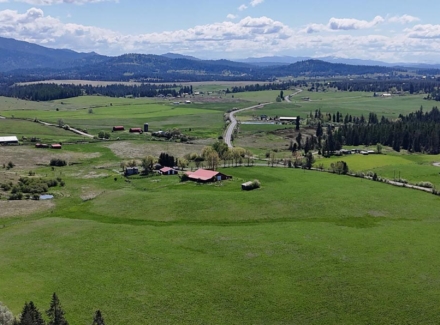
Cimmaron Ranch
Saint Maries, Idaho
Located in northern Idaho, this private ranch offers a blend of functionality and rustic charm with hay fields, spring water rights, equestrian facilities, and abundant wildlife. A beautifully updated home, guest cottage, and caretaker apartment provide comfort and flexibility. It’s ideal for ranching or recreation with a barn, indoor arena, private pond, and efficient cattle infrastructure. Just 35± minutes from top-tier golf and rivers, it delivers Idaho beauty, privacy, and versatility.
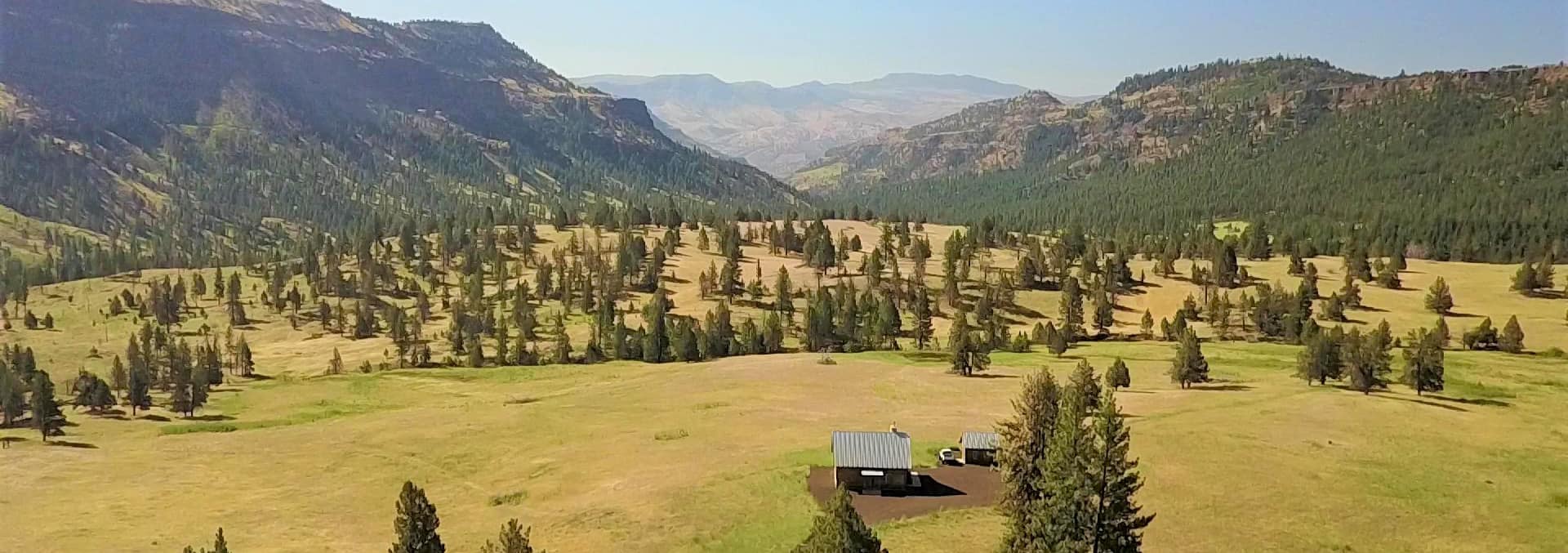
Mill Creek Hunting Lodge
Fossil, Oregon
Located just 15 minutes south of historic Fossil, Oregon, this is one of the most private hunting properties available today. The 2,350 contiguous acres are located in the Fossil Hunting Unit which is arguably one of Oregon’s best big game hunting units. This is an exceptional getaway with lots of privacy and comfortable living in a secluded, but not isolated, region of Oregon. Dreams do come true!
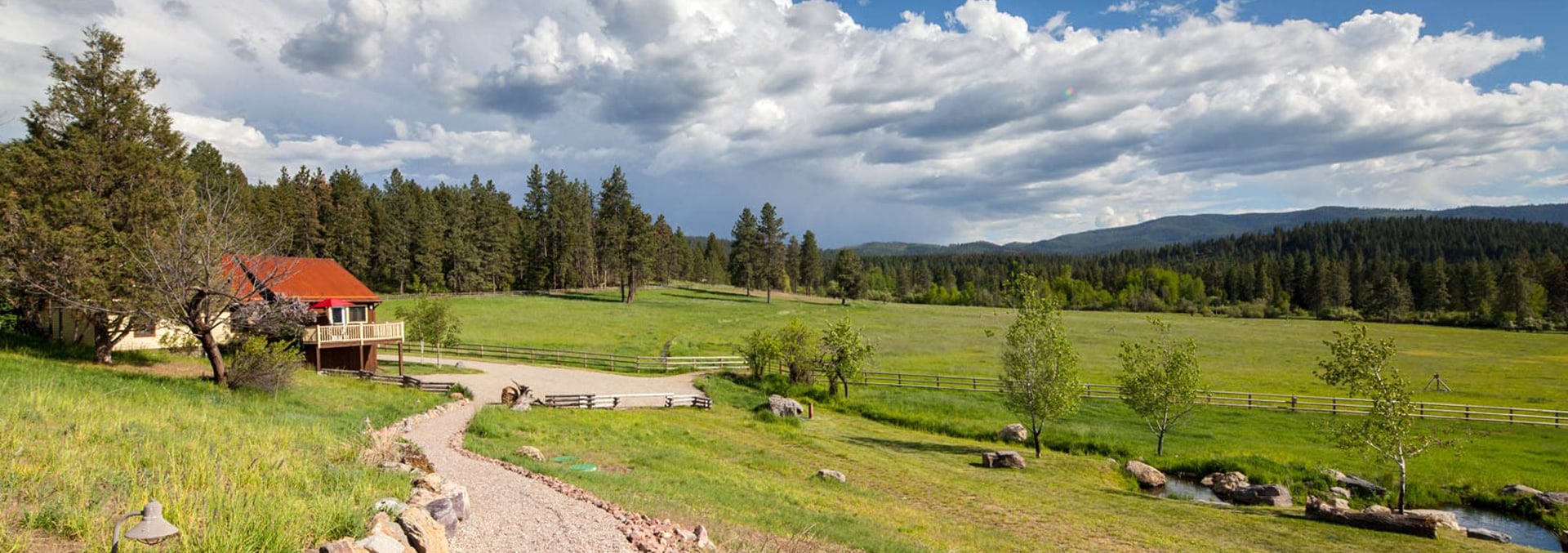
Leaping Horse Farm
Saint Ignatius, Montana
The Leaping Horse Farm is an exceptional property. It offers spectacular views, live water in a premier setting shadowed by forested foothills. Providing everything you could ask for in a showcase property; first-class improvements, solitude, excellent proximity to urban amenities and some of the best outdoor recreation the west has to offer with easy year-round accessibility and living.
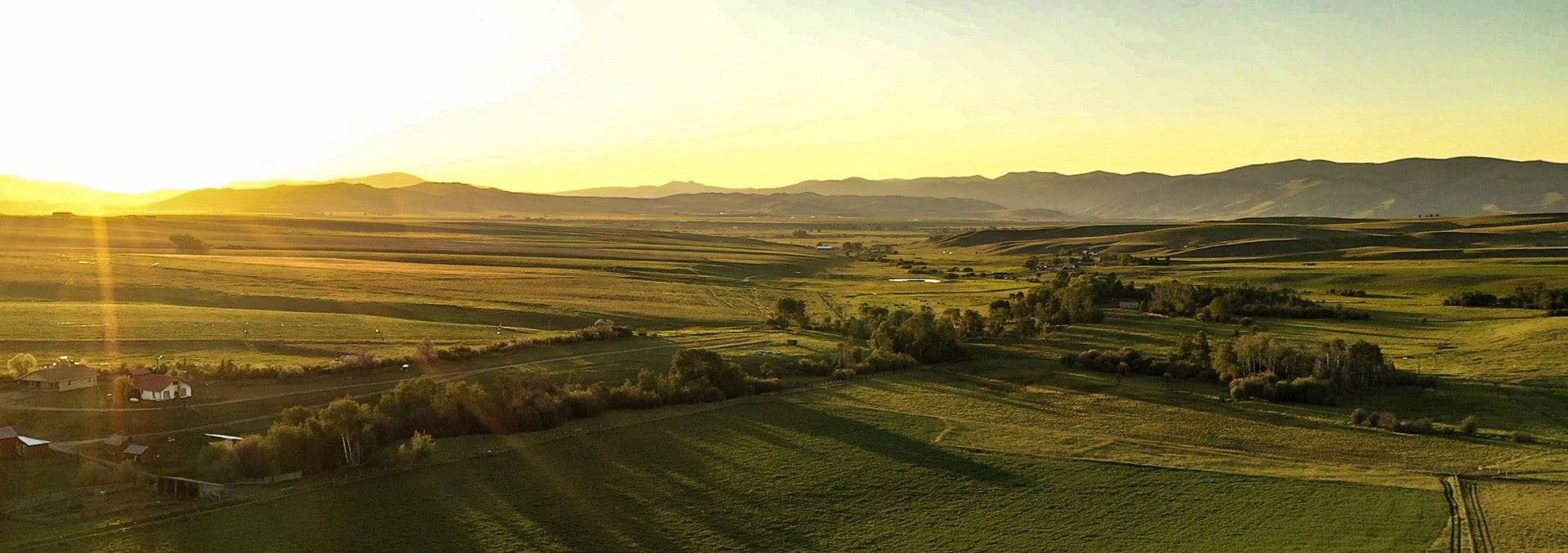
Barnes Creek Ranch
Hall, Montana
This Montana cattle ranch is nestled in the scenic Flint Creek Valley in Western Montana with acres of fenced and cross-fenced irrigated meadows providing excellent production value and rotational grazing opportunities.
The ranch attracts abundant wildlife to the area. A population of elk and deer frequent the ranch. The headquarters consists of a comfortable 1-level 2-bed/2-bath ranch home and a second historic home that could be renovated or replaced as a guest house or second residence.
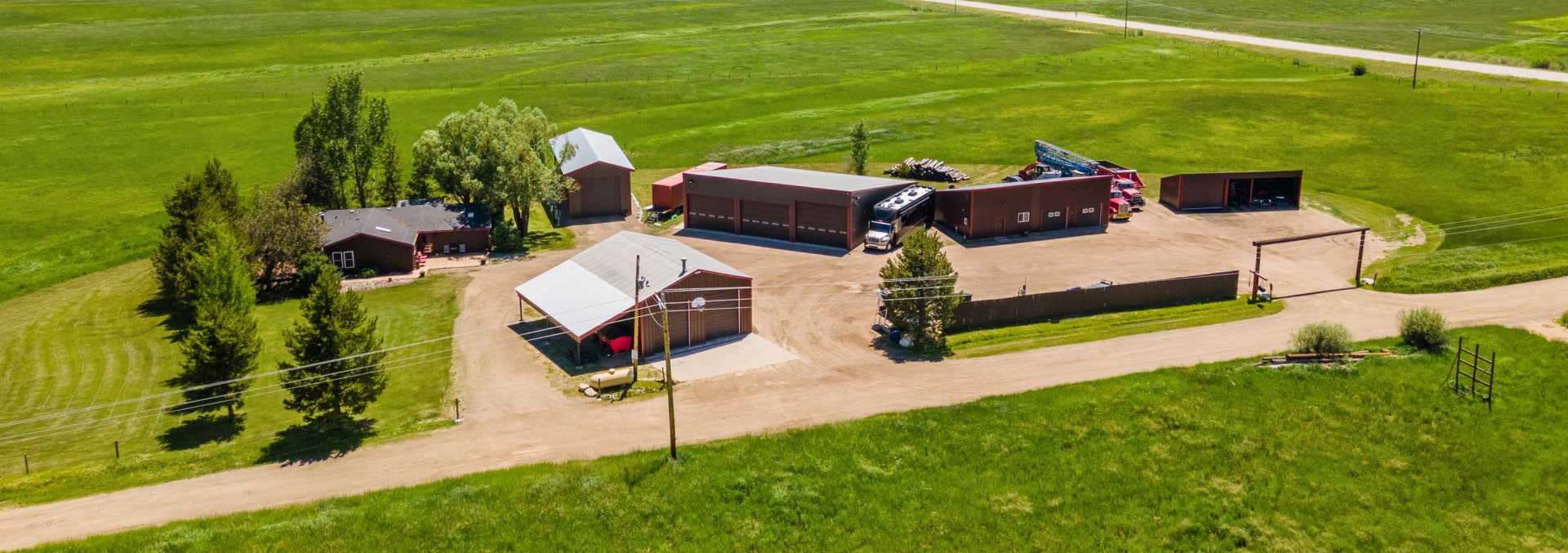
South Valley Meadows
Steamboat Springs, Colorado
This ideal Colorado location includes a meticulously maintained 3-bed home and 5 outbuildings dedicated to RV storage, equipment shop, large storage facility, and private party barn with bar, pool table, covered porch, and bathroom. Perfect for the family that needs additional recreational and equipment areas or home base for a Steamboat Springs business. The acreage has an irrigated hay meadow, room for additional barns, an equestrian facility, and year-round deeded water rights.
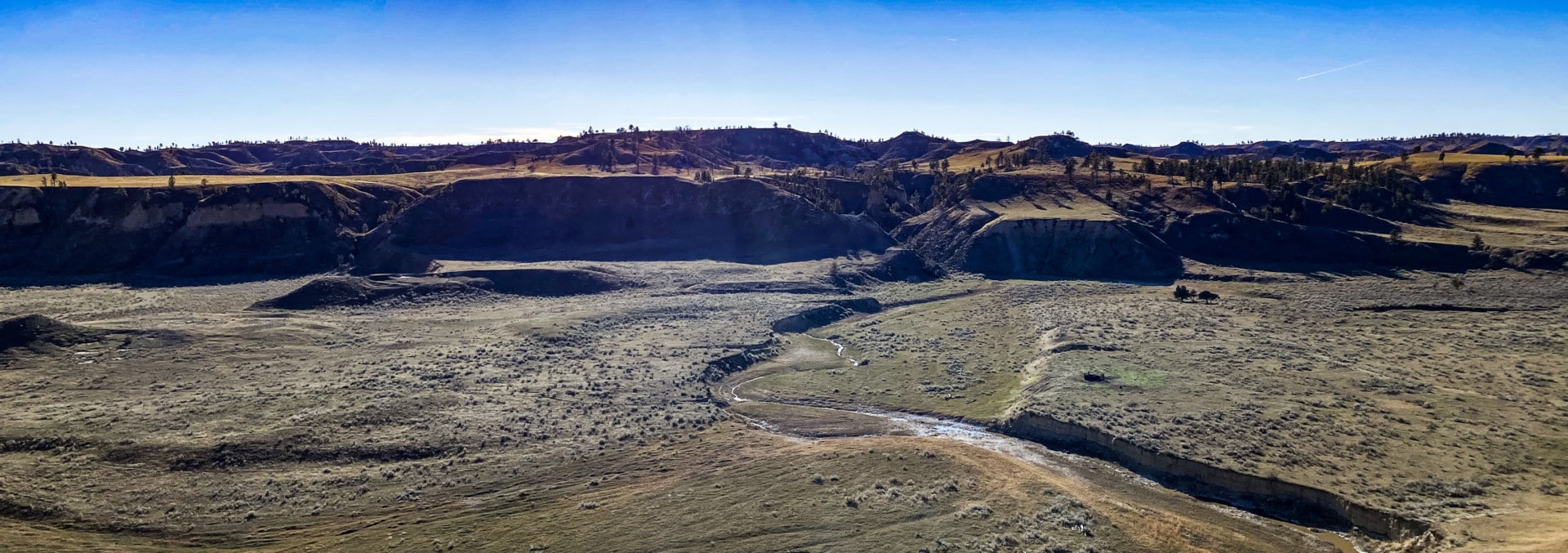
Missouri River Breaks
Wolf Creek Ranch
Sand Springs, Montana
Whether you are in the market for grass, are an avid hunter, or just appreciate seeing wildlife in its natural habitat, this Montana ranch is a beautiful mix of deep canyons, badlands, and prairie wilderness with unlimited potential. This quality ranch located in the Missouri Breaks offers a fantastic getaway for those with a spirit of adventure where the elk, deer, and antelope play today, and dinosaurs roamed millions of years ago; their remains can be found throughout the area.
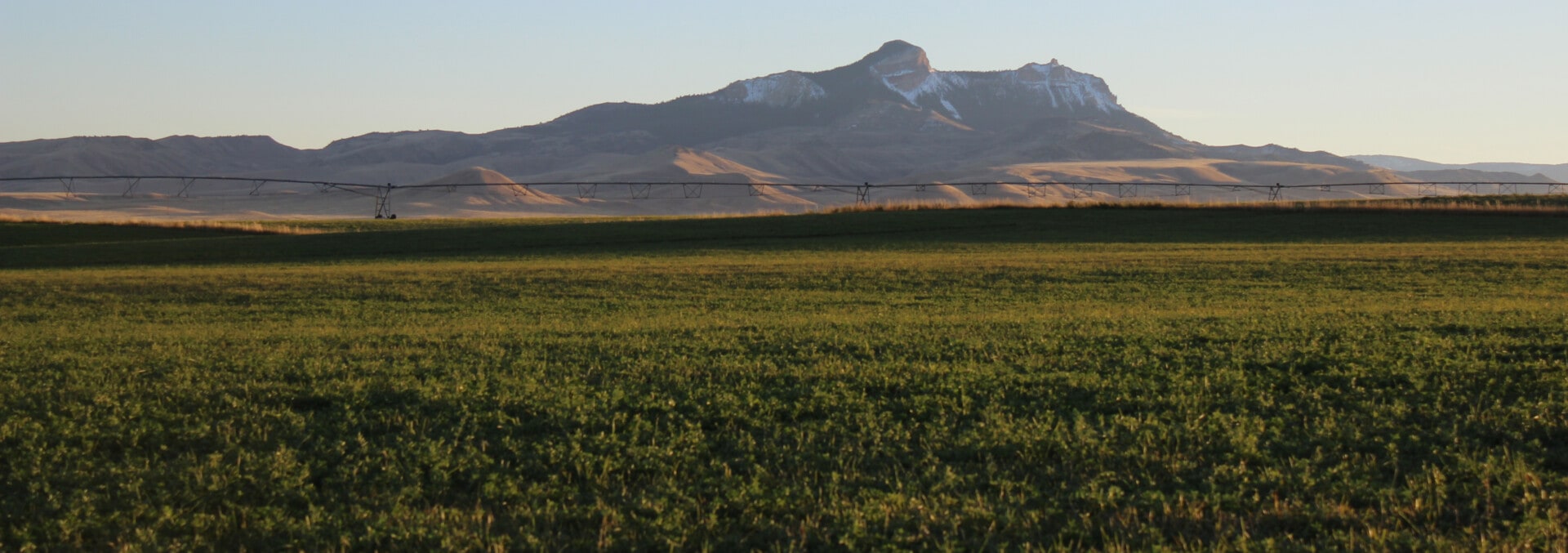
VEO Irrigated Farm and Ranch
Powell, Wyoming
VEO Irrigated Farm and Ranch is a high quality irrigated operation with excellent location in northwestern Wyoming near Cody, Wyoming featuring irrigated land and custom owners home along with a state grazing lease and agricultural improvements. This property consists of 980± acres (640 state grazing permit), excellent improvements and great hunting opportunities, offers both lifestyle and livelihood elements.
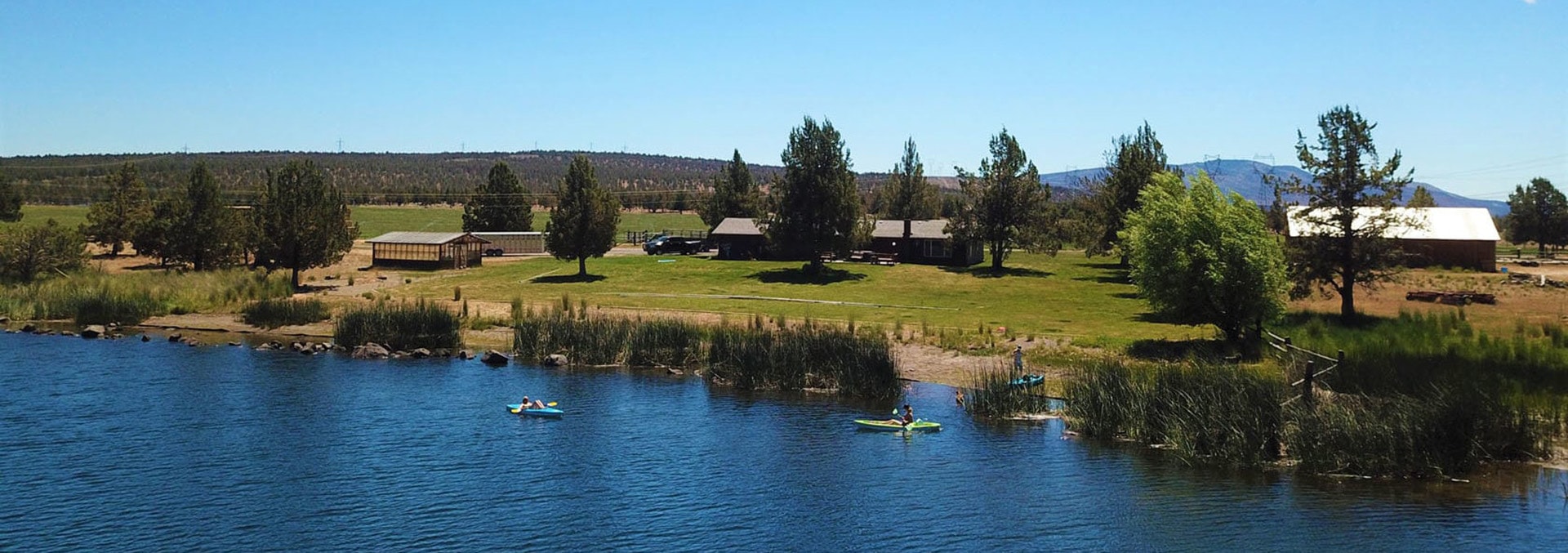
Meyers Butte Ranch
Powell Butte, Oregon
This Oregon ranch, located in the highly desired Powell Butte, offers a cattle and hay ranch with two homes, a private lake with great bass fishing, and acres of COI irrigation under 3 pivots, 3 wheel lines only a few handlines. The large shop is well insulated and includes an office and room for your equipment and toys. With two large hay barns, a nice three-stall horse barn, cattle working corrals, and a covered hydraulic squeeze chute. Relax with lakeside views of the Cascade Mountains.
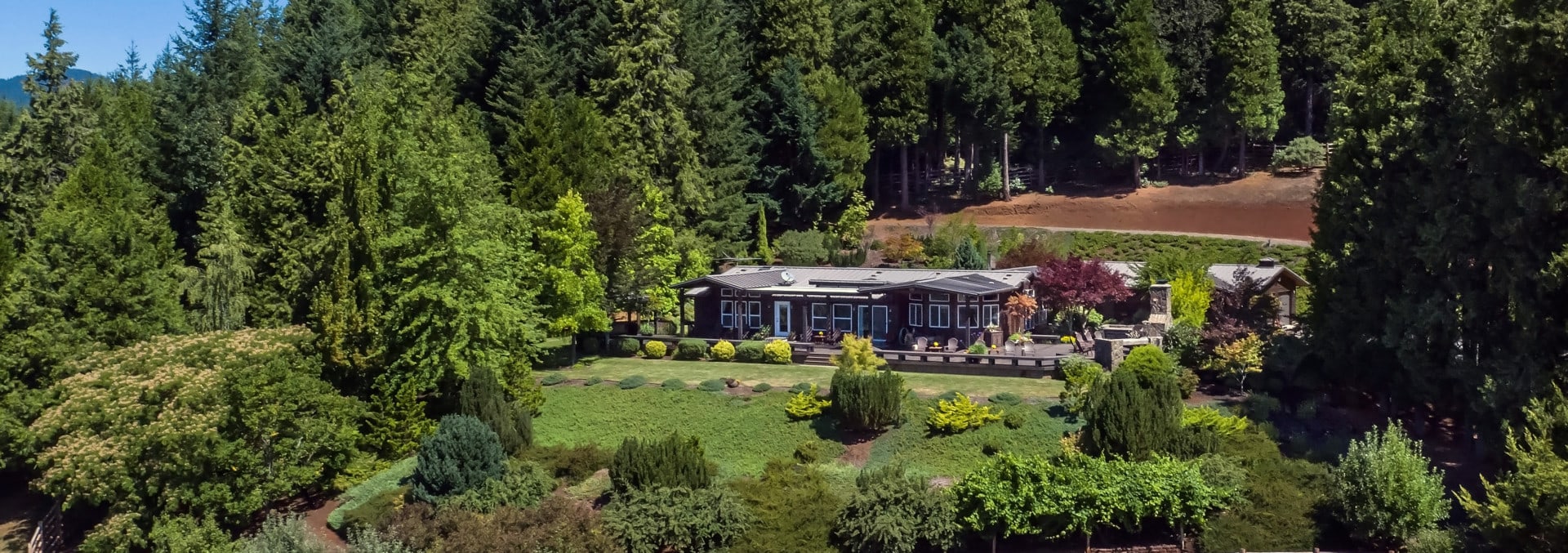
Thunder Ranch
Oakridge, Oregon
171± deeded, fenced acres in Oregon has valued assets in timber and exclusive, coveted bottling water rights. . Sub irrigated meadows and marketable timber make for the perfect oasis for the large herd of elk, deer and wildlife that exist at Thunder Ranch. The homestead on the ranch is tucked away on the hillside. A bunkhouse and ten RV hook-ups welcome guests. . It is full of opportunity and value with acreage, grazing, timber, bottle water rights, and recreational activities.
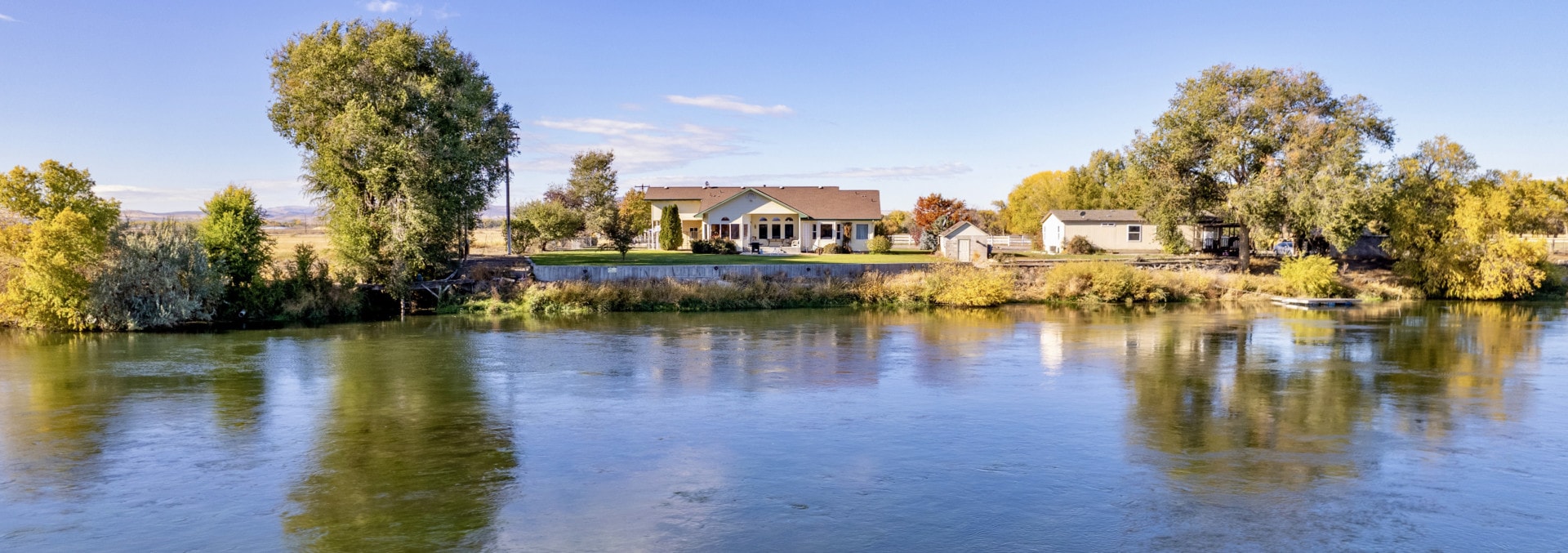
Ecstasy Ranch
on the Snake River
Nyssa, Oregon
The Ecstasy Ranch on the Snake River is an ideal place to call home. The beauty of the river and all the outdoor pursuits that can be found on the property and the surrounding areas of Eastern Oregon are perfect for the individual that loves the outdoors. If it is hunting or just the presence of wildlife, take a look and see what the magic is. Two homes, irrigated fields, riparian areas, and the Snake River at your back door make this parcel genuinely unique.
Crown Butte Creek Ranch
Mandan, North Dakota
This private getaway blends rustic charm and modern convenience, perfect for leisure and livestock management. Located at the end of a secluded drive, the property features fenced cropland and pasture with ample water sources, ideal for agriculture. Outdoor enthusiasts will enjoy diverse hunting opportunities near the Crown Butte Dam Wildlife Management Area. The residence boasts custom designs supported by outbuildings and efficient facilities, making it a fully functional ag property.
Running Spur Ranch
Vale, Oregon
Just over an hour west of Boise and minutes from Vale, Oregon, this gentleman’s ranch offers a practical setup with a 3,020± square foot home, oversized garage, barn with office and stalls, shop with hay storage, and fenced pastures. Designed for function and comfort, the home features travertine floors, an open layout, and ample light. Adjacent BLM land supports mule deer and upland birds, while the Pacific Flyway brings seasonal waterfowl—ideal for cattle, horses, and recreation.
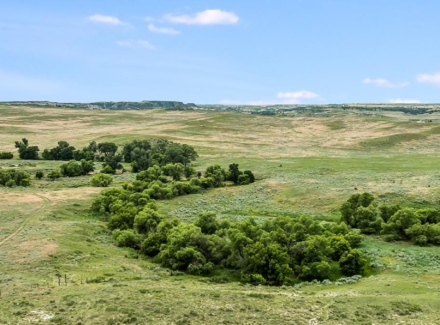
Stage Route Ranch
Fort Laramie, Wyoming
This well-watered ranch blends productivity, outdoor recreation, and Western heritage. Rolling hills, grasslands, and Deer Creek create prime grazing and wildlife habitat. An underground pipeline system supports year-round cattle operations, while 360-degree views of Laramie Peak add scenic appeal. The original Cheyenne-to-Deadwood Stage Route crosses the land, connecting it to frontier history. It’s a rare investment in the American West, ideal for ranching, hunting, or recreation.
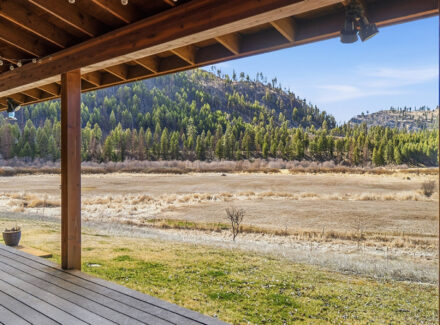
The Ranch at Lost Creek
Tonasket, Washington
Set at the end of Aeneas Valley near Tonasket, this North Central Washington ranch offers rare privacy, strong water, and direct access to expansive public land. Three creeks converge to form the West Fork of the San Poil River, creating exceptional wildlife habitat and year-round beauty. Two homes, useful ranch improvements, trout fishing, hunting, and miles of riding and hiking trails make it equally suited for recreation, full-time living, or a well-rounded working ranch.
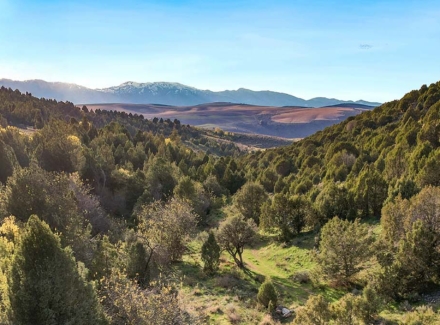
Jenkins Canyon Ranch
Lava Hot Springs, Idaho
Set on a west-facing slope in the Portneuf Range, this expansive property offers varied terrain—timbered hills, sagebrush flats, and strong grass stands. It borders BLM land and includes a seasonal spring, former CRP ground, and an active grazing lease. Accessed via a 3-mile gravel road, it’s 9± miles from Lava Hot Springs and within range of Pocatello. Located in Big Game Unit 74, it’s eligible for Idaho’s Landowner Appreciation Program and offers excellent hunting and recreational potential.
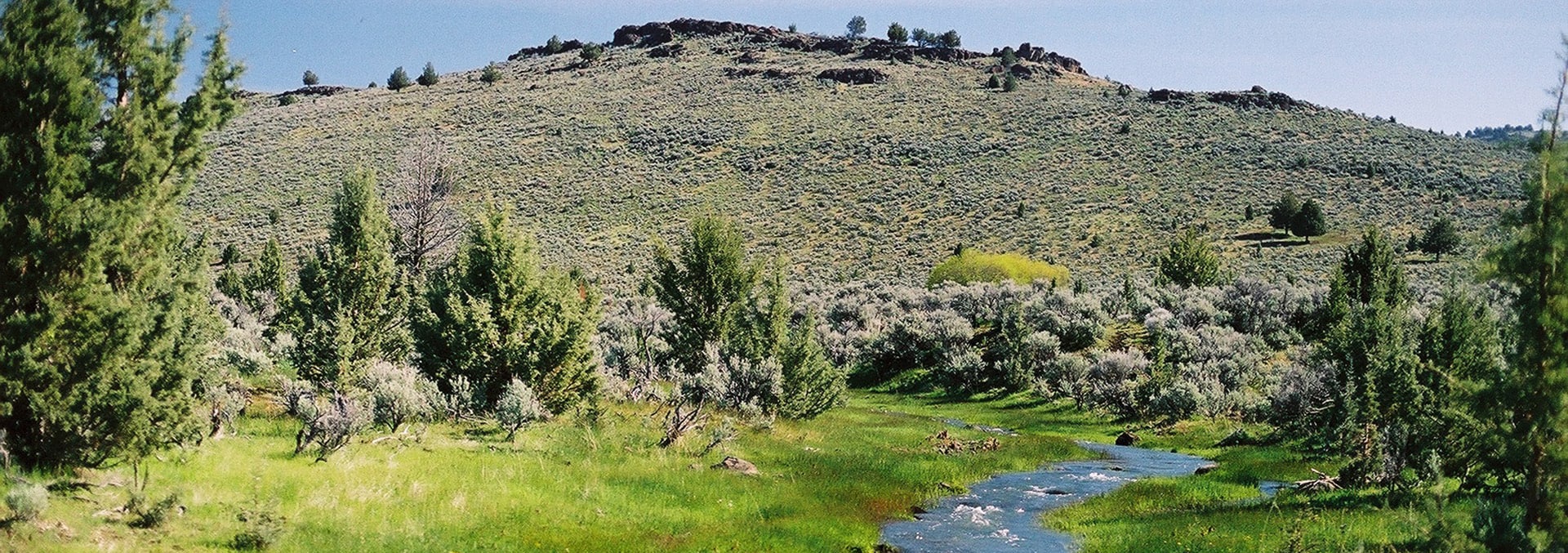
Alder Creek Ranch
Crane, Oregon
Alder Creek Ranch is blessed with multiple springs, plus Alder Creek flowing year-around through the entire length of the ranch, providing superior watering opportunities for livestock and wildlife.
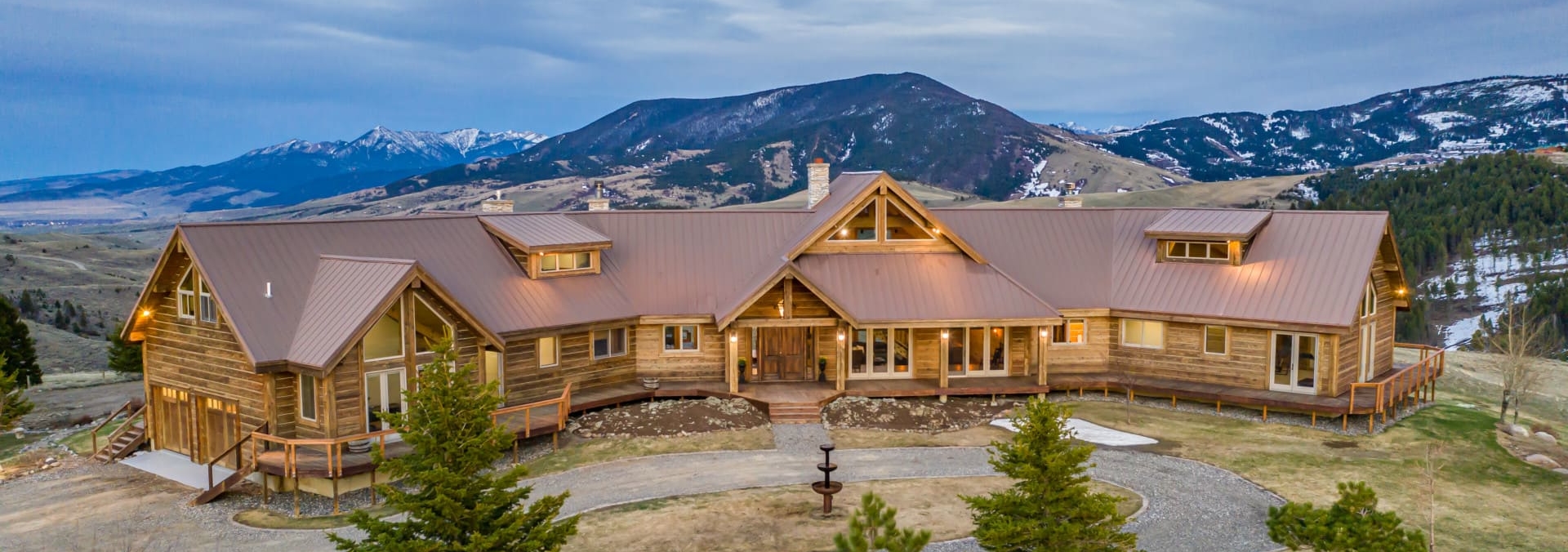
Sky Ranch
Livingston, Montana
Nestled into the Gallatin Range between Bozeman and Livingston, commanding views of four surrounding mountain ranges, as well as diverse topography and native vegetation, combine to provide a perfect wildlife haven and make this a truly incredible property. As the sun rises over the Crazy and Absaroka Mountains or sets behind the Gallatin and Bridger Mountains, the porch of the 7,471± SF four bedroom, three-and-a-half-bathroom custom mountain home is the perfect spot to take in the stunning panoramic views.
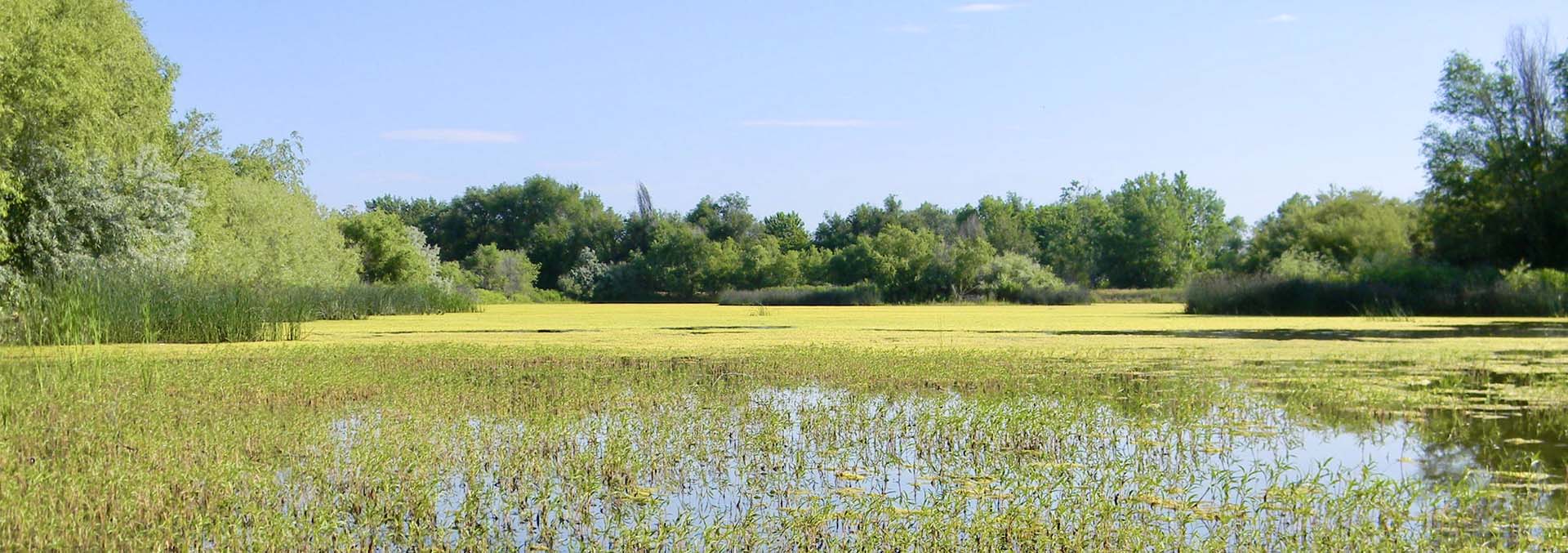
River Springs Ranch
Parma, Idaho
Discover the enchanting River Springs Ranch hunting property, an Idaho haven for waterfowl and upland game enthusiasts alike. Situated along the captivating Snake River, this property offers an abundance of outdoor activities and stunning natural beauty. The property’s comfortable home, lush irrigated fields, and vibrant riparian areas add to its allure, making it a truly special place. With the Snake River at your back door, you’ll be immersed in the tranquility of this idyllic setting.
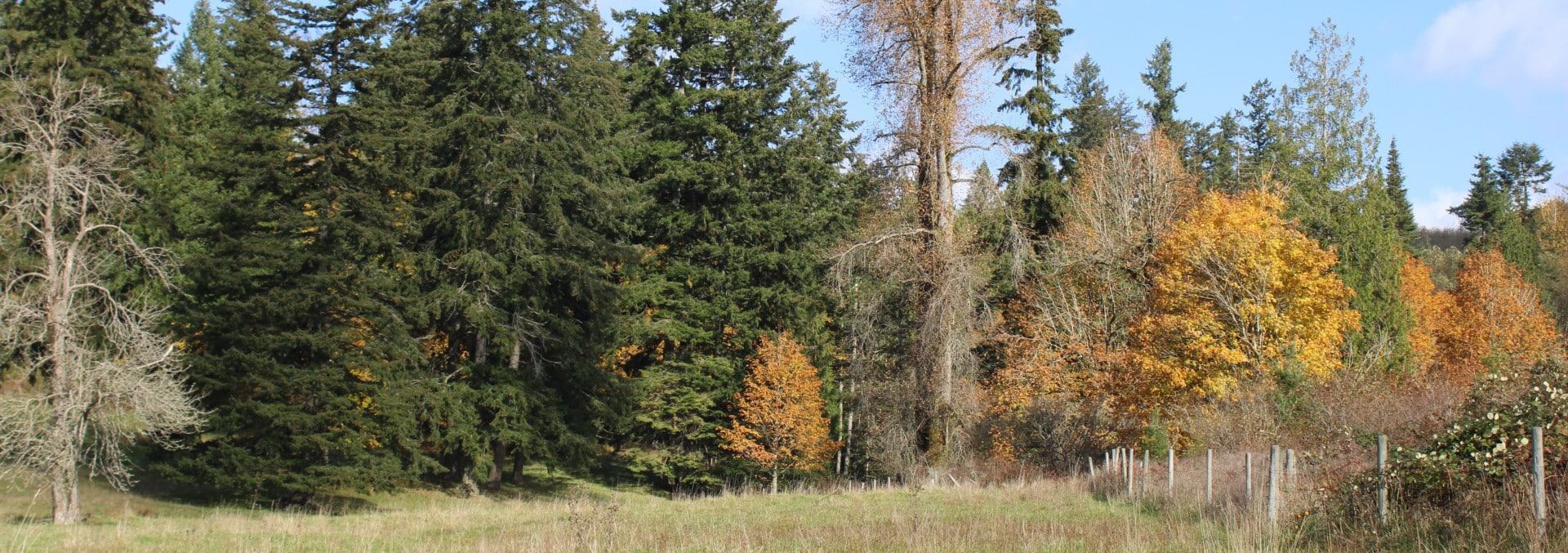
Lemon Hill Ranch
Tenino, Washington
This rare Western Washington property has potential for a variety of uses, including building a custom home on Lemon Hill with views of Mount Rainier and Mount St. Helens. Located inside the city limited of Tenino, a zoned master plan community, this ranch property offers a rural and secluded lifestyle with the convenience of being close to amenities.
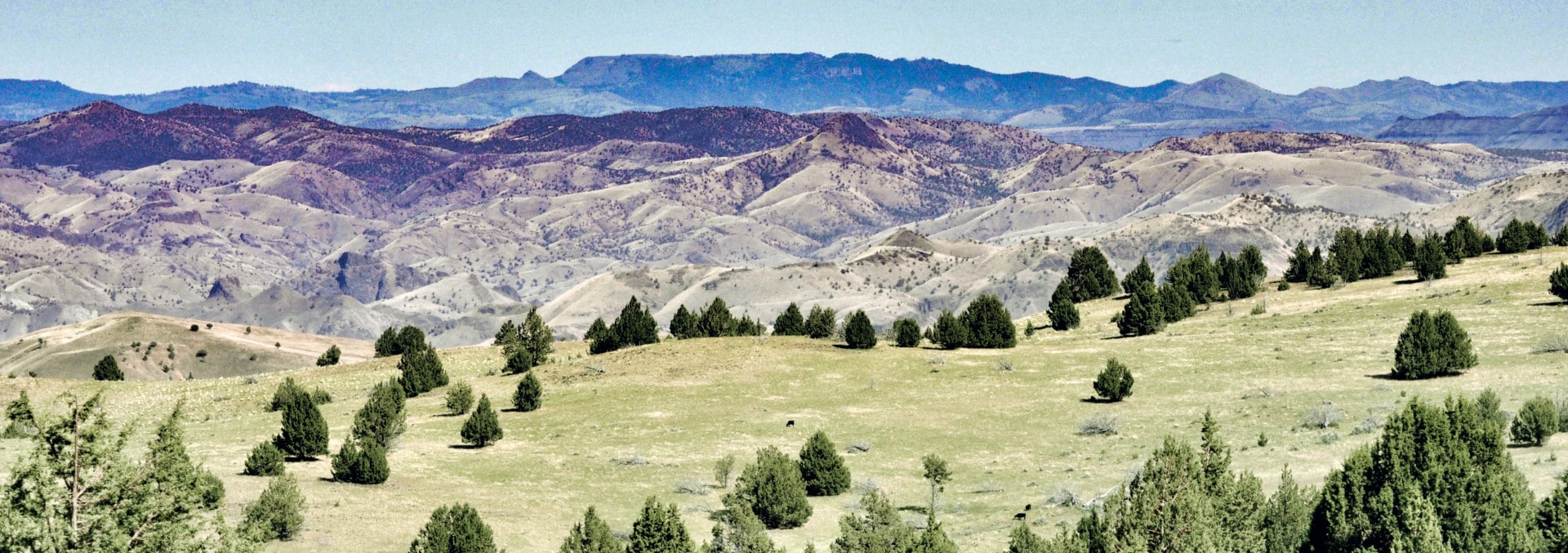
John Day Breaks Pasture
Antelope, Oregon
This ranch is just minutes from the John Day River at Clarno and adjacent to BLM lands fenced-in which are permitted for 21 Animal Unit Months (AUMs) of grazing. The rolling terrain has tremendous views of the John Day River Canyon. It is transected by five draws that provide seasonal drainage, and springs provide good water and cover for livestock and wildlife. The varied terrain is frequented by Rocky Mountain elk, mule deer, pronghorn antelope, chukar, turkey, and more.
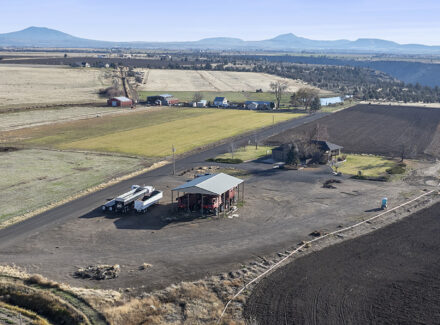
Mountain Sunset Farm
Madras, Oregon
This agricultural estate for sale in Oregon offers strong production, privacy, and sweeping Cascade Mountain views. Efficient irrigation, quality infrastructure, and multiple residences support a wide range of farming or livestock uses. A well-finished split-level home anchors the operation, complemented by additional dwellings, a hay and equipment barn, and functional outbuildings. Minutes from Madras and within reach of Bend, it delivers both capability and convenience.
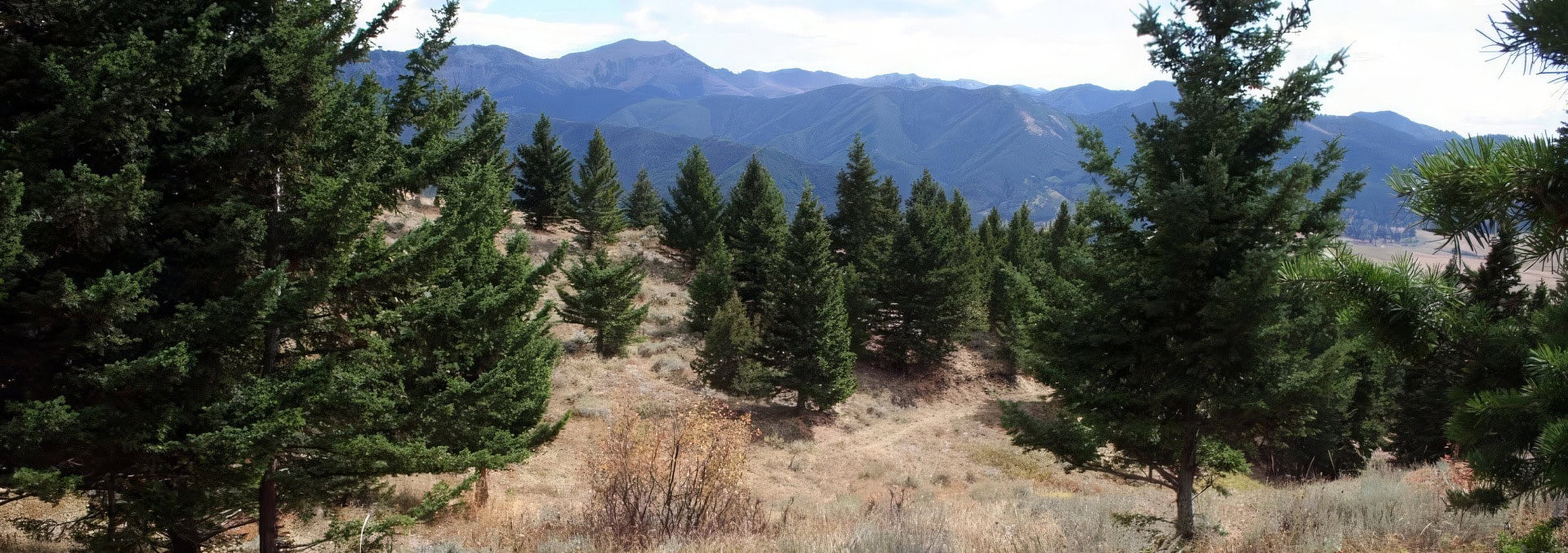
Springhill Mountain Ranch Corbly Vistas Parcel 6
Bozeman, Montana
The Springhill Mountain Ranch offerings are one-of-a-kind mountain properties teaming with beauty and wildlife, and located in close proximity to the University town of Bozeman. The most renowned peaks in the Bridger Range, Ross Peak & Sacajawea, provide a breathtaking backdrop.
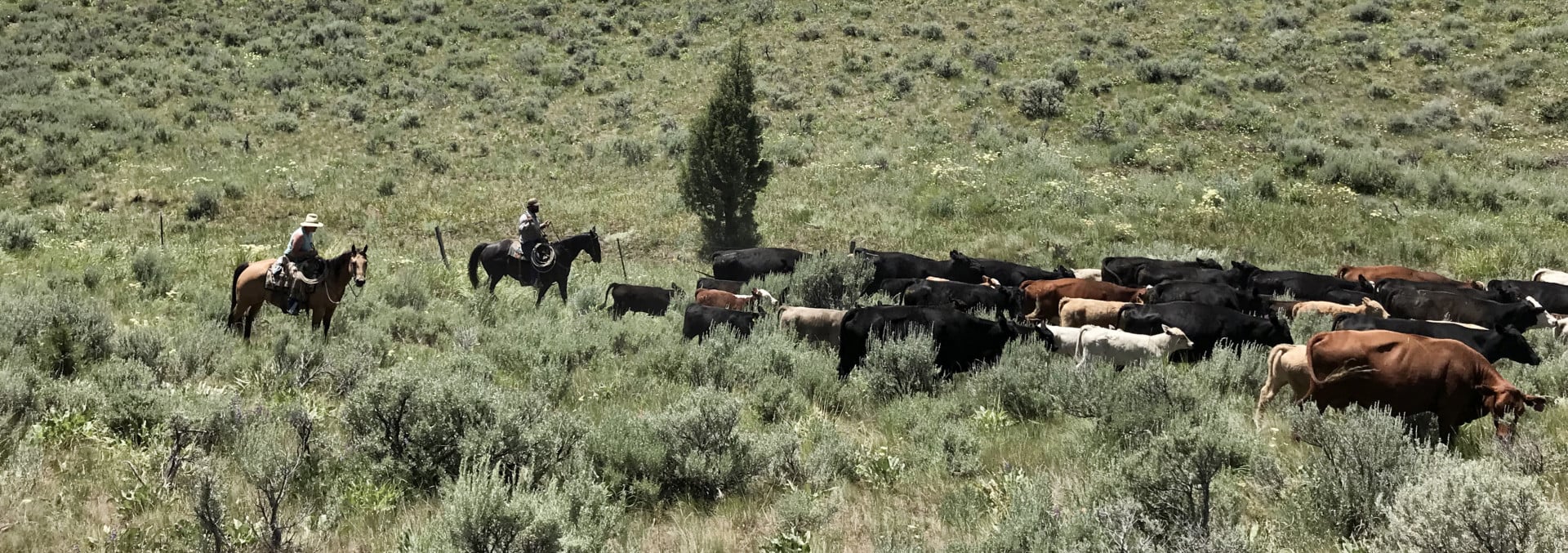
French Creek Ranch
Durkee, Oregon
This ideal summer grazing ranch in Oregon offers deeded land along with BLM leases and will support over 200 pair. It is a mix of high-energy grasses, perfect for weight gain. The topography contains northern and southern slopes that include drainages of aspen or juniper pine with good water throughout the range. It is prime mule deer and elk habitat along with good chukar hunting. Views are vast, with wide-open spaces and areas that are completely private and protected from the general public.
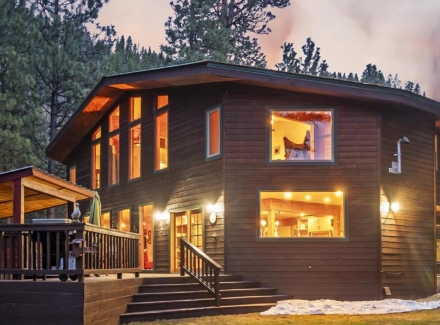
Let’er Fly Fishing Lodge
Pine, Idaho
The Let’er Fly Fishing Lodge is a charming retreat nestled along the South Fork of the Boise River, offering 11 acres with prime fly fishing frontage and a classic Idaho mountain home between Sun Valley and Boise in the Boise National Forest. This fully furnished lodge exudes charming mountain character with modern comfort that is more than a mountain retreat; it’s a lifestyle for those seeking easy access to a genuine mountain experience and connection with nature.
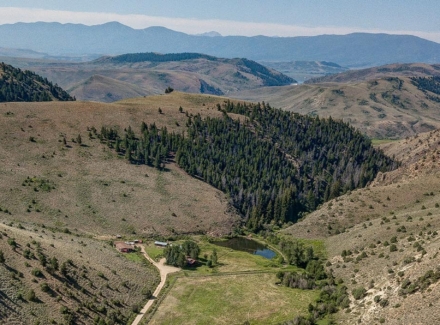
Rimrock Canyon Ranch
Parshall, Colorado
Rimrock Canyon Ranch offers ultimate solitude with modern amenities on 40± deeded acres and surrounded by 60± acres of BLM posessory interest land. It features Corral Creek, a fishing pond, access to the Colorado River, and spectacular views. It includes a main house, guest house, and bunkhouse, supplied by two wells and a spring. Wildlife like deer, elk, and black bears roam freely, and historical stagecoach route add to its charm. It’s a private retreat with stunning views and rich history.
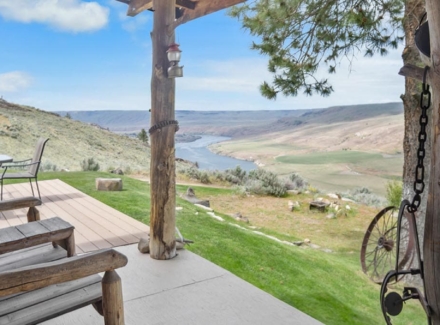
Whiskey Ridge on the Columbia
Bridgeport, Washington
This rare Washington property offers unmatched privacy with 1.9± miles of Columbia River frontage, two beaches, docks, and a private launch. Four cabins with full utilities sit on two sites, ideal for recreation, retreats, or shared ownership. World-class hunting, fishing, and water sports make this a true outdoorsman’s escape. The property includes an RV, tractor, Polaris, dozer, and more. Located near Grand Coulee and Bridgeport, it’s a premier riverfront retreat in a scenic, secluded setting.
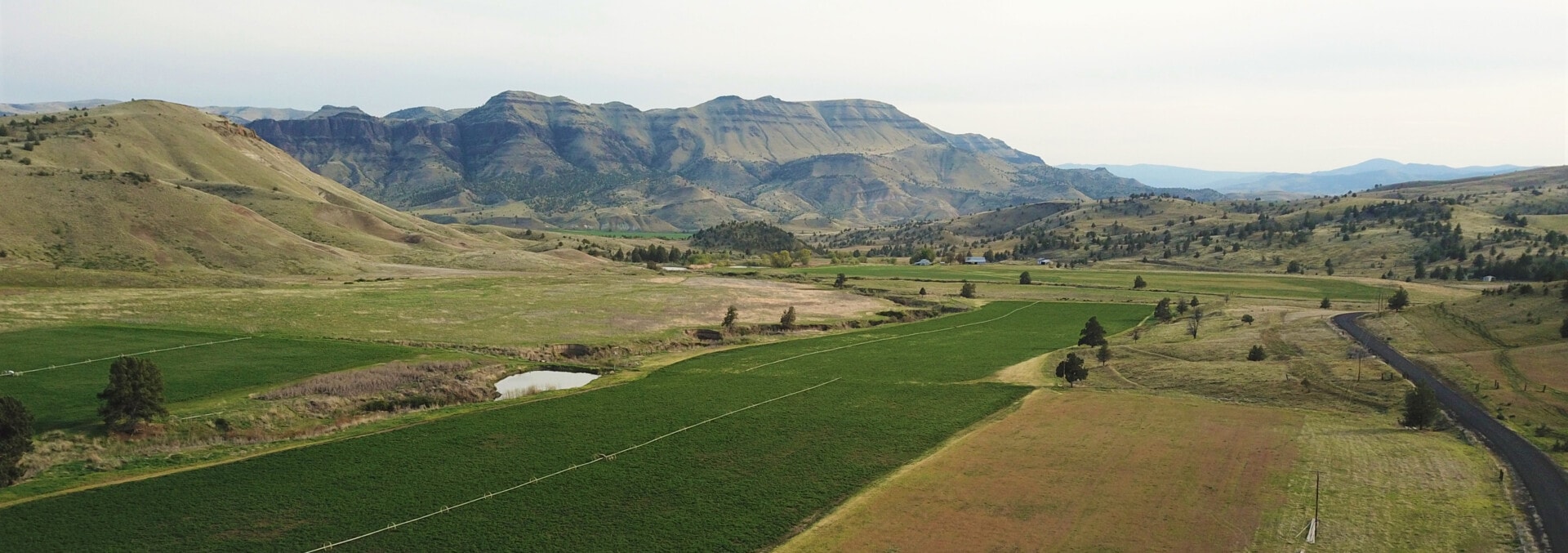
Rock’n A Ranch
Mitchell, Oregon
This ranch offers everything you’ve been dreaming of! An excellent cattle ranch, hunting property and farm land. With a completely remodeled 5 bedroom home, outstanding views, and a private backyard pond with fruit trees. All this and just a few minutes drive to the John Day River!
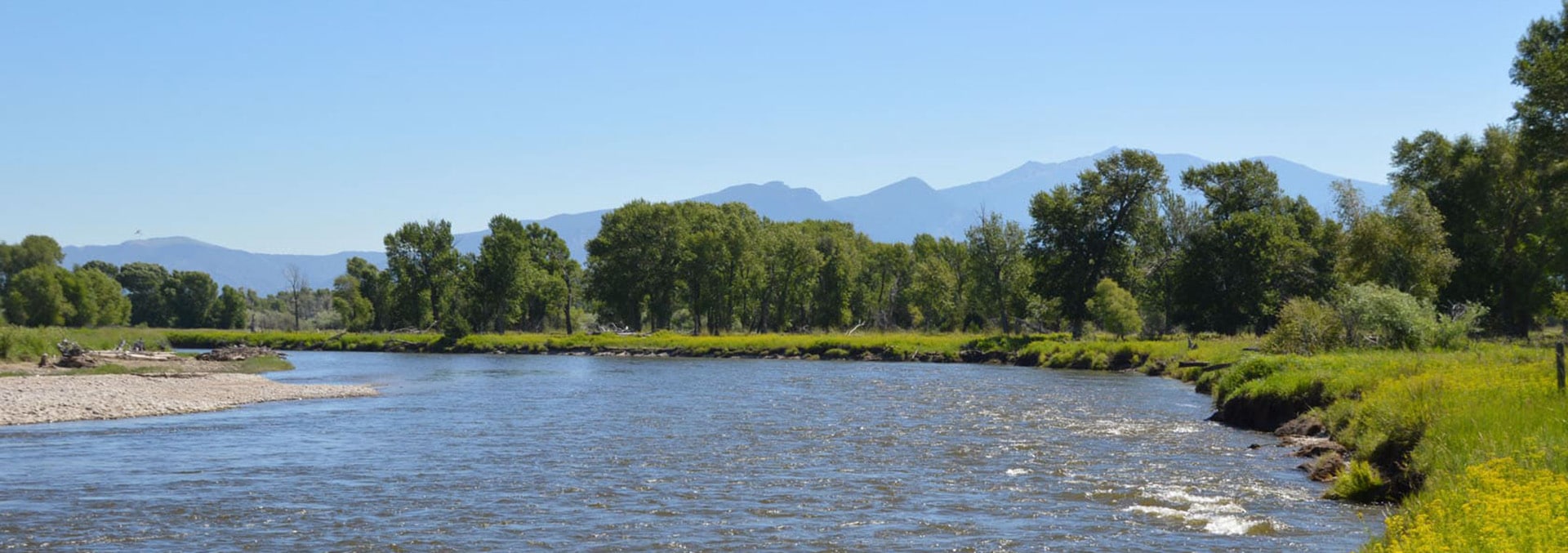
River Island Ranch
Silver Star, Montana
This ranch is a tremendously productive ranch for wild trophy trout, as well as a variety of wildlife including whitetail deer, turkey, pheasants, waterfowl and the occasional moose. It is also a stunningly beautiful property with the Jefferson River forming the western boundary of the ranch and to the east the Tobacco Root Mountains form the skyline.
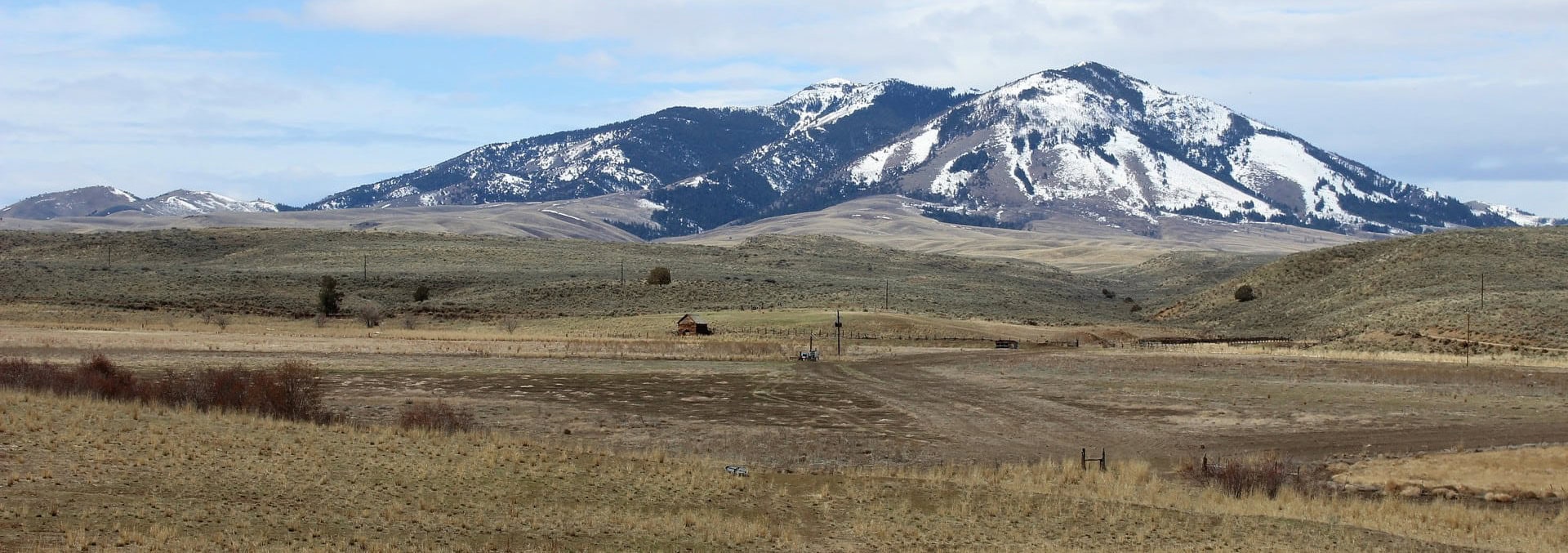
Danens Ranch
Ironside, Oregon
The Danens ranch is on Rose Creek and is part of the tiny town of Ironside, OR. Located 120 miles west of Boise, ID, 46 miles NW of Vale, OR. The ranch consists of farm ground that is irrigated with wheel lines with water that is pumped out of Rose Creek at two diversions for […]
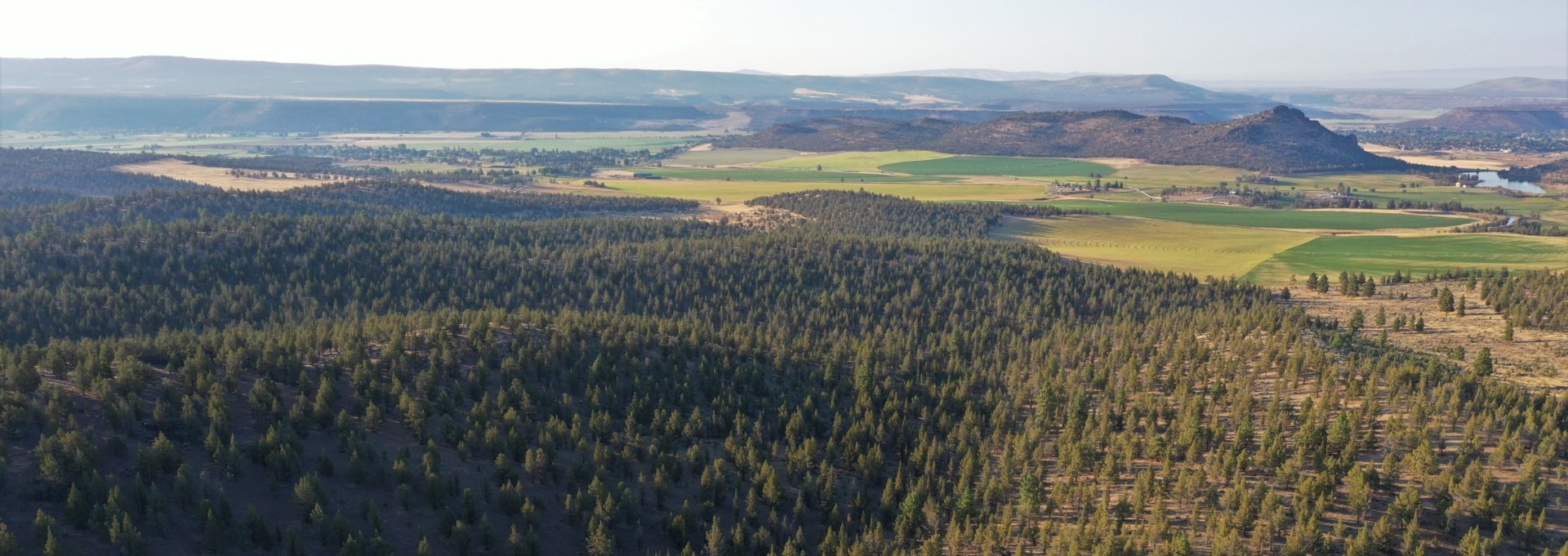
Dry Creek Hunting Reserve
Prineville, Oregon
A one of a kind hunting ranch for sale in Central Oregon! Dry Creek Hunting Reserve is an excellent big game hunting ranch with 3 LOP tags. This ranch also offers easy access, remarkable Cascade Mountain views, hiking, endless recreational opportunities, public land access, and a buildable home site. Conveniently located in Central Oregon, less than an hour from Bend.
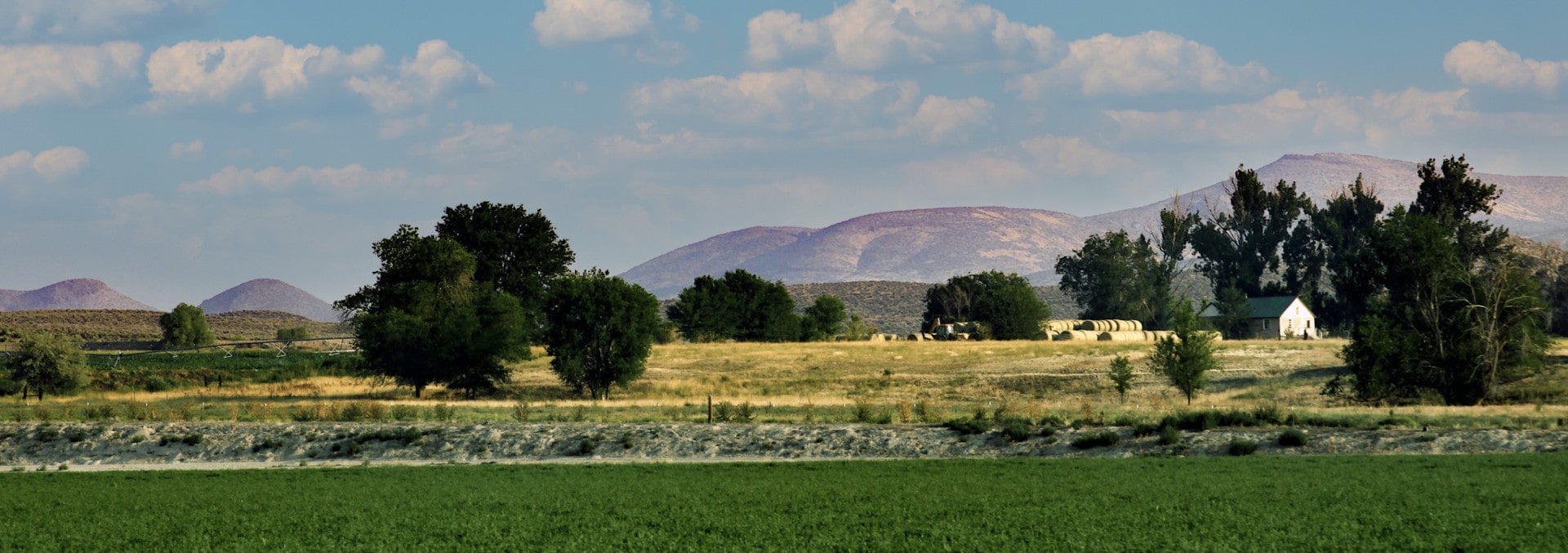
Harper Valley Farms
Harper, Oregon
This is a very productive farm and cattle operation located in the small community of Harper. It produces seven tons of alfalfa and 30 tons of corn silage. It has good water with an efficient delivery system. Three good homes with the main home sit on a knoll overlooking the valley. An additional home could be turned into a rental. This property could be used as a combination of cattle and farm operation. Productive, easy to operate, compact farm in a great location.
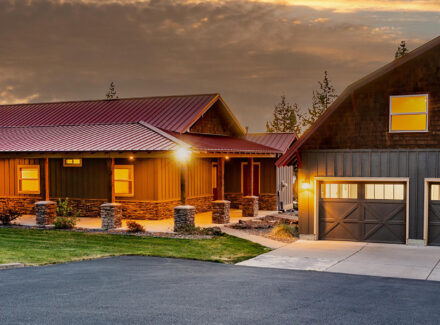
Crooked River Rim Horse Ranch
Prineville, Oregon
This fully improved Central Oregon horse property combines elevated Crooked River Valley views with practical infrastructure for daily use. A single-level home is supported by barns, welded-steel corrals, a covered arena, round pens, and ample hay and equipment storage. Irrigation rights, two wells, and freeze-protected systems strengthen year-round function, while the location, just minutes from Prineville and within easy reach of Bend and Redmond, adds convenience.
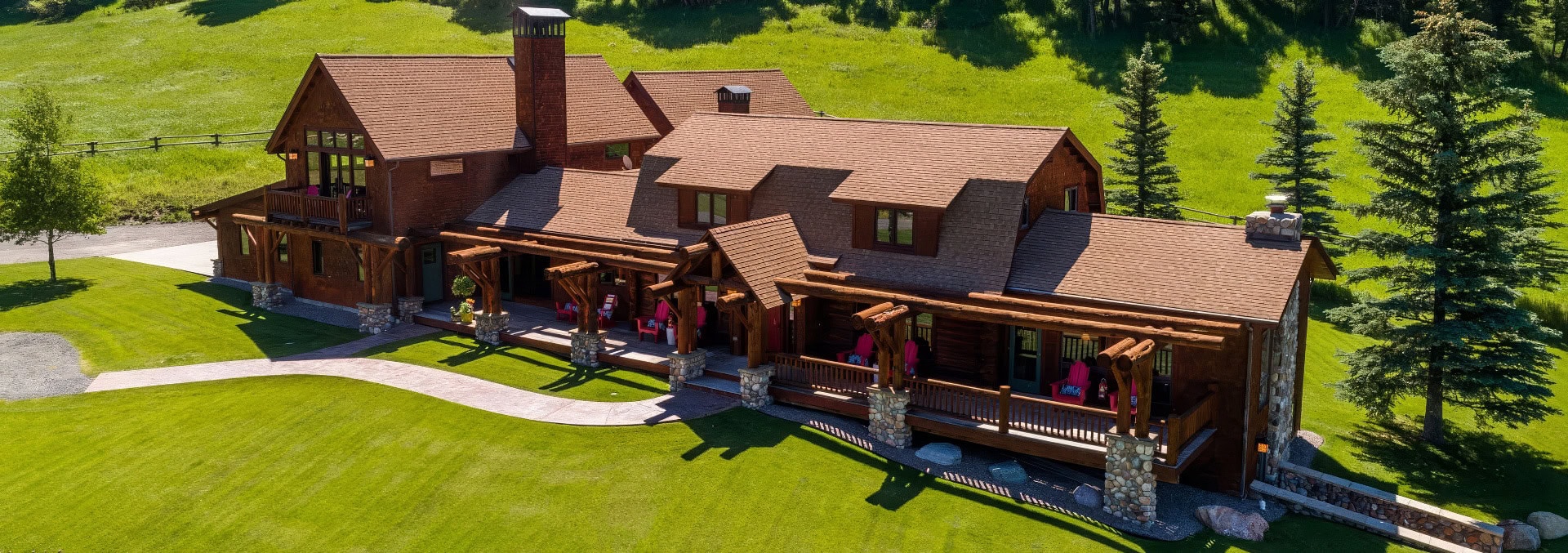
Base Camp Lodge
Bozeman, Montana
Located in the heart of Bridger Canyon, the property is literally “base camp”, as it is less than 15 minutes to Bozeman and Bridger Bowl Ski Area. This fully remodeled home is ready for just the right family or families, with two master suites, to enjoy the rest of the summer and upcoming winter season. Add a short 5-minute walk through the subdivision to fish Bridger Creek, and you have something exceptionally special.
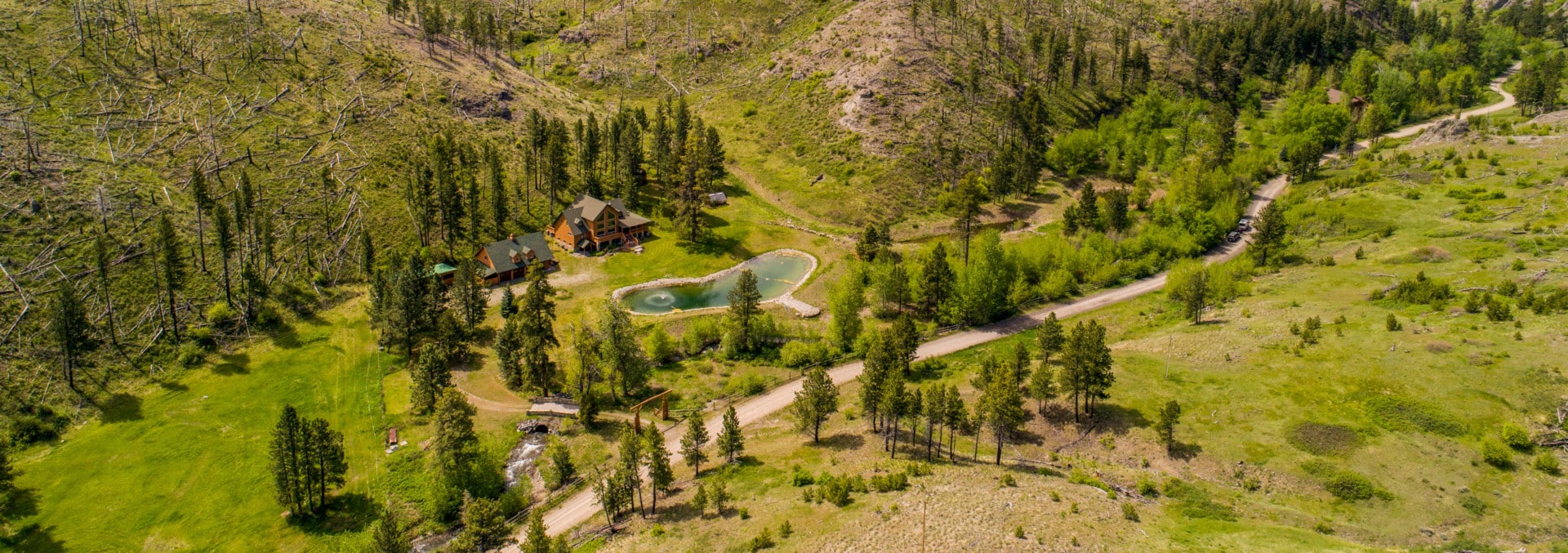
Whispering Creek Ranch
Big Timber, Montana
Beneath the Beartooth Mountains and the Absaroka Range, this retreat features a custom home with guest quarters, a pond, and about 750 feet of West Bridger Creek frontage. Surrounded by mature timber and open meadows, the property supports diverse wildlife and offers access to public land just a mile away. Trout fishing on the Yellowstone River is about a half hour from the property, while amenities in Big Timber, Montana are a little over a half hour away.
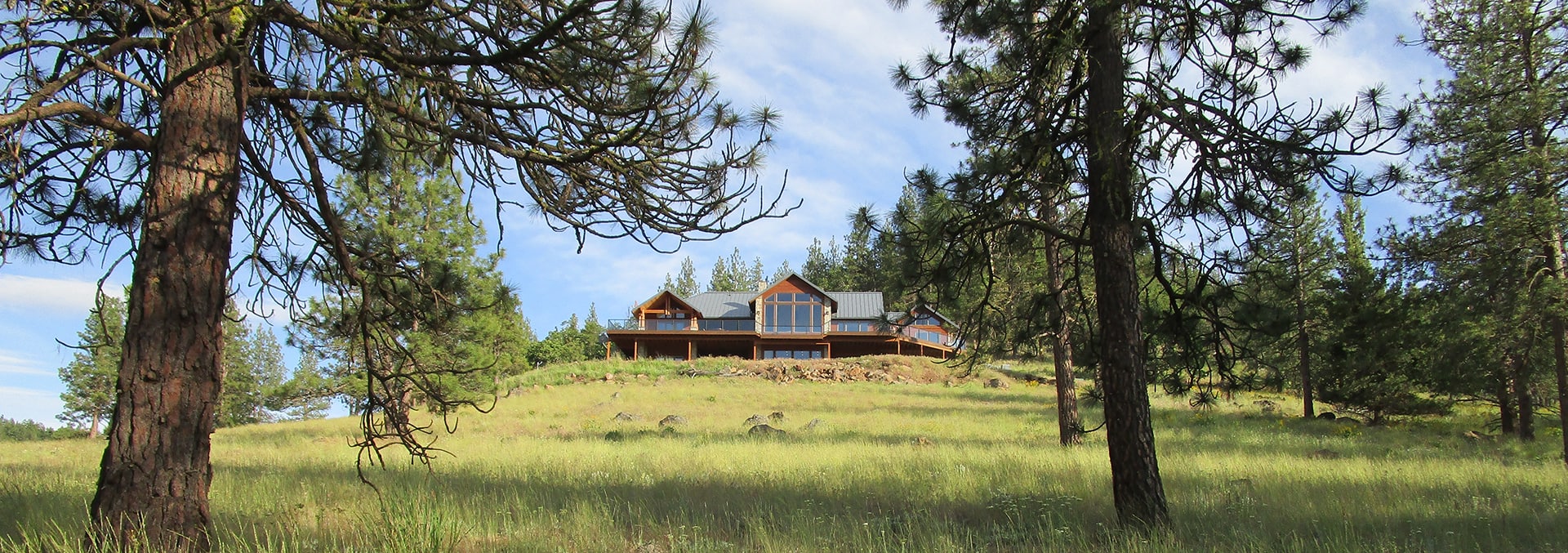
Stillwater Ranch
Goldendale, Washington
The Little Klickitat River runs through the width of this Washington ranch. From almost any point on the property there are beautiful views: of the river, Mount Adams, Simcoe Hills, or the beautiful features this property includes. With 4 separate lots, 40± of these acres are currently used for a hay operation; the remaining acres are recreational. The custom-designed lodge includes many features: patios, high ceilings, a custom rock fireplace, workout and hobby rooms, and a heated garage.
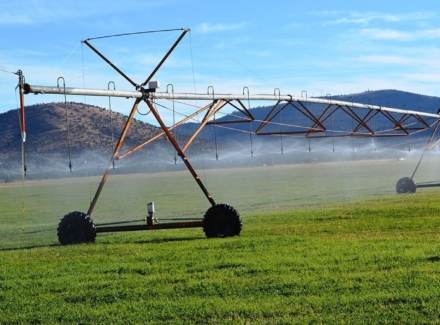
Brasada Pivots
Powell Butte, Oregon
Brasada Pivots in Central Oregon offers 309± acres with stunning Cascade Mountain views, including 163.3± acres of irrigated farm ground. The state-of-the-art irrigation system features 3 pivots, supplied by COID. Utilities are ready at the planned homesite, boasting views from Mount Bachelor to Mount Jefferson, with approval for a primary home and a barn with living quarters. Adjacent to Alfalfa and Shumway Roads, it’s near outdoor adventure hotspots. A prime farm setup awaits your future here.
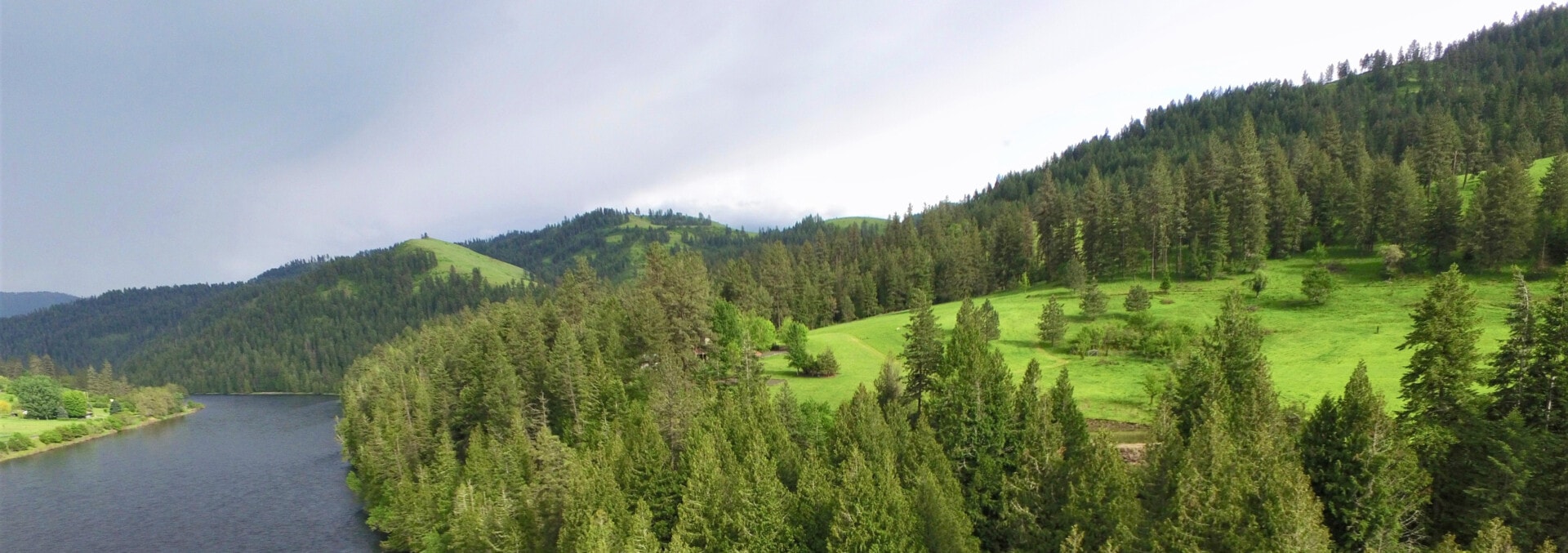
Clearwater River Place
Kooskia, Idaho
The Clearwater River Place has excellent hunting and fishing opportunities available all over the ranch. Catch massive Chinook Salmon in the spring and beautiful trout all summer. Anglers can also fish for steelhead just below the ranch.
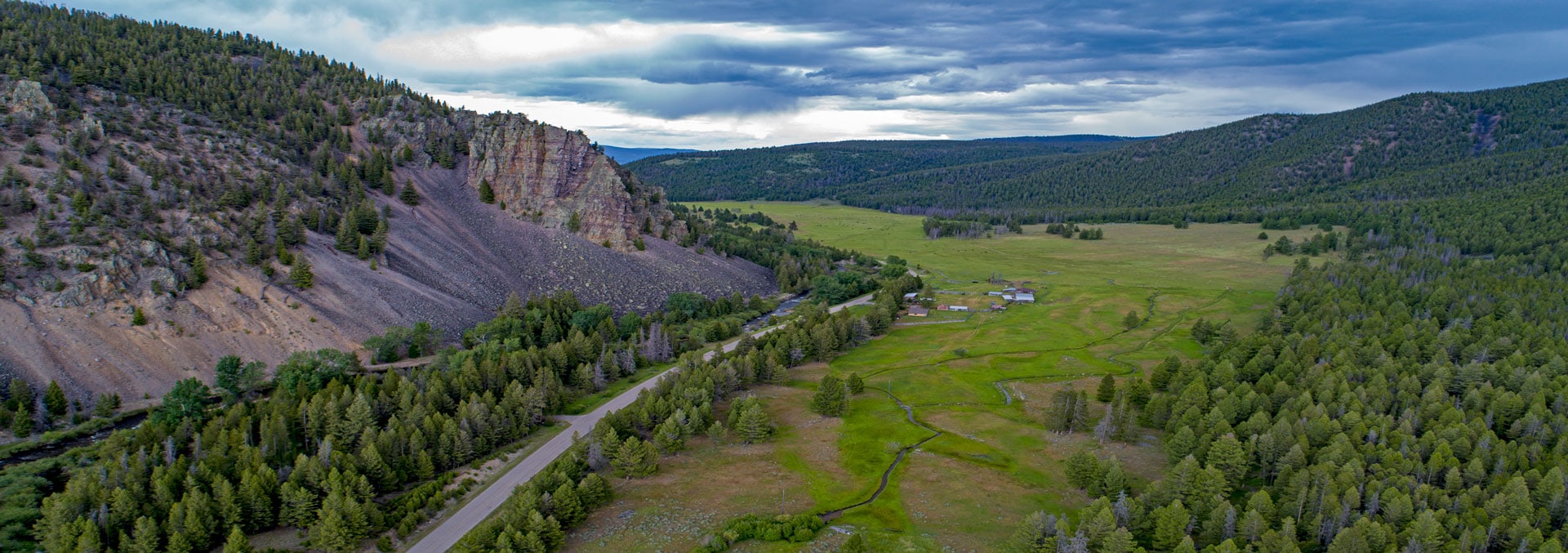
Eagle Rock Ranch on the Wise River
Wise River, Montana
This Montana ranch located along the Wise River and close to the Big Hole River, this ranch is named for the striking rock formation that overlooks the property. The owner currently holds a 6,922± acre National Forest grazing lease, allowing for 150 yearling heifers out the back gate. The property is almost entirely flood irrigated, and the owner has enjoyed the ranch because of the production value and recreational opportunities.
Helena Valley Hay Farm
Helena, Montana
Helena Valley Hay Farm is a well-managed irrigated property with reliable water rights and a new full-circle pivot system. Currently seeded to sainfoin, it supports a profitable hay operation with strong regional demand. Surrounded by working farms and rich wildlife habitat, it offers excellent hunting and access to nearby lakes, trails, and ski areas. Just 15 minutes from downtown Helena, this property blends agricultural productivity with outdoor recreation and investment appeal.

Swalley Hobby Horse Estate
Bend, Oregon
Exceptionally located horse property featuring two remodeled homes, each with private access and set within a park-like landscape. Designed for equestrian living, it includes fenced and cross-fenced pastures, a 6-stall barn with outdoor runs, hay and equipment barn, sand arena, loafing sheds, and automatic sprinklers. A serene pond framed by mature trees offers mountain views. Conveniently close to Bend’s shopping, dining, and recreation, this property balances rural beauty with modern comfort.
The Farm at Campbell Crossing
Kimberly, Oregon
Located between Kimberly and Monument, Oregon, this irrigated farm sits in the heart of John Day River country. The primary parcel features productive cropland, agricultural infrastructure, 0.5± miles of Rudio Creek, and 1.8± miles of North Fork John Day River frontage. A two-bed, 1.5-bath home built in 2010 overlooks the canyon. Certified water rights, efficient irrigation systems, and conservation work along Rudio Creek enhance habitat and native fisheries.
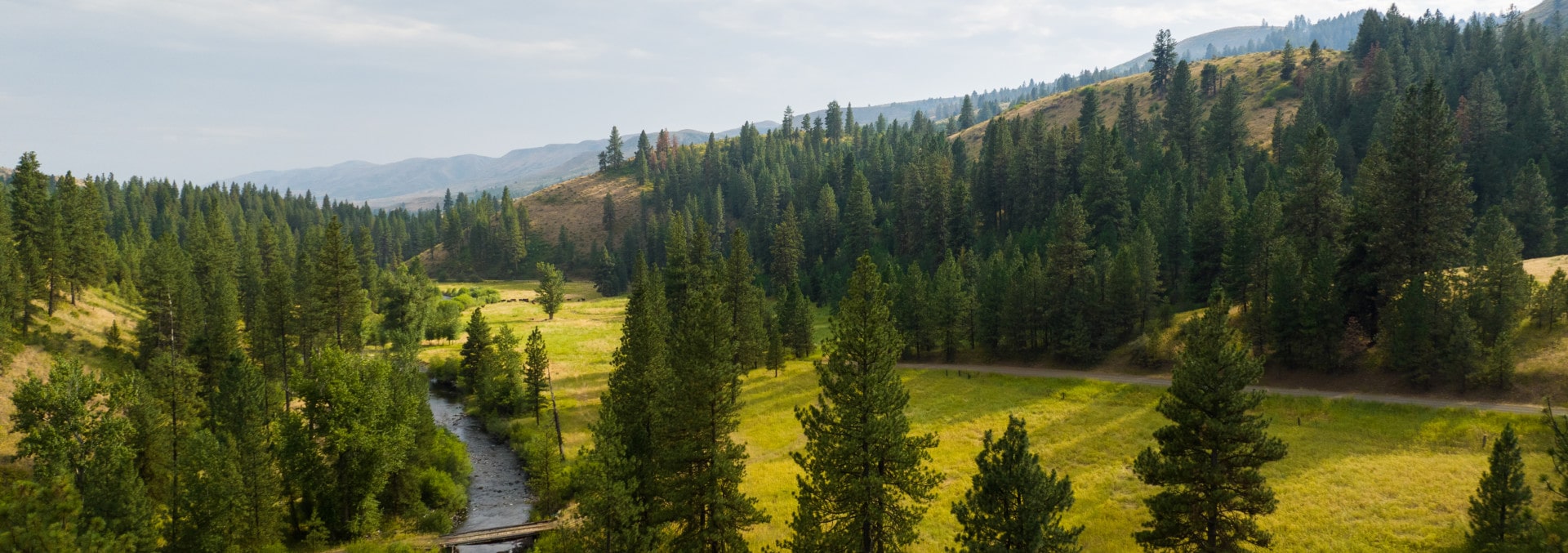
Sanctuary on Third Fork
Ola, Idaho
This is an opportunity to own property surrounded by public land for personal indulgence. This land in Gem County, Idaho, possesses many features to immerse yourself in beautiful mountain living. Investment in this type of land is difficult to find. Find peace and stillness throughout the draws, benches, and hilltops. The year-round creek is so pleasant; it flows from north to south along the meadow’s edge. The east side of the land offers privacy with views of the creek from above.
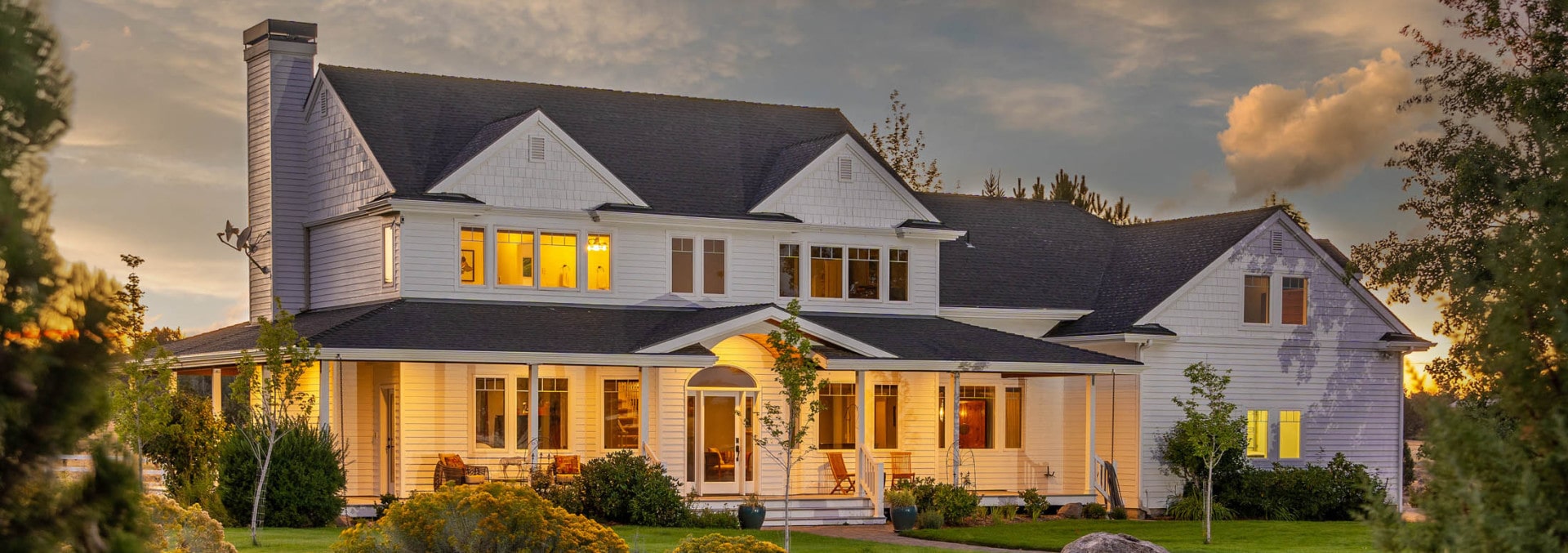
Seven Peaks Estate
Bend, Oregon
This is a property of the highest quality in one of the most desirable places in Oregon. Come and enjoy the Central Oregon sunshine, the small-town rural feel of Tumalo, the elegant modern living in the 3,400 SF 3 bed/4 bath home with smart technology, and the never-ending fun with you and your horse on the acreage and the nearby trails of the Maston BLM unit and trails. Complete with 5-stall barn with tack room and an indoor arena, safety and convenience are the theme in the equine infrastructure.
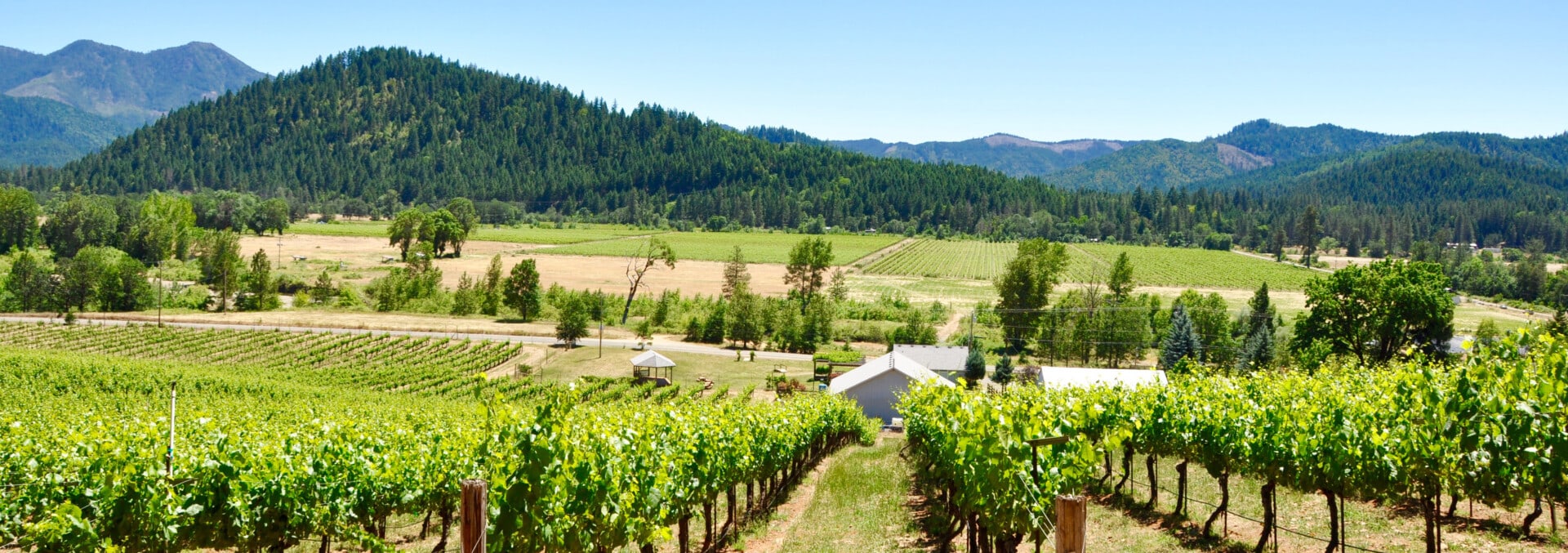
Deer Creek Vineyard
Selma, Oregon
Deer Creek Vineyards produces premium, award-winning, handcrafted wines. Year-round creek and spring-fed ponds, vineyard and mountain views in every direction.
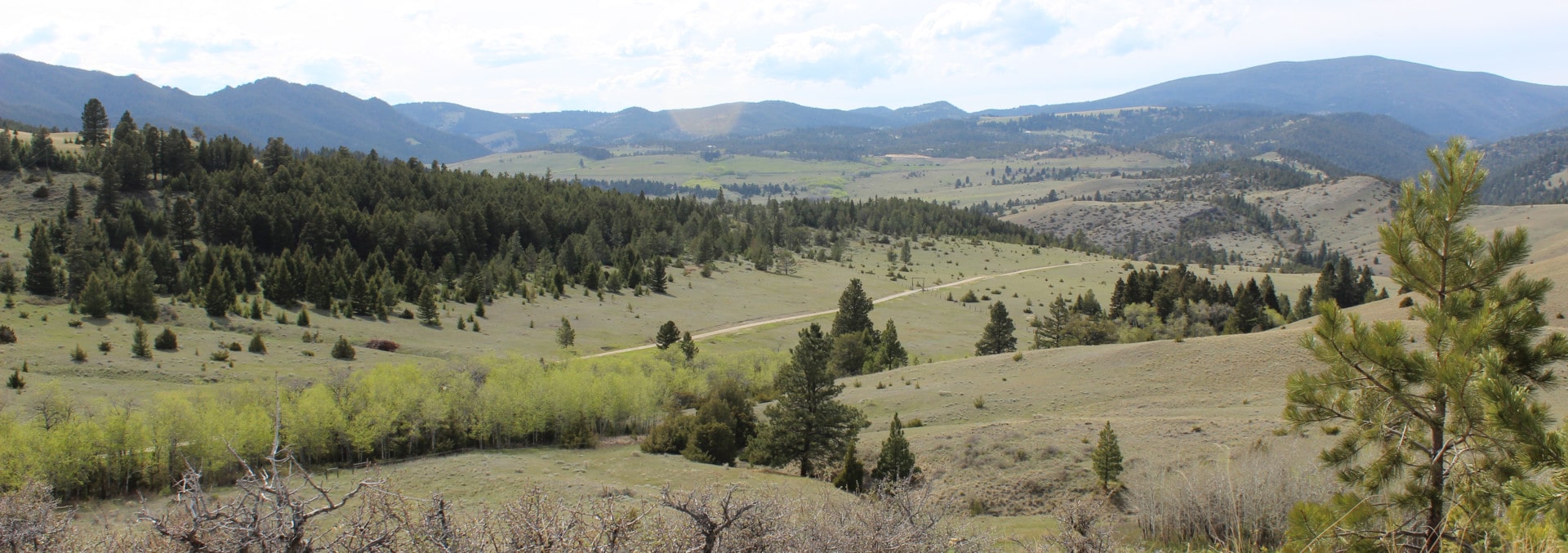
Stagecoach Road Ranch
Helena, Montana
This mountain ranch is secluded, yet close to Helena, the capital of Montana. The region features an abundance of water, including lakes region with Canyon Ferry, Hauser Lake, Holter Lake, and Lake Helena, offering a variety of summer watersports, fishing, and four-season recreation. Flanked by Mount Helena and surrounded by thousands of acres of National Forest, BLM, and State Lands making up much of the protected landscape, this region serves as an excellent starting point for recreation and enjoyment.
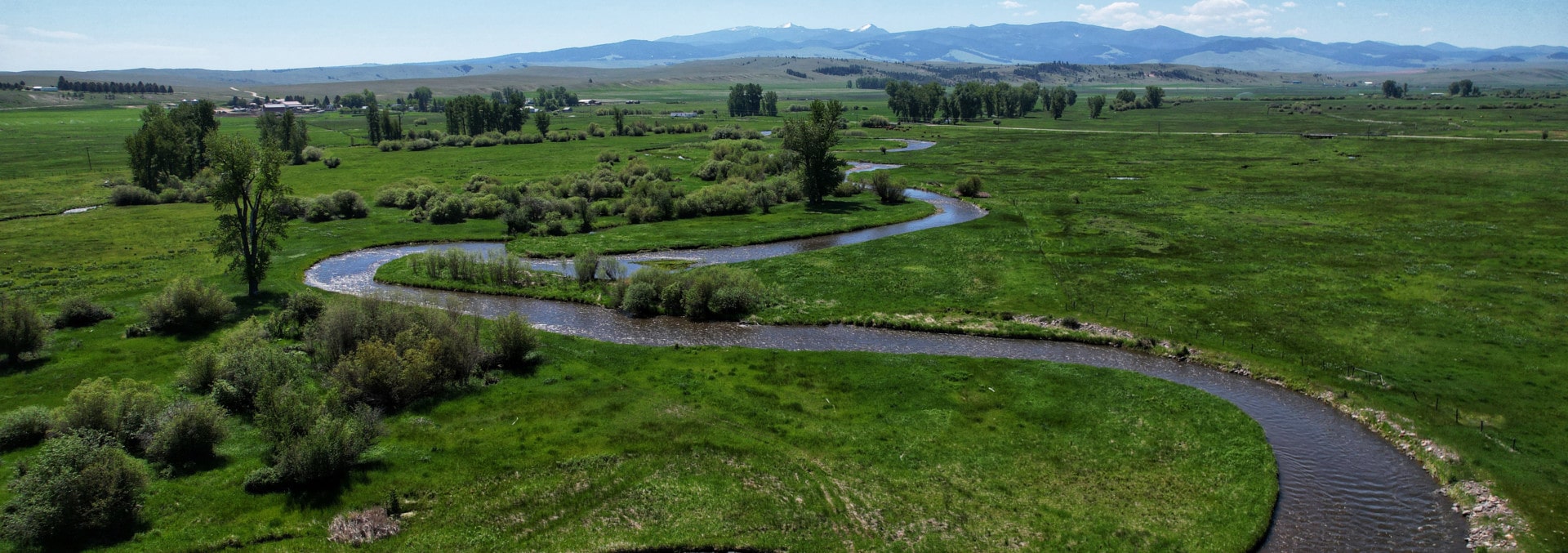
Flint Creek Ranch
Drummond, Montana
This is an opportunity to own land on one of Montana’s best-kept angling secrets, located in a beautiful valley with breathtaking views and offering endless recreational pursuits. An established build site and developed pond increase equity. Located minutes from l Clark’s Fork and Rock Creek River, the property offers some of the country’s best fishing. This property is highly desirable with limited public access, a mile of Flint Creek, two other spring creeks, a wetland, and a beautiful pond. T
Dos Rios
Taos, New Mexico
Perched on a low bluff above the Rio Pueblo, this property embodies southwestern mid-century modern design, conceived by Robert Rottenberg, originally commissioned for Taos Modernist artist Robert Ray. The main residence and guest casita offer 360-degree views of the high desert, river, and Sangre de Cristo foothills. A wrap-around deck with hot tub, rare riverfront petroglyphs, fishing pools, and water rights complete this remarkable retreat, just ten minutes from Taos Plaza.
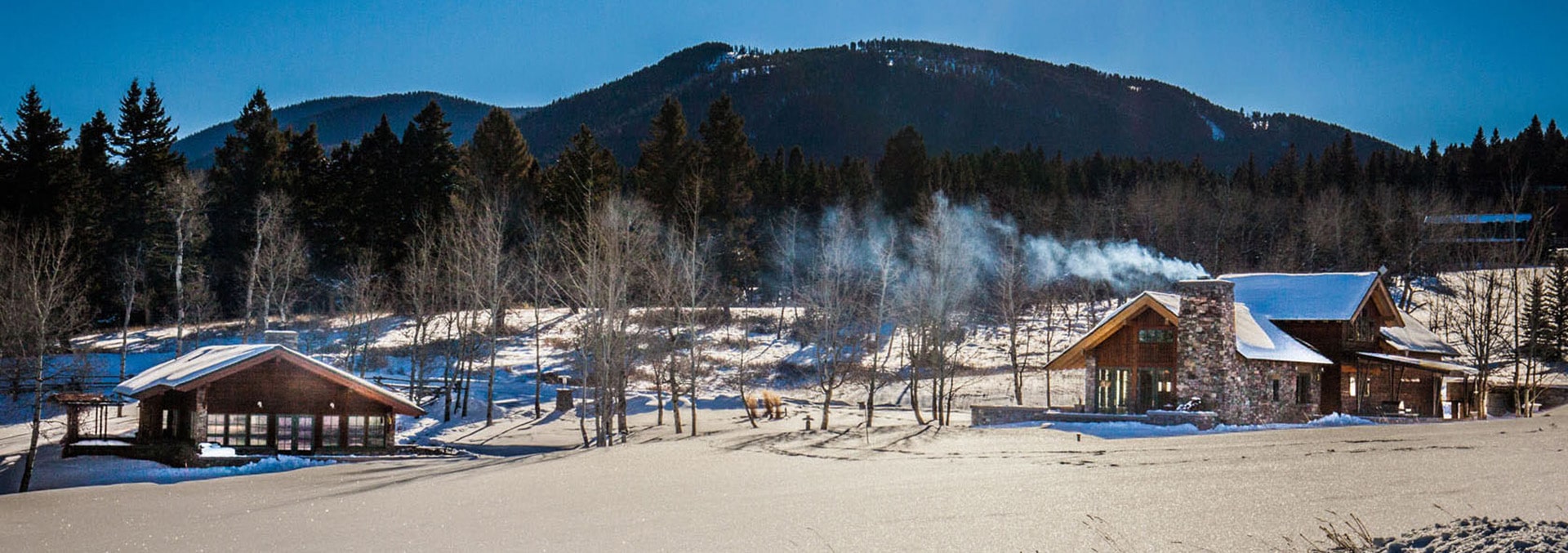
Cottonwood Retreat
Bozeman, Montana
This stunning home and guest home were inspired by Frank Lloyd Wright and are surrounded by groves of aspen. This property is not only breathtaking but also convenient, with close proximity to Bozeman and thousands of acres of National Forest Land.

Black Bear Creek Ranch
Garden Valley, Idaho
Black Bear Creek Ranch consists of 160± acres overlooking the valley and mountains. The property is situated at an elevation of 3,400± ft. with fantastic Payette River frontage, meadows and timber, making this a spectacular property that doesn’t come on the market often.
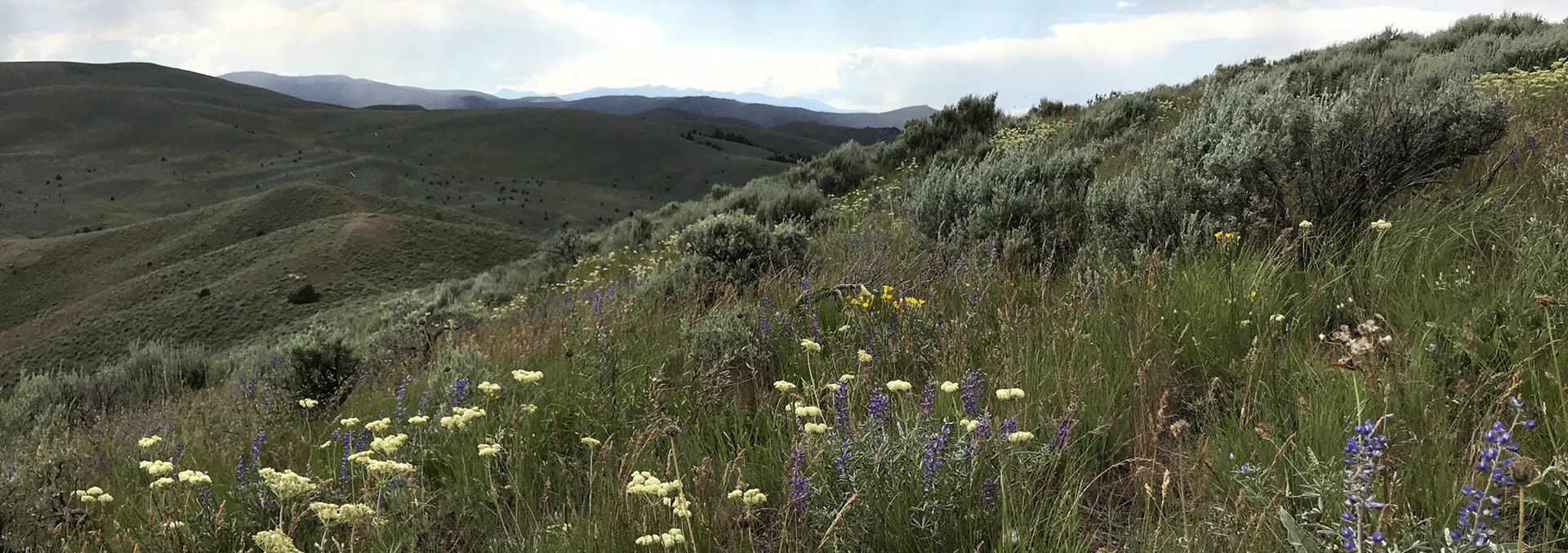
Lost Basin Ranch
Durkee, Oregon
This ideal summer grazing ranch in Oregon offers deeded land along with BLM leases and will support 125 pair. It is a mix of high-energy grasses, perfect for weight gain. The topography contains northern and southern slopes that include drainages of aspen or juniper pine with good water throughout the range. It is prime mule deer and elk habitat along with good chukar hunting. Views are vast, with wide-open spaces and areas that are completely private and protected from the general public.
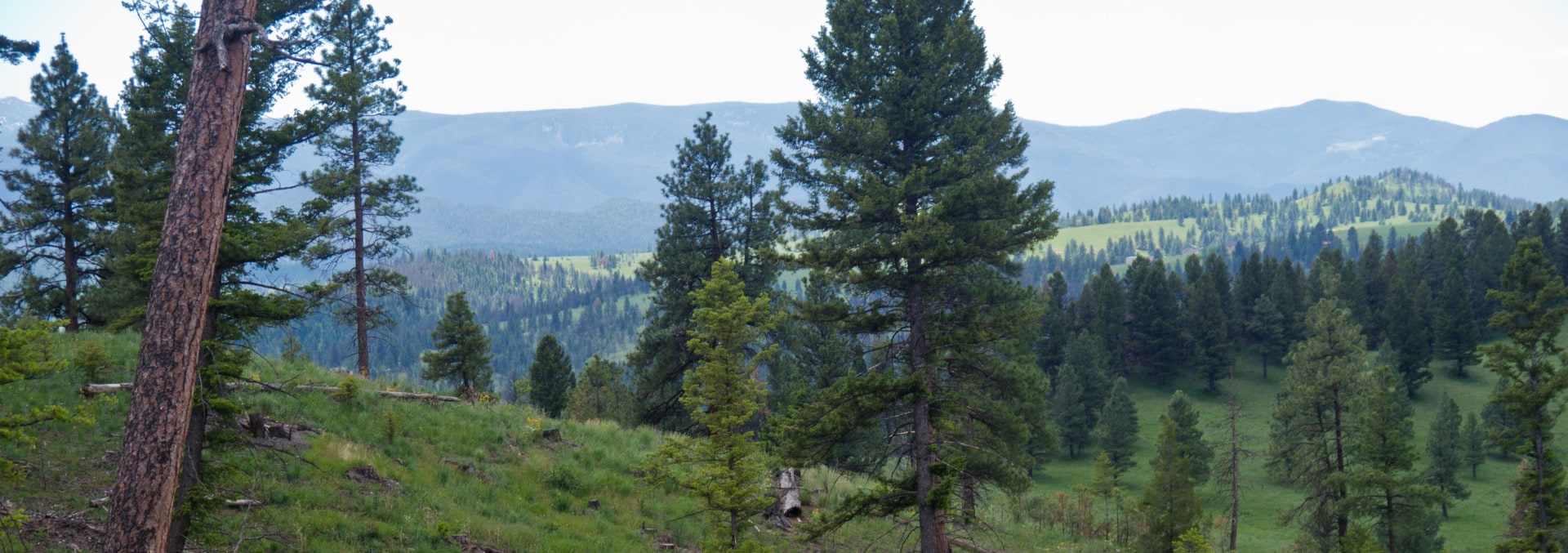
Rattlesnake Creek Ranch
Clancy, Montana
This Montana ranch, adjacent to BLM and National Forest lands, follows along bubbling Rattlesnake Creek frequented by wildlife, including elk and deer that call the ranch and region home. The trail passes a historic log cabin. Rising up from the creek bottomlands, the ranch features rock outcroppings, timbered hillsides, and grassy meadows with mountain views resembling a colorful painting in springtime with the abundance and variety of wildflowers that blanket the meadows.

Springhill Mountain Ranch – Twin Creeks Parcel 4
Bozeman, Montana
The Springhill Mountain Ranch offerings are one-of-a-kind mountain properties teaming with beauty and wildlife, and located in close proximity to the University town of Bozeman just 25 minutes away. The most renowned peaks in the Bridger Range – Ross Peak & Sacajawea, provide a breathtaking backdrop.
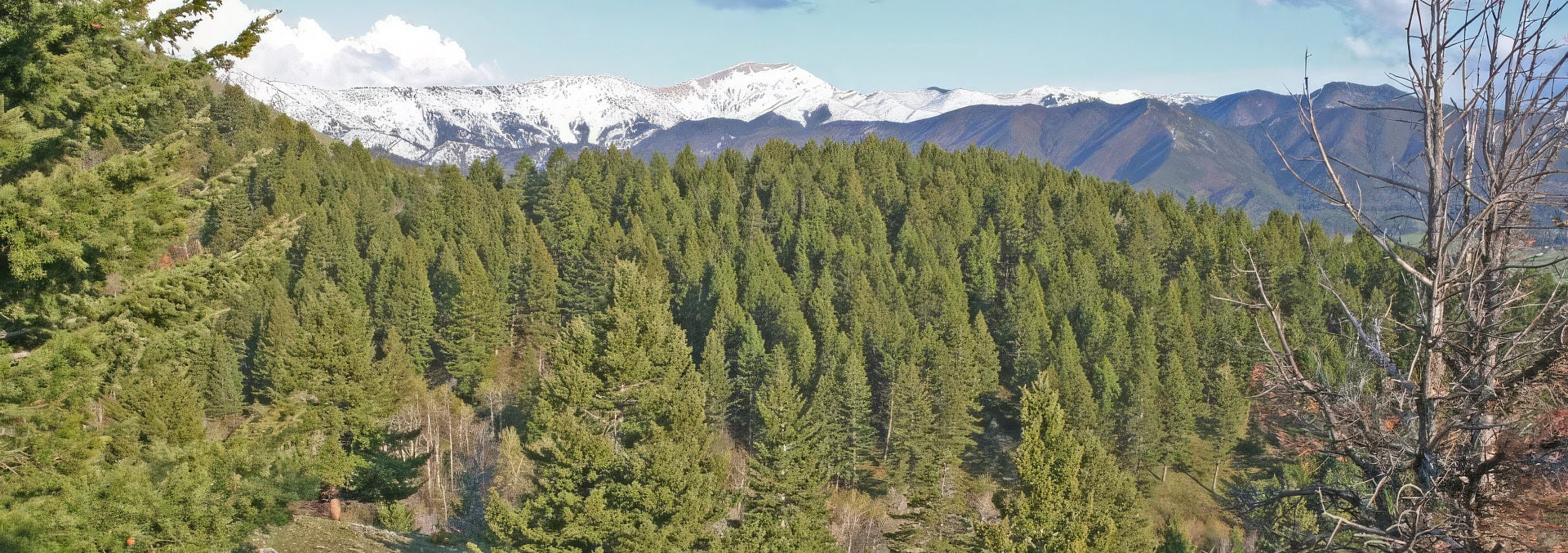
Springhill Mountain Ranch – Elk Ridge Parcel 5
Bozeman, Montana
The Springhill Mountain Ranch offerings are one-of-a-kind mountain properties teaming with beauty and wildlife, and located in close proximity to the University town of Bozeman just 25 minutes away. The most renowned peaks in the Bridger Range – Ross Peak & Sacajawea, provide a breathtaking backdrop.

Rio Rojo Canyon Ranch
Springer, New Mexico
This premier ranch for sale in New Mexico is a unique opportunity to own and protect a rugged and wild part of the American West. Teeming with wildlife, this is a great hunting property with unlimited landowner elk tags. It offers An exceptional location for private horseback rides and private hikes along the Canadian River and canyon rim. This beautiful ranch is ideal for exploring, artifact hunting, bird watching, and wildlife viewing.
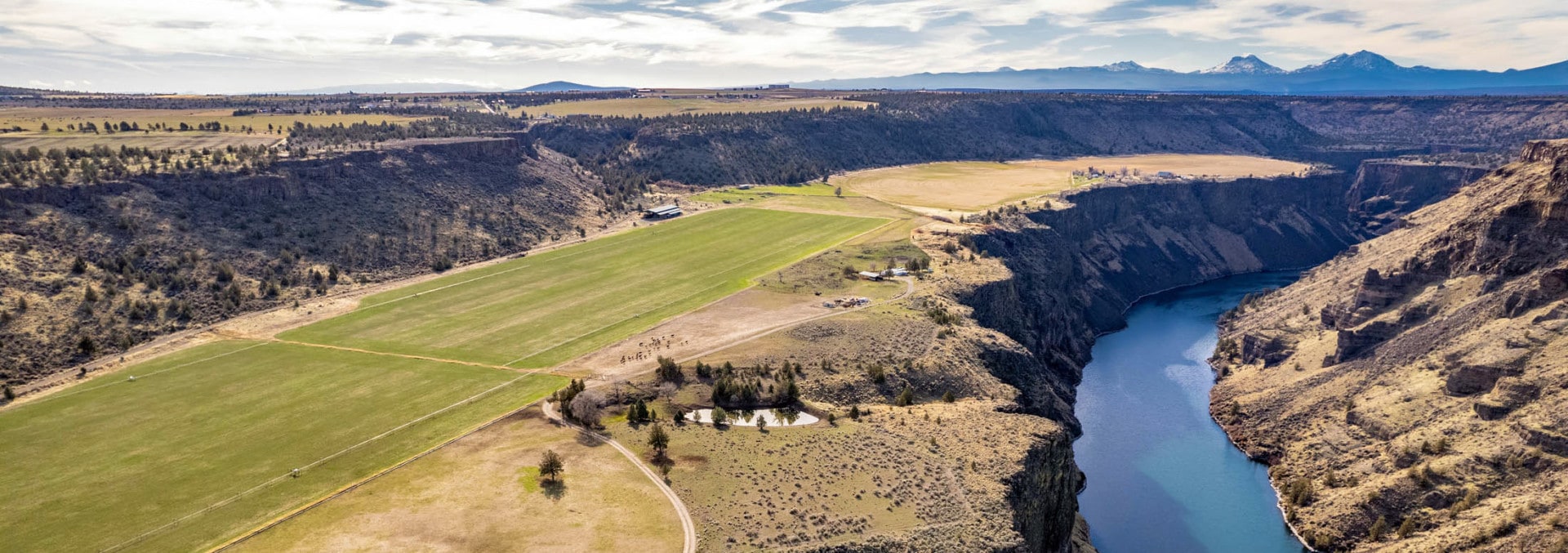
Crooked River Rim Farm
Culver, Oregon
This fully operational production farm is the only property of its kind! With hundreds of secluded acres of agricultural land and three permitted dwellings, you’re still only minutes from the art, music, restaurants, and recreational opportunities of Central Oregon. The irrigated farm ground has been productive and well cared for. The property has all the tools you need for a successful farming operation: quality irrigation systems, heated shop, hay storage, pastures, paddocks, and more.
North Fork Horse Creek Ranch
Wilsall, Montana
Offering 284± deeded acres nestled between the Bridger, Absaroka, and Crazy Mountains in the heart of the Shields River Valley, the property features 0.4± miles of Horse Creek frontage, rolling hills, sage meadows, mature cottonwoods, and native grasses mixed with alfalfa. Recent hay production totaled approximately 218 tons. Whitetail, elk, moose, antelope, and upland birds roam freely. It features a three-bedroom and two-bathroom ranch home and guest home, about fifteen minutes from Wilsall.
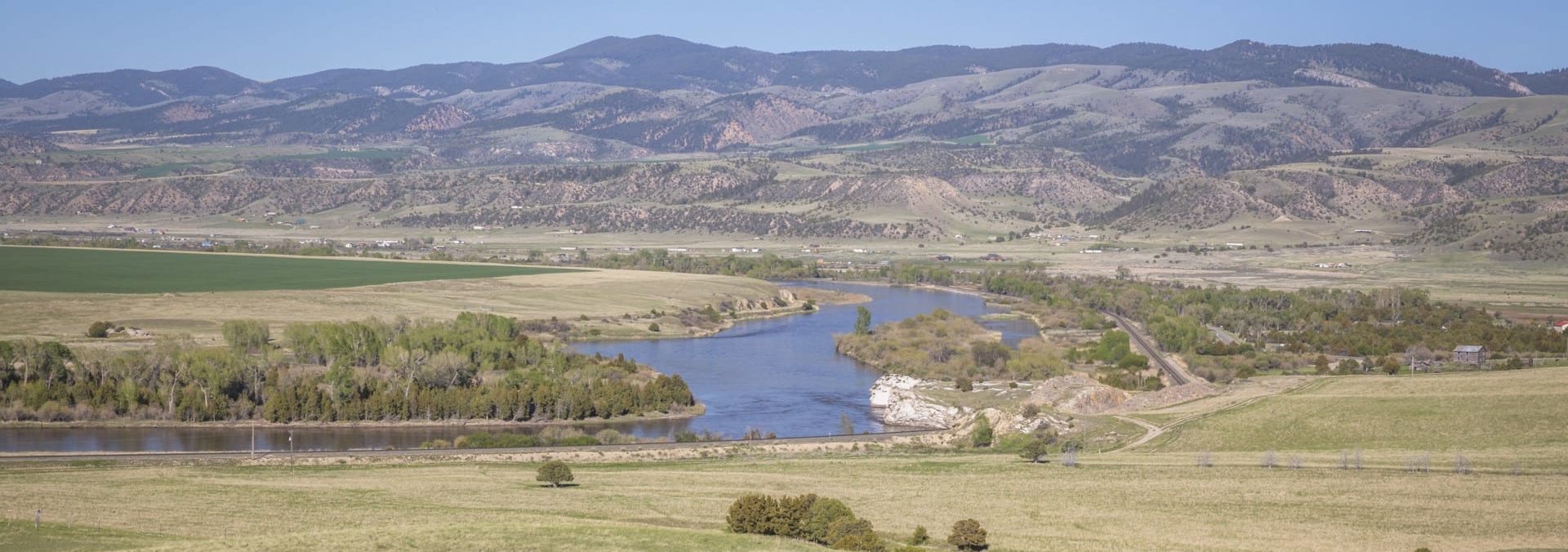
Medicine Ranch
Three Forks, Montana
This ranch is located just north of Three Forks, Montana, and lies along the south bank of the Missouri River. The ranch varies from deep juniper canyons to a lush riparian bottom along the river corridor which spans over 1.5± miles.
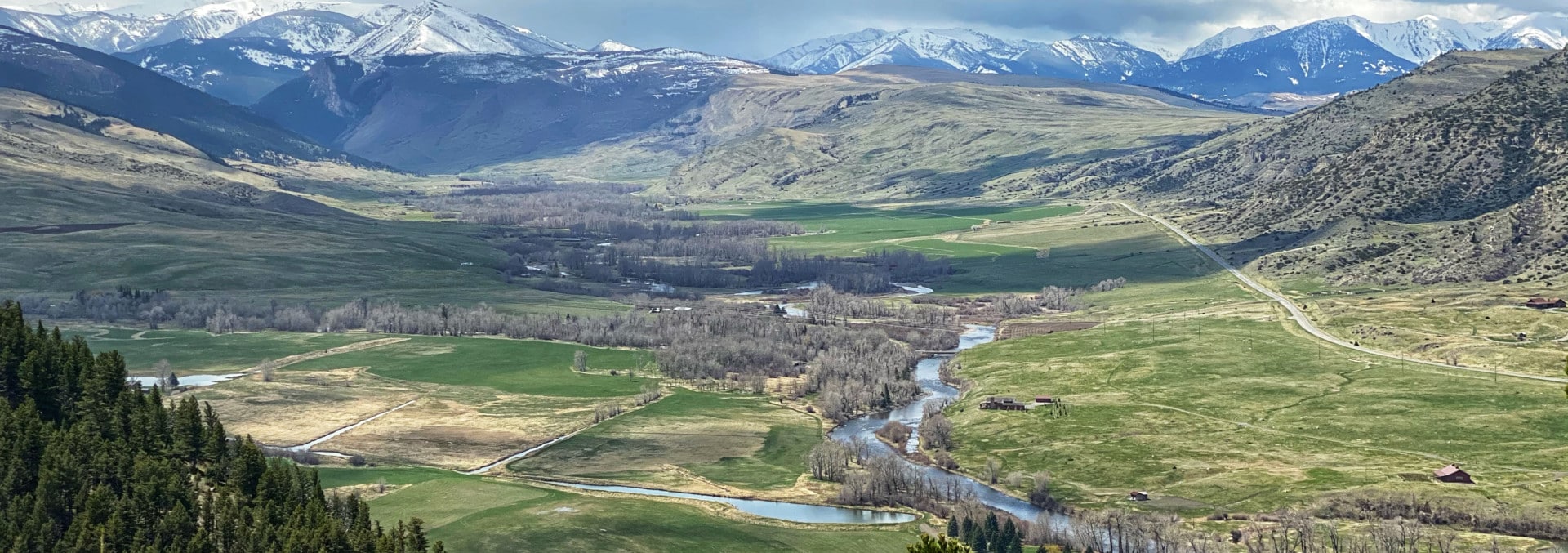
Boulder River Vista
McLeod, Montana
Sitting over the top of the Boulder River Valley, the Boulder River Vista offers productive grazing land, jaw-dropping views, and significant recreational opportunities. The property does not have any improvements and it is not protected by a conservation easement, therefore it is a blank canvas. Pair these attributes with an excellent location, only 20± minutes south of Big Timber, Montana and 90± minutes from Bozeman, and the Boulder River Vista emerges as an excellent opportunity for a wide array of investors.
Rancho El Patrón
Las Vegas, New Mexico
High-desert ranch in northern New Mexico with Sangre de Cristo views toward Hermit’s Peak and the Old Santa Fe Trail corridor. Excellent access on US 84/NM-84, 10± miles to I-25; Las Vegas 20± minutes, Santa Fe about an hour. Rimrock bluffs, mesas, piñon-juniper, and multiple building sites. Three legal parcels support flexible ownership. Two miles of water line and underground power reach seven sites. Home, wells, tanks, pens, and strong GMU 43 big-game habitat with landowner tags.
Churn Creek Ranch
Redding, California
Rich Class 1 and Class 2 soils, mature oak trees, and sweeping foothill views set the stage for a rare Northern California ranch offering exceptional agricultural and lifestyle potential. A custom 3,000± square foot home with vaulted ceilings, a stone fireplace, and expansive windows anchors the property with refined country comfort. An old barn, agricultural well, and productive hay ground round out a versatile ranch suited for farming, equestrian use, or a private country estate near town.

Trail Creek 160-East
Bozeman, Montana
Mature aspen groves and pine covered hills make up the landscape before giving way to lush meadows. The perfect building site offers amazing views of the Absarokee/Beartooth Mountains to the east and Chimney Rock and the Gallatin Mountains to the south – the serenity and privacy radiates throughout the property.
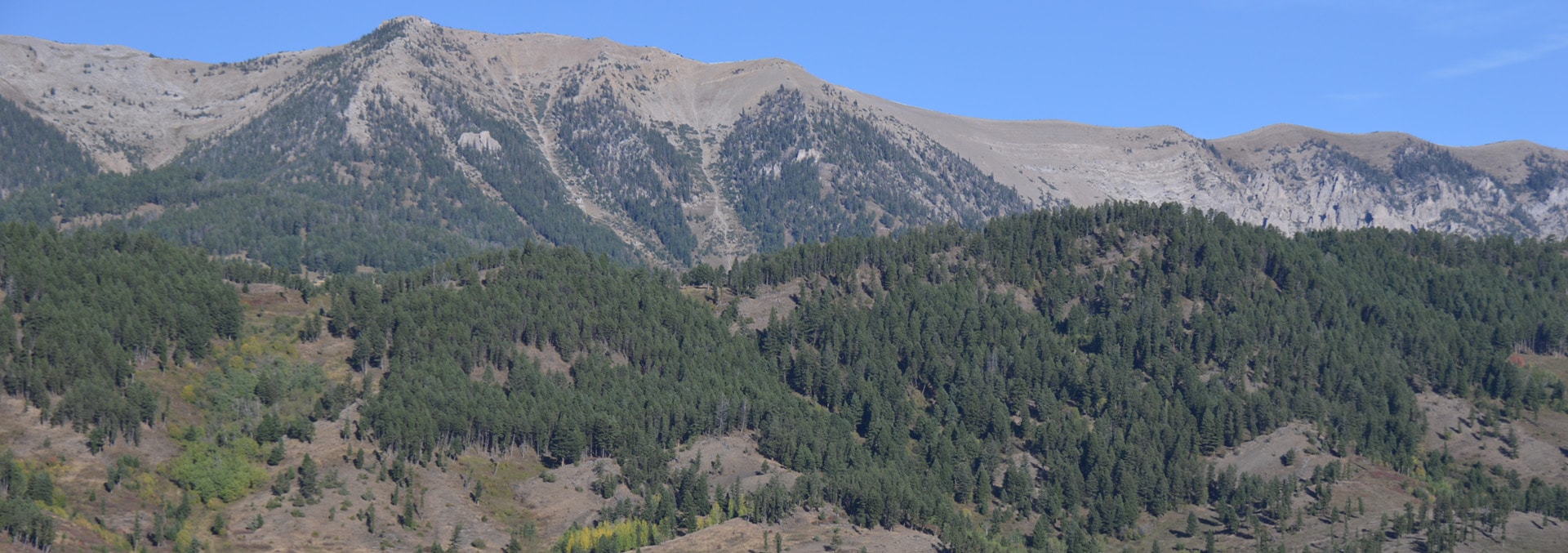
Tepee Ridge Hideaway
Bozeman, Montana
This breathtakingly beautiful 40± acre retreat is located in the prestigious Tepee Ridge neighborhood and has approximately .35 miles of Bridger Creek, a wonderful small stream fishery. Tepee Ridge Hideaway boasts a tremendous ranch style log home with large 12”-14” logs originally from Canada. The thoughtful design of the home makes it the perfect place to entertain visiting friends and family or just relax in privacy.
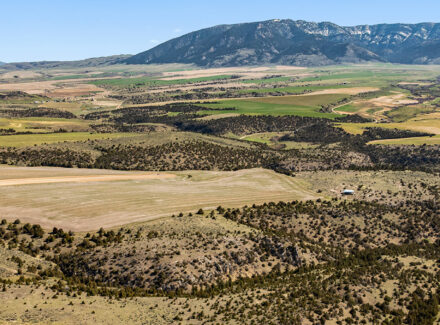
Whitetail Hollow at SxS Ranch
Belgrade, Montana
This southwest Montana property delivers an exceptional blend of privacy, recreation, and accessibility just 30 minutes north of Bozeman. Infrastructure includes road access, power, and a dedicated 5± acre building envelope. Ownership includes a shared recreational interest across 971± acres with approximately 1.4± miles of Dry Creek, a wild trout fishery offering excellent fly-fishing. World-class skiing and Yellowstone National Park are within easy reach.
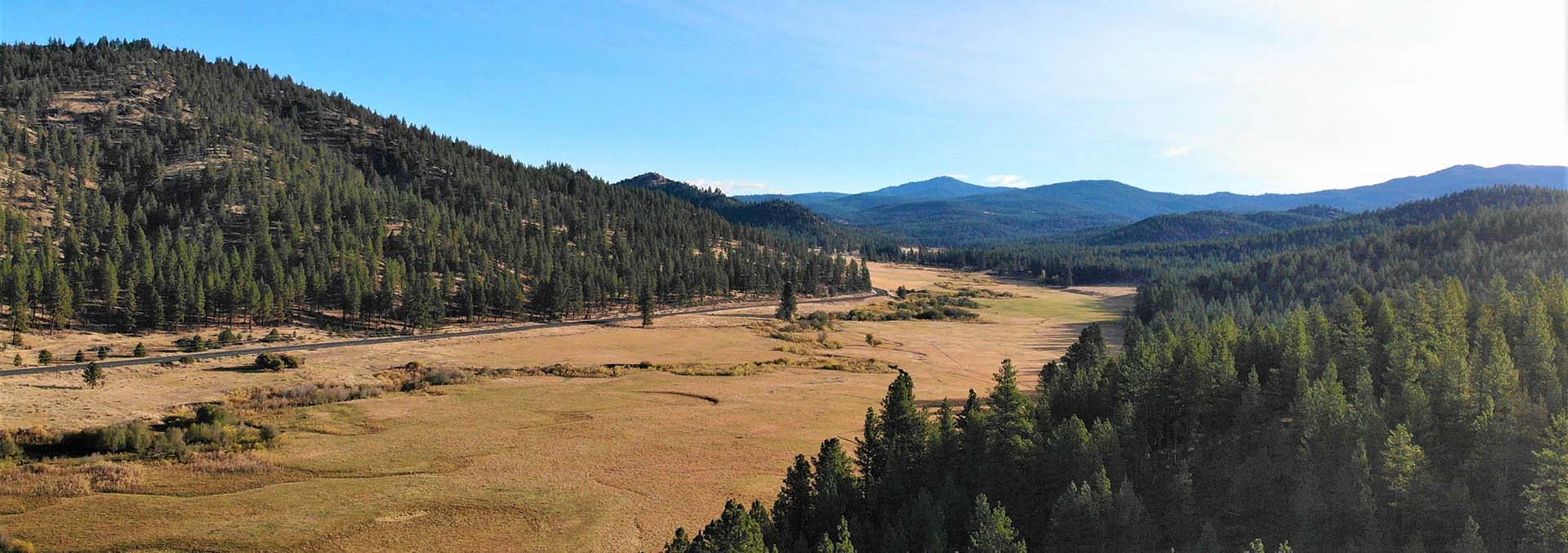
Ochoco Creek Ranch
Prineville, Oregon
This serene and exceptional Oregon property offers endless possibilities as your new residence, secluded getaway, or cherished family retreat. Encompassing acres of picturesque creek bottom, fertile irrigated meadow, and wooded mountainside, this magnificent mountain ranch boasts 82.2± acres of valuable water rights sourced from Ochoco Creek, providing ideal grazing grounds for your livestock.
Big Flat River Ranch
Missoula, Montana
This riverfront property offers approximately 1,800 feet of Clark Fork River frontage, combining agricultural use, recreation, and proximity to Missoula. A 2,496± square foot home features three bedrooms, two bathrooms, and rustic finishes. The level, irrigated land includes 26± acres of hay ground, extensive water rights, and horse-ready infrastructure. Adjacent Forest Service land expands recreation access. This is a rare opportunity for riverfront living just minutes from downtown Missoula.
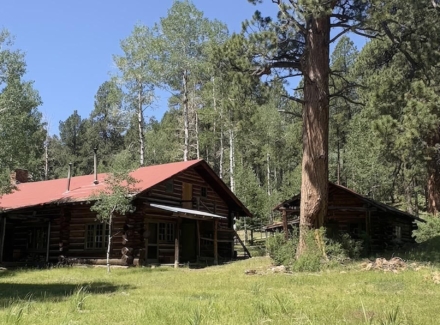
San Gabriel del Rito
El Rito, New Mexico
Set in northern New Mexico’s mountains, this property borders Carson National Forest with El Rito Creek frontage. Wildlife abounds—elk, deer, bears, and Rio Grande cutthroat trout—offering premier hunting and fishing. Historic 1920s structures, once a cultural hub, remain on-site, ready for restoration. Just minutes from El Rito and Abiquiú, it combines seclusion with access to art and culture. It is ideal as a family retreat, adventure camp, or sporting ranch.
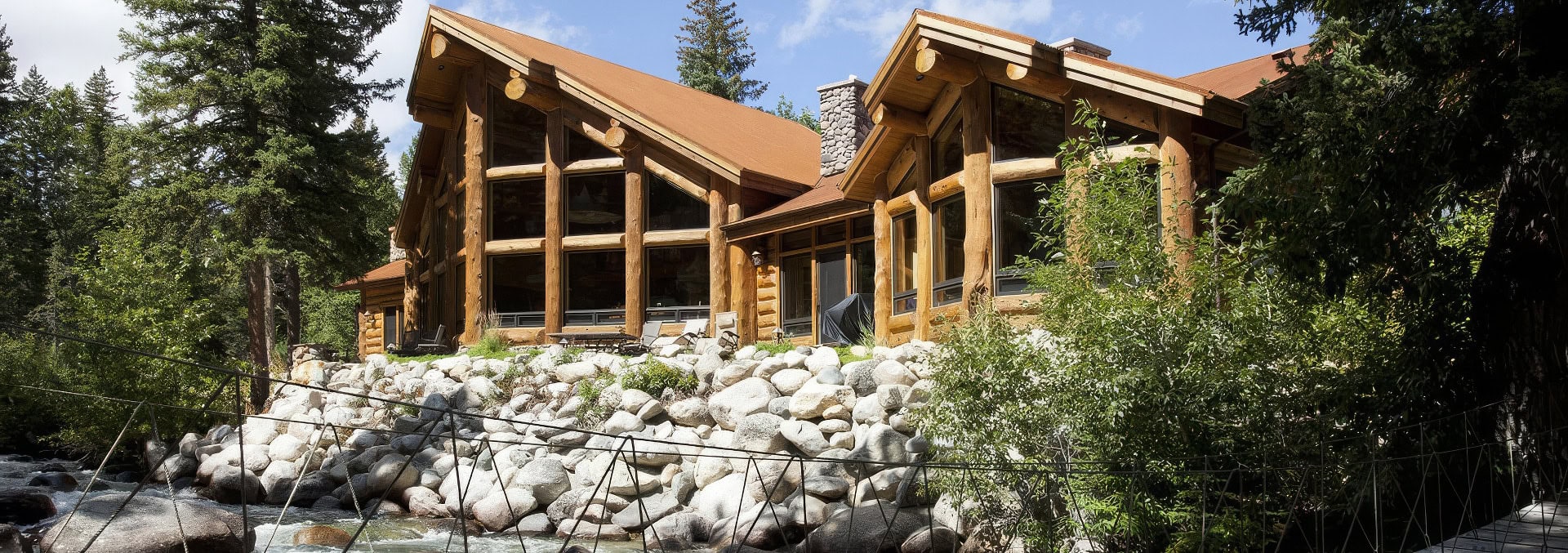
West Fork Lodge
Red Lodge, Montana
Enjoy a luxurious home on the peaceful banks of the West Fork of Rock Creek. Bordering National Forest land, this property boasts privacy, recreational opportunities and is within minutes of world-class skiing and the amenities of Red Lodge, MT!
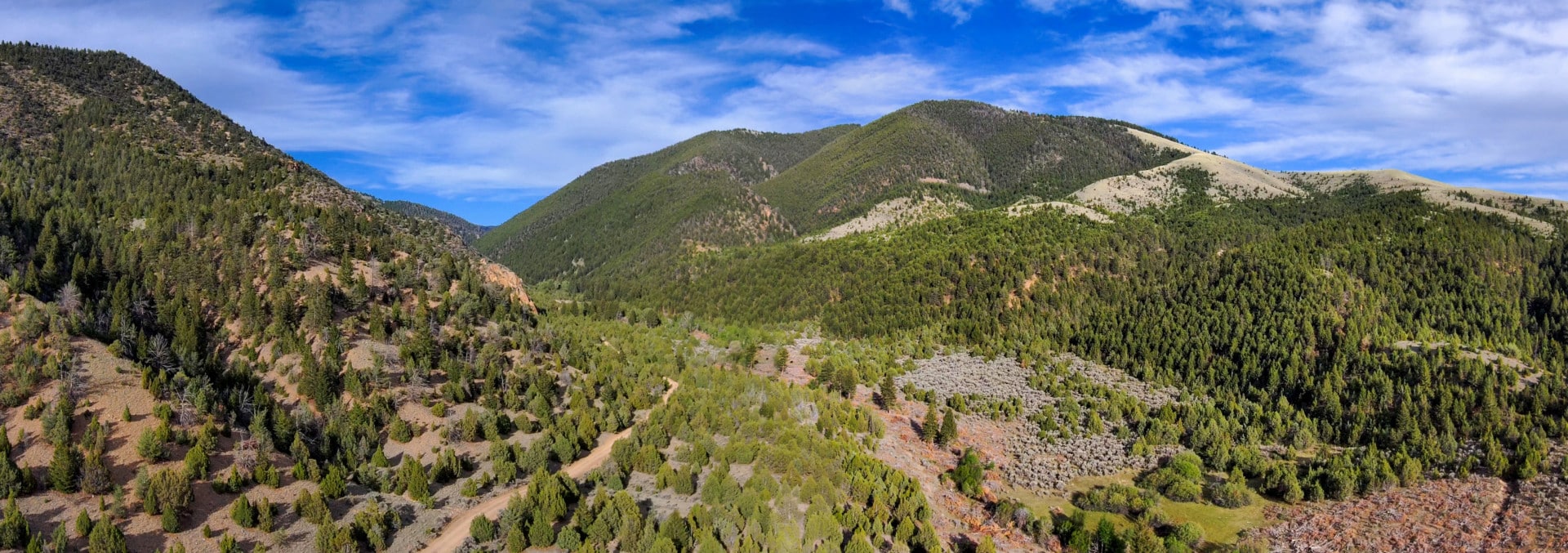
Ruby Reservoir Overlook
Alder, Montana
Less than 15± minutes from Alder, in the famed Ruby River Valley, and nestled against the Green Horn Mountains, this is a rare assemblage of 150± deeded acres that borders thousands of acres of public land. Teeming with wildlife, this property is the quintessential getaway offering mountain vistas, rolling foothills, and meadows, perfectly complemented by a custom timber-framed 3,280± SF, 5 bed, 2 bath home, built with incredible attention to detail and awe-inspiring views.
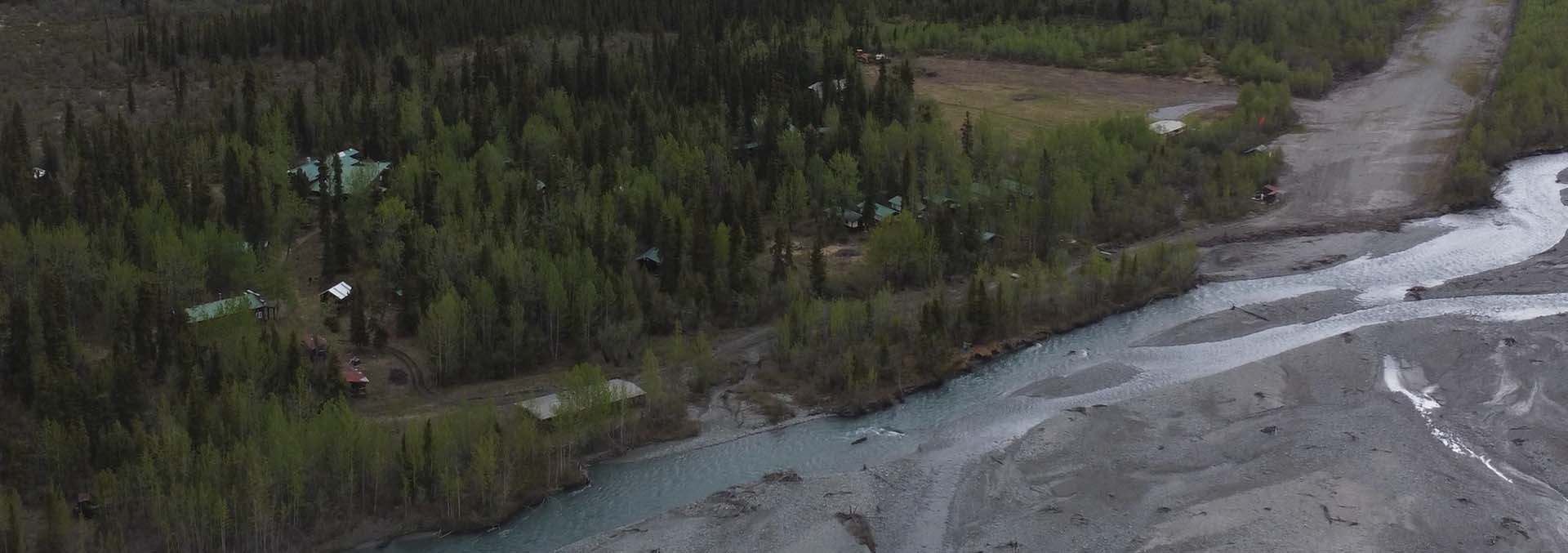
Wood River Lodge
Denali, Alaska
Step back in time and experience the most incredible backcountry in the Alaskan Range. Dating back to 1898, this lodge has a rich history and features over 30 structures. Nestled between Mt. Anderson and the Wood River, the lodge is approximately 28 air miles northeast of Denali National Park and Preserve. With multiple income opportunities and proximity to Denali, it’s easy for visitors to fly in and stay for a few nights. Come see it for yourself and enjoy the outdoors uninhibited by crowds.
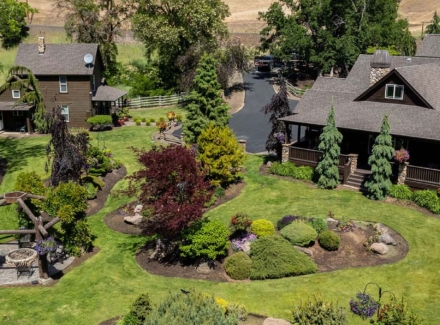
Eightmile Creek Estate
Dufur, Oregon
Discover Oregon’s Eightmile Creek Estate, a premier small wheat farm with luxurious homes, ideal for discerning individuals. With two homes, his property offers a blend of agricultural and recreational activities—agriculture, hunting, fishing, and hiking, amidst north-central Oregon’s moderate climate. Enjoy diverse topography, quality craftsmanship, and luxury amenities in the custom main and guest homes. This perfect retreat may just make your guests extend their stay.
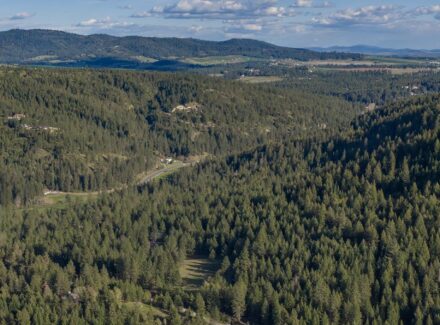
Grouse Mountain Drive
Spokane, Washington
Perched above Spokane Valley, this gated property winds through rolling timbered terrain with dramatic elevation changes, open meadows, and panoramic views of Mica Peak, Mount Spokane, and surrounding ranges. Multiple premier build sites offer views for miles. Bordering Dishman Hills Natural Area, it offers direct access to Iller Creek and the Rocks of Sharon. Wildlife abounds, infrastructure is in place, and three parcels provide exceptional versatility for a legacy estate or family compound.
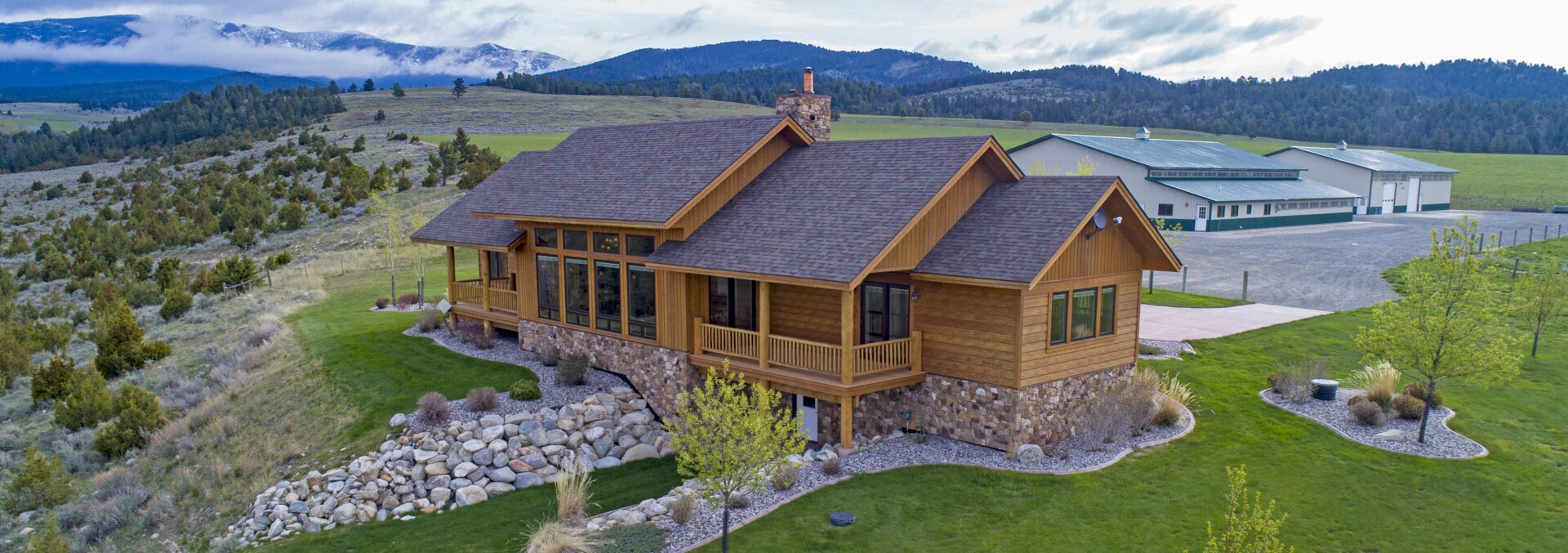
North Fork Ranch
Townsend, Montana
A highly diverse 322± deeded acres providing excellent elk hunting in its timbered draws, highly maintained pastures for a small cow operation or horse setup and the North Fork of Deep Creek dancing its way through towering cottonwood trees. The ranch is also thoughtfully improved with a beautiful, custom, 3 bedroom home, a 78’ x 100’ Arena/Warehouse with an apartment and a 60’ x 100’ Shop.
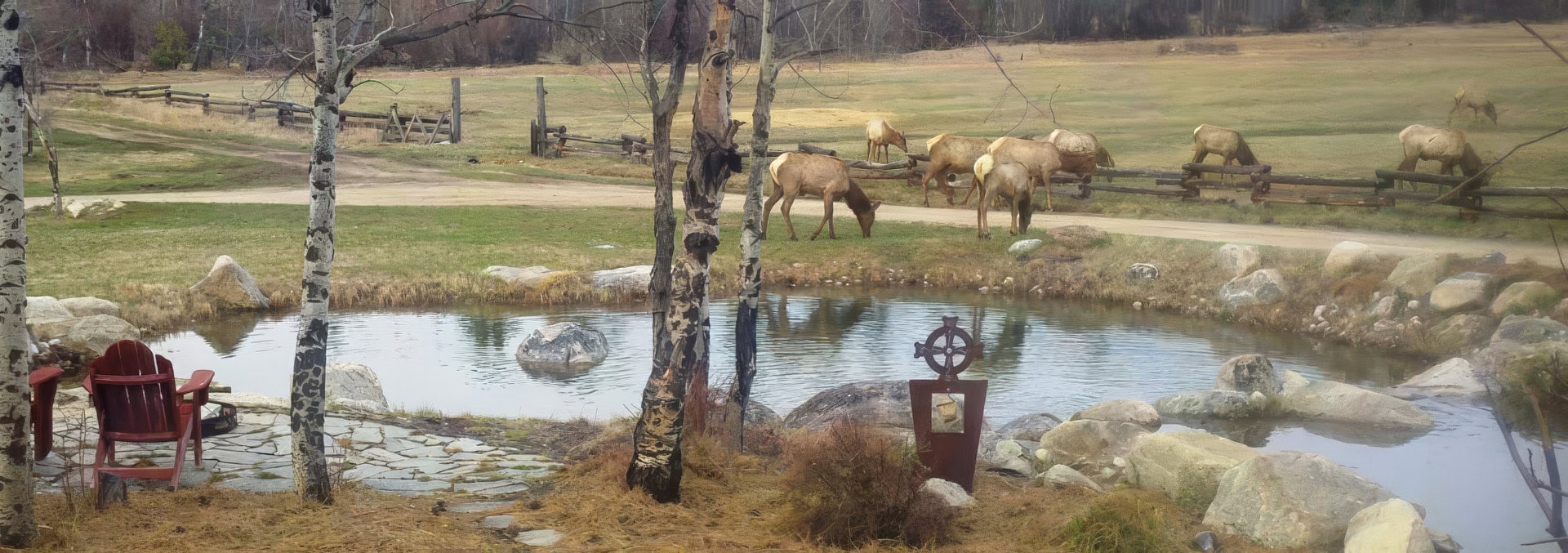
Wapiti Ranch
Victor, Montana
Located on the west side of the picturesque Bitterroot Valley, just outside of Victor, Montana, sits this extremely private and elegant Montana property. A beautiful custom home overlooks irrigated pasture land that surrounds a lush riparian corridor formed by Gash Creek.
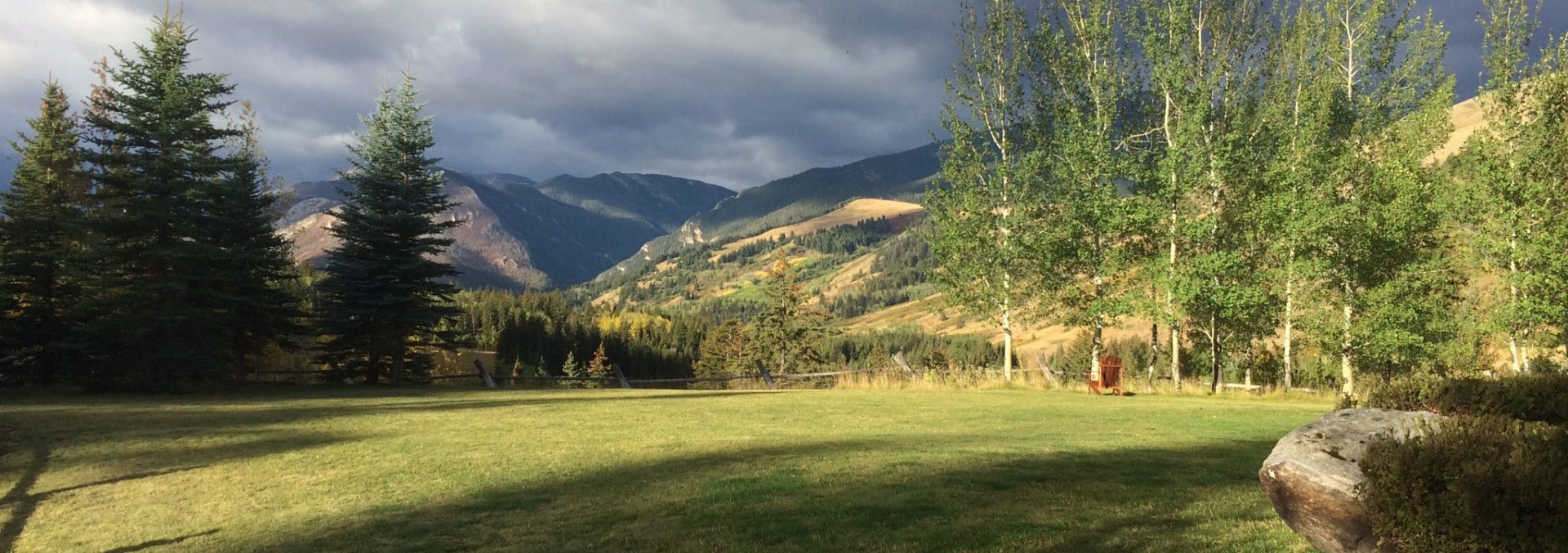
West Boulder Angling Retreat
McLeod, Montana
Within some of the country’s most breathtaking scenery lies a river valley without equal. The West Boulder Angling Retreat is a once-in-a-lifetime opportunity to experience one of the West’s most beautiful settings.
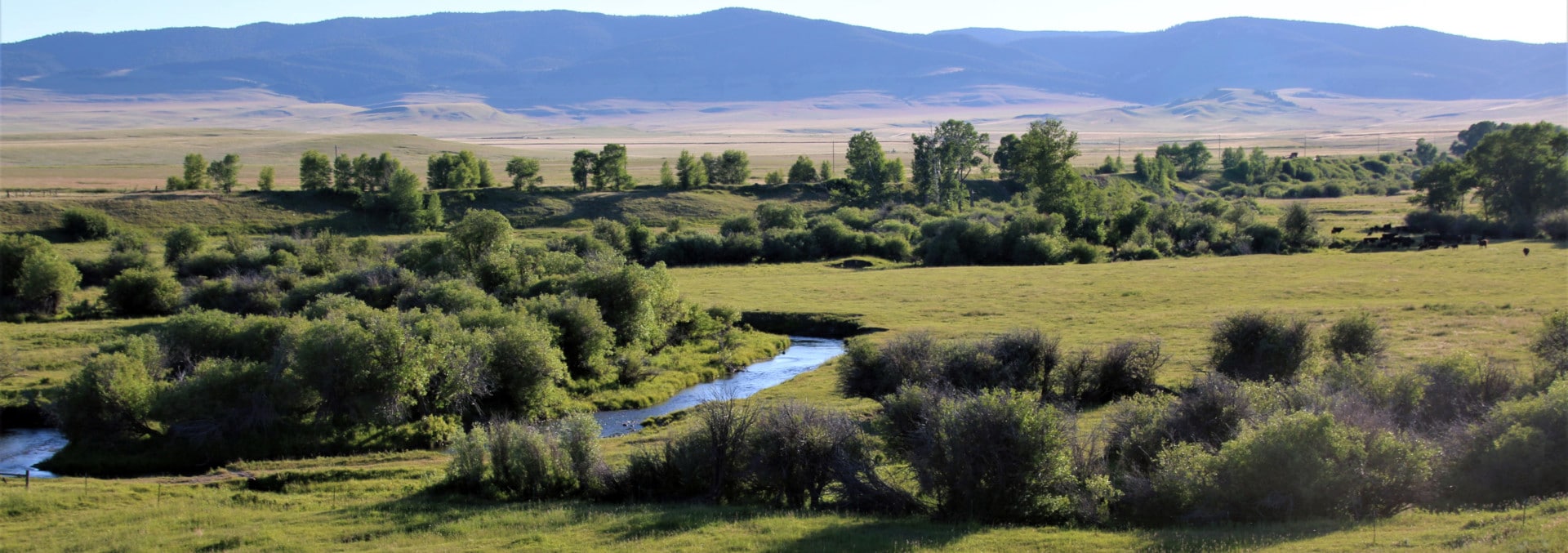
Cross Six Ranch
Harlowton, Montana
The headquarters of the Cross Six Ranch, 480± acres located approximately 4± miles northwest of Martinsdale, Montana is nestled in the valley between the Crazies, Castles and Little Belt Mountains. The famed North Fork of the Musselshell River flows through the ranch for 1.3± miles and provides an extremely private fishery as well as ample […]
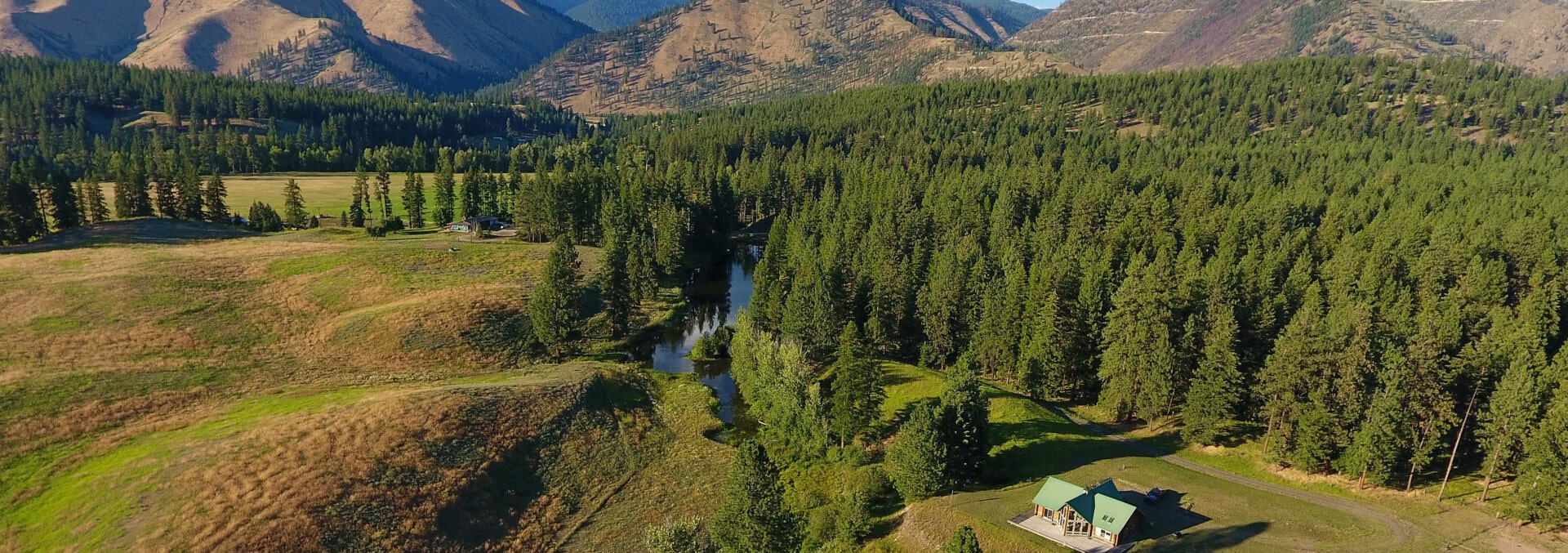
Black Bear Ranch
Superior, Montana
A premier recreational ranch lying within the Murphy Creek drainage of western Montana. Black Bear Ranch offers a combination of irrigated meadows, grasslands, forestland, a scenic pond attracting local wildlife, fishing the Clark Fork River, and hunting various game species.
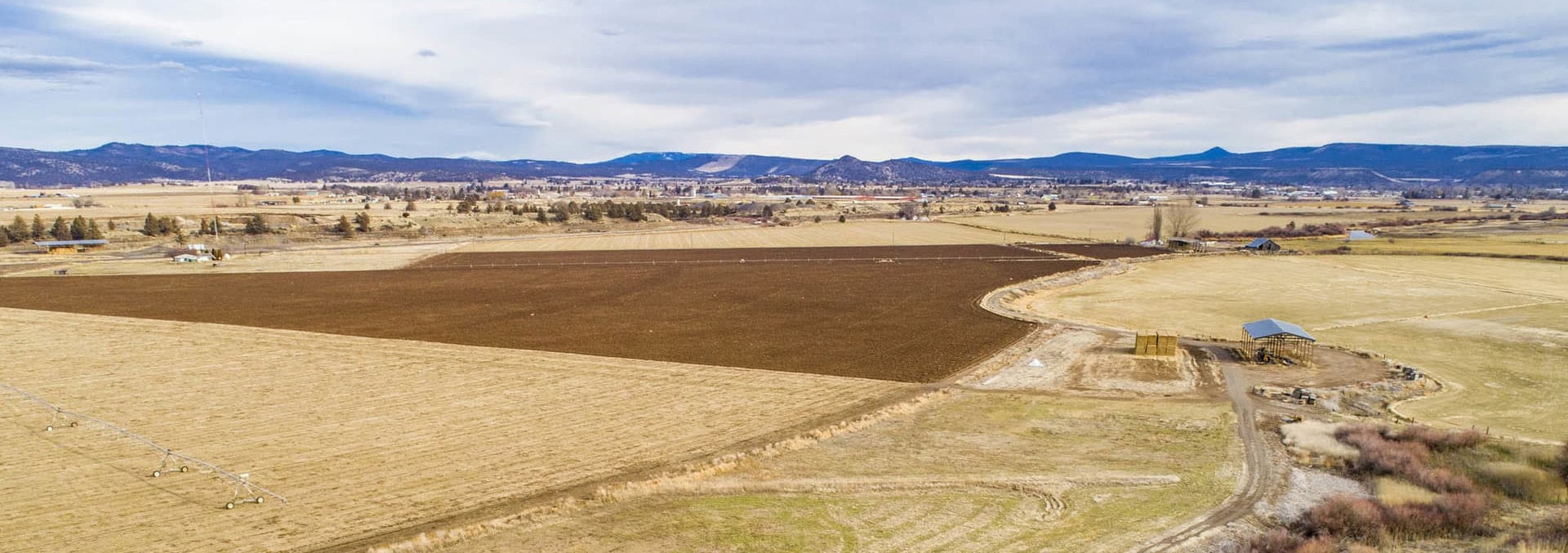
Williams Ranch on the Crooked River
Prineville, Oregon
Here is an excellent opportunity to own a large, irrigated farm just minutes from Prineville, Oregon, with excellent visibility and access from U.S. Highway 26! Williams Ranch on the Crooked River has been in the same family for many years. Excellent soils and irrigation district water rights provide the capability to grow all crops common […]

Silvertip 2
Big Sky, Montana
This well-maintained Ski-in/Ski-out Moonlight Basin home offers 2,157± SF of indoor living space and features 4 bedrooms and 3 bathrooms. Panoramic views of the Spanish Peaks, Tobacco Roots and Lone Mountain from the large oversized windows enhance the feeling of the serene mountain setting. Offered fully-furnished ‘turn-key’, this home makes for a wonderful vacation home or rental property for all seasons!
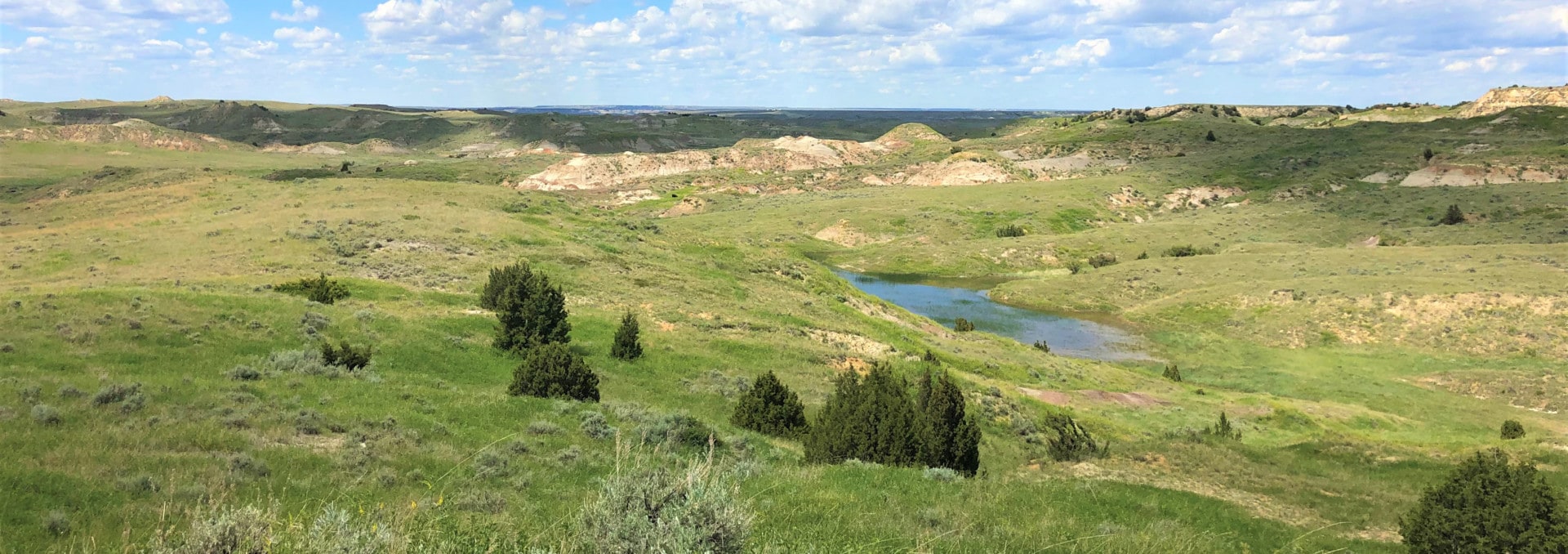
Plum Coulee Fork Ranch
Fallon, Montana
This Montana ranch offers a good balance of hay meadows, pastures and hills/draws for protection and cover for wildlife. Much of the landscape of the ranch remains virtually unaltered, lending itself to an abundance of wildlife including whitetail and mule deer, pronghorn antelope, pheasants, Hungarian partridge, grouse and wild turkey.
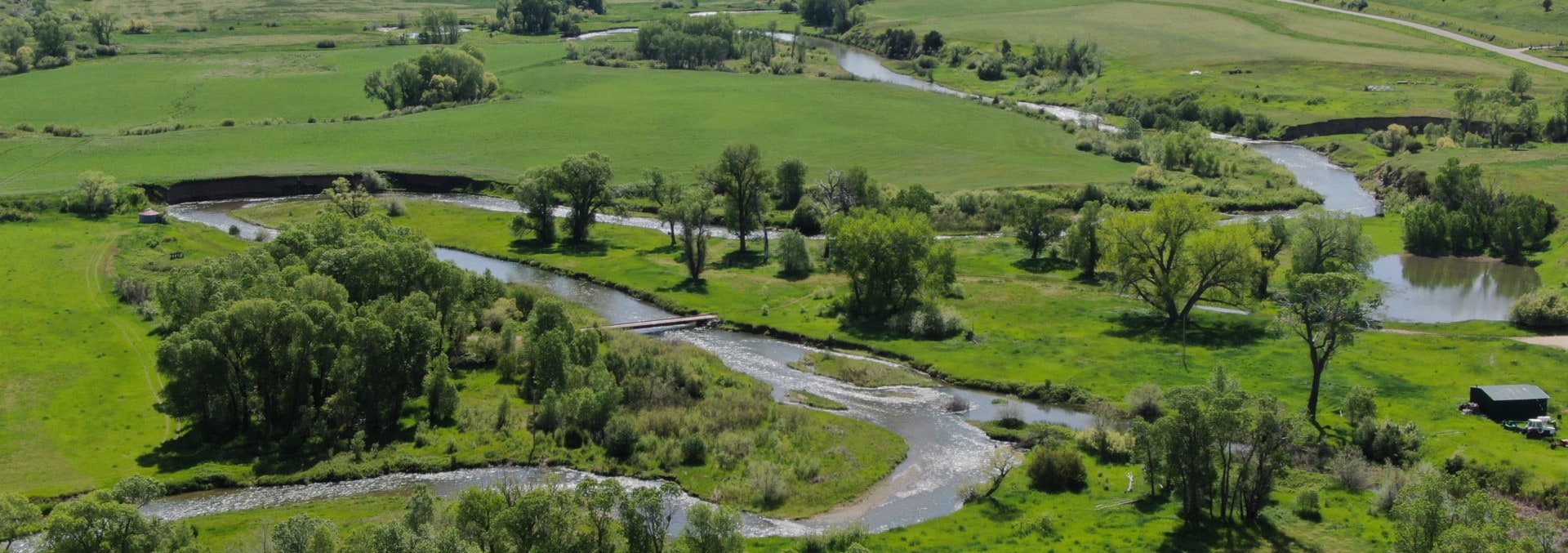
Cooney Ranch on Red Lodge Creek
Roberts, Montana
Located outside Roberts, Montana, and as the first private ranch below the Cooney State Park, this beautiful ranch provides open water year-round via the outlet of Cooney Reservoir on Red Lodge Creek. The year-round open water is a magnet for waterfowl during colder months. Red Lodge Creek offers exceptional fishing for rainbow, brown trout, and walleye. Pheasant, deer, black bear, mountain lion, bobcat, geese, sandhill crane, a variety of ducks, and the occasional elk inhabit the property.
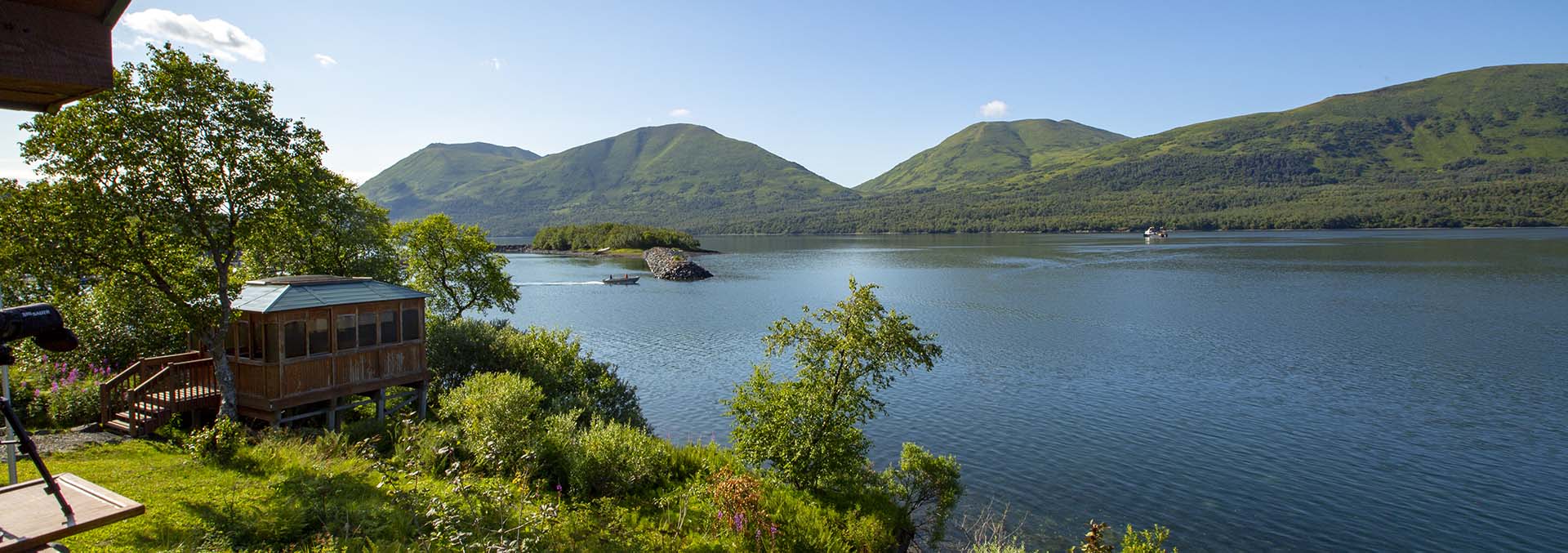
Kodiak Lodge
at Larsen Bay
Larsen Bay, Alaska
Alaska’s Kodiak Lodge at Larsen Bay is a premier fishing and hunting destination that offers visitors an opportunity to experience the rugged beauty and rich culture of Alaska. The lodge is a luxury retreat with all the comforts of home in a stunning wilderness setting. Kodiak Island is home to some of the largest salmon runs in the world, offering anglers the opportunity to catch king salmon, silver salmon, Kodiak halibut, and rockfish, as well as hunting Sitka blacktail deer and bear.
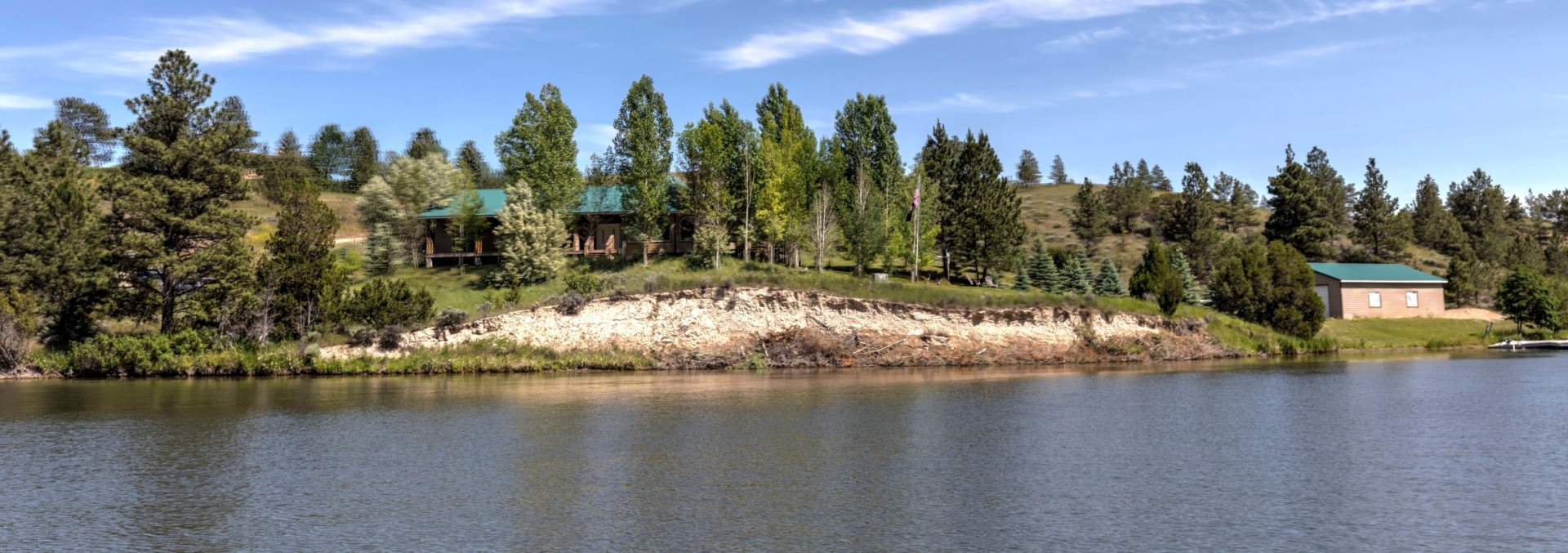
Waters Edge on Hauser Lake
Helena, Montana
Discover the extraordinary opportunity that awaits at Waters Edge on Hauser Lake, perfect for recreational buyers seeking an ideal getaway to cherish with loved ones. Situated in a coveted and tightly held corridor along Hauser Lake, this property offers a rare chance to own a private and protected slice of paradise, a prized gem in a highly sought-after region. It offers unparalleled convenience to area events and the diverse recreational opportunities that epitomize the Montana lifestyle.
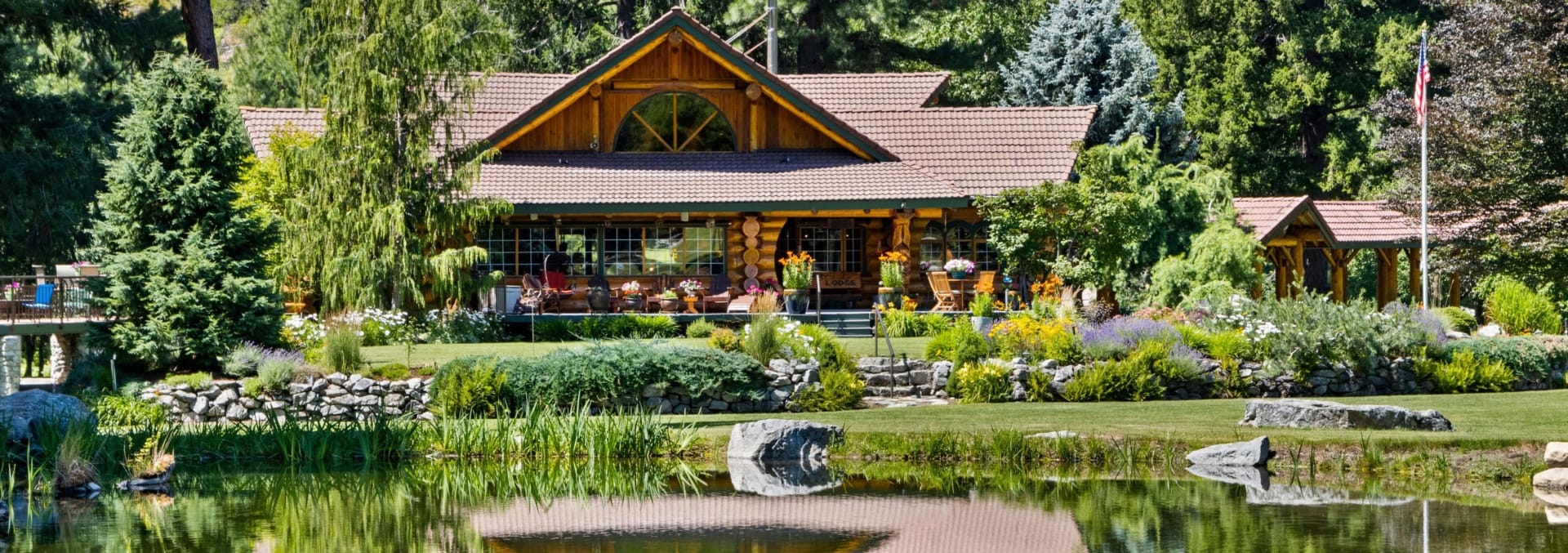
Stormy Lodge
Entiat, Washington
The Stormy Lodge is the epitome of tranquility, craftsmanship, and paradise, wrapped into one beautiful lodge. The custom craftsmanship, hand-picked, custom furnishings and appliances, and immaculate landscaping all top off this listing. With over 2,900 feet of Entiat River frontage, the peaceful sound of water and songbirds will help you unwind at the end of any day. Located in the heart of central Washington, you can enjoy recreation, wineries, fishing, hunting, and entertainment, all nearby.

Boulder Creek Lodge
Maxville, Montana
Known as the “Happiest Place in Montana,” this lodge offers a unique investment in a scenic canyon near Philipsburg Valley. The property features ten rustic cabins along Boulder Creek, a cozy lodge with a restaurant, and deck dining with forest views. Guests can enjoy a game room, glamping tipis, a Conestoga wagon, and creekside event spaces. It includes an RV site & a residence. Ideal for expanding a hospitality portfolio, it combines charm and potential in western Montana’s stunning landscape.
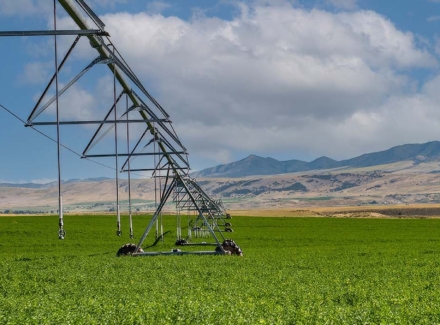
Meadowbrook Pivots
Arimo, Idaho
This remarkable agricultural property lies between the Bannock and Portneuf Mountain Ranges. It features 240± irrigated acres of two-year-old alfalfa, yielding over 5± tons per acre, powered by a well and pump, with water rights from 1975. With year-round access and proximity to trophy mule deer Unit 73, it’s perfect for recreation. Located just 35± miles from Pocatello and near attractions like Downata and Lava Hot Springs, it combines agricultural potential with stunning natural beauty.
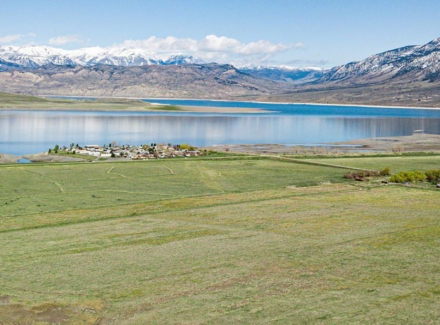
Buffalo Bill Reservoir Pastures
Cody, Wyoming
This is an exceptional opportunity for lakeside living and land investment near Cody, Wyoming. This irrigated property borders Buffalo Bill Reservoir State Park and offers unobstructed views of the Absaroka Mountains. With GR-5 zoning, two older homes, water rights, rural water, electricity, and natural gas, it’s well-positioned for a private retreat, equestrian estate, or low-density development. Enjoy close access to the reservoir, Yellowstone, and Shoshone National Forest.
Juniper Hollow Ranch
Alton, Utah
Located in Kane County, southern Utah, this versatile retreat features Sevier River frontage, a pond, and three surface water rights supporting historic irrigation. Easy access from US 89 pairs with a private setting of meadows, riparian ground, and pinyon-juniper hillsides. Multiple building sites, wildlife habitat, and proximity to the Paunsaugunt region and nearby national parks support recreational, agricultural, or long-term ownership goals.
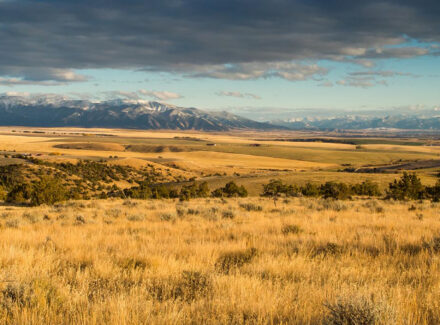
Skinner Road Sanctuary at SxS Ranch
Belgrade, Montana
Pristine Montana ground roughly 30 minutes north of Bozeman, offers the perfect balance of seclusion and accessibility. A designated building envelope allows for a thoughtfully planned homesite while keeping the landscape open and intact. Enjoy shared access to nearly 971± acres total, private wild trout fishing on Dry Creek, and stunning mountain views. Wildlife abounds, with elk, deer, pronghorn, and upland birds throughout. Big Sky and Yellowstone are within easy reach.
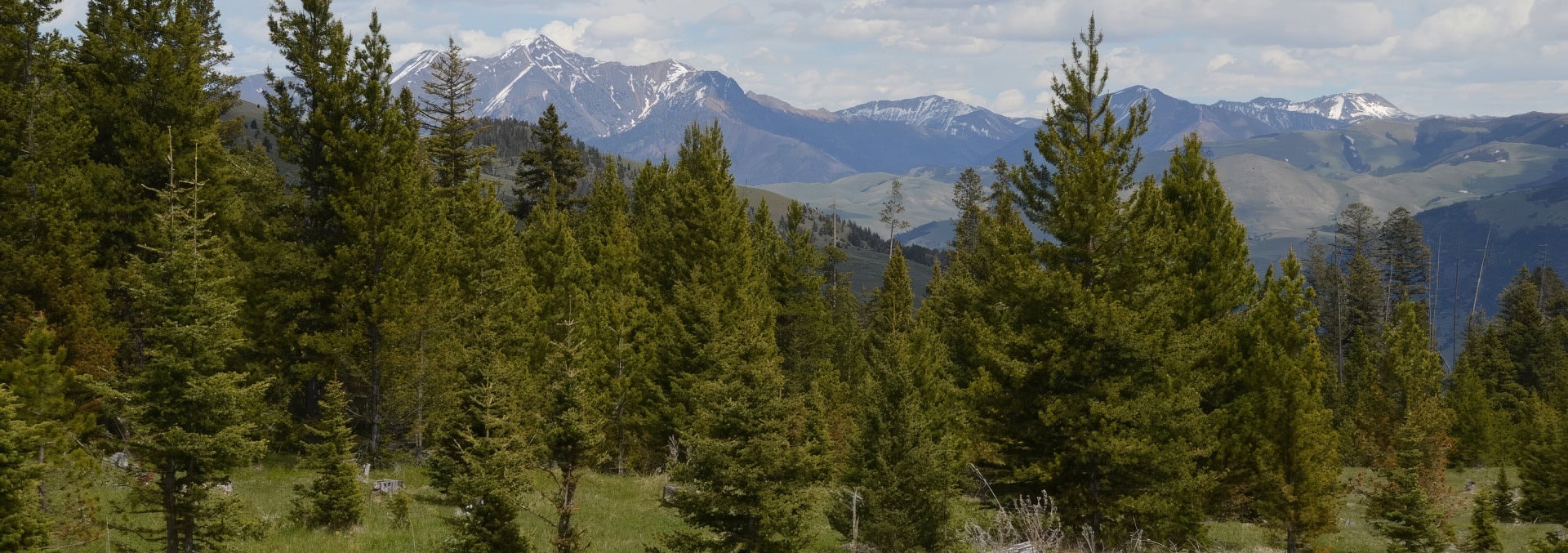
Rock Creek Ranch
Emigrant, Montana
This ranch is a recreational haven for those who love to hunt big elk and deer as well as fish and explore the famed Paradise Valley in southwest Montana. The ranch is very private and is almost completely surrounded by the Gallatin National Forest which leads directly into Yellowstone National Park.
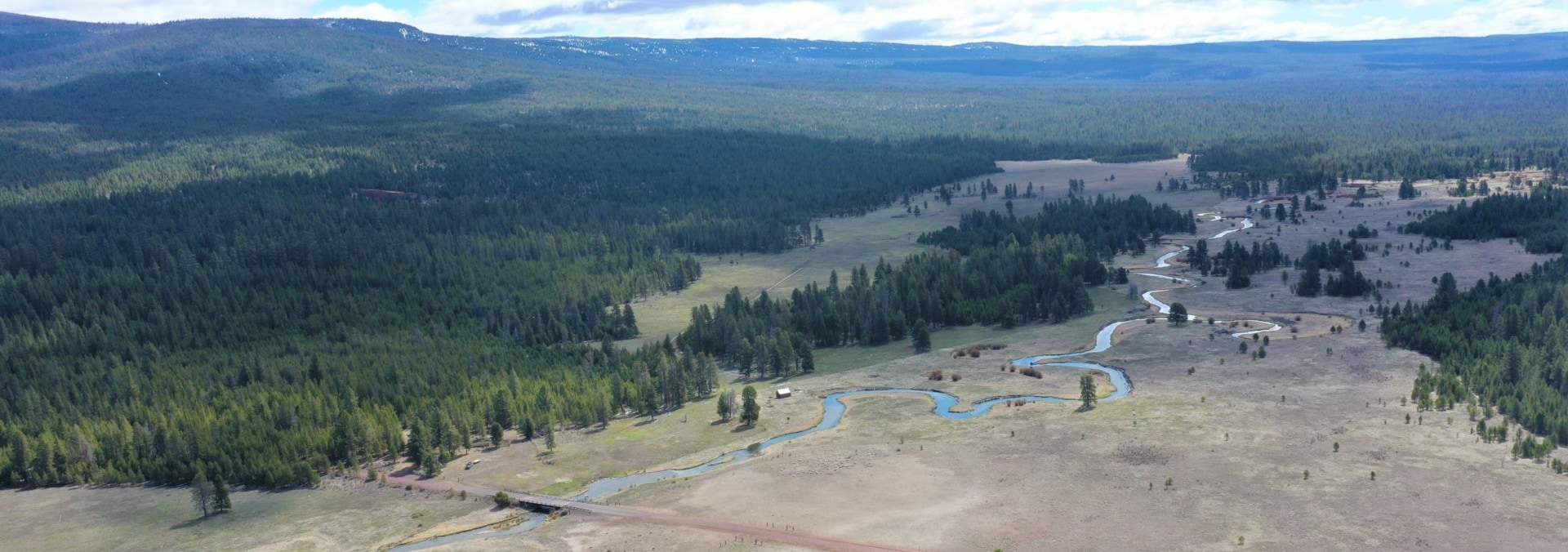
Rocky Ford Ranch
Chiloquin, Oregon
If you are searching for the perfect recreational retreat, this is it! With over two miles of Williamson River frontage and bordering over a million acres of Winema National Forest, the options are limitless. Amazing fly fishing out your front door, 2 L.O.P. tags, miles of hiking, horseback riding, ATVing, all in a very private and secluded location. This ranch has excellent grazing and historically has been a summer home to 150 cow/calf pair from May through September.
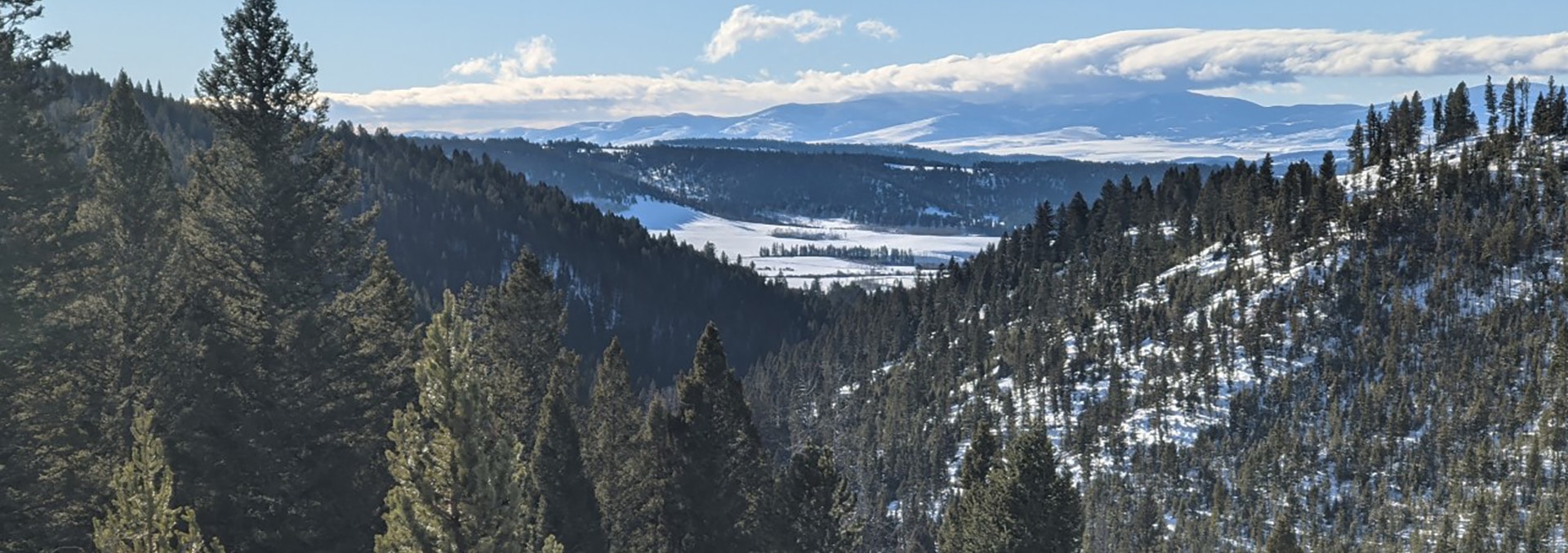
Big Elk Ranch on Eagle Creek
White Sulphur Springs, Montana
Big Elk Ranch on Eagle Creek is surrounded by Forest Service on three sides creating a true sportsman’s paradise. Located in the Little Belt Mountains a short drive to White Sulphur Springs, this ranch features an off-grid cabin for four-season enjoyment. Home to a variety of wildlife species including elk, deer, bear, cougar, and wolves to name a few, this region is rugged and wild, featuring some of the best hunting and recreation in Big Sky Country!
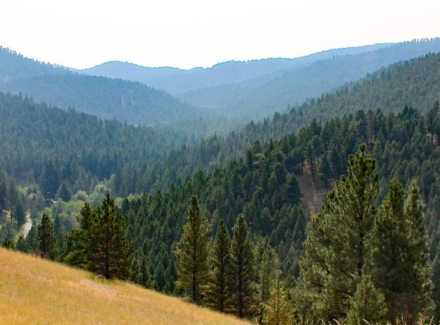
Two Creeks Montana Mountain Ranch
Helena, Montana
Near Helena, this unique Montana property offers an ideal retreat. Moose Creek flows into Colorado Creek, which meanders through diverse timber and foliage, adding to the lush landscape, home to elk, deer, moose, and birds of prey. Expansive mountain meadows provide breathtaking peak views. Adjoining BLM and National Forest land grants easy access to hiking, hunting, and more. A charming rustic cabin by the creek enhances its appeal. This property Combines tranquility with urban convenience.
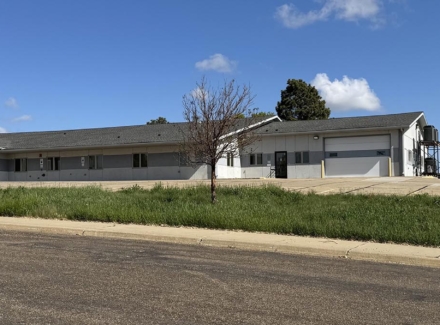
MOB
Dickinson, North Dakota
This 13,870± square foot medical office in Dickinson, North Dakota, offered flexible space with exam rooms plus 1,548± square feet of garage storage. Built with quality and functionality in mind, it featured a sprinkler system, standby generators, and ample parking. The layout supported a range of medical or professional uses. Conveniently located and well-constructed, the property presented a rare and valuable opportunity for those seeking adaptable commercial space in a growing regional hub.
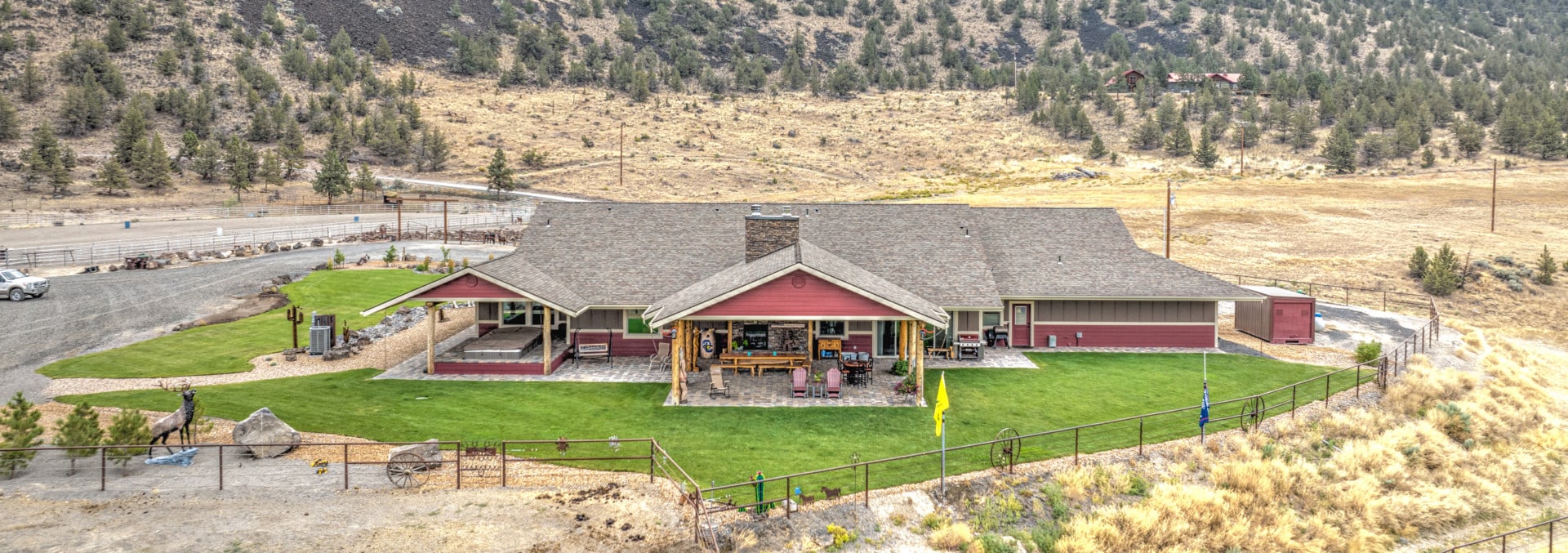
A Cool Country Jewel
Prineville, Oregon
Located in beautiful Central Oregon, this property offers the horseman and horsewoman everything they could want in an equestrian property. It includes a 3-bay shop with solar power and extra hay storage, a 270 x150 outdoor roping arena, 2 large turnouts for cattle and horses, a sizeable dog kennel, and plenty of parking and turnaround areas for all your trailers, RVs and toys. With a convenient location, you will enjoy the country’s privacy while being only a few minutes from town.
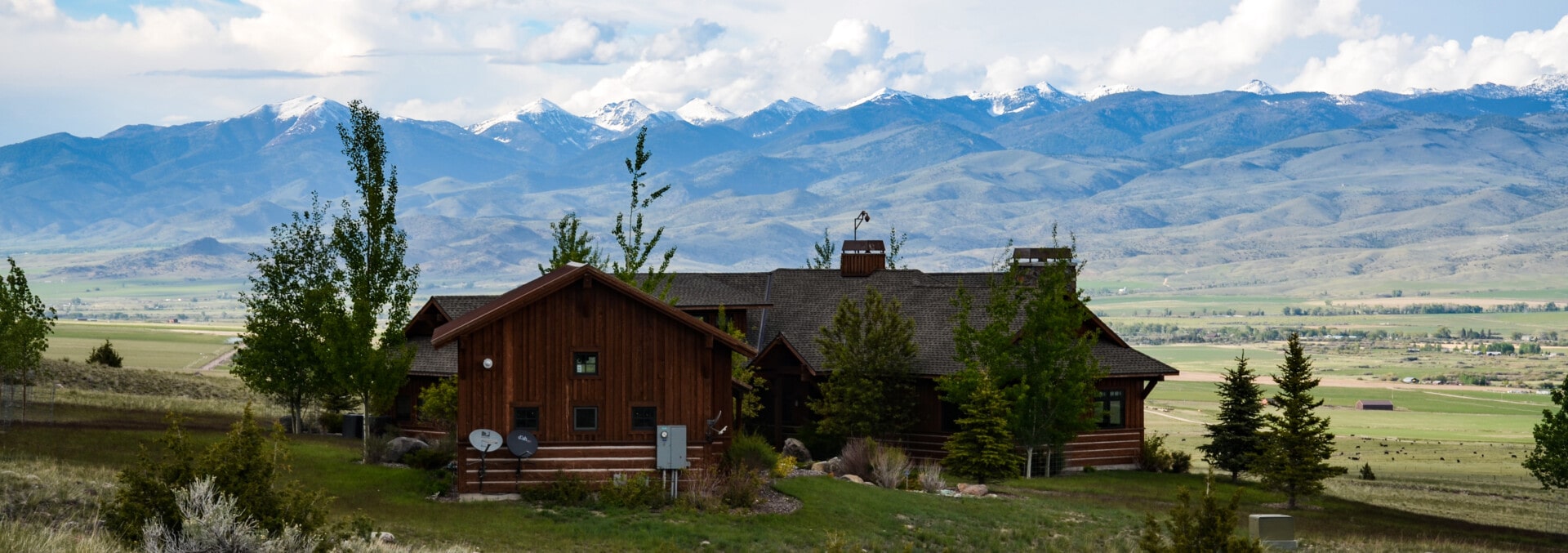
Ruby Valley Vista
Alder, Montana
Located just outside of Alder, Montana and less than 3.5 miles from the Ruby River, this property boasts mountain vistas and rolling foothills, perfectly complemented by an architecturally designed 4,389± SF, 3 bed, 2.5 bath home, built with incredible attention to detail. Breathtaking mountain views of the Ruby Mountains and Tobacco Roots make this a one-of-a-kind property.
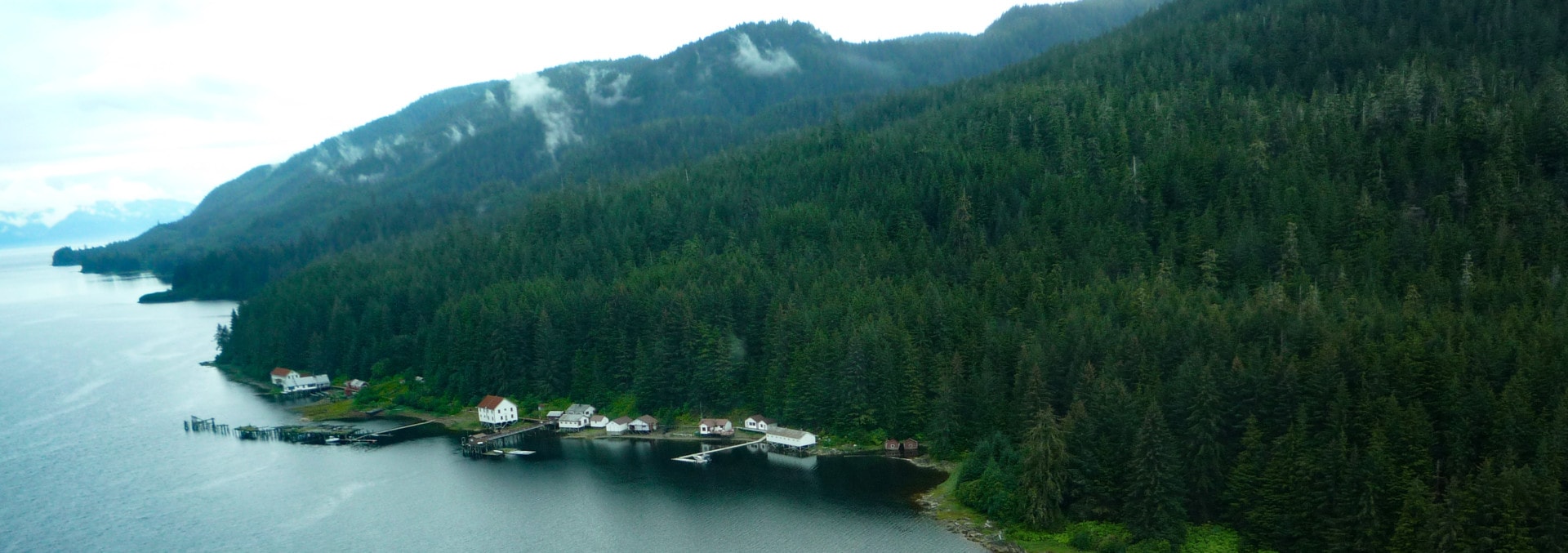
Chatham Alaska Retreat
Chatham, Alaska
This Southeast Alaska property has a home built in 2012 using the design and many materials from the early 1900’s cannery Mess Hall. An original bunkhouse was updated as a guest house with its own kitchen while retaining its traditional style. The carpenter and tool shops are still in use, and there is room to build additional cabins or a boathouse. Ocean and fly fishing are outstanding. Wildlife sightings include humpback whales, orcas, seals, sea lions, Sitka blacktail deer, eagles, and the coveted Alaska brown bear.
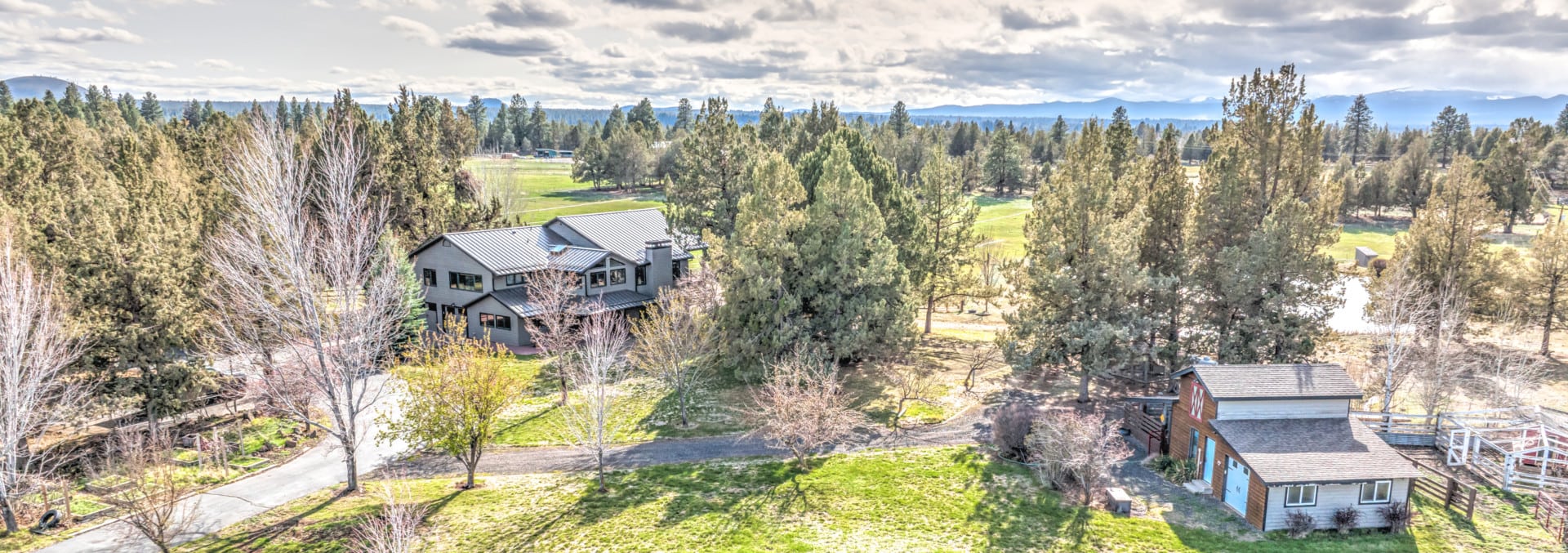
Sunsets Estate
Bend, Oregon
This Oregon ranch comes with 17± acres of irrigation, a 3-stall barn, a chicken coop, and a large pond, and is an excellent opportunity for any small farm or ranch operation. The 3,898± square foot custom-built home features 4 bedrooms, 3 bathrooms, an office, lots of living space, and outstanding elevated views of the Cascade Mountains. All of this big, open, private space is just minutes from downtown Bend. Sunsets Estate: What an awesome setting to raise a family and enjoy the simple life!
Drifting Hills Ranch
Herlong, California
Located in Herlong, California, this modern hay operation combines irrigated production, reliable water, and efficient infrastructure. Approximately 320± irrigated acres under GPS-equipped center pivots produce alfalfa and alfalfa-grass hay averaging 6.5± tons per acre across four cuttings. A 2,400 GPM agricultural well supports long-term performance, while a steel shop and 600-ton hay barn, streamline operations. Expansive views and access to Reno and Susanville enhance its long-term value.
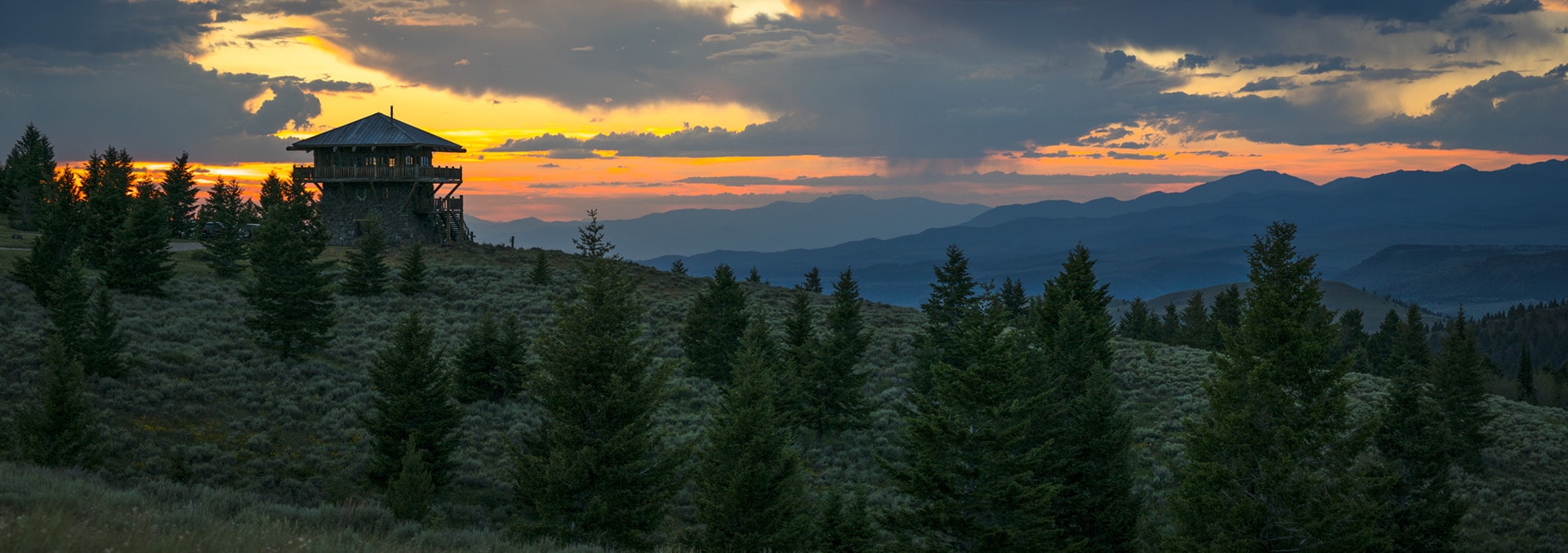
Little Yellowstone Ranch
Virginia City, Montana
This ranch abuts BLM land, giving you endless miles to recreate. A replica of a USFS Fire Tower has been custom built on the inside and outside to reflect the wild west feel of the property.
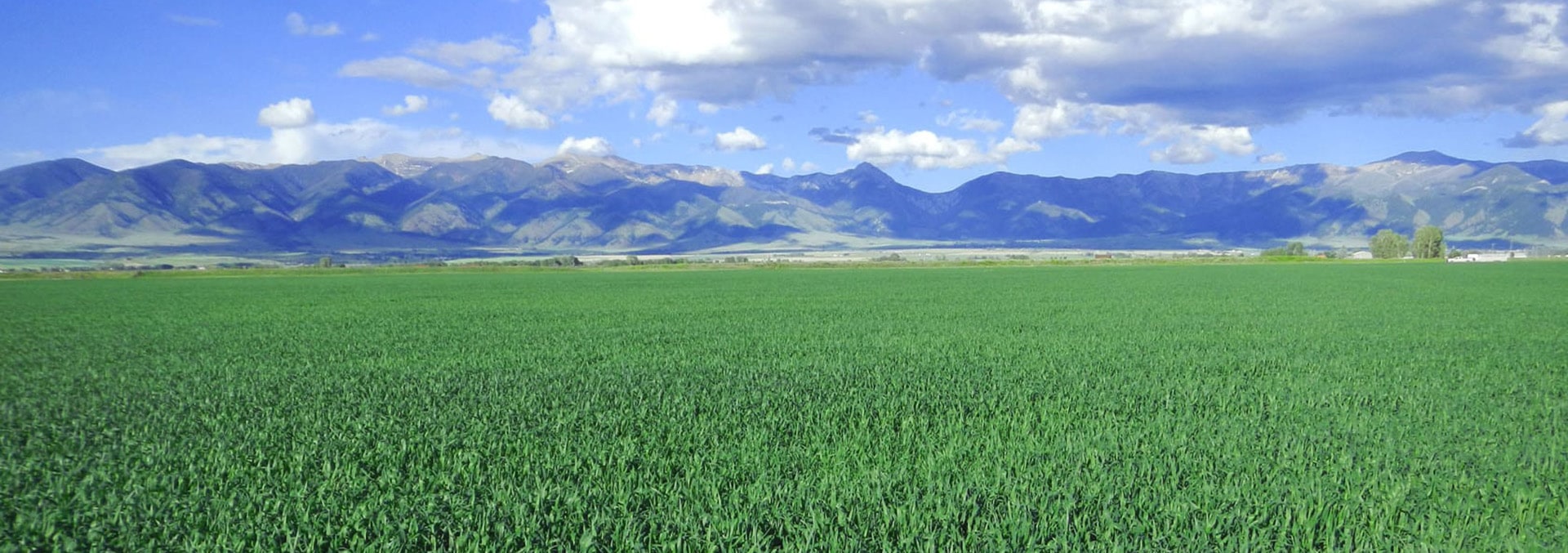
Old Bolinger Place
Belgrade, Montana
The Old Bolinger Place offers 235± acres providing incredible hunting for pheasant, waterfowl and whitetail deer. Strategically located in close proximity to downtown Bozeman and 10± minutes to a commercial airport, this property puts you out in the country but keeps you close to town.
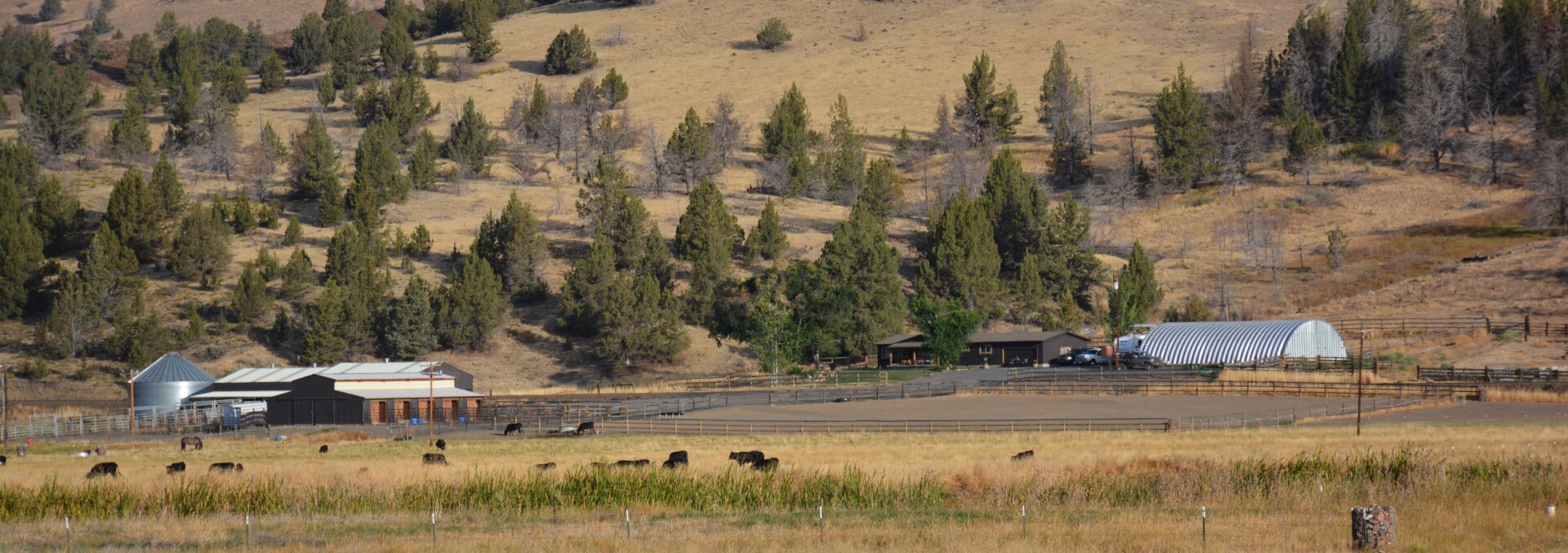
Triple 2 Ranch
Antelope, Oregon
This outstanding hunting ranch is perfect for any game hunter, with great populations of mule deer, elk and turkey. In addition to its first class hunting, the Triple 2 Ranch features highly productive grass rangelands and irrigation.
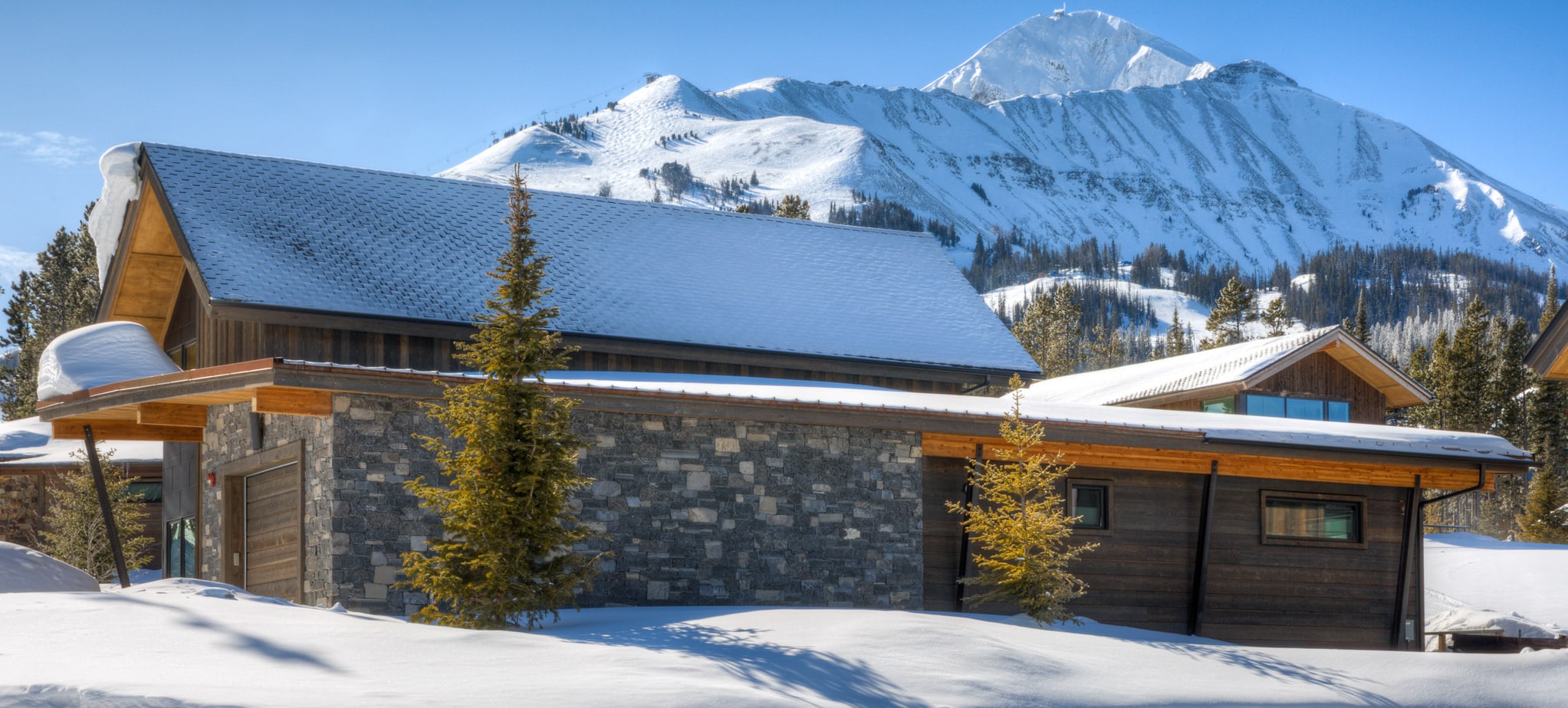
Moonlight Mountain Sanctuary (ski-in/ski-out)
Big Sky, Montana
This well-maintained Moonlight home offers 2,157± SF of indoor living space and features 4 bedrooms and 3 bathrooms. Panoramic views of the Spanish Peaks, Tobacco Roots and Lone Mountain from the large over-sized windows enhance the feeling of the serene mountain setting. Offered fully-furnished ‘turn-key’, this home makes for a wonderful vacation home or rental property for all seasons!
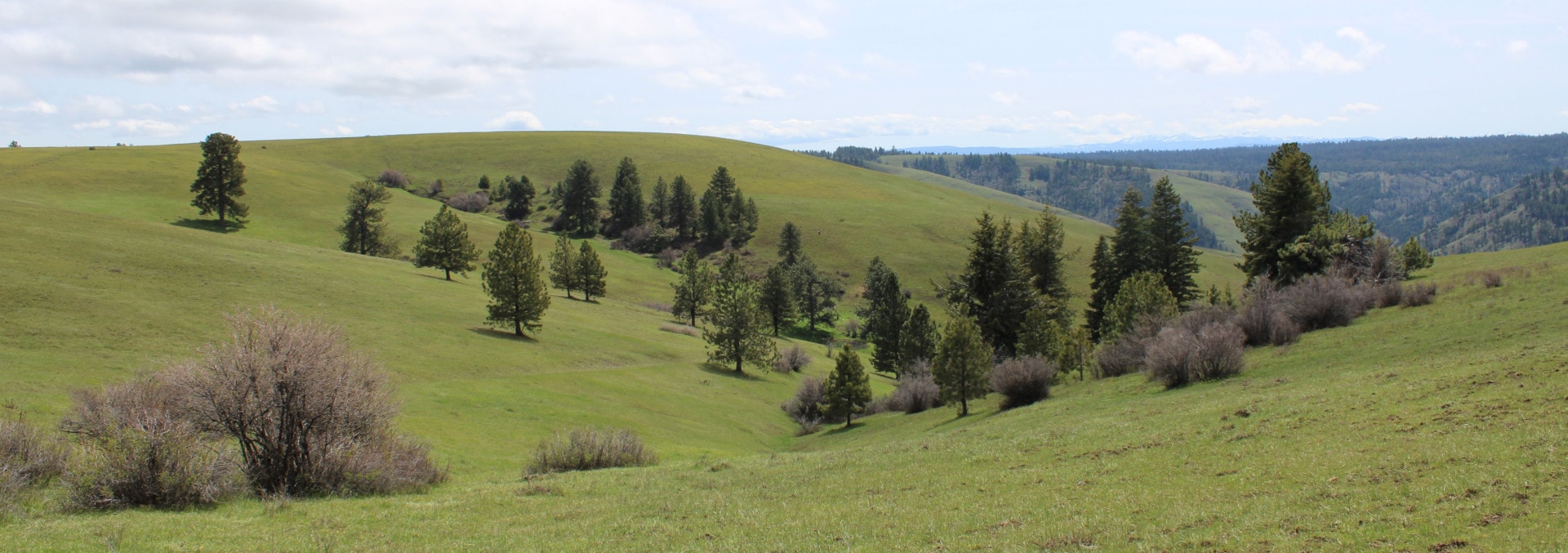
Birch Creek Ranch
Pilot Rock, Oregon
This Oregon ranch is a fantastic property with amazing views, abundant wildlife, a peaceful setting, and an income-producing cattle operation. The ranch and hilltop scenic views make this an ideal place to recreate and have a property that produces income. Opportunities for hunting and wildlife viewing are offered year-round. A cozy cabin with a pond makes the improvements for the property a fantastic place to get away for a campfire and book with majestic views in all directions.
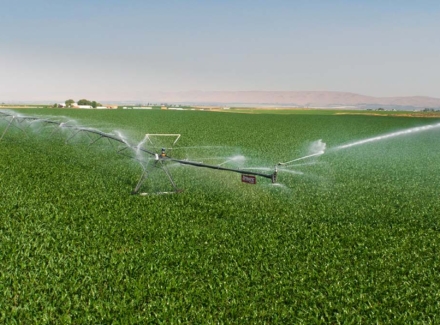
Road D Pivot
Ephrata, Washington
A 2017 Zimmatic pivot irrigation system highlights this expansive 160± acre Washington property, ensuring efficiency and water conservation. Key features include a high-capacity private well and a DOE water permit. Situated in Ephrata’s thriving agricultural region, it offers convenient access to amenities. Perfect for expanding or initiating agricultural ventures, this property provides advanced technology, abundant water resources, and proven productivity in a highly desirable farming locale.
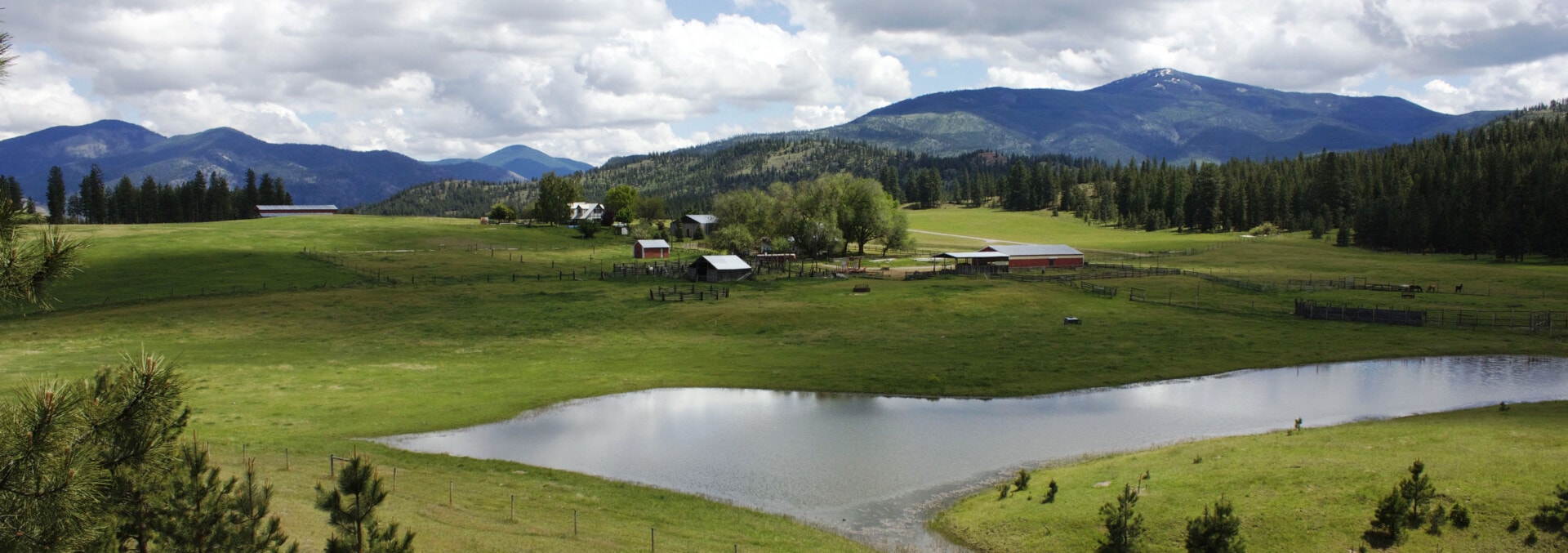
Glade Ranch
Plains, Montana
This Northwest Montana ranch is a mix of grassy pastures, tillable fields, and timbered hillsides. The original farmstead lies on an elevated slope that overlooks a spring fed pond and captures the grandeur of the Clark Fork Valley’s picturesque landscape.
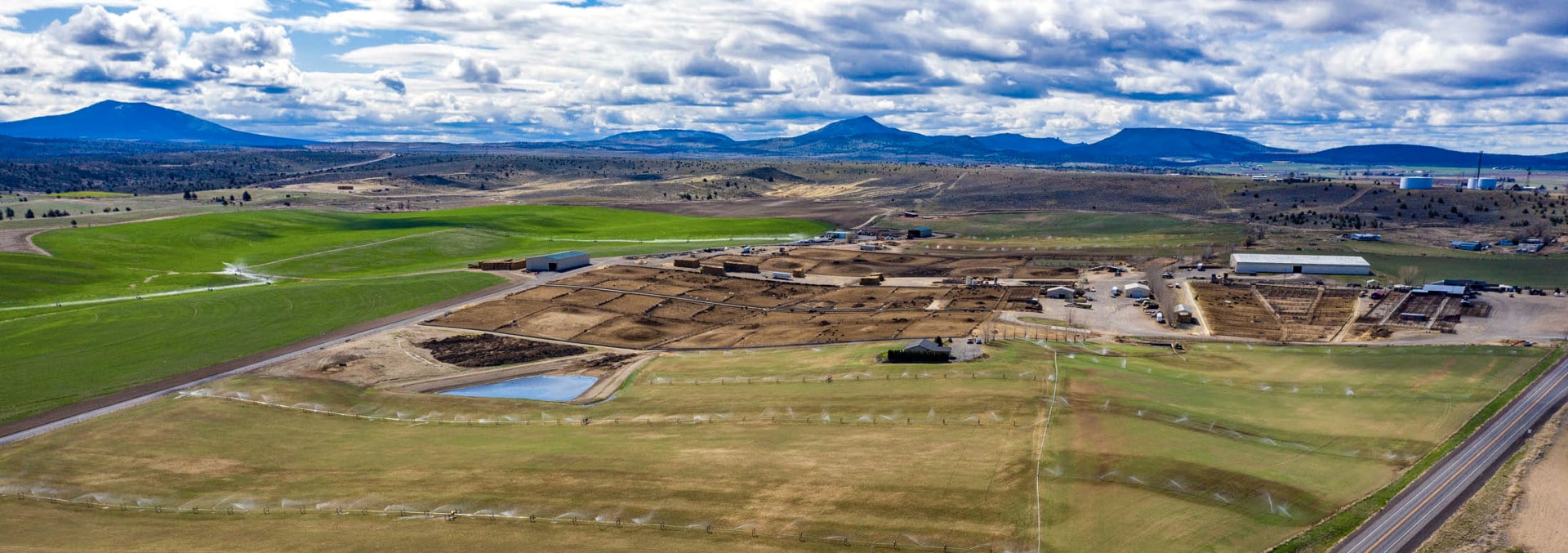
Greens’ Feedlot
Madras, Oregon
This type of property does not hit the market very often. This offering is a prime opportunity to tap into the cattle/agricultural world with a successful pre-existing facility in Oregon. This 6,000 head CAFO permit feedlot has irrigated deeded farm ground, is adjacent to the area’s livestock sale yard, and has natural rolling topography to allow for excellent drainage.
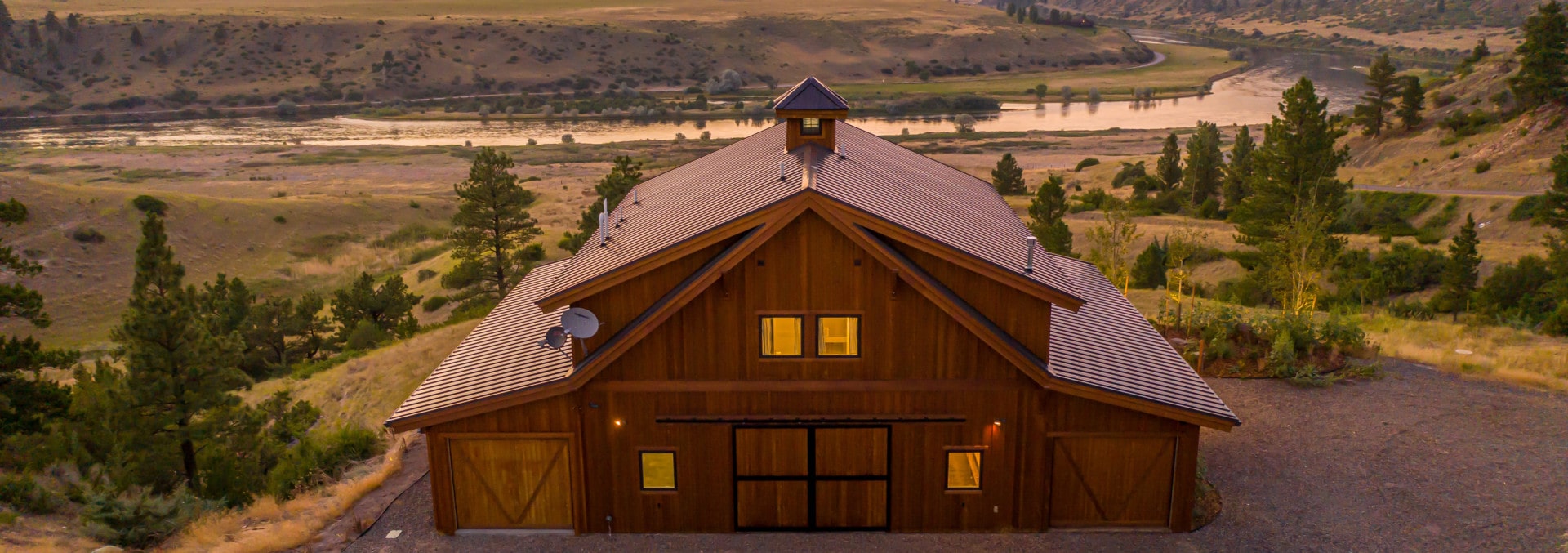
Missouri River View Cabin
Wolf Creek, Montana
This is an opportunity to own a stunning home overlooking a famous section of trout water, the tailwater stretch of the Missouri River below Holter Dam. Located upstream from Wolf Creek Bridge and 10± minutes from Craig, Montana, this property boasts views of the river and is contiguous to BLM land that touches Holter Lake. The property boasts a modern 4,066± SF, 4 bed, 3 bath “cabin” with views of the trout-rich waters of the “Mighty Mo.” Relax on your deck looking out at the river after a day spent casting to fish or recreating on Holter Lake.
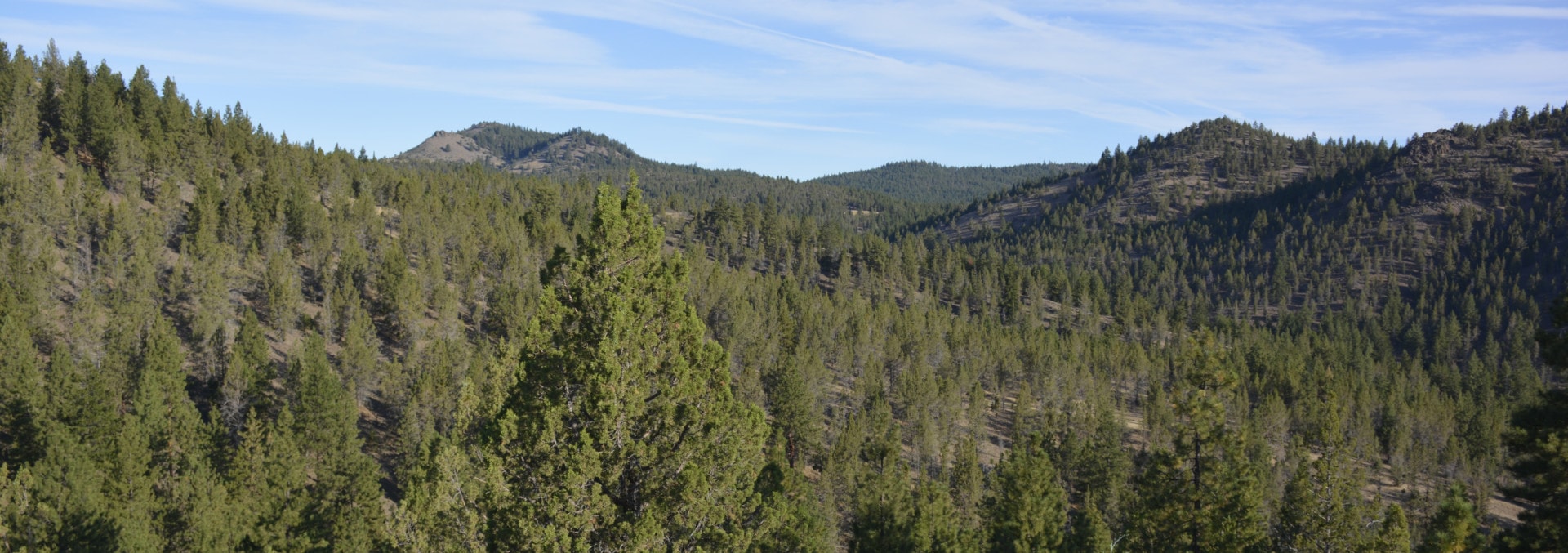
Rail Hollow
Prineville, Oregon
One of Central Oregon’s best-kept secrets is a honey hole for the big game hunter. Outdoor enthusiasts and nature lovers will also appreciate this rare offering. Trophy size Rocky Mountain bull elk, big mule deer, and the occasional antelope are just some of the wildlife that calls this timberland and meadows home. Between alfalfa and hay fields and the Ochoco Mountains, this property is located in the Grizzly Hunting Unit with natural springs and ponds and the potential to expand.
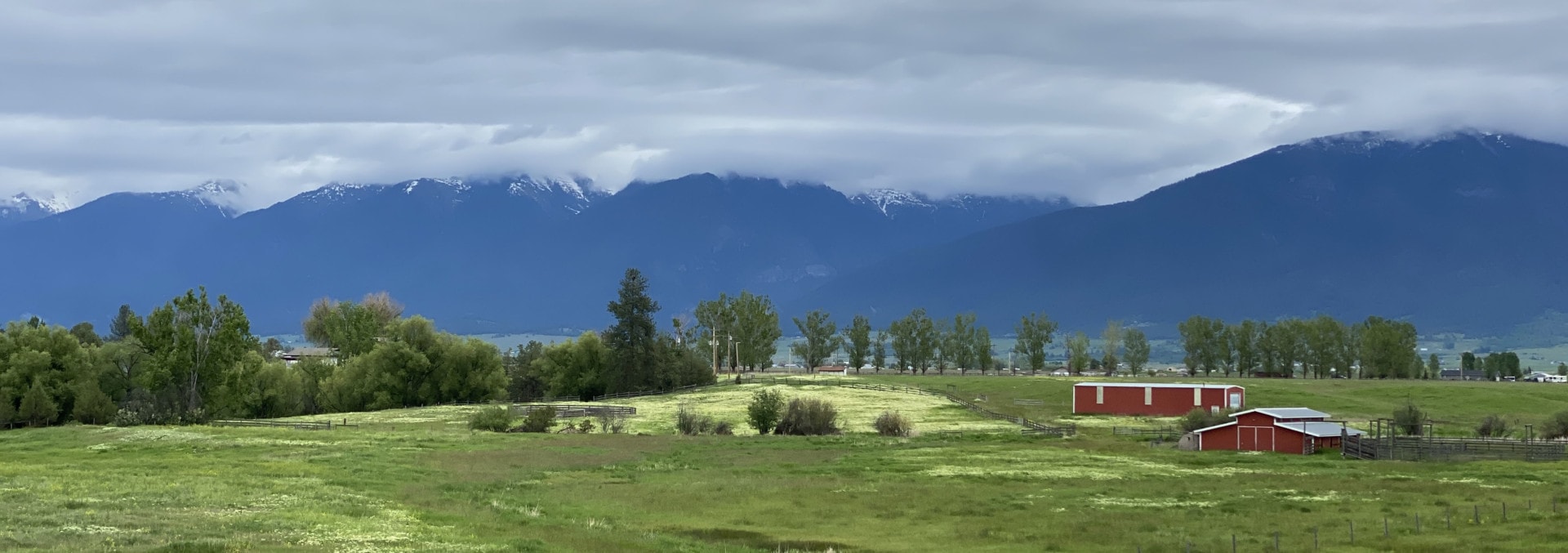
Mission Mountain Springs
St. Ignatius, Montana
This Montana hunting land property sits below the towering Mission Mountain Range in Northwest Montana. The habitat on the ranch has created a sanctuary for wildlife, including a population of pheasants and whitetail deer. In addition, there are irrigation rights that will allow for some agricultural production on the property. Numerous build sites exist on the property, all maximizing views of the creek bottom on the property as well as the Mission Mountain range in the distance.
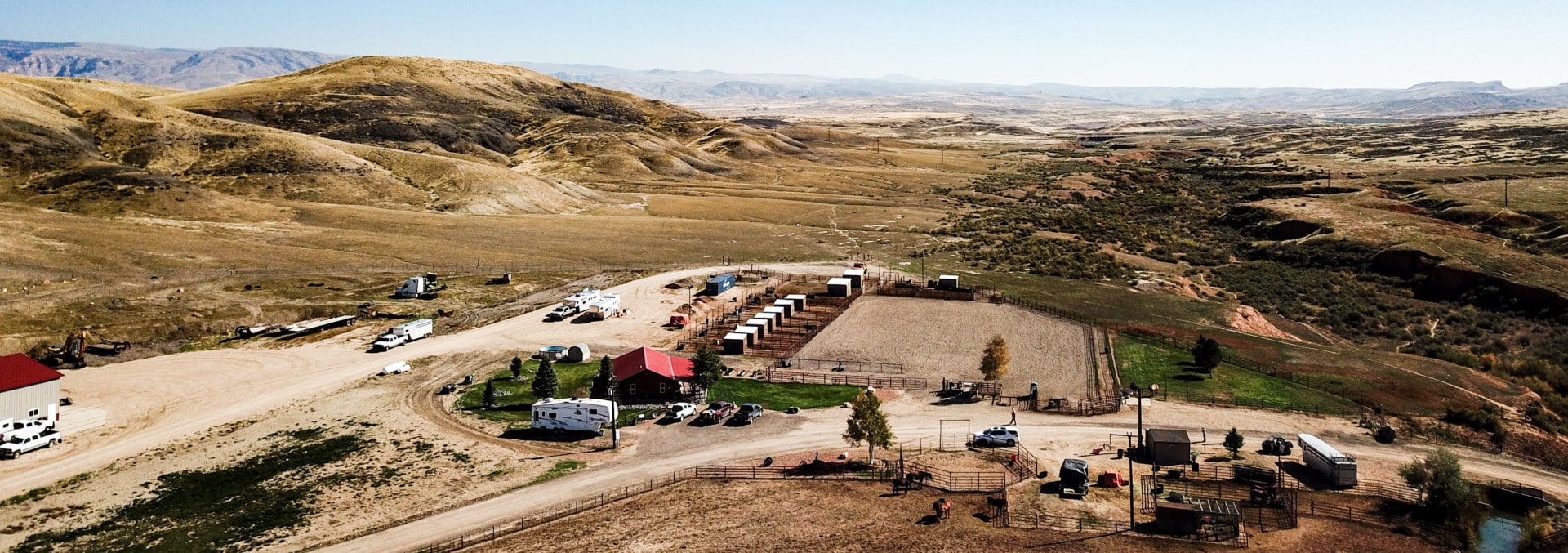
Broken Spoke Ranch
Greybull, Wyoming
The Broken Spoke Ranch offers a small, secluded ranch, equestrian operation, or a recreational getaway. It has nearby hunting and fishing, winter sports, UTV, and camping opportunities in the nearby Big Horn Mountains in Northwest Wyoming. The ranch provides two homes and a large shop with plenty of scenic views and privacy. The turnkey horse operation will give the horse owner the ability to practice competitive events or trail rides through the BLM and nearby Cloud Peak Wilderness.
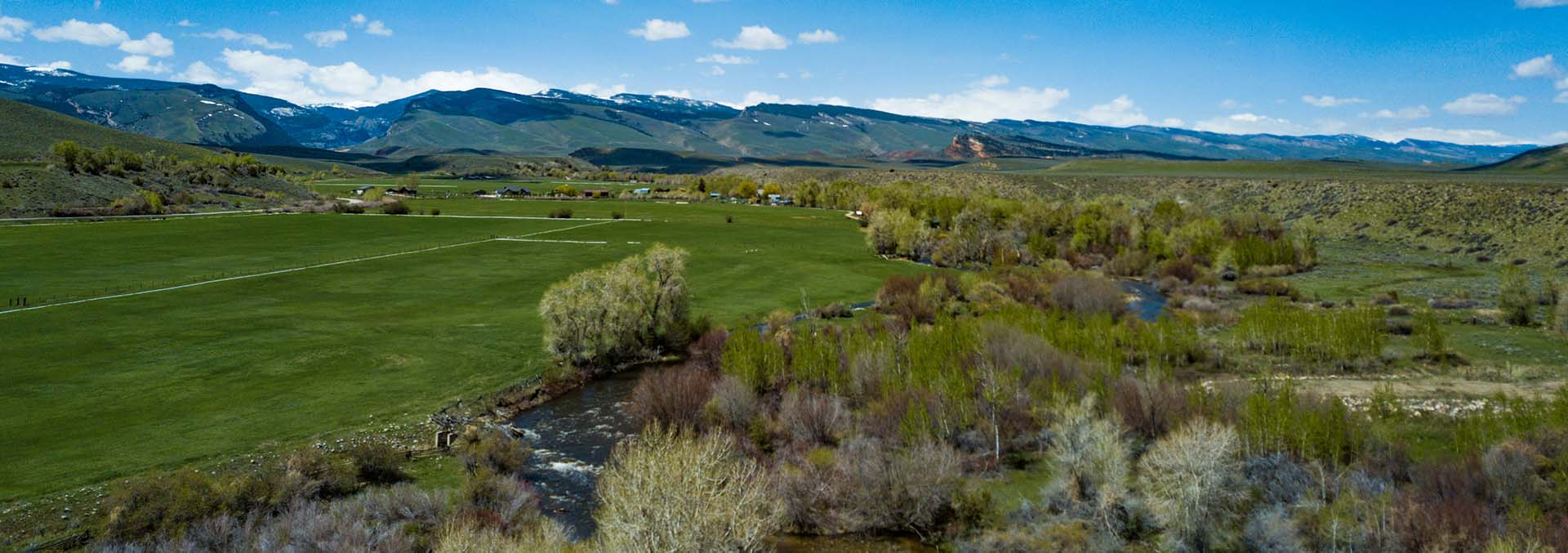
Popo Agie Meadows
Lander, Wyoming
The Popo Agie Meadows offers a unique Wyoming land acquisition for the development of your own recreational mountain retreat. The hay meadows are abundant with wildlife, native grasses, and building sites. It provides an excellent homestead for the self-sufficient farm/ranch lifestyle. The North Fork of the Popo Agie River creates a nearly perfect exclamation mark on the already amazing property. With hunting and fishing provided on the land, it truly stands as a unique and rare acquisition.
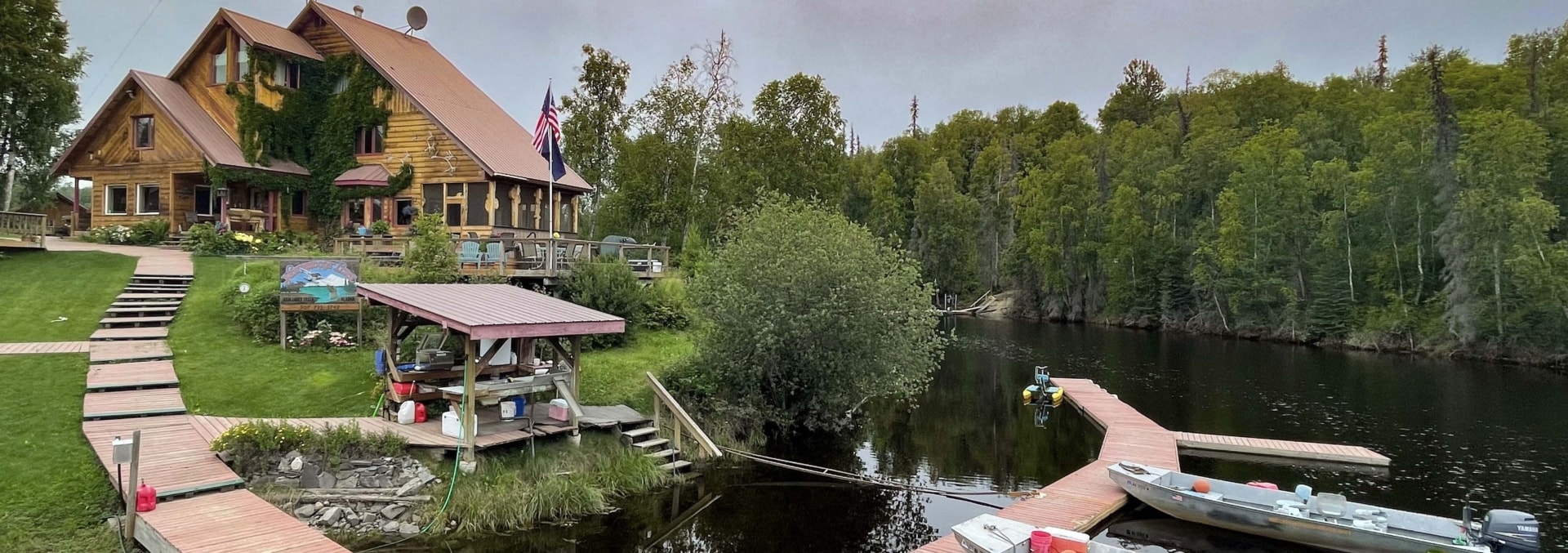
Northwoods Lodge
Skwentna, Alaska
Skwentna and Fish Lakes Creek offer unparalleled Alaska adventures, from remarkable wildlife encounters to some of the most abundant fishing; Northwoods Lodge has curated the perfect outdoor Alaskan experience. Embrace the wilderness as the wind whispers through the majestic cottonwoods and the sounds of water rushing along the creek. The lodge is fully equipped and ready for your next business endeavor or a private retreat to relish with your loved ones.
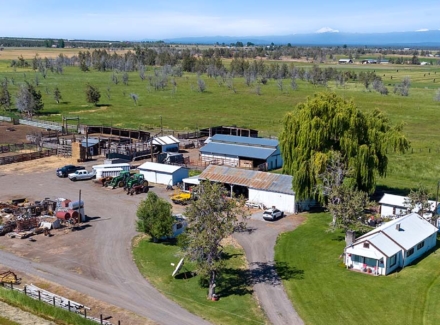
Landrus Ranch
Powell Butte, Oregon
Discover the Landrus Ranch, a thriving 177± acre cattle operation in Central Oregon, boasting coveted Cascade Mountain vistas. This property is ideal for establishing roots with two residences, a bunkhouse, a workshop, a barn, and comprehensive cattle facilities. Historically productive with 152± irrigated acres via COID, including 120± acres of hay fields (wheel lines) and pasture (flood irrigation), it promises continuity for ranching success.
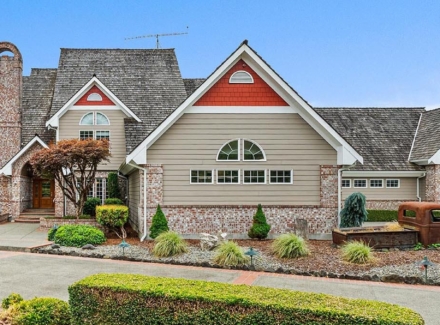
Paulson Mountain View Estate
Rochester, Washington
This 7,449± square foot luxury home blends rural tranquility with refined living. The main floor features vaulted ceilings, a dramatic fireplace, four ensuite bedrooms, an executive office, and formal dining with a butler’s pantry. The primary suite offers his-and-hers closets and a spa-like bath with pasture views. Upstairs, enjoy a theater, game room, and guest suite. Outdoor amenities include a pool, hot tub, pickleball court, sauna, barn, pastures, and versatile guest quarters.
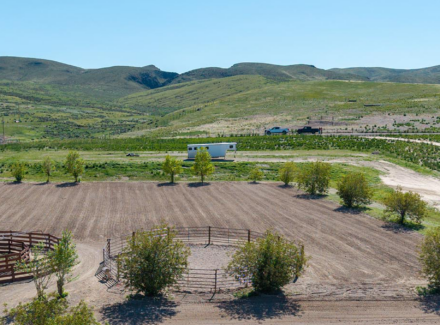
Oliver Performance Horse Facility
Dillon, Montana
Set in Southwest Montana’s Beaverhead Valley, the Oliver Performance Horse Facility is a rare 36± acre turnkey equestrian estate. Designed for the serious horseman, it features two quality barns, an indoor arena, and well-planned pens and paddocks with shelters and heated waterers. Perched on a ridge with sweeping mountain views, the property includes a charming farmhouse, strong-producing wells, and easy access to Dillon, blue-ribbon trout streams, and endless recreation in a thriving ag community.
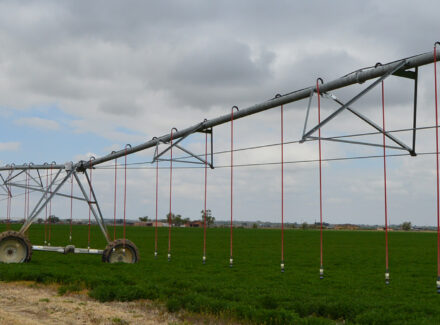
South Swink Farm & Grow Yard
La Junta, Colorado
This turnkey irrigated farm and feedlot in Otero County was built for efficient hay and cattle production. The property features a well-kept four-bedroom, two-bath home, an 800-head feedlot with strong working infrastructure, a roping arena, calving barn, shop, grain bins, and a new hay shed. Roughly 100 acres are under pivot irrigation, supported by canal shares and a collection pond, creating a productive, well-improved agricultural operation with paved access.
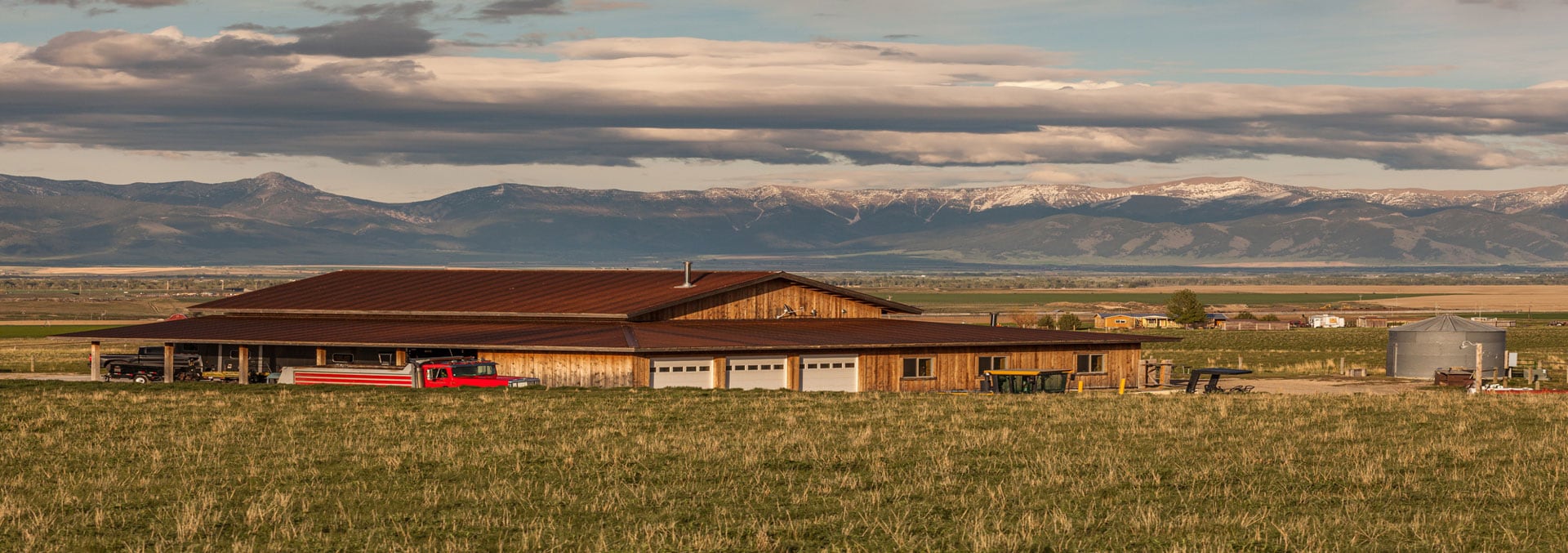
Bridger View Farm
Manhattan, Montana
This property encompasses 135± deeded acres of extremely productive dryland grazing. The rolling pastures hold an abundance of mule deer, antelope, sharp-tailed grouse, and Hungarian partridge. This modern yet rustic guest house/shop combination is a welcoming blend of classic styling that meets the needs of a family. This is a beautiful example of a classic Montana retreat that offers endless build sites throughout the property with views in all directions.
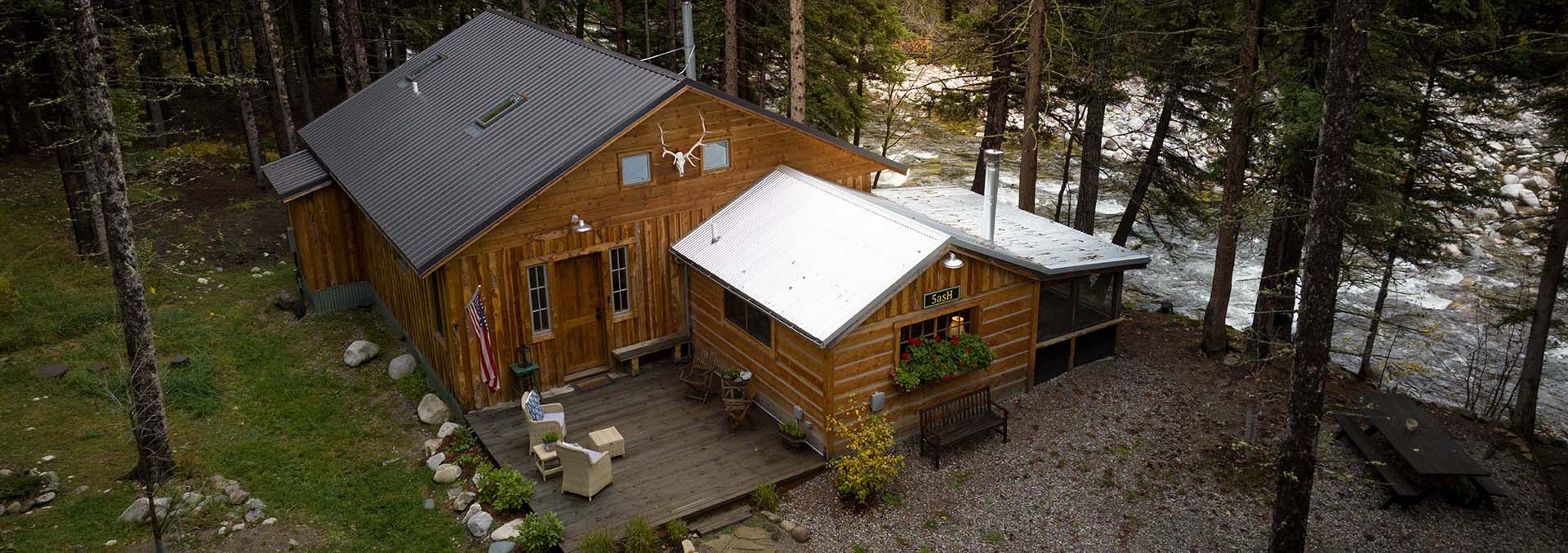
5asH Cabin on the Boulder
McLeod, Montana
Nestled in the Absaroka Beartooth Wilderness Area, this classic cabin-on-the-river is a meticulously designed retreat along the upper Boulder River. The 1,326± square foot cabin, completed in 2019, harmoniously blends rustic charm and modern amenities. A haven for anglers, the property boasts Boulder River frontage with brown, rainbow, cutthroat, and brook trout. The property is surrounded by Forest Service land on three sides and ensures privacy in an idyllic Montana setting.
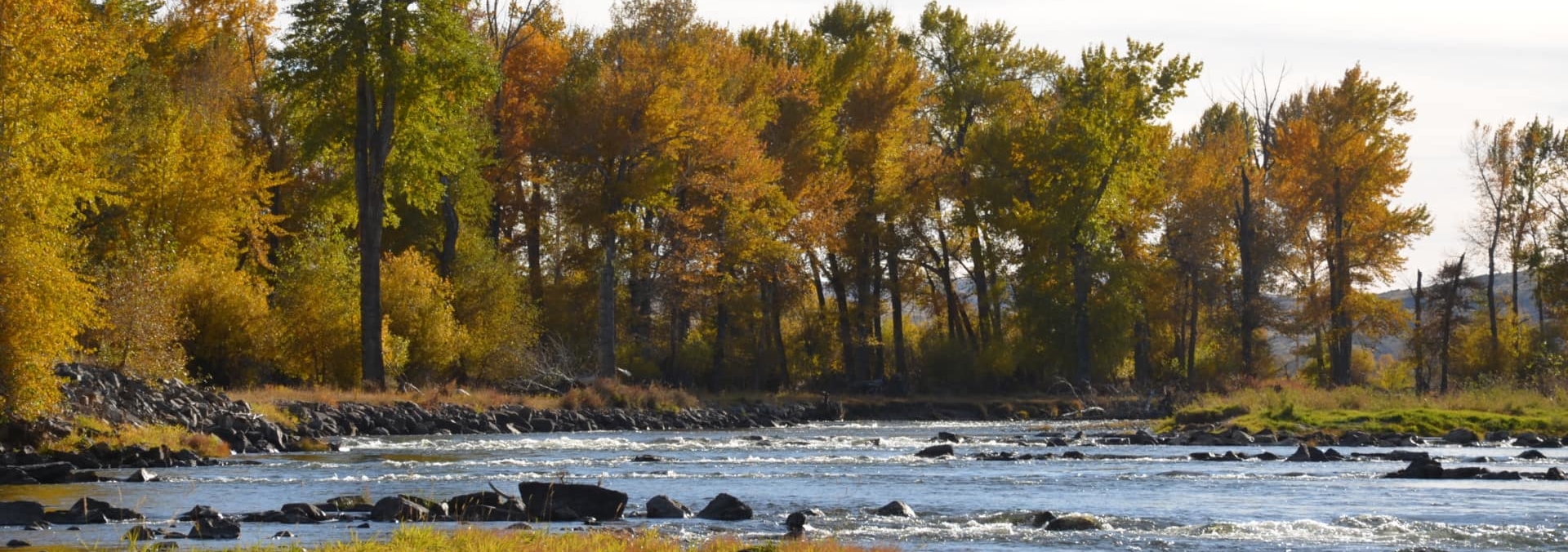
Big Hole Sporting Reserve
Twin Bridges, Montana
With easy access to fly fishing, big game hunting and recreation in southwest Montana, this property has all the ingredients of a quality recreational ranch. Located at the epicenter of trout fishing in Montana and featuring a beautifully placed private home, this recreational retreat is a rare find.
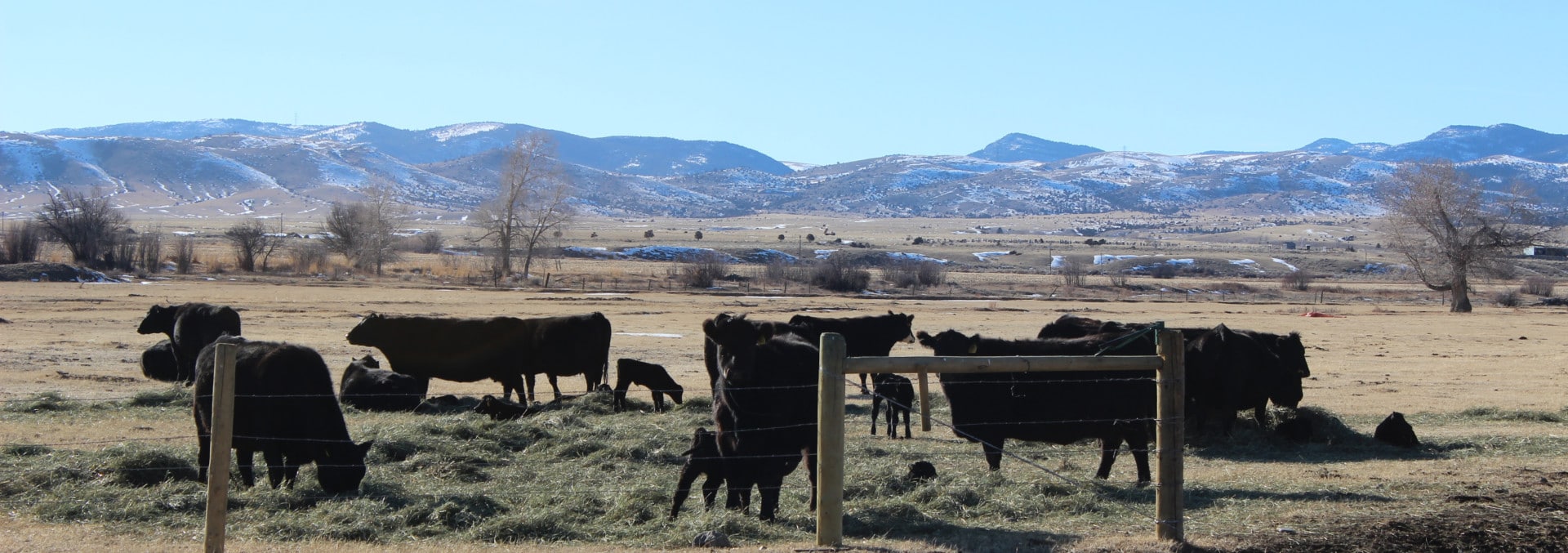
Crow Creek Valley
Hay and Cattle Ranch
Toston, Montana
This Montana cattle ranch is known for its excellent production value. Fenced and cross-fenced for cattle grazing and maximizing production on the pivot irrigated fields make for excellent fall grazing once the hay crop is harvested. Producing enough hay to winter cows, it still has surplus hay to sell. It has a balance of irrigated fields, native grassland for pasture and grazing, creek bottomlands, and beautiful views of the Elkhorn and Big Belt Mountains.
Juliet Farm
Tumalo, Oregon
A stunning 5± acre equestrian estate in Tumalo is renowned for breeding and training top horses for NRCHA events. It features a charming two-story home with three beds, two baths, wood-burning fireplaces, and a wrap-around porch. The estate includes a 24’ x 36’ barn and is irrigated with 3.15± acres of TID water, surrounded by a mature landscape for privacy. With panoramic Cascade Mountain views, Juliet Farm is a tranquil retreat just minutes from Bend and close to shopping and skiing.
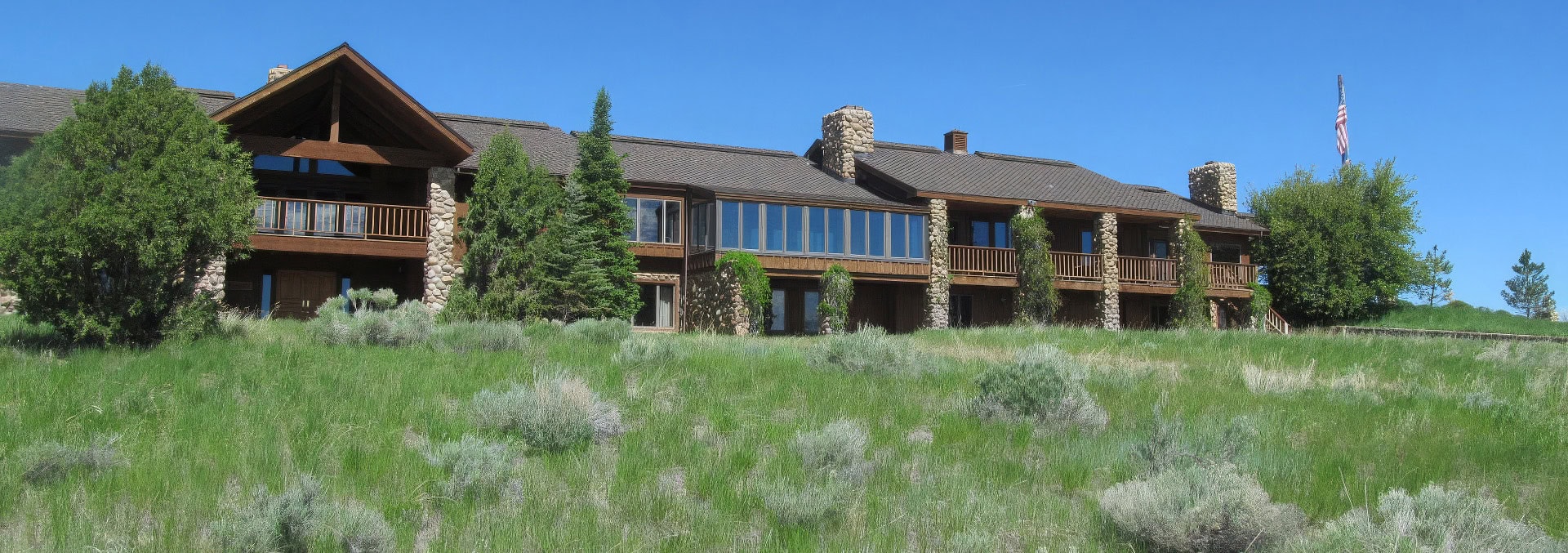
Stonegate
Saratoga, Wyoming
Bordering over 17,000 accessible BLM acres, this is a seamless property for the owner that is looking to enjoy all that comes with an abundance of private space … while avoiding the responsibilities that come with larger acreages. The current owners raised their family here for twenty-six years, maturing memories and growing roots in one of Wyoming’s most impressive Rocky Mountain valleys. Stonegate’s rare offering presents the opportunity for a new steward to do the same.
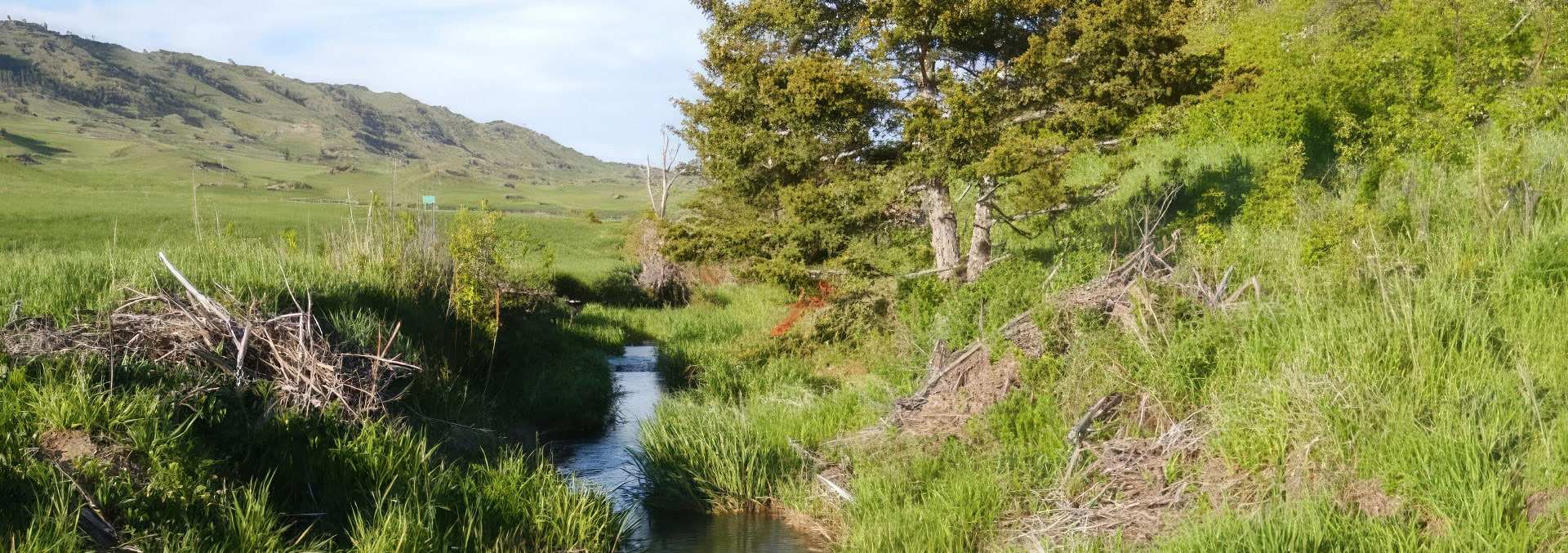
Billman Creek Ranch
Livingston, Montana
It is not often that a ranch this diverse comes on the market. The abundant wildlife and fishery resources, as well as some of the most dramatic scenery in the Northern Rockies make this a prime recreational ranch in Montana.
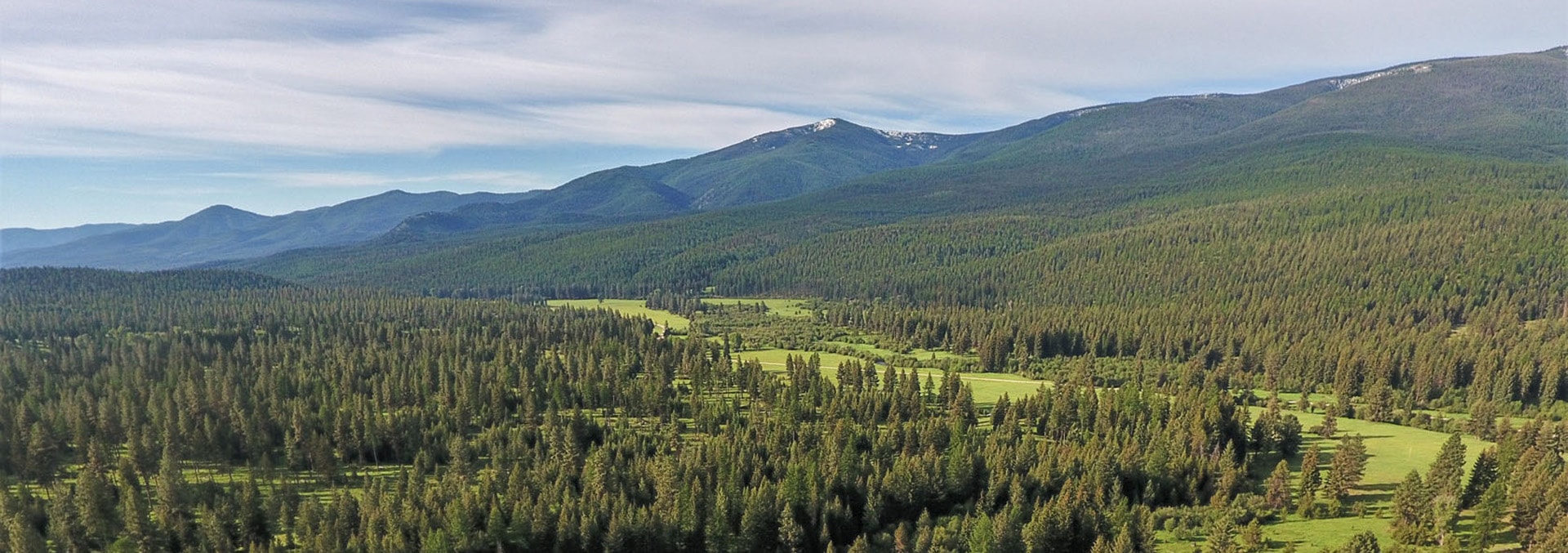
Last Chance Ranch
Huson, Montana
This beautiful and secluded ranch offers year-round, live water from Pine Creek and backs up to the Lolo National Forest. This Ranch could be the perfect location for a year-round residence or weekend retreat with easy access to urban amenities found in the great city of Missoula.

Tenino Equine Center
Tenino, Washington
Space for your dream home or as a commercial ranch, this is the perfect place to recreate what was once a nationally recognized Equestrian Center for Thoroughbred racehorses strategically located in the South Sound next to the City of Tenino. Enjoy the rural and secluded lifestyle this ranch offers with the convenience of being close to amenities.
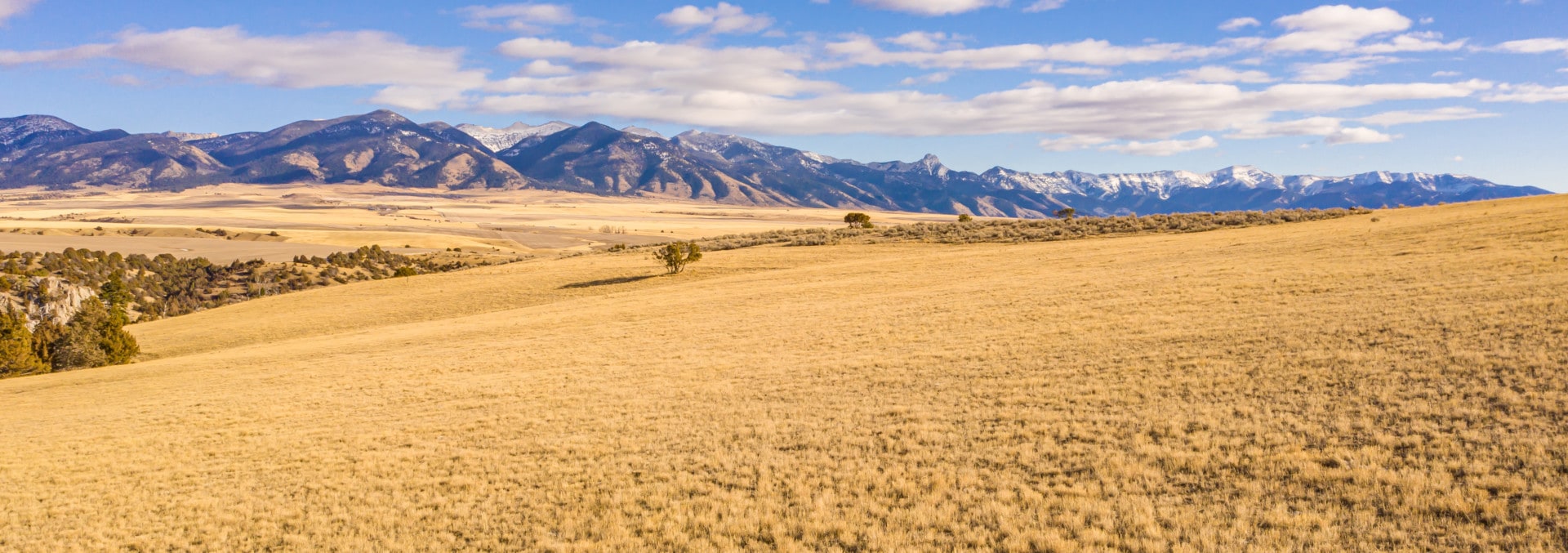
81 acres at the SxS Ranch
Belgrade, Montana
81 acres at the SxS Ranch is a rare opportunity on the northern edge of the Gallatin Valley to purchase private acreage in Montana. Mature trees and covered draws add to the desirability of the property. Located just 30± minutes to Bozeman, 15± minutes to the airport, and 45± minutes to Bridger Bowl Ski Area, this property checks all the boxes. This opportunity provides membership in the exclusive SxS Ranch, including shared recreational interest in 971± total acres.
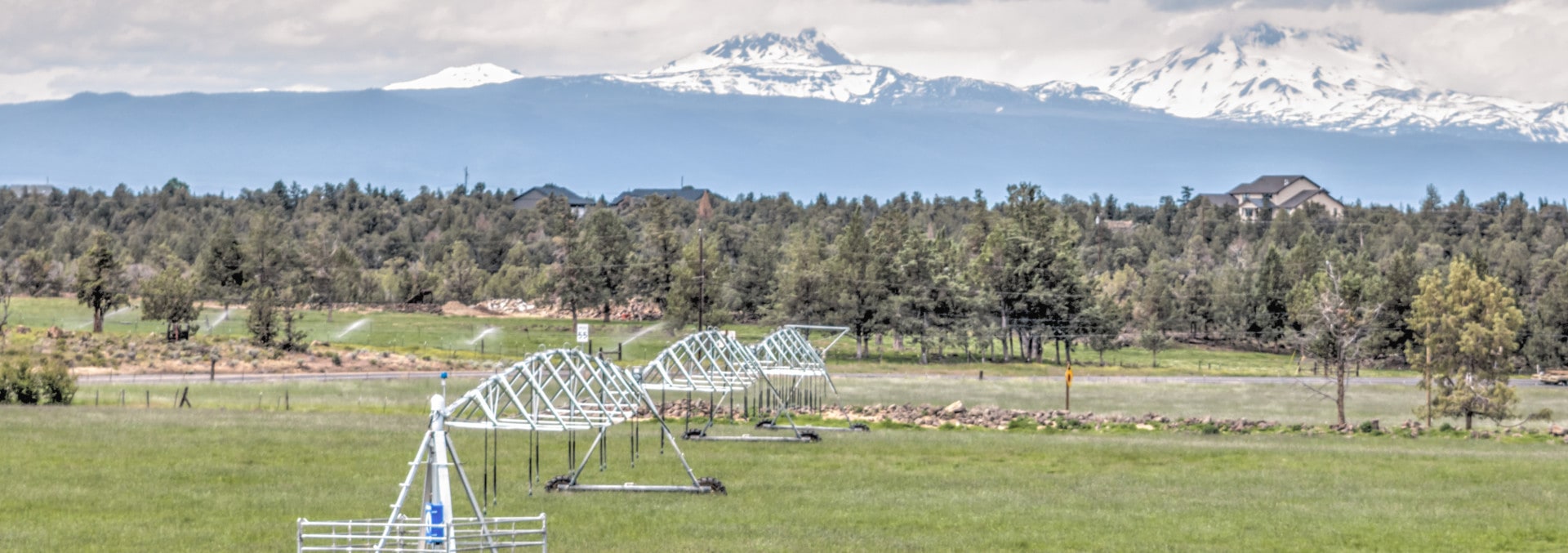
Bozarth Ranch
Powell Butte, Oregon
This small Oregon ranch is located in a farming community on two parcels and includes 108± acres of irrigation through the COID. All the necessary improvements to run an efficient operation are in place, including a 5-bedroom/3-bathroom home, a 2018 3-tower Reinke pivot, a horse barn, steel hay shed, a 2-bay shop with equipment shed attached, and more. Imagine living the country lifestyle, enjoying the breathtaking Cascade Mountain views, and enjoying everything Central Oregon has to offer.
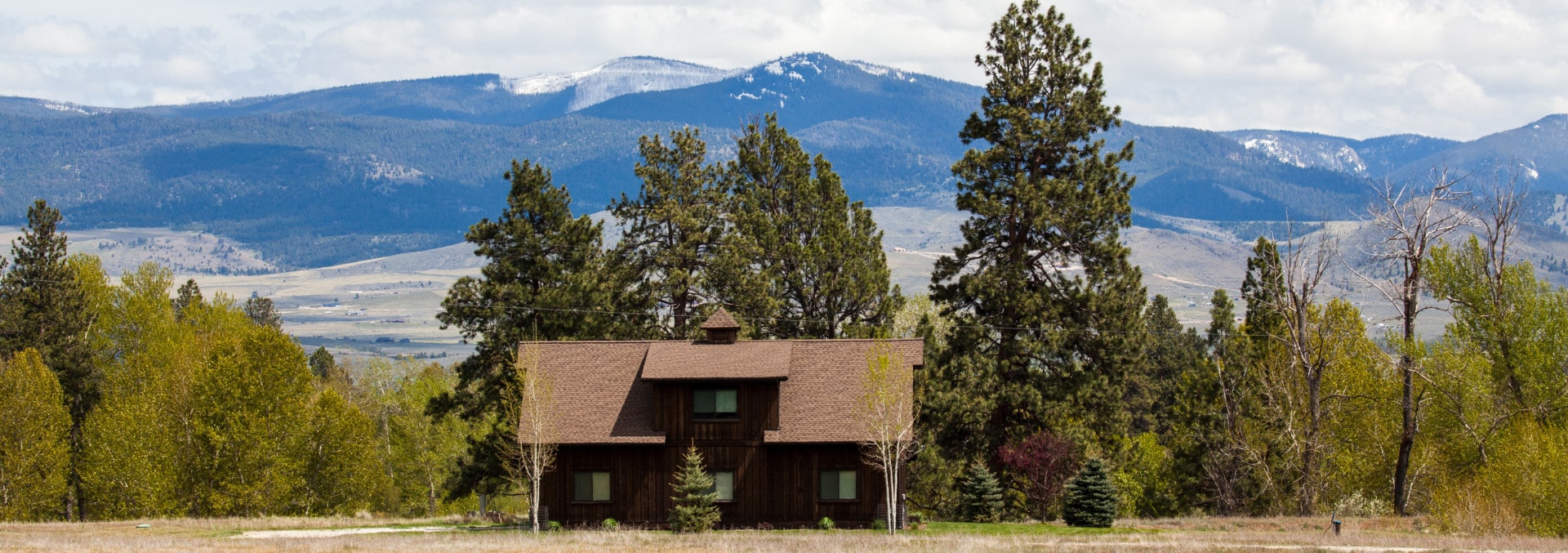
Bitterroot Fish On
Victor, Montana
Above the banks of the Bitterroot River, this perfect Montana retreat offers fantastic fishing and wildlife viewing and access to recreational activities year-round. Watch eagles, osprey, and hawks while beavers and otters swim. Take an evening walk along the bench above the river, where it’s not uncommon to catch deer, elk, and occasional moose, working the river bottom. Fish the Bitterroot River’s main, east, and west fork, or grab your bicycle and catch the trail that runs to Missoula.
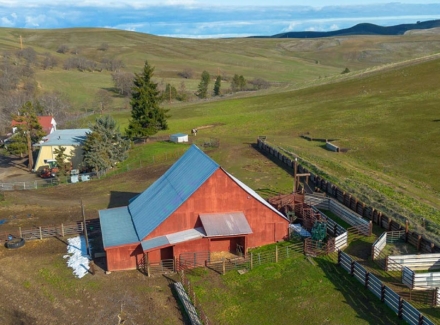
Pine Hollow Farm
Dufur, Oregon
Pine Hollow Farm in central Oregon offers stunning views, abundant wildlife, and a tranquil atmosphere alongside a profitable wheat and cattle business. It boasts diverse wildlife for superb hunting/viewing, and it is supported by two homes, cattle working facilities, a shop, and a hay barn. With acres of productive dryland farm ground, producing 30-70± bushels of wheat/acre on a summer-fallow rotational basis. A prime working/sporting property in a sought-after area, it’s an exceptional buy.
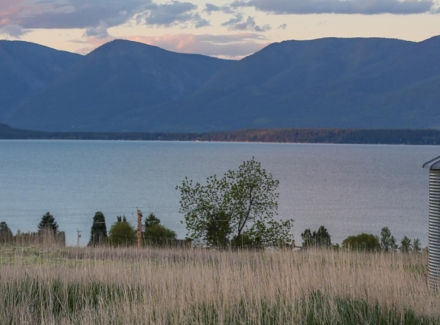
Flathead Overlook
Polson, Montana
Ideal for a private estate, agricultural use, or development, this listing features panoramic views of Polson, Flathead Lake, and the Mission Mountains. Located minutes from downtown Polson and adjacent to the Stonehorse subdivision, the property offers a blend of convenience and seclusion. Divided into five parcels, it supports flexibility for estate or development. Currently leased for wheat farming, it has income potential and lies close to local amenities and recreational areas.
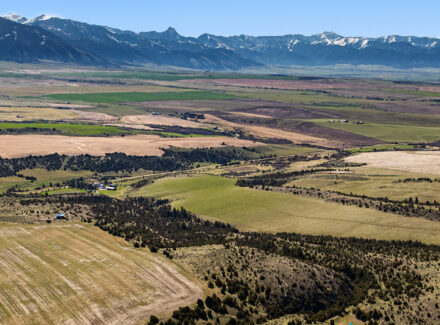
Golden Meadow at SxS Ranch
Belgrade, Montana
Unspoiled Montana landscape 30± minutes north of Bozeman, with a defined 5-acre building envelope and well-considered covenants that protect the land’s integrity and support long-term investment value. Shared recreational access to 971± acres includes 1.4± miles of Dry Creek trout fishery and stunning views of multiple mountain ranges. Wildlife is abundant: deer, elk, pronghorn, and upland birds. Just 30± minutes to Bozeman, 45± to Bridger Bowl, and under 2 hours to Big Sky and Yellowstone.
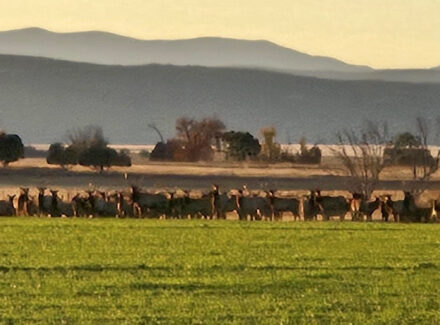
Mountain View Elk Ranch
Maxwell, New Mexico
Located in New Mexico’s Unit 55B, this ranch qualifies for unlimited landowner elk tags, no draw required. Bordering Maxwell National Wildlife Refuge, elk, mule deer, and waterfowl move freely across the property. A 27± acre lake creates excellent wing shooting. With 188± irrigated acres and strong water rights, the ranch supports crops and grazing. Multiple revenue streams help offset costs. Sangre de Cristo views and easy Interstate 25 access make this a turnkey hunting and farming property.
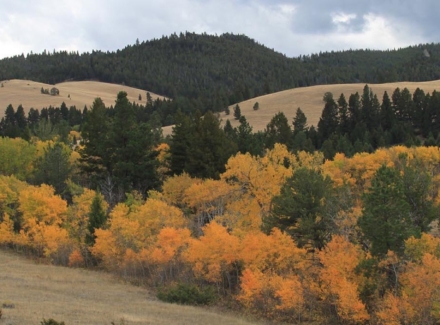
Austin Meadows Mountain Ranch
Helena, Montana
Just west of Helena, Montana, this rare opportunity offers a balance of seclusion, scenery, and access to town. Surrounded by the Rocky Mountains and bordering National Forest, the land features a seasonal creek, lush riparian zones, & abundant wildlife including elk, deer, and moose. With no improvements, it’s a blank canvas for a custom home or retreat. Panoramic views, quiet surroundings, and proximity to medical care, shopping, dining, & a regional airport make this an exceptional offering.
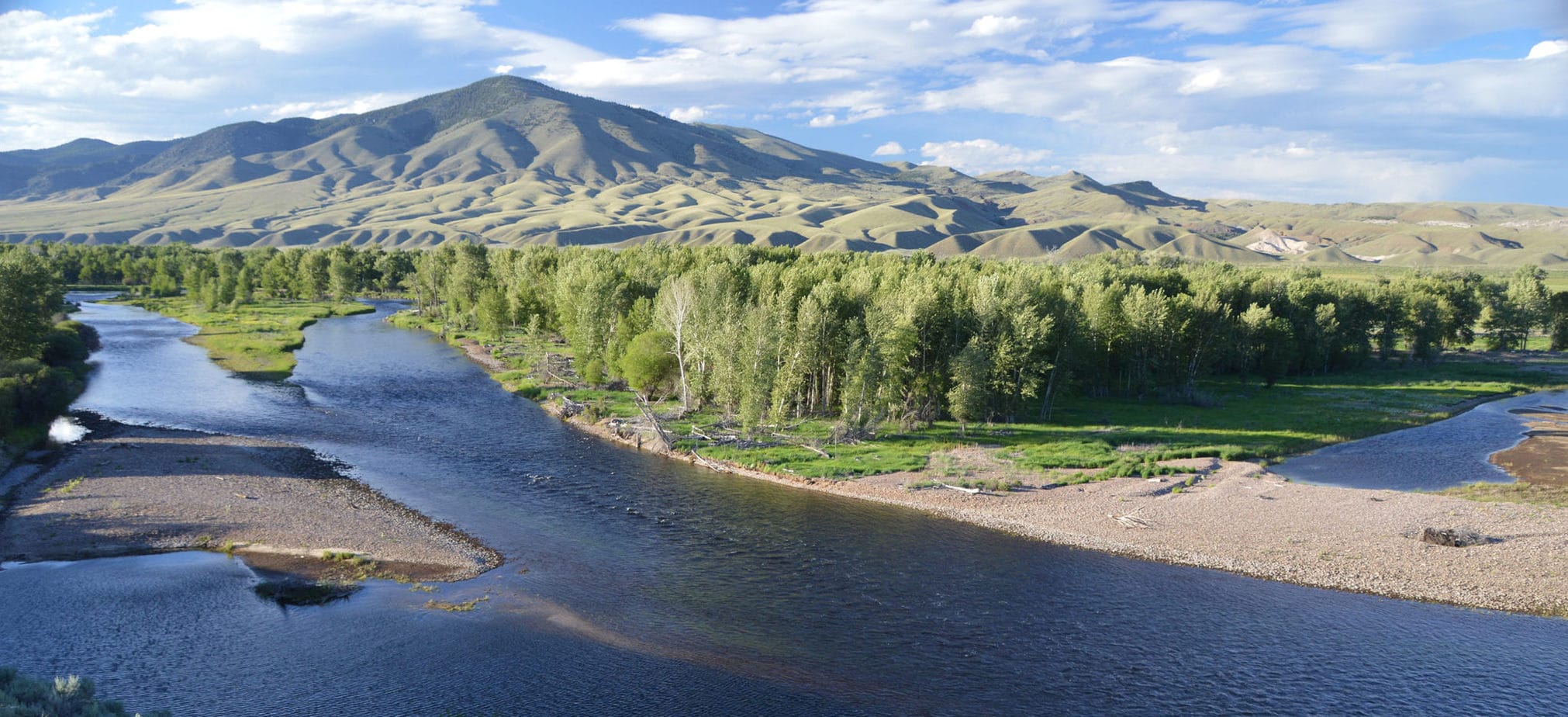
Big Hole Vistas Ranch
Glen, Montana
This river ranch is located at the hub for amazing fly fishing, big game hunting, and waterfowl hunting. With 1± mile of river frontage, lush river bottom acres, rolling hills, privacy and room to roam, you won’t tire of the endless recreational amenities this ranch has to offer.
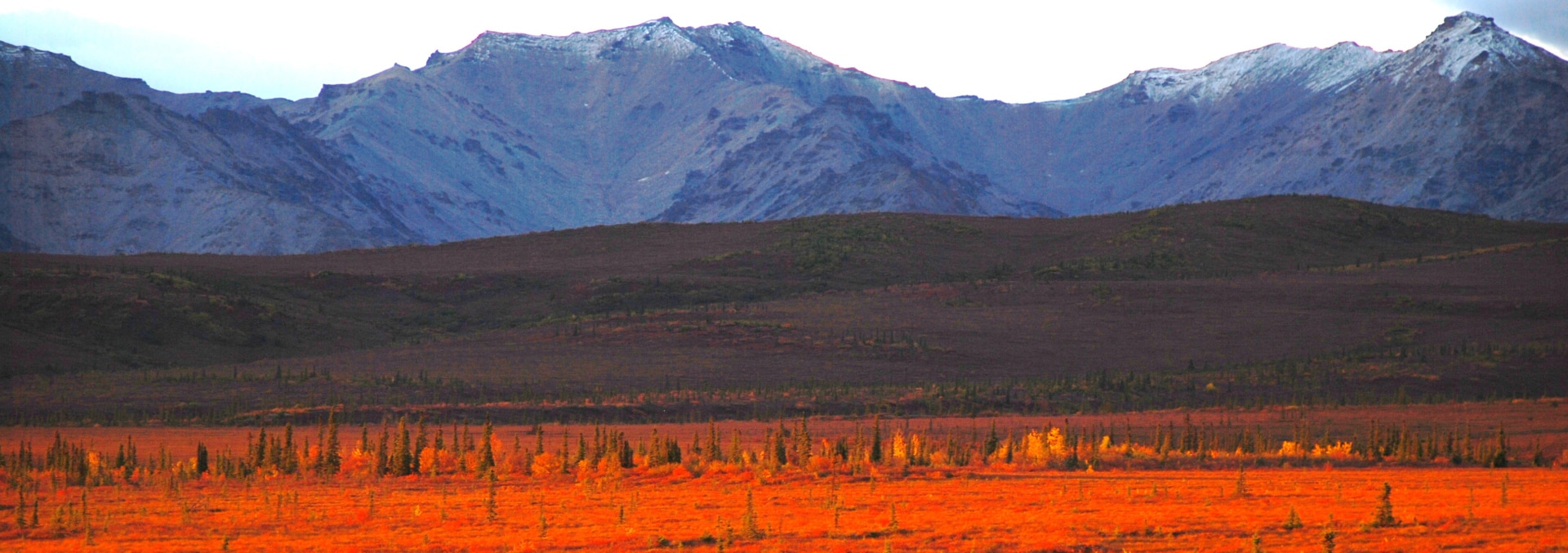
EarthSong Lodge
Healy, Alaska
Located 16 miles north of Denali National Park and Preserve, this turnkey lodge lies above the tree line on the open tundra. The property offers 14 cabins, a coffeehouse, an employee residence, an office yurt, and more. The lodge services 30-40 guests each night, and the sale includes one of the most successful dog sled guiding businesses known worldwide. With virtually no limits on future development and an increase in tourism projected, this operation is ready for its next owner.
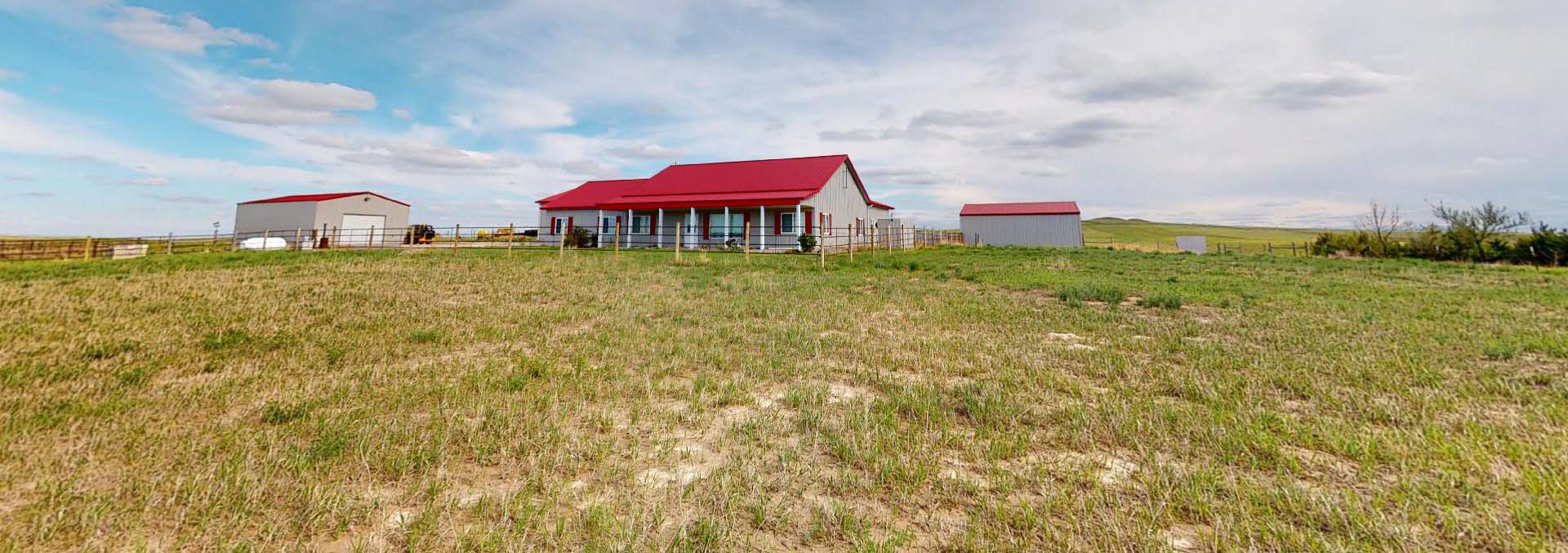
Three Buttes Ranch
Lingle, Wyoming
In the center of Goshen County, Wyoming, with sweeping views of the valley, this lovely ranch makes an efficient cattle operation with productive, cross-fenced pastures and ample water throughout. The operation has an owner-rated carrying capacity of 60-70 cow/calf pairs year-round or 5 months of summer grazing with 80 pairs. The ranch offers numerous improvements and two dwellings in Lingle, Wyoming, rich in history and agricultural culture, while providing a beautiful place to call home.
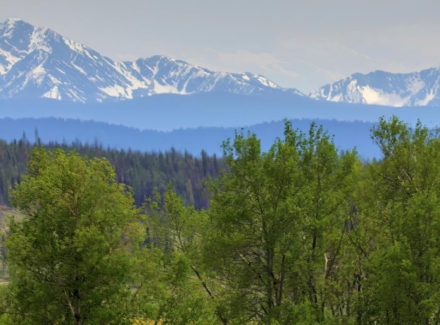
Upper Willow Creek Retreat
Philipsburg, Montana
This exceptional 173± acre property near Philipsburg, Montana, combines agriculture and recreation, offering an ideal setting for various outdoor adventures. Rarely available at this price point, the Upper Willow Creek Retreat features over a mile of live water meandering through lush riparian meadows and pockets of timber, diverse wildlife, stunning mountain views, and extensive recreational opportunities. Nestled in a secluded valley, it stands out as a premier choice in today’s market.
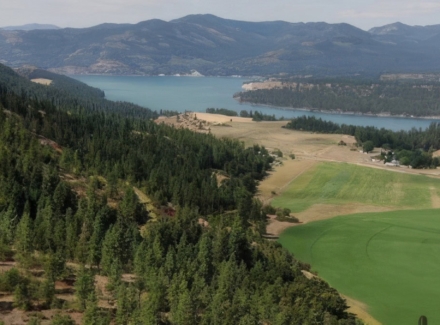
Cedonia Hills Farm
Hunters, Washington
Discover paradise in Washington’s Lake Roosevelt National Recreation Area, rich in wildlife and water. This property offers two homes, a turnkey farm/ranch with water rights, and ample opportunities for sportsmen, equine lovers, tourism, or farming. The remodeled main home features four bedrooms and three baths, while a new three-bedroom, two-bath home accommodates family, guests, or caretakers. This versatile property is perfect for making your dream a reality.
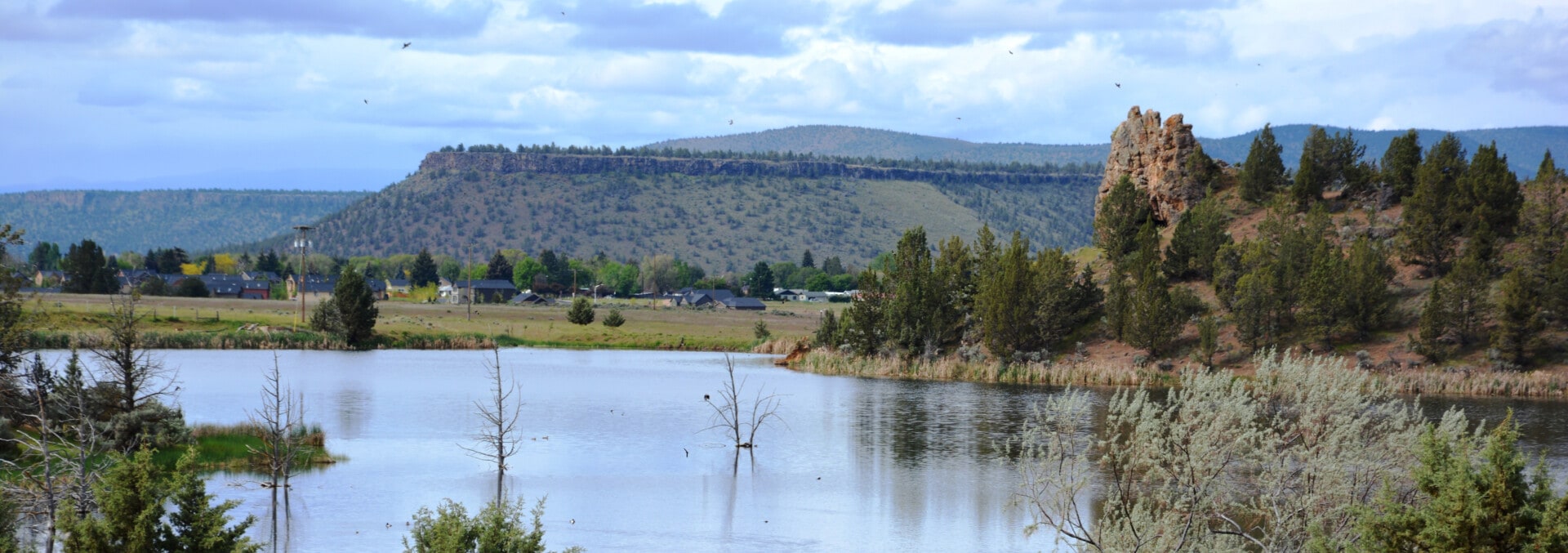
Barnes Butte Lake
Prineville, Oregon
Beautiful and private Barnes Butte Lake is a rare opportunity to own acreage with a stunning secluded lake. Known for excellent fishing of bass and Blue Gill, Barnes Butte Lake was once operated as a day fishing experience for the public and at one time produced the largest Blue Gill around.
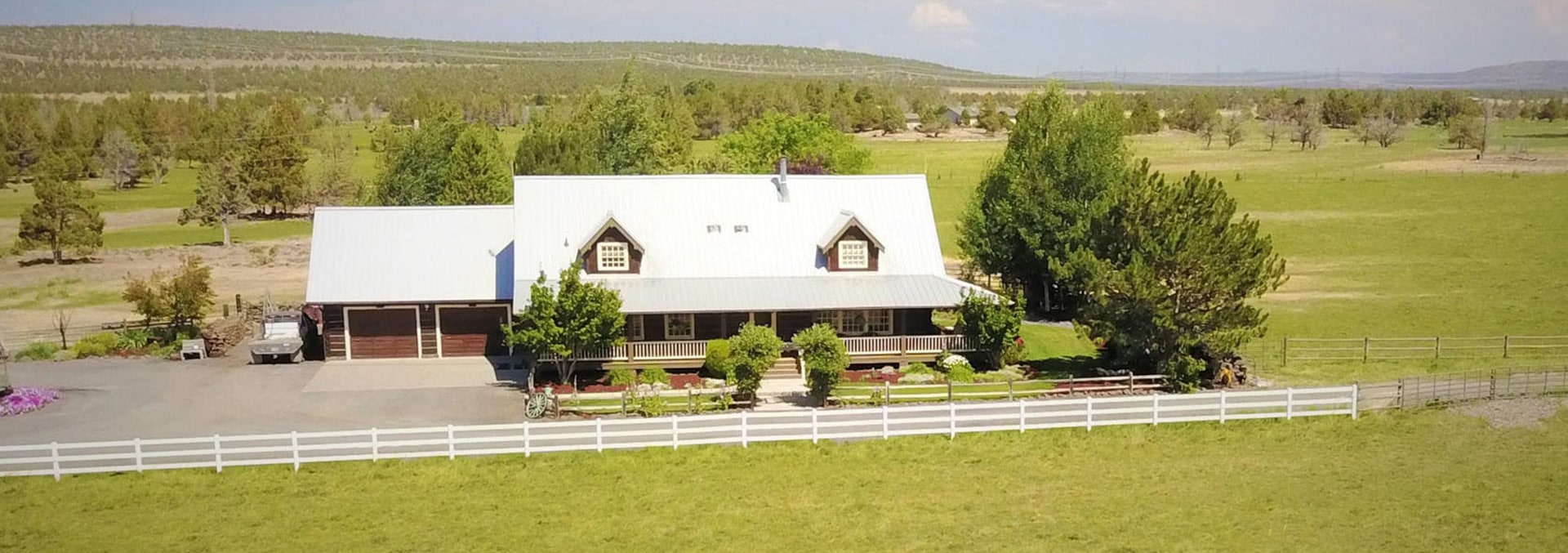
J-T Ranch
Powell Butte, Oregon
A beautiful custom log home, updated farm home, outdoor roping arena, 4 stall horse barn with equine vet room, traditional barn and more! This beautiful property has 76± acres of flood irrigation, Cascade Mountain views and is less than an hour to downtown Bend. This is the best that Central Oregon has to offer!
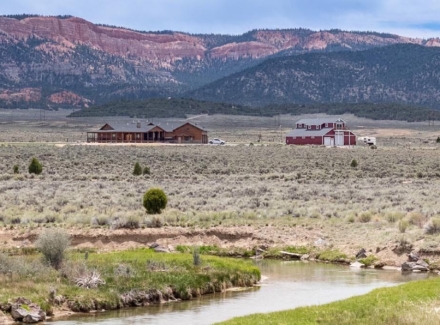
Red Cliffs Retreat
Panguitch, Utah
Where refined living meets rugged beauty, this Southern Utah retreat offers direct river access, a luxurious 3,360± square foot home, guest quarters, a barn, and exceptional views. Minutes from Bryce and Zion, it blends privacy, recreation, and craftsmanship. With a chef’s kitchen, wraparound decks, outdoor fireplace, and systems for year-round comfort, it’s ideal as a private getaway or income-generating basecamp. Wildlife, trails, and red cliff vistas complete the experience.
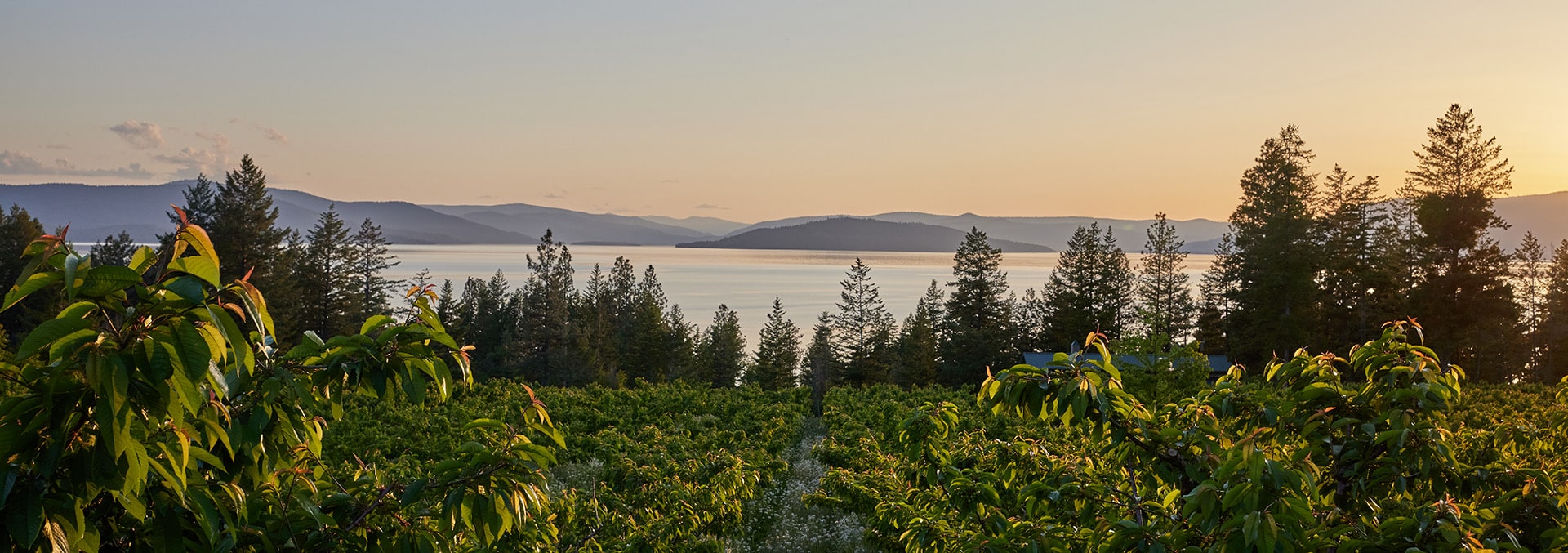
Sunset Vista
Cherry Orchard
Polson, Montana
Sunset Vista Cherry Orchard is a breathtaking property situated on the eastern shore of Montana’s Flathead Lake. Known for its enchanting high-density cherry trees and stunning vistas, this orchard offers sought-after cherries and unforgettable Big Sky Country sunsets. With expert care and management, it proves to be both a haven of natural beauty and a profitable venture. Enjoy the stunning landscape, embrace growth, and take in the majestic Flathead Lake views at Sunset Vista Cherry Orchard.
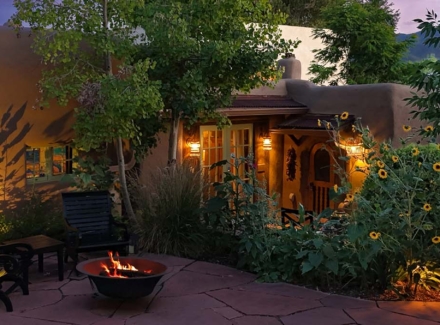
Taos Garden Adobe
Ranchos de Taos, New Mexico
This historic adobe residence offers authentic New Mexican charm with plastered walls, 9 fireplaces, hardwood floors, and copper countertops. Two attached guesthouses provide income potential or expanded living space, while a versatile studio invites artistic pursuits. Beautifully landscaped grounds feature multiple private outdoor areas & acequia water rights. Sold furnished, the property is minutes from Taos Plaza, cultural landmarks, & year-round recreation in the Sangre de Cristo Mountains.
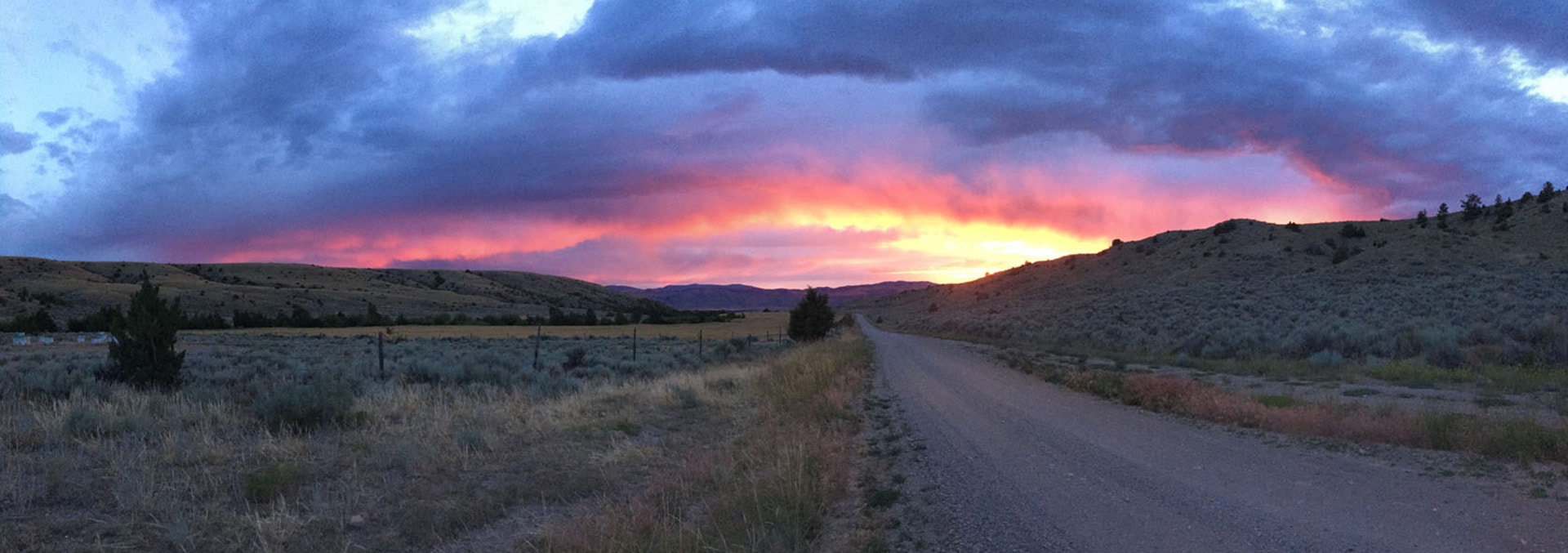
Greyson Canyon Ranch
Townsend, Montana
Find a variety of wildlife roaming this ranch, as well as 1± mile of Greyson Creek flowing through the property. Close to all the amenities of Townsend, MT, yet boasting incredible views and privacy, this property has it all.
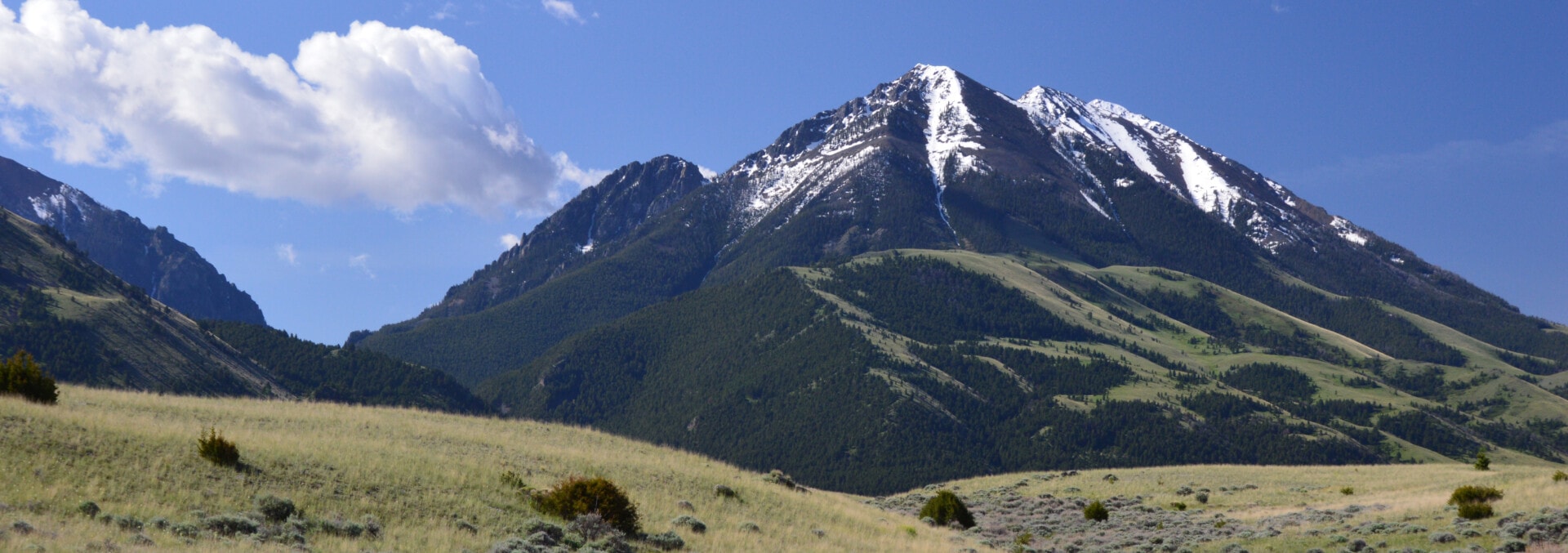
Diamond B Ranch
Emigrant, Montana
The Diamond B Ranch is nestled beneath Emigrant Peak which towers over the southern Paradise Valley and the famous Yellowstone River. This Montana ranch is just 30 minutes away from Yellowstone National Park via the North Entrance at Gardiner.
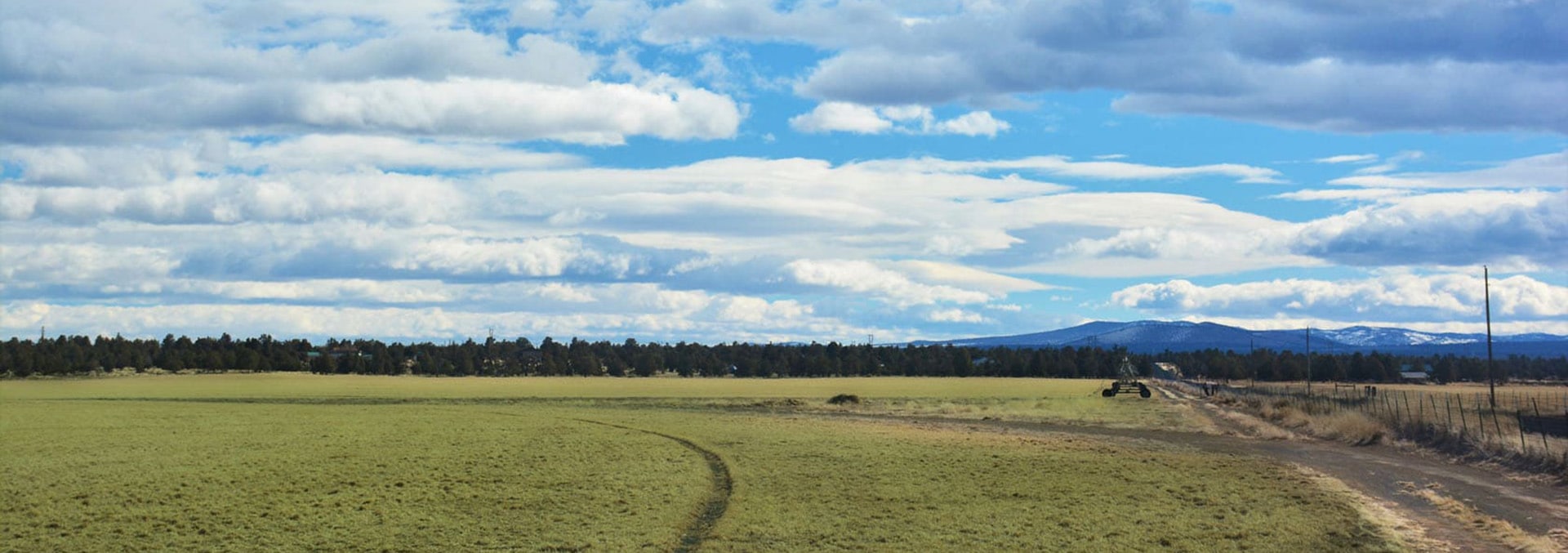
County Line Pivots
Bend, Oregon
This highly productive hay ground is equipped with fully automated irrigation systems by 3 Valley pivots. With access to thousands of BLM acres, amazing Cascade Mountain views, several excellent building sites and just minutes to Bend, this is an opportunity you don’t want to miss!
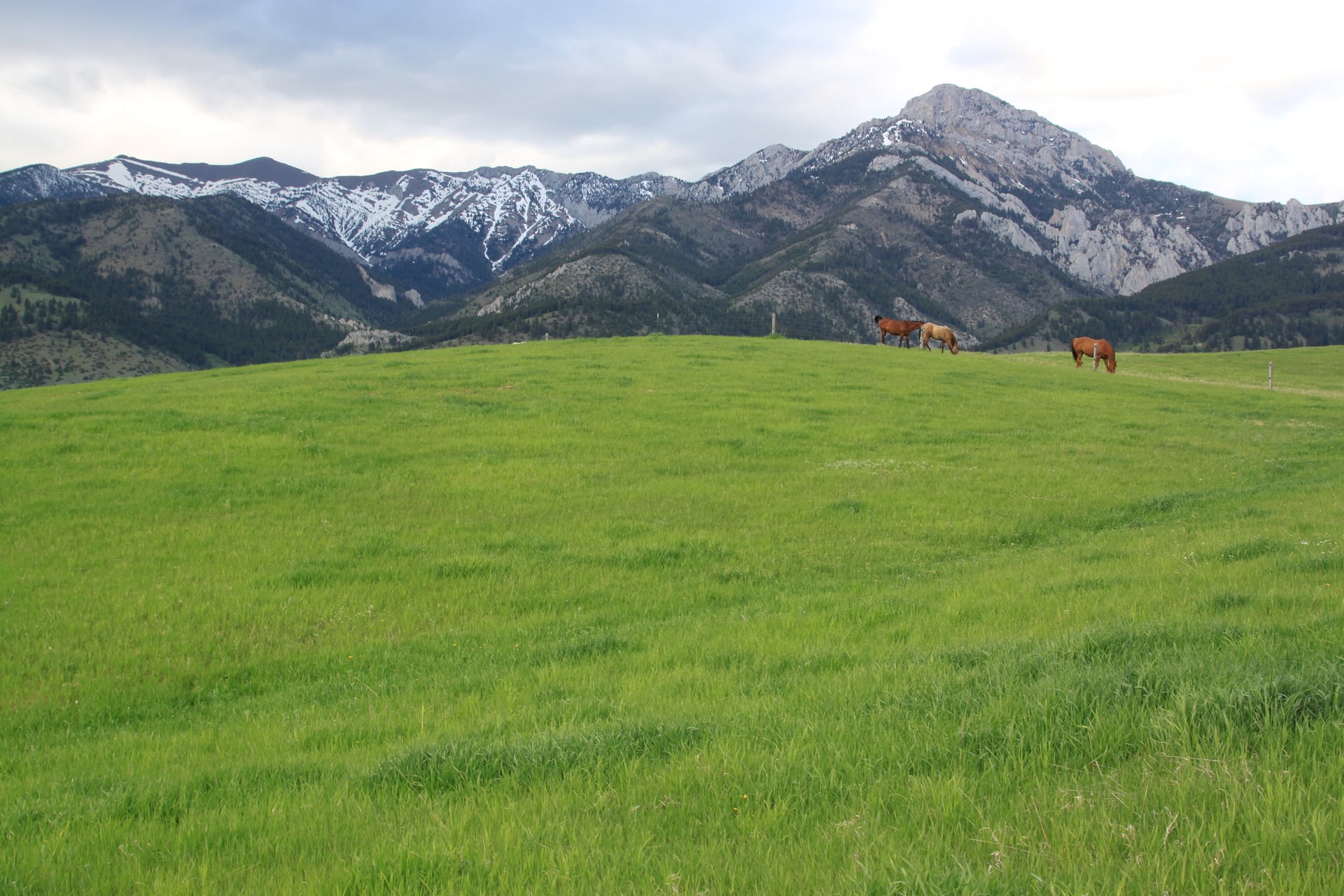
Springhill 115
Bozeman, Montana
The property represents an excellent real estate investment in the Gallatin Valley. This is some of the most stunningly beautiful land in the valley. The combination of close proximity to vibrant Bozeman and the tranquility of the Springhill Community, the prolific wildlife populations and tremendous recreational opportunities in the area makes this a wonderful spot to put down some roots and enjoy life.

Mountain Sunset Ranch
Prineville, Oregon
A small-acreage Oregon ranch that has everything you could want. Enjoy breathtaking Cascade Mountain views and sunsets from the beautifully updated farmhouse featuring 2,676± SF and 3 beds/2.5 baths. The outdoor living space, wrap-around porch, views, and tranquility will ensure your guests will never want to leave. Additional improvements include a shop with a meat processing room, a 2-bed guest home, working corrals, a hay shed, a vet/tack room, a chicken coop, and 2 landowner preference tags.
South Apishapa Ranch
Model, Colorado
This land supports various species, including mule deer, elk, pronghorn, bighorn sheep, coyotes, and mountain lions. It is a blend of grazing land and diverse wildlife habitat in southeastern Colorado. Cattle grazing and hunting leases with potential landowner tags enhance the land’s value. Adjacent to the Apishapa State Wildlife Area, it enriches hunting prospects. A solar-powered water well ensures sufficient water for livestock and wildlife amid rugged canyons and native grasslands.
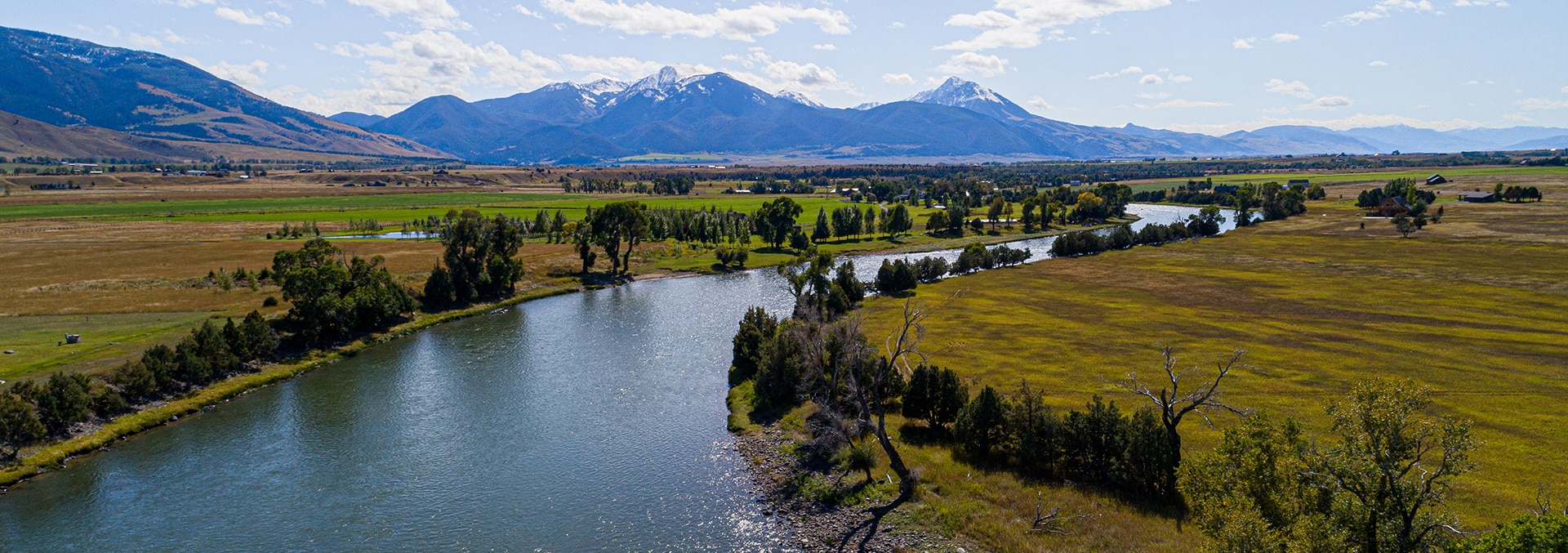
Yellowstone River House
Livingston, Montana
Located along the banks of one of Montana’s greatest fly fishing rivers, Yellowstone River House is conveniently placed midway between Yellowstone National Park and the town of Livingston. Whether you are into fishing, hunting, horseback riding or simply enjoying the outdoors, Yellowstone River House is the perfect base camp.
Lyman County Grass Pasture
Hamill, South Dakota
This South Dakota property combines agricultural productivity with excellent sporting opportunity. Rolling native grasslands support strong cattle grazing while creating natural habitat for mule deer and upland birds. The lower elevation ground provides winter forage, and nearby farmland enhances wildlife food sources. Flexible management options include leasing back, habitat improvements, or building a hunting cabin. Conveniently located near Winner and Chamberlain, with Lake Francis Recreation Area just six miles away.
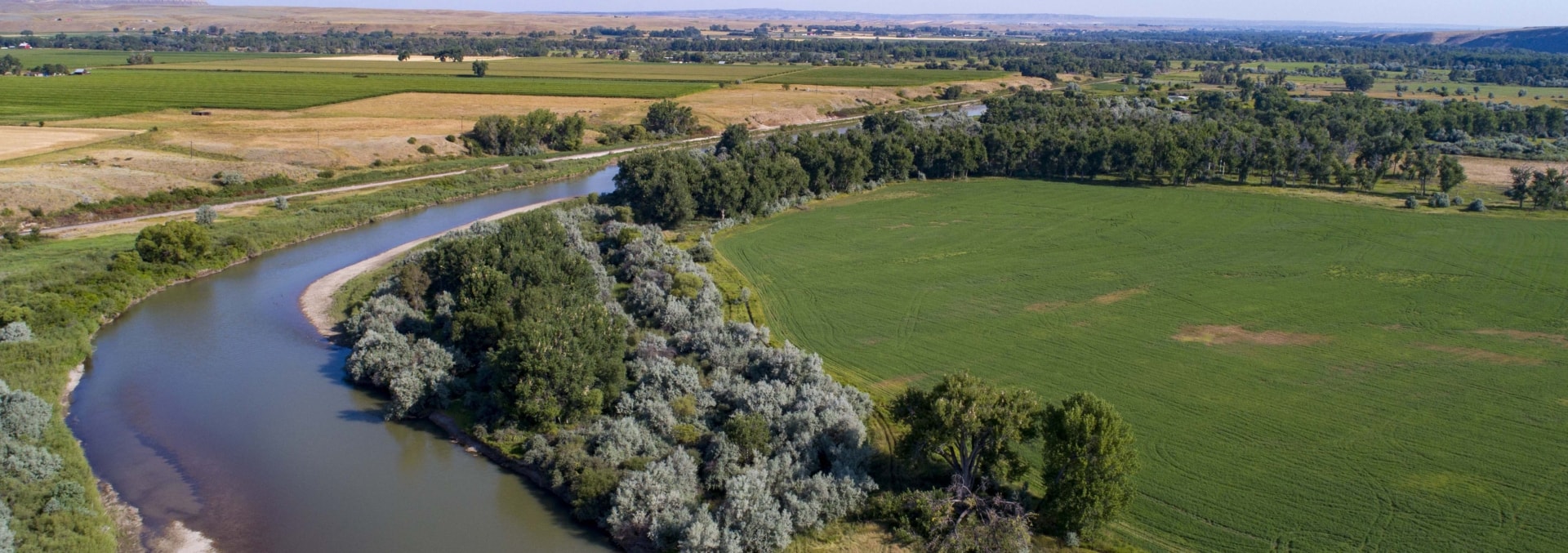
Happy Hunting Grounds
Edgar, Montana
This Montana property offers various recreational and agricultural possibilities. It is surrounded by water features, including the Clarks Fork of the Yellowstone River, a spring-fed river oxbow, and an irrigation canal. The ranch has an upper field with scenic views and hay production, while the lower field is suitable for recreation or agriculture. The property supports abundant wildlife, including mule deer, whitetail deer, turkey, pheasant, and waterfowl.
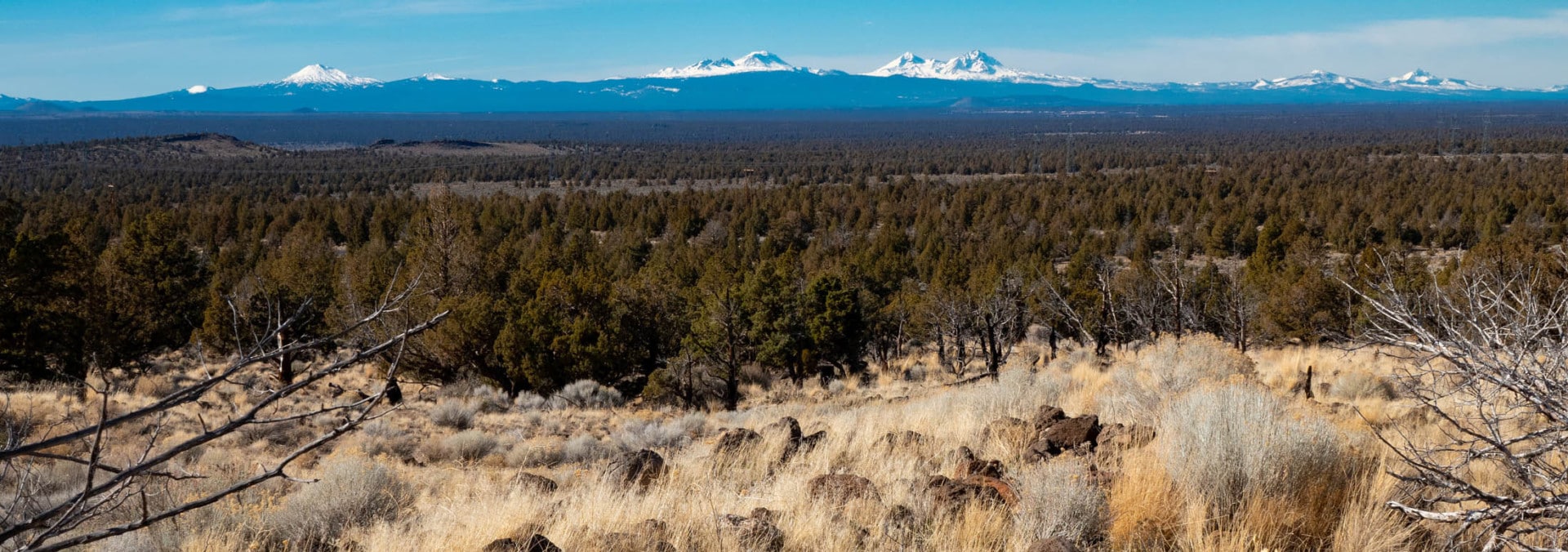
Millican Desert Ranch
Bend, Oregon
This Oregon ranch is a unique opportunity for the young (or young at heart) cattle operator to get started or for the established operator to expand with this significant grazing opportunity, conveniently located just 42± miles or 45 minutes Southeast of Bend, Oregon. This offering has headquarters with corrals and stock water well for a hard-to-come-by BLM grazing permit. A real high-desert opportunity, just minutes from all the recreational and cultural amenities Central Oregon offers!
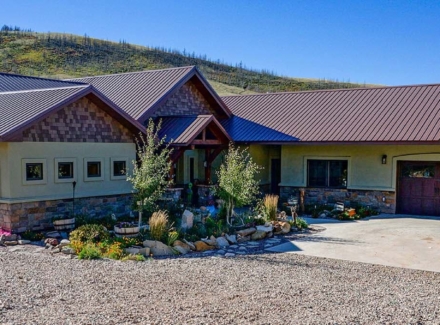
Autumn Rock
La Veta, Colorado
This Colorado retreat blends history, craftsmanship, and natural beauty. Surrounded by peaks and BLM land, it offers privacy, wildlife, and a resident elk herd. The 3,857± square foot home features four bedrooms, Tuscan-finished walls, Douglas fir trusses, and a rustic stone fireplace. Historic elements include chestnut cabinet doors marked by bullets, dance hall wainscoting, and a 135-year-old Egyptian door. Thoughtful systems ensure comfort, creating a rare sanctuary of harmony.
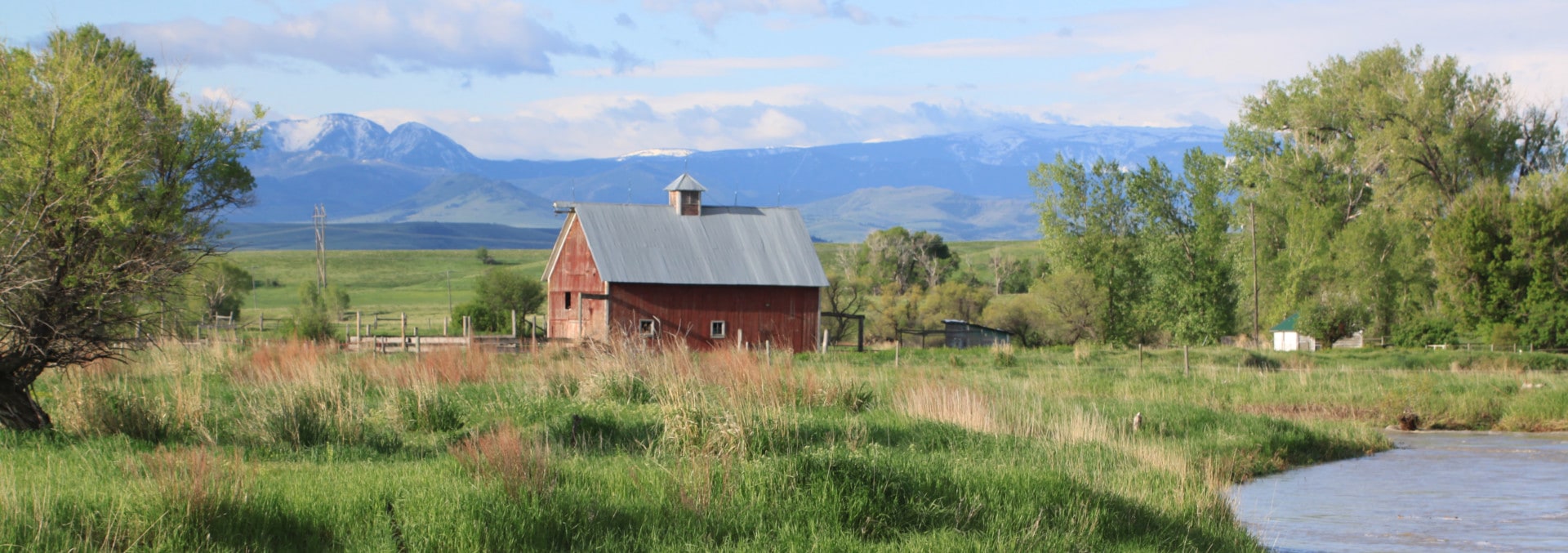
Otter Creek Ranch
Big Timber, Montana
Minutes from Big Timber and the Yellowstone River this ranch provides 2.3± miles of Otter Creek, 140± acres of irrigated ground, and multiple draws leading into rolling hills. The multiple coulées and drainages are lined with juniper, sage brush, and willow trees which serve as excellent wildlife corridors. As the ranch drops in elevation the rolling grasslands and meadows splinter into productive flood irrigated fields, then onward to the riparian zone along the creek teaming with a multitude of birds, deer, and antelope.
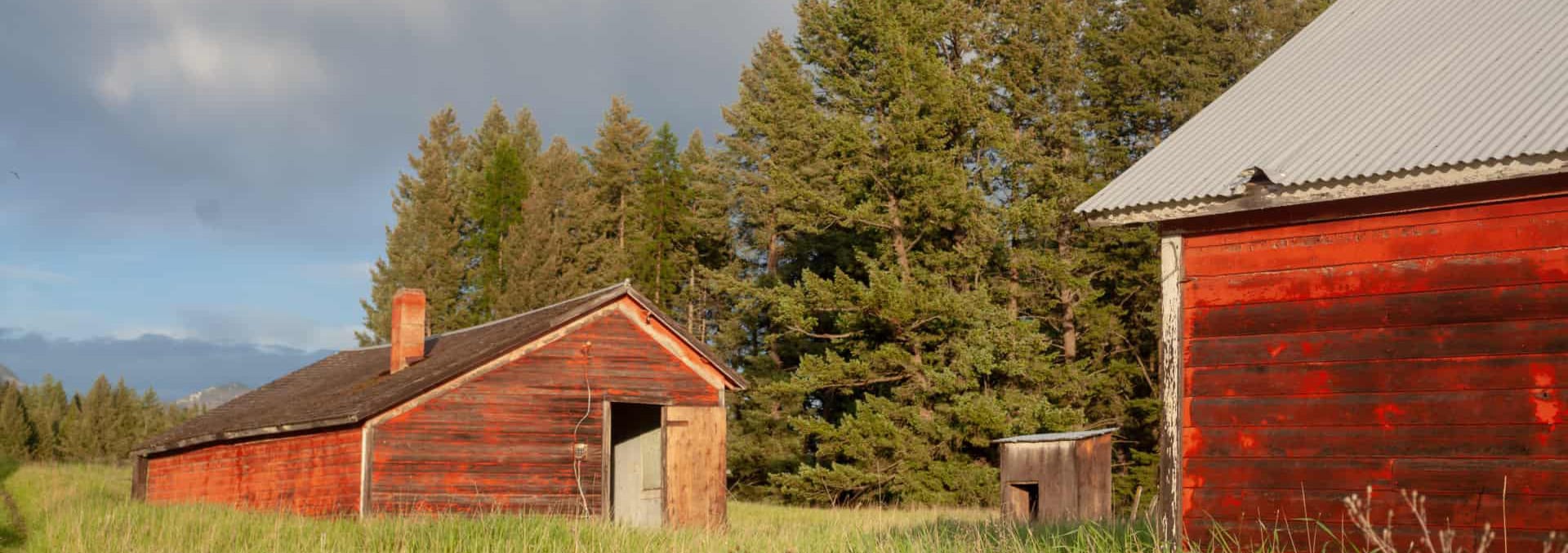
Swan Mountain Ranch
Kalispell, Montana
The Swan Mountain Ranch consists of 160± acres situated at the base of the Swan Mountain Range. Rolling grassy hills, timbered draws, small ponds, and lush wetlands provide the perfect spot to build your Montana dream. Enjoy panoramic views of the Swan Mountains and imagine the world behind the wall of snow-capped peaks.
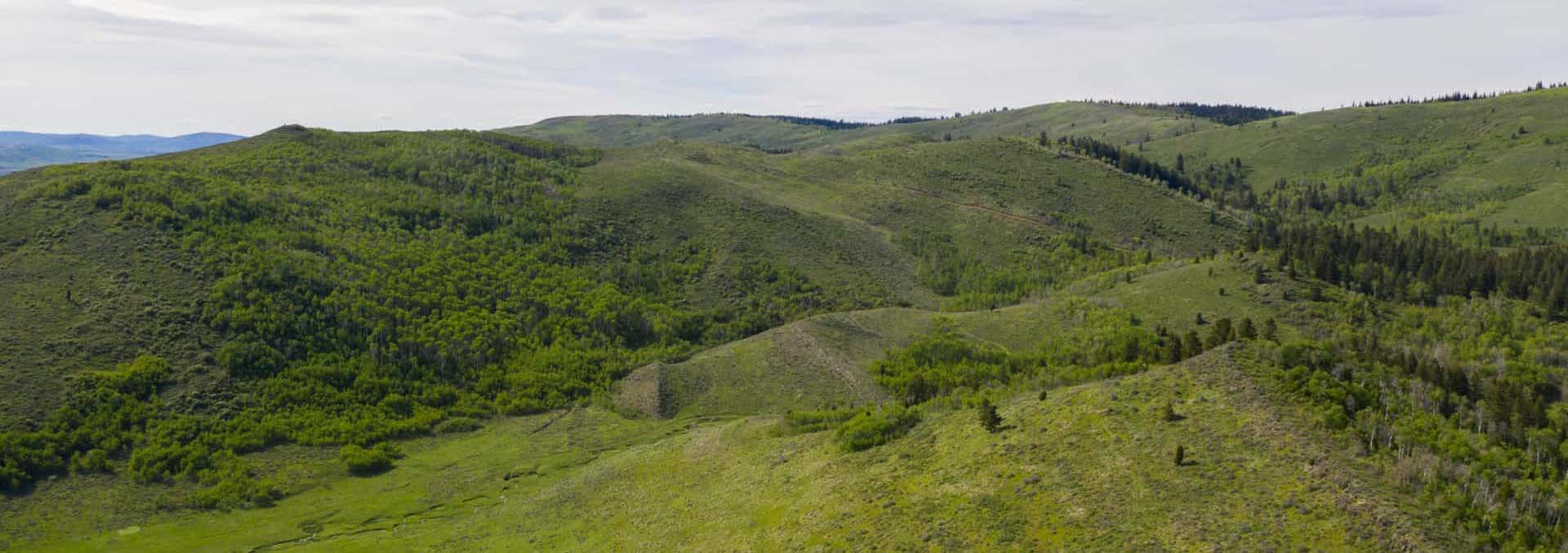
Mountain View Ranch
Bone, Idaho
Mountain View Ranch has it all with year-round creeks and springs, aspen groves and dark north facing slopes of pine trees, and several large grassy meadows welcoming big game and cattle. The seasonal pasture for cattle is a mainstay in the business operations of the ranch. Located near the Grays lake refuge gives many opportunities for viewing wildlife and waterfowl. Idaho Falls, one hour away, has a commercial airport and private facilities, and all the shopping you will need.
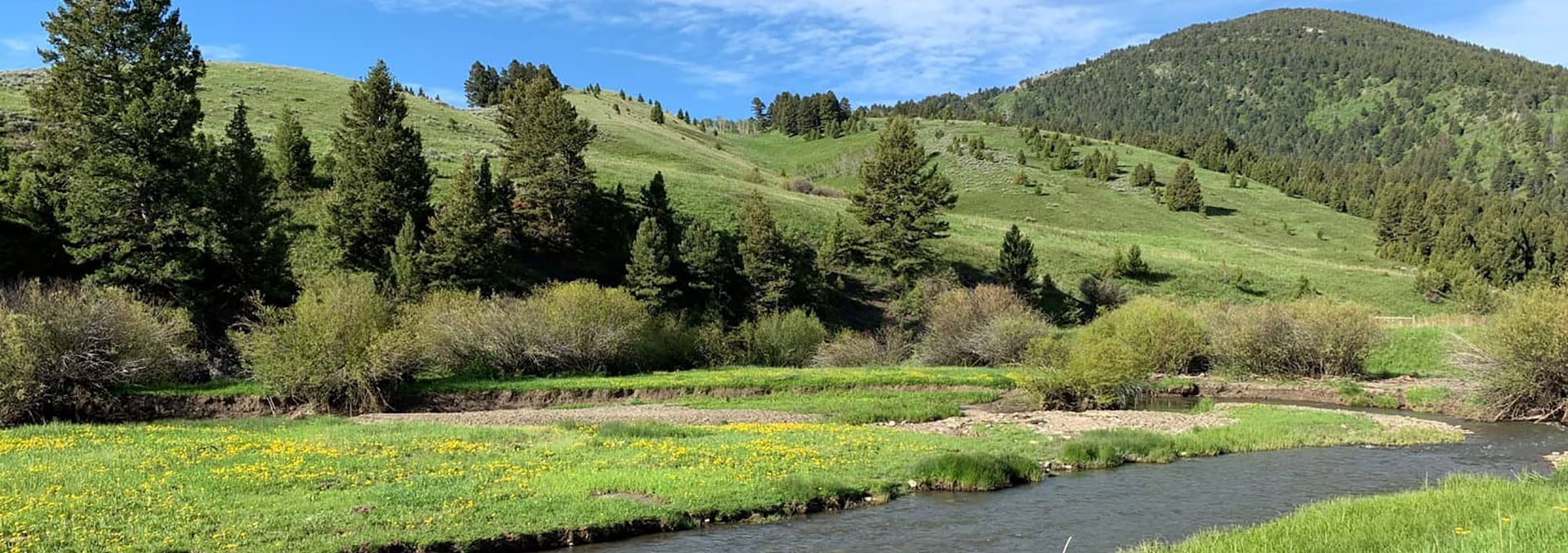
Sixteen Mile Creek Retreat
Belgrade, Montana
Rarely do ranches along Sixteen Mile Creek come to market. Sixteen Mile Retreat is a unique destination, with tremendous privacy and access to an exceptional trout stream.
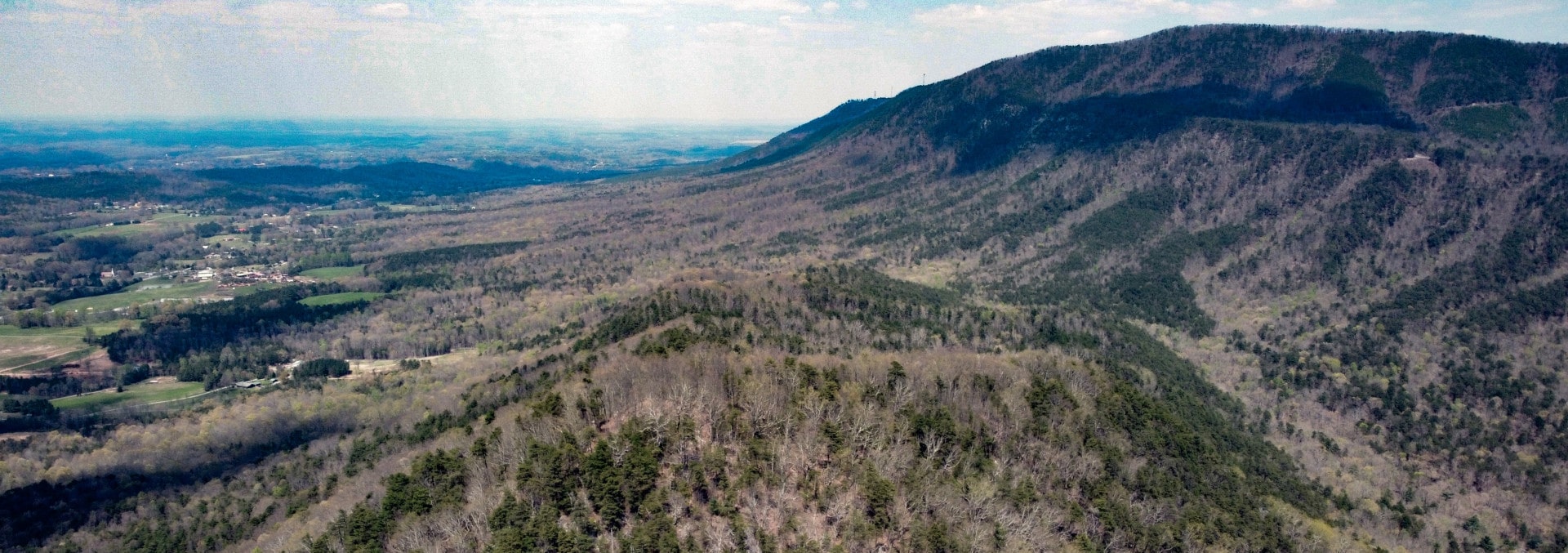
Prince Mountain
Overlooking Lake Ocoee
Benton, Tennessee
This Southeast Tennessee property offers pristine views of Lake Ocoee. Located Conveniently from Atlanta, Nashville, and Knoxville, this mountain property consists of two tracts, one commercial and one forest, allowing for endless potential for professional, commercial, and personal investment. The lake was constructed by the TVA in 1910 and is protected from development. The Ocoee River offers world-class whitewater, while the lake and lower river offer boating, tubing, fishing, and more.
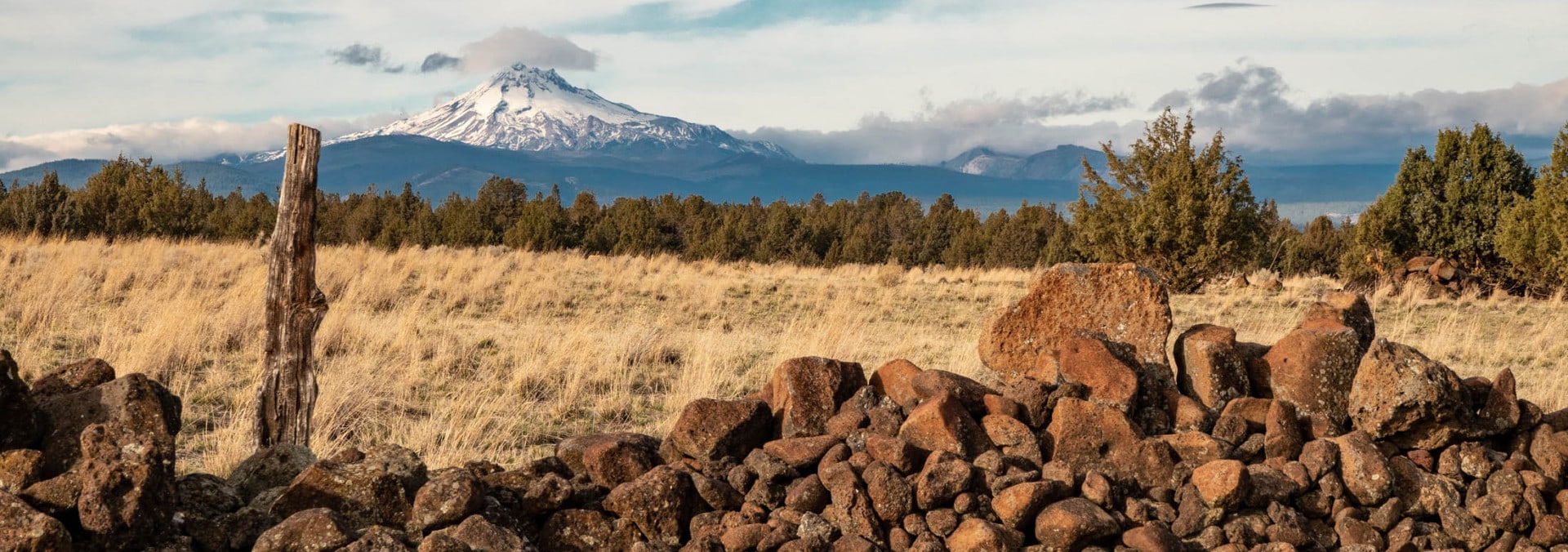
Dry Canyon Farm
Madras, Oregon
The Oregon property has endless possibilities for an investor. The area is known for great climate and soil for seed crops, forage, and grain farming, or use the property as a home base for a cattle operation. Raise your hay while cattle are turned out to summer pasture, then bring them back to this great property for the mild Jefferson County winters. The farm also qualifies for a dwelling based on a farm income test with many prime elevated home sites.
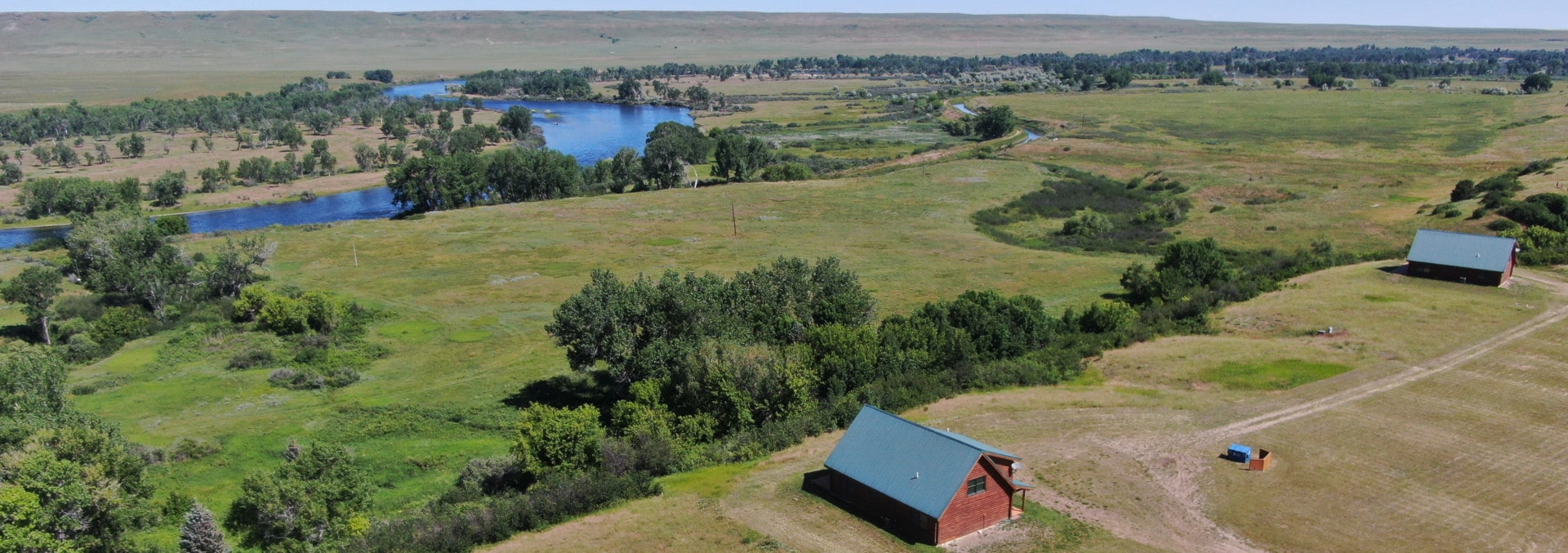
Riverbend Angler Cabins
Fort Smith, Montana
World-class trout fishing and waterfowl hunting on this Montana riverfront land offer approximately 0.25 miles of water frontage of the Bighorn River. The two identical 2,000-square-foot luxury cabins on the ridge overlooking the river are located 1.5 miles outside Fort Smith, Montana. At the foot of Yellowtail Dam and the surrounding Bighorn Canyon National Recreation Area, it has ample opportunities for water sports on the lake and camping in the seclusion of the wild Montana wilderness.
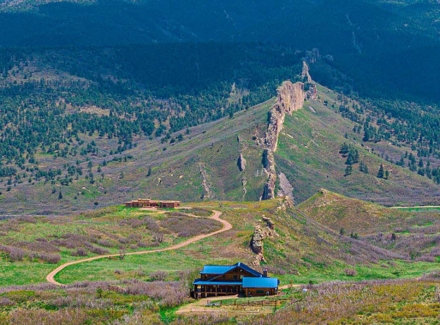
The Mountain View
La Veta, Colorado
The Mountain View is an exquisite 4,780 sq. ft. log home on 35± acres in La Veta, CO. Nestled within Raspberry Mountain Ranch and offering breathtaking views of the Spanish Peaks, this home is recognized for its superb craftsmanship. Positioned along the scenic Highway 12, it features four bedrooms, expandable to six, three bathrooms, and a variety of amenities, including a gas fireplace and a wood-burning kiva-style fireplace. Dramatic views are offered from almost every room in the house.
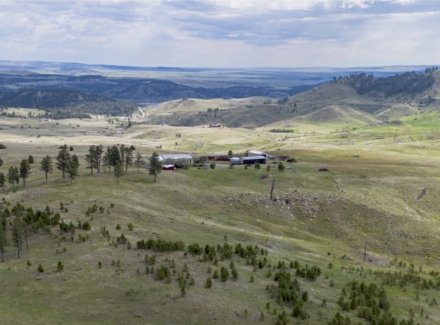
Noon Bear Ranch
Reed Point, Montana
Noon Bear Ranch, between the Yellowstone and Stillwater River Valleys, offers views of the Crazy Mountains. The turnkey property includes a house, barn, utility buildings, & all necessary equipment. Features include year-round and seasonal springs, a solar livestock waterer, and diverse wildlife. Conveniently located near Big Timber, Columbus, Absarokee, and Reed Point, it’s ideal for privacy, scenery, and proximity to fishing on nearby rivers. It is less than an hour from Billings and Bozeman.
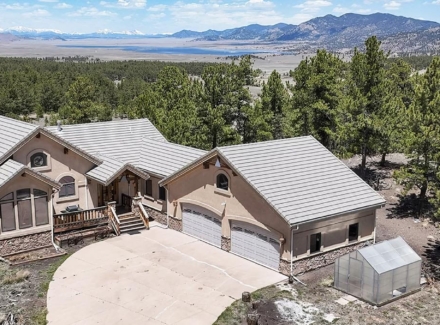
Elk Horn Ranch
Guffey, Colorado
A private mountain retreat in Park County, Colorado, this property blends luxury, seclusion, and alpine beauty near Guffey and premier fishing spots. A 4,348± square-foot custom home features vaulted ceilings, granite finishes, and German-engineered steel shutters. Amenities include a theater room, wet bar, fishing pond, and water rights. Bordering over 45,000 acres of national forest, it offers hunting, riding, and outdoor access, plus wells and fencing for recreational or ranch use.
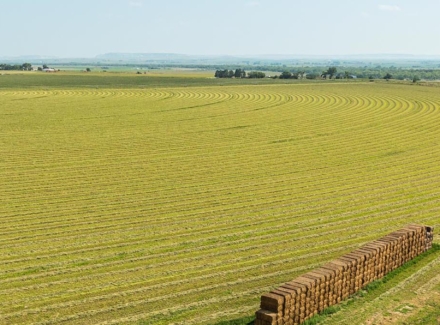
Silver Plains Irrigated Farm
Henry, Nebraska
This Nebraska farm combines dependable water, fertile soils, and modern infrastructure for strong agricultural production and long-term value. With year-round access and 273± acres of irrigation rights, it is equipped with two Lockwood pivots and recent upgrades ensuring reliable efficiency. Currently planted to alfalfa, it has a proven record of high yields. Beyond farming potential, rolling terrain offers scenic views and prime sites for a home, ranch headquarters, or expansion facilities.
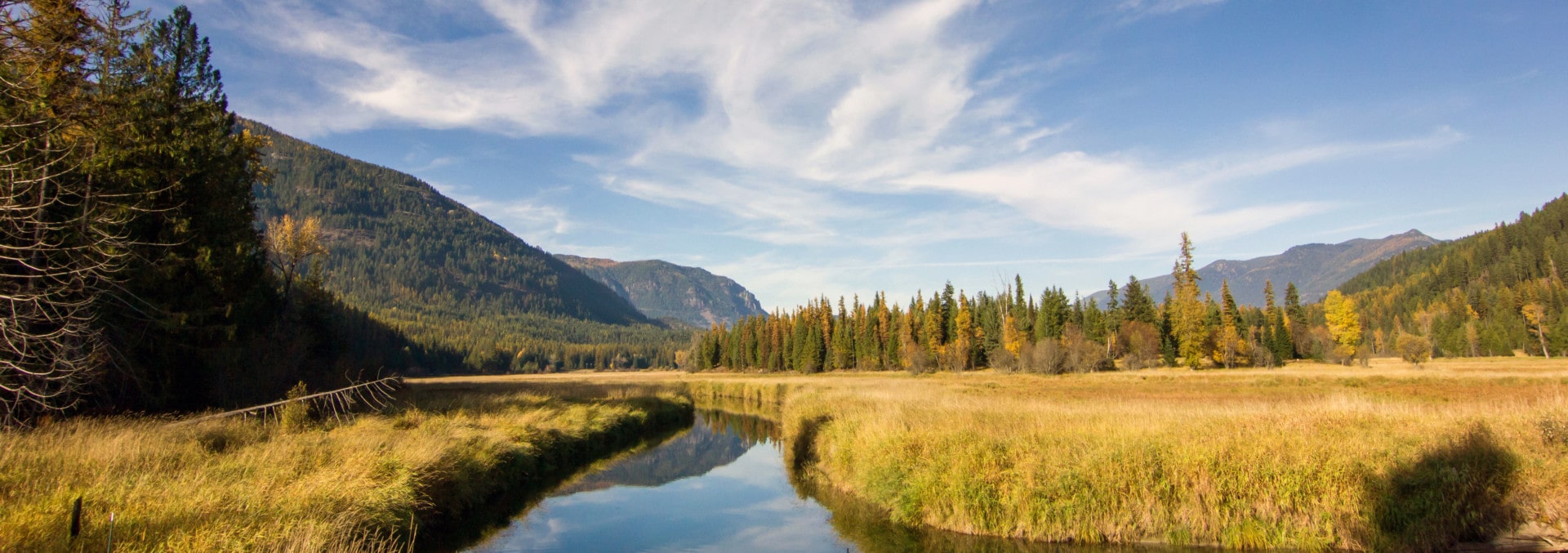
Bull River Chalet
Noxon, Montana
This northwestern Montana property for sale is an amazing recreational ranch situated along the river and at the base of the Cabinet mountains. Enjoy hunting, fishing, hiking, boating, and so many other recreational activities. The property embodies the essence of the Montana landscape and all it has to offer.
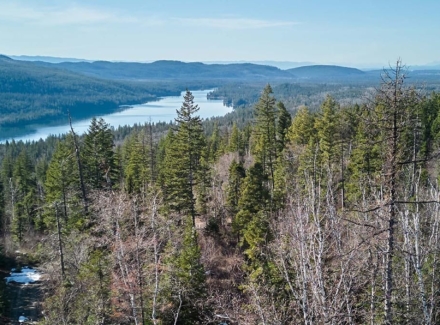
Swan Lake Overlook
Bigfork, Montana
Located above Swan Lake in northwestern Montana, this serene 160± acre property provides a tranquil retreat surrounded by Swan Valley’s natural splendor. It offers vast lake and mountain views, ideal for a seasonal or permanent residence. It’s minutes from Bigfork, Kalispell, and Whitefish, yet secluded. Sixmile Creek flows through, enriching the diverse wildlife habitat. Easily accessible via a private road, it connects to expansive USFS lands, perfect for a dream home or a peaceful getaway.
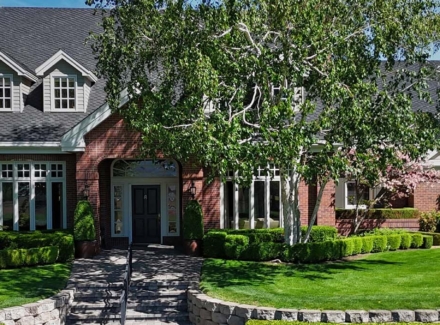
Yakima Valley Luxury Home
Yakima, Washington
Experience elegance and comfort in the Yakima Valley Luxury Home, a true paradise with rolling hills and farmland. The grand entrance and circular brick arrival set a sophisticated tone, while the custom-built home features an open floor plan, lofty ceilings, and panoramic windows to bring Washington outdoors in. Enjoy cozy evenings by the fireplace or on the covered patio with stunning mountain views. Embrace a lifestyle of tranquility. Welcome to a blend of nature’s beauty and home comforts.
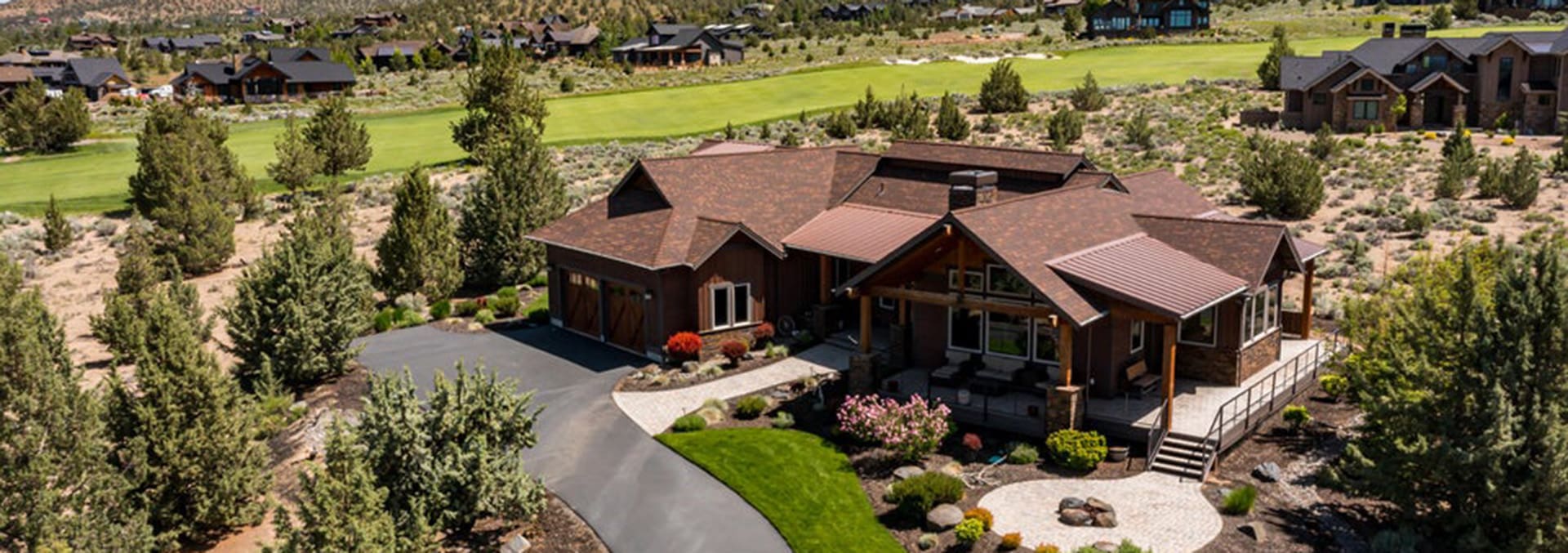
Retreat at Brasada Ranch
Powell Butte, Oregon
This Oregon home features an open floor plan, exposed beams, hardwood floors, vaulted ceilings, high-end details, and Cascade Mountain views. With beautiful landscaping, a spa hot tub, a gas fire pit, and a large deck, the exterior is just as welcoming as the interior. This luxury home includes all the right characteristics of a high-end home, including membership to all the amenities Brasada has to offer. Come enjoy your best life here at the Retreat at Brasada Ranch!
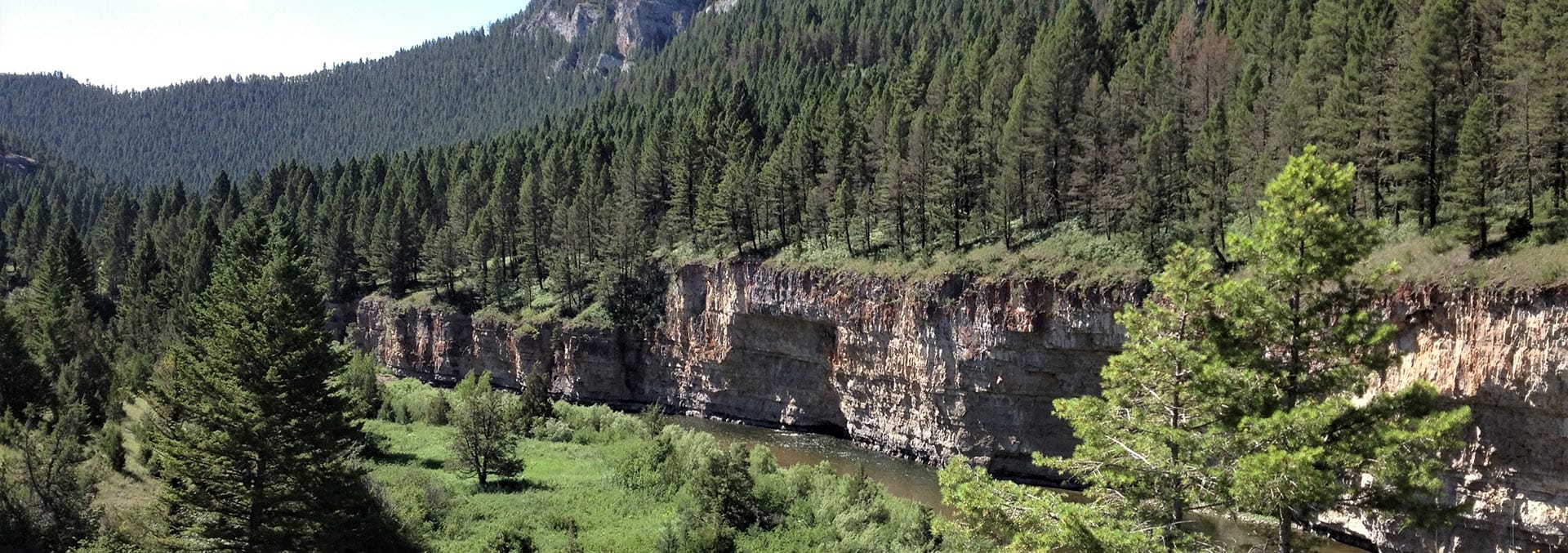
Smith River Bend
White Sulphur Springs, Montana
This is a spectacular property tucked into the Smith River Valley along one of the most scenic stretches of the Smith River in Montana. The 21± acres sits on a bluff overlooking the water with tremendous views and two river access sites if you walk just a few minutes up and downstream. Smith River Bend is a rare opportunity to own a piece of one of the most famed rivers in the west.
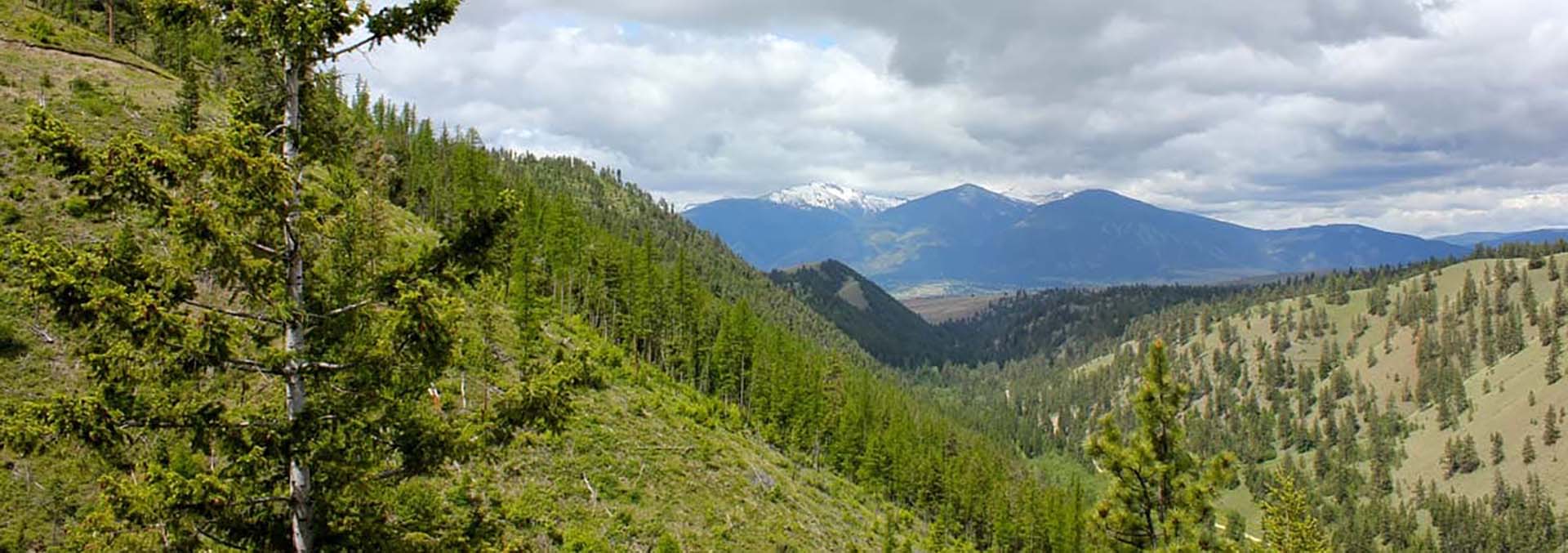
Eightmile Overlook
Stevensville, Montana
Located in the foothills of the Sapphire Mountains along the east side of Montana’s Bitterroot Valley this land is an ideal tract for a recreational retreat. Highlights include live water, dramatic views of the stunning Bitterroot Range and close proximity to USFS and Montana State lands.
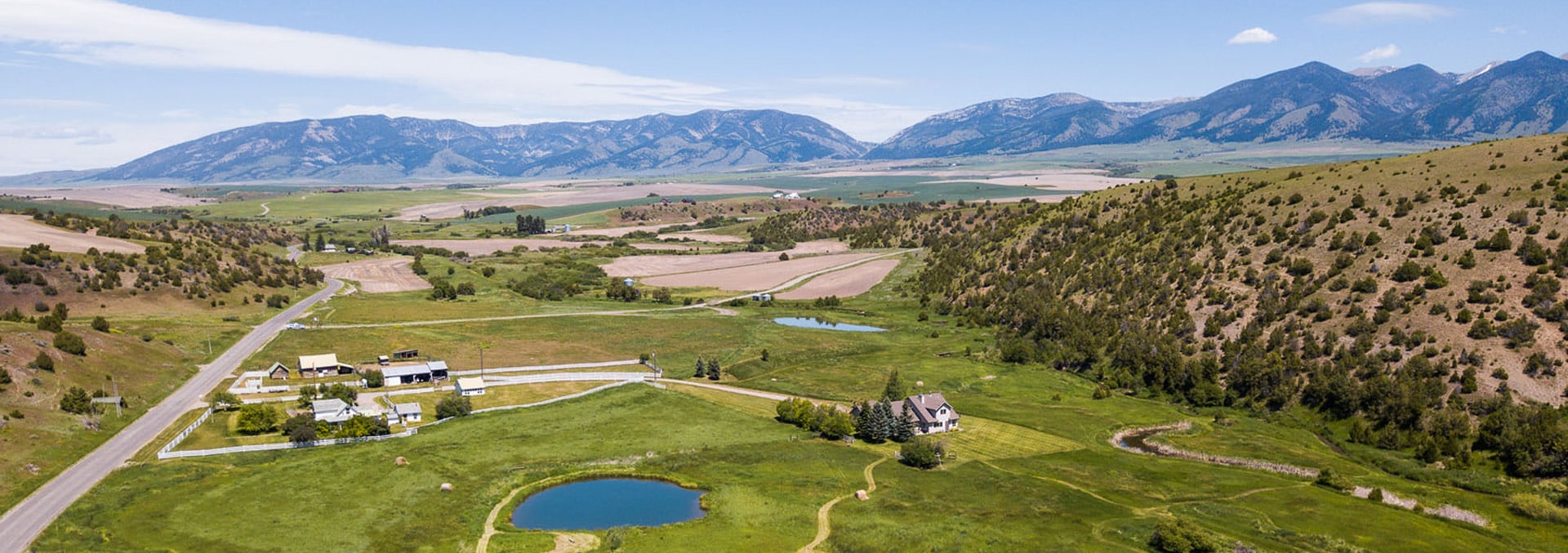
Dry Creek Retreat
Belgrade, Montana
This property features 2 private ponds, over .4 miles of Dry Creek traversing through and access to an additional .1± miles of Dry Creek, providing an exclusive opportunity on the northern edge of the Gallatin Valley. The location couldn’t be more ideal, close to Bozeman and the airport and within striking distance of two ski areas and multiple Blue Ribbon Trout Rivers and Streams.

East Gallatin Getaway
Belgrade, Montana
Situated along the banks of the gorgeous East Gallatin River, less than 7 miles outside of Bozeman, this property combines beautiful views of five surrounding mountain ranges, world class trout fishing, and a 4,800± square foot, spacious 4-bedroom home.
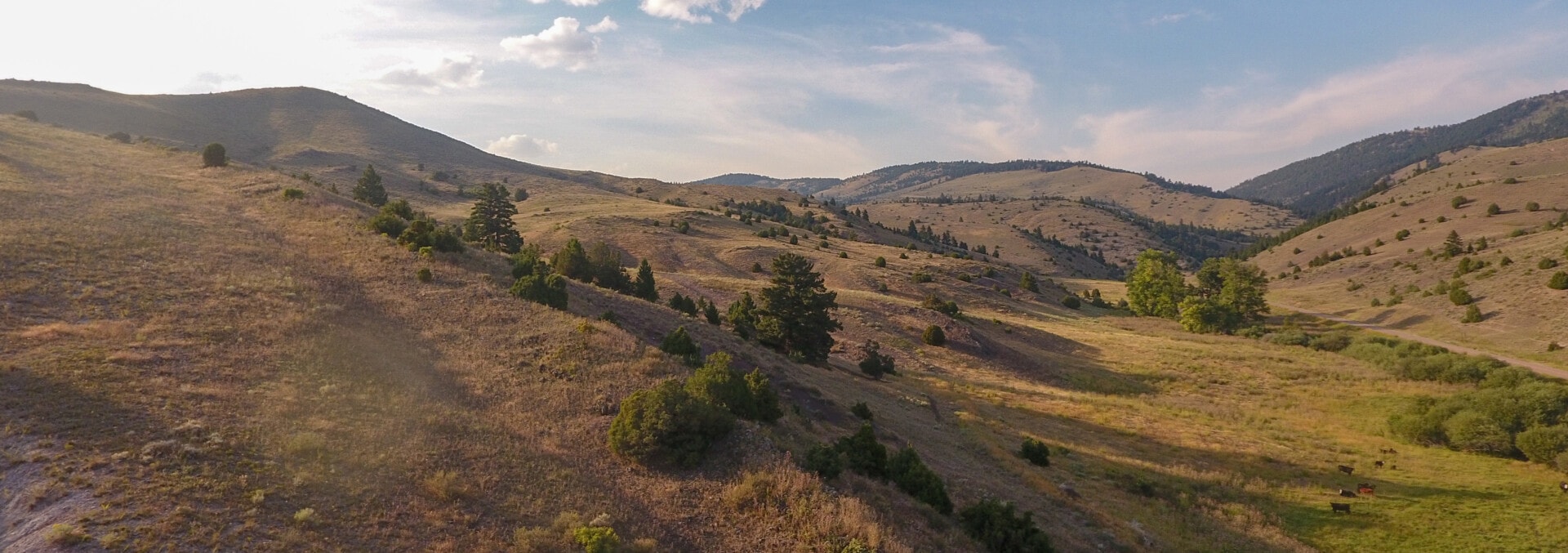
Wild Country Ranch
Drummond, Montana
The grassy hillsides and ridges, timbered draws with intermittent riparian habitat define the ranch and create the wild country that the ranch is known for. The varied elevation of this provides complete ecosystems for elk, whitetail, trophy mule deer, moose and antelope. This offering is a prime example of a classic mountain ranch.
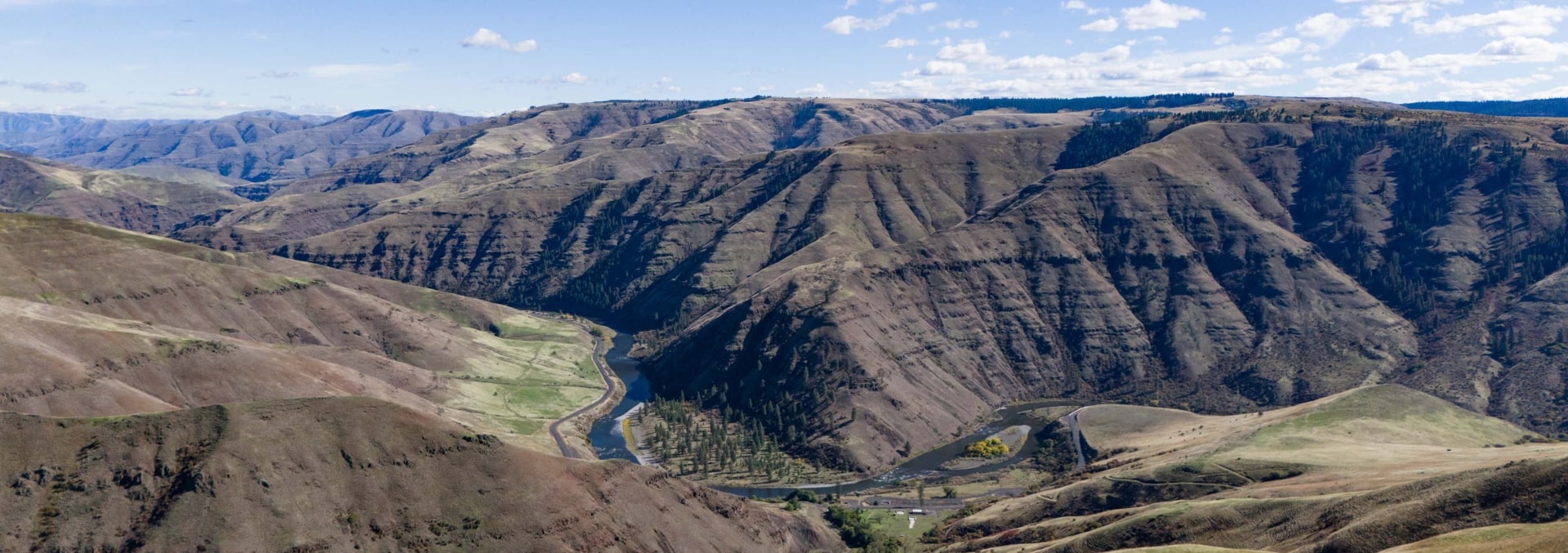
Hansen Ridge Ranch
Anatone, Washington
This Washington ranch offers a blend of opportunities for those seeking a quintessential Western lifestyle. It presents a turnkey cattle ranching operation steeped in a rich history. Rolling pastures, natural springs, and year-round creeks provide the ideal setting for livestock grazing. At the same time, it offers a chance to embrace the heritage of the land. The Chief Joseph Wildlife Area borders the ranch making it a hunter’s paradise.

El Barranco East
Tierra Amarilla, New Mexico
Land for sale in New Mexico near the Brazos and Chama Rivers, located between Tierra Amarilla and Chama with more than a mile of highway frontage and dependable year-round access. Improvements include a newer metal barn with electric and water, along with a water right and stock pond serving livestock and wildlife. Elk and mule deer are common. The property offers flexibility for a private estate, hunting, development, or conservation, with convenient access to Pagosa Springs and Santa Fe.
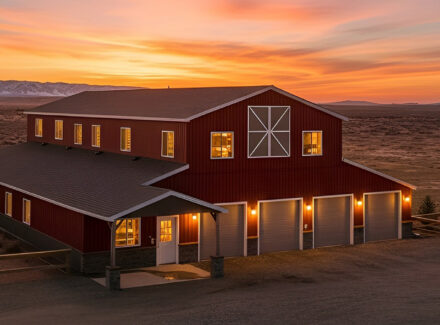
Broken Trail Homestead
Casper, Wyoming
Just outside Casper, this Wyoming property combines privacy, open space, and easy year-round access with a spacious residence built for practical daily living. Expansive gathering areas, flexible rooms for work or extended stays, and large windows that capture natural light and surrounding views create comfort at scale. The land offers room for equipment, outdoor improvements, and uninterrupted use, making it well-suited for a primary residence or multi-generational living.
Crow Creek
Camp Ranch
Soda Springs, Idaho
Set in Idaho’s Star Valley with year-round access, this property offers convenience near Afton and Jackson Hole while maintaining privacy and seclusion. The land features creeks, meadows, aspen, and spruce with excellent building sites and sweeping mountain views. Resident elk and deer thrive in coveted Game Unit 76, enhancing premier hunting. Outdoor recreation includes fishing, riding, skiing, snowmobiling, and more, making it ideal for a retreat, hunting base, or residence.
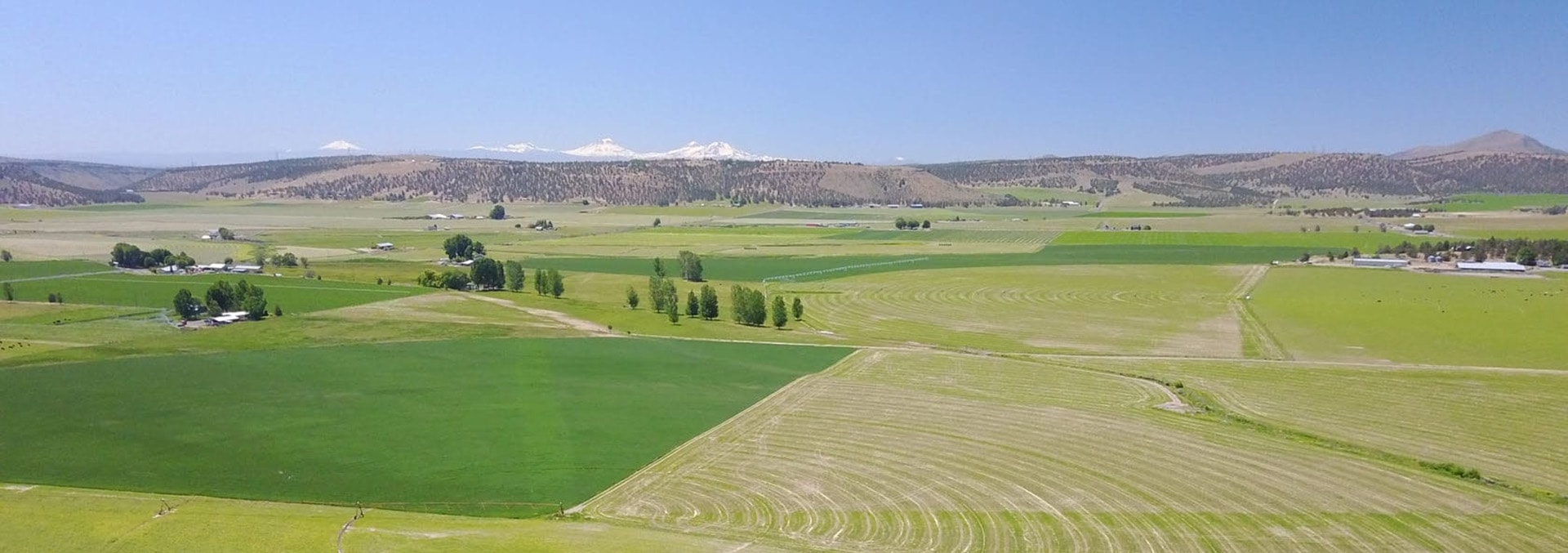
Maury Elk Meadow Ranch
Post, Oregon
A true mountain paradise! With a 3,451± square foot timber frame custom home, large shop with amazing apartment above and 1,288± square foot carport make for a country lovers dream. This luxurious ranch boarders Ochoco National Forest acres and includes 2 L.O.P tags (buyer to confirm with ODFW) and 2 private lakes. This ranch has it all… the total package!
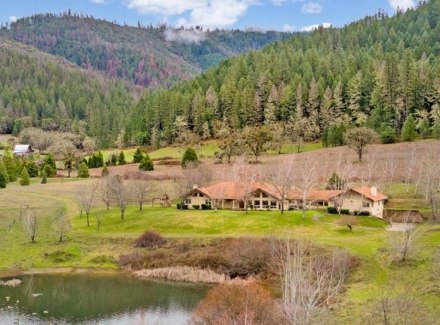
Eagle’s Nest Ranch
Applegate, Oregon
Discover your Southern Oregon haven at Eagle’s Nest Ranch in the serene Applegate Valley. With a peaceful country ambiance, yet close to amenities and air travel, this ranch features a spacious single-level home, ideal for family and potential multi-generational living. Includes a second home, barn, sheds, workshop, and more. Located in the Applegate AVA, it offers the chance to establish a vineyard, winery, or enjoy as is. A property of beauty and potential not to be missed.
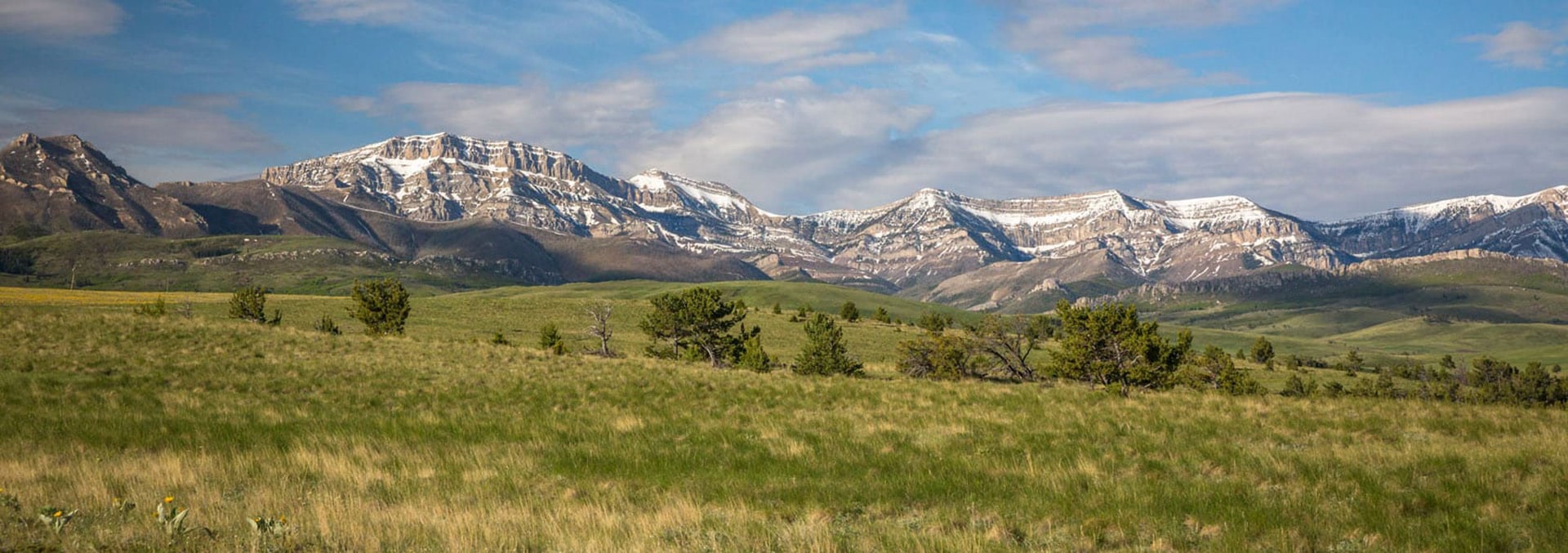
Elk Creek Ranch
Augusta, Montana
This property offers the untouched and pristine setting of Elk Creek, wildflowers, prairie and towering mountain faces offering the broadest range of outdoor recreation. The ranch’s contemporary legacy is one of a still wild place, featuring an extraordinary array of wildlife and the vast areas of conserved land that makes up the Rocky Mountain Front.
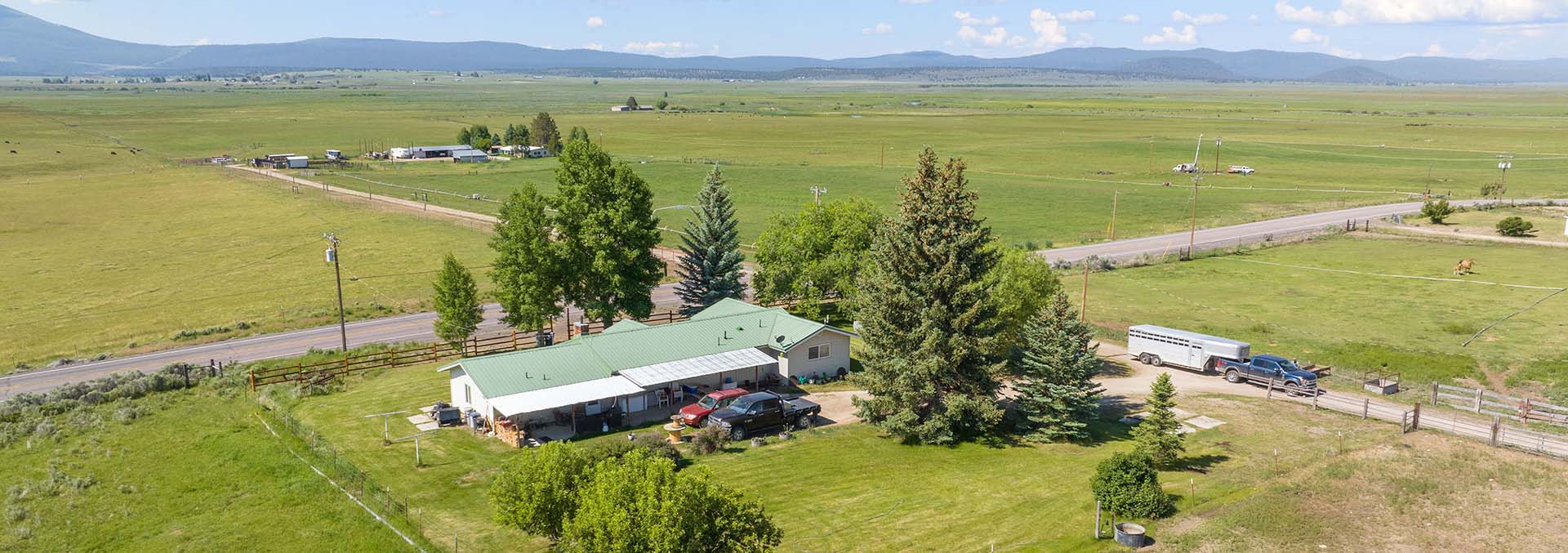
Meadows on the Sycan
Beatty, Oregon
Nestled in the rural community of Beatty, Oregon, Meadows on the Sycan offers an ideal setting for raising a family and cultivating top-quality livestock. With 286± acres of groundwater rights, there is ample grazing space. Fenced and cross-fenced, it optimizes efficiency and maximizes production. With improvements already in place, transitioning to ownership of this ranch is seamless. The property boasts two comfortable homes, a shop, a hay barn, and well-designed cattle-working facilities.

Anglers Hideaway
McLeod, Montana
Nestled in the Montana wilderness, this charming retreat offers a main cabin and guest cabin with mountain views, private access to the Boulder River, and endless outdoor recreation. Enjoy fly fishing, hiking, hunting, and snowmobiling just steps away. The main cabin features four bedrooms, a remodeled kitchen, and a screened porch, while the guest cabin includes one bedroom, one bathroom, a full kitchen, a fireplace, and a Trex deck—perfect for relaxing after a day in nature.
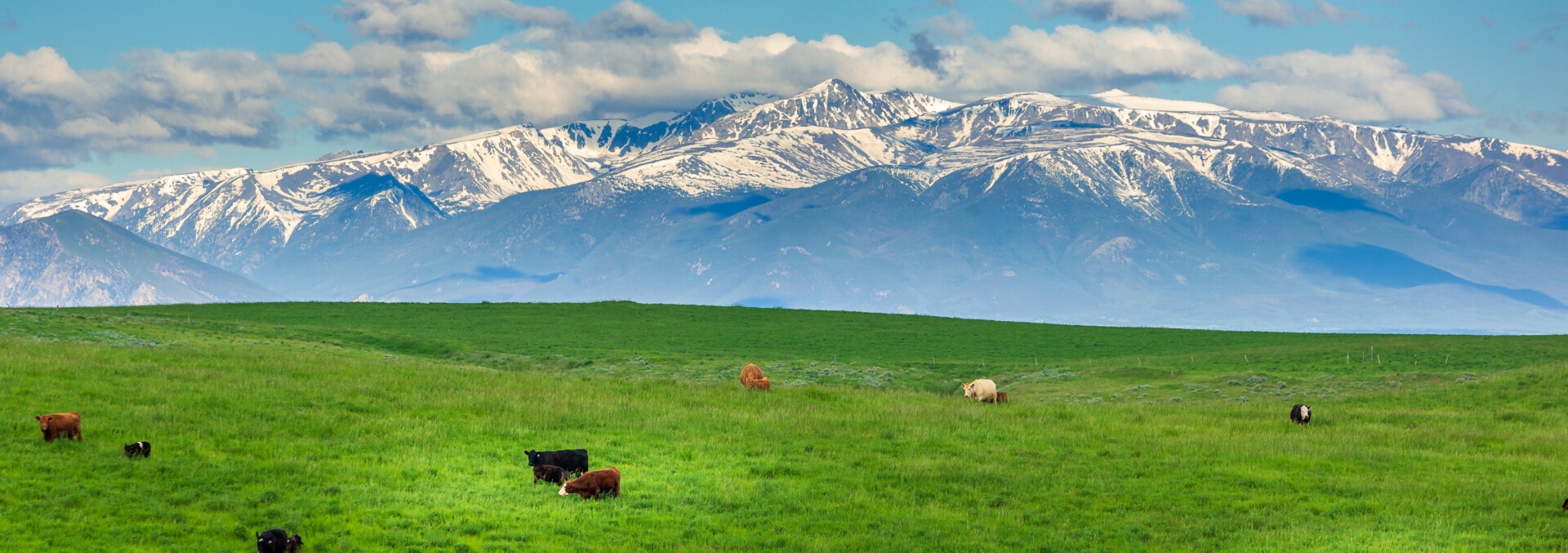
Rockin 99 Ranch
Red Lodge, Montana
This ranch consists of well-managed pasture, water sources, and highly productive hay ground. With the grandeur of the Beartooth Mountains in the background, the sustainable ranch is divided into 8 fenced pastures with excellent water and grass throughout. In addition to outstanding pasture and water, the ranch also has 542± acres of excellent dryland hay ground and will comfortably run 150 cow/calf pairs.
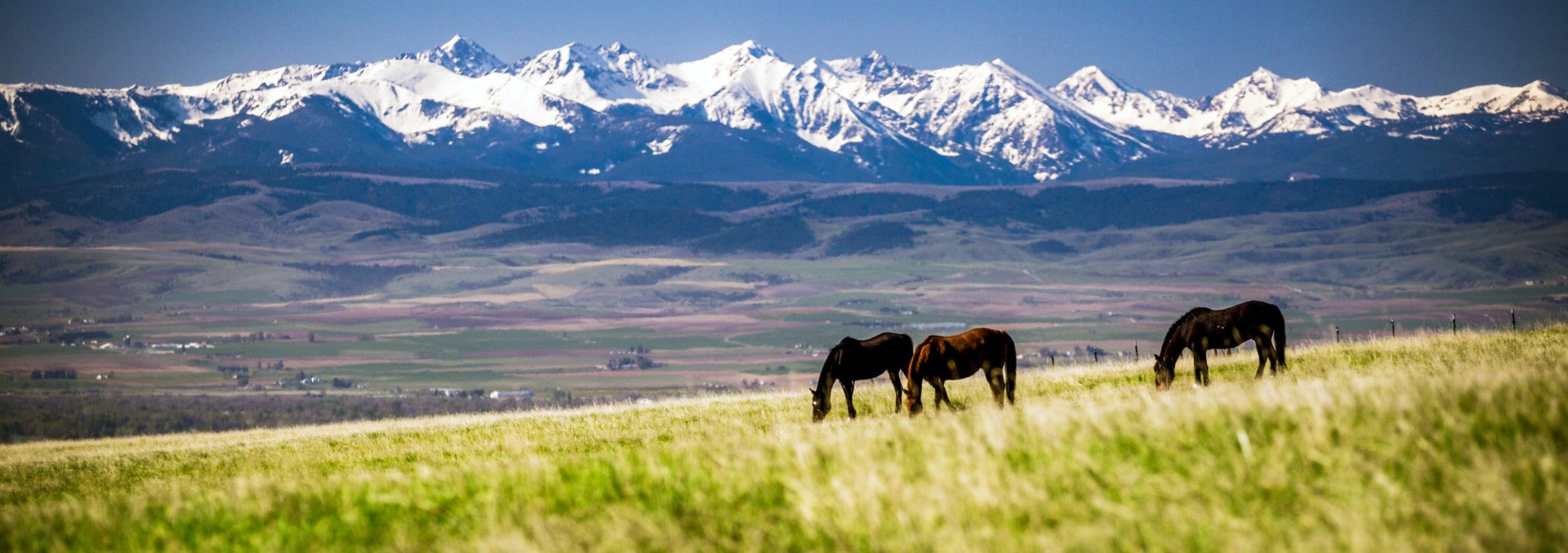
Bridger Plateau Ranch
Belgrade, Montana
Tucked away in the northern Gallatin Valley within close proximity to Bozeman, Montana, this property offers extremely productive dry land grazing, with multiple pastures and many water tanks. The rolling pastures and deep juniper canyons also hold an abundance of mule deer, antelope, sharptailed grouse, Hungarian partridge and a seasonal elk herd.
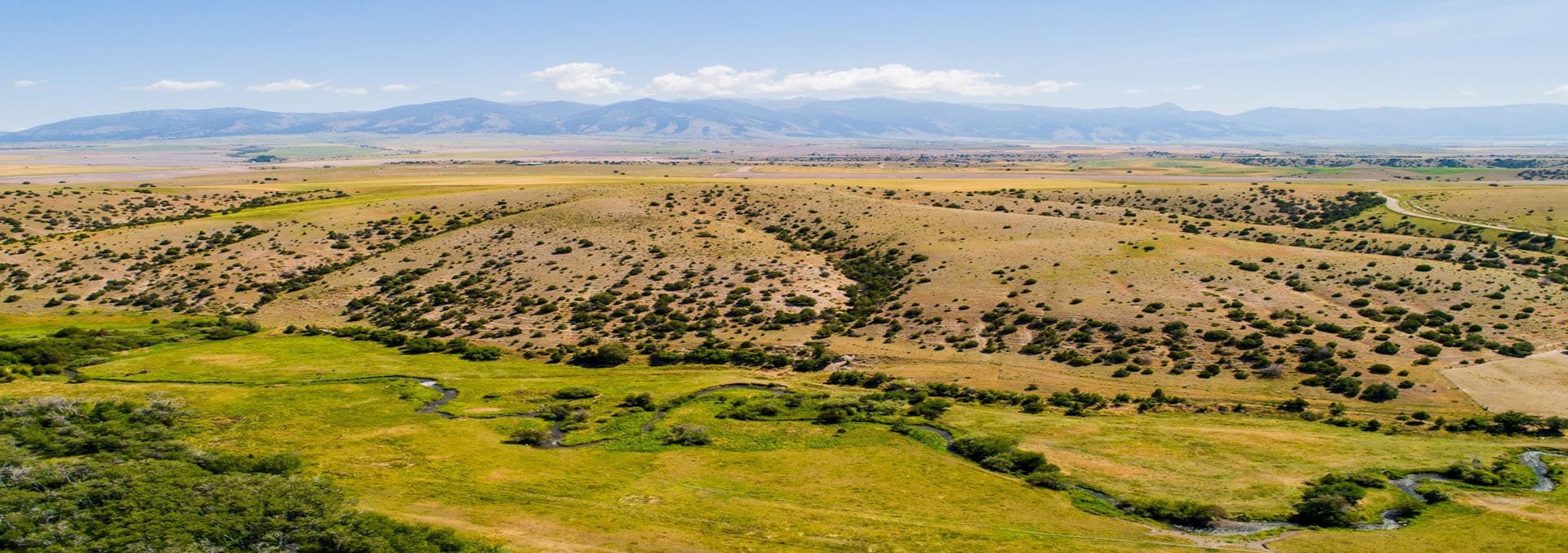
The Ranch at Dry Creek
Belgrade, Montana
Tucked away in the northern Gallatin Valley and close to Bozeman, Montana, this property provides a very peaceful setting with multiple homesites to choose from and 360-degree views in all directions. Boasting .4± miles of both sides of Dry Creek on the property, as well as productive rangeland and tremendous hunting for mule deer, antelope, and elk as well as upland birds, this is a rare find.
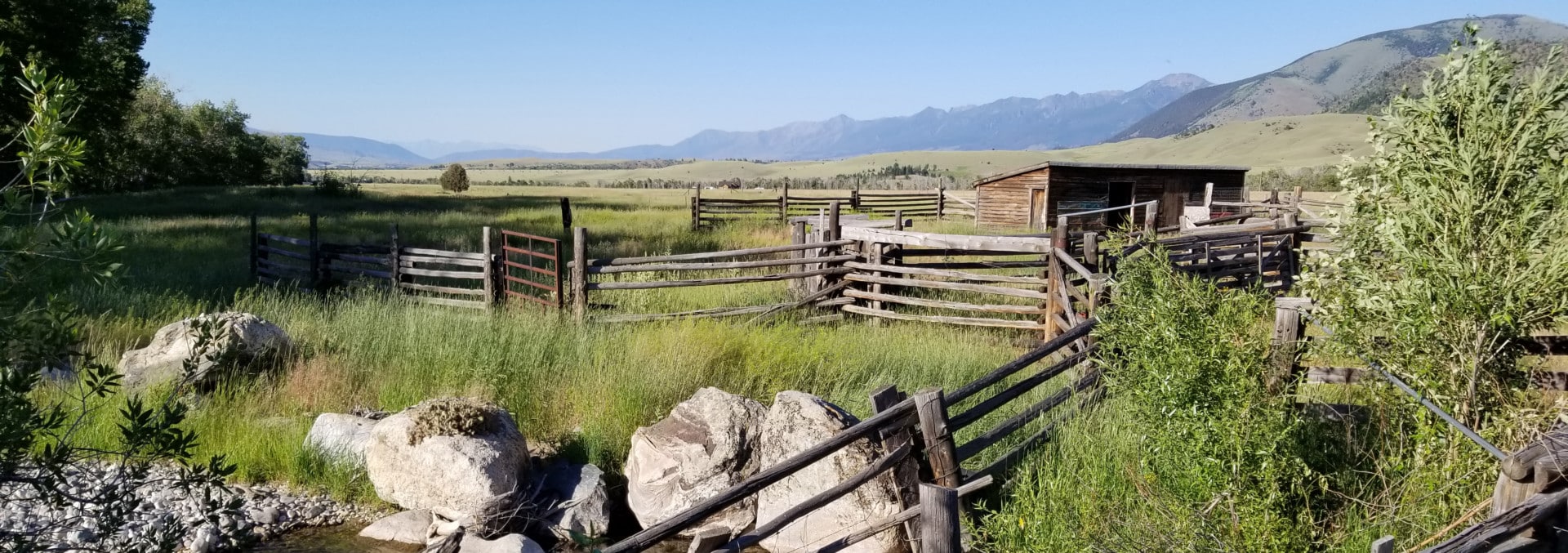
Six Mile Creek Ranch
Pray, Montana
The property consists of 175± deeded acres, including 36± acres of hayfield, approximately .3 miles of Six Mile Creek lined with mature cottonwood trees, and fantastic mountain views. The property’s varied topography and location provides the largest of ‘big sky’ views with the Gallatin Mountains to the West, the Absaroka Beartooth’s to the East looking directly up at Emigrant Peak, and glimpses of the Crazy Mountain range to the North.
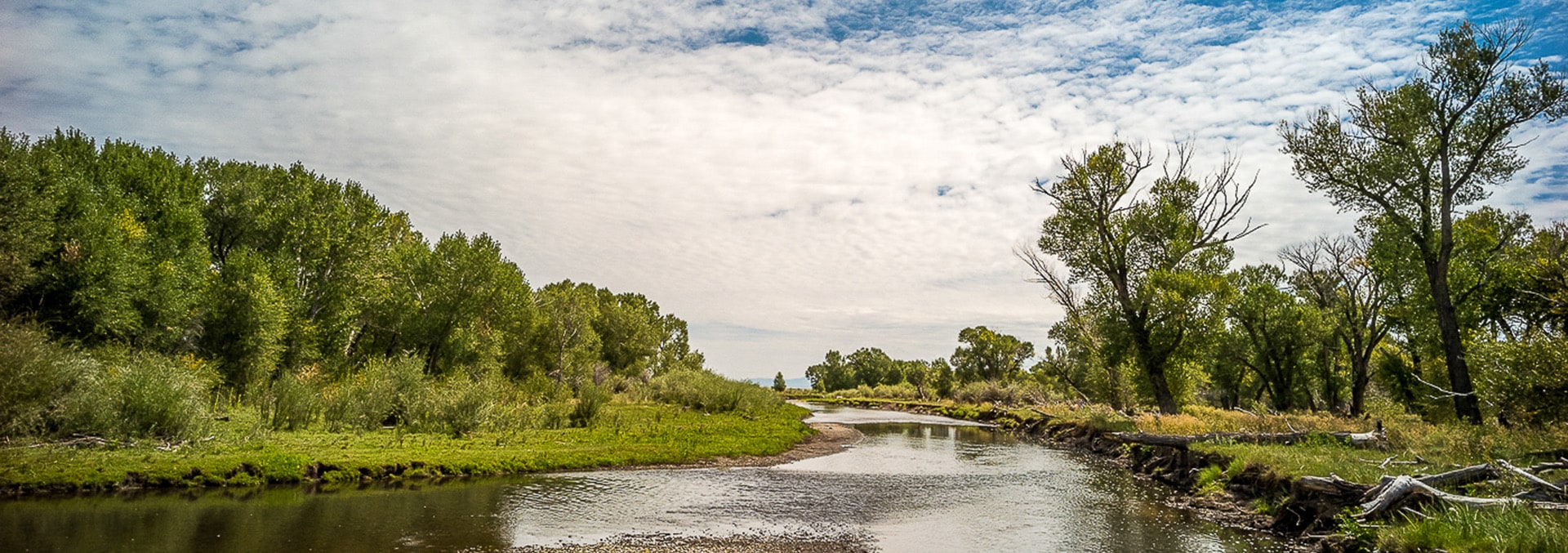
Two Rivers Ranch
Sanford, Colorado
This Colorado recreational property offers excellent hunting and includes irrigated farm and grazing lands. It included frontage on the Rio Grande and Conejos Rivers with amazing wildlife, hunting, and fishing. Surrounded by vast amounts of Public Land and Conserved Lands, elk, deer, ducks, geese, trout, and northern pike, bald eagles, and sandhill crane abound. It offers gorgeous mountain views and water rights owned by Western Rivers Conservancy with a Conservation Easement in place.
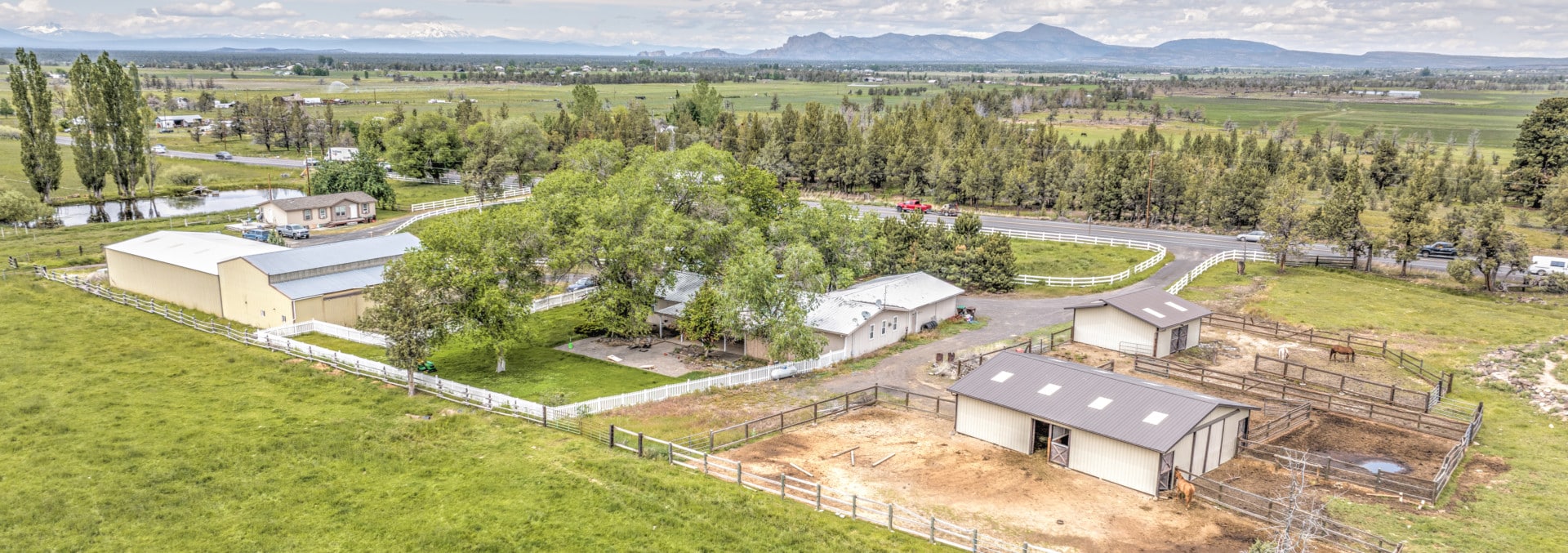
Cow Bell Ranch
Powell Butte, Oregon
This small but efficient Oregon hay and cattle ranch includes 66.98± acres of irrigation through the COID, primarily delivered via 3 wheel lines with a new 30-horsepower pump from the three irrigation/stock water ponds, with buried mainlines. It has great improvements, including 2 homes, 2 horse barns, a shop, a hay shed, and hay storage. This ranch is just minutes from Bend, Redmond, and Prineville, with a very convenient Central Oregon location.

Bar Shoe Ranch
Bend, Oregon
Just minutes east of Bend, Oregon, this ranch includes a lovely 3-bed, 2.5-bath, beautifully constructed log home, indoor riding arena, large shop, two hay sheds, and more! Enjoy country living without sacrificing being close to city amenities. The horse enthusiast will enjoy riding 365 days a year in Central Oregon. There are also thousands of acres of BLM with nearby riding trails and Cascade Mountain views. It’s the perfect setting for any horse lover, novice farmer, or small cattle operator.
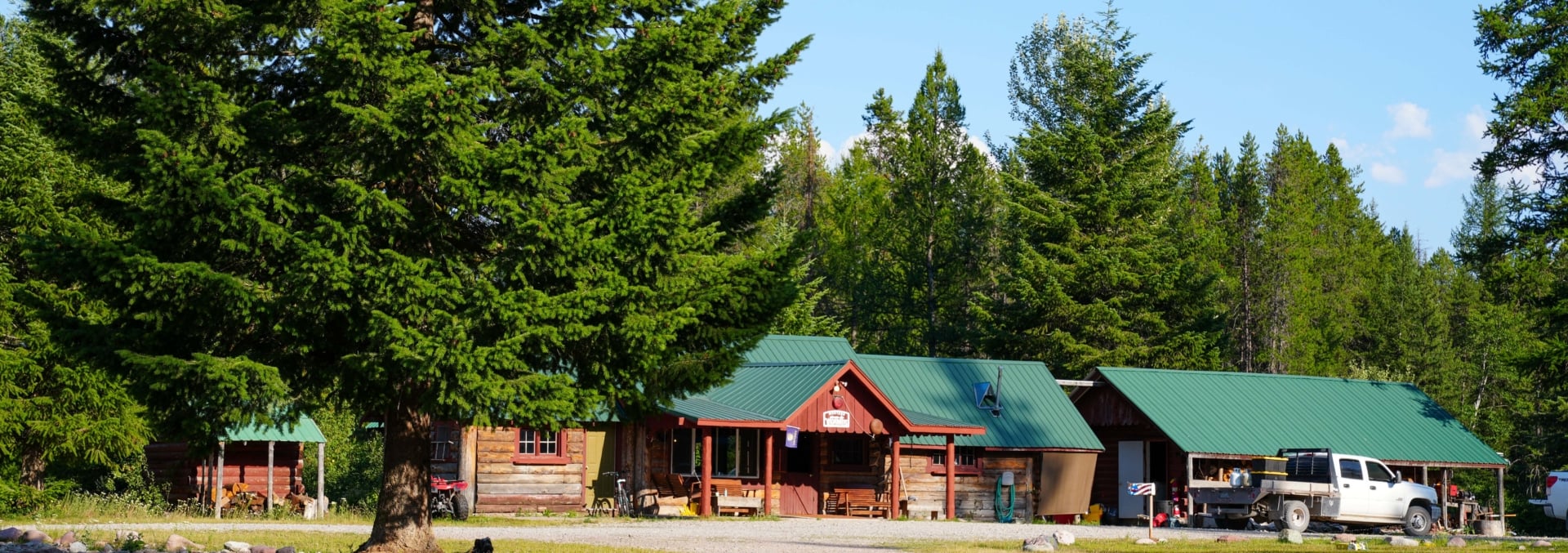
Montana Wilderness
Lodge & Outfitting
West Glacier, Montana
Rarely do such opportunities present themselves on the open market. Whether you are an individual who loves the outdoors and wants to venture into the outfitting industry or an established outfitter looking to broaden and grow your operations, Montana Wilderness Lodge & Outfitting offers a unique chance to acquire a well-established business that operates under highly sought-after permits in one of the last remaining pristine wilderness areas on the planet.
Middle Fork Ranch Lots 2 & 3
Philipsburg, Montana
Set in Montana’s Middle Fork valley near Philipsburg, this property offers privacy, direct access to public land, and abundant wildlife. It’s ideal for a residence or recreational retreat with meadows, forests, and riparian habitat. A spring-fed pond attracts elk and deer, while Rock Creek offers excellent fishing. Utilities and year-round access ensure convenience. Nearby skiing, lakes, and Missoula’s airport add to the appeal, making this a rare Montana offering.
Tweeten Place
Dickinson, North Dakota
Fay Land Sales represented the buyer in the acquisition of 2933 W 3rd Ave in Dickinson, ND. This 1.71±-acre commercial property includes an 11,600+ SF office building with strong visibility and accessibility. Its flexible plan fits private offices, collaborative space, medical or professional suites, or a single-tenant HQ. Ample parking, a heated oversized garage, gated access, secure parking, and expansion room support long-term usability and upside. Near major routes and amenities, ready now.
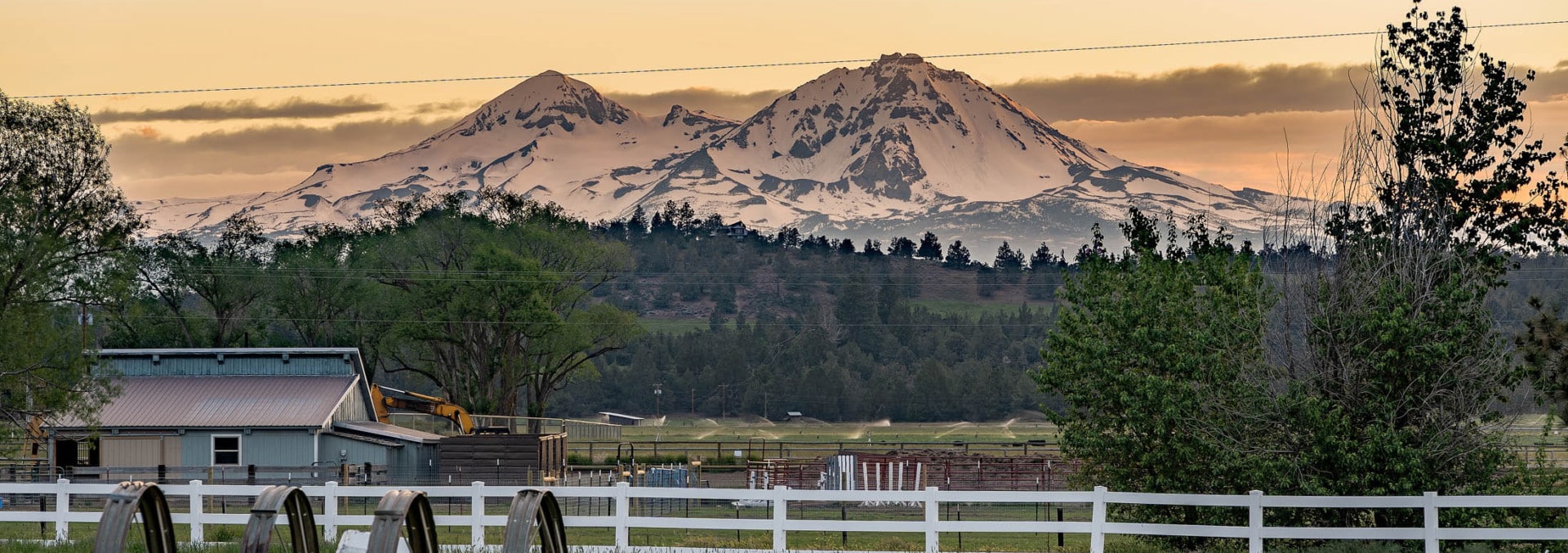
White Rock Hobby Farm
Bend, Oregon
The beautiful Oregon farm is located just outside the popular mountain town of Bend. This property is a great fit for someone moving out of a metro area or downsizing from a larger farm. The home is a nicely updated farmhouse with both country and modern finishes. With 2,801± SF, a daylight basement, and 2 additional floors of living space, the home features 4 bedrooms, 3 bathrooms, decks running along both sides of the house, and a kitchen that will be the envy of friends and family.
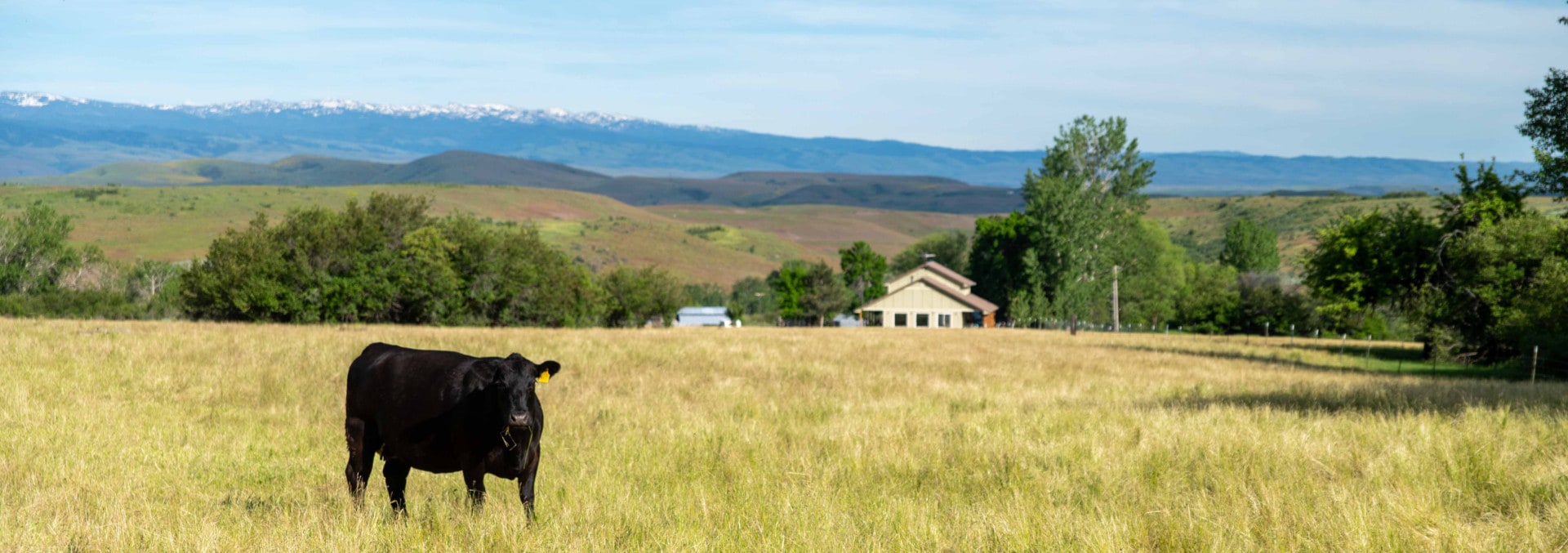
Idahomestead
Cambridge, Idaho
This Idaho offering is a gateway to backcountry recreation. With a custom 2017-built home and a spacious wrap-around covered porch, take in all the mountain views, wildlife, and the sound of the year-round creek that runs through the yard. The home feels like a cabin with all the wood elements and rustic features making it very cozy and welcoming. Close enough to civilization but tucked away from the world, it’s nestled in the Cuddy Mountains, providing a private, quiet, and isolated way of living.
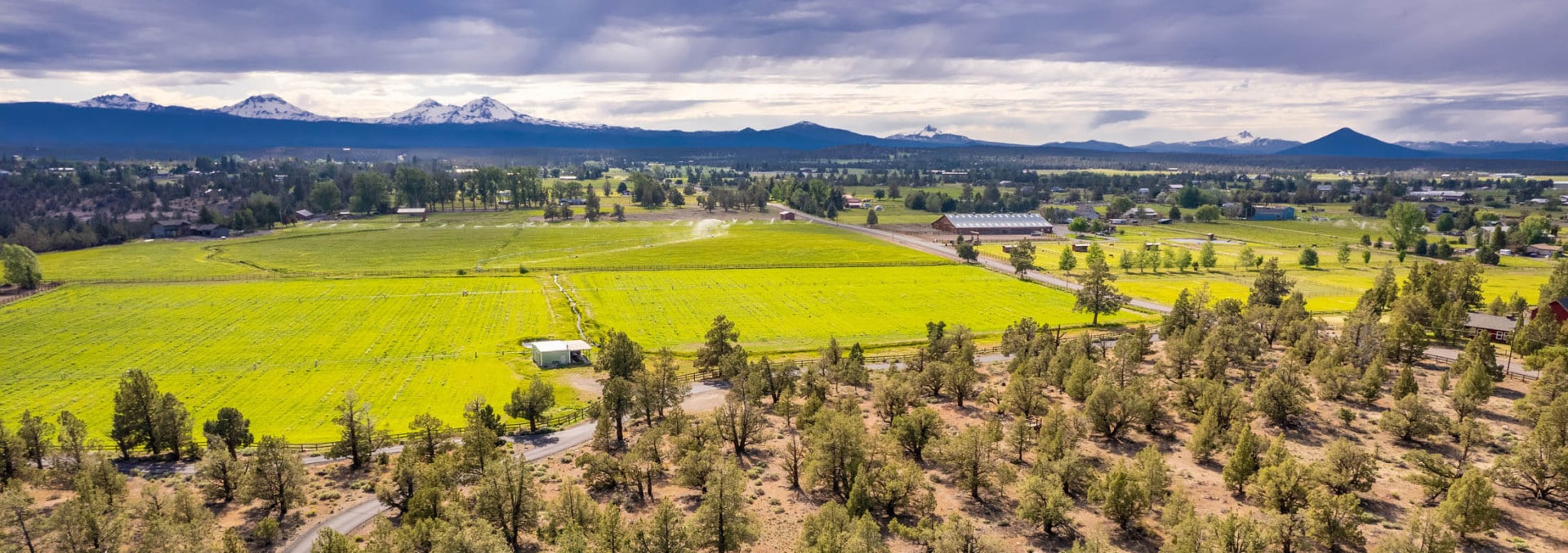
Wild Horse Trail Farm
at Deschutes River Ranch
Bend, Oregon
This Oregon ranch offers breathtaking scenic landscape, consisting of rugged high desert terrain with juniper trees and moss-covered lava rock, with an elevated home site that boasts the Three Sisters Mountains as well as irrigated farm ground. As part of the Deschutes River Ranch, you can enjoy access to over a mile of the Deschutes River and a network of trails for hiking and equestrian use; additionally, the ranch trails border land-locked Bureau of Land Management (BLM) with miles of trails.
Vucetich Ranch
Walsenburg, Colorado
Just north of Walsenburg, CO, the 2,150± deeded acre Vucetich Ranch offers stunning views of the Spanish Peaks, Sangre De Cristo, and Wet Mountain ranges. The rolling terrain features catch ponds and is accessible via a maintained gravel county road. The ranch includes 320± acres of fenced BLM land, enhancing livestock capacity. It’s fully fenced with a water line feeding stock tanks at two locations. The mild climate supports grazing, with antelope and occasional elk or mule deer.
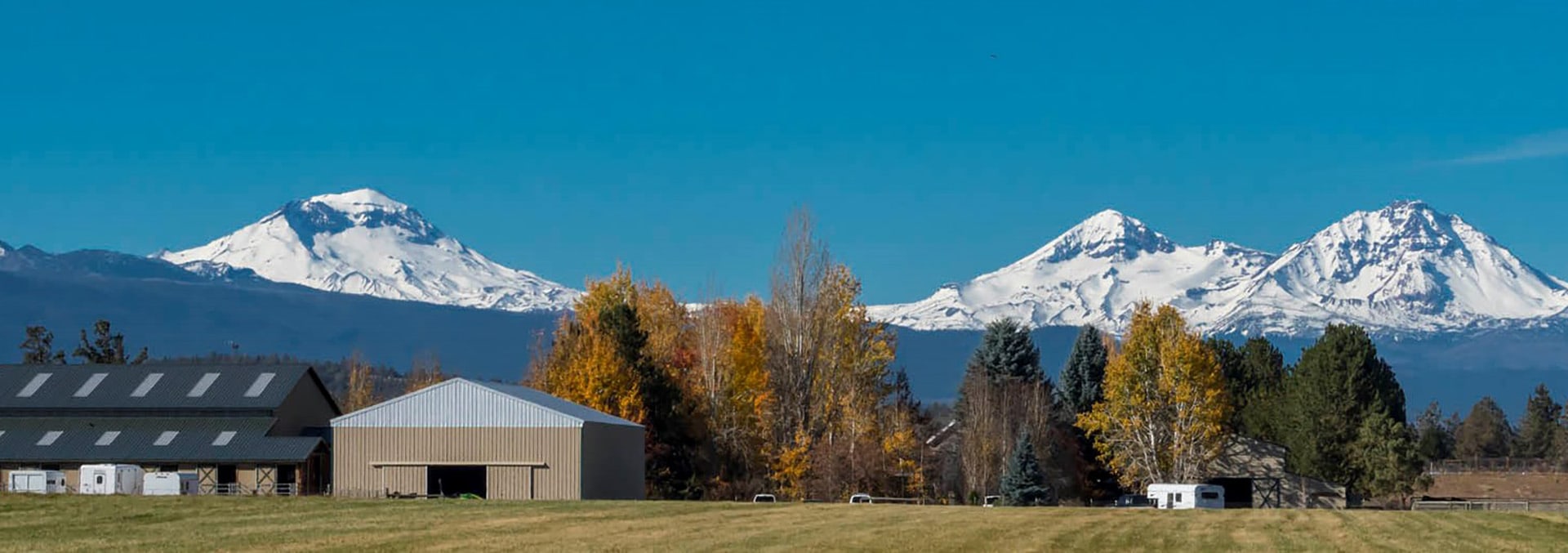
Tumalo Cascade View Estate
Bend, Oregon
Location, Location, Location! If you are looking for rural living, yet convenience, close to fine dining, shopping, entertainment and abounding outdoor recreational opportunities, this one has it! Easy access to Bend (10 minutes) Redmond and the airport (20 minutes) Sisters (20 minutes) the Deschutes River and Tumalo (5 minutes), USFS (20 minutes) MT. Bachelor ski area, (40 minutes); right in the heart of all the Central Oregon has to offer! Offering the option to go out and play or just stay home and enjoy your property, taking in the phenomenal Cascade Mountain views from your patio, or your window!
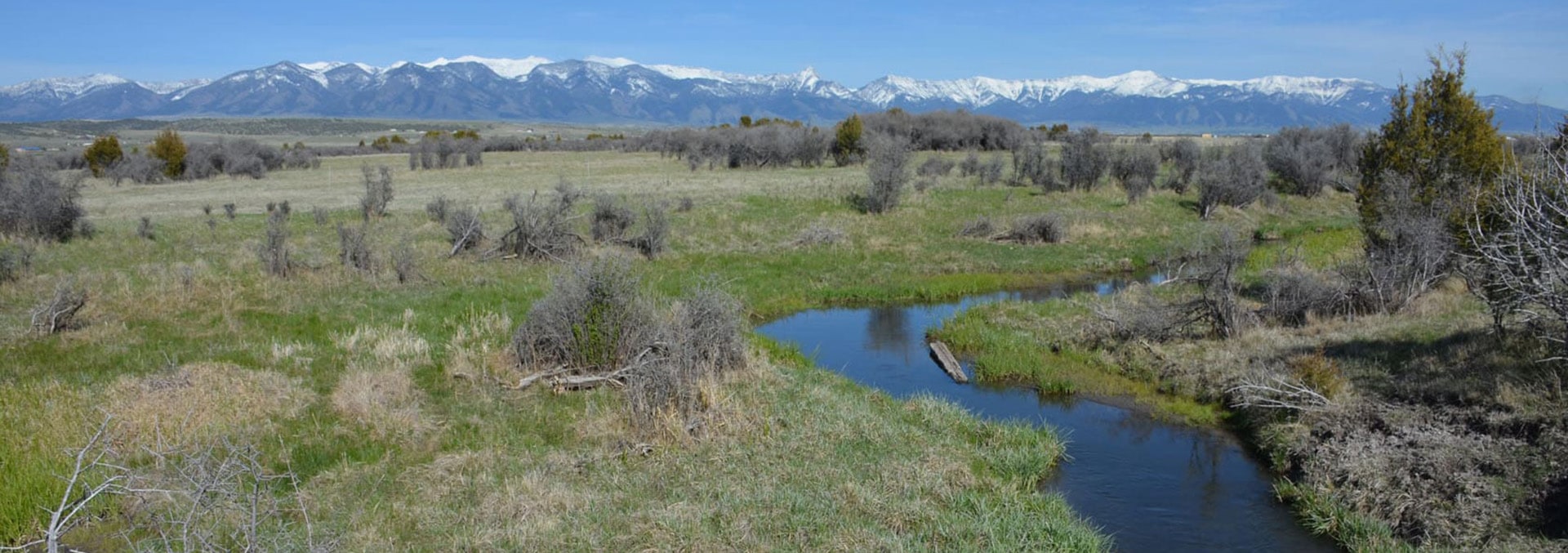
Bull Run Creek Crossing
Belgrade, Montana
This property is in an excellent location with close proximity to all the recreational opportunities that southwest Montana offers. The Bridger Mountains, Ross Peak and the views to the west overlooking the Gallatin Valley are incredible. Additionally, both sides of Bullrun Creek meanders through the property, adding a wonderful dimension by providing excellent wildlife habitat and the added enjoyment and aesthetic of moving water.
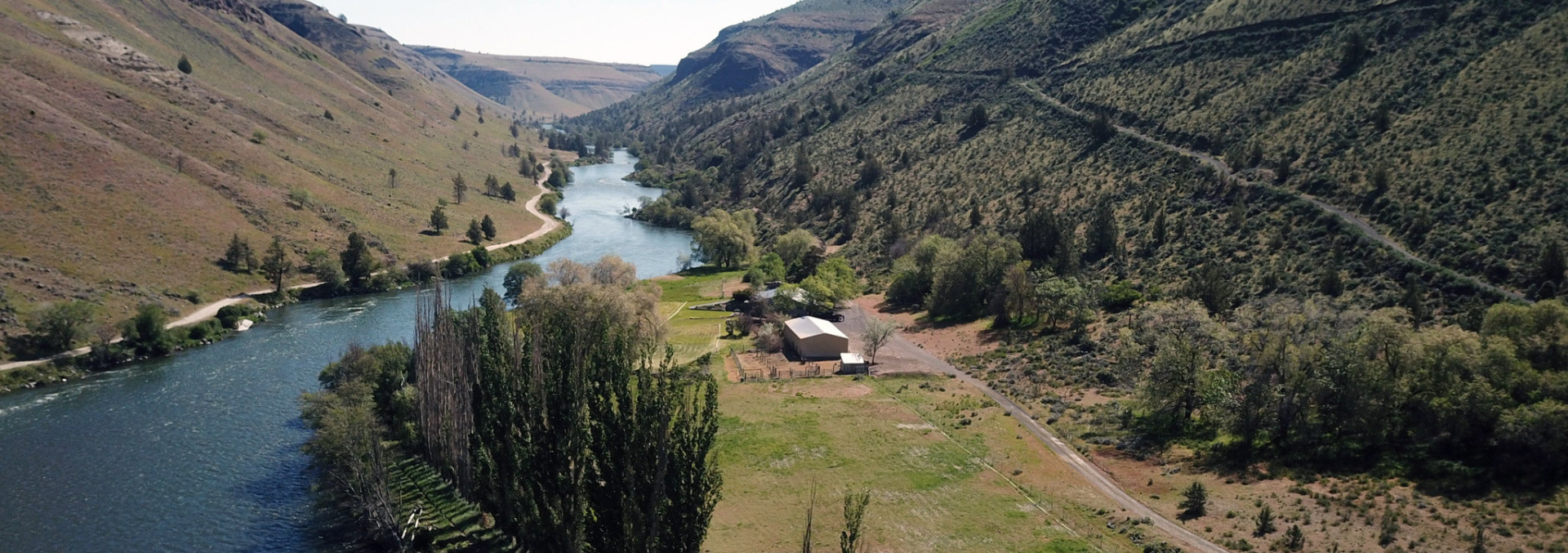
Luelling Ranch on the Deschutes River
Madras, Oregon
Rarely does a property like this come on the market. With only 20 homes on the 100 mile stretch of the Lower Deschutes River, this is an amazing opportunity to own your own river retreat. Luelling Ranch on the Deschutes River offers some of the best trout and steelhead fishing in Oregon, right out your back door.
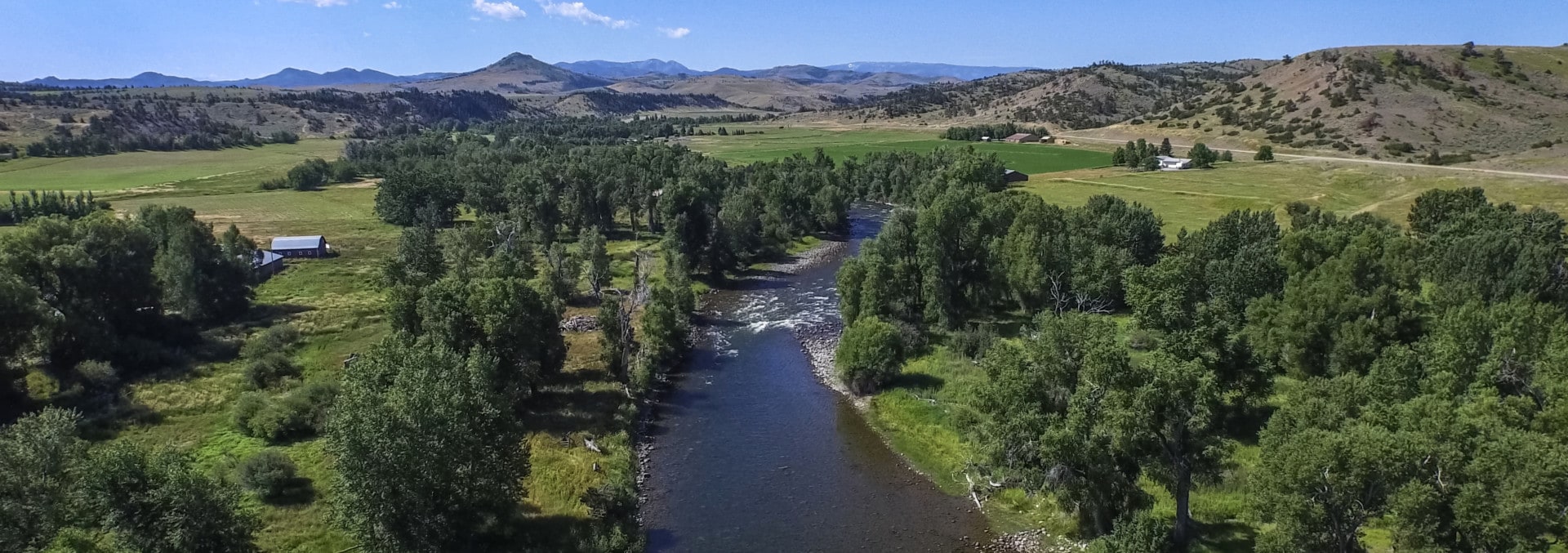
Boulder River Cabin
Big Timber, Montana
This is a rare opportunity in the Boulder River Valley, one of the most sought-after areas in the Rocky Mountain Region in Montana. Sitting on 19± acres bordering the Boulder River for 1,300± feet, this property features a remodeled 3 bed, 2 bath home, a 3 stall garage, and a large pole barn to store recreational toys. Boasting easy year-round access, this property is located 7± miles south of Big Timber. Boulder River Cabin is a wildlife epicenter with easily accessible fishing opportunities.
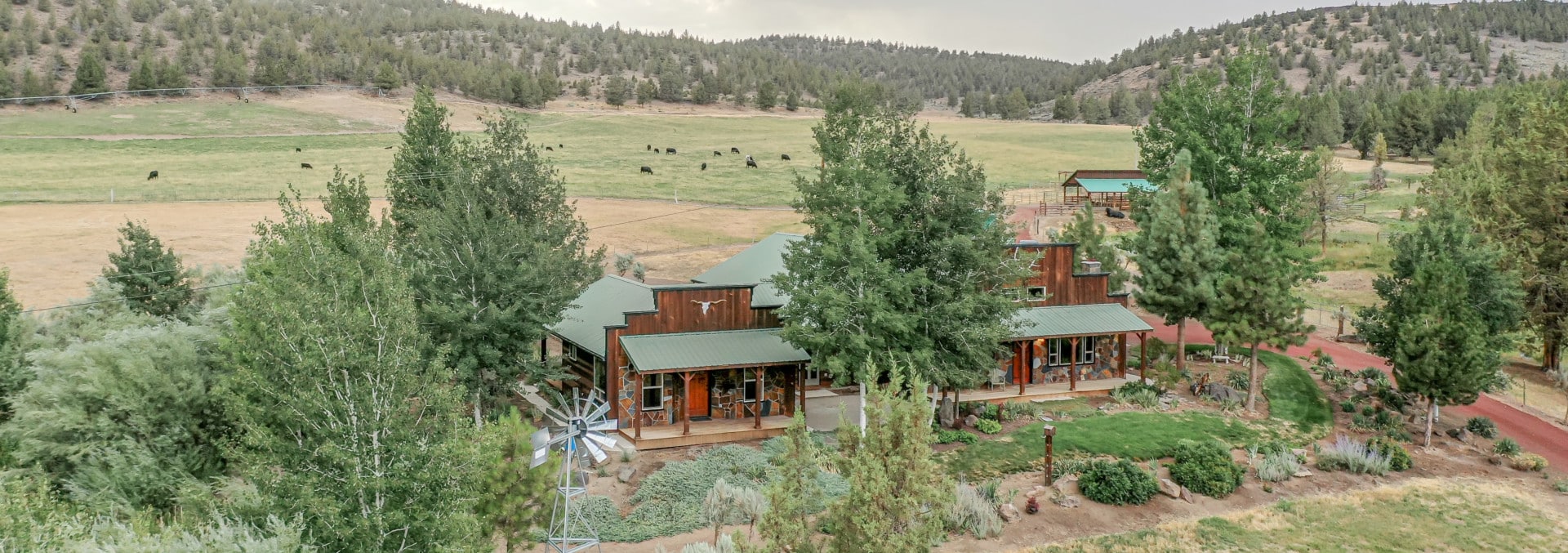
Western Living
Prineville, Oregon
This quiet, secluded Oregon ranch includes 29.3± acres of irrigation, primarily from a center pivot, making it perfect for a small herd of cattle, horses, or other livestock. A uniquely designed 2,076± square foot, western-style home offers three bedrooms, two bathrooms, a family room, living room, large kitchen, and amazing courtyard to make entertaining and peaceful outside dining and relaxing something to look forward to every day. Located just minutes from Prineville, Redmond, and Bend.
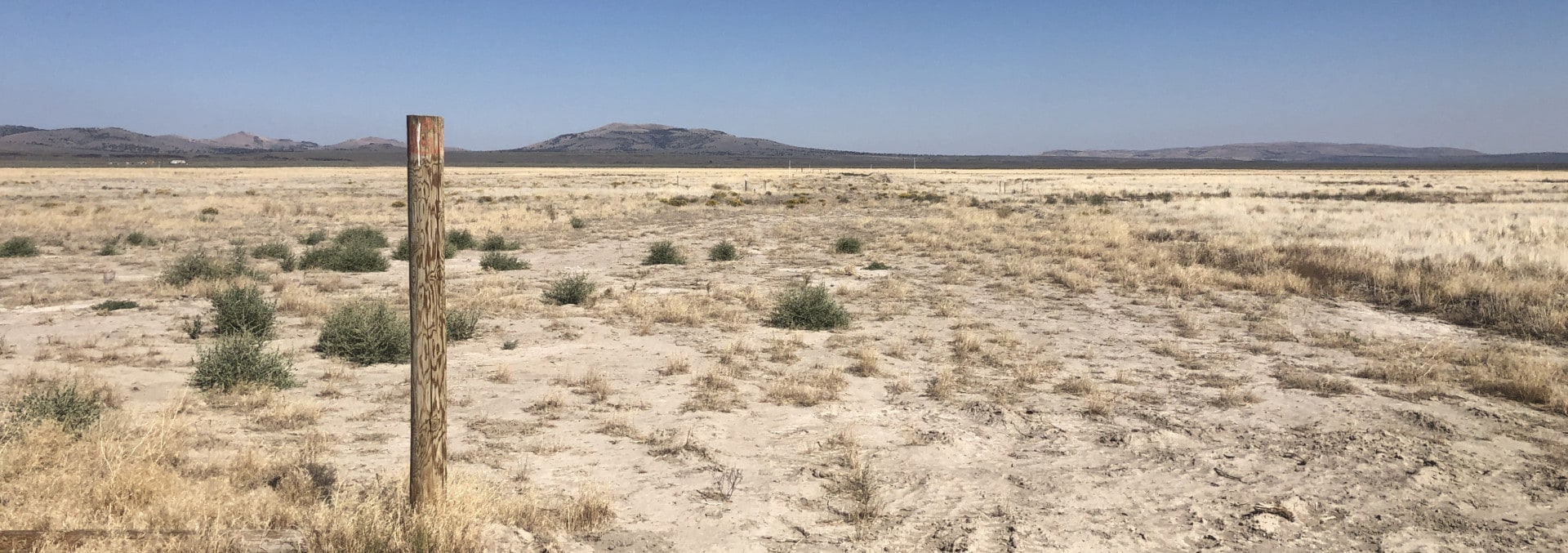
A Diamond in the Desert
Hampton, Oregon
Most of the hard work is done here at this Central Oregon ranch property. This remote agricultural land could be made into something extraordinary. With an active water-right permit for 539± acres of irrigation, power, and two irrigation wells already drilled, the table is already set to develop an excellent and cost-effective hay or cattle ranch. Existing improvements include a shop, greenhouses, Conex storage containers, and much of the electrical equipment needed for full development.
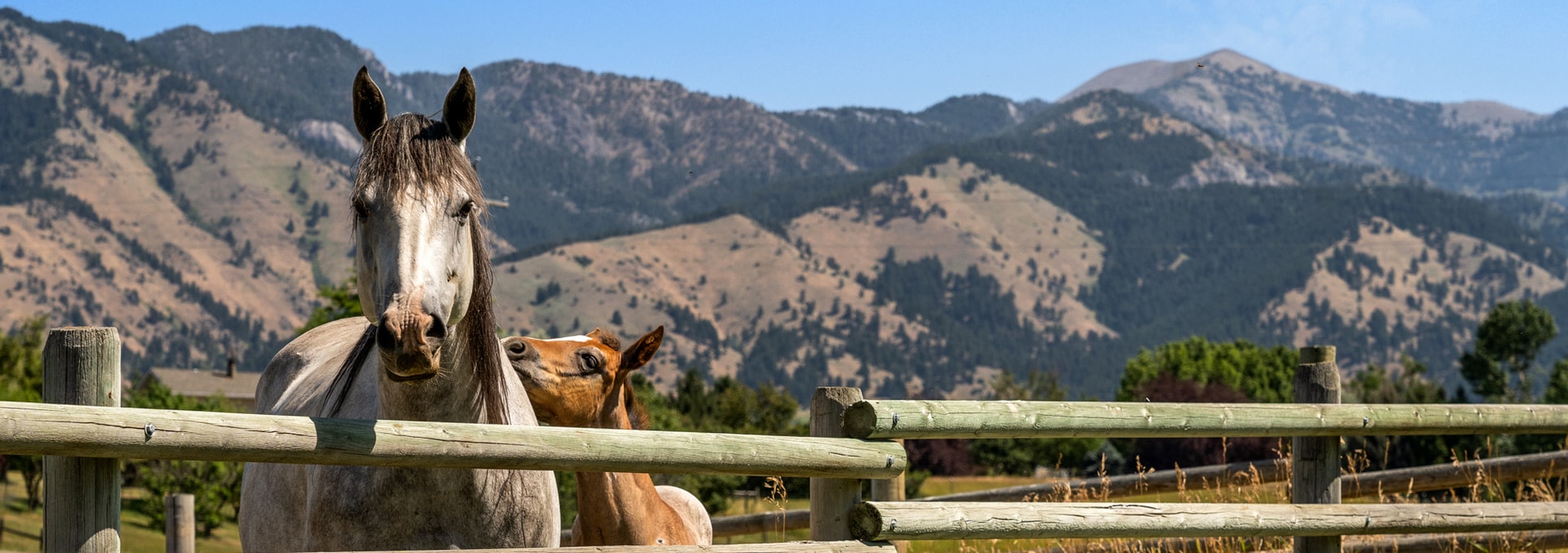
Summer Cutoff Retreat
Bozeman, Montana
Just 10± minutes from downtown Bozeman and less than 15 minutes from Bozeman-Yellowstone International Airport, this perimeter-fenced property sits in the shadow of the Bridger Mountains. A 3,722± square foot, three-bedroom, four-bathroom home, and large 40-foot x 75-foot shop sit in the center of the property. Five fenced pastures make this property perfect for the equestrian. No covenants, restrictions, or zoning allow this to be a blank canvas for a new owner.
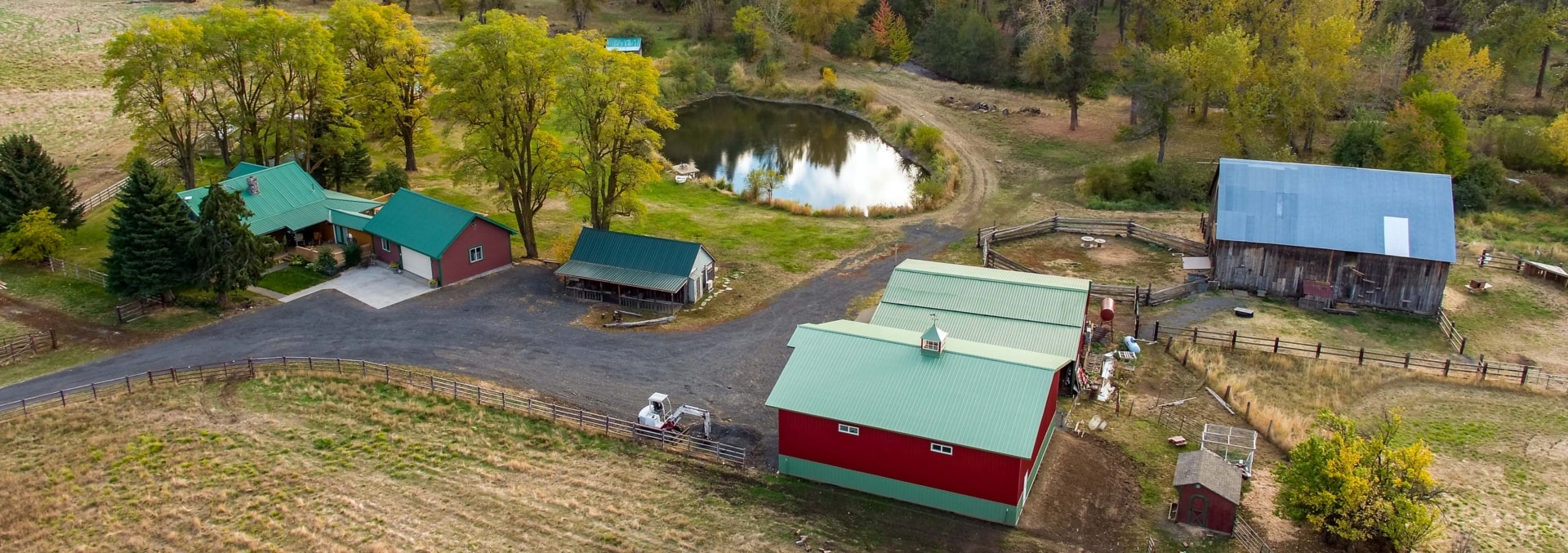
Touchet River Ranch
Dayton, Washington
Touchet River Ranch’s location in Washington provides the perfect backdrop with a river, a walking path beside the river, and the gardens. The numerous outbuildings, the guest cottage, the bunkhouse, and even the barn add to the character of the ranch. Whether you like to hunt, fish, ski, snowmobile, hike, garden, or go on walks along the path by the river, you will see scenic views that you could never have imagined. Nurture your spirit and feel the peace in this secluded refuge.
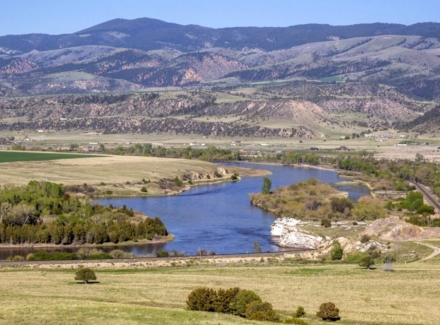
MR Ranch
Three Forks, Montana
This property, just north of Three Forks, Montana, boasts about a mile of Missouri River frontage and varies from juniper canyons to a lush riparian bottom. The river braids offer wetland habitat, attracting a wealth of wildlife. The views are dramatic, with the Bridgers to the east, the Spanish Peaks and Tobacco Roots to the south, and the Elk Horn and Big Belt Mountains to the north. A small one-bed, one-bath cabin includes a loft and two garage spaces, running entirely on solar power.
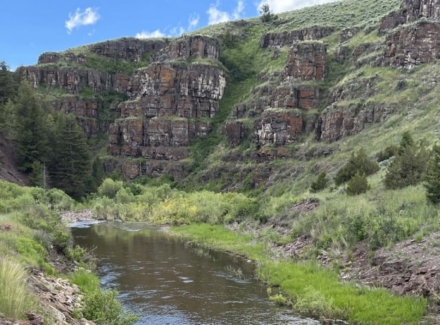
Sixteen Mile Creek Escape
Ringling, Montana
In between the Crazy Mountains, Bridger Range, Bangtail Range, and Castle Mountains sits this land in two parcels, a little over an hour north of Bozeman, Montana, and stretching almost 6.5 miles long. This property is contiguous to 631± acres of state land about boasts about three-quarters of a mile of Sixteen Mile Creek. The ranch supports elk, moose, deer, blue and sharp-tailed grouse, antelope, and other wildlife. Tucked away and surrounded by towering peaks, this land is a blank slate.
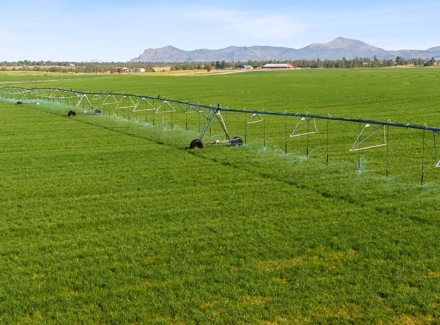
Houston Lake Pivot
Powell Butte, Oregon
Experience this Oregon property’s exceptional potential, a prime 160.4± acre property with extensive irrigation from a high-production well and COID; recent upgrades include a new sprinkler system, remote operation, and a rebuilt pump. Yielding 6.5-7± tons of orchard grass hay per acre annually, it features new fencing, a hay shed, and stunning Cascade Mountain views. Just minutes from Prineville, Redmond, and Bend, this fertile land offers ideal conditions for alfalfa, oats, or hemp.
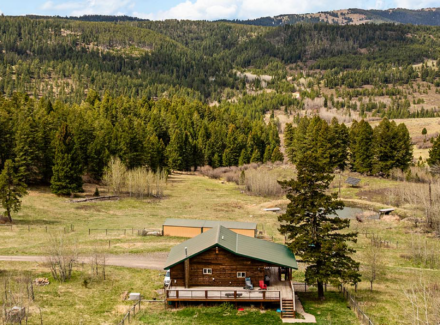
Harrison Hollow
Bozeman, Montana
Ideally located just 15± miles from Bozeman in the highly sought-after Trail Creek area, this Montana property offers paved road access year-round, with sweeping views of the Gallatin Mountains, Chimney Rock, and the Absaroka/Beartooth range above Paradise Valley. Rolling hills transition into aspen groves, willow-lined draws, a spring-fed seasonal pond, and mature timber. A rustic one-bed, two-bath cabin with garage provides a comfortable base camp. Elk, moose, deer, and grouse are abundant.
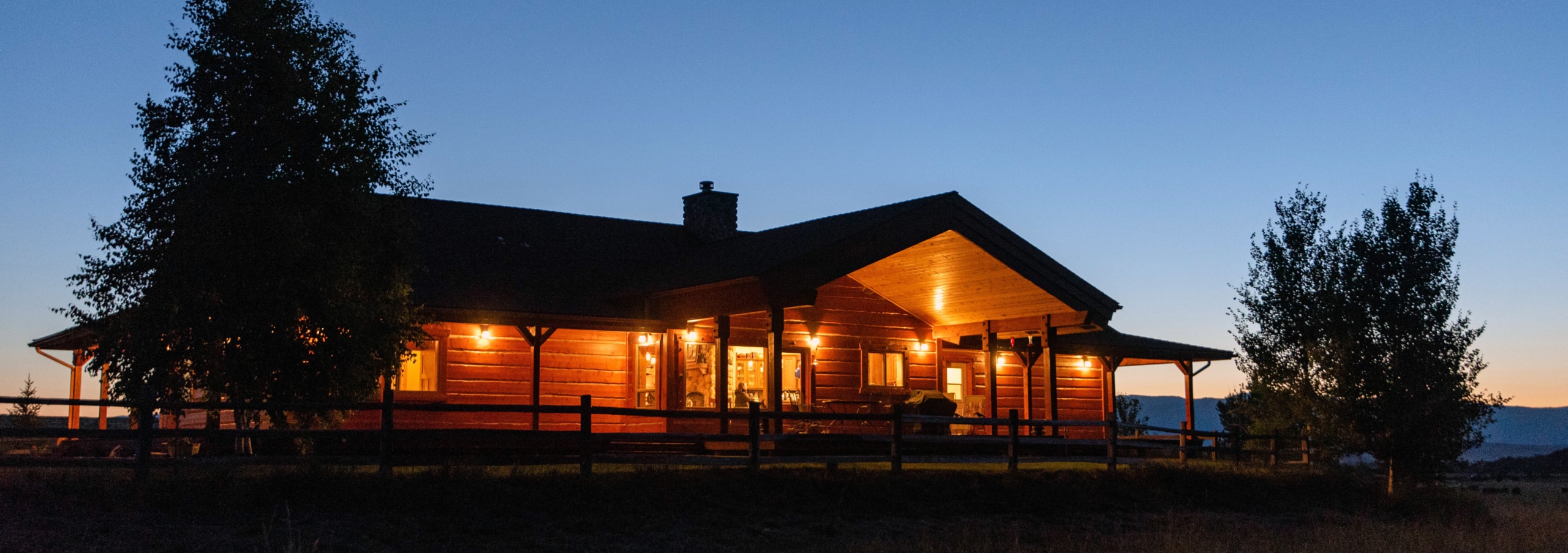
Idaho River Dream Ranch
Indian Valley, Idaho
The ranch provides an isolated sanctuary for anyone looking for a slower pace, quality of life in a country setting. A great place for the kids to grow up and have the great outdoors as their playground; from hunting trophy bucks and fishing largemouth bass in the pond to camping by the river, this is the ultimate family haven.
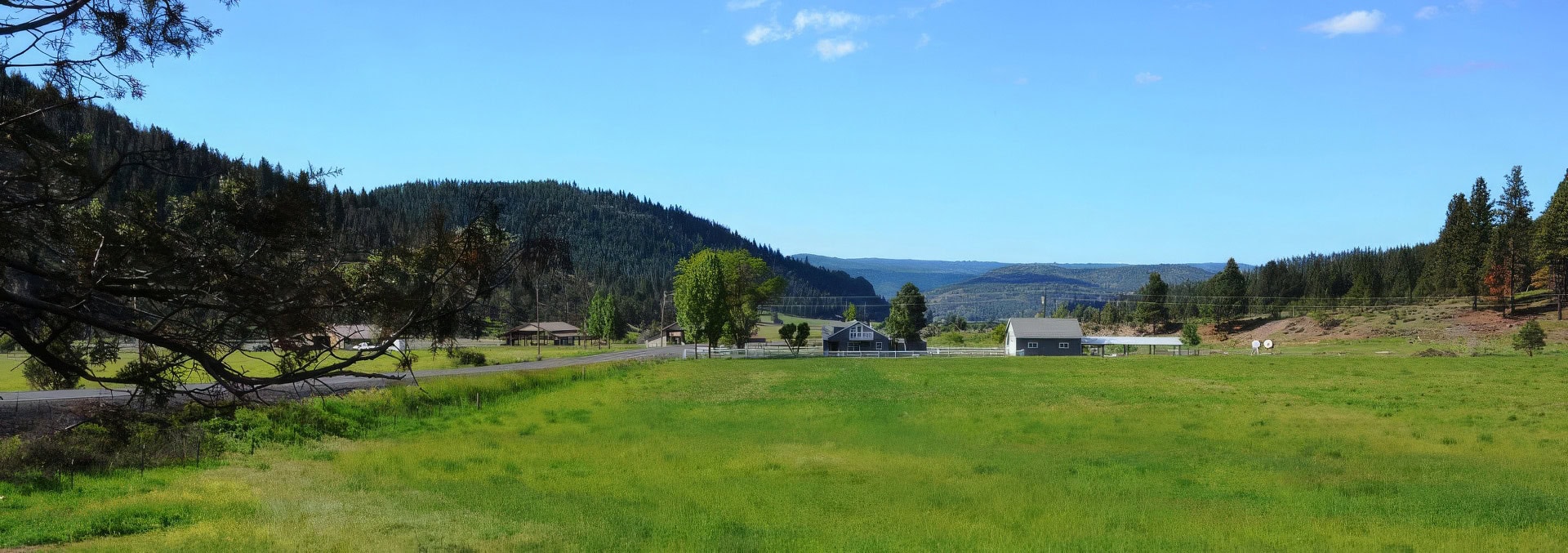
Mill Creek Ranch
Prineville, Oregon
Central Oregon’s Mill Creek Ranch, boarded by the Ochoco National Forest, is a real beauty with acres of meadows, pastures, timberland, and irrigated hay lands. The ranch is very private with many wonderful improvements including a ranch house, bunkhouse and bachelor barn apartment.
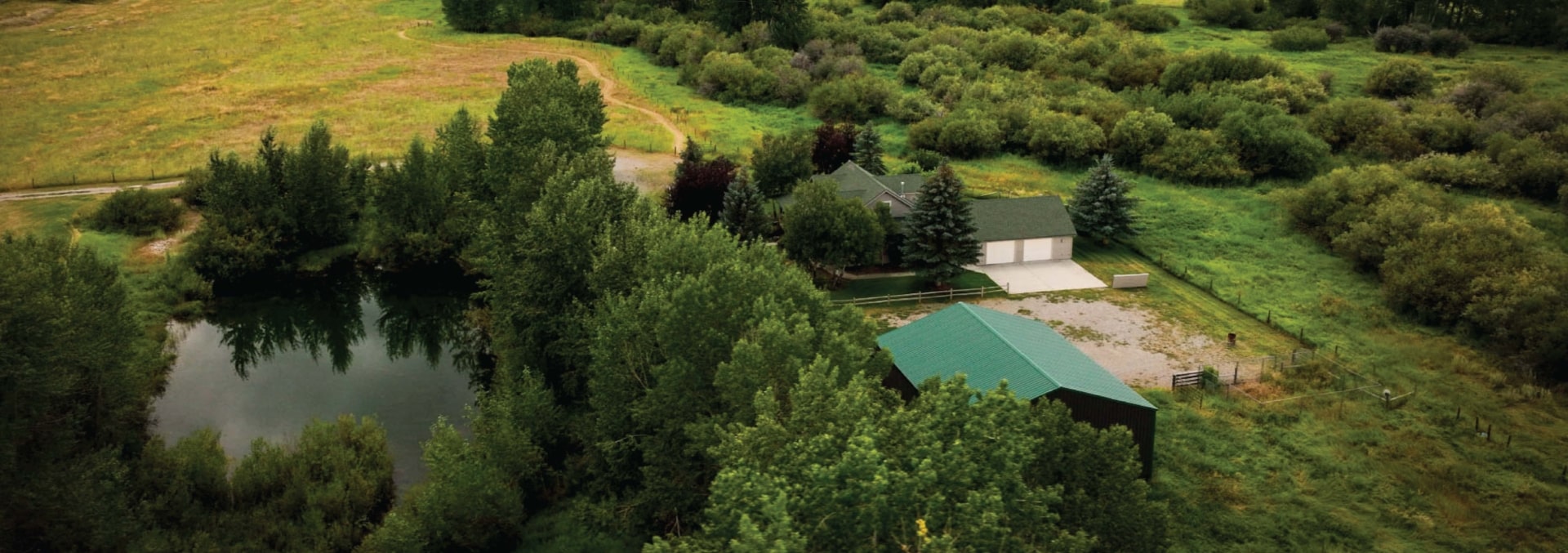
Pony Ponds
Harrison, Montana
This stunning Montana property is a wildlife sanctuary with aerated, trout-stocked ponds, Willow Creek, and a riparian area. The property offers a home, a guest cabin, and an equipment barn with views of the surrounding area. Opportunities abound for outdoor activities such as fishing and hiking in the nearby Tobacco Root Mountains, Ennis Lake, and famous fly-fishing rivers. The property provides an excellent opportunity for outdoor enthusiasts to enjoy Montana’s natural beauty.
Elk Ridge
Fruitland, Washington
Premier recreational and timberland in the heart of Eastern Washington, rising above the surrounding countryside with sweeping views of Lake Roosevelt, nearby lakes, ponds, and rolling mountain terrain. Mature ponderosa pine, Douglas fir, larch, and aspen create a diverse landscape rich in wildlife and timber value. Known for elk, whitetail deer, and turkey hunting. Springs, logging roads, and trails throughout. Multiple building sites, direct county road access, and borders DNR land to the south.
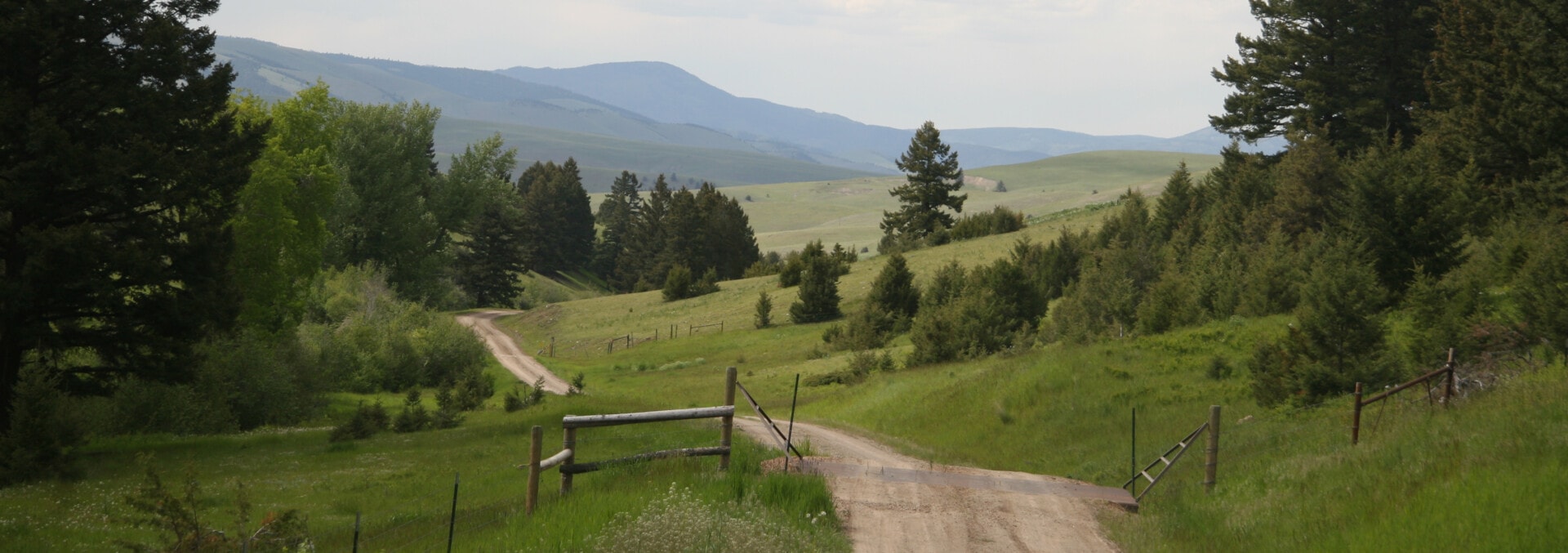
Gird Creek Retreat
Hall, Montana
A spectacular property with a private trail system, offering amazing big game hunting, close to blue ribbon fly fishing, and spectacular scenery for someone in search of an idyllic Montana retreat to get away from it all.
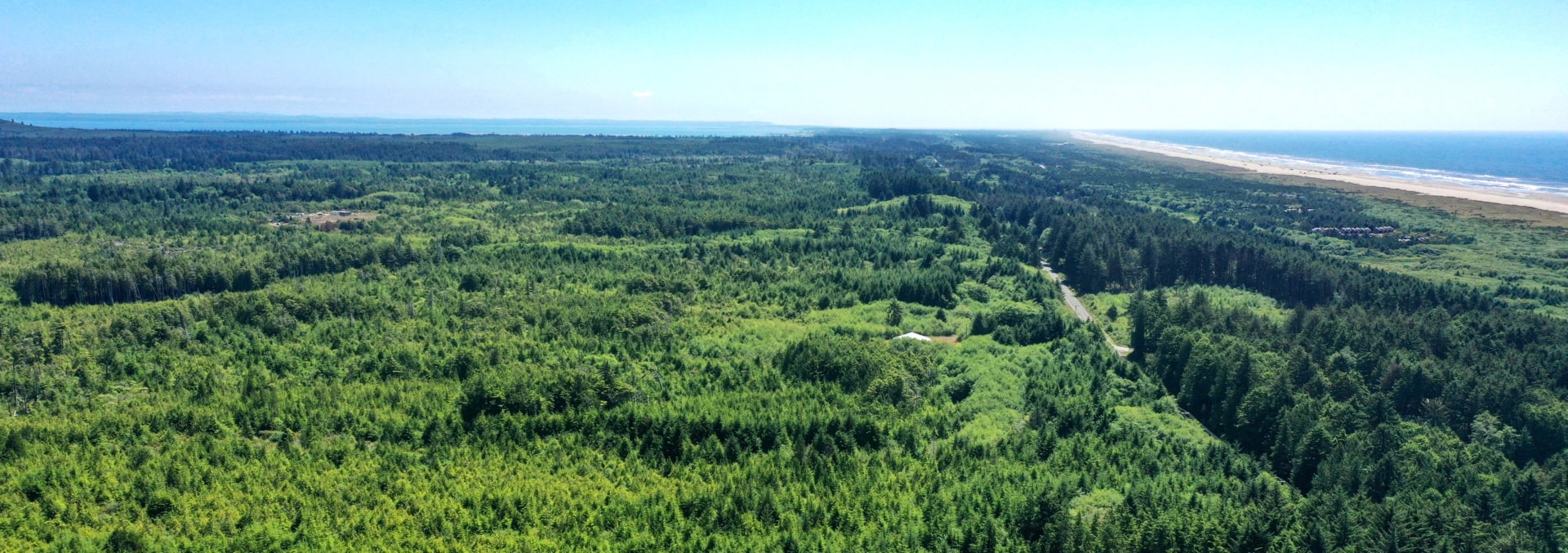
Coastal Mesa Retreat
Copalis Beach, Washington
This rare opportunity to own acres of timbered coastal property along the rugged and remote shoreline of Washington lures nature lovers and beachcombers alike, offering pristine beauty and the serene ambiance of beach life. Across the road from the majestic Pacific Ocean, it boasts picturesque landscapes with plateaus presenting options: cozy cottages with ocean views to spacious homes surrounded by lush greenery. Embrace the wonders of beachcombing, clam digging, fishing, crabbing, and more.
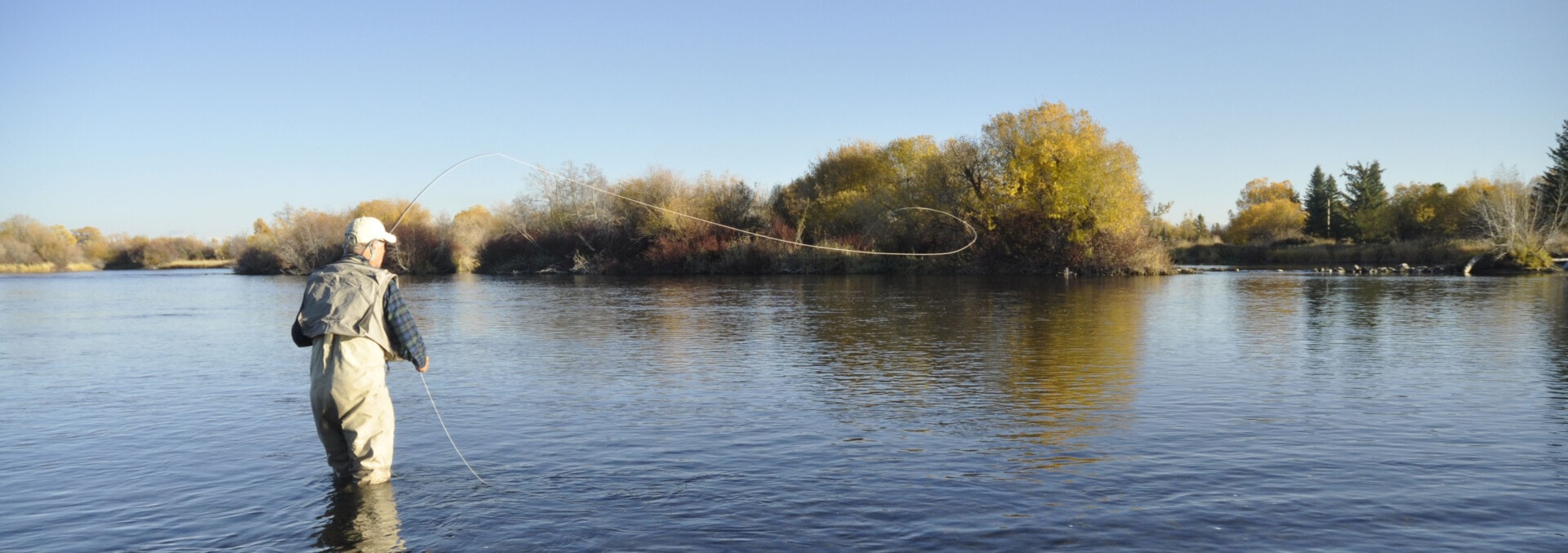
Henry’s Fork Riverview Ranch
Saint Anthony, Idaho
This Henry’s Fork Ranch is legendary Idaho fly angler, guide, author, tyer, & outfitter Mike Lawson & his wife Sheralee’s personal homestead and recreational property located on the banks of the lower Henry’s Fork of the Snake River near St. Anthony, Idaho. Replete with a large, custom-built family home and convenient detached garage shop, the 110± plus riverfront ranch offers excellent dry fly fishing for large brown & rainbow trout amidst a network of islands in addition to excellent waterfowl & whitetail deer hunting in its river bottoms while being located in a most desirable outdoor recreation area in the Northern Rockies.
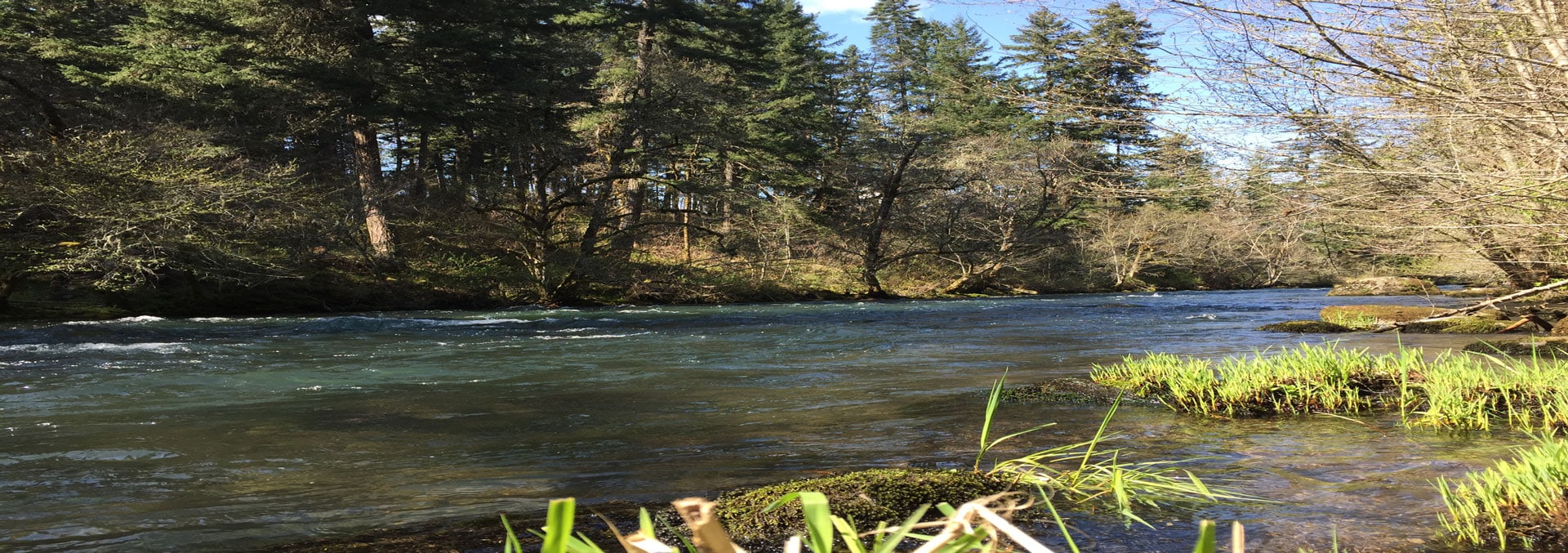
Husum River Camp
Husum, Washington
A rare opportunity to own property in Washington on the White Salmon River, this recreational property provides the ability to use the property for recreational purposes as is, with the ability to build your dream home or cabin in the future. World class kayaking and a wide array of local activities from wine tasting to snowboarding make this an exceptional offering.
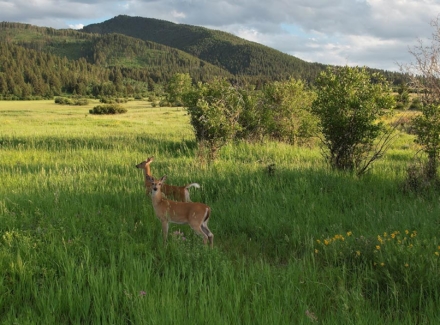
Mount Ellis Retreat
Bozeman, Montana
Beneath the soaring Gallatin Range and framed by Mount Ellis, this land offers acres of unspoiled beauty bordering State Land and Gallatin National Forest, your gateway to Yellowstone National Park. Just 8± miles from downtown Bozeman, this parcel is a blank canvas and offers both adventure and tranquility, where a morning coffee might be shared with elk and evenings end beneath painted skies. It’s a place to build dreams, make memories, and share unforgettable moments with family and friends.
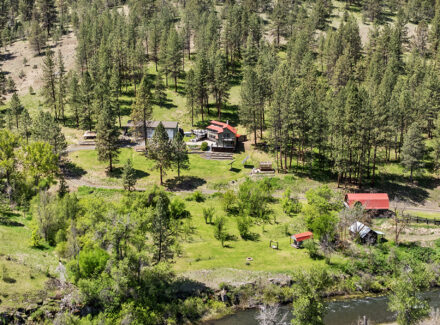
Rockin’ River Ranch on the Middle Fork
Long Creek, Oregon
A rare find in Eastern Oregon: nearly three-quarters of a mile of private Middle Fork John Day River frontage, direct Malheur National Forest access, and native trout and steelhead fishing steps from the door. The land supports deer, elk, turkey, and waterfowl, while a remodeled home, guest cabin, hydroelectric power, solar, and gravity-fed spring water make year-round or off-grid living fully achievable.
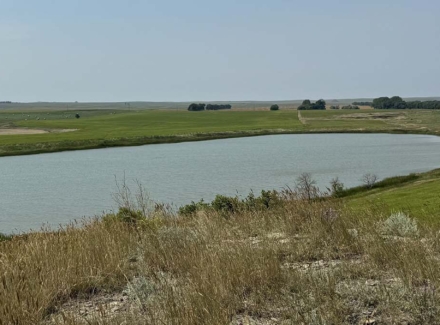
Dewey County Land
Timber Lake, South Dakota
This 640± acre property features approximately 458± acres of tillable farmland, hayland, a large dam, and non-plantable low-lying areas, creating excellent wildlife habitat. With 292± acres of spring wheat and 166± acres of sorghum millet, it supports a diverse upland bird population and big game. A private building site, 0.5 miles off the highway, offers seclusion and views of the dam. This versatile property has potential for a rural residence, farmland leasing, and conservation programs.
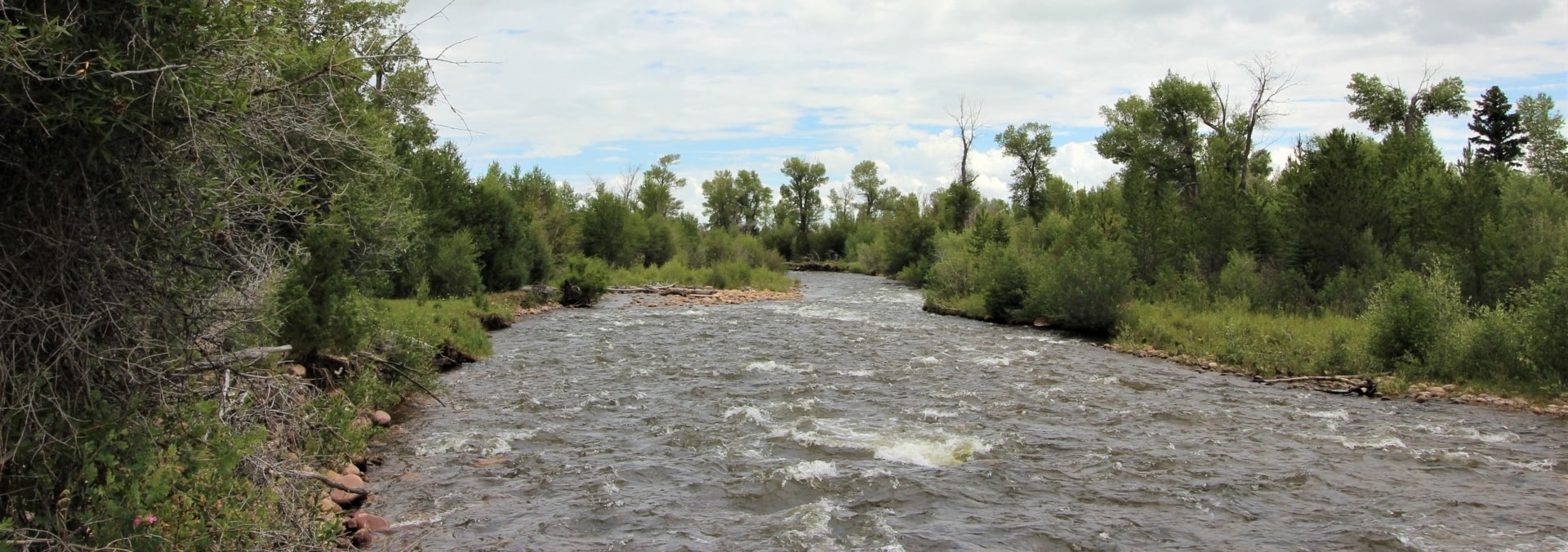
Parker Place on the Black’s Fork River
Robertson, Wyoming
The Black’s Fork River meanders through the southern boundary of this property that has all the amenities for a first-class retreat or get-away homesite. Located in the world-renowned Flaming Gorge recreational corridor with outstanding fishing and thousands of acres of public lands nearby. Take advantage of this recreational offering’s first time on the open market.
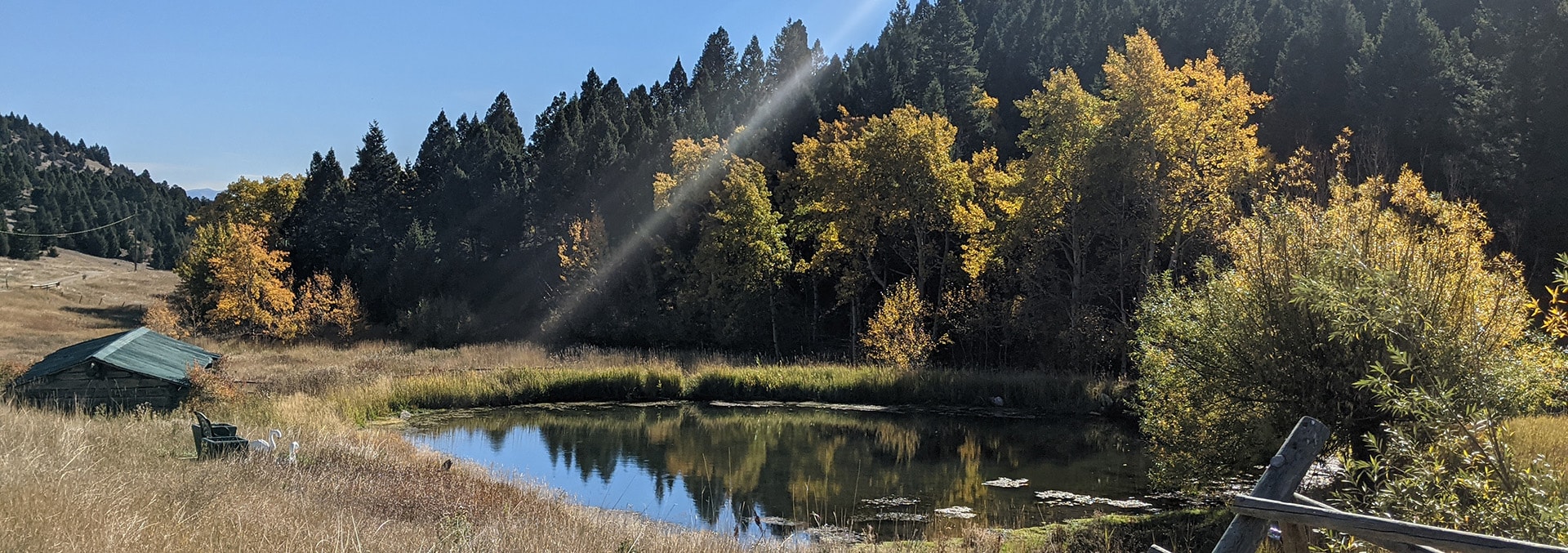
Antelope Gulch Ranch
Anaconda, Montana
This Montana Ranch is nestled at the base of the Flint Creek Mountains, minutes to the quaint mountain town of Anaconda. The ranch and region are home to abundant wildlife species, including elk, deer, bear, coyote, and more. The main home is situated overlooking a pond, a favorite watering hole for resident wildlife, and is close to the lovely stretch of Antelope Creek, which flows through the gulch. A historic barn, outbuildings, and corrals are in place to support livestock operations.
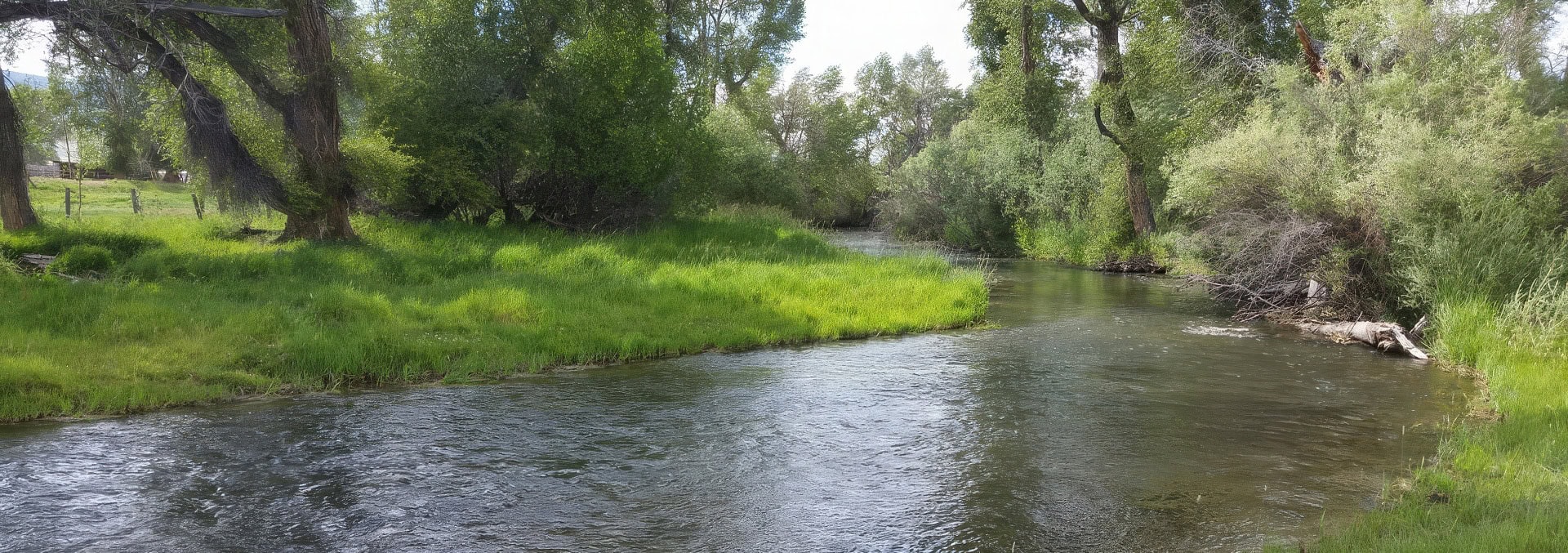
Red Rock River Fishing Retreat
Dell, Montana
Located down river from Dell and encompassing 31± acres with the river acting as the western boundary for approximately 1 mile and an additional .5± mile of a side channel flowing through the ranch. A beautiful home, bunk house and oversize garage create the perfect compound.
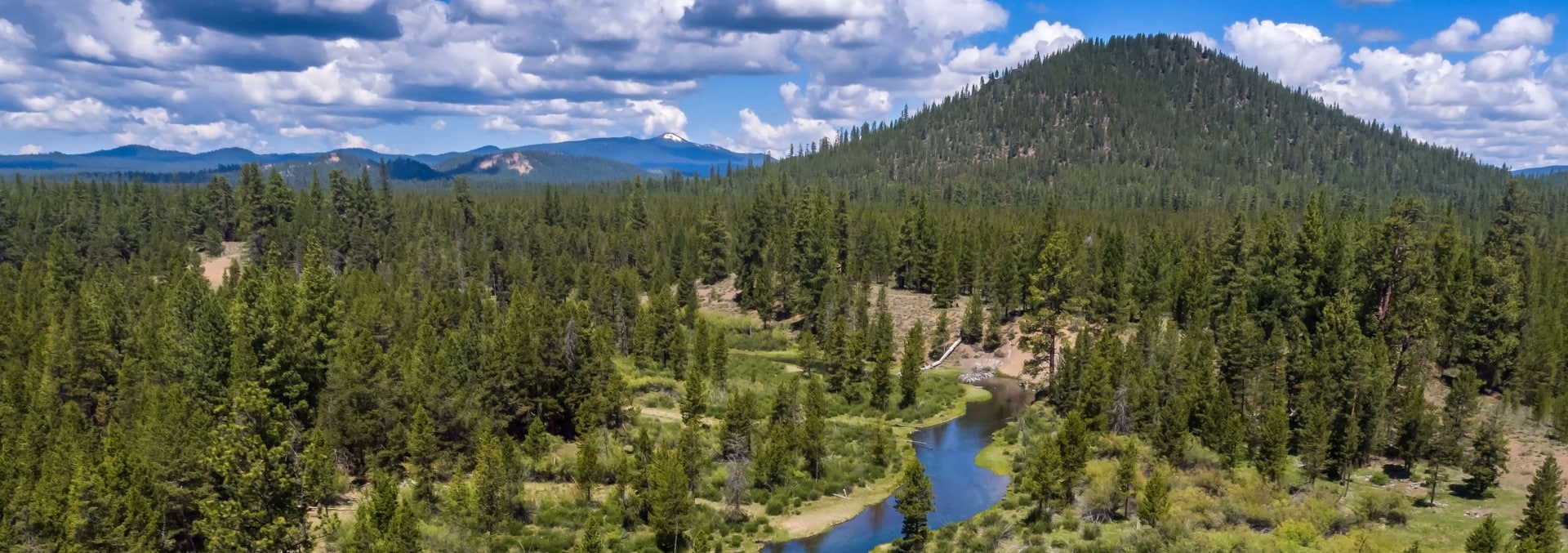
Fall River Ranch
Bend, Oregon
This amazing property is bordered by National and State Lands with 40± deeded acres of raw forest land and the Fall river running through the middle of property. The Fall River is a fly-fishing destination in Central Oregon with extreme value. Come and build on this legacy property.
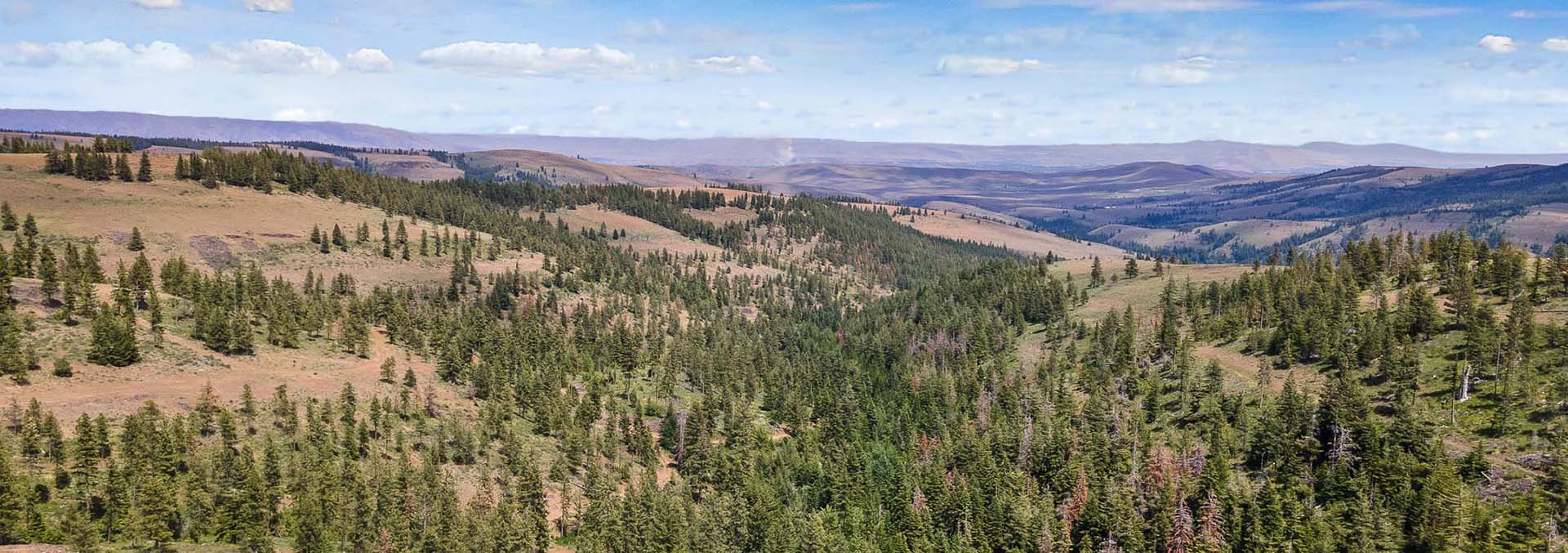
Nasty Creek II
Yakima, Washington
Nasty Creek II is a rare opportunity to own some of Washington’s rugged wilderness near urban amenities. The acreage is comprised of 64% timberland and 36% rangeland, with vistas overlooking rolling hills and valleys. These numerous vistas provide prime camping and off-grid building sites. Located 30 miles west of Yakima, the land is bordered by Department of Natural Resources land & sits within the Cowiche Game Unit (386), known as an ideal destination for hunting game, including deer and elk.
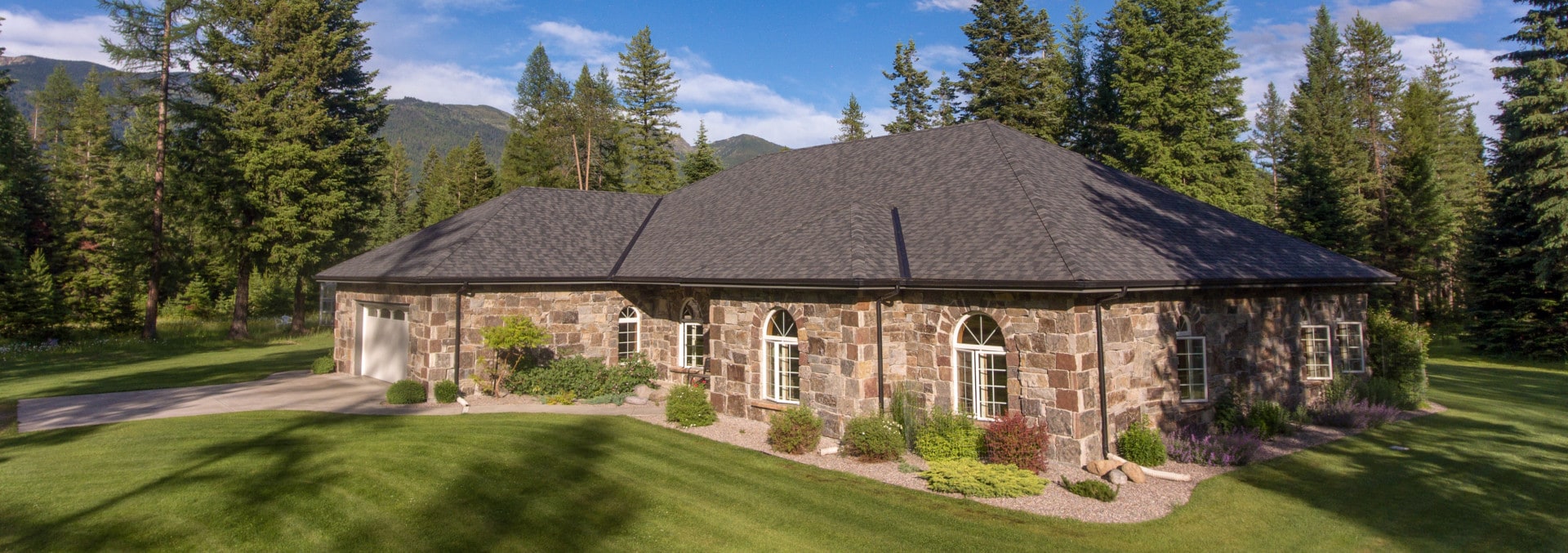
Swan Meadows Retreat
Bigfork, Montana
With lush grasses, timber and a plethora of wildlife, this is the perfect spot to enjoy your Montana lifestyle. Close to fine dining, shopping and an international airport. Easily accessible throughout the year, and a gateway to all the recreational opportunities available in the area, including boating, fishing, hunting, hiking and watersports.
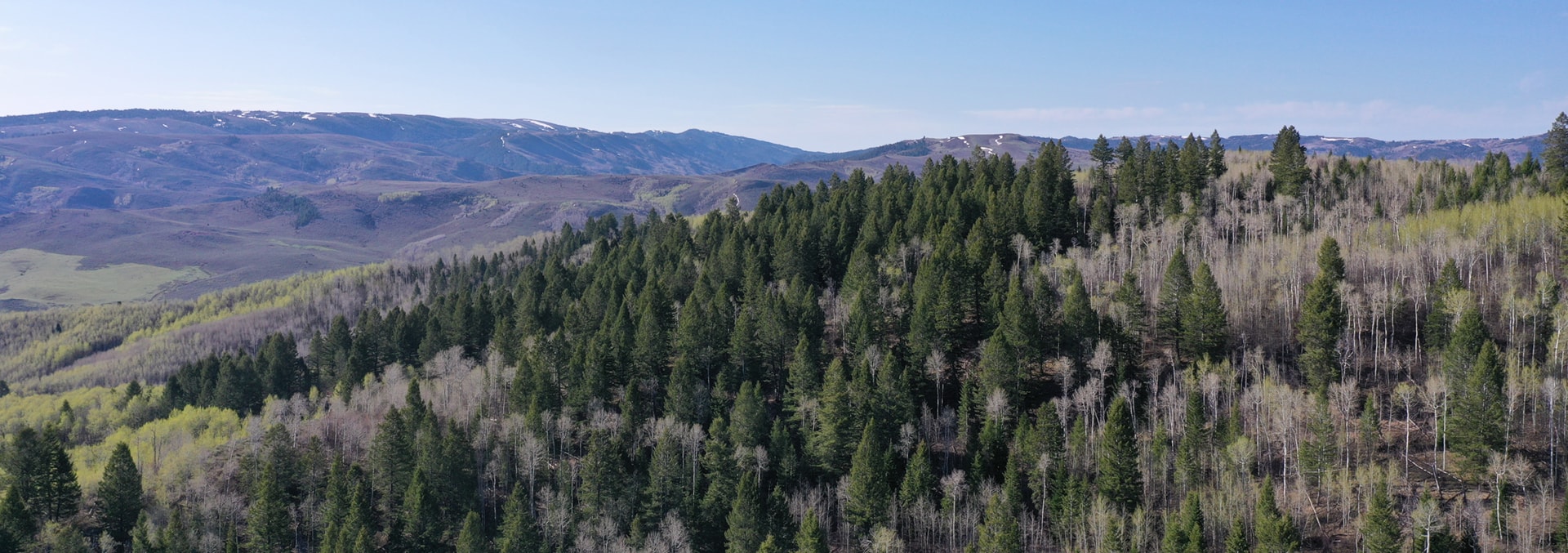
Crow Creek Camp Ranch
Soda Springs, Idaho
This Idaho ranch is located in the heart of recreation in all seasons. Within an hour or less, you can enjoy whatever you can imagine for year-round fun. Only minutes from the quaint little town of Afton, Wyoming, your essential needs and medical care are all available there. This beautiful ranch provides privacy, seclusion, timber, and water with 360 views of mountains, not to mention the abundant big game hunting opportunities on-site. With the four seasons, the scenery is forever changing.
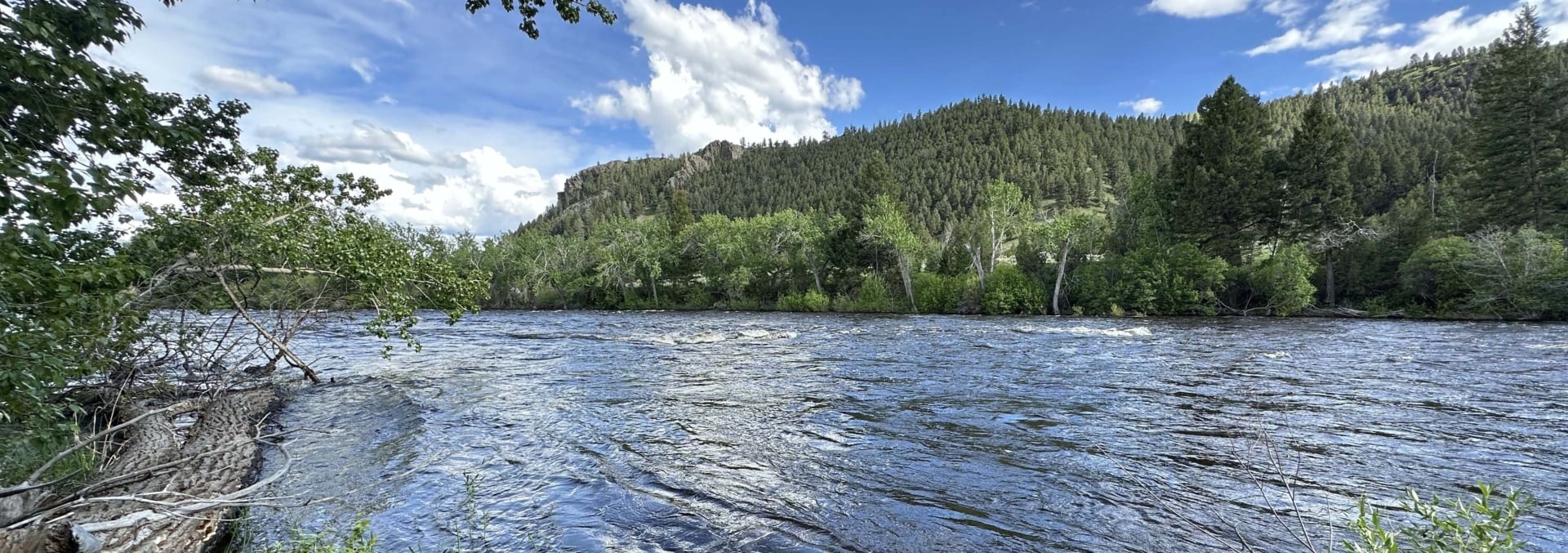
Big Hole Riverbend
Divide, Montana
This property boasts about half a mile of blue-ribbon trout frontage on the Big Hole River. Already divided into 5 parcels, the property makes up a subdivision that is approved by the county. The 30± acres could also be a blank slate for a private riverfront retreat. White-tailed deer, elk, bear, duck, geese, and other wildlife call the thousands of acres of surrounding public land home. It is easy to imagine spending days fishing on your property while being close to amenities and airports.
Puller Gulch Along Rock Creek
Philipsburg, Montana
This classic Western Montana recreational mountain ranch property is for sale with a balance of lower meadows, timbered hillsides, and grassy parks to support resident wildlife populations, including elk and deer. Adjacent to National Forest Lands, this property is ideal for a recreational enthusiast who enjoys out-the-back gate access for unlimited recreation and outdoor pursuit, perfect for hiking, horseback riding, four-wheeler adventures, and nearby float and fly fishing in Rock Creek.
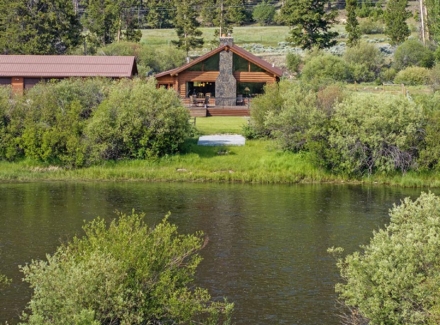
Big Hole River Cabin
Wise River, Montana
At the base of the Dickie Hills with views of the Pioneer Mountains, this property boasts 500± feet of Big Hole River frontage. A 1,984± SF home sits steps from the river. This area is home to elk, deer, moose, bear, ducks, and more. The property is just 5± minutes from Wise River and its airstrip, and less than an hour from Butte’s commercial airport, offering the perfect balance of seclusion and accessibility. Whether you’re seeking fishing, adventure, or serenity, this retreat has it all.
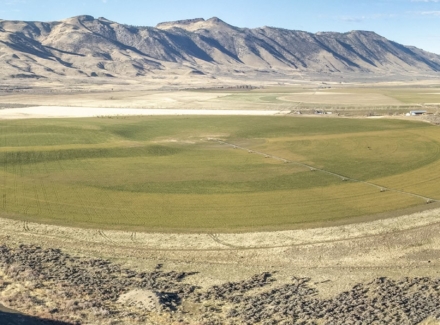
Wavy S Ranch
Doyle, California
Established in the early 1900s, this original Honey Lake Valley working ranch offers scale, water security, and operational flexibility near Doyle, California. The operation supports productive irrigated hay, dry farm ground, creek frontage, and extensive range suited for livestock grazing. Fully fenced with a state cattle permit, the ranch functions as a cohesive unit with access to Susanville and Reno while retaining a productive rural setting.
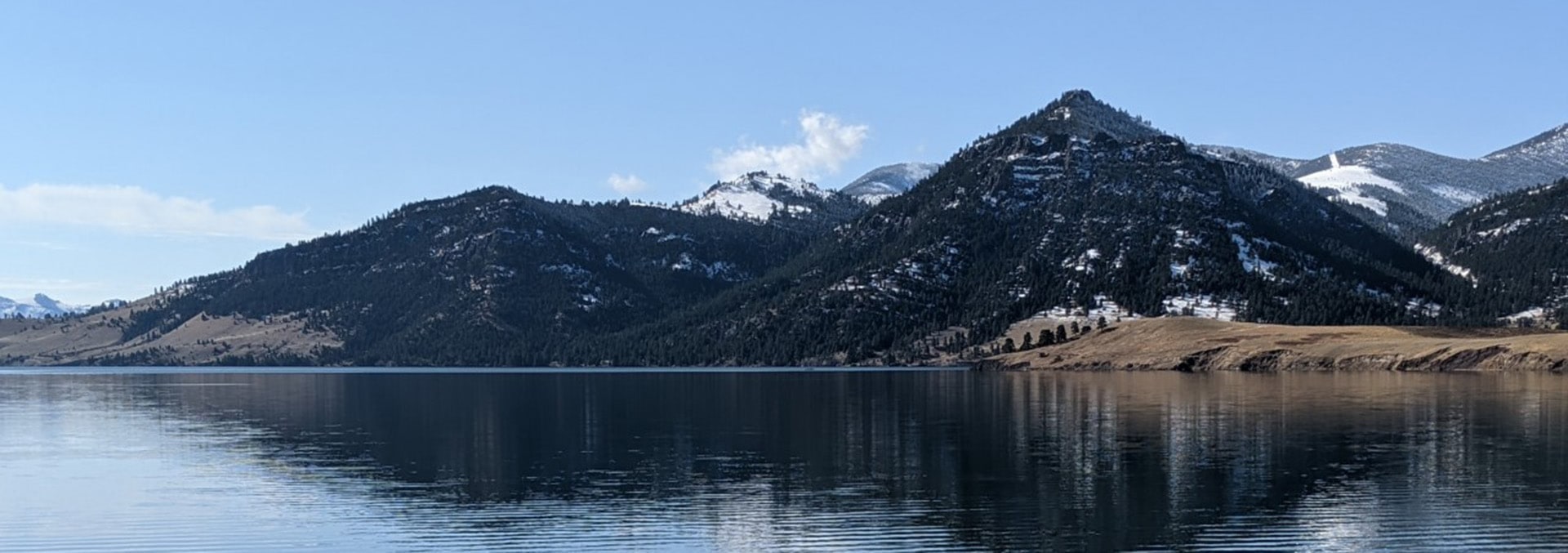
Holter Lake Fishing Cabin
Wolf Creek, Montana
This Montana property includes a log cabin with a spacious guest house situated to enjoy unparalleled Holter Lake and surrounding mountain views. The 3 bedroom and 3 bath custom log home features a welcoming floor plan and includes vaulted ceilings, large windows to enjoy breathtaking views, a wrap-around deck, and multiple balconies to take in the scenery and surroundings from sunrise to sunset. A recently constructed, modern 4 bedroom and 2 bath guest house is above an oversized 4 car garage.
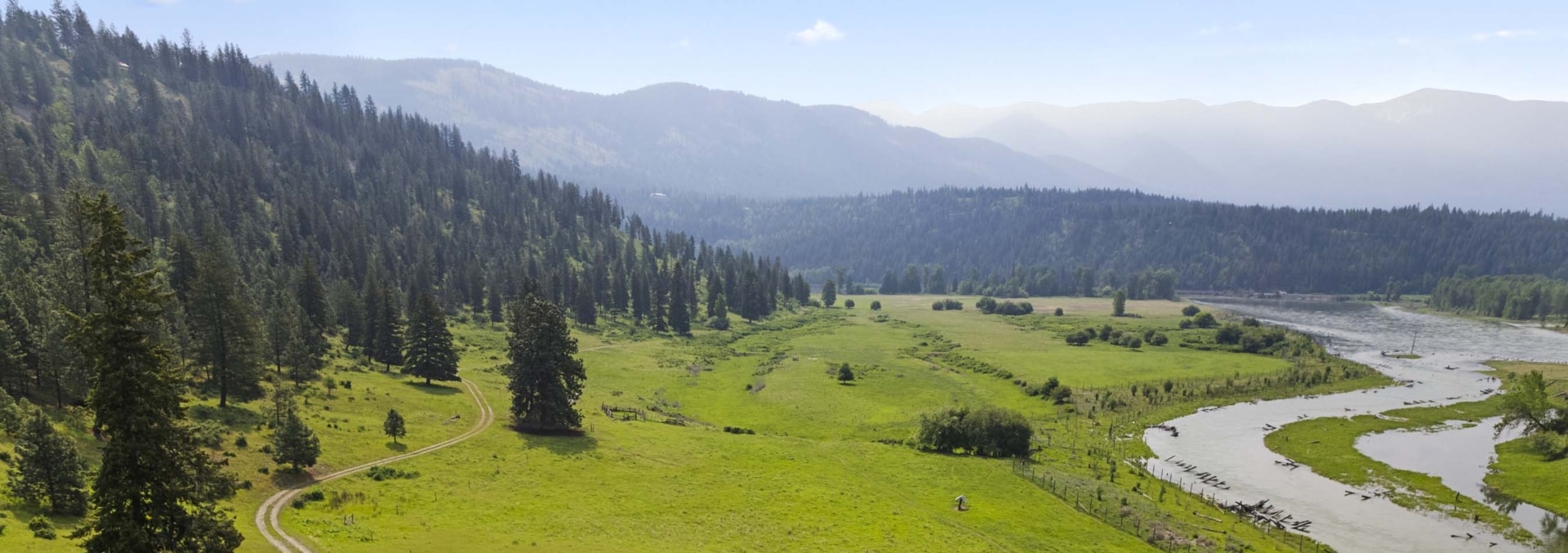
Kootenai River Ranch
Bonners Ferry, Idaho
The Kootenai River Ranch is a rare opportunity to own 1.5± miles of beautiful Kootenai River frontage and acres of buildable land, making the possibilities endless. It offers private end-of-road access and developed roads throughout the property. Currently leased as summer grazing for cattle, the vegetation is lush and sub-irrigated for a green sustainable pasture. River bank restoration was put into place nearly 10 years ago for bank stability for years to come.
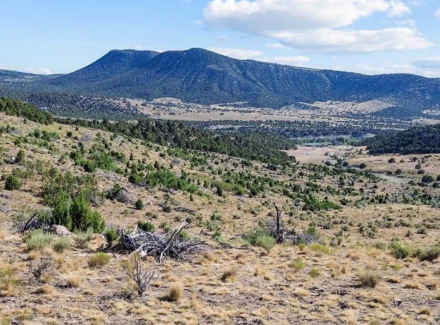
Ridge & Hollow Ranch
Mayfield, Utah
Set against Utah’s Wasatch Plateau, this working cattle ranch borders the Manti-La Sal National Forest, offering direct access to public land and expansive alpine views. Currently supporting about 218 head in a rotational grazing program, it includes a quarter water share and summer USFS allotments with natural springs, streams, and beaver ponds. Twenty acres are excluded from the conservation easement, providing a potential site for future improvements. Recreational opportunities are plentiful.
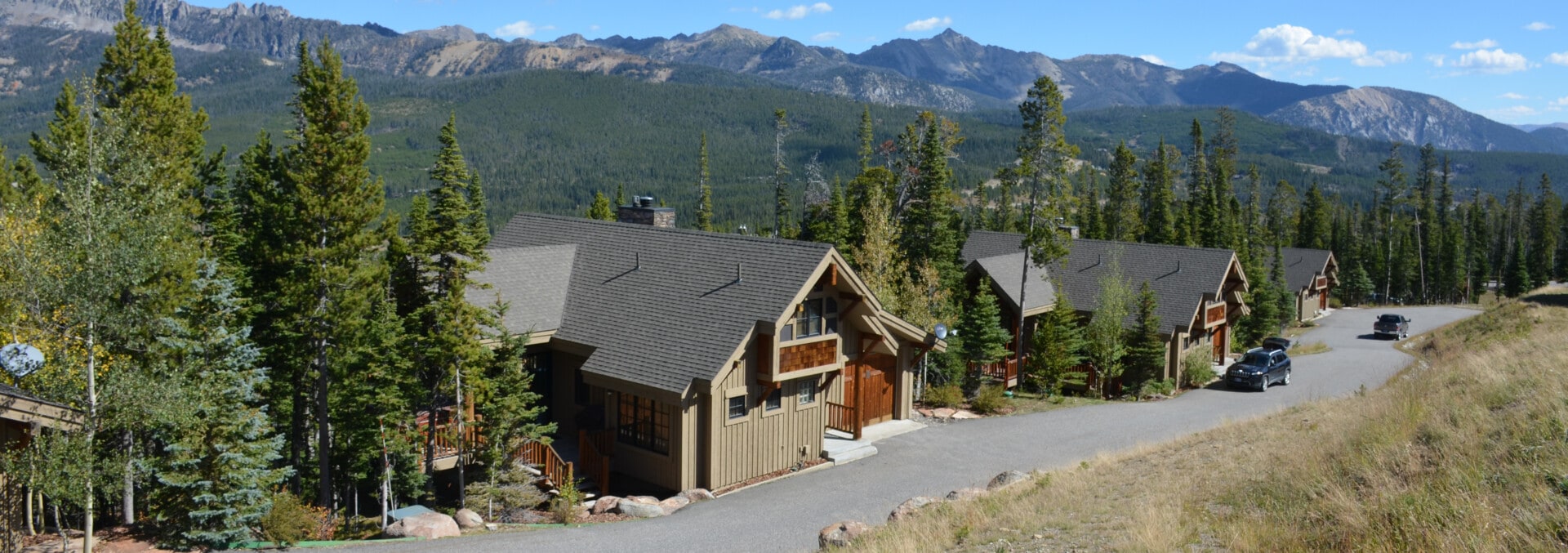
Big Sky Getaway
Big Sky, Montana
Located at the top of Moonlight Basin, this Ski-In/Ski-Out elegant home is found just steps off the groomed corduroy Gambler ski trail on a tranquil wooded lot providing direct access to both Big Sky and Moonlight Basin ski areas.
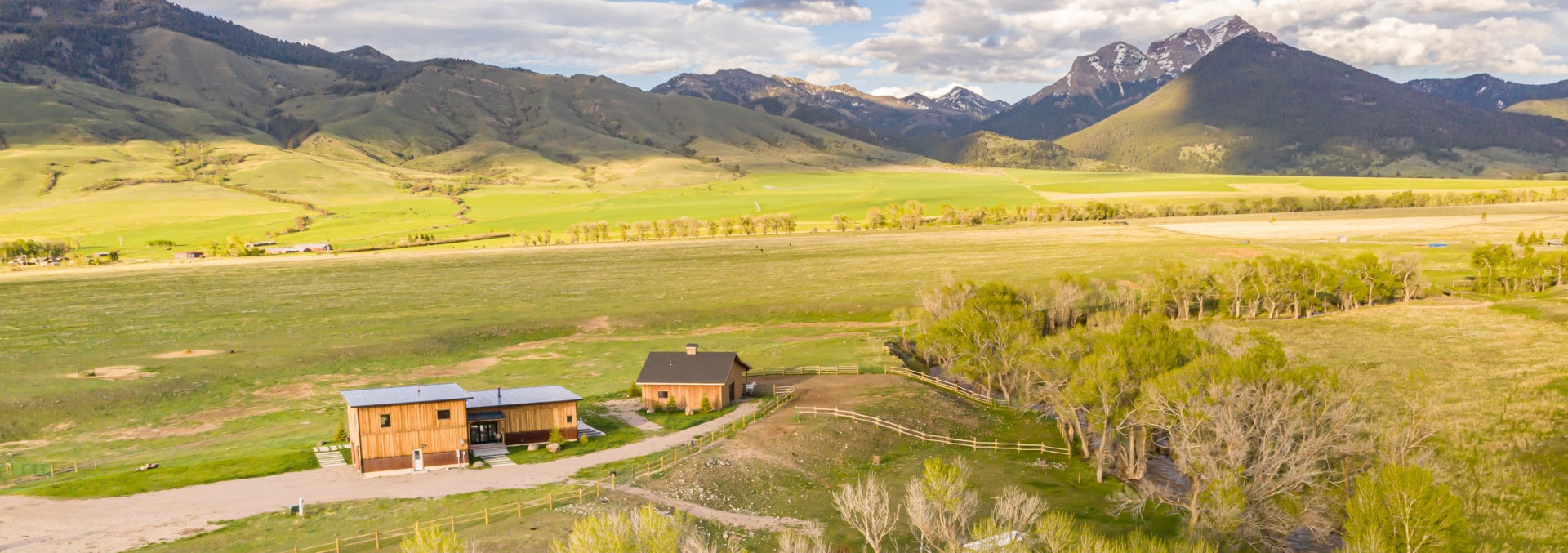
Bear Creek Estate
Cameron, Montana
This 66± acre property offers plenty of room for recreational pursuits as well as a 3-bedroom, 2.5-bathroom, 2,456± SF state-of-the-art home with views of Sphinx Mountain and the Madison Range. Located in the heart of world-class fly fishing and hunting country, just a few minutes from the genuinely Western town of Ennis, and close to the college town of Bozeman, Montana this property is one-of-a-kind.
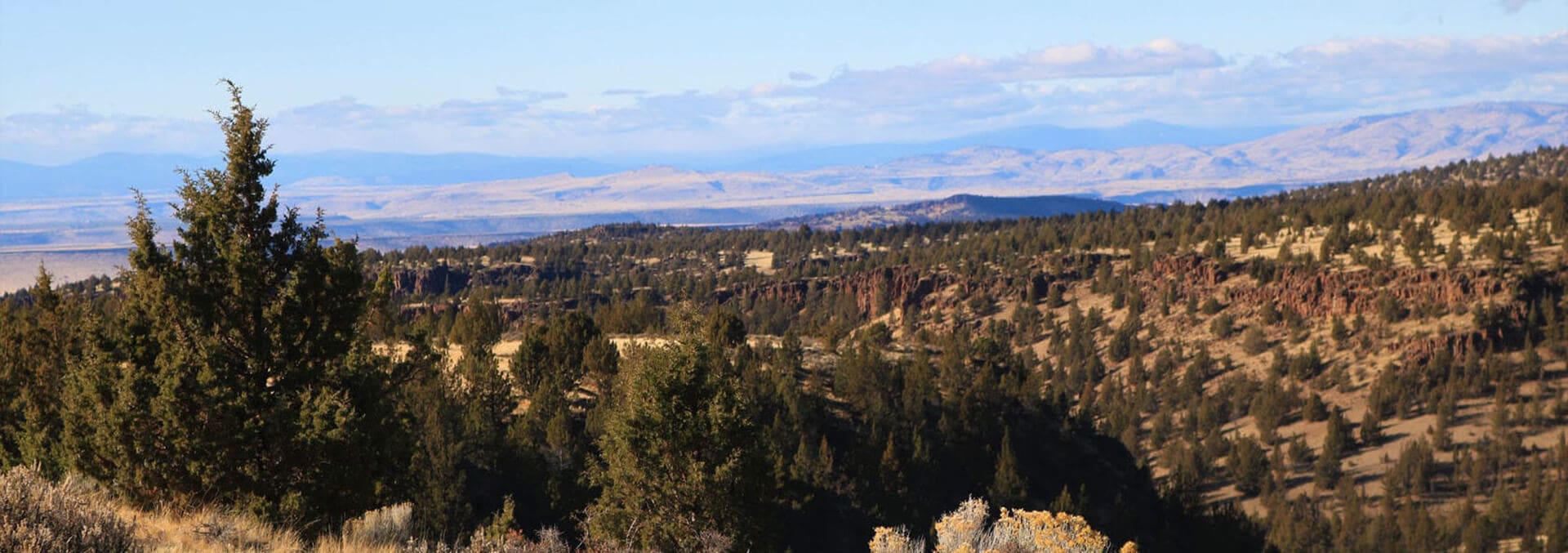
Pine Creek Hunting Camp
Ashwood, Oregon
Privacy and big game hunting! Conveniently located 150 miles from Portland and an hour from Redmond, Oregon. Complete with Cascade Mountain views, and three landowner preference tags for buck deer and bull elk (buyer to confirm with ODFW), this is an outdoorsman’s dream! This slice of heaven was used hundreds of years ago as a base camp for the Native Americans. A large cave in the massive rimrock overlooking Pine Creek served as a main camp for the local Indian hunters.
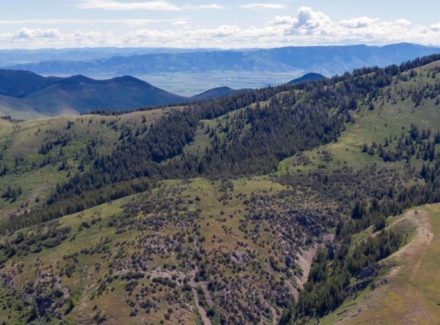
East Dempsey Creek Hideaway
Lava Hot Springs, Idaho
This Idaho land, divided into 650± and 320± acre parcels, surrounded by state land near Baldy Mountain, grants access to recreational spots and Bear Lake. Perfect for wildlife enthusiasts and fly fishing, it boasts easy access to urban areas. The habitats attract wildlife and are a haven for elk and mule deer. This ranch merges natural beauty, diverse habitats, and grazing potential, presenting a prime investment that encapsulates outdoor living, promising a distinctive Idaho lifestyle.
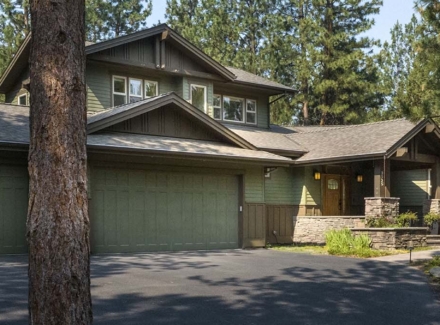
McCready Home
Bend, Oregon
Situated on one of the most private lots in the exclusive gated Awbrey Glen Golf Community, this exquisitely positioned homesite sits amongst mature Ponderosa pines overlooking the 4th green. Inside, every detail has been carefully curated to ensure the utmost comfort and style, including high-end appliances, custom lighting, and wood floors. It is conveniently located near downtown, trails, and all the local activities Bend, Oregon, has to offer.
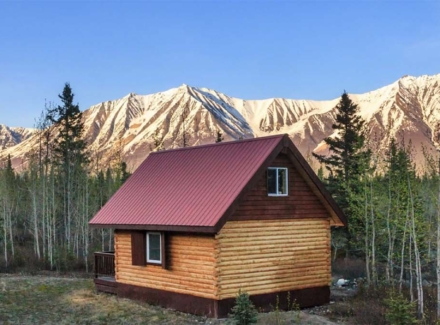
Fireweed Mountain Lodge
McCarthy, Alaska
This 5± acre property near McCarthy, Alaska, borders Wrangell-St. Elias National Park and offers rare drive-up access, a 2,600± SF home, three log cabins, wells, septic, and airstrip proximity. Off-grid yet comfortable, it’s ideal for retreat or tourism use. McCarthy’s rich history, authentic charm, and growing popularity make this a standout opportunity. Enjoy privacy, adventure, and potential in one of Alaska’s most scenic and accessible locations — just 1.5 miles from town.

Grizzly Mountain Timberland
Prineville, Oregon
Take advantage of the endless recreational possibilities that Grizzly Mountain Timberland has to offer! With 1,480± acres of very private timbered land and Cascade Mountain views, it’s the perfect setting to build a cabin or hunting lodge.
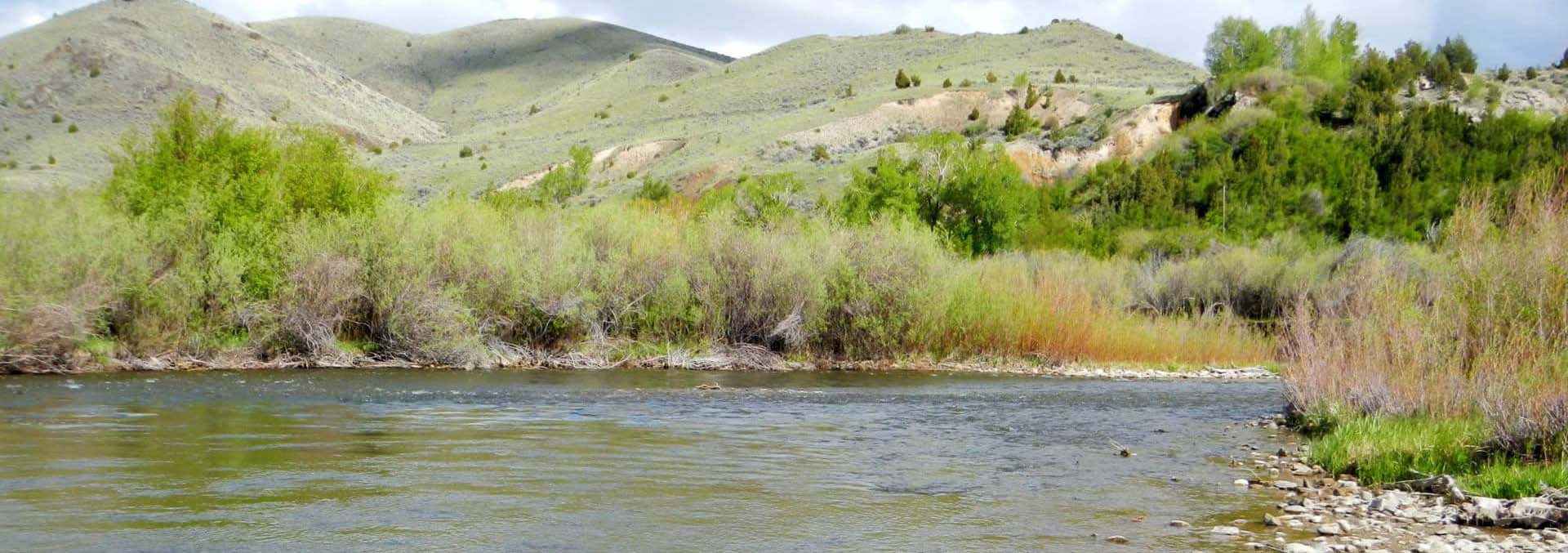
Beaverhead Springs Ranch
Dillon, Montana
- $1,350,000
- 280± deeded acres
- Nice balance of riparian river bottom and native range land

High Line Organic Wheat Farm
Dodson, Montana
This very productive organic farm in Montana has a proven history of producing high-quality organic wheat. Whether you are a producer looking to get into organic farming for the first time, a current operator, or an investor looking for a farm to invest in, this farm has a ton to offer. With multiple reservoirs and year-round live water in the North Fork of Mud Creek, this farm is a playground for the wildlife native to the area.
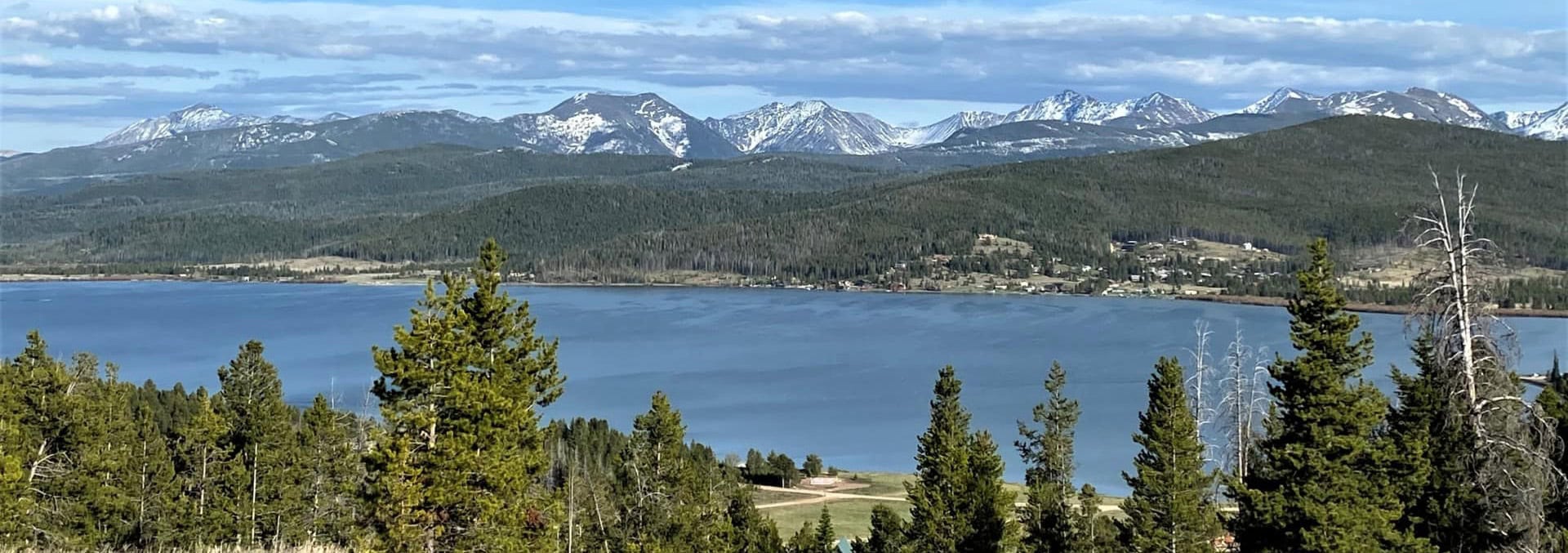
Pintlar Peaks Vista
Anaconda, Montana
Just 25± minutes south of Philipsburg and a few minutes from Georgetown Lake, this 20± acre property is perfect for a large family or an investor looking to run a bed and breakfast, VRBO/Airbnb, or corporate retreat. A quintessential piece of Montana, the 5,352 SF, 7 bed, 6 full bath, 1 half bath custom home sits atop a hill above Georgetown Lake, looking out at dramatic views of the Anaconda-Pintlar Wilderness, the Beaverhead-Deerlodge National Forest, and the Continental Divide.
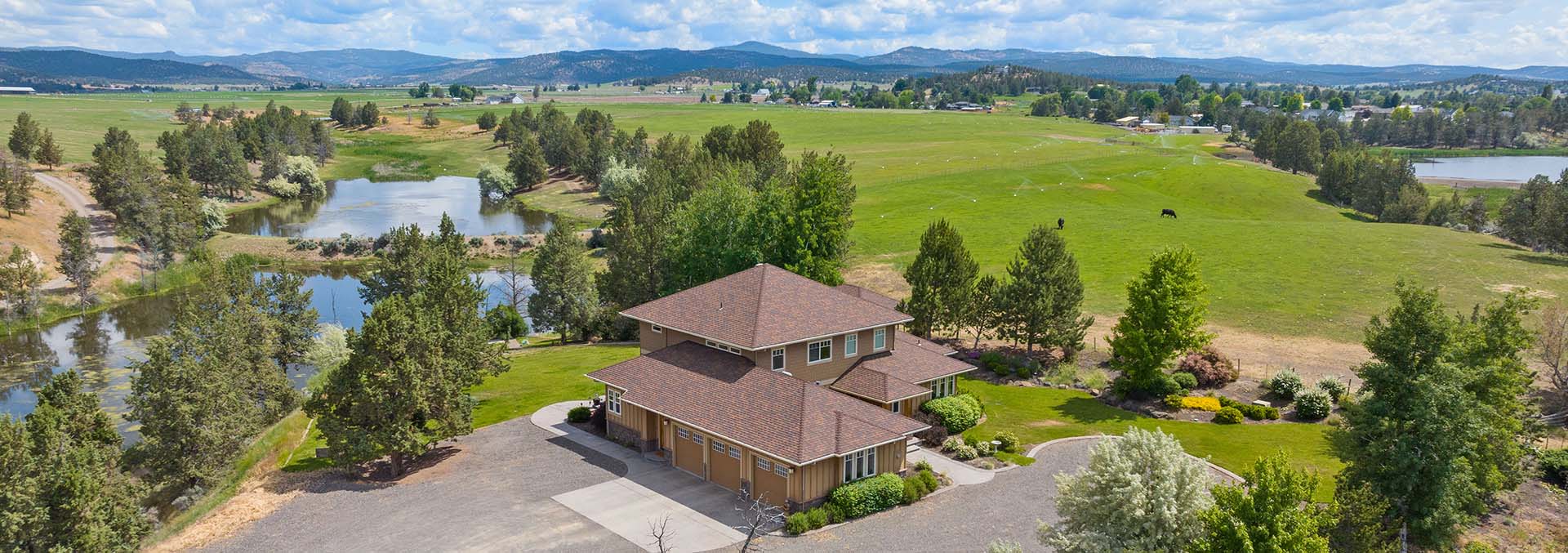
Retreat at Barry’s Pond
Prineville, Oregon
Escape to this serene property, an idyllic refuge in Oregon. This luxurious property encompasses everything in an upscale residence. Alongside the exquisite home, you’ll discover a private pond that invites you to indulge in fishing, wildlife observation, and recreational activities. With an attached 3-car garage and a 3-bay shop, ample room exists for parking, storage, and pursuing your projects. Enjoy the breathtaking views and peacefulness offered by the back patio and outdoor kitchen.
Fulton Ridge Ranch
on the Columbia
The Dalles, Oregon
Relax on your 363± acre getaway near the Columbia River in The Dalles, Oregon. This charming home boasts 3 beds, 3 baths, modern conveniences, & stunning river views. Enjoy free Wi-Fi, proximity to the Deschutes River, diverse wildlife, a serene pond, & facilities for equestrian activities. Outdoor enthusiasts will appreciate the rifle range, gardens, & a garage shop. With its panoramic deck, wine storage, and wet wine bar, Fulton Ridge Ranch is perfect for nature lovers and social gatherings.
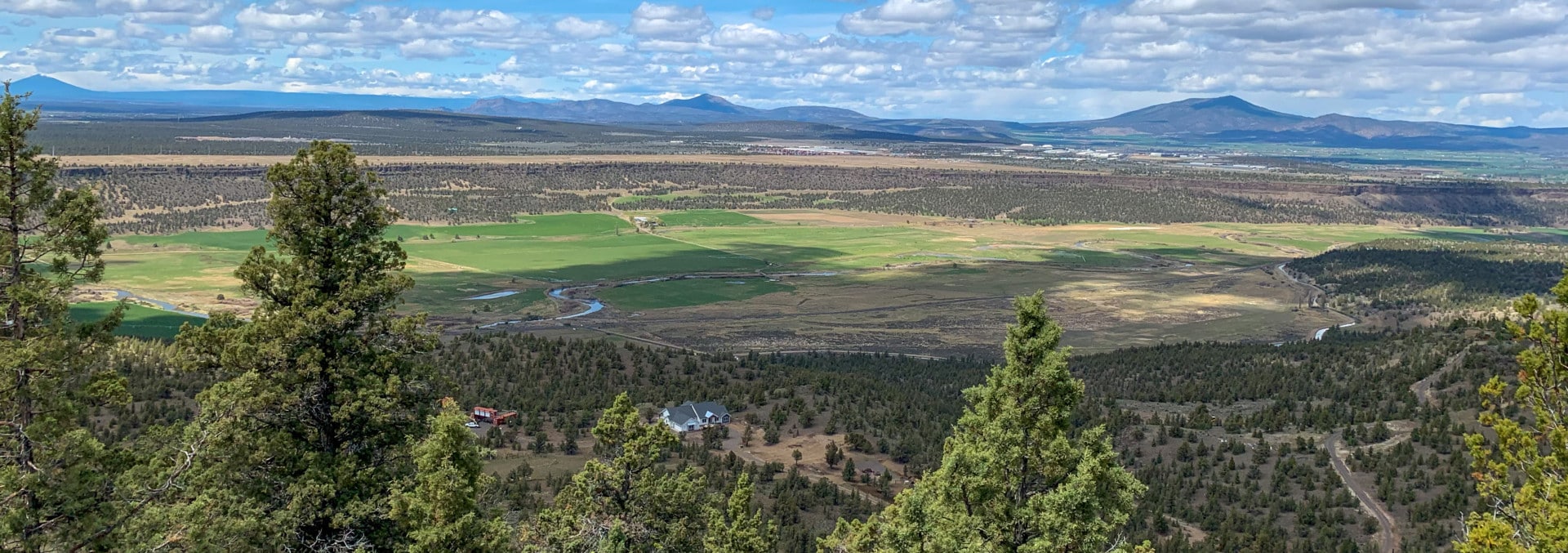
Cascade View Farmhouse
Prineville, Oregon
This beautiful, custom-built modern Oregon farmhouse provides gorgeous views of the Cascade Mountains, the Crooked River Valley, Stearns Butte, and surrounding landscapes. The very private and secluded property has a long private driveway with a locked gate but is only 10 minutes from Prineville and less than an hour from Bend. The open floorplan features timber frame accents and beams, two master suites on opposite ends, two additional bedrooms, and an outdoor area with firepit and hot tub.
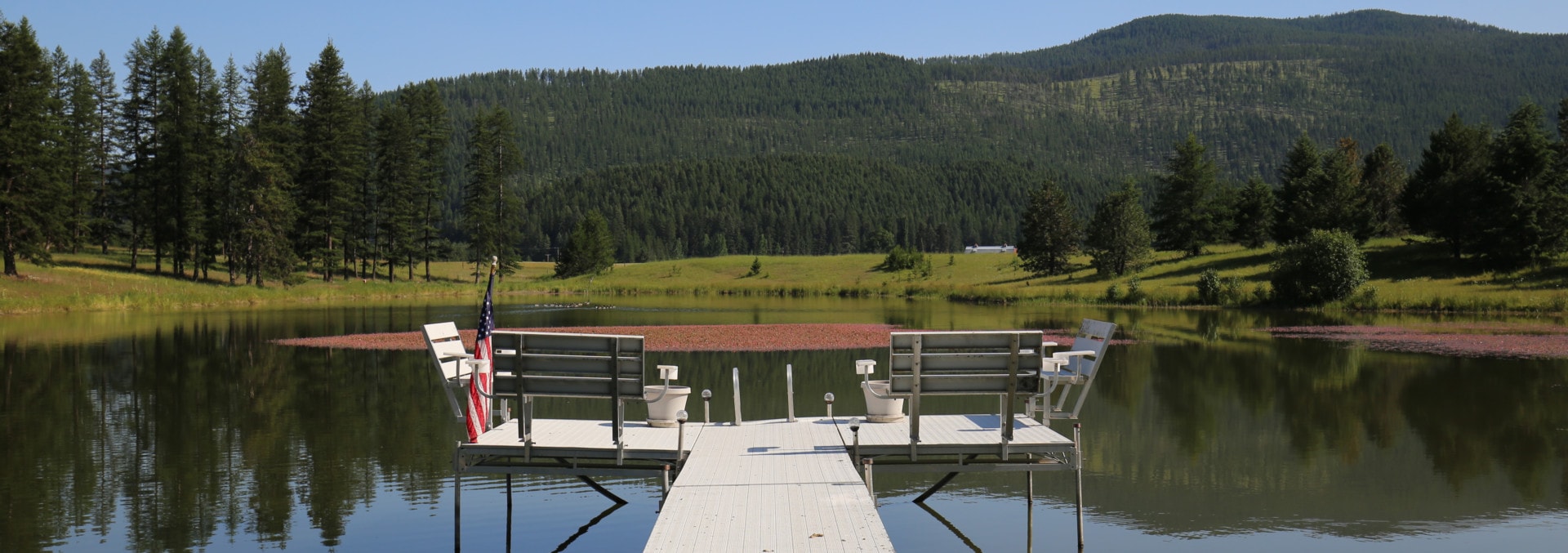
Moose Meadow Ranch
Trout Creek, Montana
This is a beautiful and functional recreational ranch with access to thousands of acres of National Forest. There is a large custom home and a guest home, as well as a 4± acre pond and .3± miles of Little Beaver Creek for the avid angler to enjoy casting flies to hungry trout. This property is ideally situated in the middle of recreationally abundant northwest Montana where the year-round recreational amenities are endless.
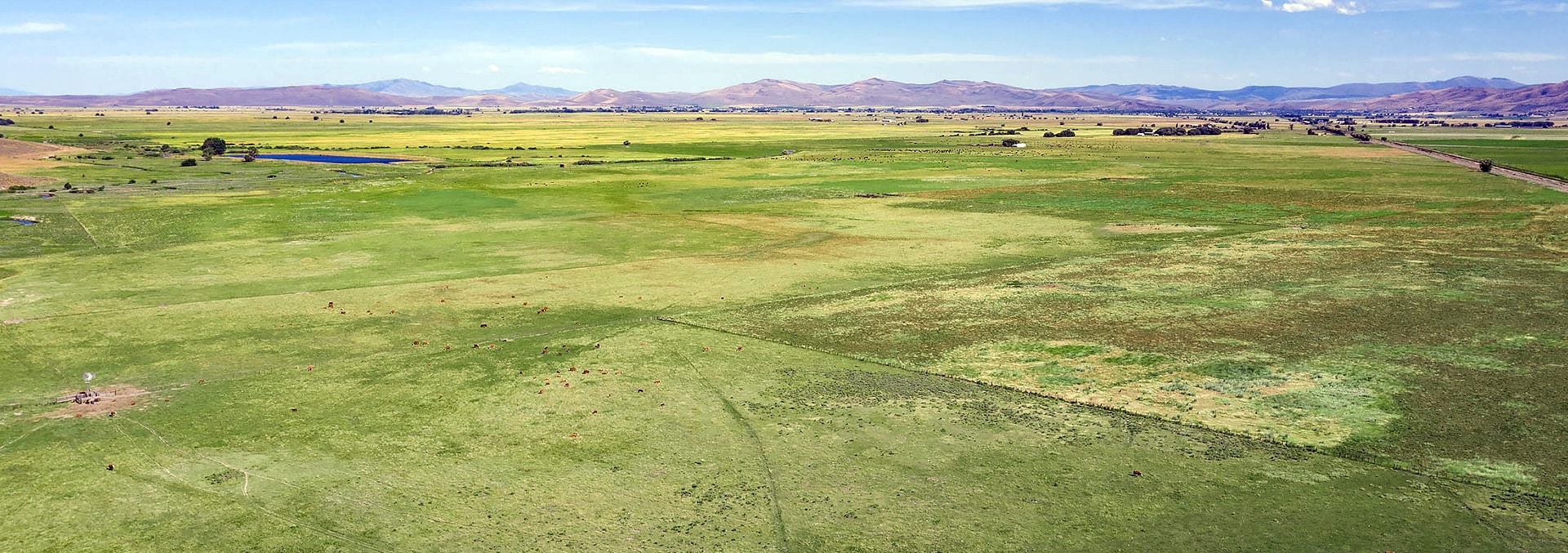
Chandler Hereford Ranch – North Unit
Baker City, Oregon
The North Unit of the Historic Chandler Hereford Ranch supports the pasturing of 130 pairs, plus produces 300± tons of quality meadow hay. For ease of management, the ranch has a serviceable set of corrals, is fenced and cross-fenced and has ample stockwater which is provided by an onsite well, irrigation ditches and a slough.
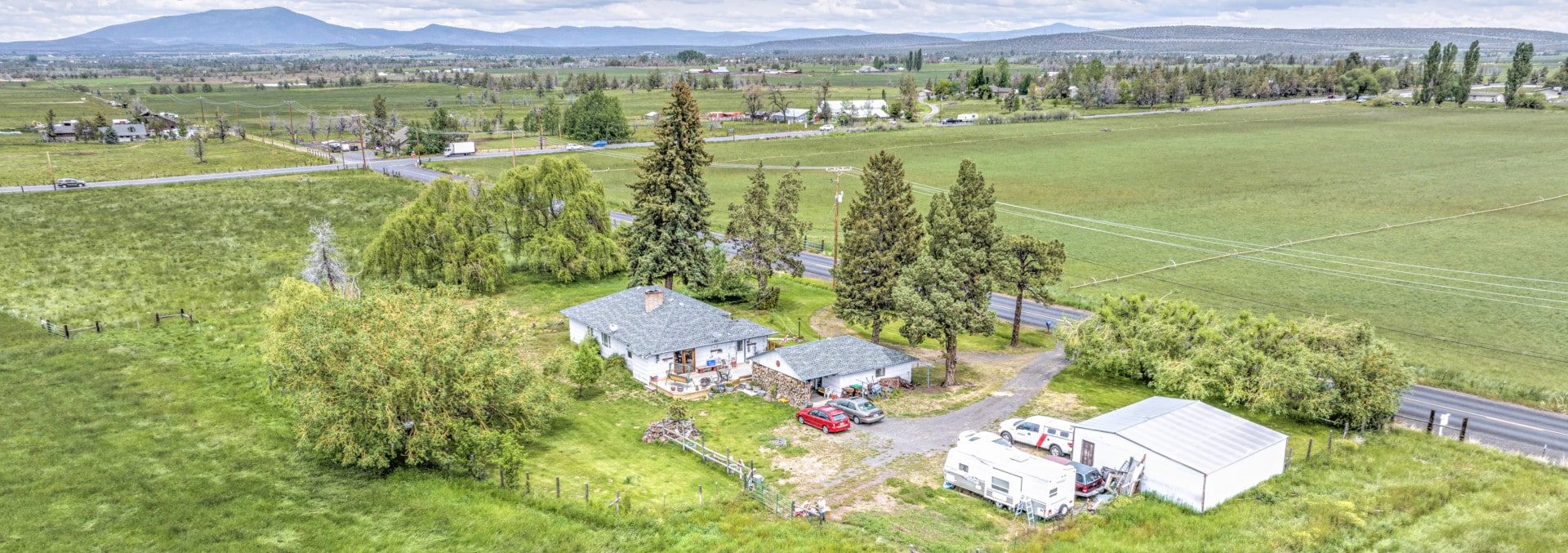
Three Sisters View Ranch
Powell Butte, Oregon
This is an excellent small Central Oregon ranch with 73± acres of irrigation through the COID. All the necessary improvements to run a small farm or ranch operation are already in place. These improvements include a 2-bed/2-bath stick-built home, a second manufactured ranch hand home, a 2019 6-tower Reinke pivot, a 2012 pole style hay barn, small equipment shed, loafing shed, a small set of working corrals, and a shop with an animal shelter. Imagine the breathtaking Cascade Mountain views!
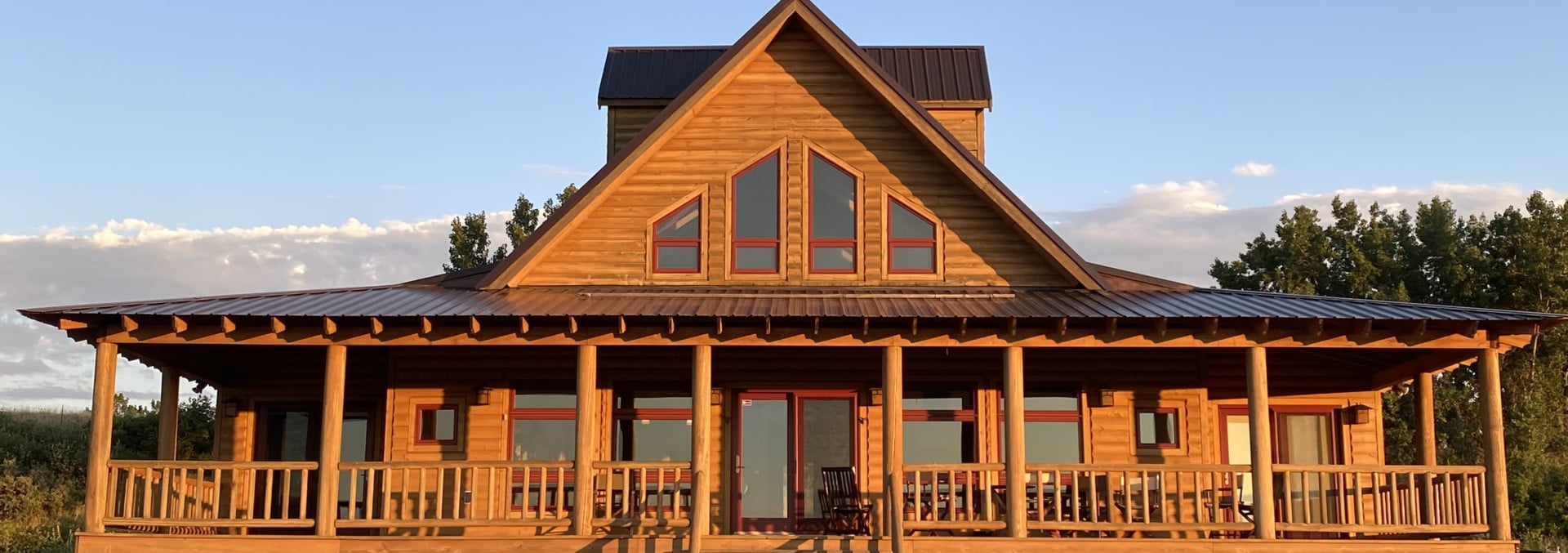
Veritas Lodge
Fort Smith, Montana
This Montana lodge sits just one mile downstream of the Yellowtail Dam offering riverfront acres on one of the most iconic flyfishing tailwaters in the lower 48. With one of the highest concentrations of wild brown and rainbow trout per mile in the west, the Bighorn River is an angler’s paradise. The property has over 0.25 miles of river frontage, a gently rolling topography of chokecherry and buffalo berry bushes, willows and cottonwoods, a spring, and several small coulees.
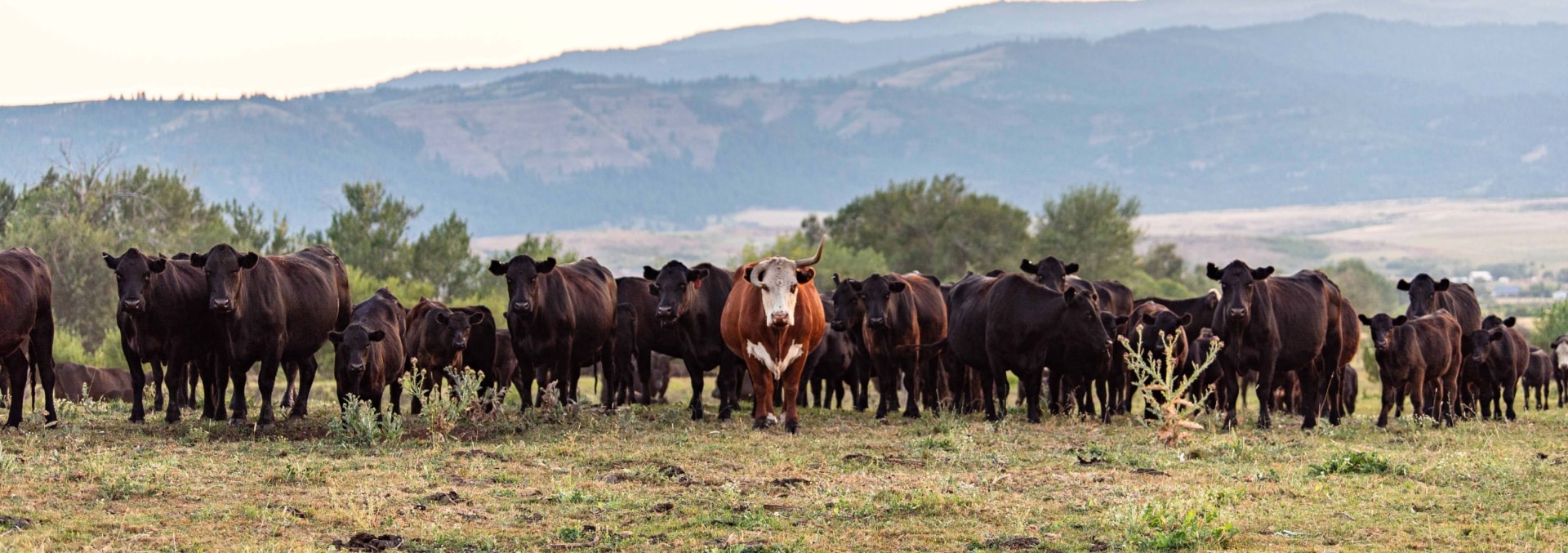
Mill Creek Ranch
of the Upper Country
Council, Idaho
Two-step your way into the heart of Idaho’s timeless farming and ranching community of the “Upper Country” on the quiet side to McCall where the wilderness mountain town collides with Western traditions. Get in the rhythm guided by the four seasons where hard work, respect for the land, and the connections that bind a community are set values of this small rural mountain town. Enjoy the slow, primitive, country living, from cattlemen to the avid outdoorsman and everyone between.
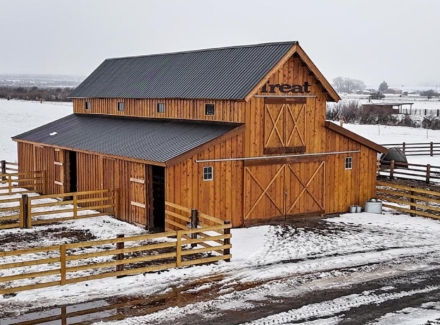
Lone Pine Ranch
Ellensburg, Washington
The Washington property features a professional outdoor arena for training and events, complemented by a custom-made cedar barn with paddocks and a tack room. A large shop provides storage, & a charming 3-bedroom house offers a relaxing living space. The ranch is a turnkey horse boarding operation for up to 20 horses, with established infrastructure & irrigated pastures. This property invites both seasoned professionals & passionate newcomers to embrace a lifestyle where passion meets purpose.
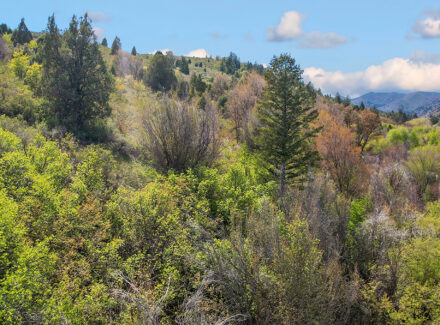
Walker Creek Lookout
McCammon, Idaho
A foothill block along the Bannock Range’s western flank in SE Idaho. A year-round creek tracks the county road, providing four-season I-15 access with winter privacy. Elevation rises from 4,840 to 5,280 feet with open views to Haystack Mountain. Resident mule deer, turkey, and seasonal elk, with BLM and National Forest access nearby. Within Idaho Big Game Unit 70. Pocatello is under 20 miles; SLC 2.5± hours south. Agricultural zoning, 40-acre division flexibility.
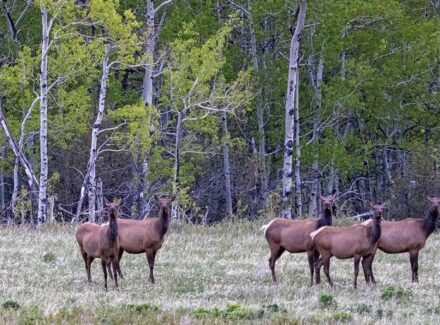
East Bridger Preserve
Wilsall, Montana
This property seamlessly blends open grass and sage pastures with dense Douglas fir-covered ridges. The varied terrain creates stunning viewsheds in every direction while providing wildlife with prime cover, natural travel corridors, and reliable water access. Fertile soils and multiple natural springs make this an ideal setting for gardens, crops, and livestock operations. Elk, deer, black bears, and moose are drawn to the lush surroundings offering a rare front-row seat to Montana’s wildlife.
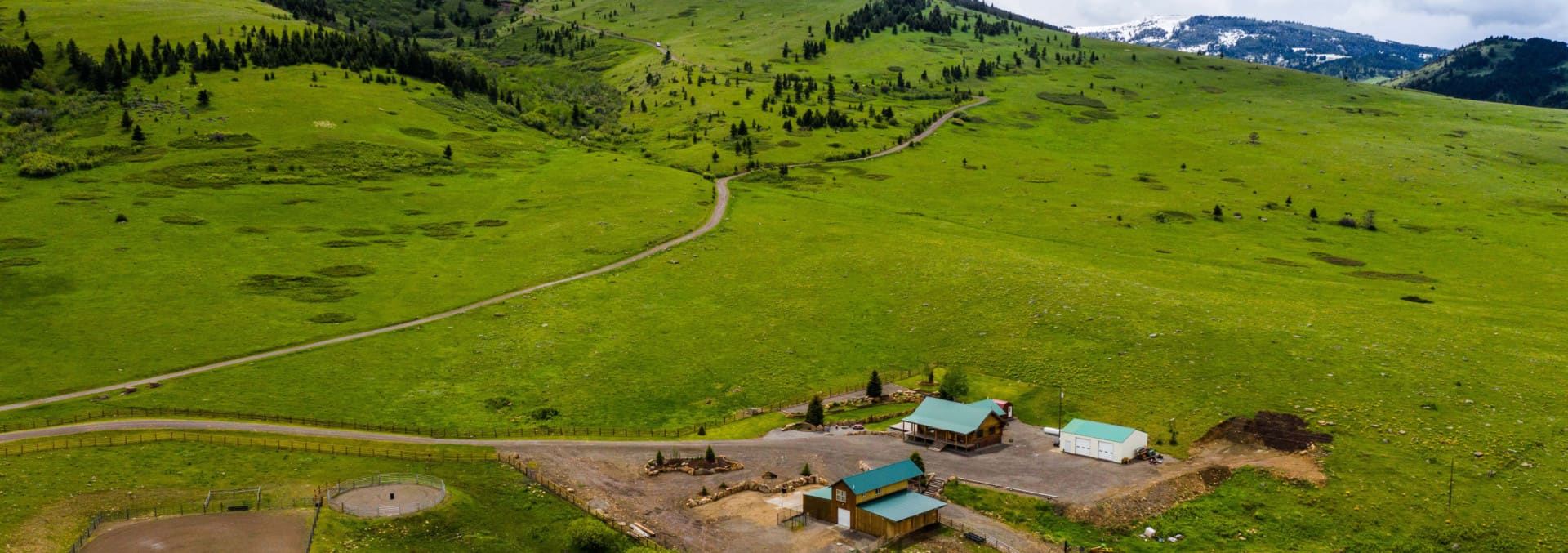
Elk Haven Ranch
Livingston, Montana
This property is just 25± miles from the historic town of Bozeman, 8.5± miles from beautiful downtown Livingston and consists of 152± unencumbered acres that have been surveyed into seven 20-24± acre parcels, providing a future owner with many options, including a conservation easement. This private yet convenient location offers diverse topography, privacy and spectacular views.
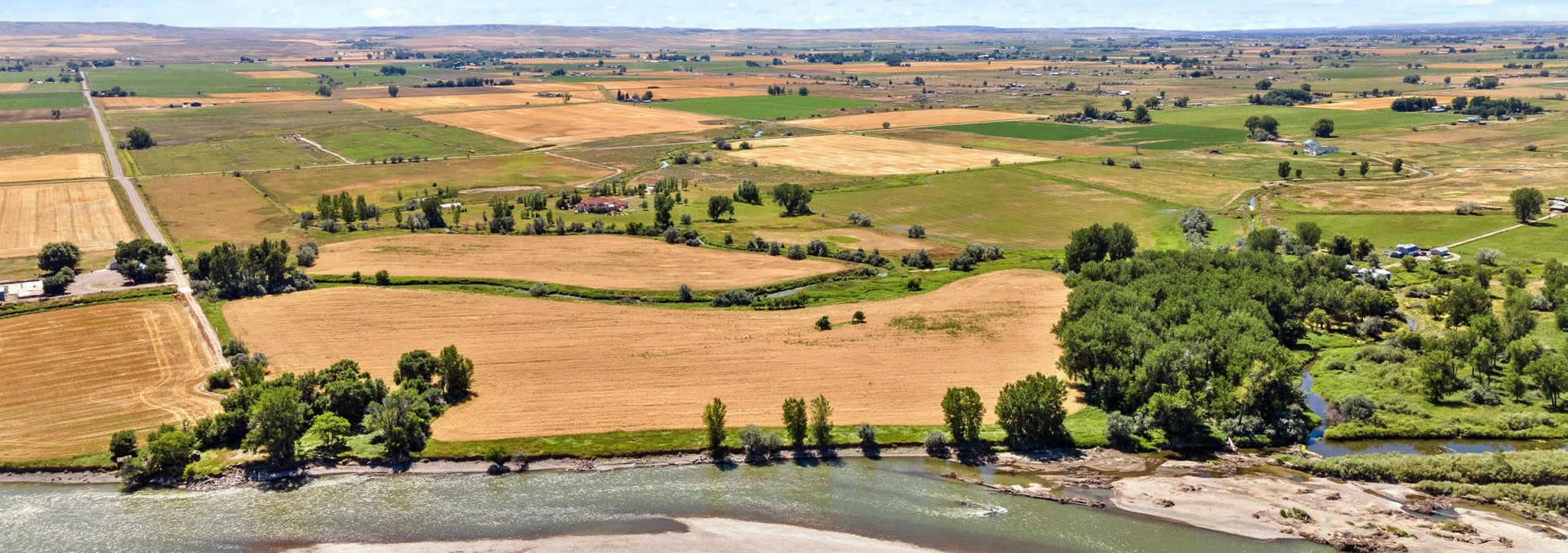
Arrow Creek Refuge
Worden, Montana
This Montana home sits along the banks of the Yellowstone River, boasting 1,500± feet of river frontage. Other water features include .78± miles of Arrow Creek, as well as two large ponds. The 110± productive acres boast a spectacular 7,154± SF home, a large outdoor kitchen/patio, a 2-car garage and 3-car garage, and room for a barn or shop. From the moment you drive through the gate, you will be awestruck by all this property has to offer.
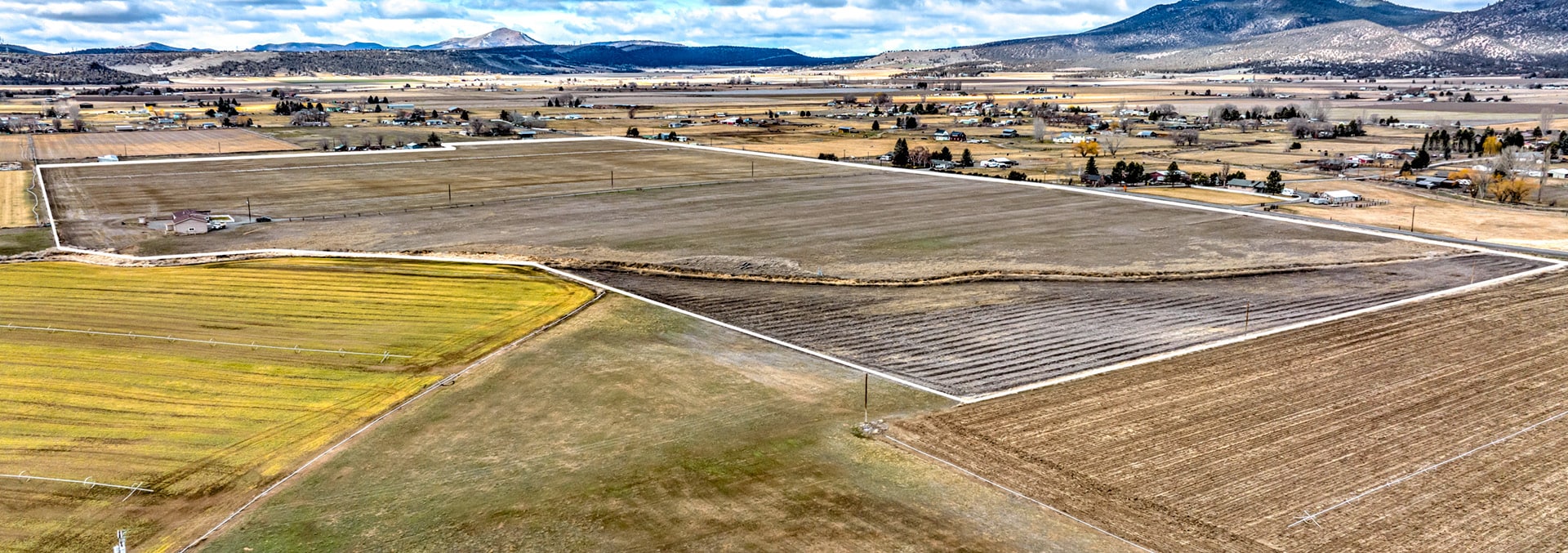
Grimes Farm
Prineville, Oregon
This Oregon farm features a custom-built triple-wide manufactured home and shop. It is off the main road, sitting at the end of a long private driveway that runs through the property. The property is irrigated with three wheel lines, a pivot, and hand lines and has historically been planted in alfalfa and a stand of teff grass, The teff grass would need to be replanted this year, or the land planted with a new crop. This property offers deep farm ground, suitable for high-yielding hay and grain crops.
Upper Rock Creek Retreat
Philipsburg, Montana
This beautiful mountain ranch in Montana features multiple building sites with beautiful mountain and valley views ideal for constructing a full-time or retreat home. Situated in a region rich with wildlife, including resident herds of elk and deer, this property is in a prime location for big game hunting pursuits. Other wildlife include moose, bighorn sheep, coyotes, eagles, etc. A nice trail provides easy access to the National Forest boundary for out-the-back gate recreation and enjoyment.
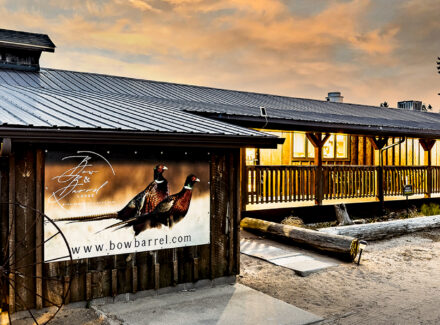
Bow & Barrel Lodge
Joes, Colorado
A premier upland hunting destination built to deliver world-class pheasant experiences amid the open Colorado high plains, this fully operational lodge property features two impressive guest lodges with a combined eight private rooms, full commercial kitchens, bar, and expansive gathering spaces capable of hosting large groups or intimate parties simultaneously. Supporting improvements include an owner’s residence, guide shack, kennel, bird pen, and storage.
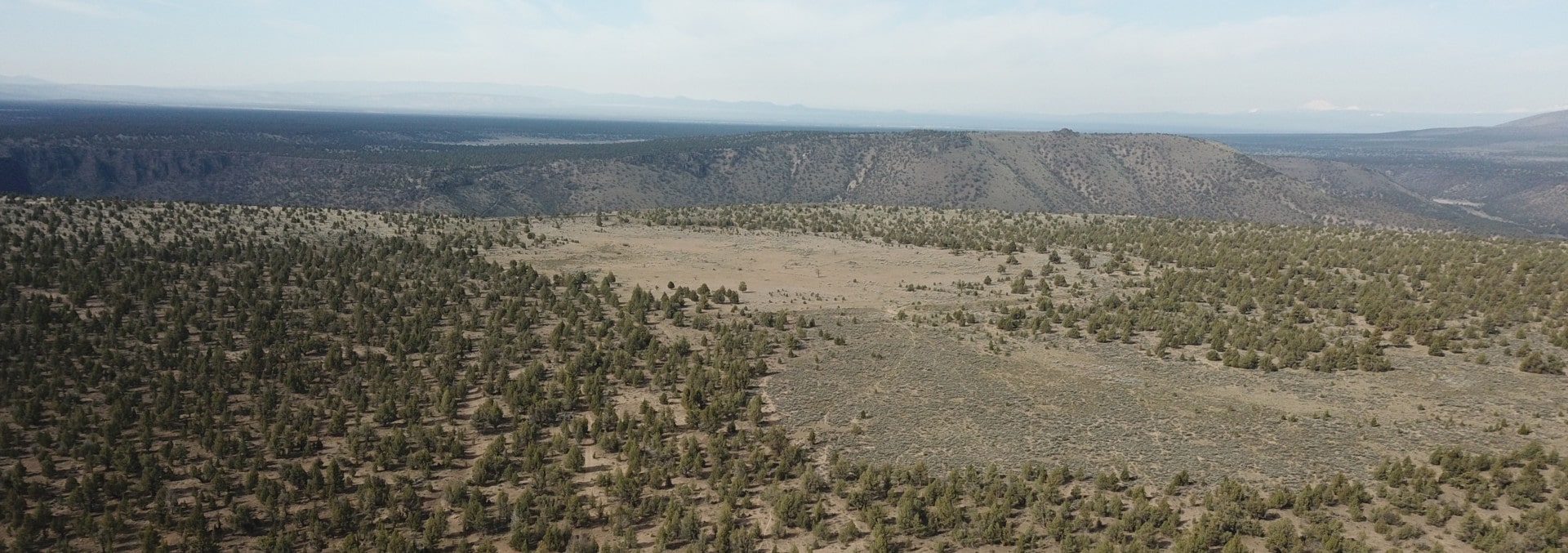
Stearns Land Company Parcel A & B
Prineville, Oregon
This Central Oregon property offers an excellent project choice or for someone looking to build their dream home while making a good investment. With over 300 days of sunshine, unlimited recreational opportunities, and pristine beauty, it’s no wonder why it continues to be a desirable place to live. This property also has the potential for a solar project, with preliminary work already being completed. This is the perfect opportunity to be in one of the best places to live in the United States.
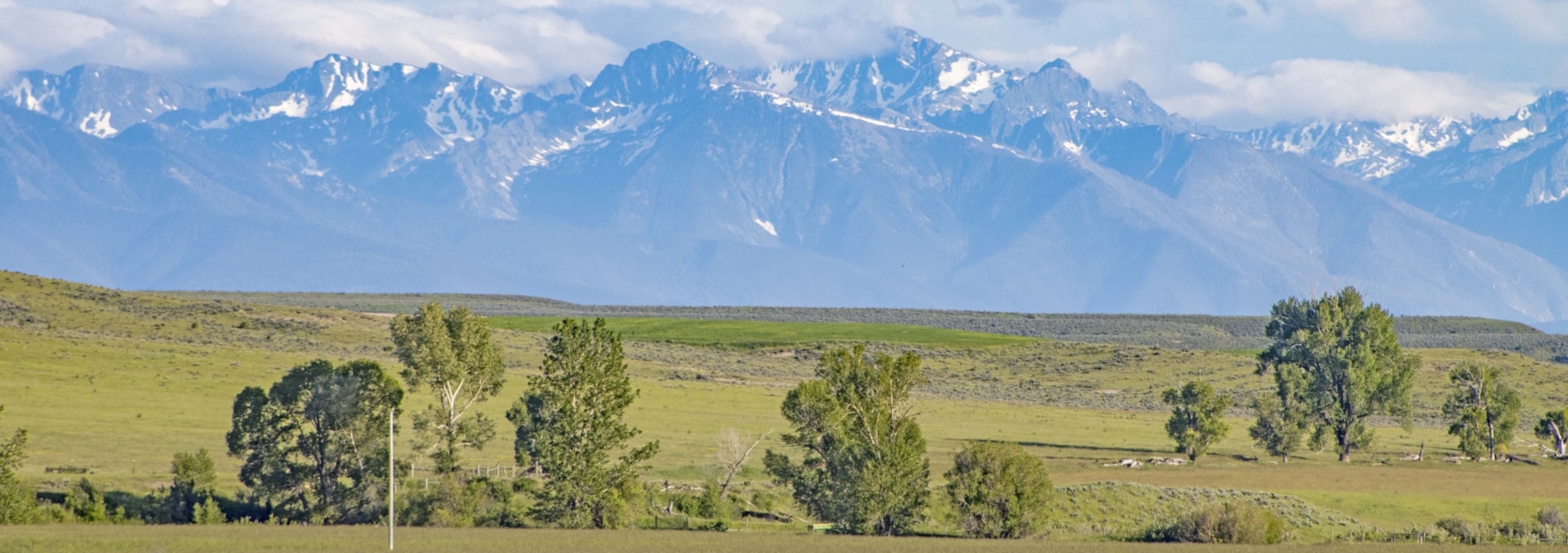
Elk Creek Ranch
Wilsall, Montana
Boasting 0.6± miles of Elk Creek, a tributary of the Shields River, this property is nestled between the Bridger, Absaroka, and Crazy Mountains in Montana and sits about 500 ft east of the Shields River, a guide favorite for fishable trout water. The property is about five minutes from Wilsall and less than 15 minutes from Clyde Park. Livingston and Bozeman are less than an hour away. This land checks all the boxes with abundant wildlife, ample grass for livestock, and hundreds of acres to recreate on.
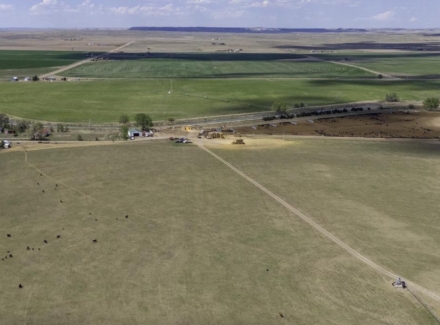
Buttermilk Farm
Torrington, Wyoming
Discover this incredible opportunity: a 168± deeded acre irrigated farm just minutes from Torrington, Wyoming. This property is a true gem, featuring exceptional production ground with roughly 121± acres under a 7-tower pivot and 183± acres of ample water rights.
The farm includes several fenced pastures, a well-maintained 5-bed, 2-bath home, a spacious shop, and a large pipe backgrounding lot. Buttermilk Farm is perfect for investors seeking a reliable cattle or agricultural investment.
Jersin Farm
Pueblo, Colorado
Jersin Farm is a 36.7± acre, income-producing property on Colorado’s sought-after St. Charles Mesa. It includes 37.6 Bessemer Ditch shares with top-tier water rights, an irrigation well, and gated pipe infrastructure. The farm supports diverse crops and offers two rental homes, multiple outbuildings, and easy access to Pueblo. With strong water, rental income, and infrastructure, it presents a rare opportunity for productive farming or investment in a premier ag community.
Wilson Timber Tract
Madras, Oregon
Wilson Timber Tract’s 1,040± acres of contiguous acres consist of rangeland, timberland and grassy meadows all within an hour’s drive from Bend. With views of the Cascade Mountains, complete privacy, endless outdoor recreational opportunities and a serene location, Wilson Timber Tract is an excellent find!

Henry’s Fork Ranch
on the Snake River
Saint Anthony, Idaho
A world renowned trout fishery and wildlife habitat. The property provides a wonderful retreat, offering peaceful privacy a living sanctuary with the mesmerizing flow of water, fresh air and tree-covered banks.
Boulder River Homestead
Big Timber, Montana
Enjoy stunning mountain views while fly fishing on your own riverfront property! Endless wildlife abounds, yet the property is only 15 minutes to the amenities of Big Timber, Montana.
Bully Creek Farm
Vale, Oregon
This Oregon farm offers irrigated land using flood, wheel line, and handline. The farm headquarters and improvements include a four-bedroom, one-bathroom farmhouse and two small shops. The current owners have grown alfalfa hay and corn for the 2021 season, with an estimated 90± acres of corn and 55± acres of alfalfa currently planted. A new owner could continue harvesting as is, plant other row crops, convert all to alfalfa, or turn the 145± planted acres into pasture land.
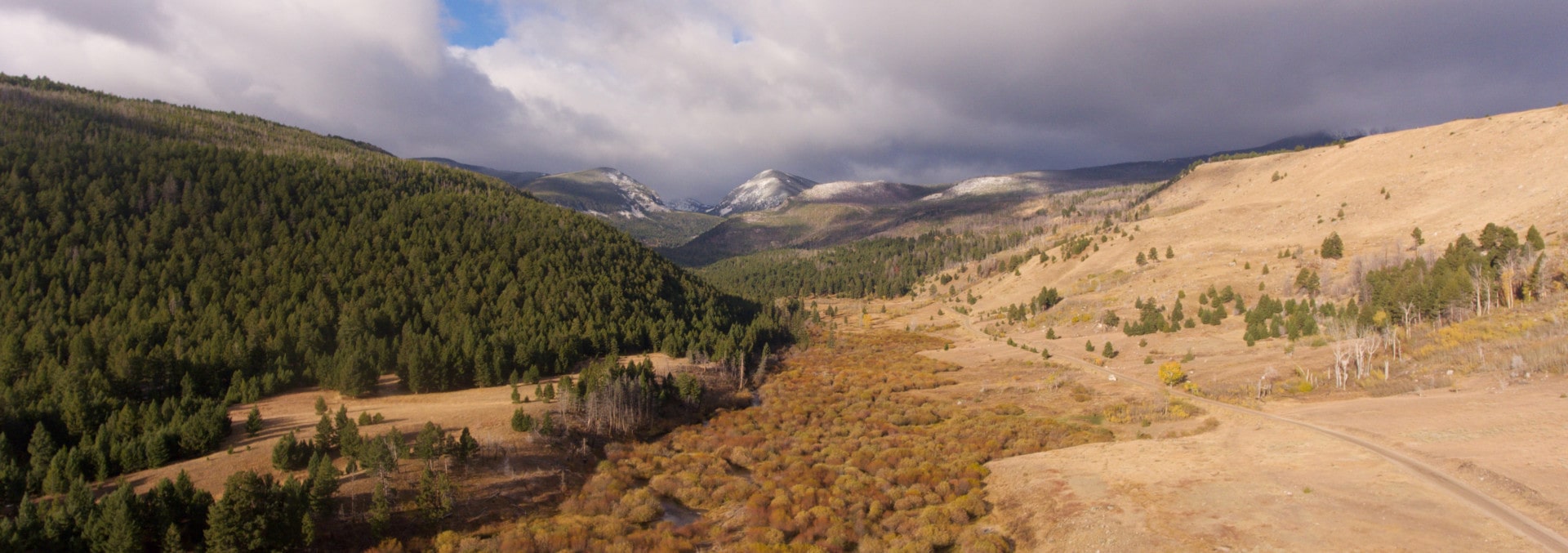
Upper Racetrack Retreat
Deer Lodge, Montana
Situated in the foothills of the Flint Creek Range along the western edge of the Deer Lodge Valley, this Montana ranch offers a rural landscape, a slower pace of life, fewer crowds, and room to roam. Thousands of acres of USFS lands encase the property boundaries, and the land is bisected by the braided riparian area created by Racetrack Creek. The upper portions of this creek flow year-round, and it has a population of resident brown, brook, rainbow, and cutthroat trout.
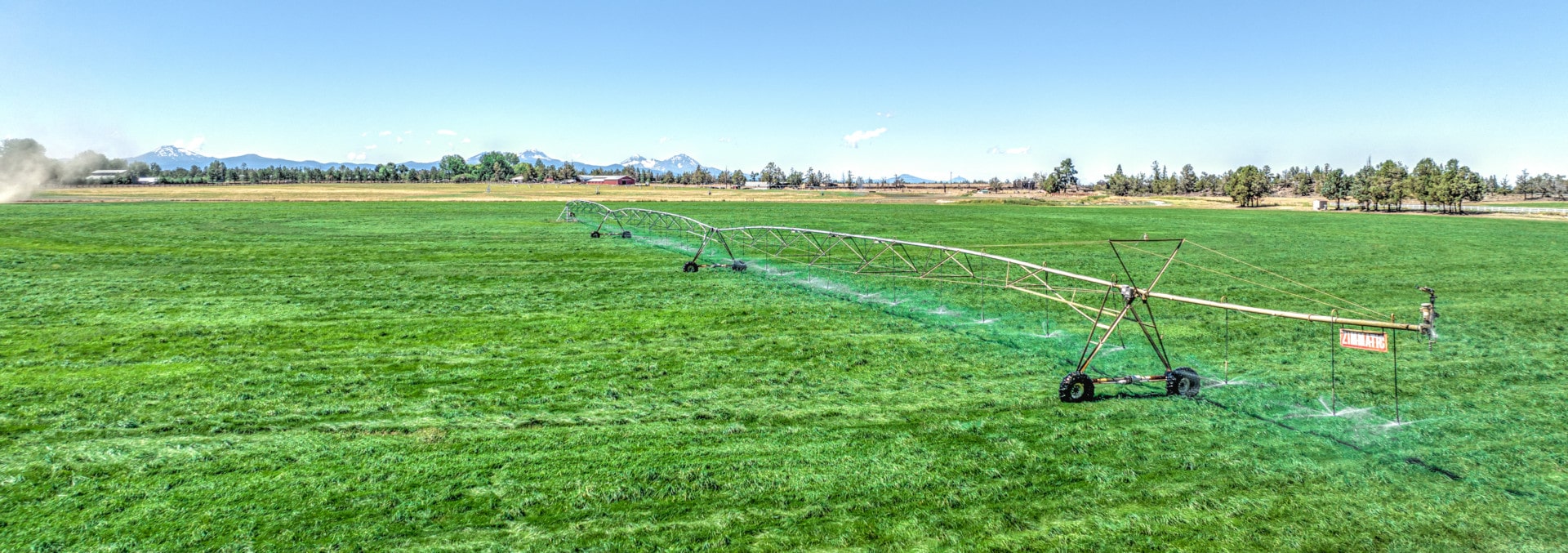
Saddle Up Pivot
Bend, Oregon
This central Oregon buildable lot is what you have always dreamed of! In a quiet country setting, this is the perfect location to build a small farm, ranch, or horse property. Power is already on the lot, and a domestic well is in place. This blank canvas also includes acres of irrigation, an irrigation pond, large hay shed, and Cascade Mountain views. One of the rarest finds in Central Oregon, it’s just waiting for a new owner to bring their imagination and inspiration to develop it.
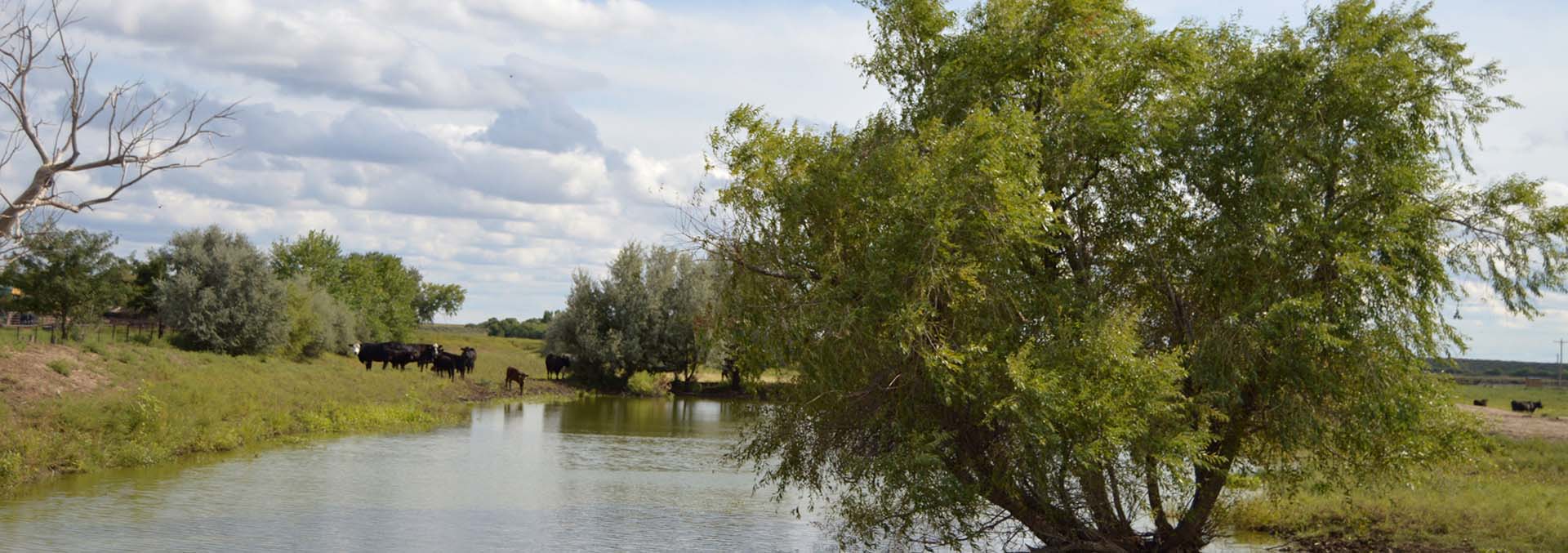
Best Bet Beeflot
La Junta, Colorado
This Colorado property and business is a great stepping stone to allow the owner to generate enough income to expand their operation in additional directions. Water rights allow opportunities for pasturing cattle or growing crops. This is a wonderful facility to utilize for trading cattle and earning steady cash flow from the yardage charged for feeding customers’ cattle. The home allows someone to live on-site, provide housing for a manager, or earn additional rental income from the property.
East Bridger Refuge
Wilsall, Montana
This property sits on the east side of the Bridger Mountains and is contiguous to thousands of acres of Gallatin National Forest. Grass and sage pastures lead to dense Douglas fir-covered ridges. This topography provides eye-appealing viewsheds and entices wildlife with cover, travel corridors, and access to food and water. Rich soil and springs make an ideal environment for gardens, crops, and animals. Many elk, deer, black bears, and moose utilize the springs for water as they travel through.
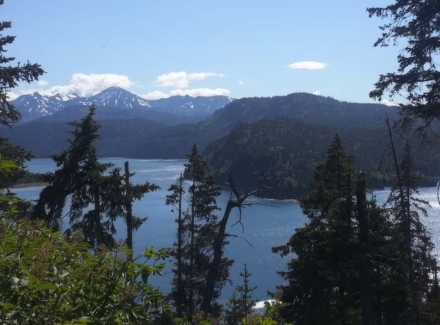
Halibut Cove
Halibut Cove, Alaska
Escape to Halibut Cove, a secluded retreat near Homer, Alaska, accessible only by boat or floatplane. This custom-built home offers panoramic views of Kachemak Bay, blending luxury and comfort with nature. Enjoy local art, music, and outdoor recreation—kayaking, fishing, hiking, and wildlife viewing. Just across the bay, explore Homer’s harbor, dining, and culture. This rare property is a true Alaskan sanctuary for those seeking privacy, beauty, and a vibrant coastal lifestyle.
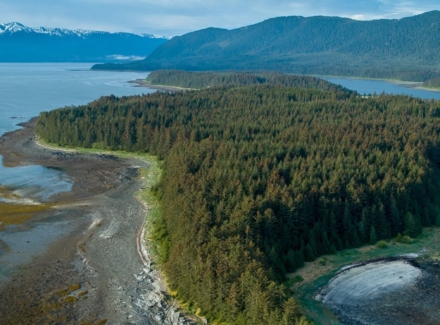
Colt Island
Juneau, Alaska
Colt Island, in Southeast Alaska’s Alexander Archipelago, lies within the Tongass National Forest near Juneau. Known for its towering spruce and hemlock forests, rocky shores, and abundant wildlife, the island remains largely undeveloped with its raw and untouched wilderness. Accessible by boat or floatplane, it offers solitude, fishing, kayaking, & wildlife viewing. With marine life, old-growth trees, and limited residences, Colt Island is a peaceful escape into Alaska’s pristine wilderness.
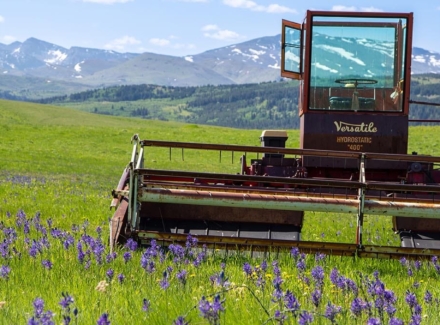
East Glacier View Ranch
East Glacier park, Montana
This exceptional riverfront property near East Glacier Park offers direct frontage on the Two Medicine River with sweeping views of Glacier National Park. Rolling terrain, meadows, and wooded bottoms provide an ideal setting for a custom home or retreat. Enjoy year-round access, nearby amenities, and unmatched recreation—fly fishing, horseback riding, hiking, and skiing. With its natural resources and location, it’s well suited for conservation, investment, or a private escape.
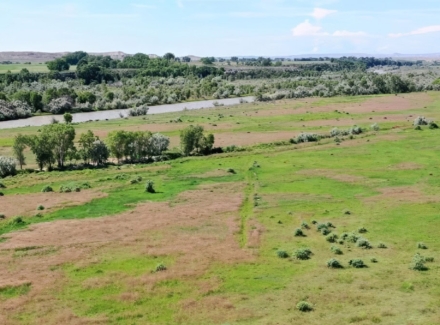
Shoshone River Pivots
Byron, Wyoming
This Wyoming property boasts Shoshone River frontage, offering excellent trout fishing and a diverse wildlife habitat that supports upland birds, deer, and turkey. With 109± irrigated acres planted in grass and alfalfa hay, it provides abundant water from the Sidon Canal. Ideally located near Cody, Yellowstone National Park, and the Big Horn Mountains, it borders miles of public land, offering prime recreation and investment potential for a future home or hunting retreat.
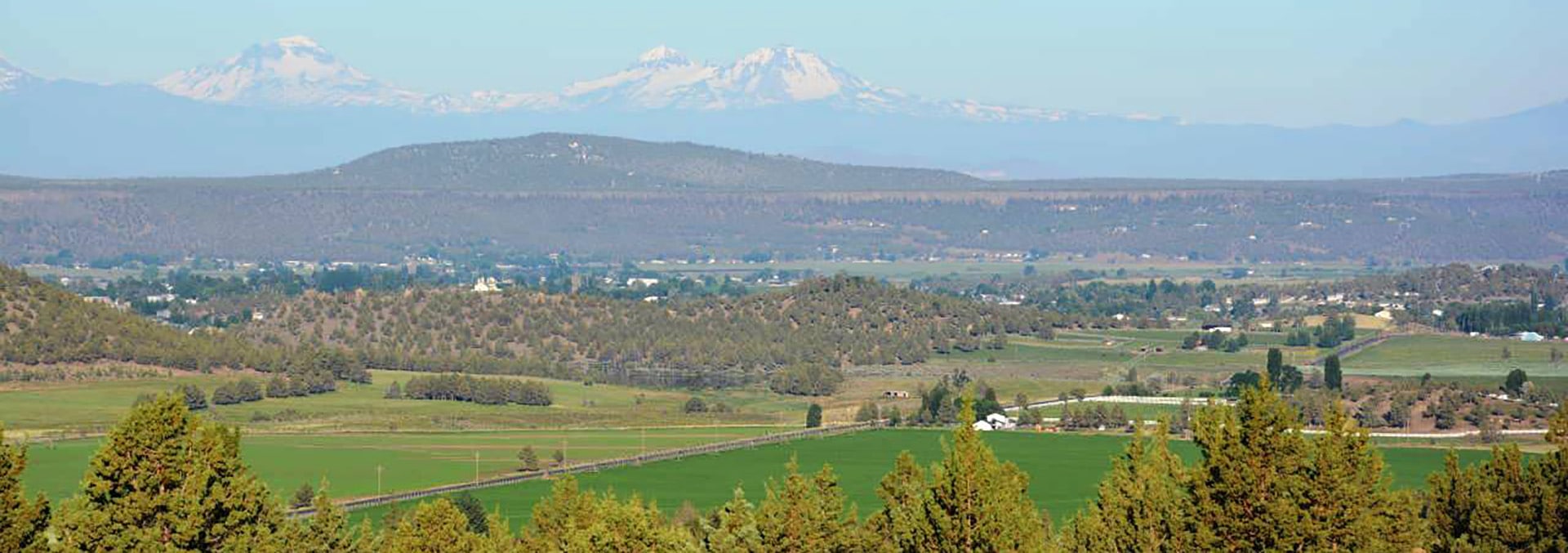
Western Sunsets Ranch
Prineville, Oregon
The location of the Western Sunsets Ranch is nearly impressive as it’s features. About 30 minutes from the Redmond/Bend Airport and less that an hour to downtown Bend assures this slice of heaven is well connected to all the action and activities of Central Oregon.
Cox Hunting Farm
Rapelje, Montana
Cox Hunting Farm spans 1,280± acres in central Montana, about 30 min. from Yellowstone River & near Big Timber and Columbus. It includes 640± acres of farmed land alternating between corn and wheat, and 640± acres of CRP grasslands. A creek bisects the land, forming sloughs, ponds, and a 60-GPM well for livestock. As a hunting retreat, it offers upland bird and antelope hunting. The farming lease, with 7 years left, provides income & exclusive hunting rights to 20,000± acres of adjoining lands.
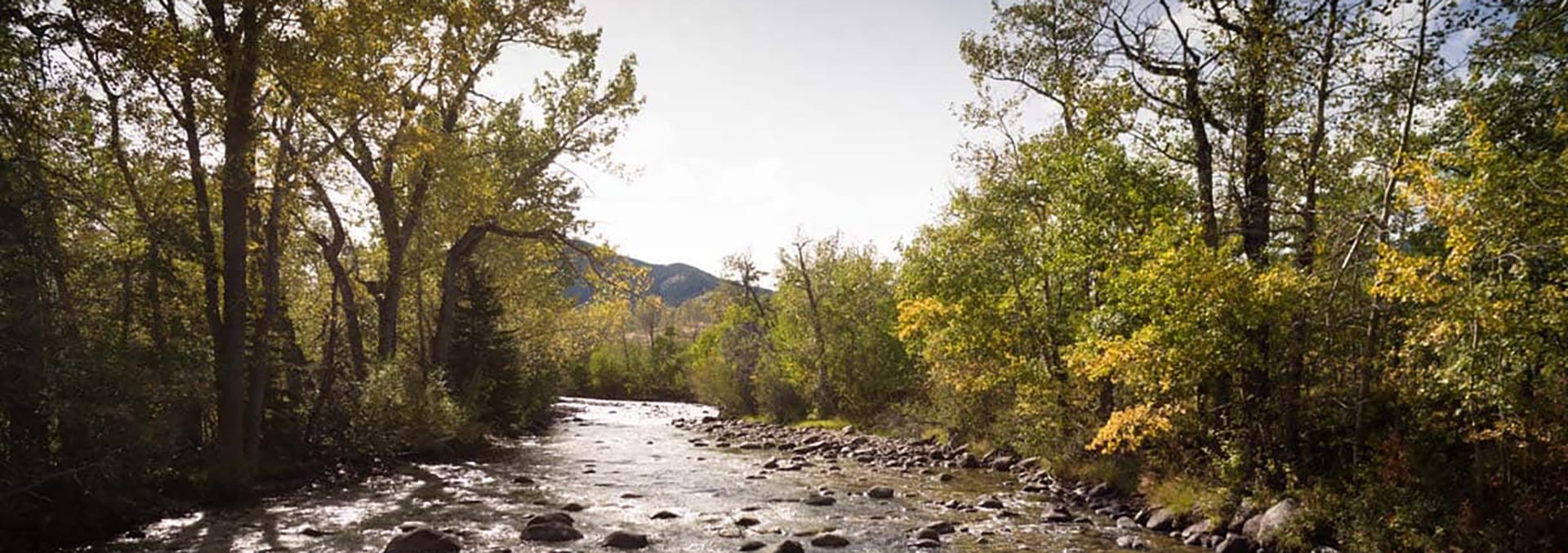
Rock Creek Fishing Retreat
Red Lodge, Montana
Strategically located minutes from the quaint Montana town of Red Lodge and the Red Lodge Ski Area, this property is at the end of the road and boasts approximately 450 feet of the aspen and cottonwood lined Rock Creek.
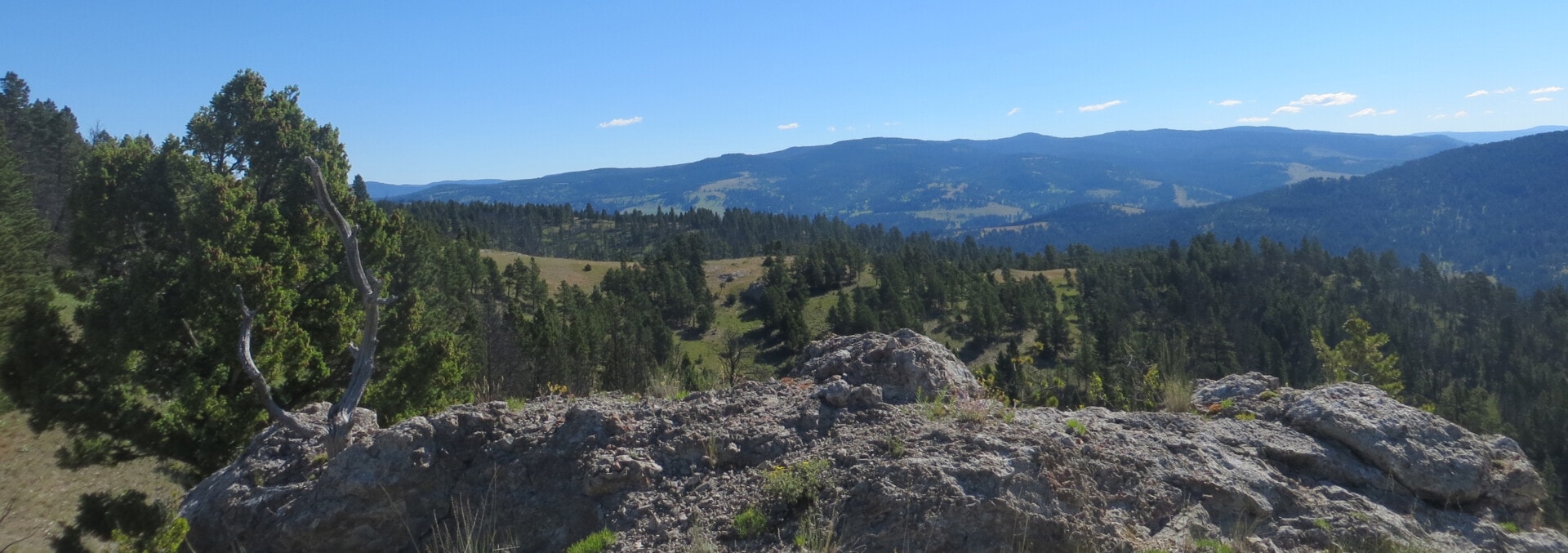
Lingshire Ranch
White Sulphur Springs, Montana
This private ranch offers an end of the road setting with rolling grass meadows, sparsely to heavily timbered slopes borders National Forest Service land which provides access to one of the prettiest and most productive stretches of the Smith River.
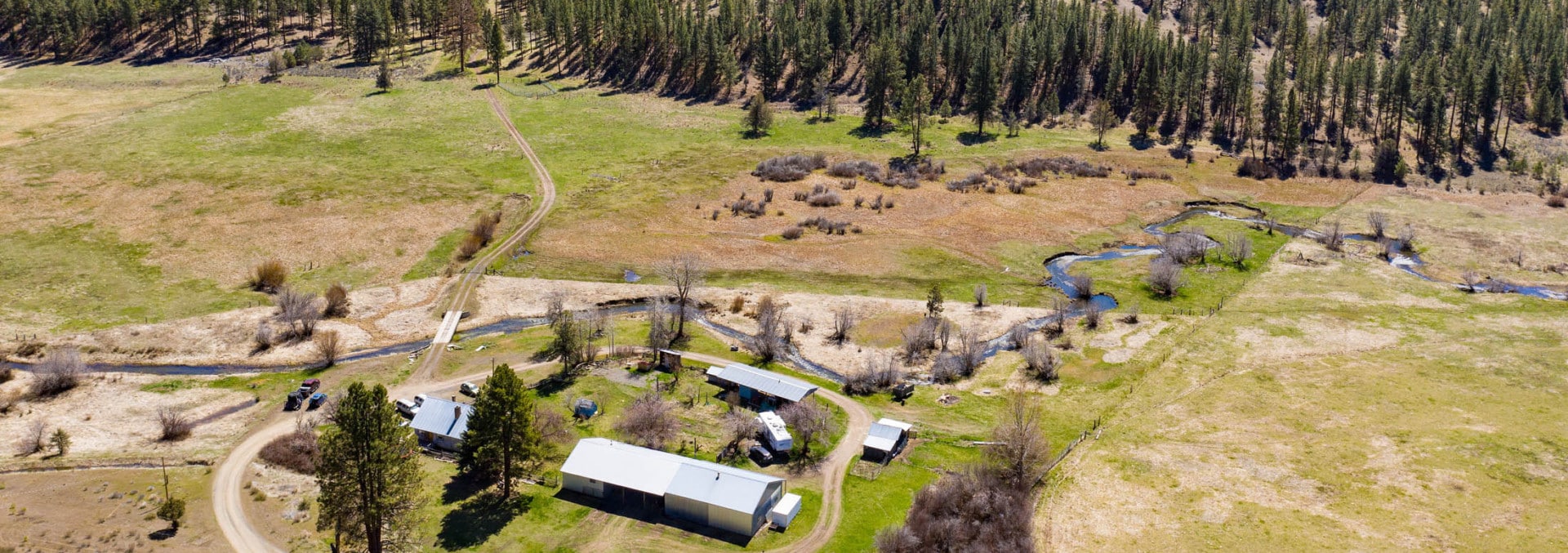
Gateway to the Magnificent Ochocos
Prineville, Oregon
This beautiful Oregon ranch with Ochoco Creek frontage, just 15 miles east of Prineville and at the base of Ochoco National Forest. Containing acres of creek bottom, irrigated meadow, and timbered mountainside, it includes water rights from Ochoco Creek, LOP tags, a nice two-bedroom/one-bathroom farmhouse, and a shop with guest quarters, including a full bathroom in the shop. This ranch has all the features you could want; big game hunting, fishing, grazing, privacy, and lots and lots of beauty!
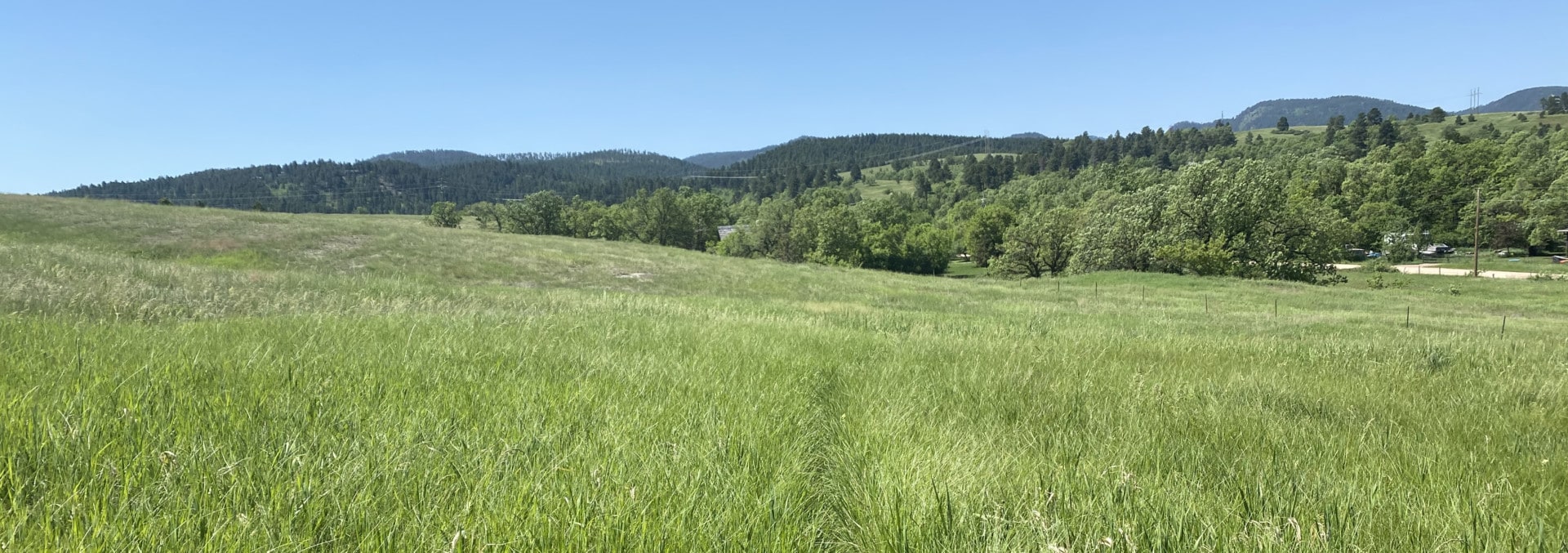
Spearfish Ranchette
Horse Property
Spearfish, South Dakota
Here is a rare opportunity to purchase an exceptional South Dakota tract of vacant land close to one of the most desirable communities to live, work, and play. The conveniently located acreage is currently platted into three individual tracts. Buyers may choose to purchase all three tracts or just one or two. Whether your family enjoys horseback riding, snowmobiling, biking, ATVs, or soaking up the serenity of the Black Hills on your private outdoor living space, this type of property is a rare find.
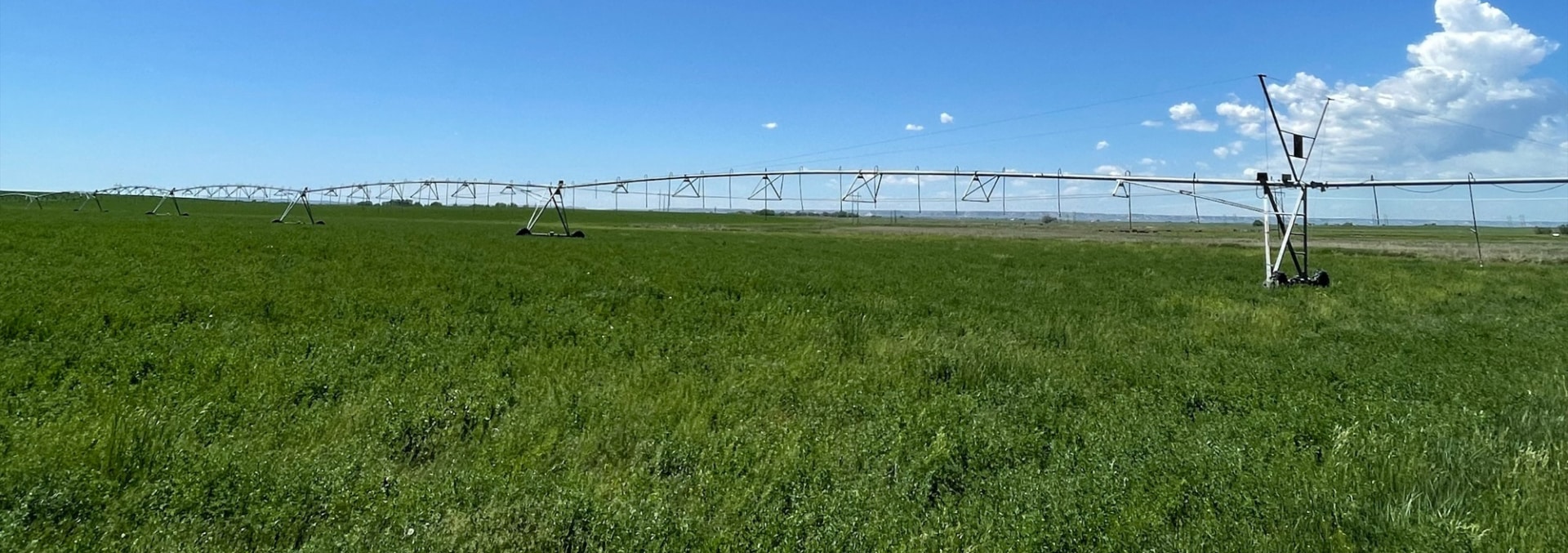
Yoder Irrigated Farm
Yoder, Wyoming
Nestled against the picturesque backdrop of the Goshen Hole in Wyoming, an exceptional opportunity awaits for those seeking a prosperous farming operation or a serene escape in the wide-open spaces of the American West. This expansive farm provides ample space for a variety of agricultural pursuits, from cultivating crops to raising livestock. With 155± acres under pivot irrigation, you’ll have the resources to nurture your farming ambitions.
Bow & Arrow Ranch
Grass Valley, Oregon
This Oregon ranch offers Cascade mountain views that are to die for and spring-fed sub-irrigated pastures to graze in a climate that is suitable for all seasons. Opportunities abound with this property whether you are a cattle rancher, city dweller needing a retreat, land investor, or bird hunting enthusiast. The property, with lush, irrigated meadows, cattle working corrals, fishing reservoirs, quality RV hookups, and mountain views, is truly one of a kind and awaits your desires.
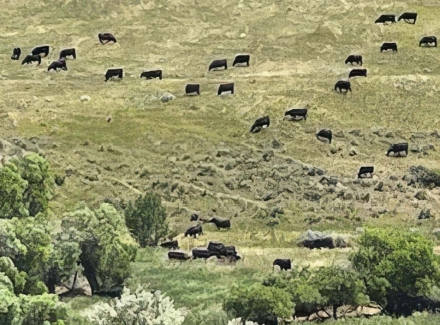
Elbow Creek Ranch
Roberts, Montana
With easy county road access & year-round Elbow Creek flowing through, this ranch spans 640± acres of classic Old West landscape. Wildlife is attracted by rolling grass hills, white pines, juniper, sagebrush draws, lush creek bottoms, and high ridges with sandstone outcroppings. To the west lies a scenic valley with seasonal springs and wildflowers, ideal for potential home sites. Ample space for cattle or horse operations sits amidst the beauty of Montana near Yellowstone’s northeast entrance.
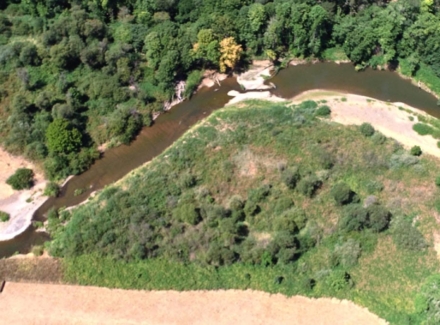
Calapooya Creek Ranch
Oakland, Oregon
Located in the scenic heart of Douglas County, Southern Oregon, this property offers a rare combination of productivity, recreation, and comfort. Fertile meadows and dependable water resources support cattle and hay production, while abundant wildlife provides opportunities for hunting, birdwatching, and outdoor enjoyment. Calapooya Creek adds fishing and water activities to the mix. Two homes, barns, corrals, and outbuildings make this both a working ranch and a welcoming retreat.
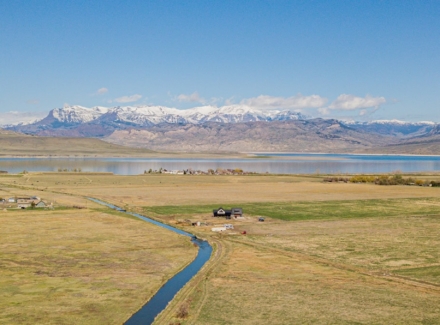
The Southfork Pastures
Cody, Wyoming
This irrigated property near Cody offers sweeping Absaroka Mountain views and proximity to Buffalo Bill Reservoir State Park. GR-5 zoning allows flexibility for a private retreat, equestrian use, or development with potential division into smaller parcels. Rural water, electricity, and natural gas are in place, supporting agricultural use and livestock. Located near the Big Horn Basin Boat Club with convenient access to regional recreation and Yellowstone’s East Entrance.
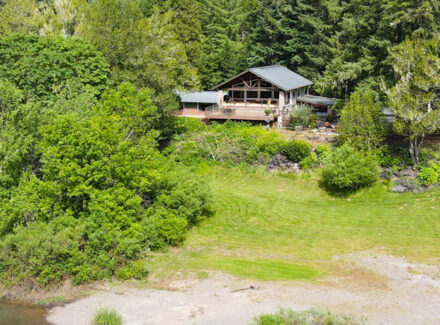
Umpqua Riverbend at Cougar Creek
Oakland, Oregon
Located along the Umpqua River corridor in Southern Oregon, this property offers direct river proximity, mature vegetation, and year-round accessibility just minutes from Oakland. A 3BD/2BA primary residence is complemented by a secondary dwelling, shop, and covered parking—supporting full-time living, multi-generational use, or rental potential. Rural Residential zoning allows for gardening or small-scale livestock. Established utilities and infrastructure are in place.
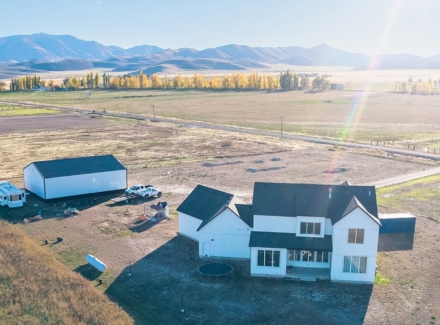
Pleasantview Homestead
Malad City, Idaho
Set in scenic Malad Valley, this 2021-built 3,299± sq. ft. home combines modern comfort with rural charm. Vaulted ceilings, quartz countertops, and an open-concept layout create a bright, inviting atmosphere framed by panoramic mountain views. A 42’ x 56’ shop offers space for vehicles, equipment, or hobbies, while irrigated land supports pasture or small-scale farming. Convenient to I-15 and Malad City, this peaceful retreat delivers country living with modern amenities and quiet seclusion.
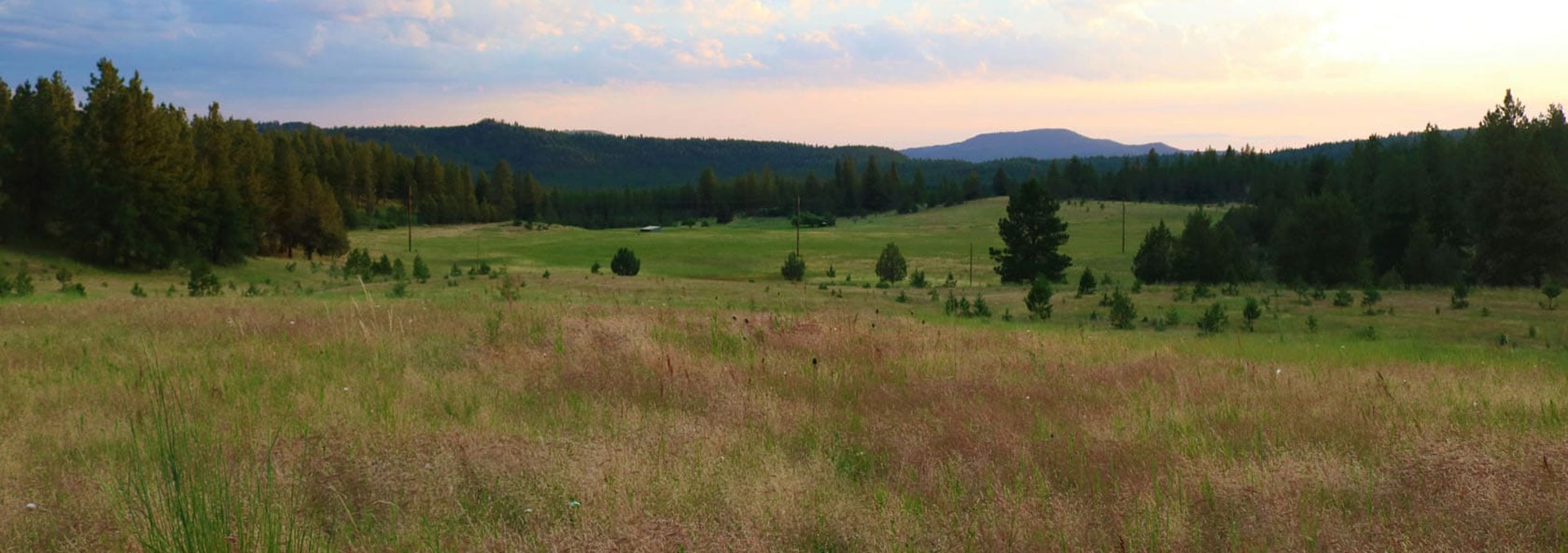
Hubbel Meadow Ranch
Fossil, Oregon
Endless recreational possibilities! Located in one of Oregon’s best hunting units (Fossil-45) with 2 LOP tags (buyer to confirm with ODFW) and an abundance of wildlife. Complete with a custom home, 2 bay shop with living quarters, bunk house, private lake and 10 miles to the John Day River. This is the private mountain retreat you’ve been looking for!

West Boulder Getaway
McLeod, Montana
This property provides a window to the very best of the Northern Rockies: a privileged place in nature alongside one of America’s great wildernesses all within reach of the most illustrious of Montana’s rivers. Property along the West Boulder River rarely comes available and this is an opportunity to enjoy a property with an array of wildlife located close to Big Timber.
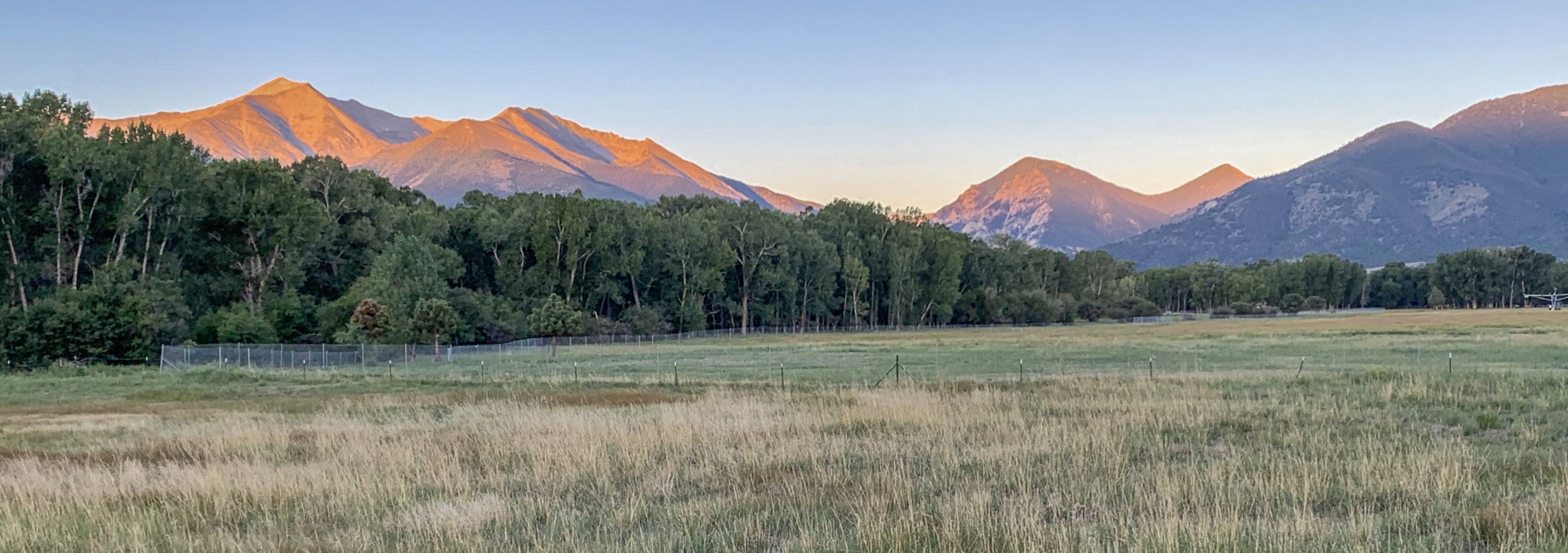
Chateau del Sol
Buena Vista, Colorado
Nestled at the end of a quiet street in Buena Vista, Colorado, you will find the serenity and beauty of this rare and unique offering at the edge of town. This property will impress you with its lovely, custom 3,585± square foot home, spectacular, wide-open views and convenience and proximity to all that this charming, vibrant mountain town has to offer.
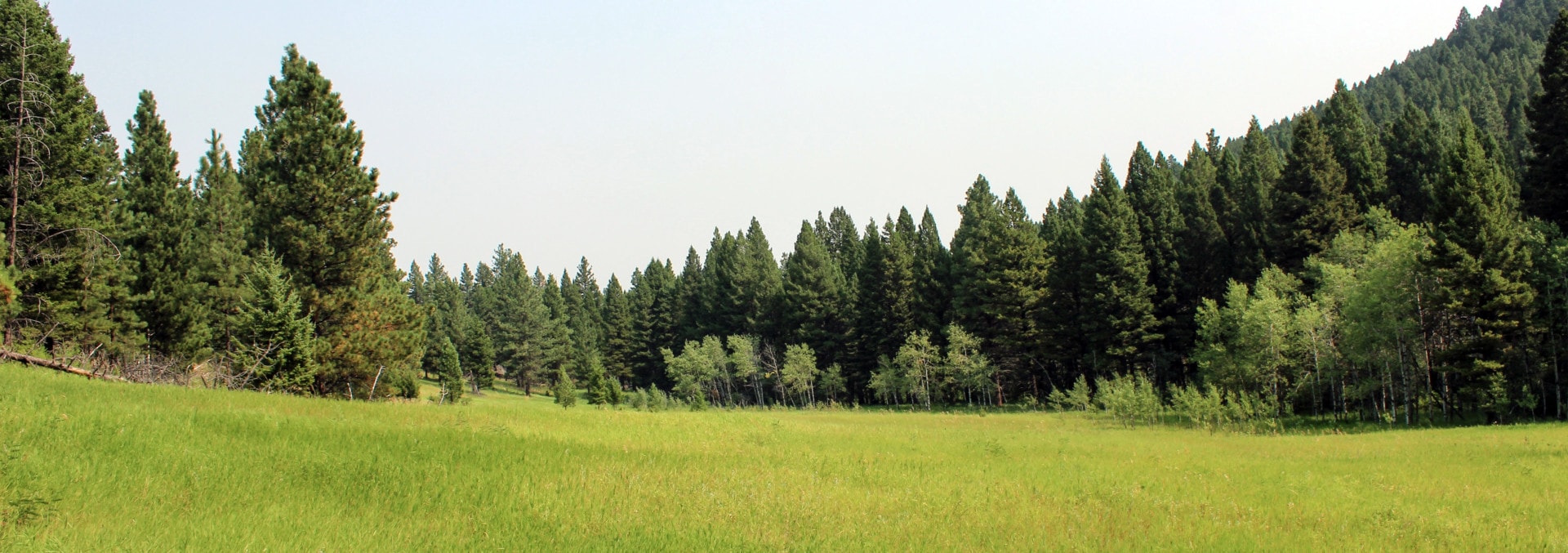
Colorado Gulch Retreat
Helena, Montana
This beautiful Montana property provides numerous locations for a getaway cabin or home in a unique setting with a creek flowing by and a backdrop of the surrounding mountains. Just minutes from the conveniences of the “Queen City” and historic downtown region, Colorado Creek bubbles throughout the lower portions of the acreage and is lined with a variety of trees and foliage, creating a superb setting for wildlife that call the region home. Upper reaches offer mountain meadows and lovely views.
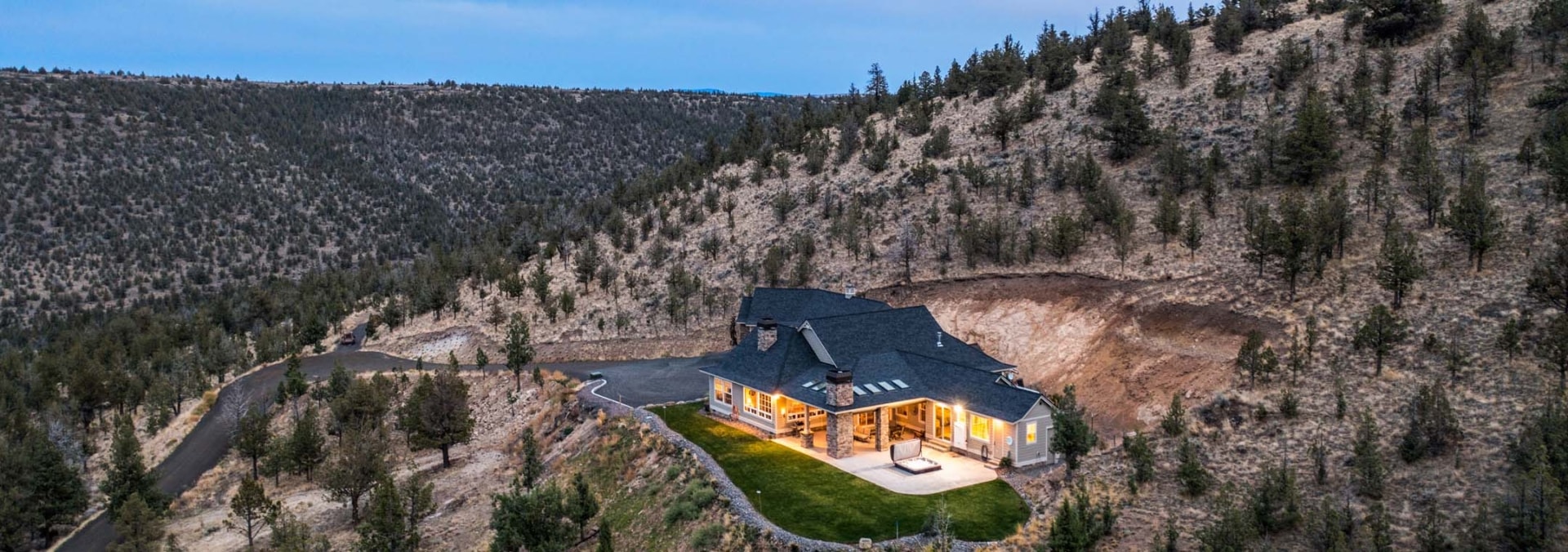
Scenic Vista Estate
Prineville, Oregon
This custom-built, luxurious Oregon home has all the details you appreciate in a high-end estate. Surrounded by other lovely homes, it sits on top of the hill, bordering BLM and at the end of the road for excellent privacy and incredible views. The outdoor living space can be enjoyed all year round, while the interior includes plenty of room for the entire family and visitors, and an oversized custom garage. With amazing views and high-end amenities, this is one you don’t want to miss!
Rainbow Point
on the Bighorn River
St Xavier, Montana
Newly remodeled, this is one of the most luxurious and well-appointed headquarters available on one of America’s finest stretches of blue-ribbon trout water. Just 15 minutes from Yellowtail Dam and the Bighorn Canyon National Recreation Area, with a premier hole on the Bighorn River just off the backyard. Set in a peaceful, private 175 HOA of only six other residences, Rainbow Point includes a private members-only boat ramp and exclusive access to world-class fly fishing and waterfowl hunting.
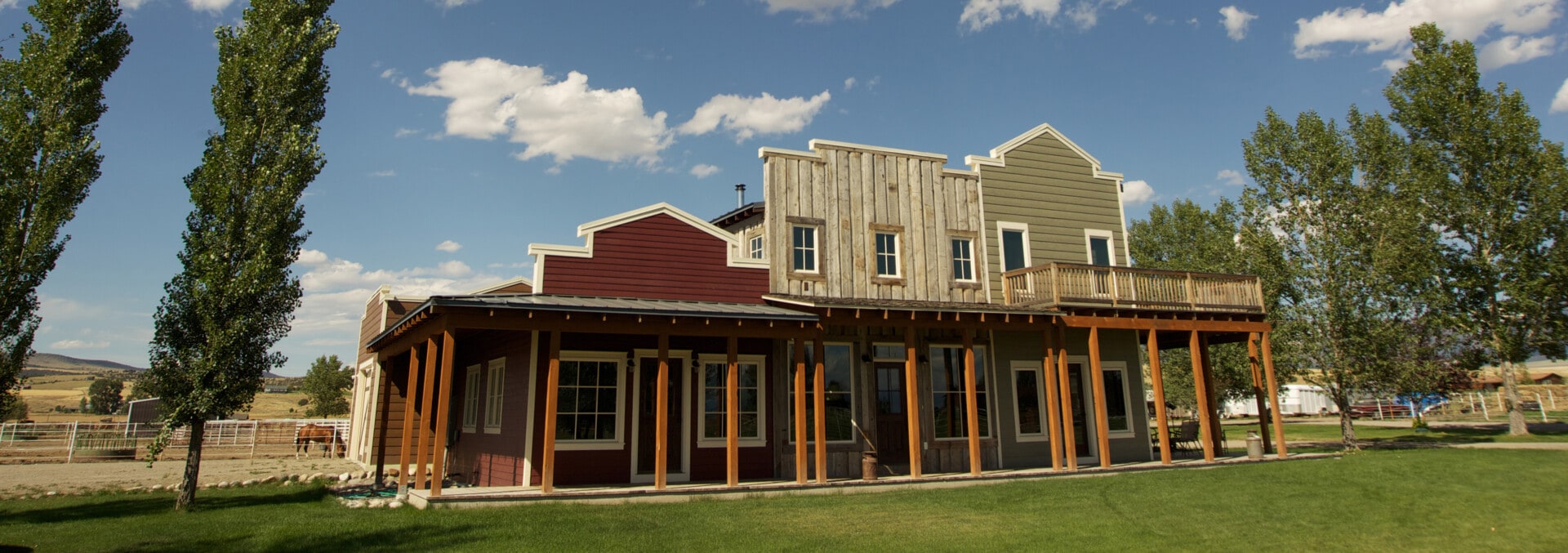
Dry Creek Equine
Belgrade, Montana
Conveniently located just minutes from Bozeman or Belgrade Montana, this is a turnkey horse property with excellent infrastructure for a new owner to take over or create his/her own equine business or just enjoy the property for one’s own personal use.
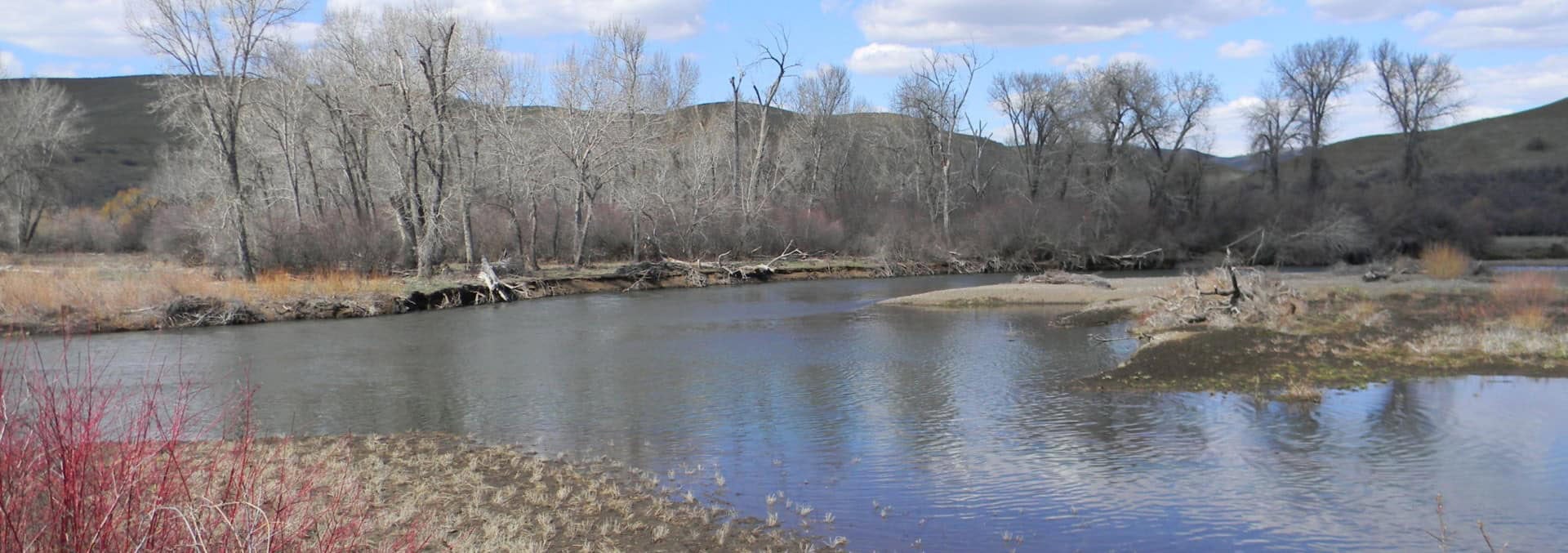
Weiser River Ranch
Council, Idaho
With acreage bordered by the Weiser River and Idaho State land, this ranch is an excellent property for grazing cattle. The property has end of the road privacy, two ponds with good springs and multiple drainages. There are corrals and a loading shoot, making it easy to separate and load stock.
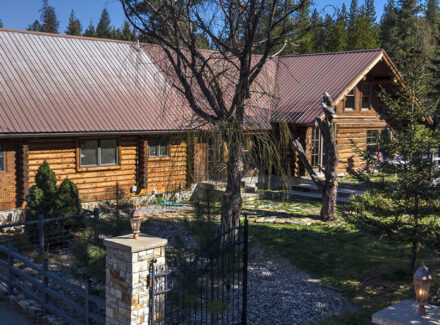
Cabinet Mountain Wilderness Retreat
Trout Creek, Montana
Set just outside Trout Creek in northwest Montana, this private retreat combines wooded seclusion with practical access to town, services, and the Clark Fork River corridor. The property includes a well-kept two-bedroom log home with an updated bath, remodeled kitchen, and inviting great room, plus a newer one-bedroom log cabin suited for guests, extended stays, or rental use. Timber and open ground create a usable setting near public lands for hiking, hunting, and year-round recreation.
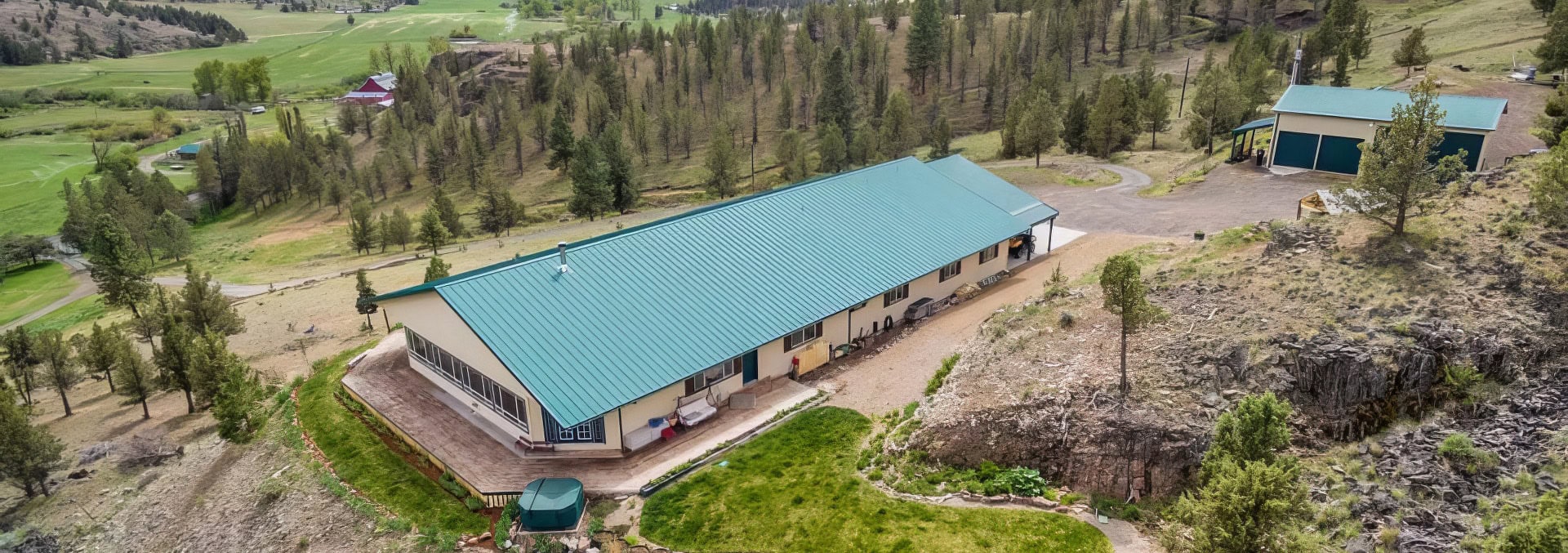
Allen Creek Ranch
Prineville, Oregon
Located just 8 miles north of Prineville, this ranch is both convenient and private. Perfect for cattle and horse, it also includes 69± acres of irrigation (seasonally). Complete with panoramic views of the mountains and valley below, you’re sure to fall in love with this exceptional property!
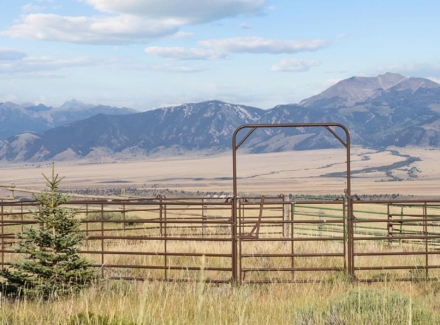
Madison Views Retreat
Ennis, Montana
Minutes from Ennis and Virginia City, this Montana property features a 2,944± SF custom home with three bedrooms, two baths, a walk-out basement, and an attached garage. Equestrian facilities include pastures, a barn, corrals, and a tack room. A three-bay shop and equipment barn add utility. Surrounded by mountain ranges and abundant wildlife, the land offers access to nearby public ground for hunting, fishing, hiking, and year-round recreation in the Madison Valley.
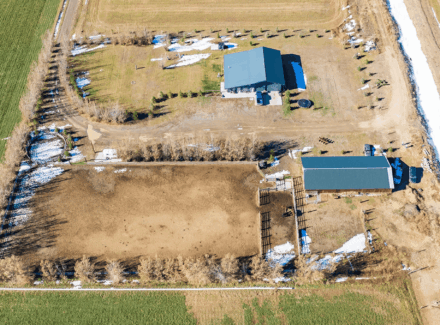
Heart Mountain Shop House
Powell, Wyoming
The Heart Mountain Shop House offers a 1,700± square foot home connected to a 2,700± square foot shop with heated floors, 57.9± irrigated acres, and strong agricultural and equestrian utility. The property includes a 3,200± square foot unfinished additional dwelling unit (ADU), a riding arena, corrals, fenced pastures, and mature trees. Its setting provides a balanced mix of functionality, comfort, and proximity to nearby towns and Yellowstone National Park.
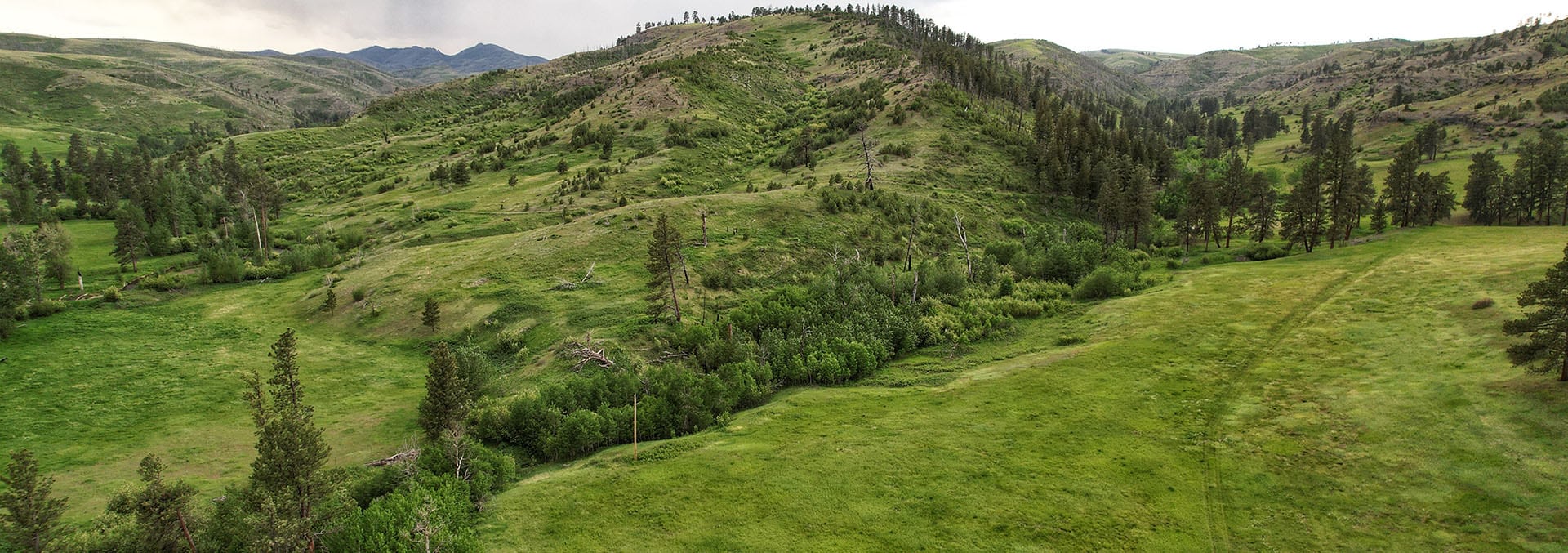
Bridger Creek Retreat
Big Timber, Montana
This Montana land includes lush creek bottomlands, rolling meadows, and dramatic coulees along Bridger Creek. The property features a variety of on-site recreational amenities including hiking, horseback riding, hunting, and fishing. The ranch is home to abundant elk, deer, mountain lions, and coyotes. Plus, minutes to the Yellowstone River to the north and endless National Forest Lands to the south, this ranch land is an ideal location for the construction of a getaway cabin.
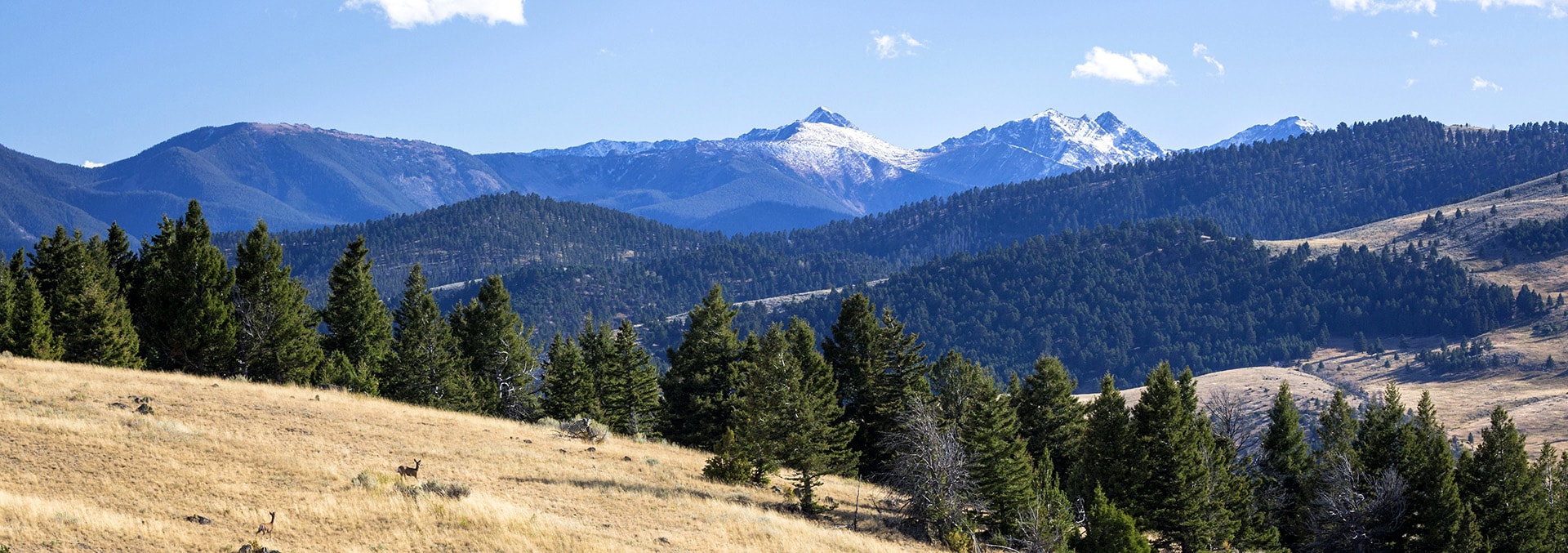
Picnic Point at Montana Ranch
Gallatin Gateway, Montana
This property is part of Montana Ranch, a gated private residential ranch community that offers amenities that include an equestrian facility, full-time ranch manager and miles of hiking and biking trails. If you are looking for a sizable parcel of land to build your Montana dream home located close to Bozeman with breathtaking views, this is the property for you!
Little Devils Canyon
Madras, Oregon
Set in a private Central Oregon location with sweeping Cascade Mountain views, this property offers space, seclusion, and exceptional big game hunting. Seasonal water sources support summer cattle grazing, while aoudad sheep, Rocky Mountain elk, and mule deer create strong recreational appeal. The ranch is positioned less than an hour from Redmond Airport and about an hour from Bend, it offers privacy without sacrificing access.
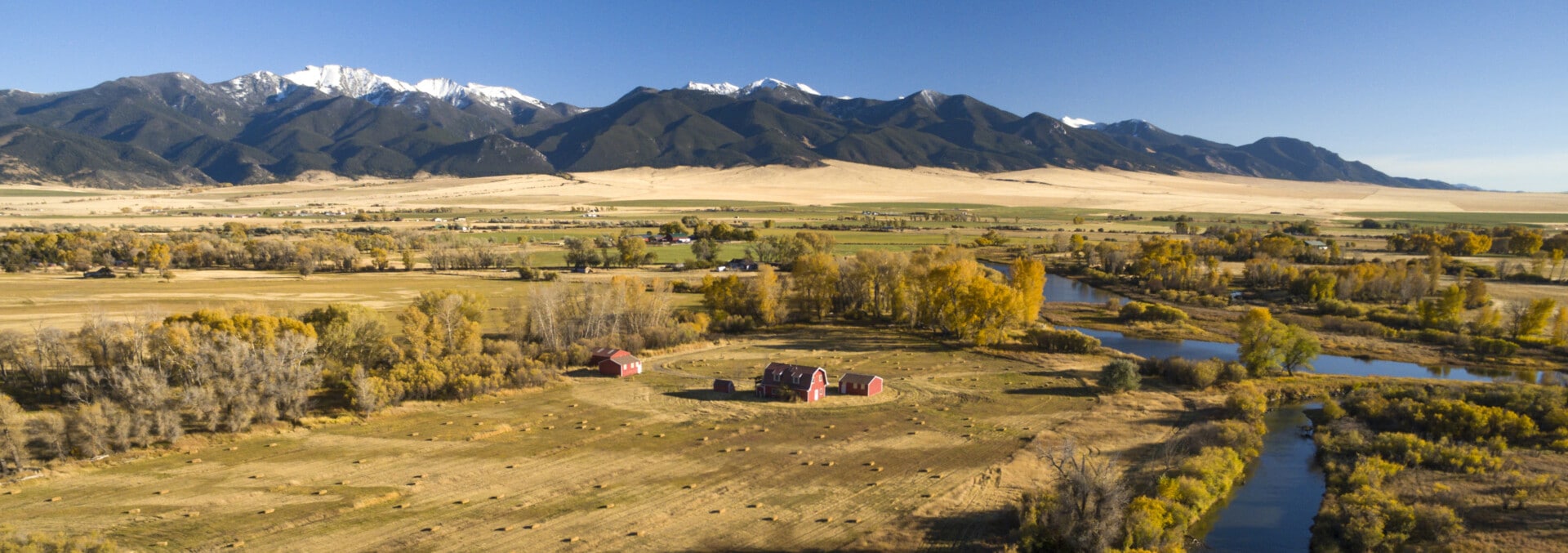
Jefferson Riverbends Preserve
Waterloo, Montana
This property is bisected by the Jefferson River and its tributary sloughs and enjoys a natural slough-fed pond at its southern boundary. Offering a combination of amenities and resources usually at the “top of the list” for most river property buyers including end of the road privacy, outstanding views, reasonable improvements and most importantly, abundant river and riparian features, this property is one of a kind.
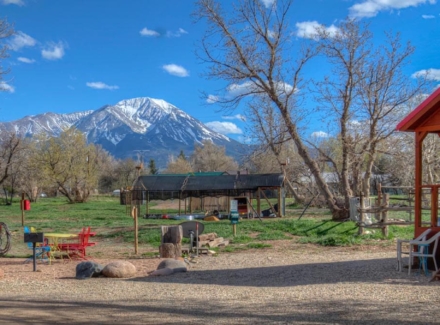
Two Fox Cabins
La Veta, Colorado
Two Fox Cabins is a turnkey income property in La Veta, Colorado, offering 12 themed cabins on or near the Cucharas River. With RV hookups, tent sites, landscaped grounds, and an additional river parcel for potential expansion, it’s an ideal retreat for guests year-round. Cabins range from studios to two-bedroom units, some with kitchens. Just a short walk from downtown shops, galleries, and festivals, this charming property blends hospitality potential with small-town mountain living.
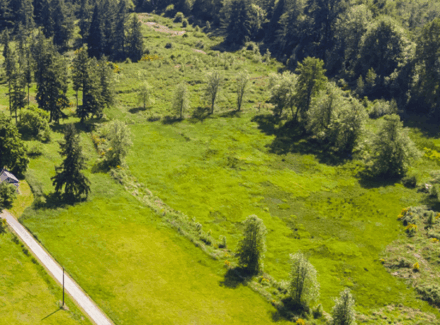
The Ponds
Centralia, Washington
A fully entitled, shovel-ready PUD in Centralia, Washington, offers 42 approved townhome units with complete infrastructure and zoning in place. Located near I-5 and Providence Hospital, the site allows up to 55 units with layout changes. Community amenities, strong buyer appeal, and regional growth enhance its value. Positioned between Seattle and Portland, it benefits from rising demand and access to services. This development is primed for immediate construction and investor return.
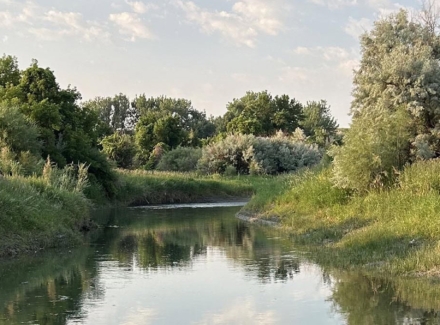
Yellowstone River
Hunting Retreat
Laurel, Montana
Along the banks of one of Montana’s greatest fly fishing rivers, this property is just 20± minutes from Billings, Montana, and its international airport. The Yellowstone River forms the property’s northern boundary for about a mile, while river braids and State land form a portion of the western boundary. The Absaroka Range lies to the southwest. The river bottom is full of cottonwood trees and small junipers and is loaded with wildlife, including mule deer, whitetail deer, and waterfowl.
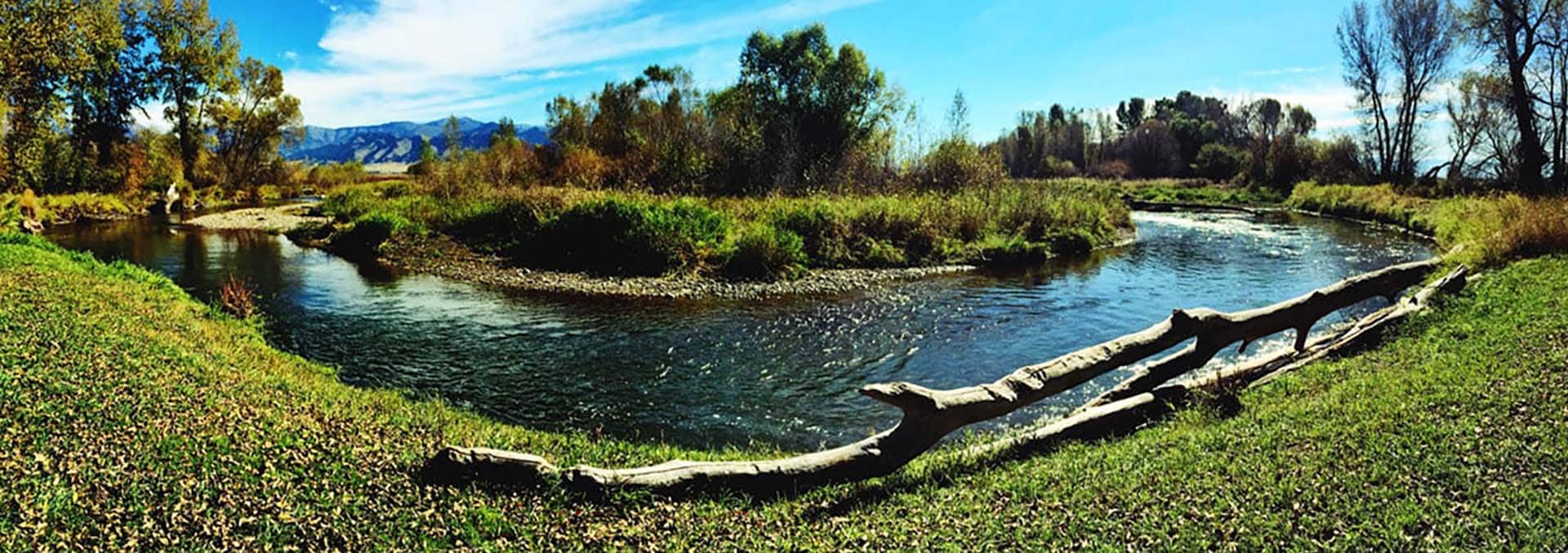
East Gallatin River House
Belgrade, Montana
A unique offering in a location that’s highly desired for its rich water and wildlife amenities as well as its convenience to Bozeman’s cultural amenities. The property possesses great character and charm – a place you and your family will fall in love with.
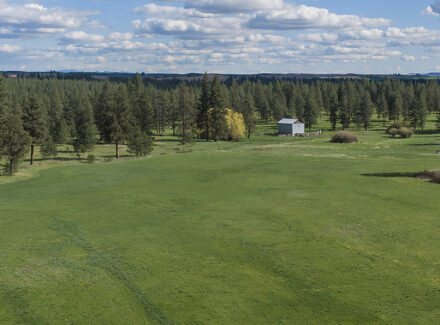
Headwaters Ranch
Spangle, Washington
This productive Washington farm delivers a rare blend of agricultural infrastructure and exceptional recreation, with fencing, loading facilities, hay & machinery barns already in place. A seasonal creek, natural spring, and pond support both livestock & thriving populations of turkey, pheasant, duck, whitetail deer, & elk, with direct state land access expanding the range. Few properties this close to Spokane offer income-producing farmland, live water, and legacy-worthy privacy in one package.
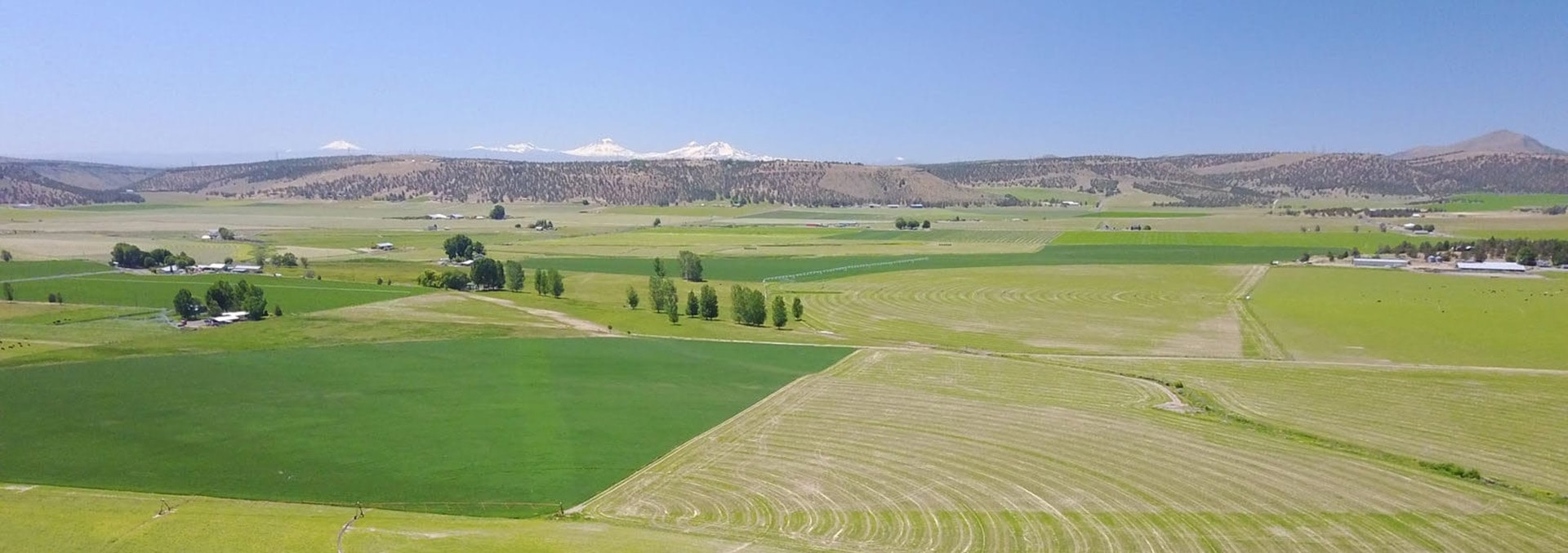
Lytle Creek Pivot
Prineville, Oregon
Fully irrigated 197± acres of some of the best farm ground in Central Oregon! One pivot and wheelines irrigated the 170± acres of alfalfa and 27± acres of orchard grass. A nice 36’x96′ hay shed with an additional 20’x96′ wing. Build-able for farm dwelling (seller has completed most of permitting for dwelling permit), close to town and less than an hour to Bend!
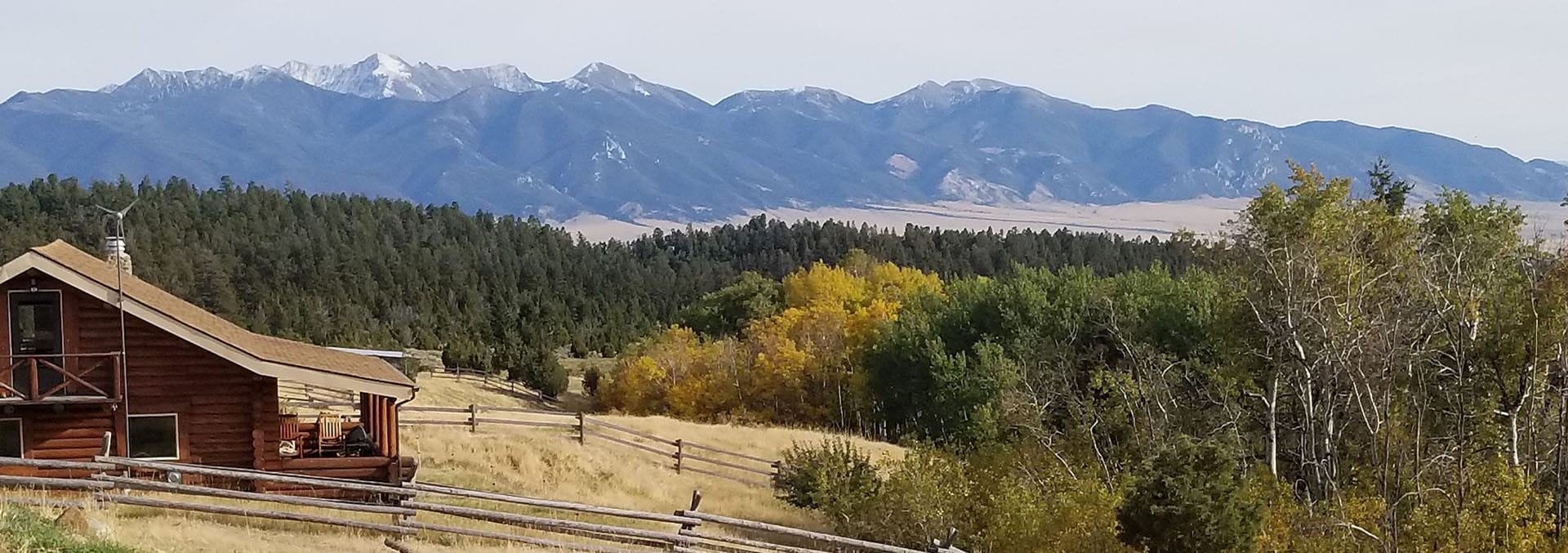
Highland Mountain Ranch
Whitehall, Montana
The topography and vegetation that the ranch provides are old growth coniferous trees as well as mature stands of aspen trees and willows lining the Dry Creek drainage that runs through the property for approximately .65 miles. The hunting for elk and deer on this property is excellent
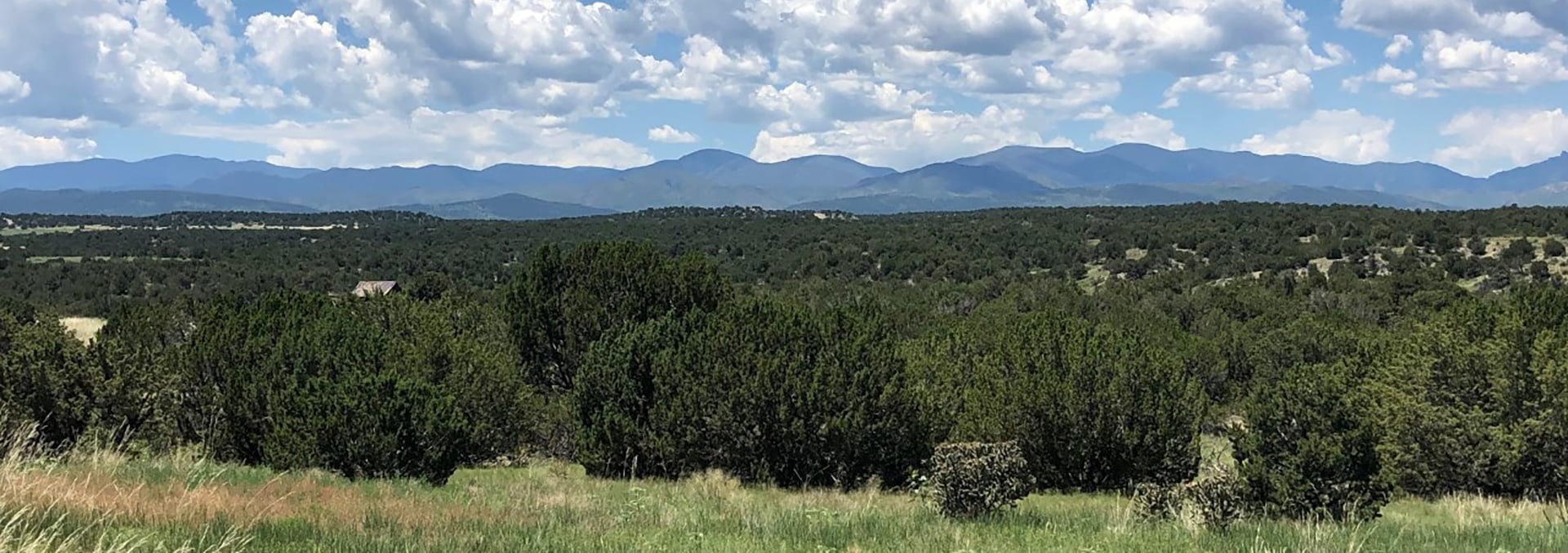
Stone Creek Ranch
Pueblo, Colorado
This Colorado ranch is a blank canvas for someone ready to create their dream property. This pristine property is a wonderful setting to take in the mountain views or ride your horse along the bluffs, around the buttes, and then down to Rush Creek to scare up some wildlife. The location is near a town with many amenities yet with enough space to enjoy privacy, the pleasant sounds of nature, and the privacy of wide-open spaces. It would be a great place for a home with a porch for rocking chairs.
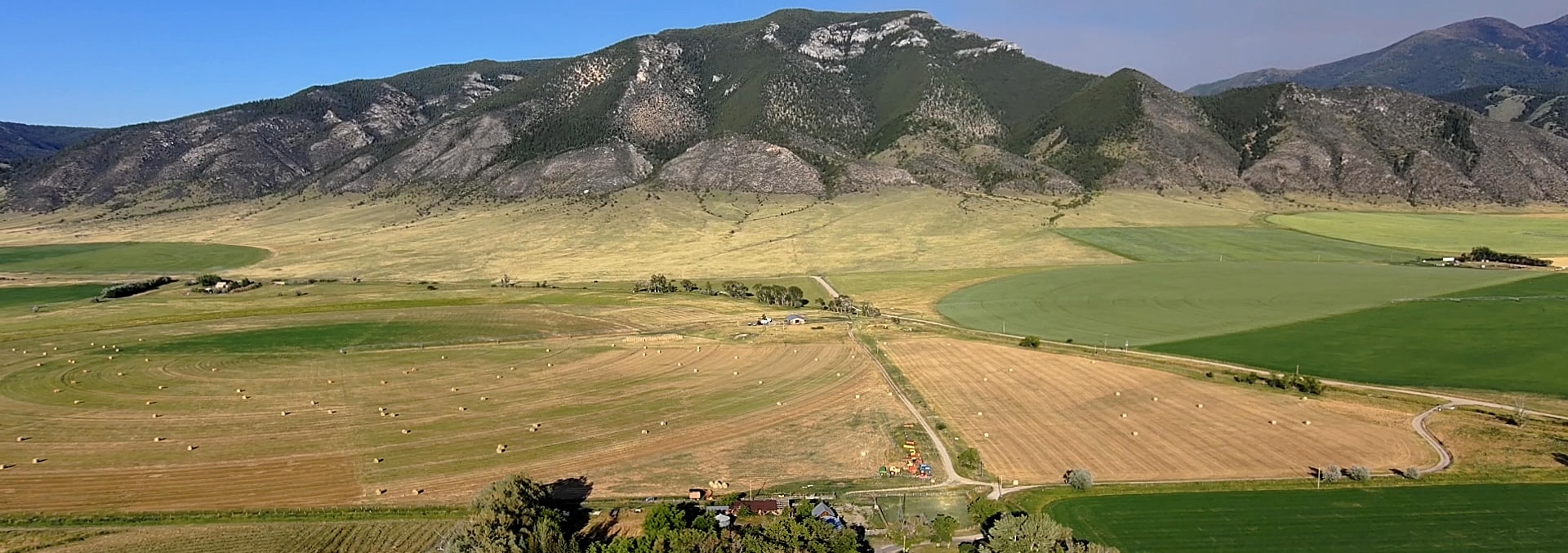
Point of Rocks Retreat
Whitehall, Montana
This property includes pivot and wheel line irrigation and 1,930± feet of Parrot Ditch. The irrigated land is suitable for a remarkable variety of wildlife, including mule and white-tailed deer, antelope, upland game birds, and waterfowl. A 2,400± SF, 3 bed, 1.5 bath home welcomes a new owner. About an hour from Bozeman, Montana, and just 10± minutes from Twin Bridges in the tightly held Jefferson River Valley, this property boasts some of the country’s most breathtaking scenery, with views of 3 mountain ranges.
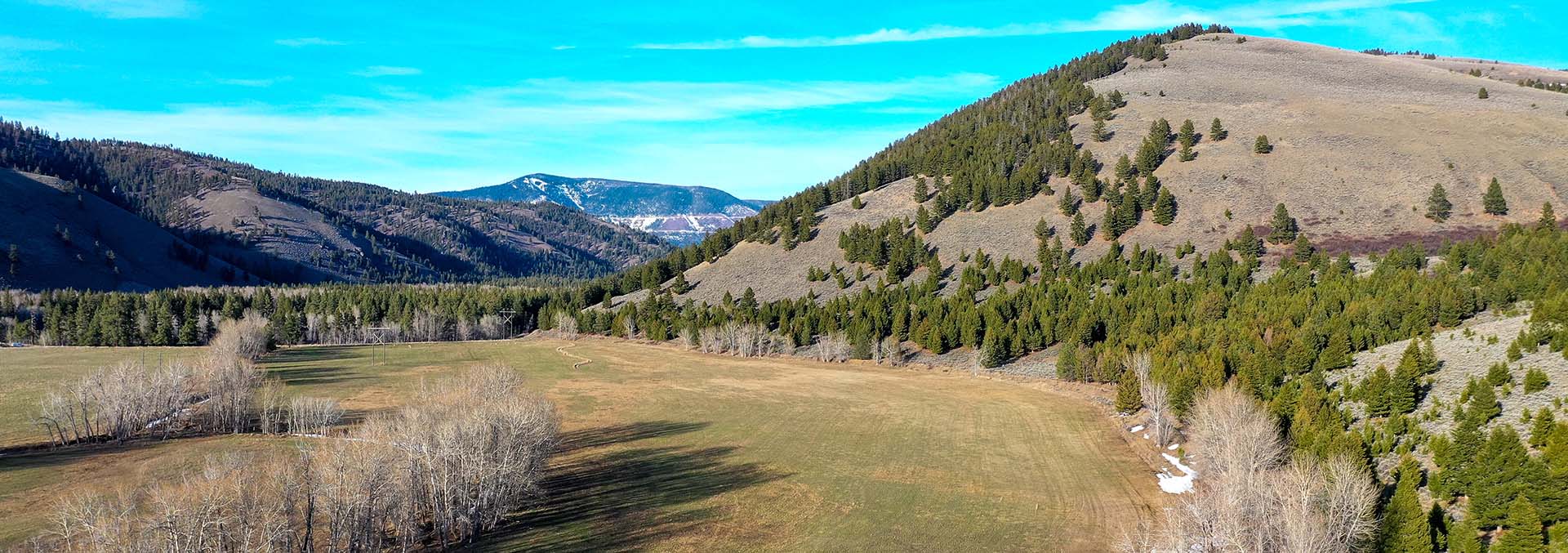
Eder Meadows
Helmville, Montana
At a private end-of-road location in the upper Blackfoot Valley, this Montana ranch represents an opportunity to own easily accessible, excellent recreational land featuring a number of private and scenic building locations. This private ranch is located minutes from the Blackfoot River and gateways into the Bob Marshall Wilderness. There are many desirable features to this investment-quality land, including its location in a tightly held valley, making it stand out in today’s land market.
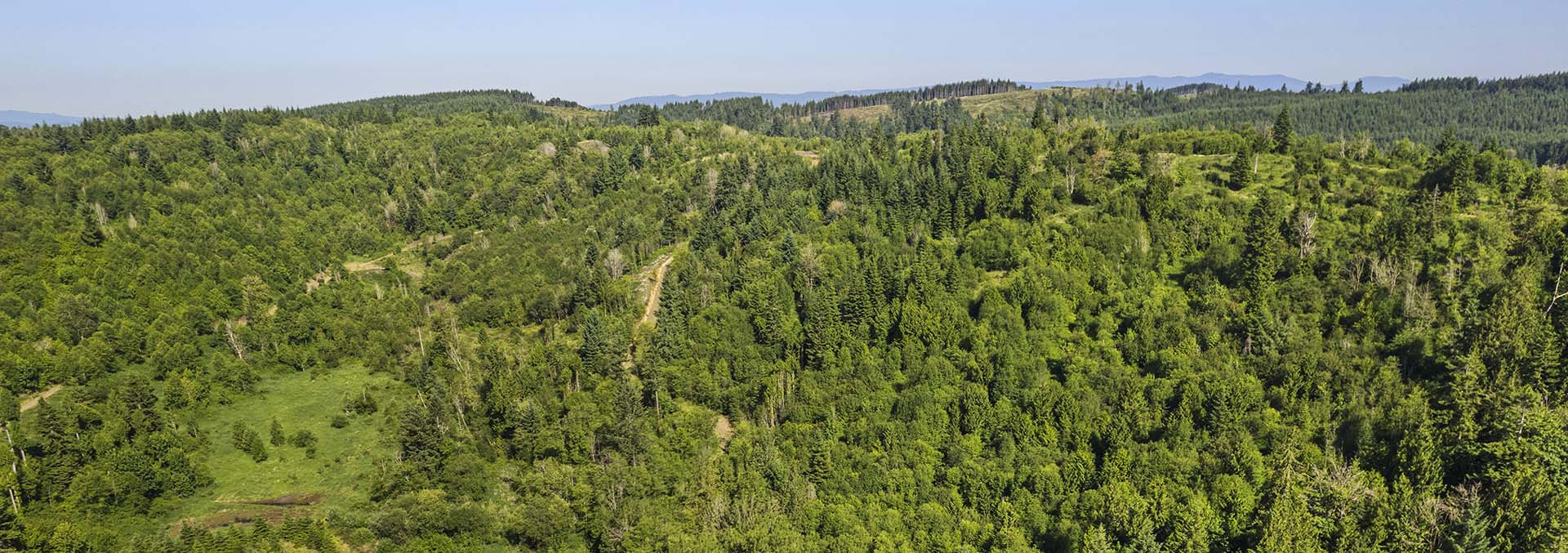
Sawall Hill Estates
Centralia, Washington
Top of the hill Washington territorial views, resident elk herd, trophy black tail, bear and cougar, there is truly abundant wildlife. The ground is High Site index, featuring a mix of stands with conifer and deciduous trees, predominantly 20-30 years old with some younger Douglas fir and strong and well stocked alder stands. Topography is varied with some steeper pitches and offers plenty of building site options. Hold as a long-term tree farm, your own private oasis, no gopher study needed.
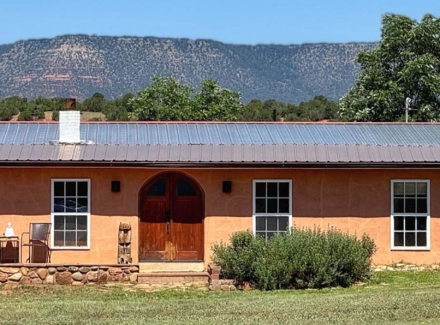
Nick of Time Farm
Ribera, New Mexico
Less than a half mile from the historic Santa Fe Trail Pecos River Crossing, the 32.5± acre Nick of Time Farm in Northern New Mexico offers 1,800± feet of Pecos River frontage, abundant wildlife, and excellent fishing. The remodeled adobe farmhouse includes three beds, two baths, and modern amenities. With plentiful irrigation for alfalfa hay fields, multiple outbuildings, and significant agricultural tax benefits, this farm near Santa Fe and Las Vegas is ideal for hands-on or shared farming
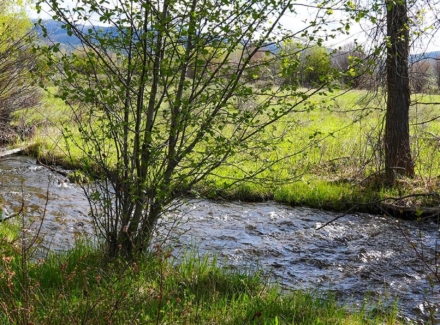
Snowberry Springs
Lincoln, Montana
Located in Montana’s Upper Blackfoot Valley, this property offers rare access to wildlife, multiple creeks, and prime elk habitat. A restored stream enhances its conservation value, while a nearby national forest provides endless recreation. The protected viewshed includes the Scapegoat Wilderness, with a scenic build site near Stonewall Creek. Just outside Lincoln and close to Helena, Missoula, and Great Falls, this retreat balances solitude, access, and ecological significance.
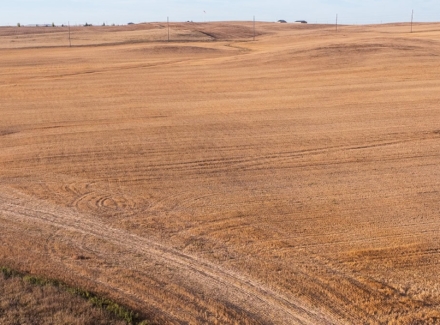
Alex Township Farmland
Alexander, North Dakota
Located in McKenzie County, this property presents a rare opportunity to invest in one of North Dakota’s most productive agricultural regions. Featuring contiguous quarters ideal for efficient farming, the land includes productive tillable acres, grassland, and leased well pad areas. With strong local infrastructure, rising farmland values, and widespread use of sustainable practices, this property offers long-term value, versatility, and strong potential for any agricultural operation.
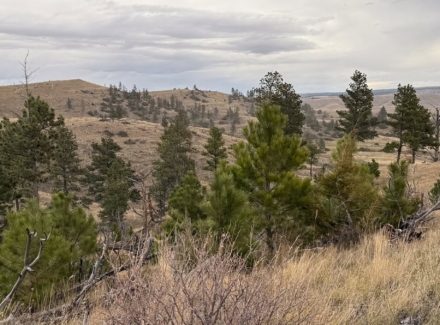
Brumfield Ridge Ranch
Reed Point, Montana
Set high above the Countryman Creek valley along the divide of the Yellowstone and Stillwater River systems, this Montana holding offers commanding Beartooth Mountain views and classic Western presence. Rolling grasslands blend with ponderosa pine and cedar, supporting grazing, wildlife, and future homesites. County road access, a pole barn, multiple wells, developed springs, and seasonal creeks provide solid infrastructure. Located in Montana’s 575 Hunting District, the property supports elk, mule deer, and upland birds, with convenient access to nearby towns and rivers.
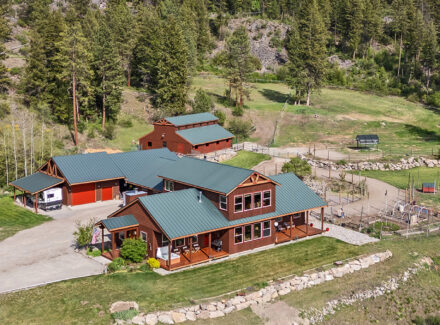
Lost Moose Ranch
Curlew, Washington
A rare mountain-west retreat with sweeping views, privacy, and a mix of pasture, rolling hills, and timber. Private trails offer riding, hiking, and UTV access. Equestrian features include an outdoor arena, five-stall barn with tack room, and covered run-ins with power and water. The 4,500± square foot Craftsman home includes vaulted ceilings, a chef’s kitchen, spacious primary suite, and comfortable living areas, plus a guest apartment, shop, garage, RV hookups, and storage.
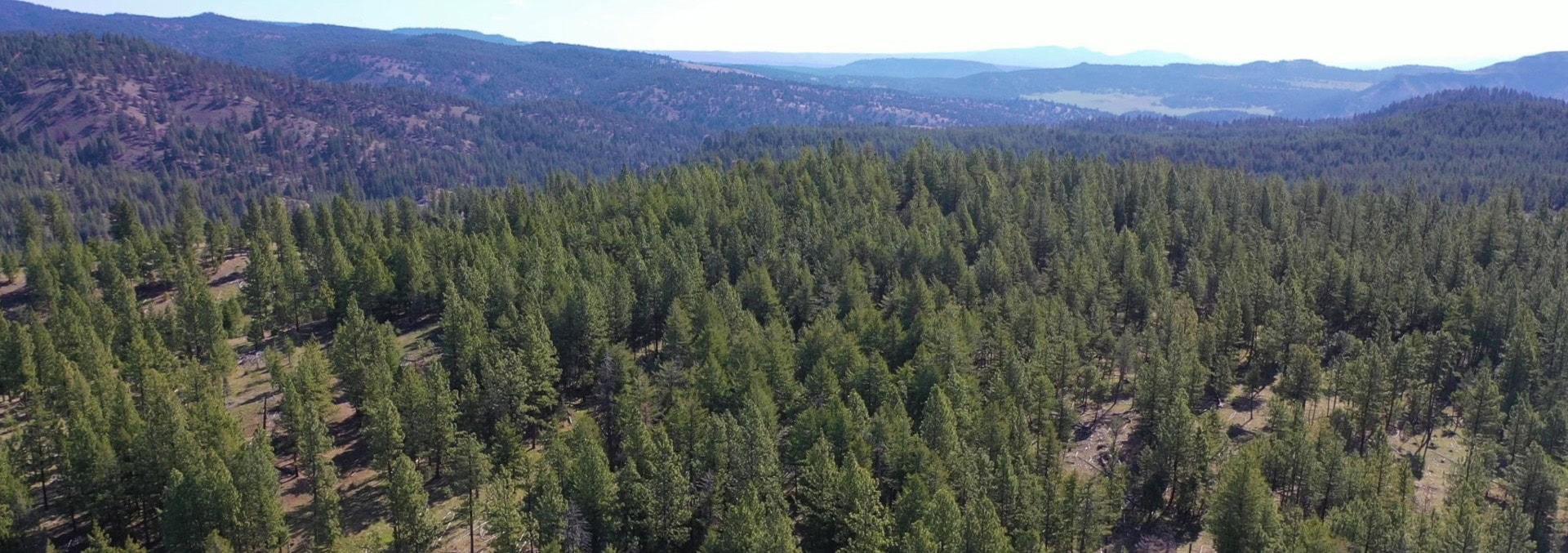
Service Creek Hunting Camp
Fossil, Oregon
This 1,400± acres of timber land, grassy meadows and rolling hills with creeks and springs throughout, is the perfect blank canvas to create your social distancing dreams. The private location is home to an abundance of wildlife and has outstanding big game hunting. With 3 land owner preference tags (buyer to confirm with ODFW) in the Fossil Hunting Unit. Conveniently located just off Highway 19, this ranch is easy to access and less than two hours to the Bend/Redmond airport and 3.5 hours from the Portland airport.
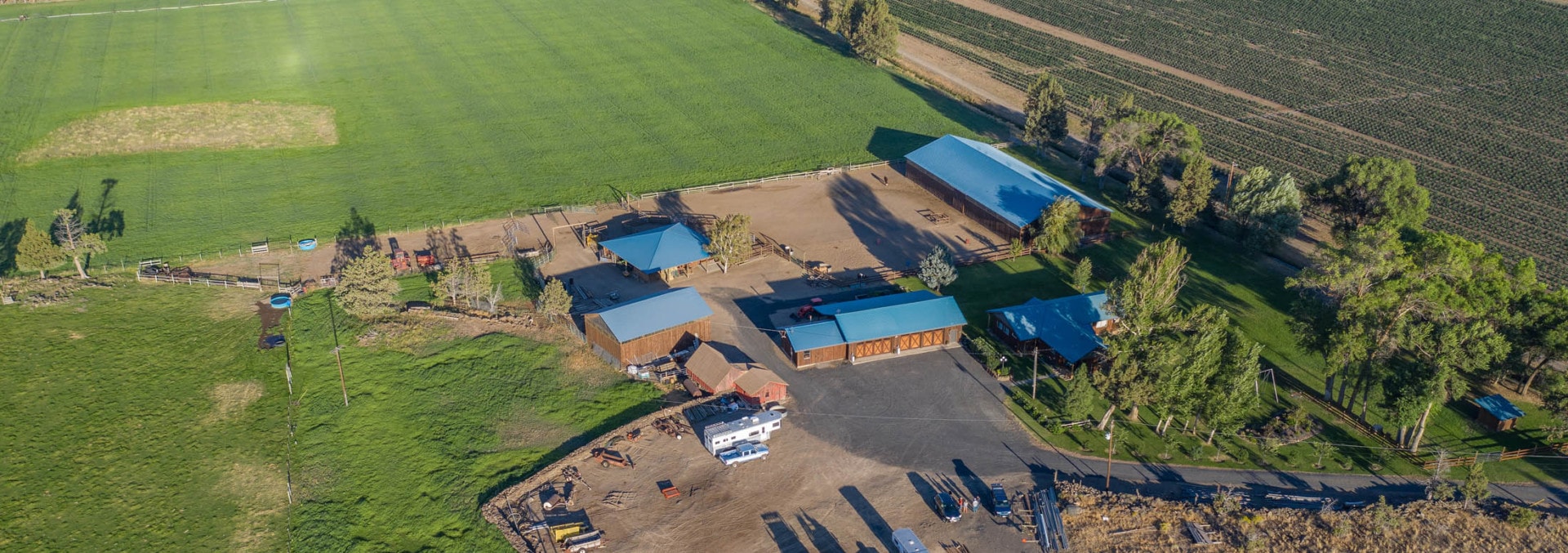
Dodds Road Hobby Horse Ranch
Bend, Oregon
This offering is the perfect opportunity to enjoy Central Oregon country living at its best! Bring your horses, ride them year around in the indoor arena, grow and harvest your own hay, own and run a few head of your own cows or simply enjoy the solitude of a beautiful home in the country.
Crazy Peaks
Wilsall, Montana
This property is home to excellent populations of white-tailed and mule deer, antelope, elk, upland game birds, and the occasional moose. The land has been well-managed, from its diverse dry land to its rolling meadows, with ample grass for livestock. Peaceful, quiet, and surrounded by magnificent scenery, this Montana property feels private, yet necessary amenities are just a few minutes away in the small towns of Clyde Park and Wilsall.
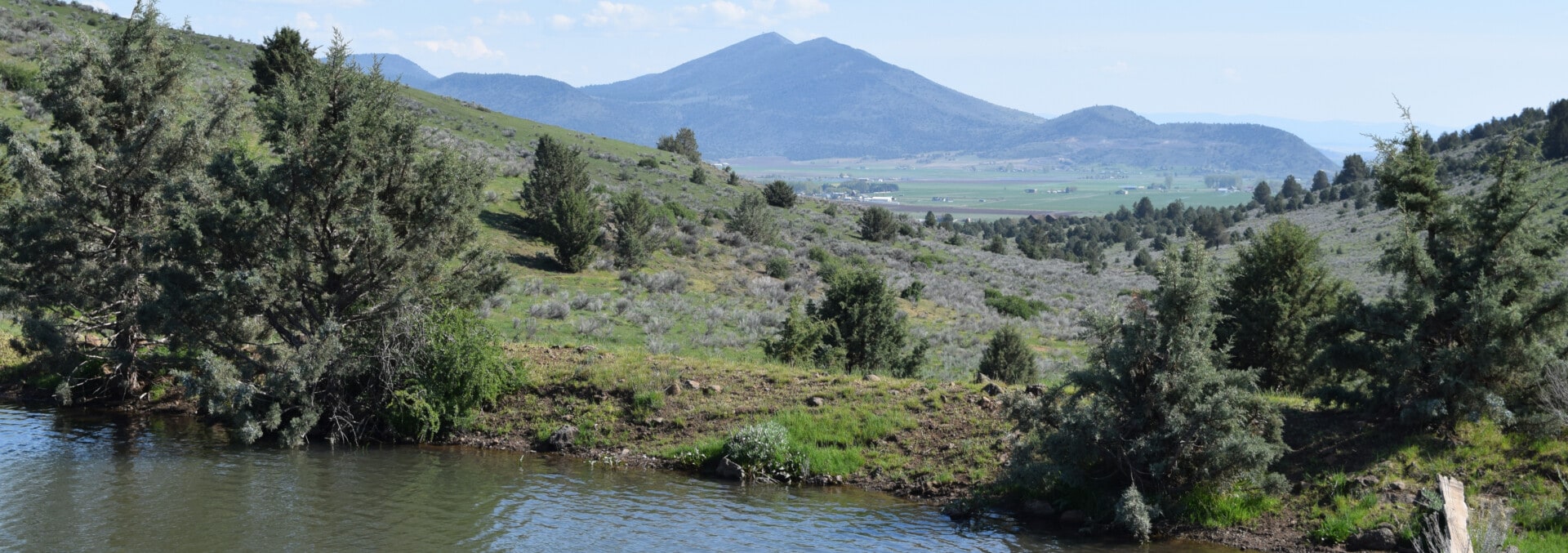
Summit Flat
Klamath Falls, Oregon
This is a fantastic opportunity to own your own cattle/hunting property just minutes from Klamath Falls! From the top of Hogback Mountain, phenomenal views of the city, Klamath Lake and the Cascade Range! This property is located just above a high-end subdivision with its gated entry and then is also accessed behind locked-gate, offering end-of-the-road privacy with several excellent view building sites to choose from, yet just minutes from town. Two season creeks feed 2 large ponds which provide stock water. A 750 +/- acre BLM grazing permit is fenced with the deeded lands, further expanding the ranch area! At the north end of the property is a beautiful stand of Ponderosa Pines, interspersed with a lush, green meadow, providing a beautiful recreation area. This property should qualify for LOP tags (check with ODFW)! Interior road access provides for ease of monitoring your livestock. The property lends itself well to riding your horse, or ATV. Don’t miss this opportunity!
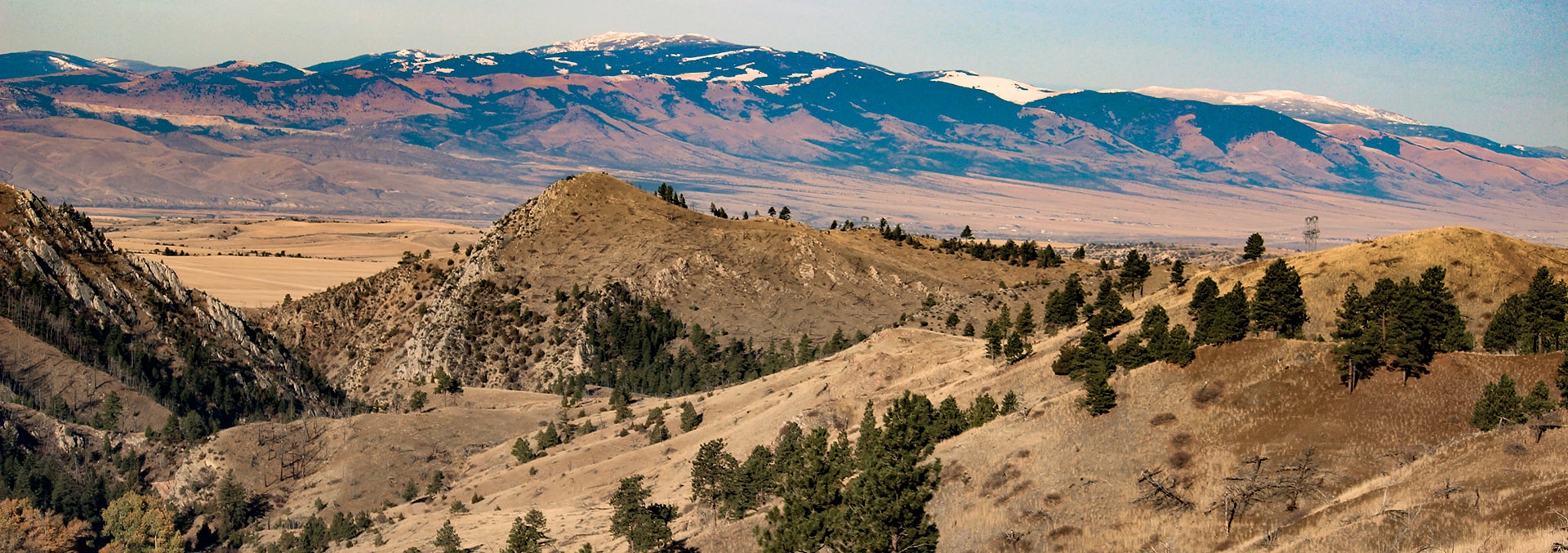
Dry Creek Mountain Ranch
Townsend, Montana
This central Montana ranch includes a nice stretch of Dry Creek flowing through the southern portion of the property and several spring-fed creeks throughout the more mountainous portions, providing a variety of water sources, abundant grasses, terrain and shelter for both cattle and wildlife alike.
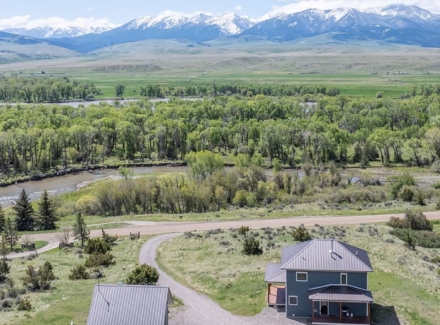
Nordic Escape by the Yellowstone
Livingston, Montana
Just 10± minutes from Livingston, Montana, this property includes views of the Yellowstone River, Mission Creek, Sheep Mountain, and the Absaroka, Gallatin, and Beartooth Mountain Ranges. The 1,536± SF, 4 bed, 2 bath custom home boasts an open concept, energy efficiency, and attention to detail. Just a half mile away, access the Yellowstone River for trout fishing at Sheep Mountain FWP. The property enjoys shared ownership and exclusive access to an 89± acre island on the Yellowstone River.
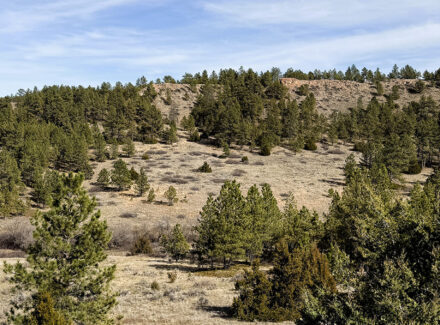
Legacy 551 Ranch
Volborg, Montana
This Montana property offers honest, practical ground with a long history tied to a working cattle operation. Open meadows, broken coulees, and natural draws create a varied landscape that supports both grazing and wildlife movement. Adjoining public land expands the sense of space and recreation. Elk, mule deer, antelope, grouse, and prairie dogs add strong hunting appeal. Well-suited for recreation, ranching, or a private retreat, it offers a solid foundation in proven country.
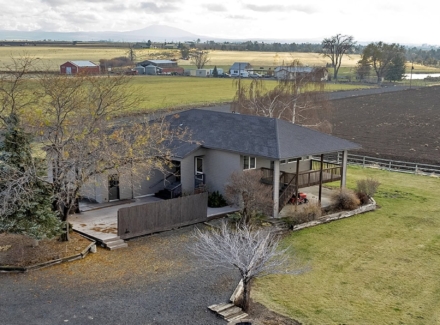
Jefferson View Farm
Madras, Oregon
This farm property for sale in Oregon offers efficient irrigation, a well-equipped barn, and a comfortable split-level home designed for both practical operation and everyday living. The residence features three bedrooms, modern finishes, a flexible den, and broad Cascade Mountain views. An open floor plan and abundant windows enhance the connection to the landscape. With strong agricultural capability and quality improvements, it serves well as a productive operation or a private rural retreat.
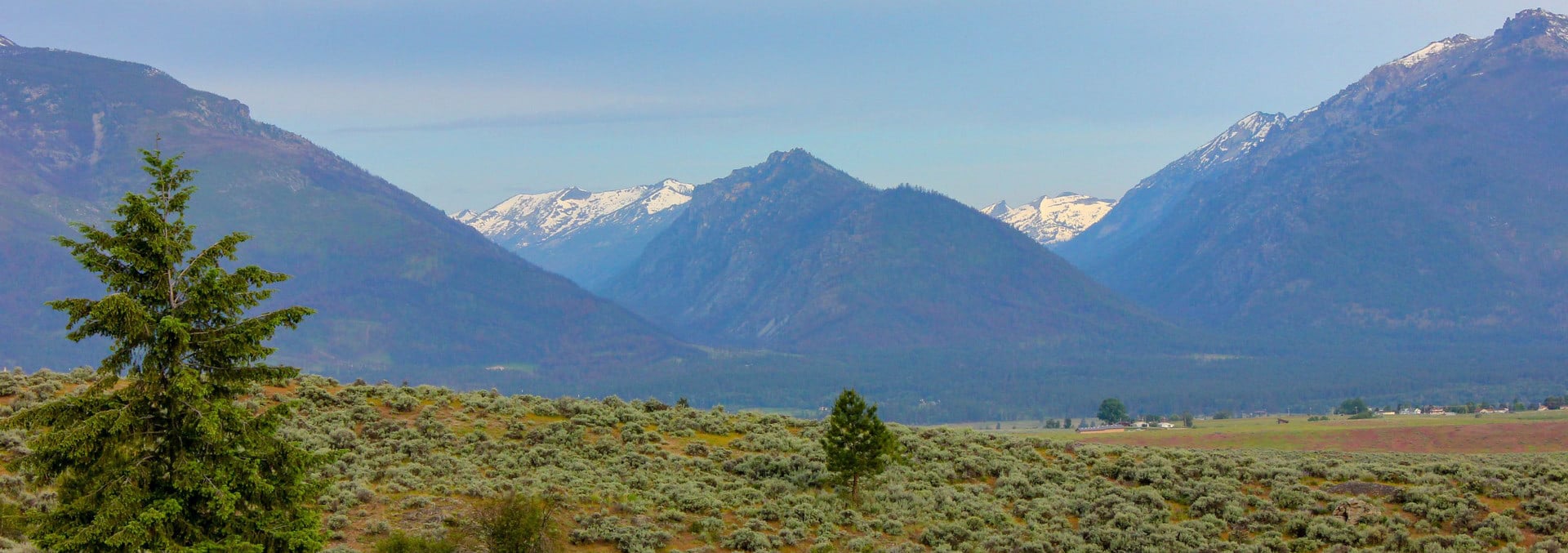
Skalkaho Ranch 320
Hamilton, Montana
A spectacular property with a private trail system, offering amazing big game hunting, close to blue ribbon fly fishing, and spectacular scenery for someone in search of an idyllic Montana retreat to get away from it all.
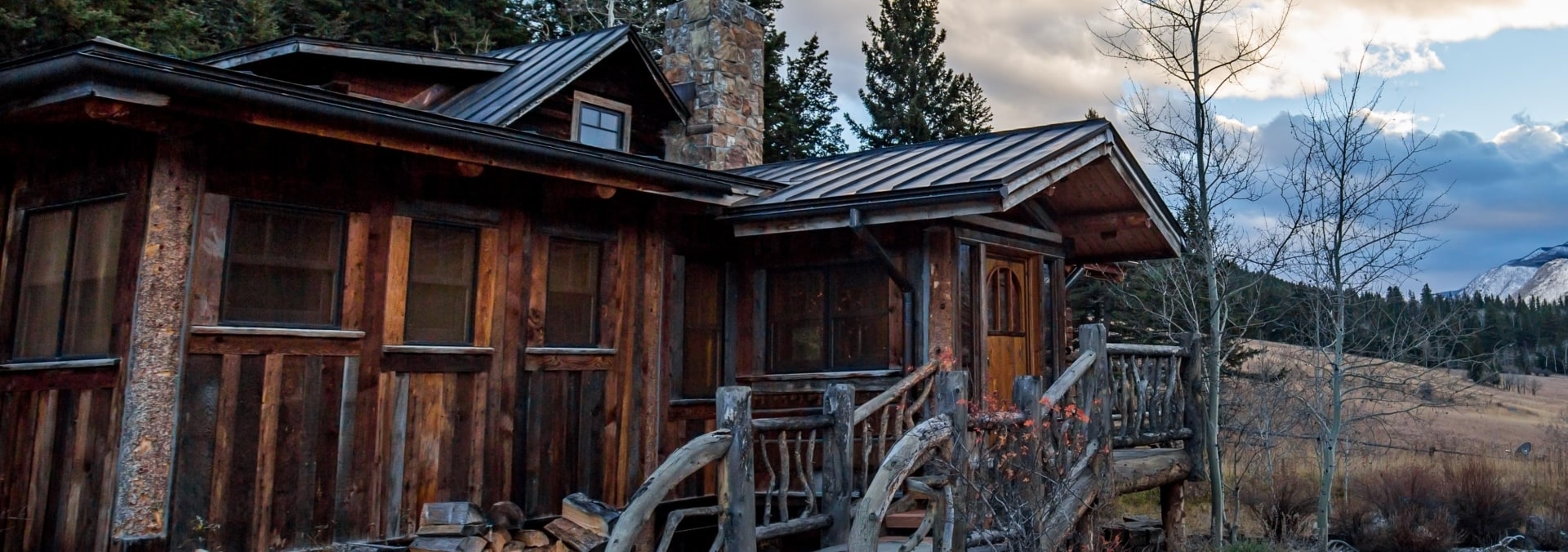
Historic Hawkwood House
McLeod, Montana
The Historic Hawkwood house stands alone in the prestigious West Boulder River Valley as an artistic renovation of the valley’s most historic structure. This finely appointed 2,457± square foot, three bedroom‐suite cabin is as stately as its pristine surroundings. Surrounded by the West Boulder Reserve.

That Country Charm
Prineville, Oregon
This relaxing country setting is minutes from Prineville, Oregon, and has plenty of space for the family, pets, and livestock. It features a beautiful home with 3 bedrooms, 2 bathrooms, a large office, and beautiful finishes throughout. The outdoor living space, yard, large porch, views, and tranquility give you all the country living feels. Additional improvements include a shop with two 14-foot doors, a lean-to, and a nice four-stall barn. With privacy and impressive views; this is a must-see.
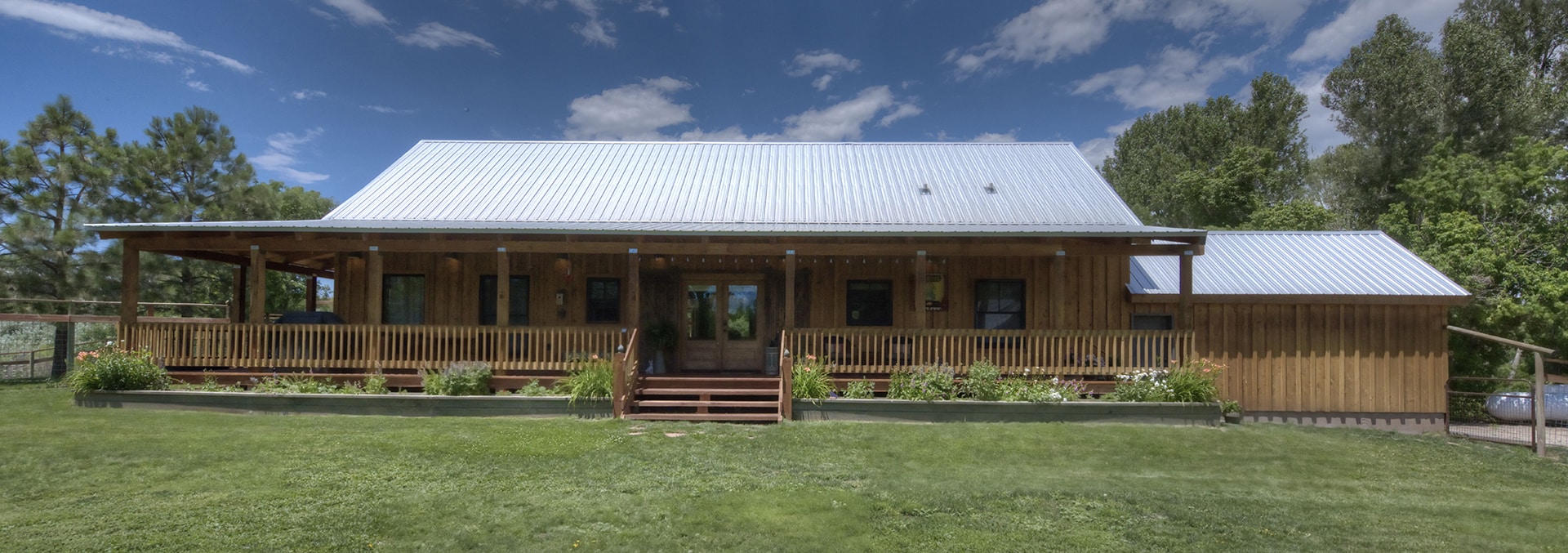
Cherry Street Riverside
La Veta, Colorado
A charming house in a small Colorado town enjoys exceptional privacy, 2 homes, an art studio, insulated outbuildings, a high-fenced yard, and more. Soak in the hot tub on the deck with the river flowing below and a wood fire roaring in the porch fireplace. Open your bedroom windows and let the peaceful river sounds rock you to sleep. It features a custom 2-bed/2-bath home on the river and includes an updated 2/2 farmhouse, garden areas, workshop, 1-car garage, woodstoves, outdoor fireplace, and porches.
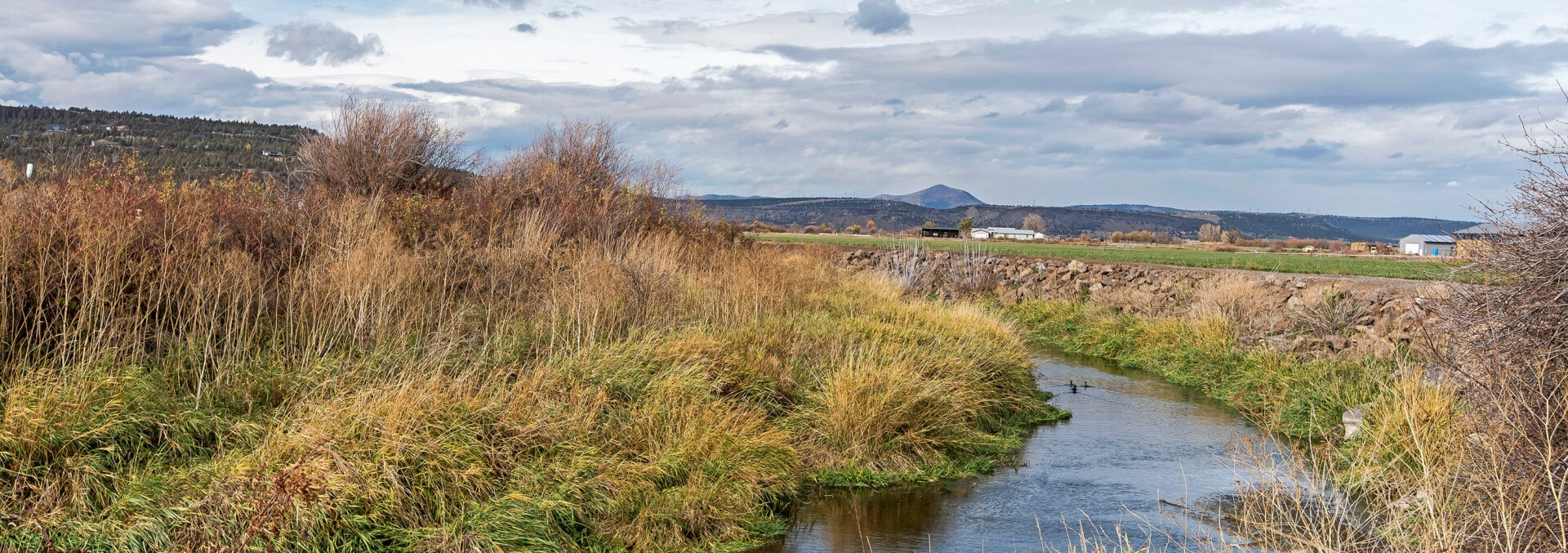
Waters Edge Ranch
Prineville, Oregon
In the heart of Central Oregon! This property features 127± acres of irrigation with three live streams running through it. A history of high quality hay production, outstanding fishing, waterfowl and upland bird hunting, create the perfect balance of work and play!
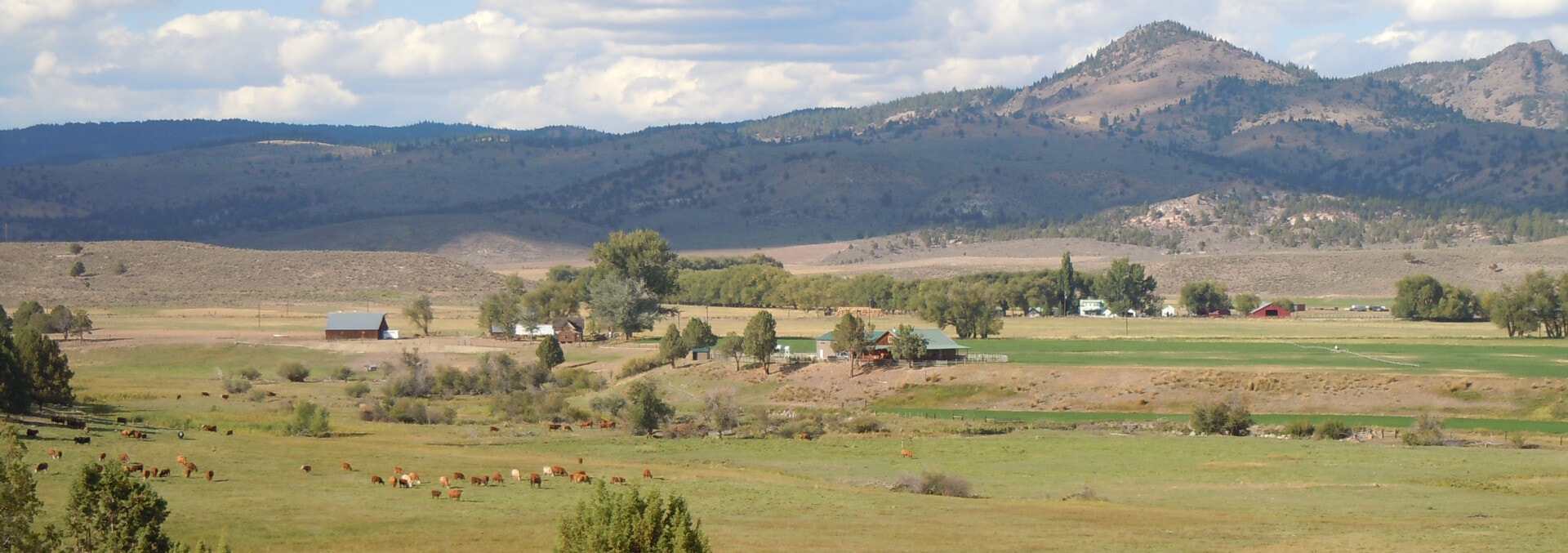
The Silva Ranch
Unity, Oregon
An opportunity to own a ranch that will provide all the amenities of a large ranch but with less management and at an affordable price. A gorgeous setting over looking the river with mountain views surrounding the property. Deer, elk and many other creatures are on the property almost continuously. A great place to live and to share with family and friends.
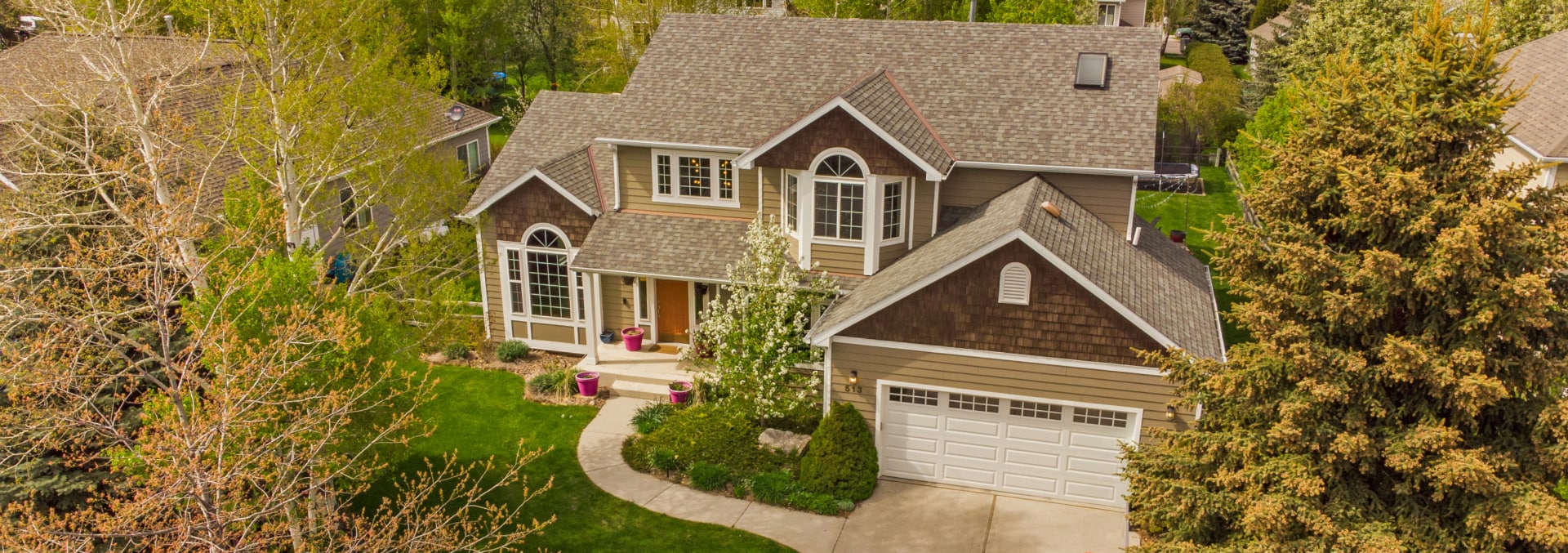
Cambridge Estate
Bozeman, Montana
On a quiet cul-de-sac, this 4,137± SF, 6 bed, 3.5 bath home is on Bozeman’s highly desirable south side in the Westfield South Subdivision. Just steps from a 2.8± acre park, a 5± minute drive south of downtown Bozeman, Montana, and close to many hiking trails, the location could not be better. Ideal for a family, the home boasts an open floor plan, mature landscaping, and a lush backyard with a stone patio and shed. Close to elementary and middle schools, kids can easily walk or bike to school.
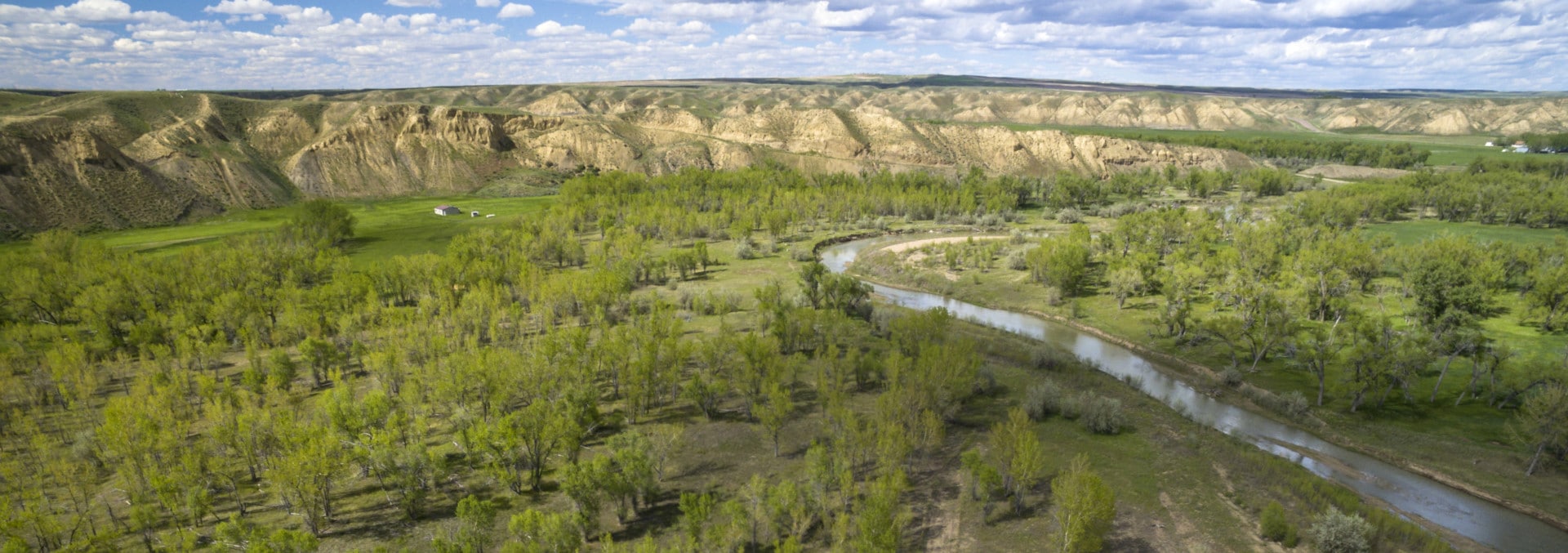
Teton River Ranch
Loma, Montana
This property boasts about a half-mile of both sides of the Teton River. The Missouri and Marias Rivers are just a short walk away, and all three rivers can be seen from Vimy Ridge on the property. The ranch is contiguous to thousands of BLM acres that adjoin State Land. Ample wildlife call this area home, including deer, antelope, upland birds, and waterfowl. A recently updated 2 bed, 1 bath off-grid cabin could be used as a private retreat or vacation rental. The property is 10± minutes from Fort Benton and its airstrip, and 40± minutes from Great Falls and its commercial airport.
Hasselborg Homestead
Admiralty Island, Alaska
Set within Admiralty Island National Monument in Southeast Alaska, this patented inholding offers rare deeded ownership surrounded by protected Tongass National Forest. Accessible by floatplane or helicopter from Juneau, it combines seclusion with practical access. River and ocean frontage, strong wildlife presence, and a historic cabin in need of repair create a compelling option for a private retreat, conservation-minded ownership, or remote recreation base.
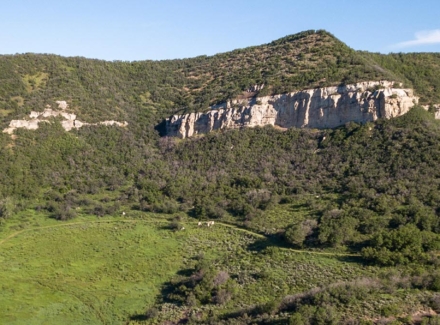
Black Cat at 480 Ranch
Steamboat Springs, Colorado
Perfect for hunting or a new home, Black Cat at 480 Ranch, west of Steamboat Springs, Colorado, borders BLM & Colorado State Land Board acreage. This private retreat features mountain forests & open meadows and attracts big game like elk, deer, bears, and lions. With a 15 GPM well and solar stock tank, it supports wildlife on a prime migration route during hunting season. The property offers sandstone cliffs, aspen groves, and mountain views, ideal for residences with agricultural tax benefits.
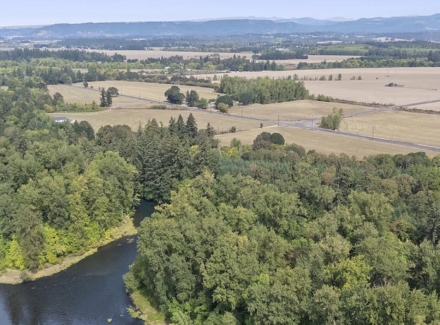
South Santiam Riverfront
Lebanon, Oregon
Welcome to this 90± acre riverfront property near downtown Lebanon. It offers lush farmland and excellent fishing access to the South Santiam River, ideal for steelhead and salmon. With 1± miles of riverfront, this secluded retreat is perfect for fishing, wildlife viewing, or a small farming operation. The fertile soils support diverse crops. Enjoy rural living with urban amenities nearby, making it a great escape. Buyers should verify any planning restrictions with Linn County.
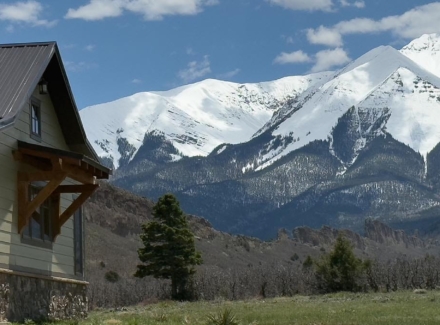
Elk Gap Ranchette
La Veta, Colorado
Situated at the base of the West Spanish Peak and adjacent to the Big Wall, this Colorado property lies in a prime wildlife corridor for elk. It’s part of a private subdivision known for dark skies and quiet surroundings in GMU 85, where elk tags are over the counter. A 2,552± SF home features panoramic views, hardwood floors, a fireplace, and patios. With recent additions, it’s flexible for up to four bedrooms. Horse-friendly and close to La Veta’s amenities, this is a rare opportunity.
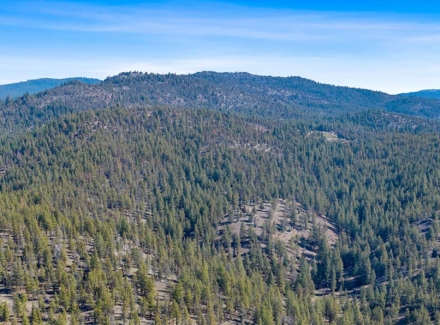
Turner Creek Hideaway
Prineville, Oregon
Discover Turner Creek Hideaway, a secluded gem near Prineville, Oregon, offering unparalleled outdoor recreation. Nestled in the prestigious Grizzly Hunting Unit, it includes two preference tags, promising rich wildlife encounters. With Turner Creek meandering through, it’s a haven for snowmobiling, ATV riding, horseback adventures, hiking, camping, and biking. An expansive blank canvas awaits your vision. Additional acres available. A rare find, this property won’t last long.
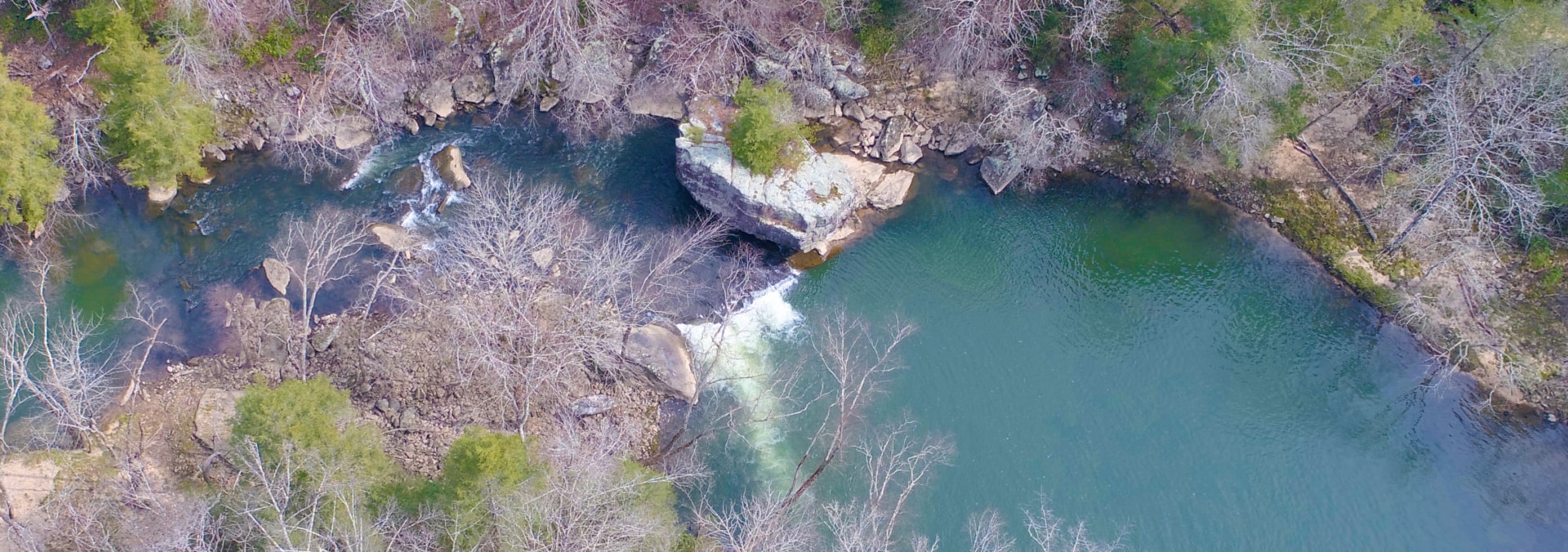
Stone Point
Crossville, Tennessee
This is a classic Cumberland Plateau peninsula property on the Obed River. The pasture lies above the rim of the Obed River gorge. Experience the canyon, caves and rock buttress cliffs along a hand-cut private trail from Rim to River. The grassland to river is a beautiful transition of sandstone cliffs, deep forest and white beaches.
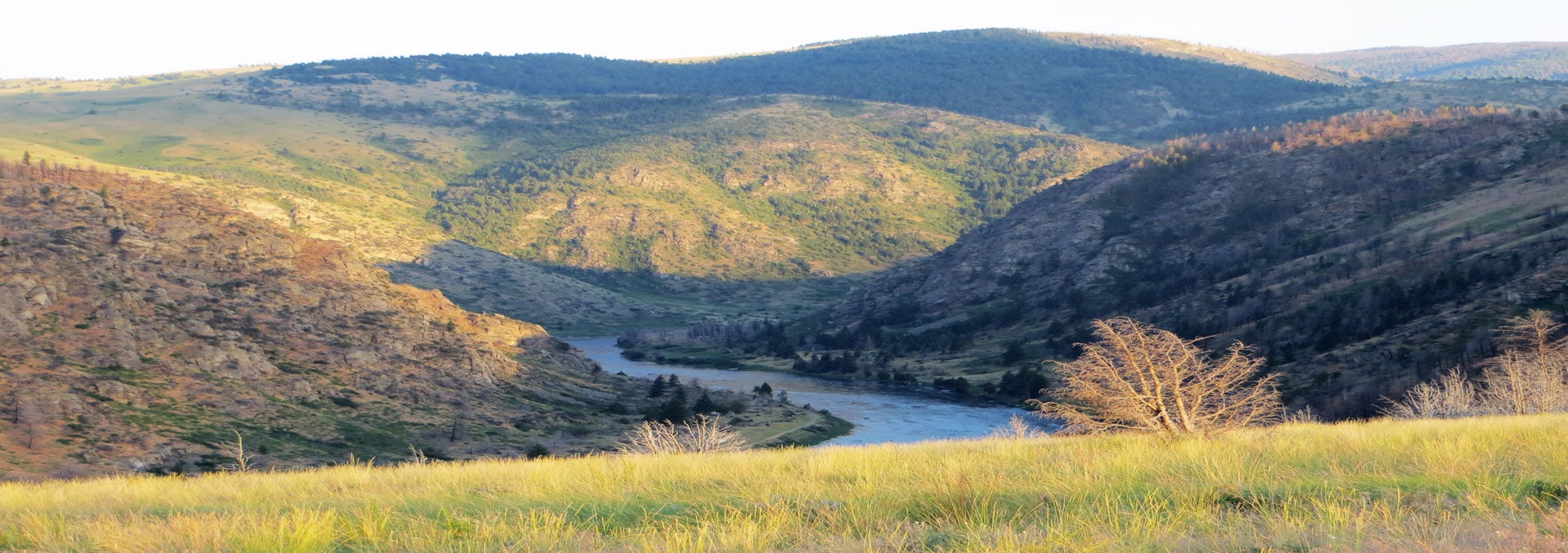
Bear Trap Canyon Fishing Ranch
Norris, Montana
Due to its unmatched insect hatches, the Madison River is known as one of the greatest wild trout fisheries in the U.S. and has some of the best dry fly fishing in the country. This ranch is 101± acres and boasts Madison River frontage, enabling many days of excellent fishing out the back door. Outstanding views of the river, mountains, prairie habitat, and the historic Bear Trap Canyon provide a beautiful setting and an exquisite piece of Montana.
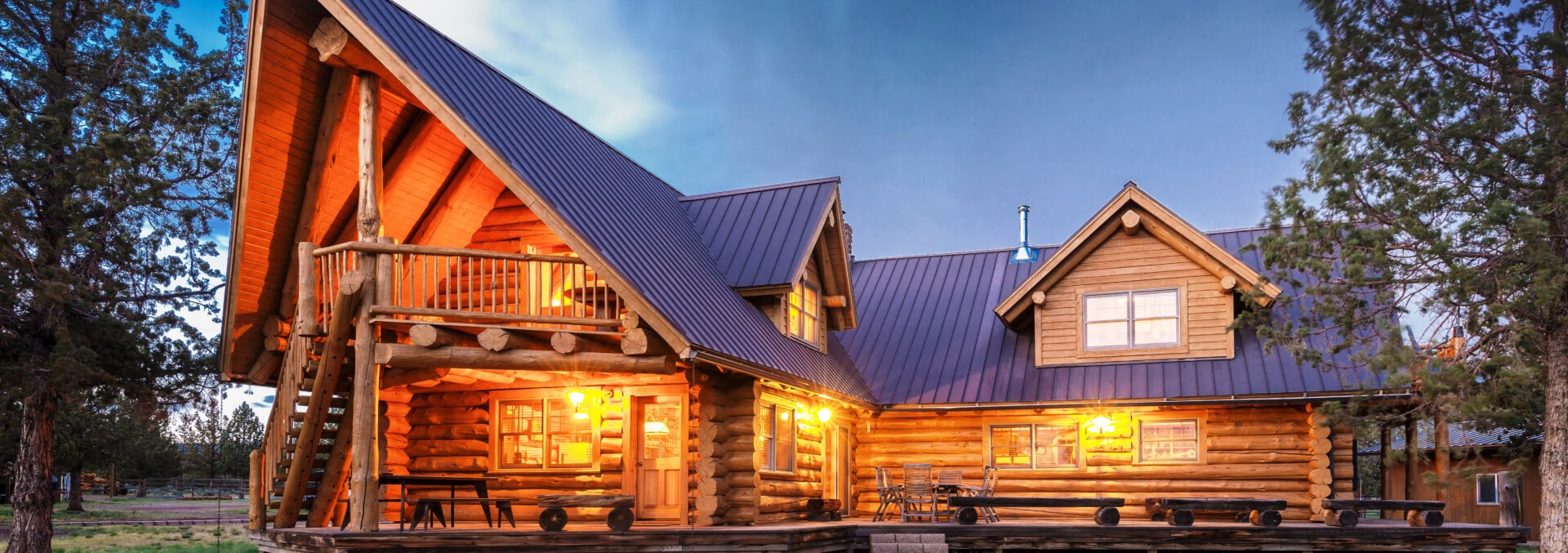
Rocky Top Ranch
Powell Butte, Oregon
Central Oregon is known for its amazing Cascade Mountain views, lakes, rivers, biking trails, hiking, trophy hunting, fishing, equestrian centers, rodeos, farming and ranching. If this appeals to you then the dazzling property in Powell Butte, Oregon known as the Rocky Top Ranch is the perfect place for you.
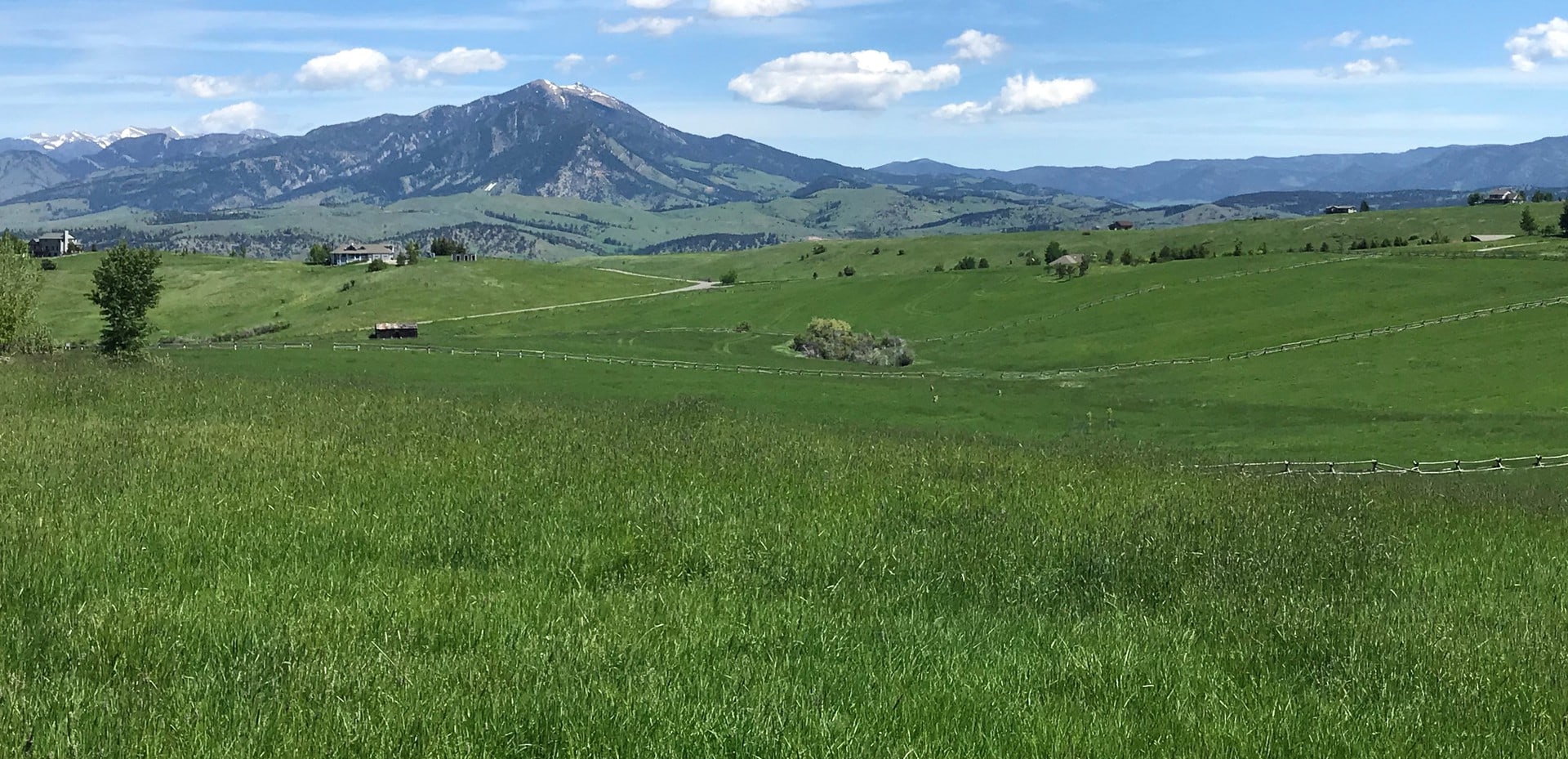
North Ridge 24
Bozeman, Montana
This piece of land is private, beautiful, use-able, accessible and convenient to the best that Montana has to offer. This is a very unique opportunity to own land in the heart of Montana’s recreational playground.
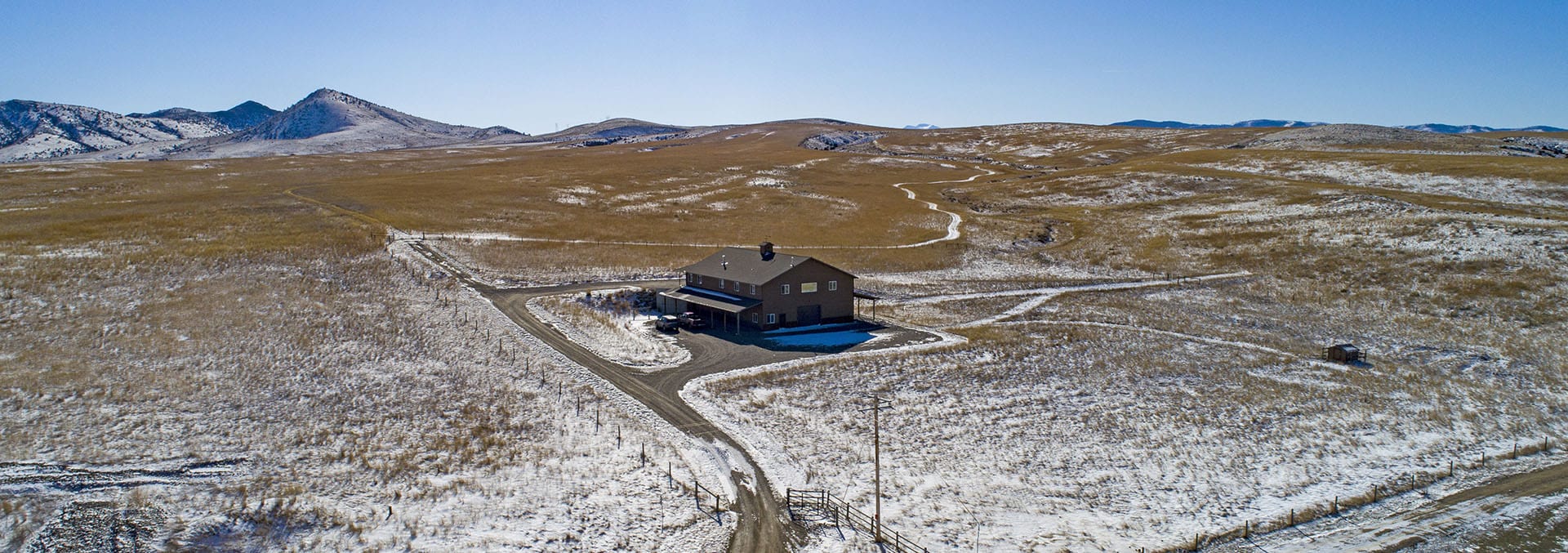
Three Rivers Rod and Gun Club Lodge Parcel
Three Forks, Montana
Roughly 5 miles to the west of the quaint town of Three Forks, MT and consisting of 557± acres of beautiful rolling grass fields, varied topography, and great views of all the surrounding mountains the property is well positioned to town and recreational amenities. The lodge was built to comfortably entertain family and friends and the natural habitat of the land caters to a variety of hunting and recreational pursuits.
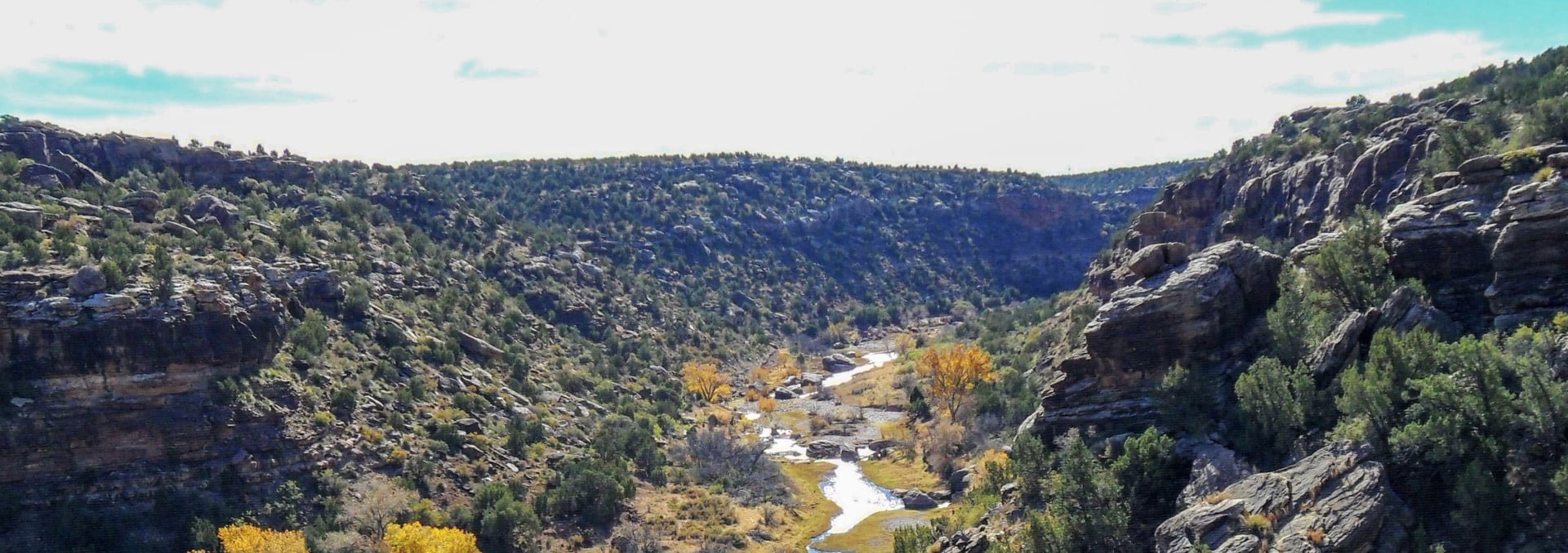
Cottonwood Springs North
Santa Rosa, New Mexico
New Mexico’s private riverfront ranch has two miles of Pecos River running through a scenic canyon with access via a rare road to the river bottom. There are off-grid cabin sites with spectacular views. The river forms nice pools around giant boulders and is lined with mature cottonwoods. Dramatic side canyons also hold spring-fed pools in their bottoms. This is beautiful canyon-edge grass-country interspersed with Mesquite, Pinon, Juniper, Oak, and Cottonwood accented with rock formations.
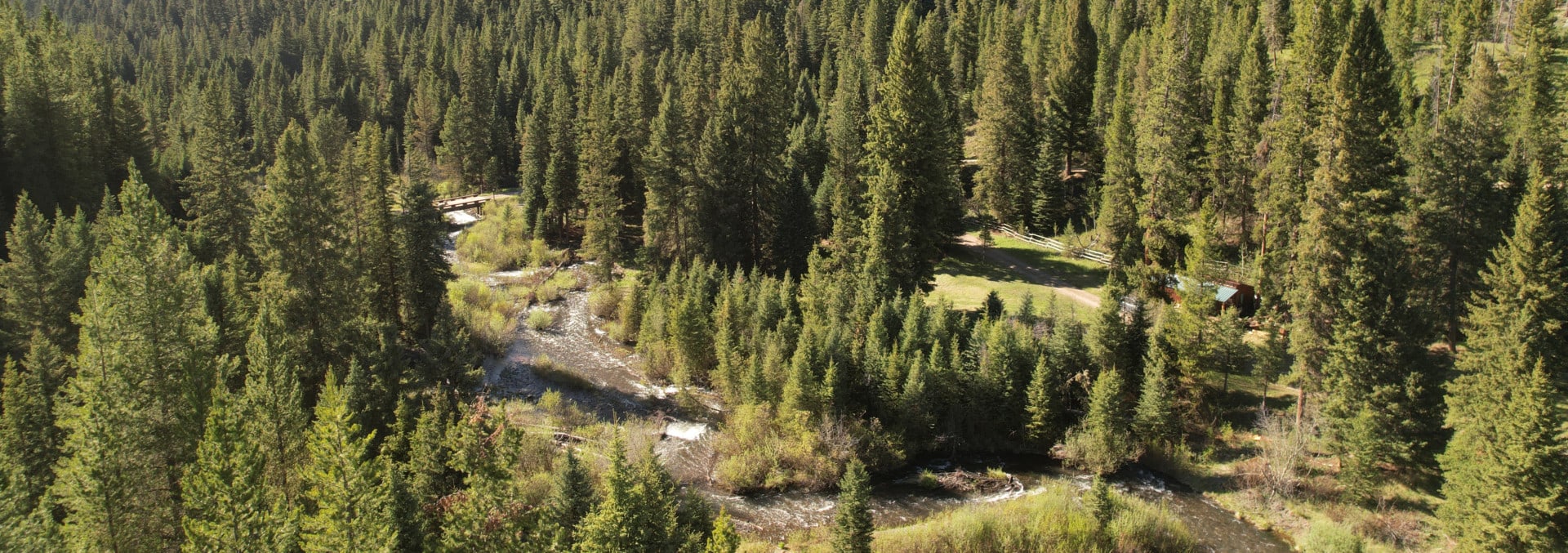
Storm Castle Retreat
Gallatin Gateway, Montana
The Storm Castle Retreat is an endless getaway to recreational opportunities. Situated in a striking mountain setting with fishable Storm Castle Creek running through the middle of the property, this Retreat is located ideally between Bozeman and Big Sky. The Storm Castle Retreat presents an attractive opportunity that does not often come along for those wanting a private setting within hundreds of thousands of acres of Montana’s recreational paradise.
Idaho Mountain Views
Cambridge, Idaho
This blank slate Idaho property currently has five building permits available on the four parcels. There are no improvements on the land, just a clean palette to paint up a rugged and rustic Idaho lodge cabin against the mountain backdrop of the West Mountains and the Cuddy and Hitt Mountain ranges. Historically used for grazing, the ranch is ideal for running cattle on in early spring with native range grasses and brush. Power lines are accessible to bring power to your building plans.
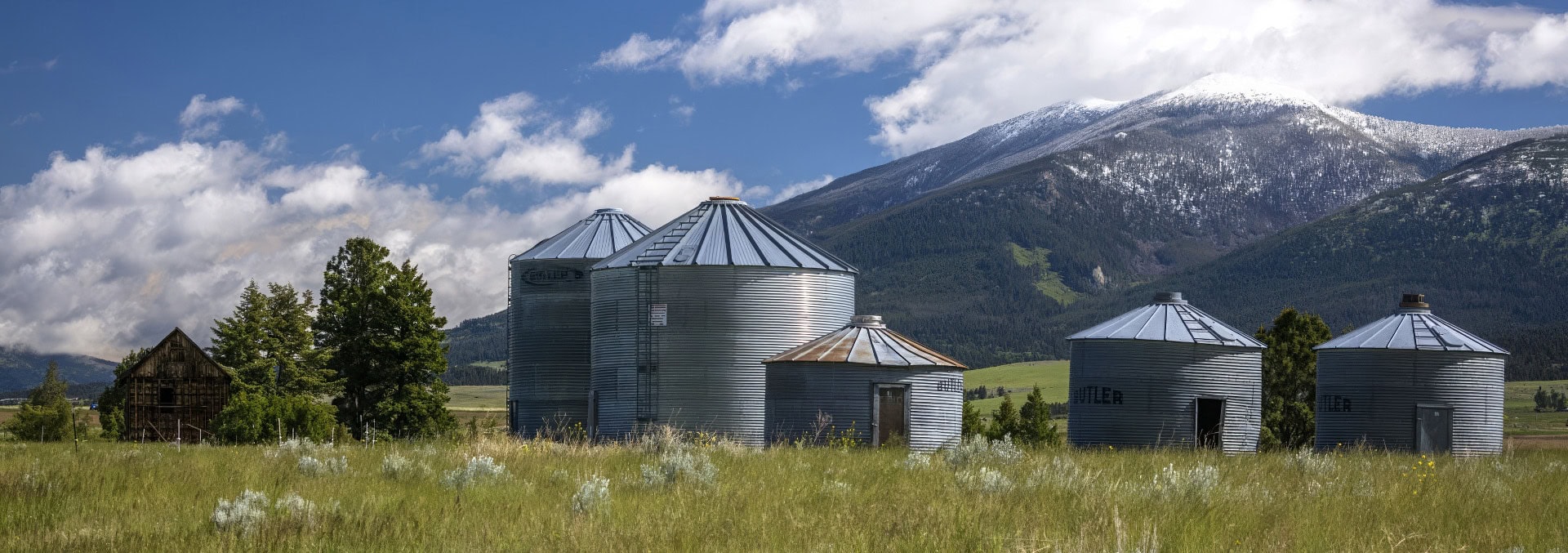
Lippert Gulch 400
Townsend, Montana
This ranch offers a variety of recreational pursuits including exceptional hunting for big game species such as elk, mule deer and antelope and boasts 231± irrigated acres of excellent farm ground and 2 newly constructed ponds. This property is also within 15 minutes of the Missouri River and the waters of Canyon Ferry Lake.
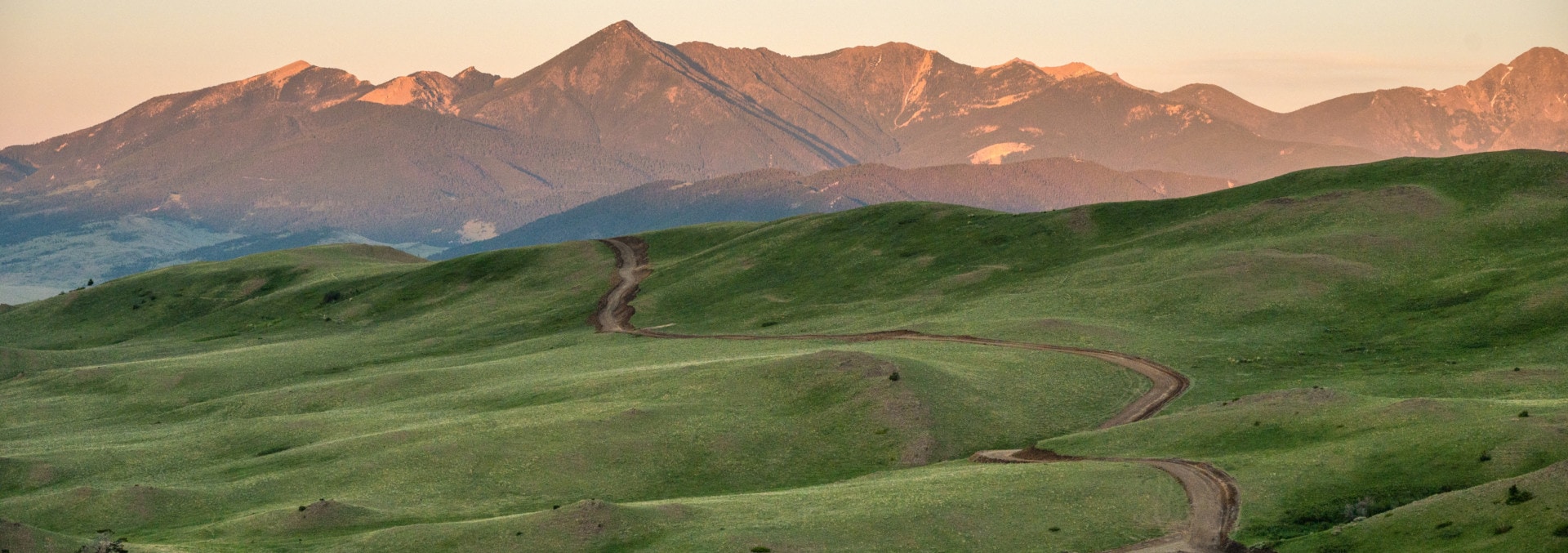
Bozeman Pass Ranch, Tract 3
Livingston, Montana
Welcome to Bozeman Pass Ranch, where your new dream home awaits. This unique property sits on 160± acres of pristine Montana land conveniently located near Bozeman, Livingston, the Yellowstone River, Yellowstone National Park, and Big Sky. Surrounded by the Absaroka, Bridger, and Crazy Mountains, this property boasts magnificent views in every direction. Tract 3 is improved and ready for building with a newly constructed private lane and electric.
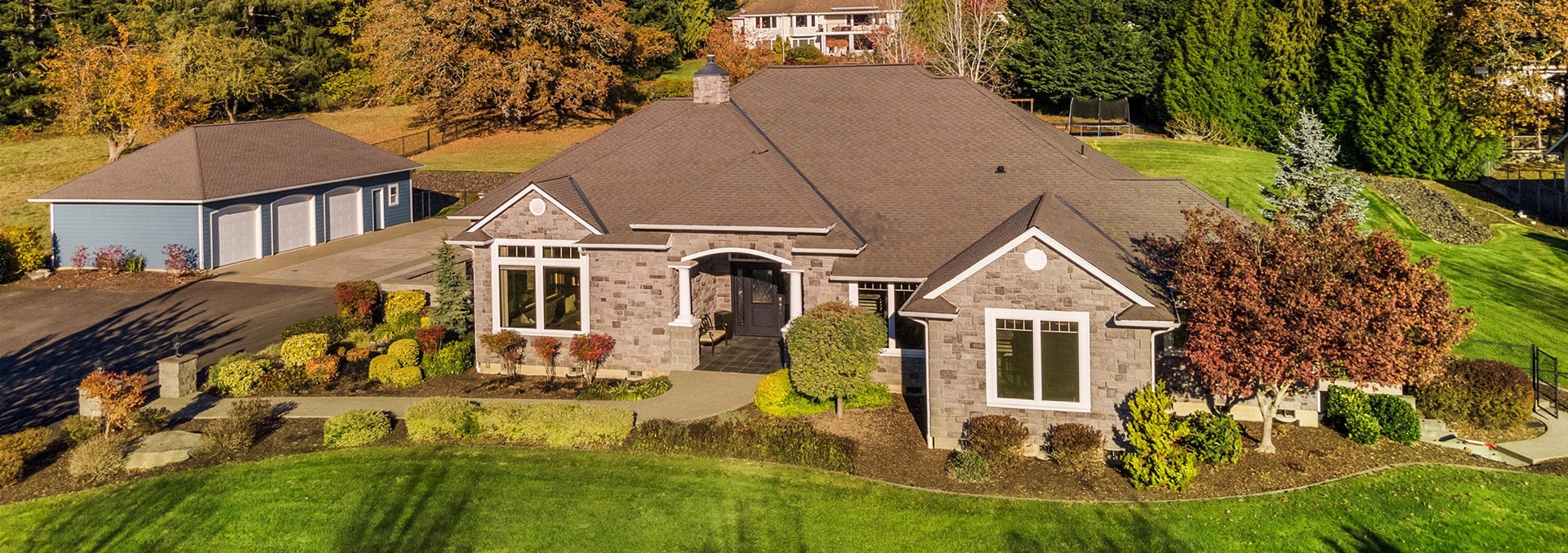
Brandy Drive Estate
Chehalis, Washington
Whether you’re looking for your primary residence or a second home for seasonal living, this ranch is a unique opportunity to own a luxury home in a rural Washington setting. Tinker in your workshop and enjoy the professionally landscaped yard with tranquil water features. Stay close to home and perfect your culinary skills in the chef’s kitchen. Sit by the stone fireplace on your covered outdoor patio, or take a short walk across the street to the golf course. Recreational opportunities abound.
Boles Canyon
Hill City, South Dakota
Ensconced in the heart of the Black Hills of South Dakota, Boles Canyon offers a slice of serenity on 159± acres. This secluded property, surrounded by National Forest, boasts open meadows with Black Hills pine, spruce, and aspen trees. The natural landscape includes a wildlife pond, natural rock outcroppings, and native shrubbery. It is ideal for big game hunting and recreational opportunities. With good access via county roads, it’s the perfect retreat for nature lovers and adventurers.

Wilsman Ranch
Bozeman, Montana
The Wilsman Property is an extraordinary property located at the end of the road on top of the world. The land offers outstanding views of the Bridger, Crazy, Bangtail, and Absarokee mountain ranges and is only 25 minutes to Bozeman and about the same to Livingston.
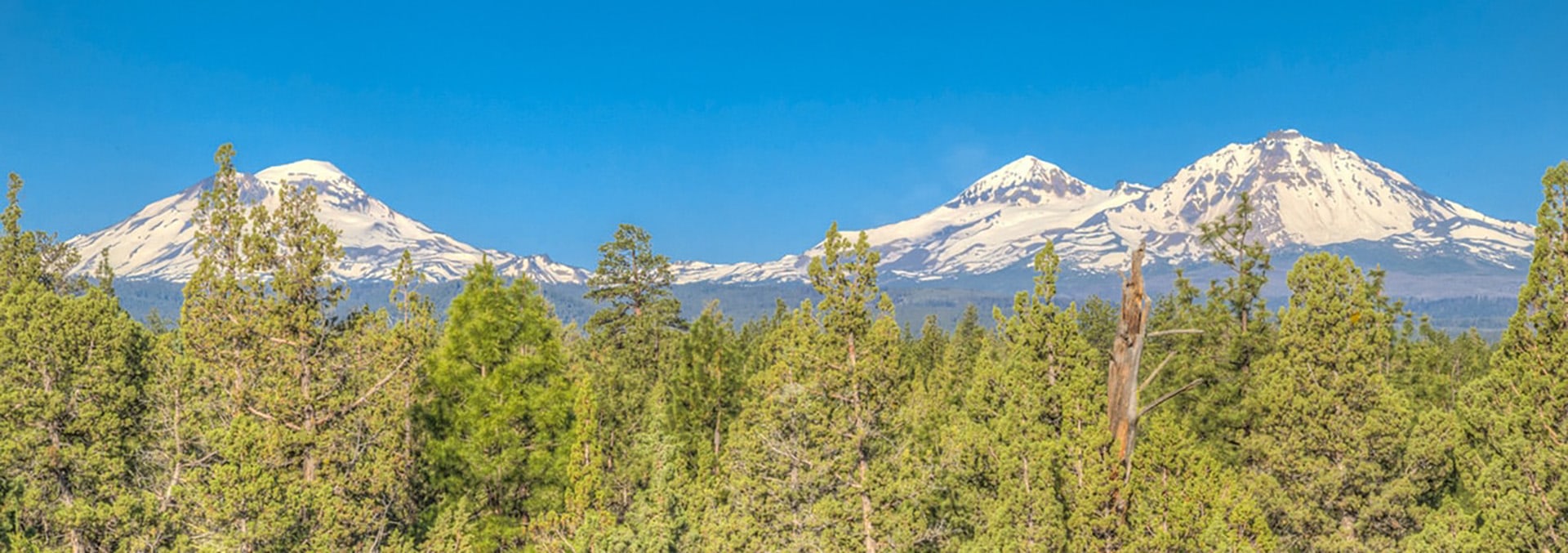
Homestead at Three Sisters
Bend, Oregon
The most desirable views Central Oregon has to offer! This handsome log cabin is located on the edge of forest service land with unlimited access to the Three Sisters Wilderness.
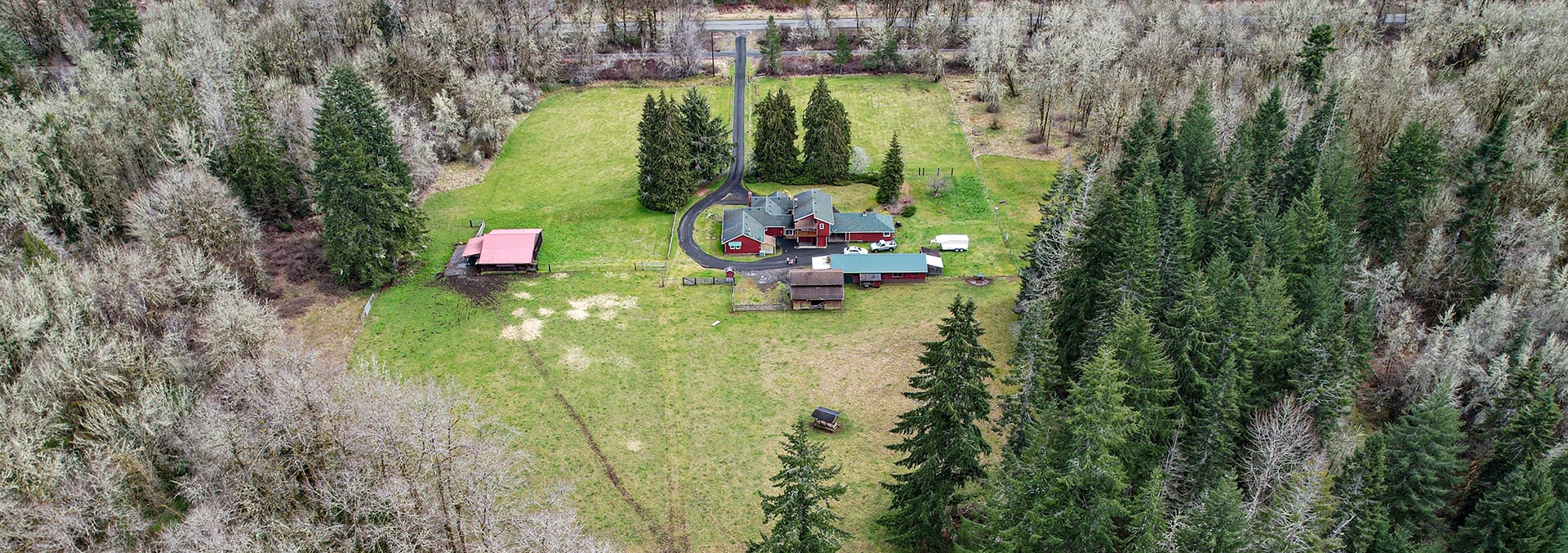
Devil’s Bluff Ranch
Pe Ell, Washington
This unique Washington property offers privacy and open spaces ideal for those desiring a self-sufficient lifestyle. Garden, raise cattle, and hunt wild game such as deer and elk on the property during hunting season. Go to the river and fish for steelhead, coho salmon, and trout, or just enjoy watching the beaver and river otter frolic. Ride ATVs and camp under the stars on warm summer nights. This property offers the opportunity to get away from it all while still being close to necessary amenities.
Yakima County Trustee Sale
Wapato, Washington
This property is a blank canvas with immense potential in one of Washington State’s key farming regions. Currently out of production, it offers opportunities for agriculture, development, or eco-friendly ventures. With water rights, irrigation, and views of Mount Adams and Mount Rainier, it’s ideal for orchards, vineyards, or crops. Proximity to agricultural hubs enhances its value. Whether for farming, sustainability, or investment, this land is ready to bring your vision to life.
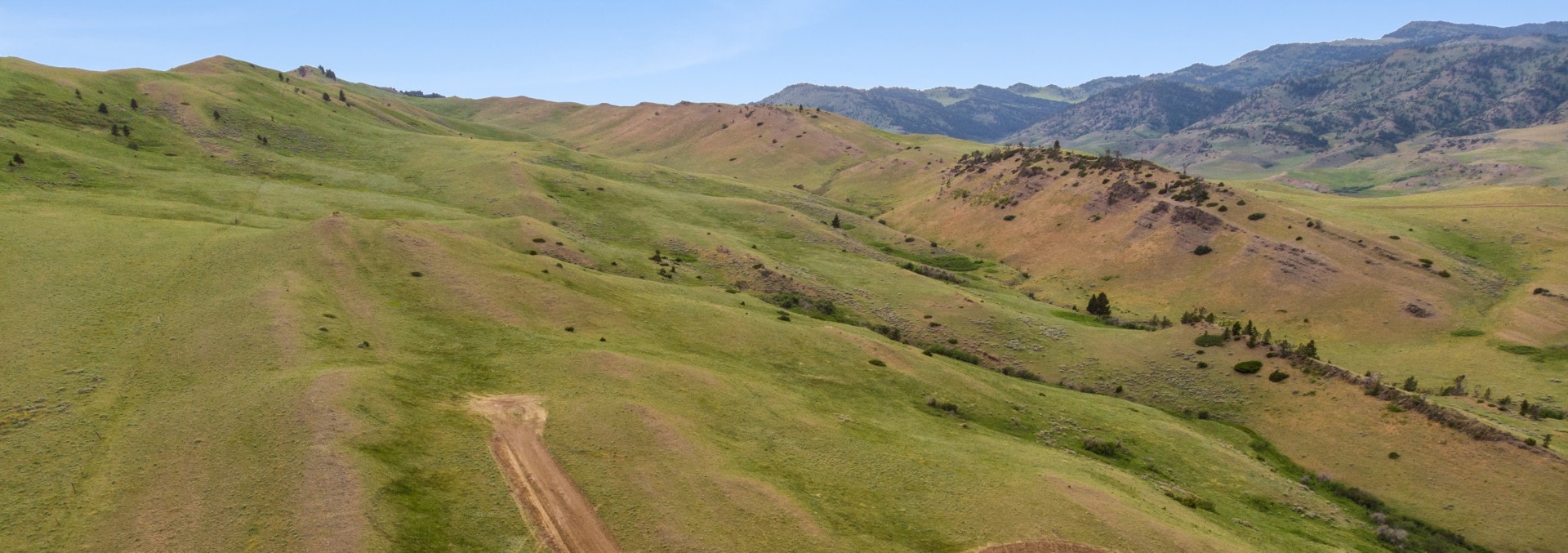
Bozeman Pass Ranch Tract 4
Livingston, Montana
This unique pristine Montana land is conveniently located near Bozeman, Livingston, the Yellowstone River, Yellowstone National Park, and Big Sky. Surrounded by the Absaroka, Bridger, and Crazy Mountains, Tract 4 is improved and ready for building with a newly constructed private lane and electric. This is the ideal location to build your dream home. This unique property is one of only five lots that presents a rare opportunity to live in one of the most desirable areas of Montana.
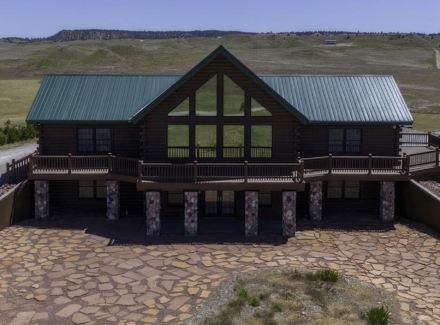
Last Kingdom Ranch
Fort Laramie, Wyoming
Last Kingdom Ranch in Fort Laramie, Wyoming, spans 40± acres. This log home offers 360-degree views, including Laramie Peak. Inside, find a 3-bed, 4-bath layout with hardwood floors and a granite kitchen. Enjoy a walk-out basement to a covered patio, privacy fencing, a private shooting range, and 600± trees. It includes a 50’ x 24’ insulated shop, a 42’ x 60’ shop with 220 electricity, and a 14’ x 32’ she-shed. Experience rustic charm and modern comfort at this exceptional ranch.

Lyman Farm
Lyman, Nebraska
This Nebraska farm offers a blend of residential comfort and agricultural productivity. A five-bedroom home with recent upgrades features modern systems, multiple heating sources, and practical amenities. Livestock infrastructure includes pipe corrals, waterers, bunk space, barns, and shops. With 131± acres of water rights, a 2022 Reinke pivot, and productive cropland, the property supports haying or grazing. Scenic views of the Wildcat Hills enhance this turnkey operation’s appeal.
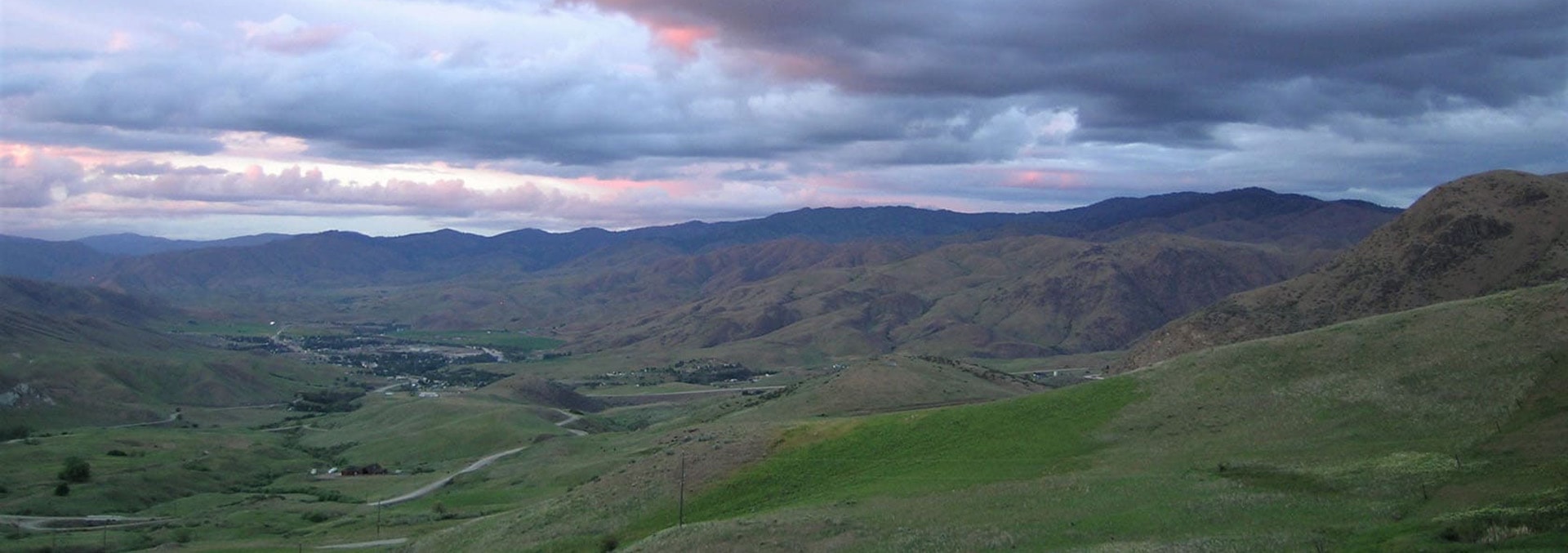
Horseshoe Bend Lodge
Horseshoe Bend, Idaho
The Lodge offers fantastic views of the Payette River Valley and the North Fork Mt. Range. This beautiful Western Cedar Log home is located in the foothills with room to roam along with privacy. The log home is beautifully designed with the focal point being wide open living space with a river rock fireplace being as beautiful as it is functional. Recreation offers some of the best white water rafting in the west located a few miles away on the Middle Fork of the Payette River.
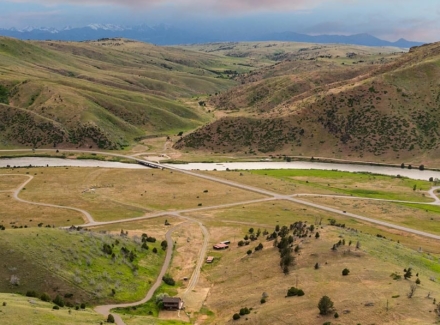
Madison River Fish Camp
Norris, Montana
This property is just down the road from the Madison River in the lower Madison Valley, the least developed river valley within 30± minutes of Bozeman. The acreage is contiguous to BLM land that boasts 1.2± miles of Madison River frontage, offering world-class fly fishing just down the road. The Madison River also offers abundant habitat, attracting a wealth of waterfowl and other wildlife. A custom 2,904± square foot, 4 bed, 3 bath home looks out on the river and valley.
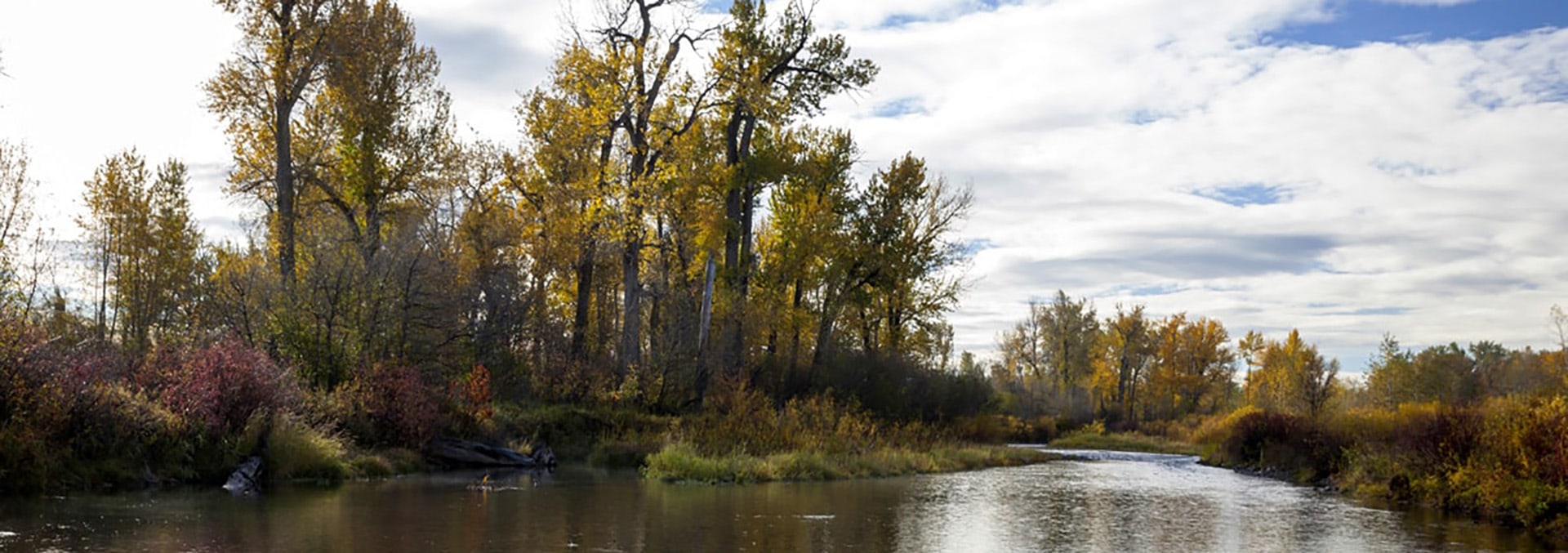
West Gallatin River House
Bozeman, Montana
This property combines the ultimate private fishing escape with close proximity to the university town of Bozeman, Montana. Family fun and incredible fishing and hunting are just a few steps out the front door of this River House!
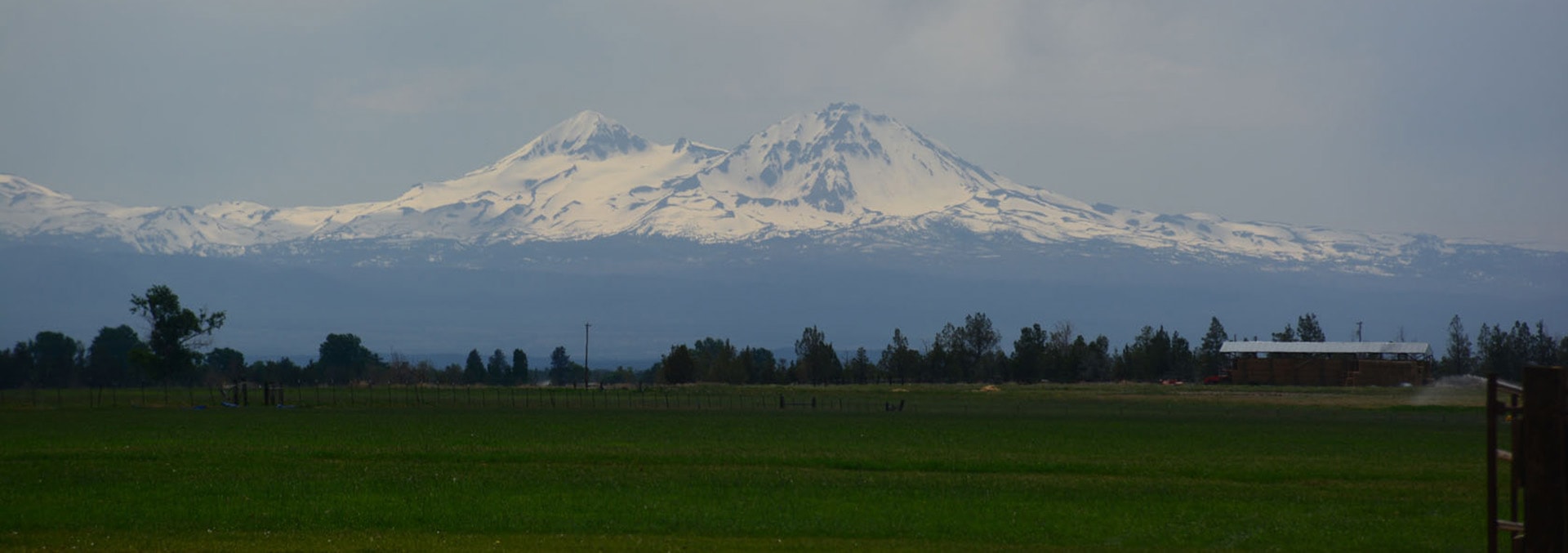
McKinnon Farm
Powell Butte, Oregon
Located in the heart of Central Oregon, this farm offers the most spectacular views of the Cascade Mountains that the region has to offer. Only minutes away from the Bend/Redmond Airport, and less than 15 minutes from Prineville. Fully equipped with two homes, a shop, storage shed, barn, 500± ton hay shed, corrals with loading chute, sweep tub, squeeze chute and a feedlot with 70± head capacity.
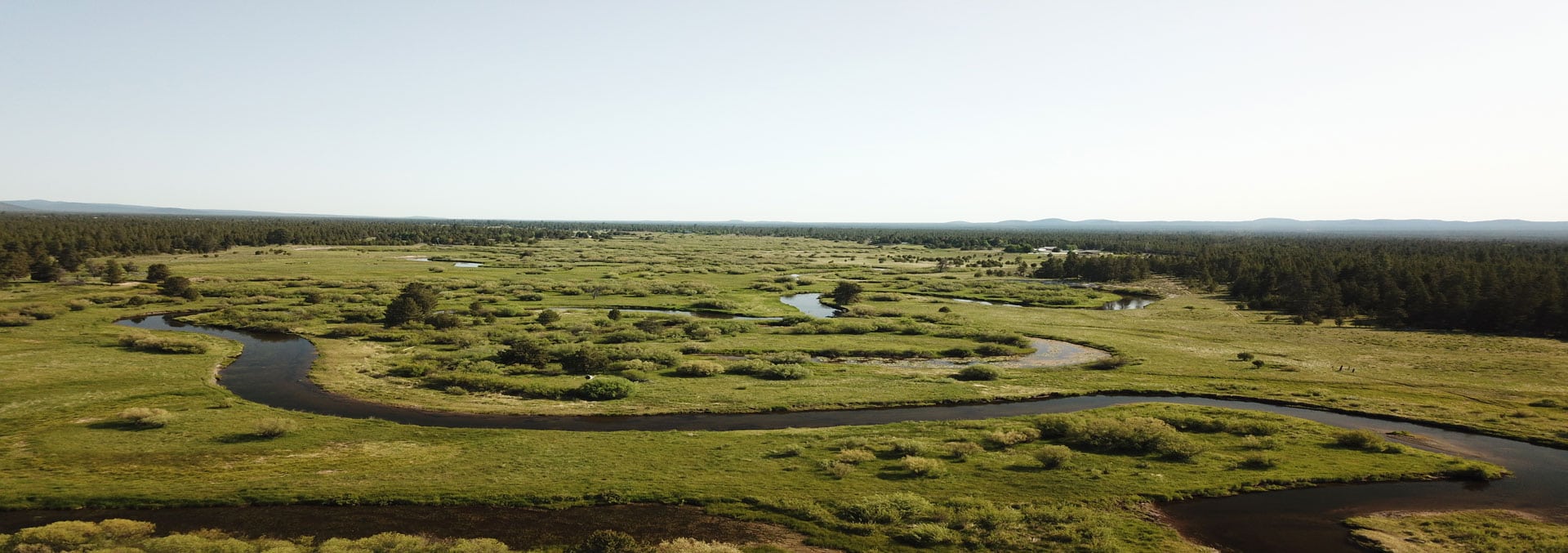
No Bad Days River Retreat
La Pine, Oregon
This Central Oregon river property is a must see! With the Little Deschutes River, amazing views and it’s all conveniently located in the middle of everything Central Oregon has to offer. Big game hunting and fishing are accessible on the property and you are just minutes away from world class skiing, Cascade Lakes and some of the best hiking the region has to offer.
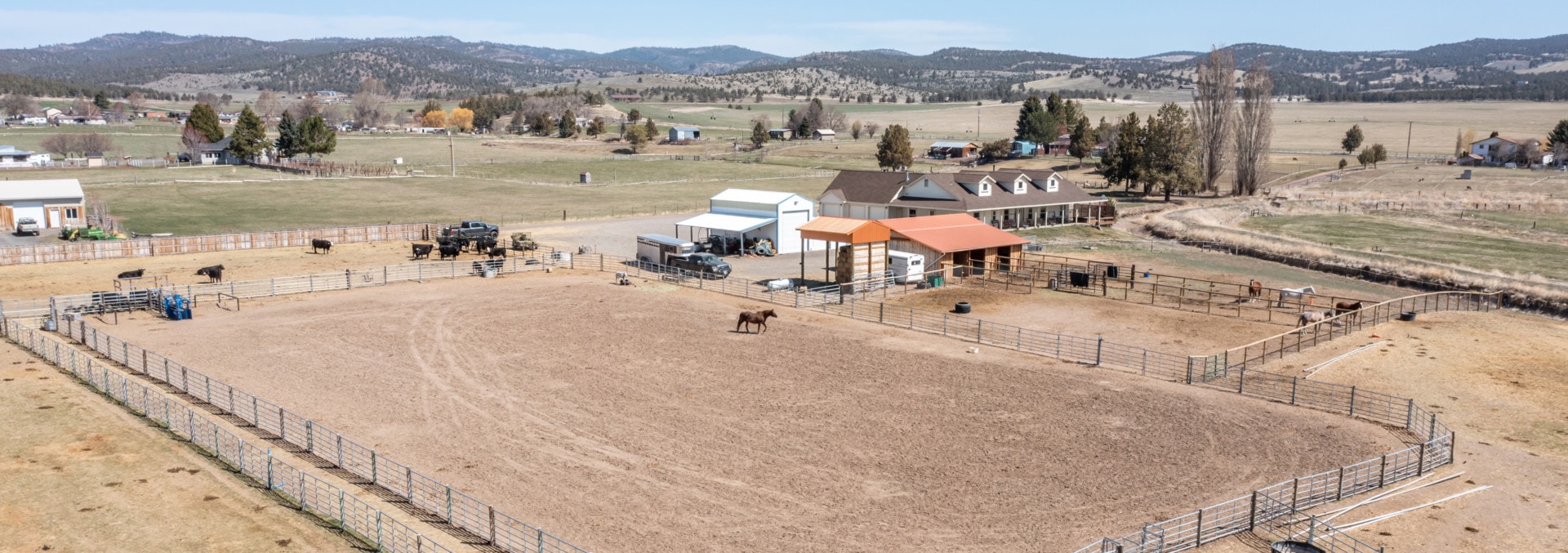
Johnson Creek Hobby Ranch
Prineville, Oregon
Just northeast of town in one of the most sought-after areas of Prineville, lies the perfect hobby ranch, with all the amenities you could need for your horses, cows, or other livestock. The 2,748± square foot home includes 3 bedrooms, 2.5 bathrooms, a nice office, family room, living room, formal dining area, large laundry room, and a nice kitchen. Above the 3-car garage is a large storage area that could be finished into additional guest quarters, a hobby room, a man cave, or she-shed.
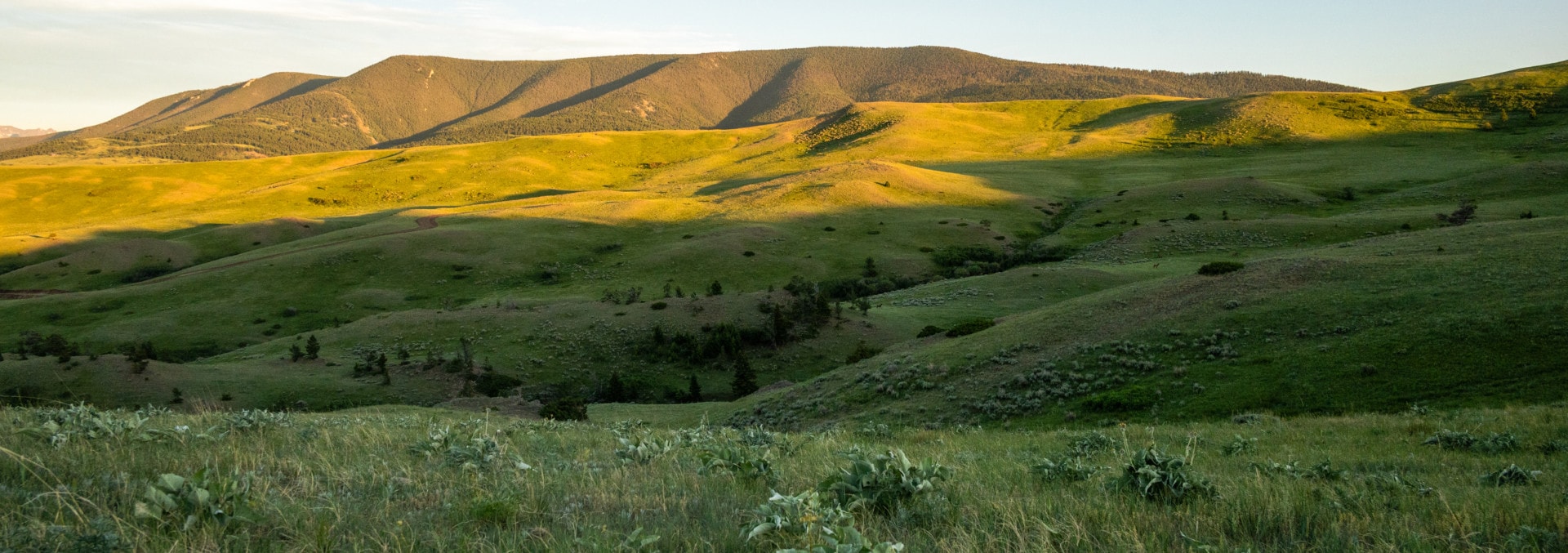
Bozeman Pass Ranch, Tract 2
Livingston, Montana
This 164± acre property is located off I-90 between Bozeman and Livingston, Montana, two of the most desirable Rocky Mountain towns to be in proximity to. The ranch offers varied topography and diverse vegetation, making it the ultimate wildlife haven. It is common to see elk and deer move through the property. Higher elevations provide views of the Absaroka Range and Crazy Mountains. Multiple build sites offer a new owner privacy and seclusion.
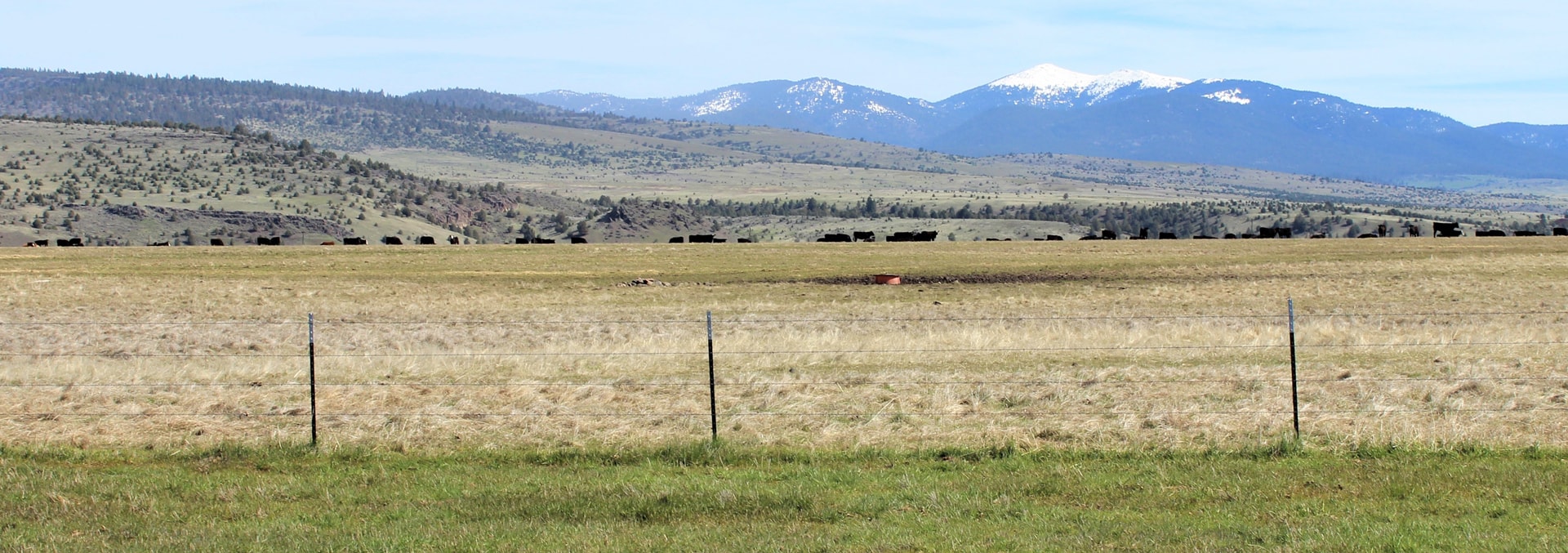
Indian Camp on Pine Creek
Ashwood, Oregon
1,380± contiguous acres of outstanding hunting in a remote and private location just outside of Ashwood, Oregon. This slice of heaven was used hundreds of years ago as a base camp for the Native Americans. A large cave in the massive rimrock overlooking Pine Creek served as a main camp for the local Indian hunters. […]
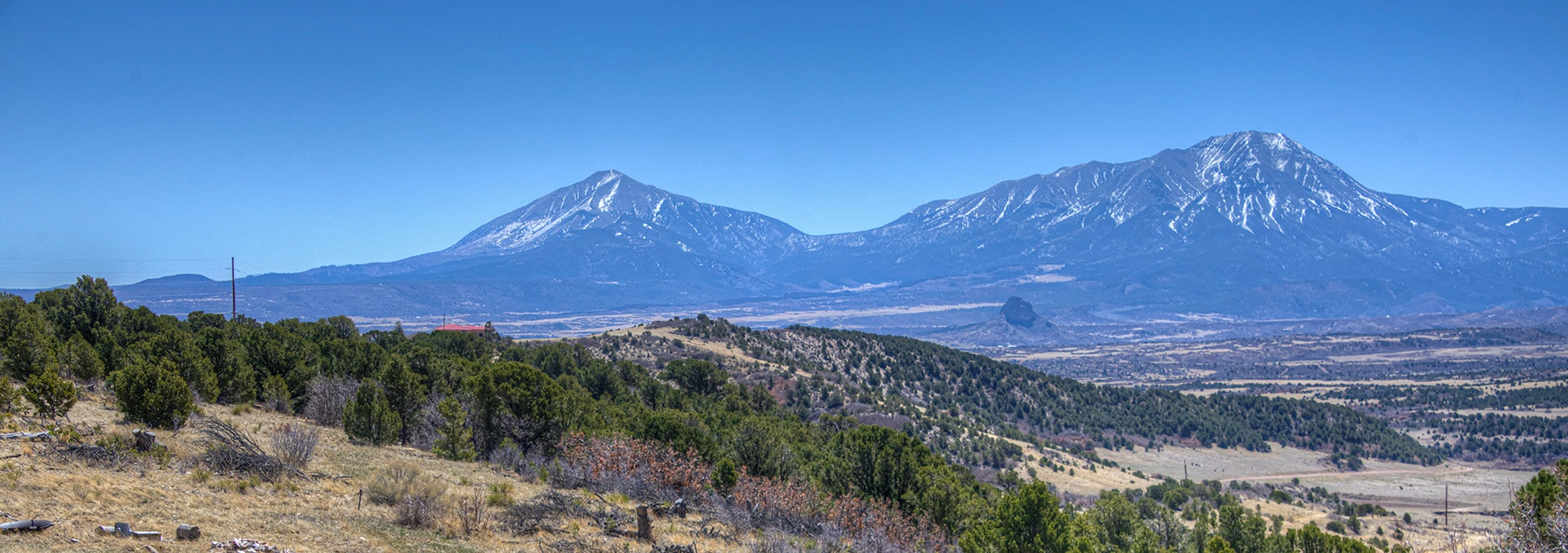
La Veta View
La Veta, Colorado
La Veta View sits on easily accessible acreage near the quaint small town of La Veta, an iconic foothills Colorado town that manages to stay hidden from the onslaught of the modern world. It features an exquisite home in a haven of beauty and charm. Boasting stunning views, the presence of Abeyta Creek meandering through, breathtaking mountain vistas, a wealth of wildlife, and impeccable craftsmanship on the home, this residence is widely recognized as a truly exceptional property.

Fruitland Valley Deer Haven
Fruitland, Washington
This versatile Washington ranch offers scenic seclusion and abundant functionality with two homes, historic barns, a large shop, and year-round water. Ideal for recreation, farming, or multi-family use, it features wildlife-rich habitat, tillable ground, and build sites with Lake Roosevelt views. A gravel pit with utility access adds income potential. Whether for privacy, productivity, or outdoor enjoyment, this property delivers a rare opportunity in the Pacific Northwest.
Horse Mountain Ranch
Tonasket, Washington
A turnkey ranch near Tonasket, Washington, built for equestrian and livestock use with panoramic Upper Okanogan Valley views. Features a remodeled 4-bed, 3-bath home, 32± irrigated acres in alfalfa/grass serviced by pivot and handline, 58± tillable acres, and top-tier horse facilities including an arena, turnouts, and round pen. Supporting structures include a large shop, hay barn, equipment shed, and calving shed—ideal for ranchers, horse trainers, or those seeking a self-sufficient lifestyle.
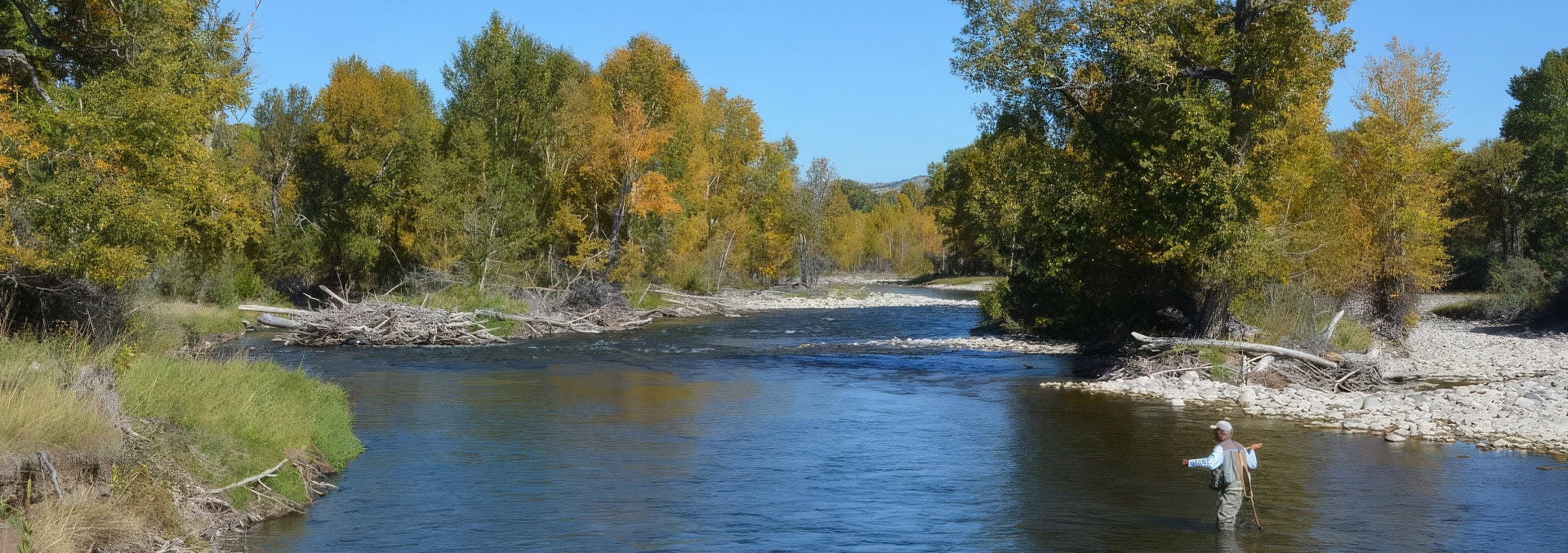
Boulder-Yellowstone Confluence
Big Timber, Montana
The Boulder River and the Yellowstone River are two of the most beautiful fly fishing rivers in Montana. Combine over 1 mile of both of these completely different sized freestone rivers and you create one heck of a recreational-based family paradise.
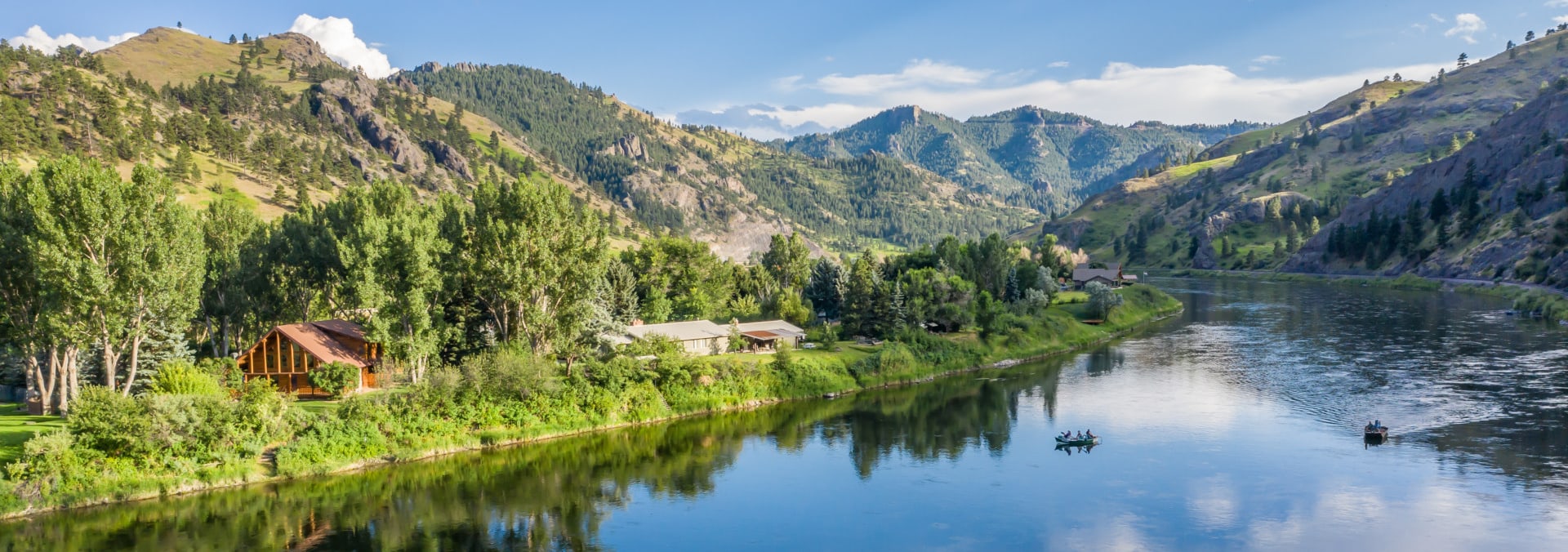
Missouri River Cabin
Cascade, Montana
This is a rare opportunity to own a stunning home along one of the most famous sections of trout water in the world, the Missouri River. Nestled into the Front Range where the Rocky Mountains meet the Great Plains, the property boasts a 2,034± SF home with expansive views of the surrounding timbered hillsides, dramatic cliffs, fertile valley, and 180± gorgeous feet of river frontage.
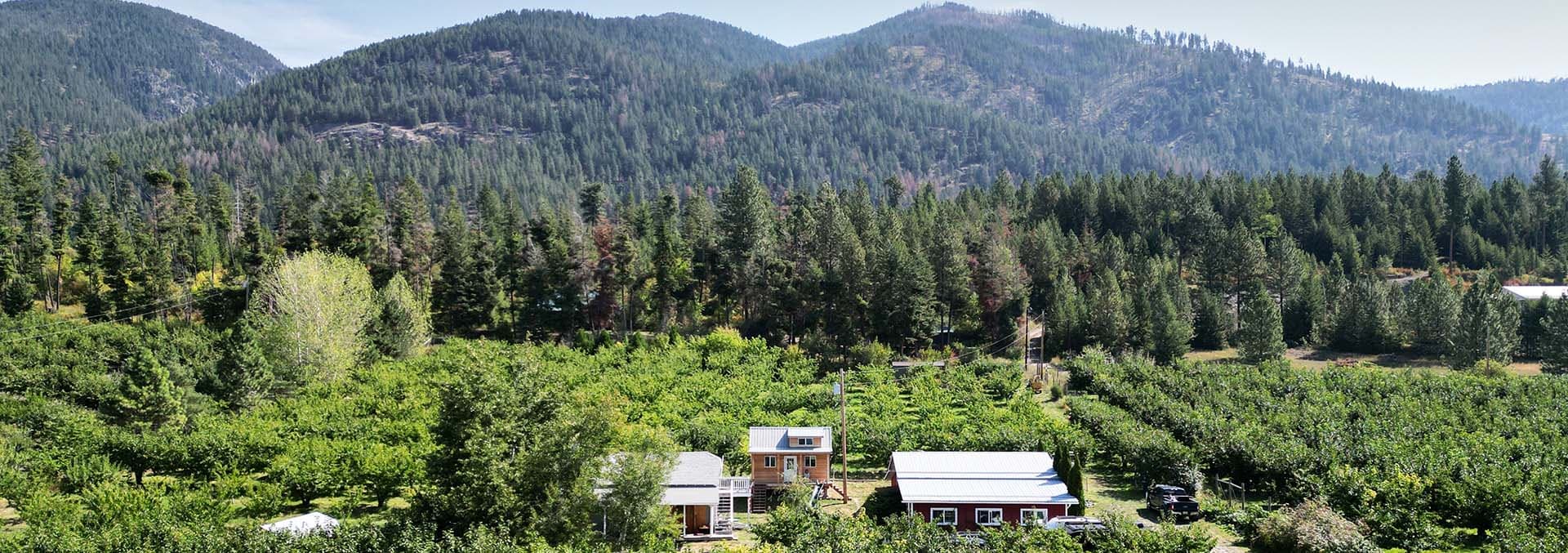
Ramrock Orchard
Polson, Montana
This is a certified organic Montana orchard set amidst the foothills of the Mission Mountains along the east shore of Flathead Lake, an area renowned for producing some of the best high-altitude cherries. It has apx. 485 trees; most are around 30 years old and in full production of Lambert and Lapin sweet cherries that are handpicked each season. The orchard makes money, has a long-term sales history, and has a solid sales distribution channel, giving the brand exceptional notoriety and value.
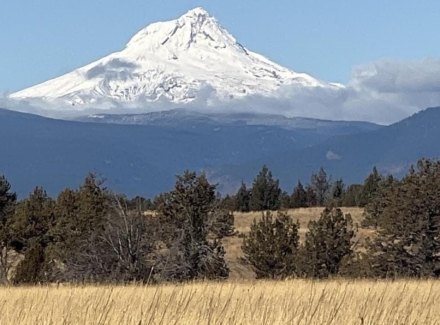
Deschutes River Rim Ranch
Maupin, Oregon
Deschutes River Rim Ranch, spanning 550± acres in Central Oregon, offers breathtaking views of Mount Hood and the Deschutes River. With multiple building sites, functional homesite infrastructure, and the potential for a small cattle operation, this property provides excellent recreational and hunting opportunities. Located just 5± minutes from Maupin, with easy access to Mount Hood, the Columbia River Gorge, and Portland, it’s ideal for a weekend retreat, dream home, or small ranch.
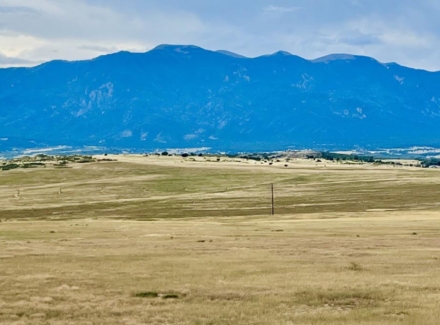
Pounds Ranch
Rye, Colorado
Views of the Wet Mountain range from this generational property, this ranch offers a unique 196± acre-feet water storage right at Bonnie Meade Lake, ideal for livestock and equestrian activities. It boasts fertile grasslands and abundant wildlife, perfect for outdoor enthusiasts. With year-round access, power, and livestock well, the ranch provides flexibility for development. Not bound by a conservation easement, Pounds Ranch offers endless possibilities amidst natural beauty and adventure.
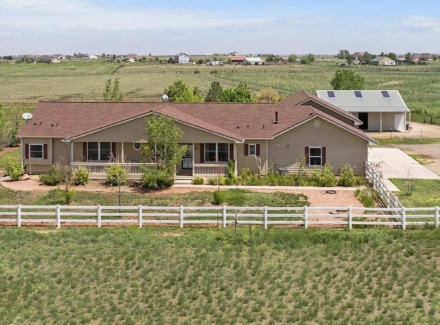
Mustang Meadows Ranch
Brighton, Colorado
This updated horse property in Adams County, Colorado, offers peaceful rural living with modern amenities and easy access to Denver. The three-bedroom, three-bath home includes a 2024-renovated kitchen, hardwood floors, and a spacious primary suite. A four-car garage and full basement add functionality. Equestrian features include a two-stall barn, fenced pasture, and trail access. Recent upgrades include new windows and a roof. Located near Brighton’s parks and trails, with quick access to I-76.
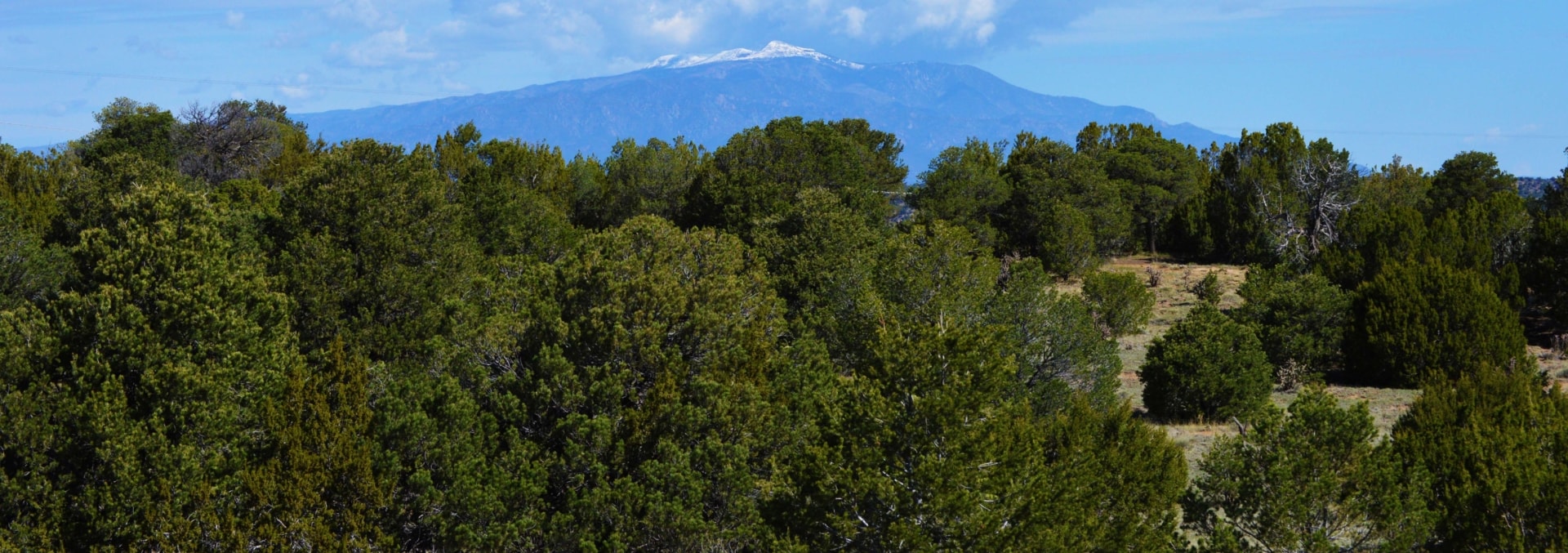
Wild Mustang Ranch
Walsenburg, Colorado
This Colorado 3/3 custom log home offers granite countertops, stainless steel appliances, and high-end cabinetry. The primary suite has a walk-in closet and fine tile work throughout the spacious bathroom. The basement has a walkout egress to the front yard, a game room, bar, and workout area. Put up your feet in the stunning great room and relax by the gas fireplace trimmed in river rock. Views of Greenhorn Mountain, Mt Mestas, Silver Mtn, and the Sheep Mtns are from the cozy front porch.
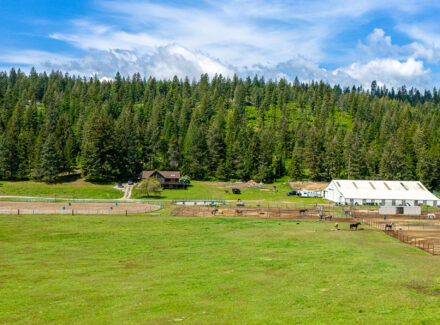
Shadow Ridge Stables
Elk, Washington
Behind a private gated entry, this equine estate presents a fully developed setup suited for boarding, training, or breeding, just 20 minutes north of Spokane. The facility includes a large, enclosed barn with an indoor arena, heated viewing room, nine stalls with paddocks, tack rooms, wash area, and a heated bath, plus a sizable outdoor arena and multiple pens with year-round automatic waterers. The home offers generous living space, recent exterior updates, and room to make it your own.
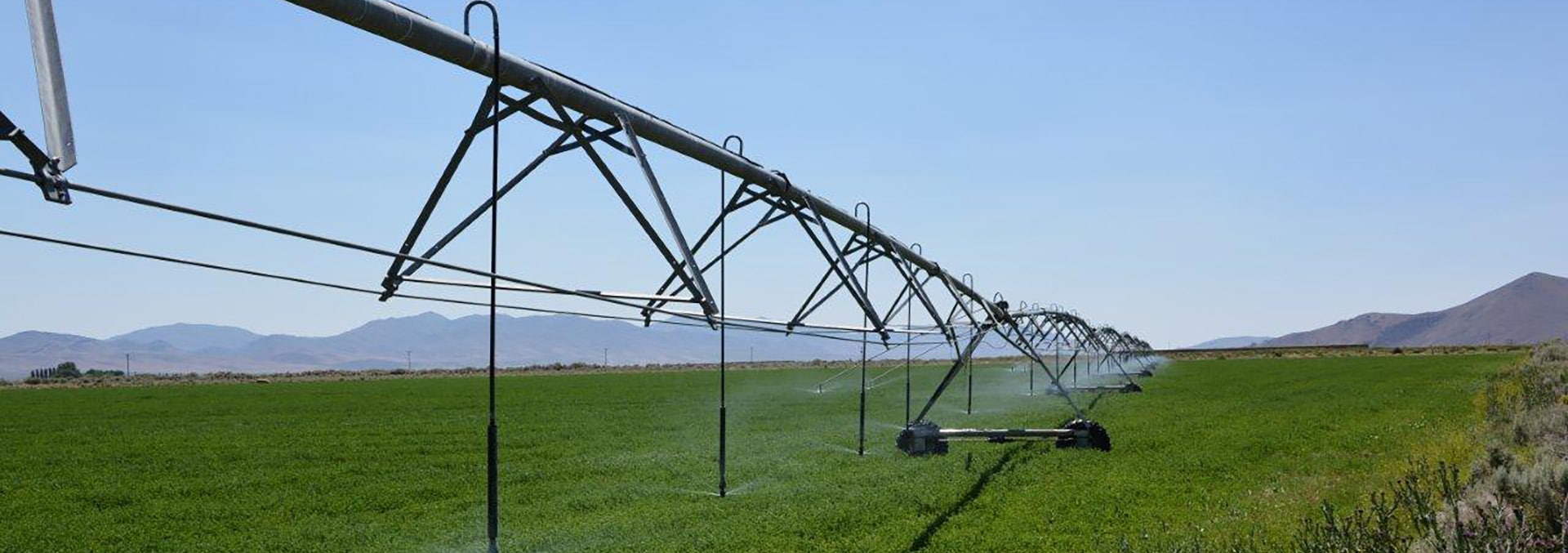
Trout Creek Hunting & Fishing Retreat
Ashwood, Oregon
Ready to get away? This Central Oregon ranch is an excellent choice! Trout Creek runs 2± miles through this beautiful, private, retreat. With 2 LOP tags (buyer to confirm with ODFW), bordering public lands, a private lake, 53± acres of irrigation, endless recreation opportunities and under a million dollars!
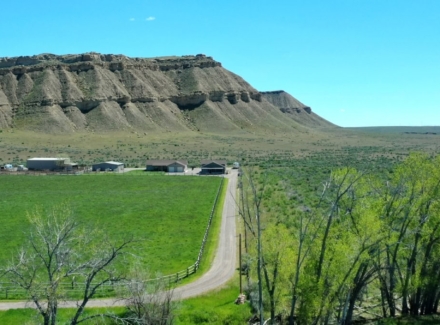
Cowboy Mine Ranch
Thermopolis, Wyoming
This 27.5± acre country farm in the foothills of Wyoming’s Bighorn Mountains offers 25.5± acres of irrigated hay ground, two homes, horse facilities, and a large shop. Located between Thermopolis and Worland, the property backs up to thousands of acres of BLM land for direct recreational access. The famed Bighorn River is less than two miles away, with multiple boat launches and fishing access points nearby, making this an ideal mix of production and recreation.
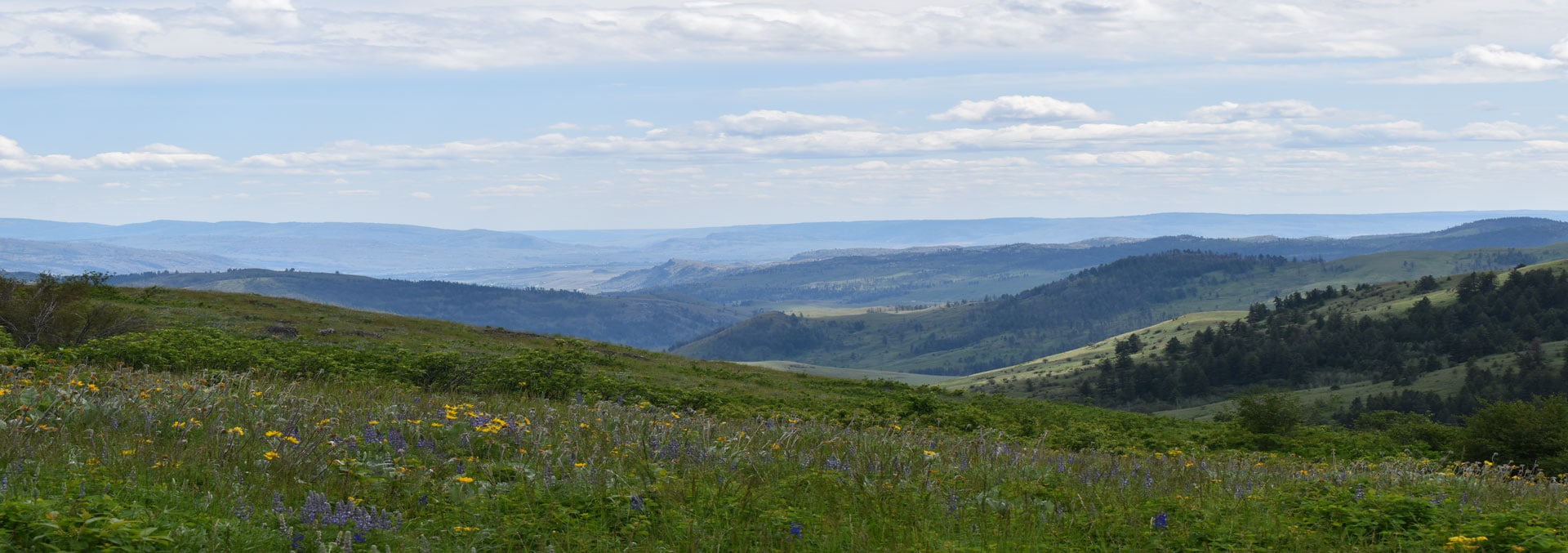
Lemansky Lake Tracts
Tonasket, Washington
This is one of the best areas in Washington for hunting, fishing and year-round recreational activities. Over-looking the Okanogan Valley and views of Lake Lemansky, this property is a thing of beauty. Heavily treed with well managed pine and fir, lush green meadows and roads throughout the entire property.
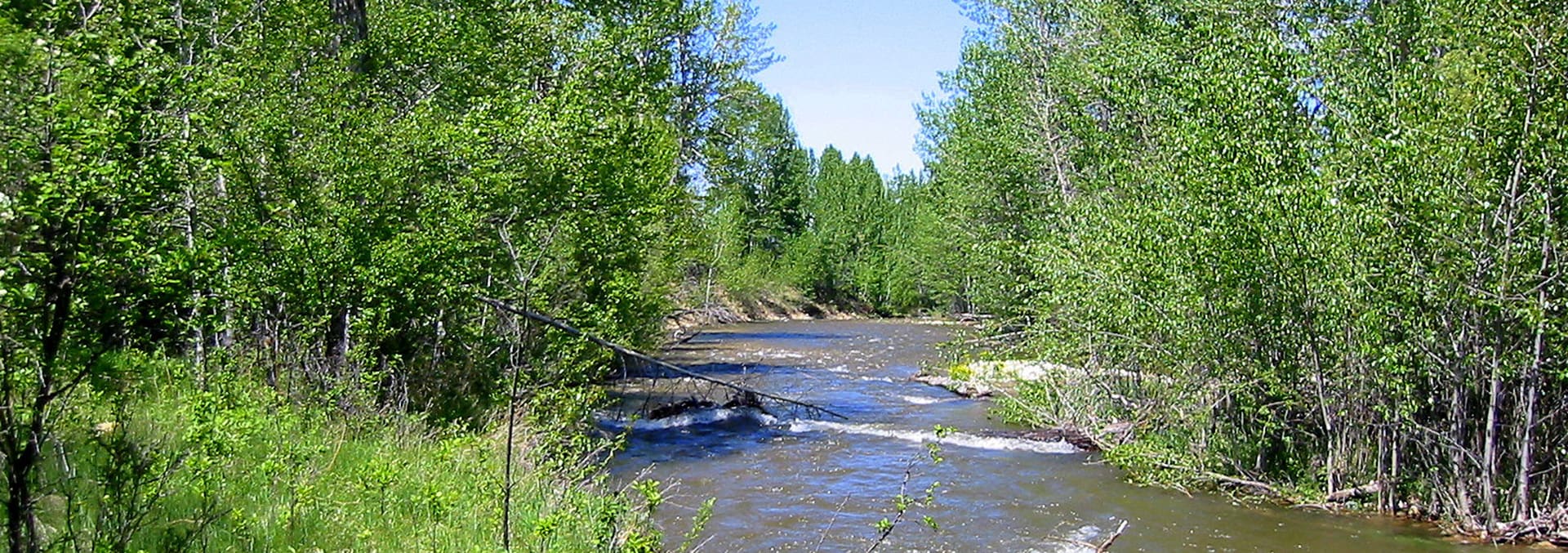
Kober Ranch
Red Lodge, Montana
This property is a rare piece of the west that offers a variety of recreational and agricultural opportunities. It’s located in a highly desirable and beautiful part of Montana and there is world-class fishing both on and near the ranch, excellent hunting opportunities throughout the area and outstanding snow skiing within a short drive.
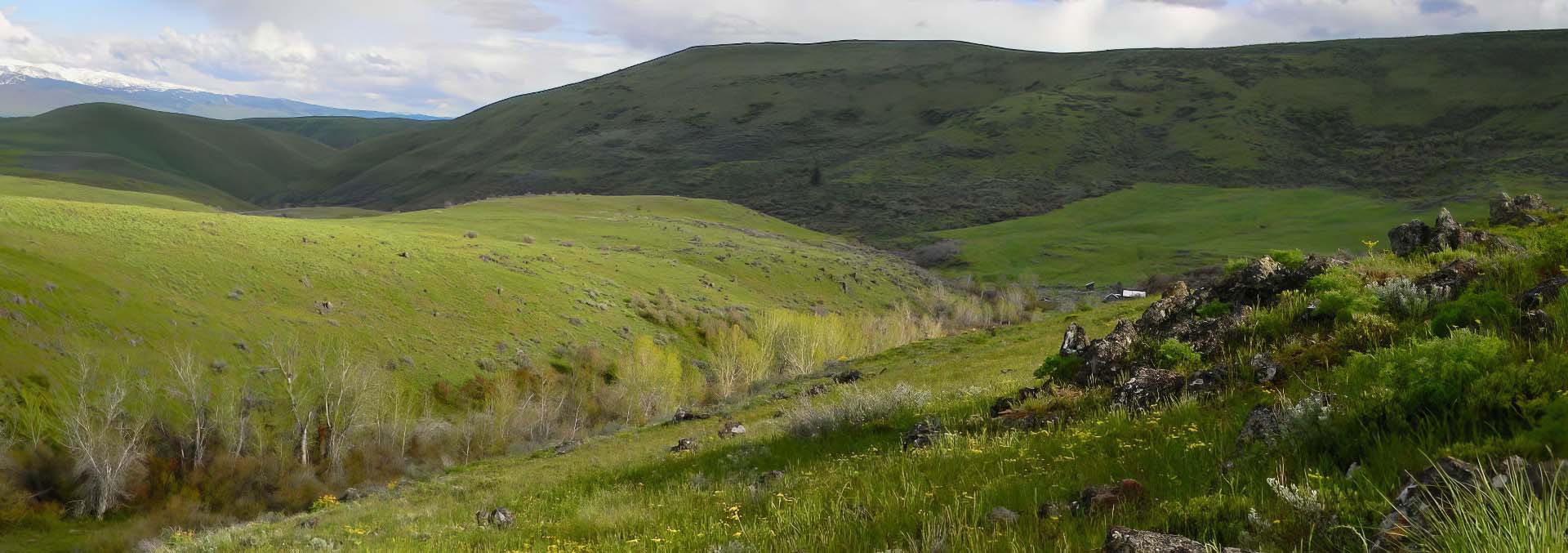
Grizzly Creek Ranch
Cambridge, Idaho
Grizzly Creek offers agriculture value in grazing, private recreation & hunting property, as well as lush vegetation making this a fantastic wildlife property.
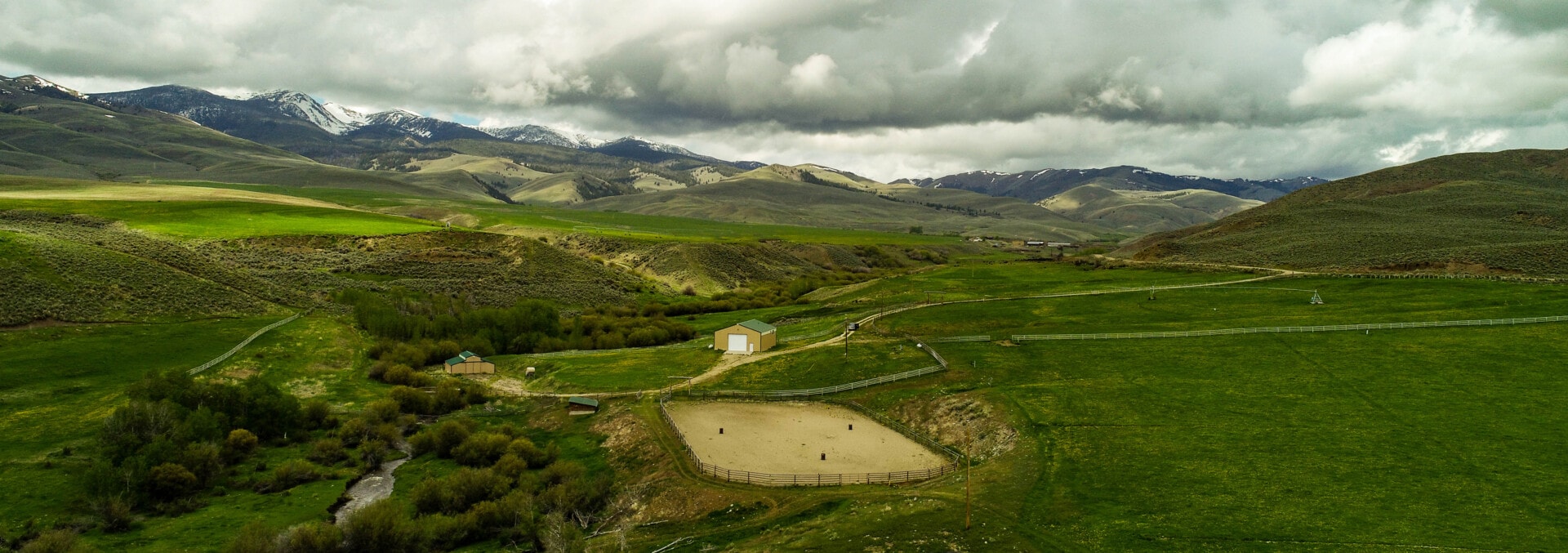
Basin Creek Ranch
Lemhi, Idaho
Rolling grassy hills and snowcapped peaks provide the finishing touches to an inspiring canvas. Elk, deer, and antelope are frequent visitors on and off the ranch. The 140± acres has an array of wildlife habitat including willow lined river banks and irrigated pastures of alfalfa and grass.
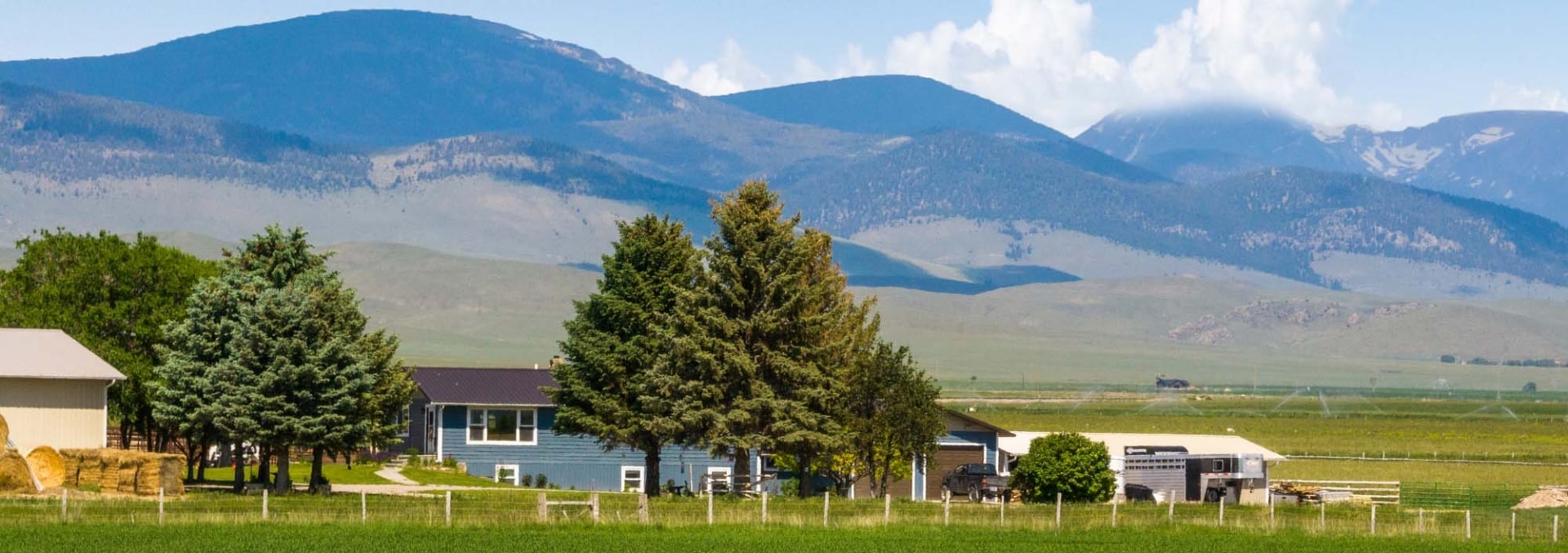
Beaverhead Valley’s 2W Ranch
Dillon, Montana
This Montana ranch is engulfed in mountain views and is close to town, yet still in the quiet country. With its lush pastures, spacious barns, and breathtaking views, this property is the perfect place to call home for you and your equine companions. The cowboy culture is still alive. While the rest of the world is living in 2023, Dillion still tips its hat to the pioneers of the 1880s: true remnants of cowboy grins, quaint ranching families, and charming ma & pa shops still occupy these lands.
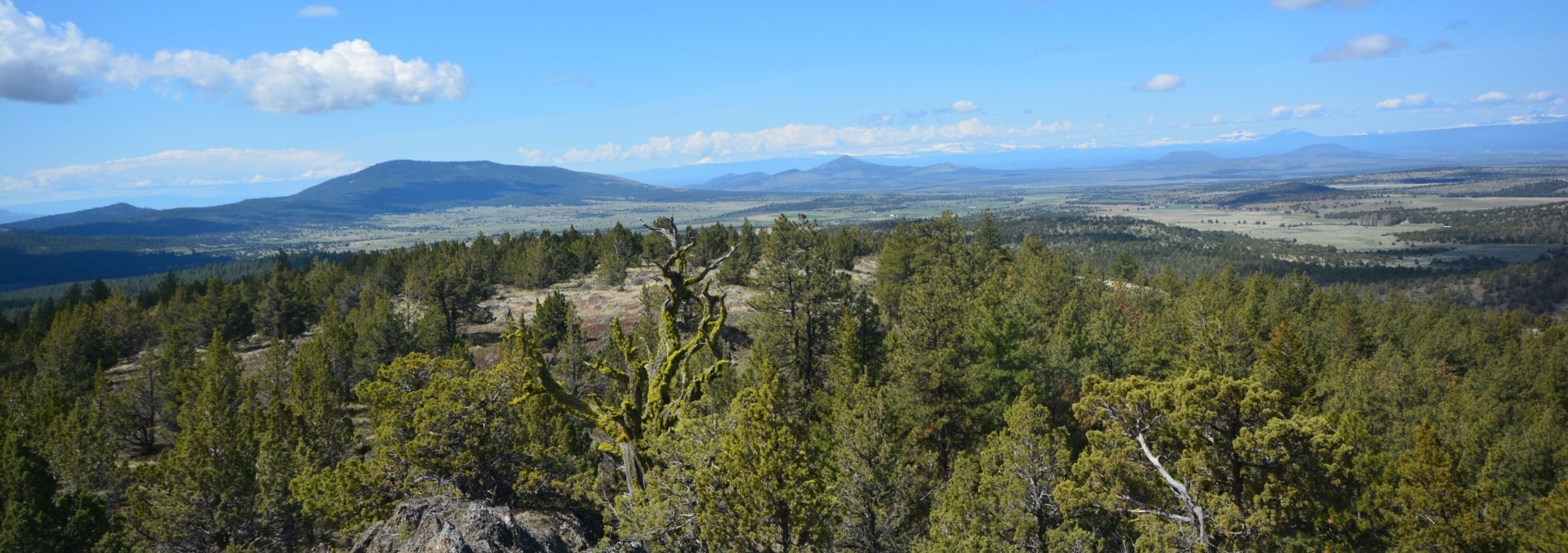
West Hensley Butte
Madras, Oregon
Are you looking for an outdoor oasis with outstanding big-game hunting opportunities and an excellent location? West Hensley Butte offers outdoor enthusiasts endless recreational opportunities and hunting in one of Oregon’s best hunting units (Grizzly). You can enjoy snowmobiling, ATV’ing, horseback riding, hiking, camping, biking, and more from this property. Or just soak up the ambiance while sitting by the campfire, relaxing, and breathing in the fresh mountain air.
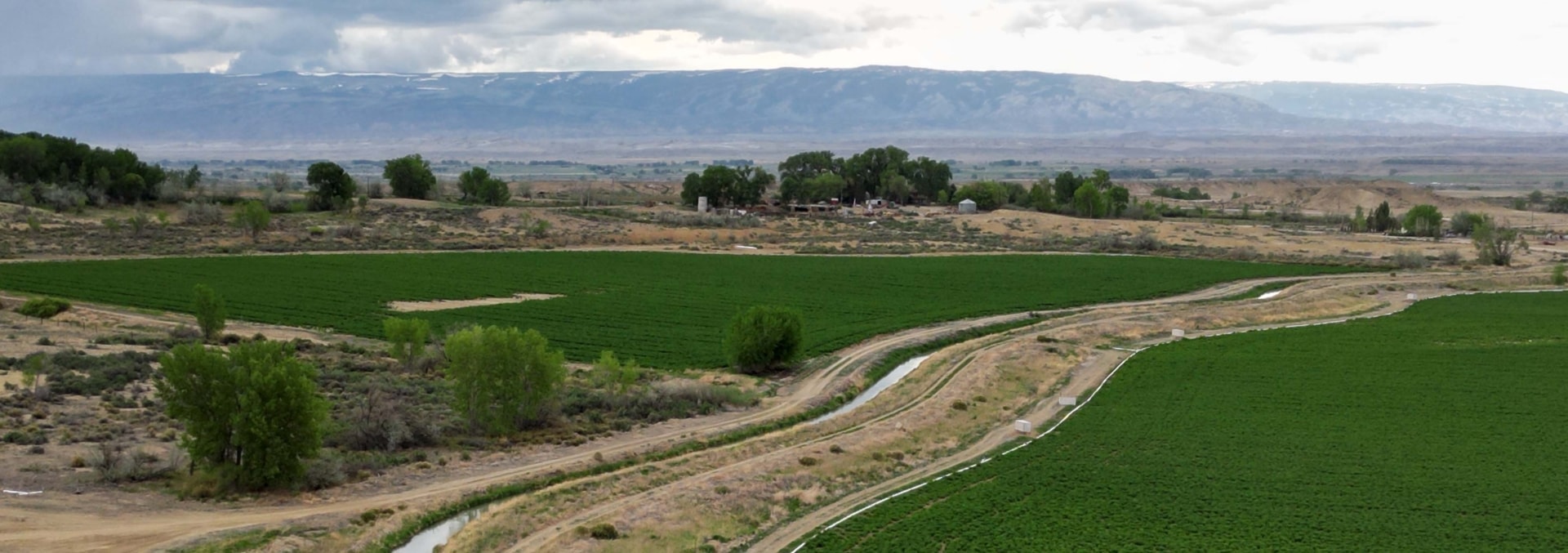
Polecat Bench Farm
Deaver, Wyoming
Discover the tranquility of Polecat Bench Farm, an ideal haven for creating your dream small-scale farm or ranch in Wyoming’s Bighorn Basin. This picturesque property offers a newly built 1,800-square-foot home nestled under a majestic cottonwood tree, ensuring privacy and serenity. A spacious 2,500-square-foot shop featuring high ceilings and radiant heating zones provides ample storage for heavy equipment and tractors. The 50± acre irrigated field, accompanied by canals, awaits your ambitions.
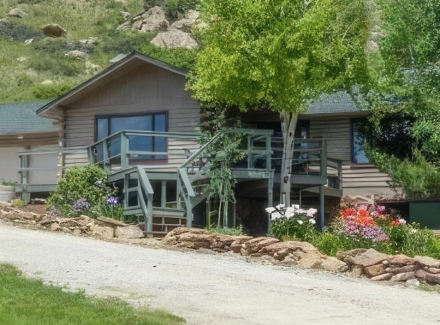
Red Lodge Creek Lookout
Red Lodge, Montana
Perched on 40± acres overlooking Red Lodge Creek Valley, this property boasts breathtaking Beartooth Mountain views. The 2,936± SF home offers three bedrooms, two baths, two fireplaces, a wraparound deck, and an outdoor hot tub. A barn with four stalls and cross-fenced pastures make it ideal for horses. Just 15± minutes from Red Lodge and near trailheads, Cooney Reservoir, and Yellowstone’s Beartooth Highway, this retreat blends privacy, convenience, and outdoor adventure.
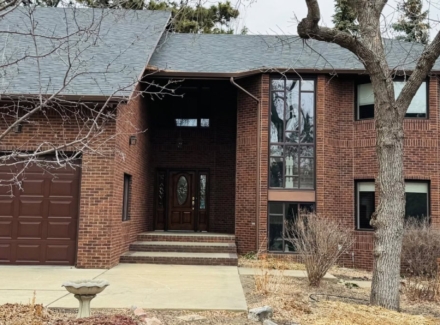
Timber Hollow Home
Dickinson, North Dakota
This two-story brick home sits on a private, tree-lined lane in an upscale neighborhood. A grand foyer and stunning staircase welcome guests with natural light from south-facing windows. Features include a cozy living room, chef’s kitchen, spacious office, large laundry, and primary suite with deck. Upstairs offers two bedrooms and a skylit den. The basement includes a family room, gym, and more. A sunroom with a hot tub patio, a three-car garage, and outbuildings complete the property.
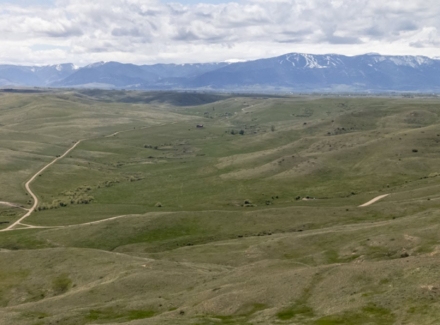
Three Ranges Ranch
Roberts, Montana
This Montana property offers panoramic views of the Beartooth, Pryor, and Crazy Mountains and lies just 15± minutes from Red Lodge. With dryland hay ground, rolling hills, a seasonal creek, and a spring-fed reservoir, it supports livestock or hay production. The owner plans to add electricity and a well. Accessed by two county roads, the land borders State Land and hosts elk, mule deer, and upland birds. Surrounded by renowned recreation, it’s ideal for building, ranching, or outdoor pursuits.
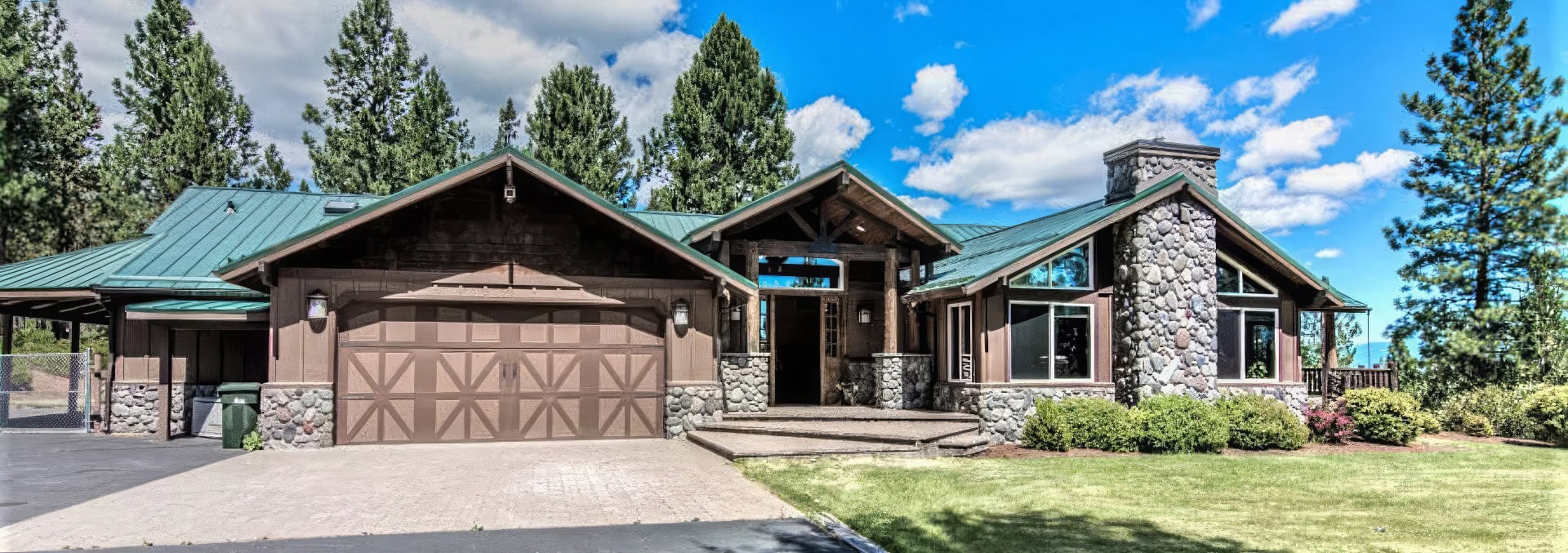
Cinnamon Ridge
La Pine, Oregon
Just 30 minutes south of Bend, hidden in the Ponderosa Pines, lies Cinnamon Ridge. This beautiful mountain retreat, on 159 acres, is surrounded by forestland with incredible views of the Paulina Mountains.
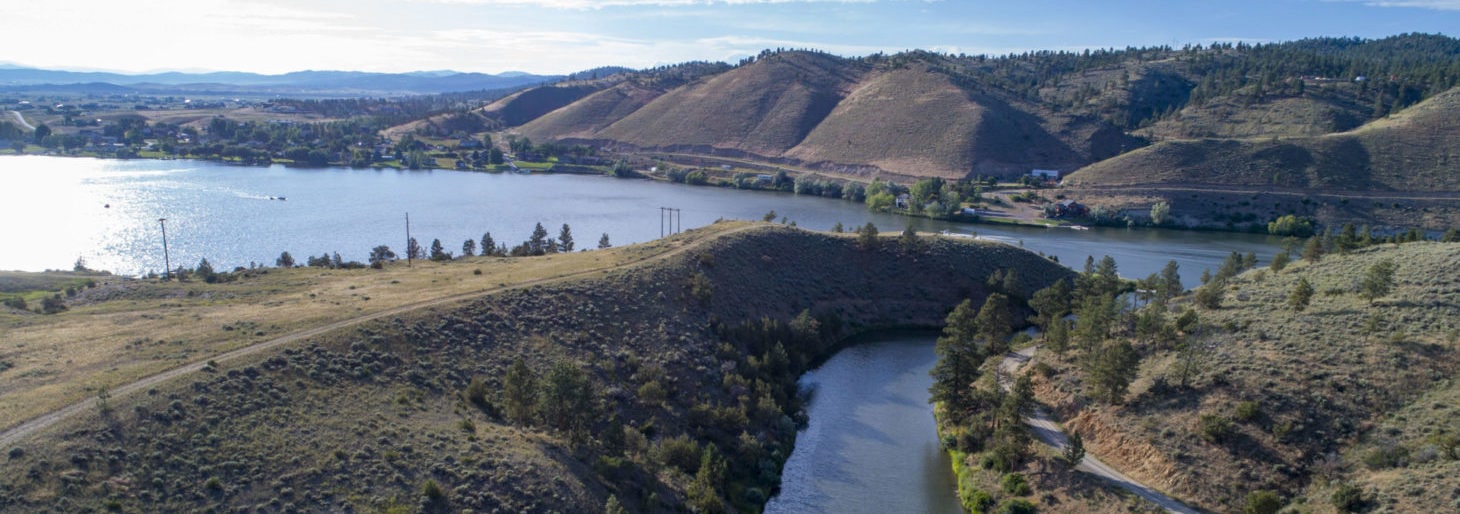
Davis Ranch on Hauser Lake
Helena, Montana
This property is a highly coveted lakefront property in the scenic Helena Valley which has long been known for its deep-rooted agricultural roots, recreational pursuits, and abundance of water. The unique property has over 2,200 feet of Hauser Lake frontage and a private boat launch, shop, picnic area, and associated outbuildings, the Davis Ranch is the ultimate turnkey recreational property.
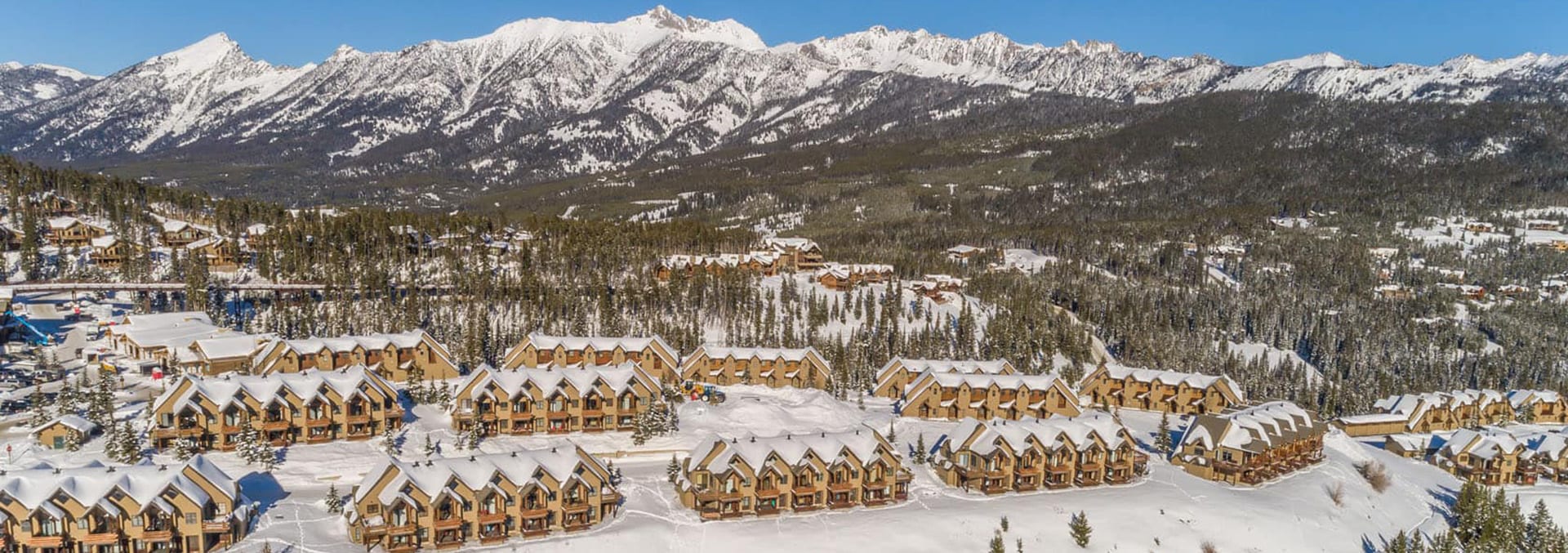
Saddle Ridge Townhome
Big Sky, Montana
Located within walking distance of Moonlight Basin Lodge, this 3-bedroom, 2.5 bathroom townhome offers slope-side convenience with spectacular views of Lone Mountain. Though renowned for its world class skiing, Moonlight/Big Sky is a place that offers a bounty of recreational activity and awe-inspiring beauty throughout the year. This Saddle Ridge townhome is the perfect property for the ski or golf enthusiast, as well as the outdoorsman who wants to take full advantage of the hiking, biking, fly fishing and everything that Big Sky and Moonlight Basin have to offer.
Heart Mountain Homestead
Powell, Wyoming
Nestled beneath Heart Mountain, this 35± acre farm embodies the quintessential homesteader’s dream. Meticulously irrigated, it thrives with mixed grass hay under Wyoming’s expansive skies. The warm, charming residence features three beds and two baths. Enjoy unbounded mountain vistas from the front porch. A spacious shop includes an upstairs guest suite, perfect for hosting. Ideal for gardening and livestock, the property offers fertile land, fenced pastures, and equestrian facilities.
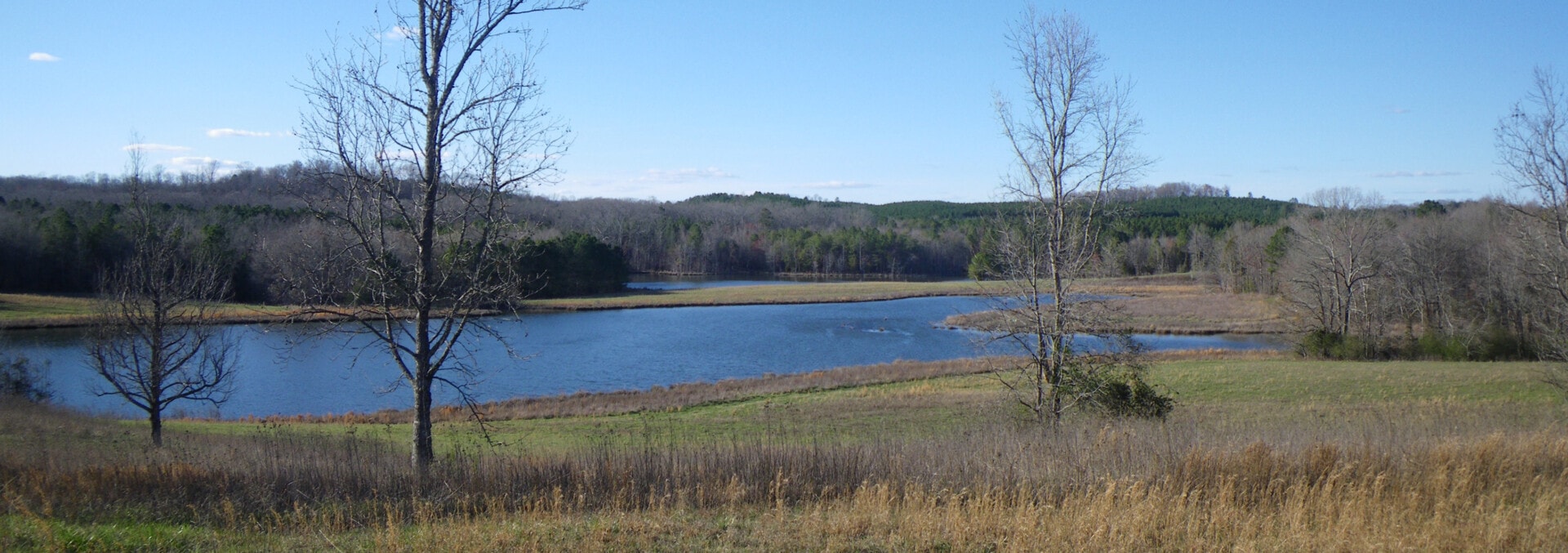
Hiwassee Brake
Decatur, Tennessee
With a much sought-after location directly bordering the Hiwassee Wildlife Refuge across from Blythe Ferry Goose Management Area and Hiwassee Island and with an abundance of game in a naturally beautiful setting, Hiwassee Brake is extremely unique.
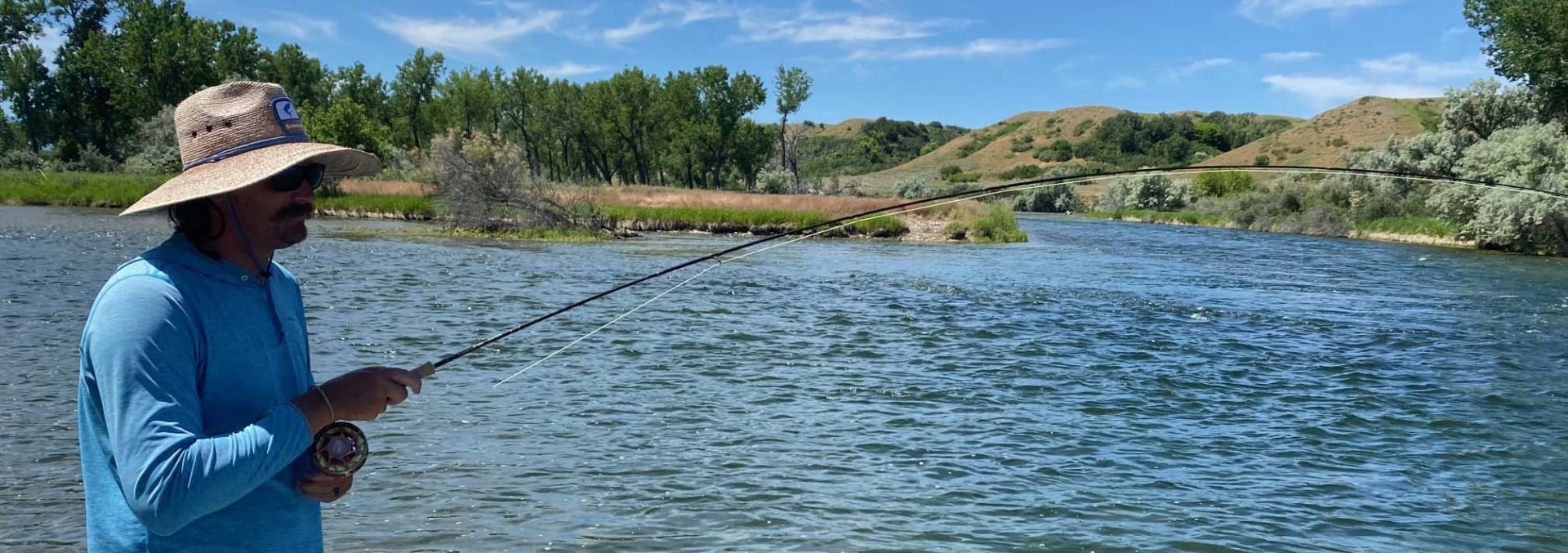
Best Little Fishing camp on the Bighorn River
Fort Smith, Montana
Fishing on the Bighorn River near Fort Smith, Montana, is an angler’s paradise promising unforgettable experiences. Known as one of the finest trout fisheries in the US, this river attracts fishing enthusiasts from near and far. With its pristine waters and abundant fish population, including the revered brown and rainbow trout, anglers can indulge in thrilling and rewarding pursuits. The idyllic surroundings of Fort Smith provide a serene backdrop as you cast your line.
Canyon Ridge Ranch
Davenport, Washington
Exceptional Washington property blending privacy, functionality, and natural beauty. A charming farmhouse with sun porches captures stunning views, just 45± minutes from Spokane. Solar-gated entrance leads to canyon, forest, and open pasture with fenced areas, trails, and abundant wildlife. Amenities include a hay barn, 72′ x 36′ heated shop, cistern, and generator. Updated home with new roof, heat pump, and porches. Orchard, garden beds, and timber value round out this outdoorsman’s paradise.
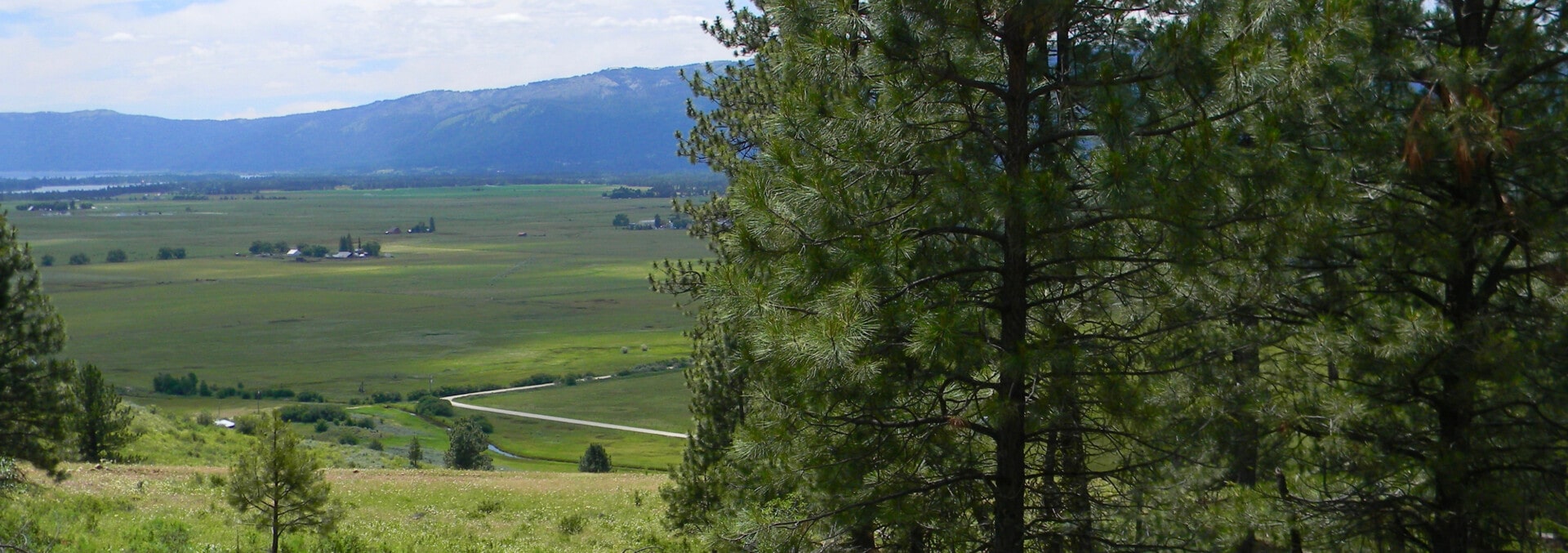
Finlandia Mountain Ranch
Donnelly, Idaho
The 337± acres offer sets itself apart from any other property, on or off the market in the area. From the size, seclusion, views of the valley along with being only minutes from town, this is a special piece of property. The property offers some of the best outdoor experiences the region has to offer and if the desire is there to split the property for friends or relatives, this would be easy to do.
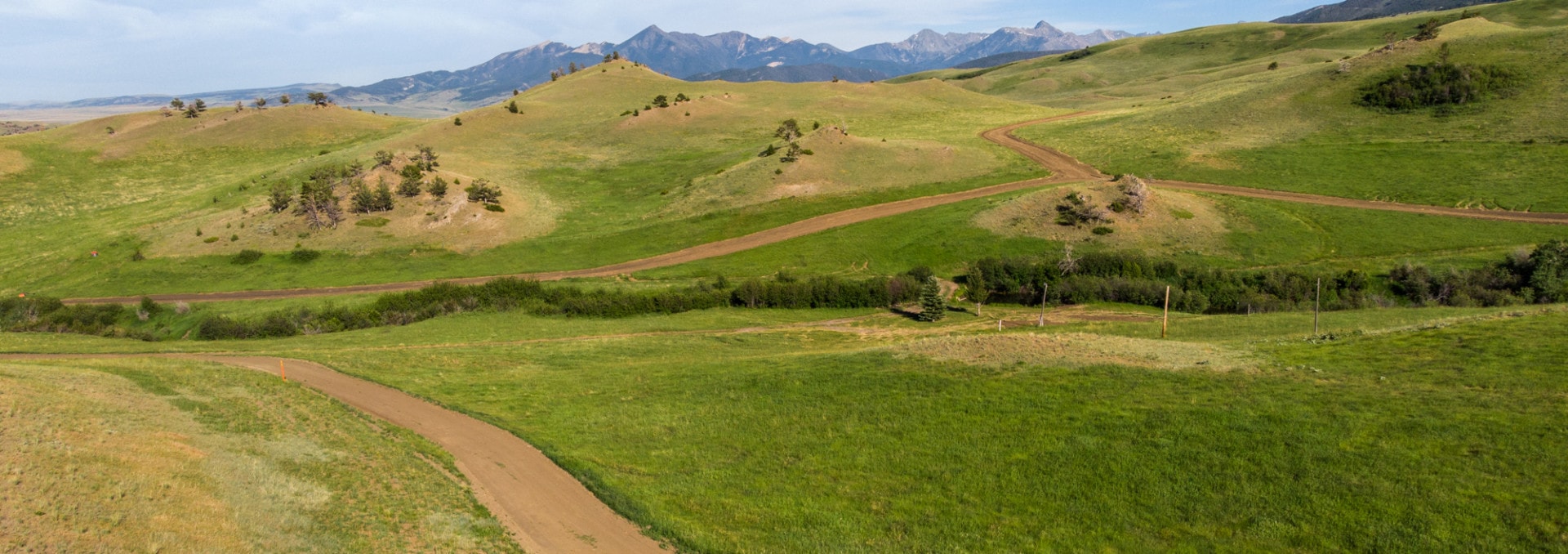
Bozeman Pass Ranch, Tract 1
Livingston, Montana
This unique Montana property is conveniently located near Bozeman, Livingston, the Yellowstone River, Yellowstone National Park, and Big Sky. Surrounded by the Absaroka, Bridger, and Crazy Mountains, Tract 1 is improved and ready for building with a newly constructed private lane and electric. This is the ideal location to build your dream home. This unique property is one of only five lots that presents a rare opportunity to live in one of the most desirable areas of Montana.
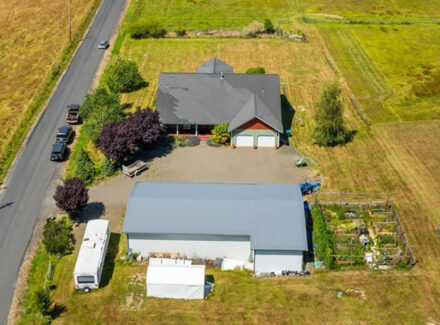
Maw Road Country Estate
Toledo, Washington
Located in a quiet Northwest setting near Toledo, Washington, this well-maintained single-level home built in 2006 offers space, privacy, and thoughtful design. The residence features four bedrooms, two bathrooms, and an efficient layout that connects the kitchen, dining, and living areas. The primary suite features generous storage and a spa-style bath, while additional rooms are suited for guests or flexible use. Outdoor amenities support recreation, gardening, and rural living.
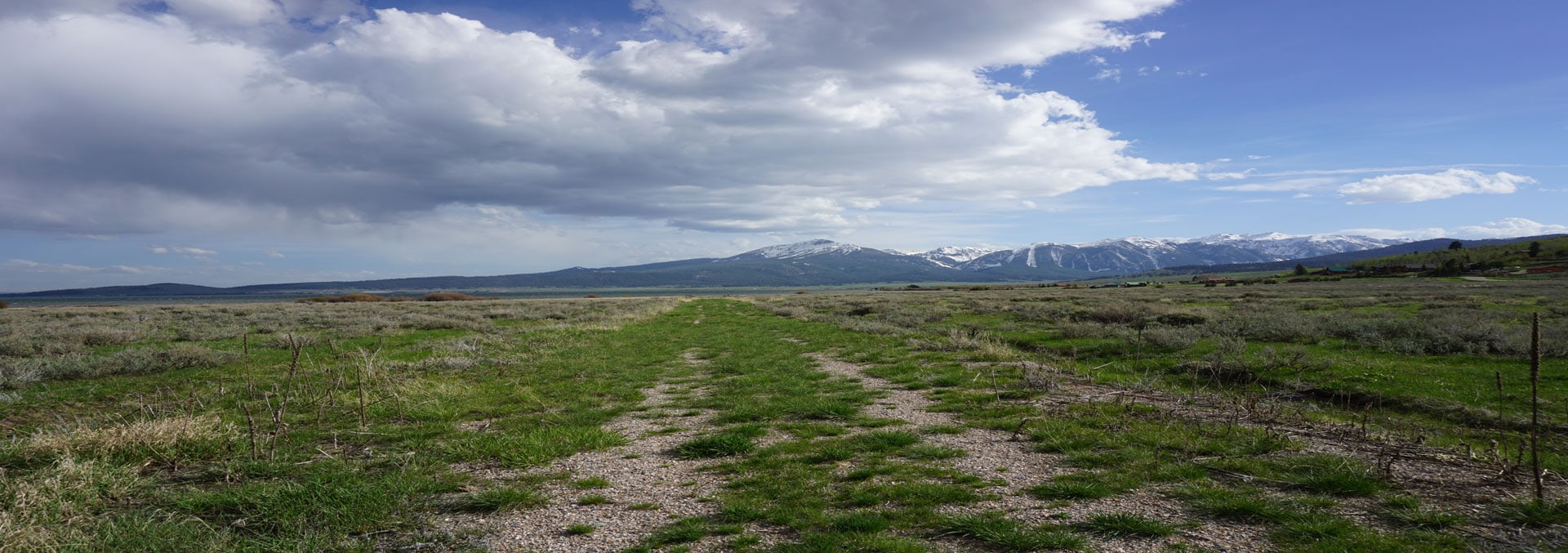
Pintail Point
Island Park, Idaho
This Idaho property is situated on the shoreline of Henry’s Lake, surrounded by mountains. Offering a perfect setting for a dream home, this lakefront ground is ideal for the outdoor enthusiast. Year-round recreational activities include fishing, big game and waterfowl hunting, skiing, snowmobiling, and horseback riding. A fisherman’s dream, Henry’s Lake is considered one of the West’s finest trout fisheries. Horseback riding on the Nez Perce Trail makes for a relaxing day trip or evening ride.
Elk Haven 40
Livingston, Montana
This property is just 25± miles from Bozeman, 8.5± miles from downtown Livingston and consists of 40± unencumbered acres. The improvements include a western Tamarack log home, large upgraded equestrian facility, guest quarters and a shop. The acreage is a wildlife haven with ideal wintering ground for herds of elk that can be seen right out the front window.
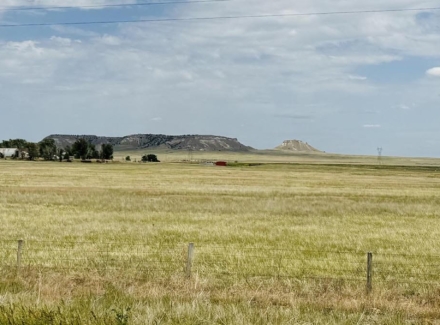
Tighe Ranch
Lingle, Wyoming
Discover the epitome of ranching excellence at this exceptional 523± acre property just north of Lingle, Wyoming. Thoughtfully cross-fenced, Tighe Ranch ensures efficient livestock management across its expansive terrain. A beautiful 3-bed, 2-bath home blends rustic charm with modern updates. A calving barn, working facilities, and an arena are ready for livestock. Additional features like a bunkhouse, spacious barn, Quonset, and outbuildings enhance operational efficiency.
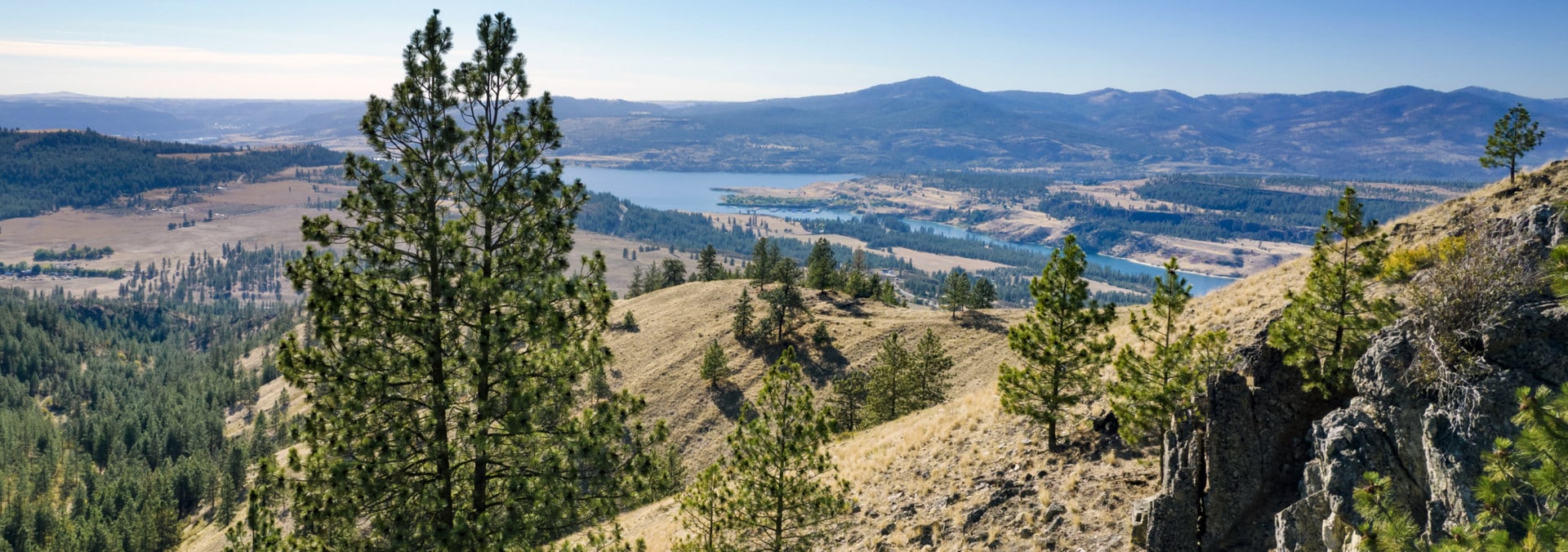
Lilienthal Mountain West
Davenport, Washington
Realize your dream of building a custom recreational retreat at this outstanding Washington property, just a stone’s throw from Lake Roosevelt. There are views for miles in all directions from several potential homesites, and there is income potential, with an average of 21 tons per year in grass and alfalfa. Hunting and fishing recreation is plentiful, with hunting for elk, mule deer, moose, and upland birds and angling in the state’s finest rivers and lakes.
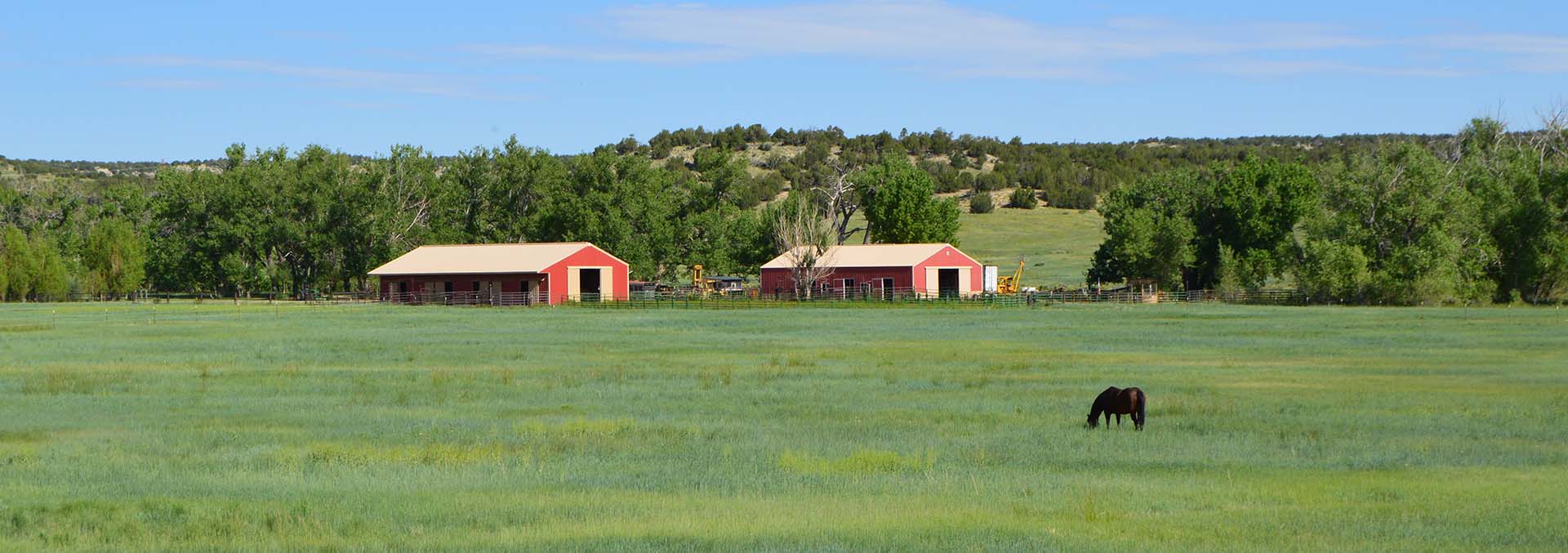
Zoe’s Ranch
Pueblo, Colorado
Zoe’s Ranch is established in a stunning setting in Colorado, with mature trees for privacy and shade and a seasonal creek. The views and the ranch’s terrain are hard to beat, with Greenhorn Mountain standing proudly to the west. The property has well-established landscaping, enhancing the beauty of the setting. The thoughtfully designed improvements are ideal for someone who wants a turn-key horse property and a well-appointed home that is already finished and ready to be enjoyed.
Luce Creek
John Day, Oregon
Luce Creek offers endless recreational possibilities! With 920± acres of very private timbered land, seasonal springs and ponds and just a short drive to the John Day River. Includes Land Owner Preference tags (buyer to confirm with ODFW) and some of Oregon’s best big game hunting.
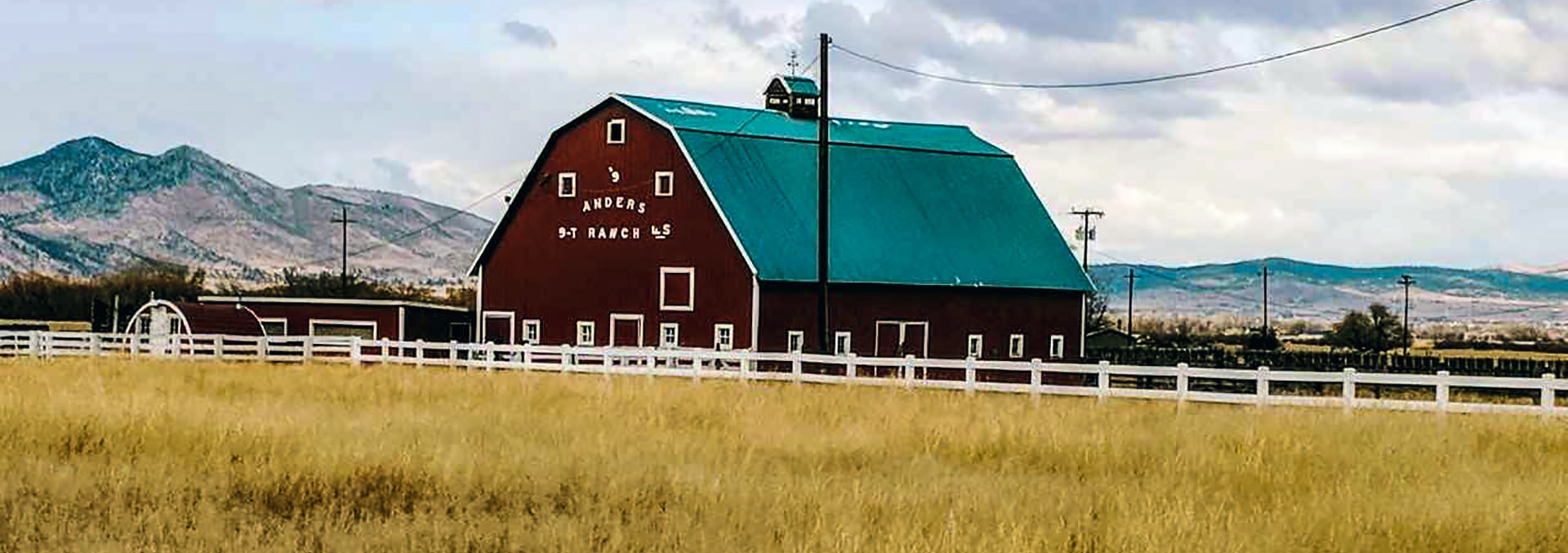
Helena Valley View Ranch
Helena, Montana
A highly sought after Helena Valley property that features fenced irrigated hay meadows and livestock facilities to include a large barn, shop, livestock scale and corrals. Also offers income from tenants in three separate apartments in the stately Victorian style brick home. This unique listing provides a new owner a variety of options and opportunities in an ideal location for a primary residence or for continued income potential into the future, all close to town.
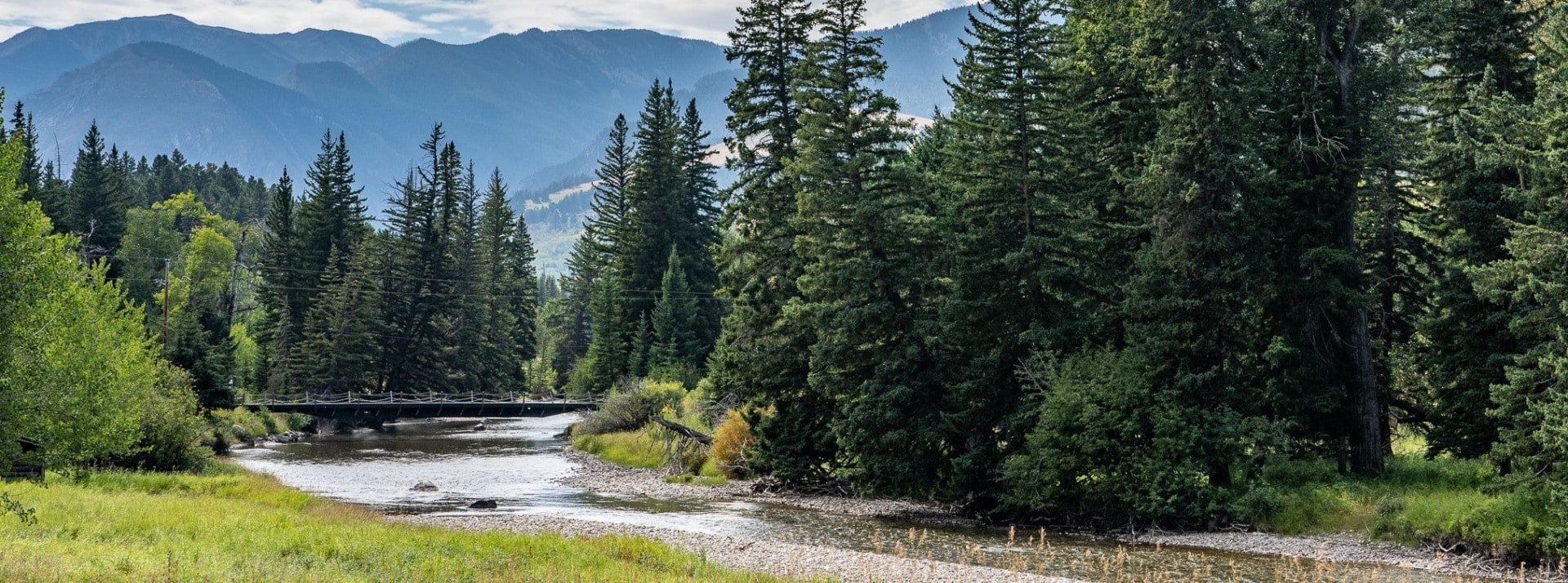
Bar 20 Cabins at the West Boulder Reserve
Livingston, Montana
Set in the stunning West Boulder Reserve this offering is comprised of two charming 1920’s fishing cabins known as the “Bar 20 Bunk and Tack Houses” which originated as outbuildings on the historic Bar 20 Guest Ranch.
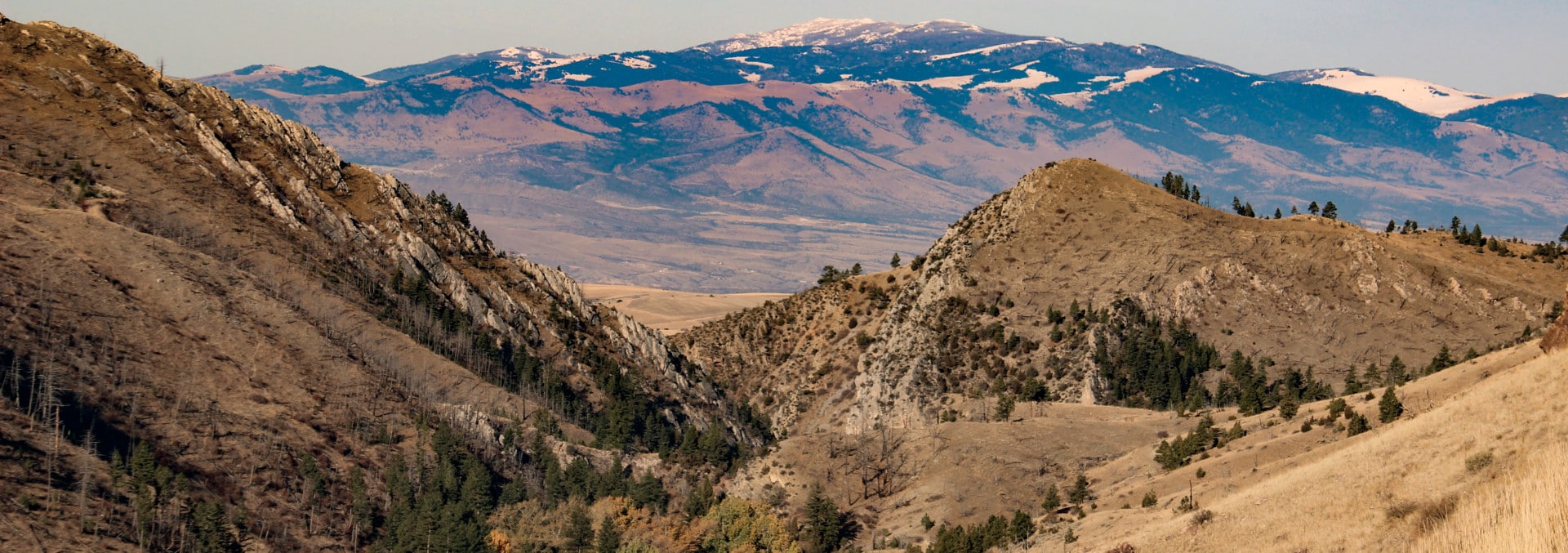
Dry Creek Hunting Retreat Ranch
Townsend, Montana
With a superb location close to recreation and amenities, this beautiful and scenic central Montana mountain ranch offers a unique opportunity for an investment minded buyer who appreciates scenery and enjoys abundant recreational opportunities. This property is suitable for grazing cattle or as a base for your big game hunting adventures.
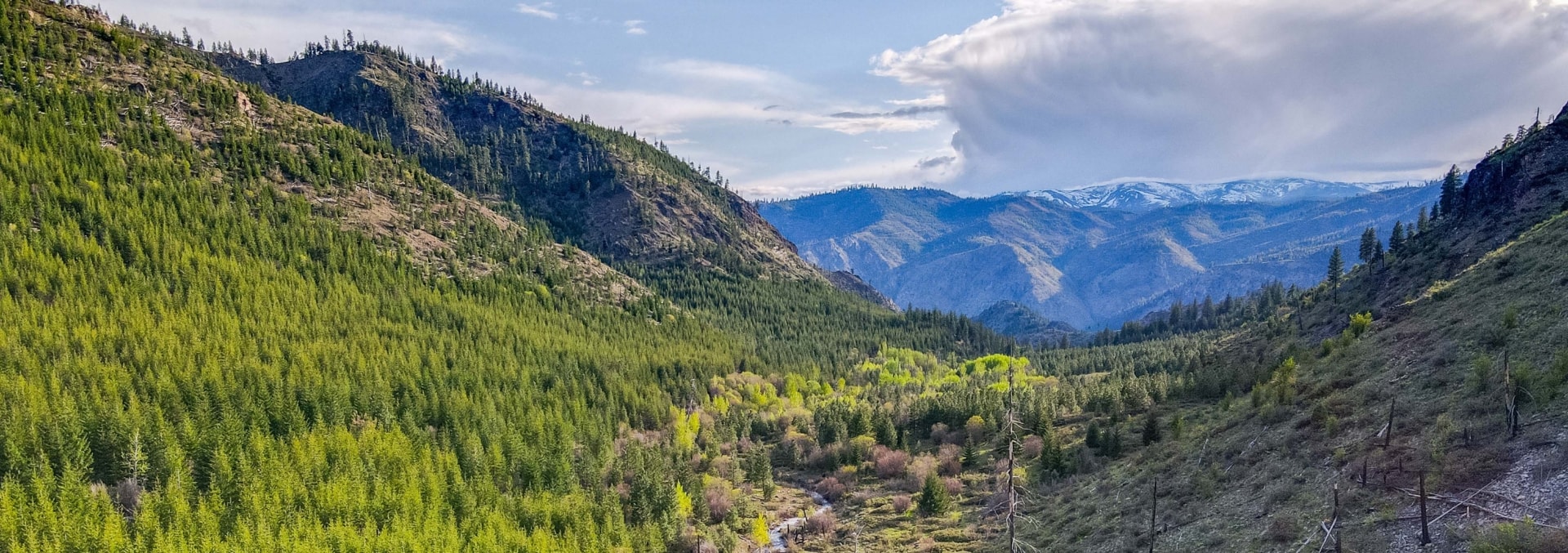
Stormy Creek Ranch
Entiat, Washington
With a year-round stream, productive timber, never-ending recreational opportunities, and good access, the Stormy Creek Ranch is a Washington property you can enjoy for years to come. The diverse stand of timber allows for immediate income potential, with productive middle-aged stands coming to maturity within the next 15 years as well. Live water and diverse topography create prime habitats for mule deer, grouse, and other game species. Close to wineries, fishing, hiking, and more!
Rilette Springs on the Columbia River
Mansfield, Washington
A rare private retreat offering recreation, and direct access to the Columbia River with sandy beach frontage, a private dock, and a dedicated boat launch on Rufus Woods Lake. Expansive lake and mountain views define the setting. A gated entry leads to an incredible cabin with guest accommodations and full utilities. Landscaped grounds are irrigated and maintained. Exceptional fishing, upland bird hunting, and mule deer opportunities are immediate, with access to nearby towns.
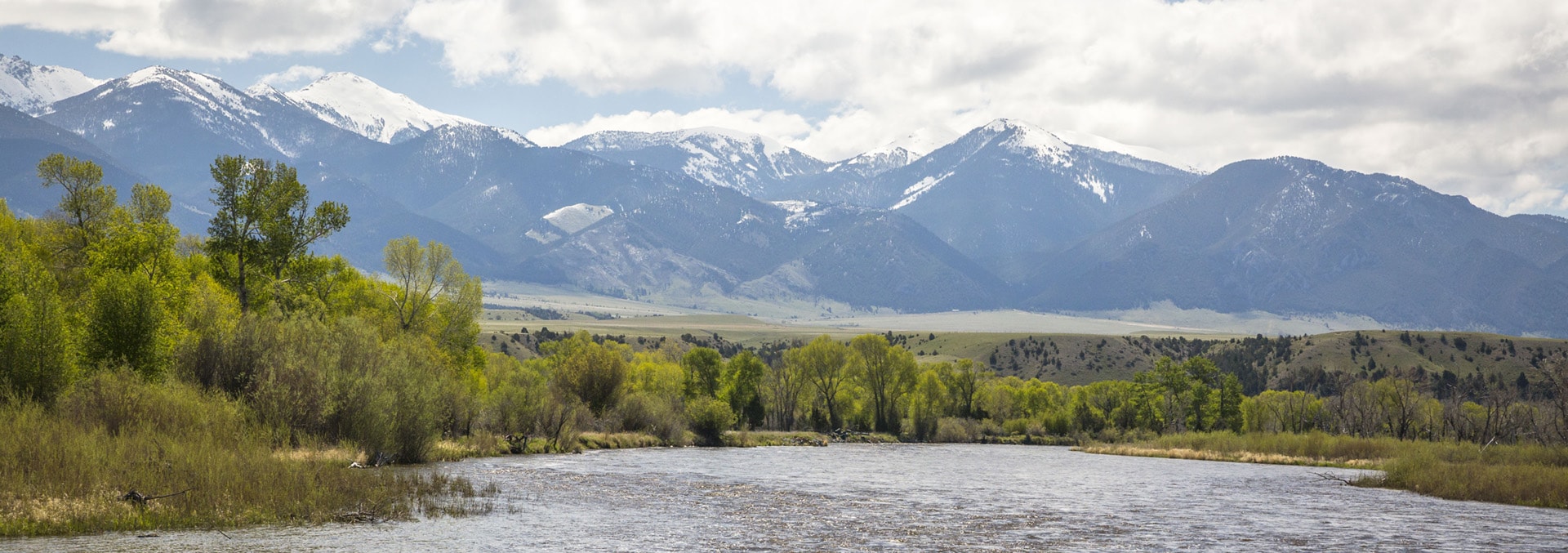
Fish Camp
Silver Star, Montana
Boasting .6± miles of Jefferson River frontage, notably one of the top trophy trout fisheries in the West, and offering excellent hunting for white-tailed deer and waterfowl, Fish Camp has all the ingredients of a quality recreational property. The property also has prime development potential with the added bonus of a nice pond and several other springs.
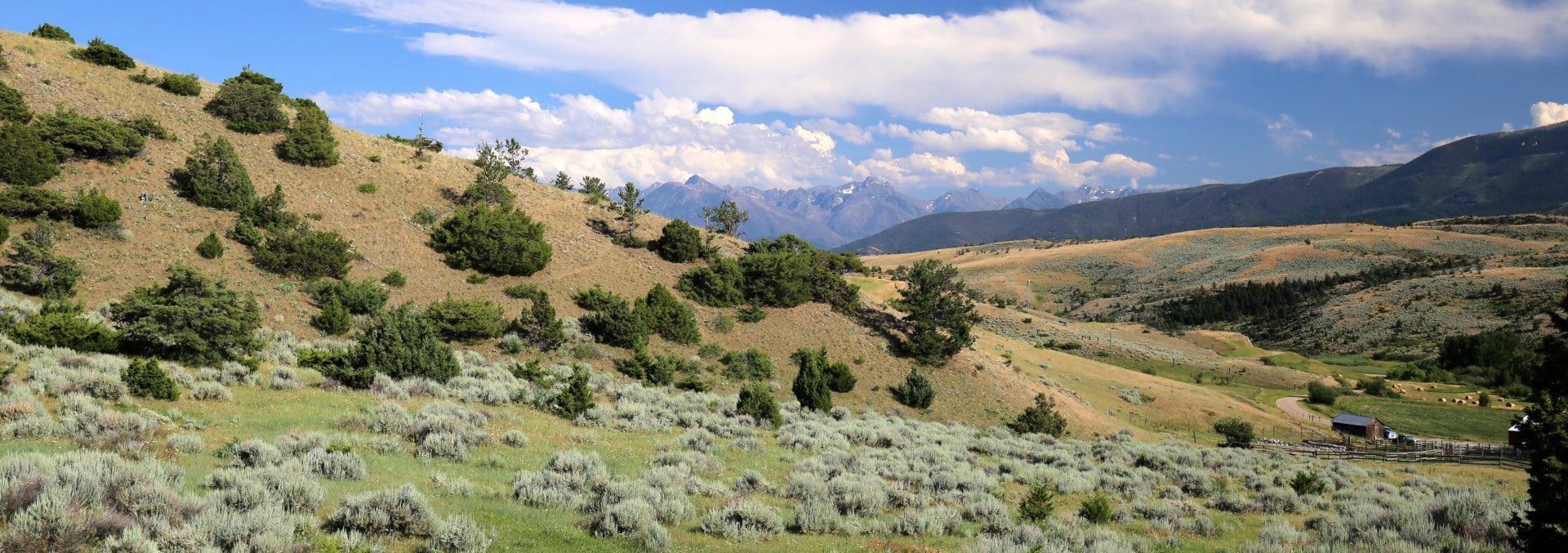
Fleshman Creek 240
Livingston, Montana
The proximity of Fleshman Creek 240 to Yellowstone Park, along with Livingston and Bozeman, contribute to the attractiveness and value of the ranch coupled with a plethora of wildlife on the property. For these reasons, it is difficult to imagine an investment that will provide more enjoyment while at the same time remain one of the most sought after and finite products in the real estate investment world.
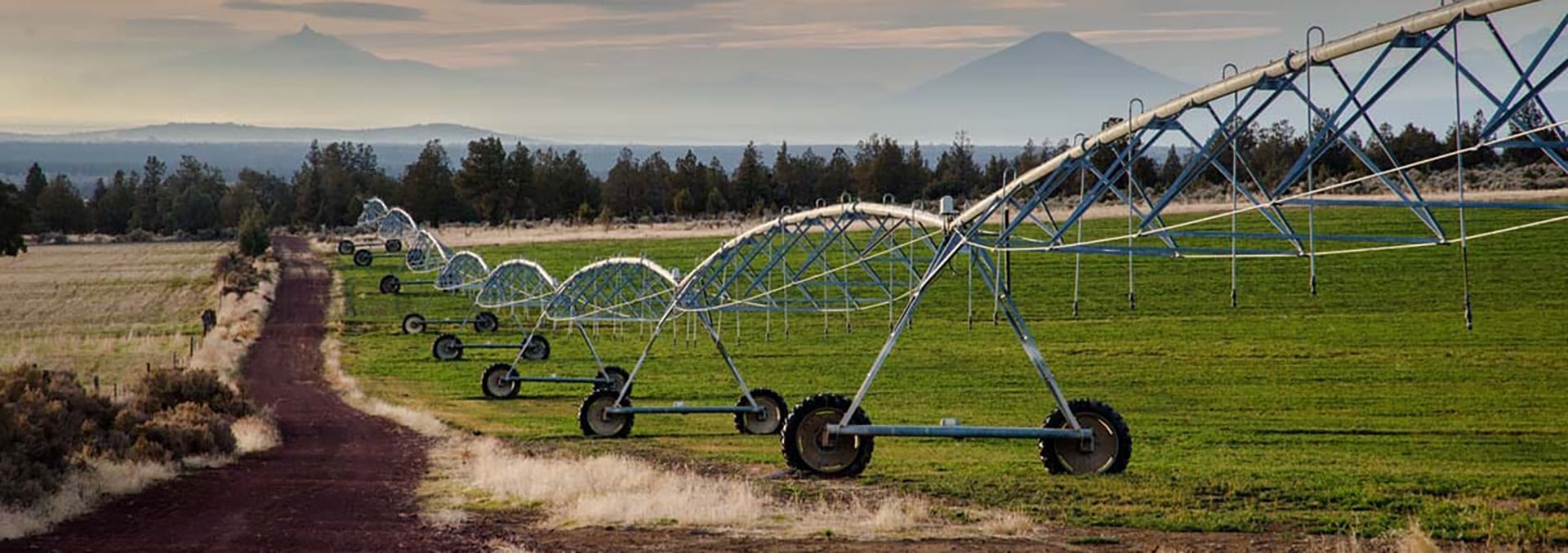
North Fork Blackfoot Retreat
Ovando, Montana
Whether you’re enjoying a late afternoon hike, an extended horseback ride, an evening of hunting, or fishing the early morning hours on any one of the many trout streams in the area, you’ll find yourself in absolute paradise on this property. However, you chose to enjoy these wide-open spaces and inspiring panoramic views, you’ll soon realize why you’ve chosen to live in Montana.
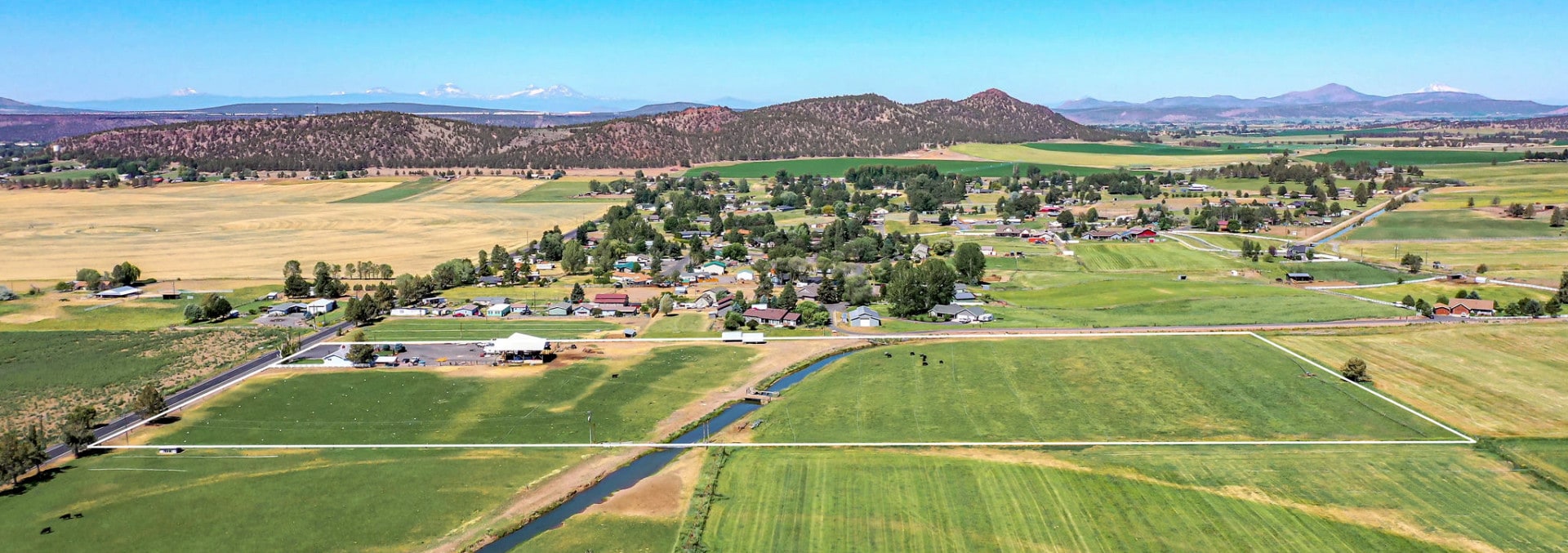
Wainwright Hobby Ranch
Prineville, Oregon
In one of the most sought-after areas of Prineville, Oregon, just northeast of town, lies the perfect hobby ranch, with all the amenities you could need, including irrigation for your horses, cows, or other livestock. With a nice 4 bedroom, 2,106± square foot home, there is plenty of room for the family. Other improvements include a shop, a barn, RV/boat storage with hook-up, and a pole barn with a lean-to. The pastures are irrigated by one wheel line, a couple of handlines, and several pods.
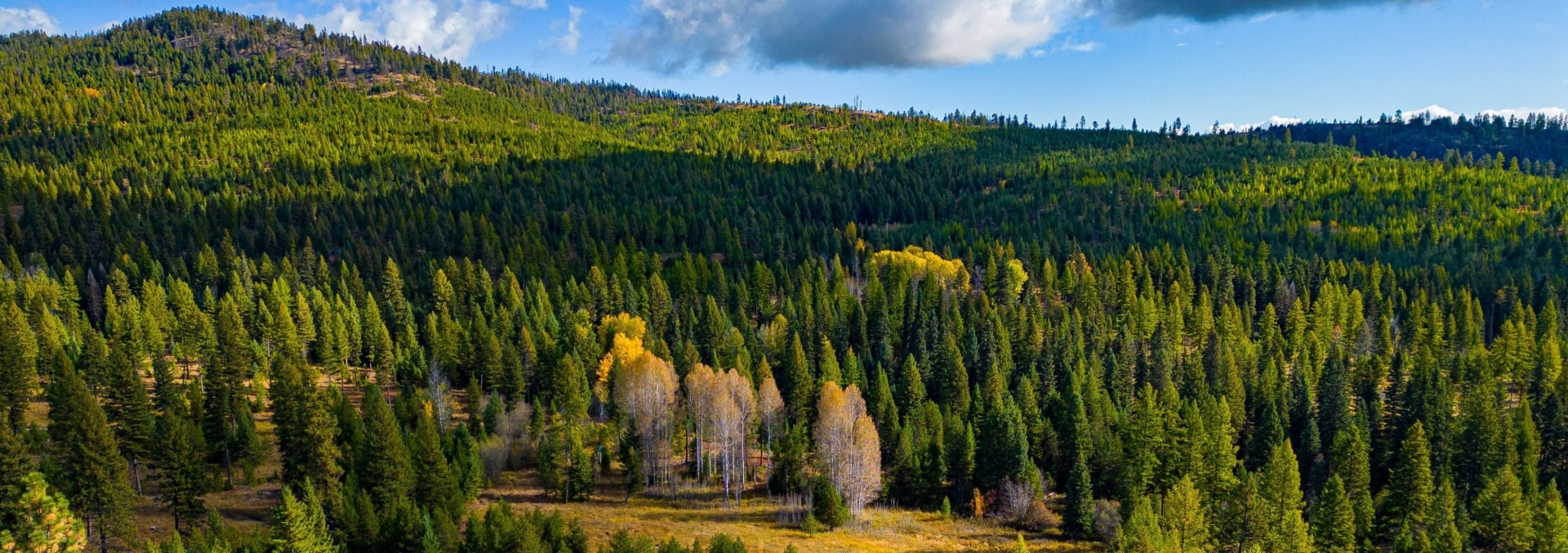
Storm King Ranch
Republic, Washington
With incredibly managed fir, larch, and pine stands, along with two year-round flowing streams, the value of this timber property is unmatched by anything on the market in eastern Washington today. Located on a county road and within 15 minutes of amenities, this ranch can be used as a recreational retreat or a great location to build your forever home. Abundant wildlife and established trails and roads through the property allow endless recreational options and access to any part of the ranch.
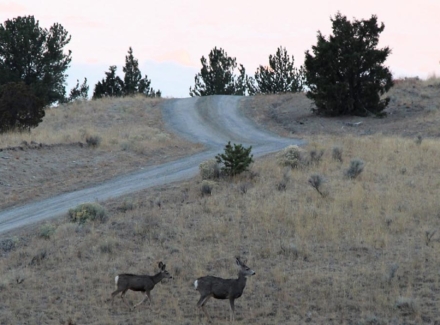
Little Fish Creek Retreat
Whitehall, Montana
This property boasts 0.75± miles of Little Fish Creek and is contiguous to State and BLM Land. A variety of wildlife can be found here, including moose, elk, mule and whitetail deer, antelope, and upland game birds. A little over an hour from Bozeman and less than a half hour to Twin Bridges and Whitehall, land in the tightly held Jefferson River Valley rarely comes to market. Just 15± minutes east is the Jefferson River, one of southwest Montana’s many world-famous trout streams.
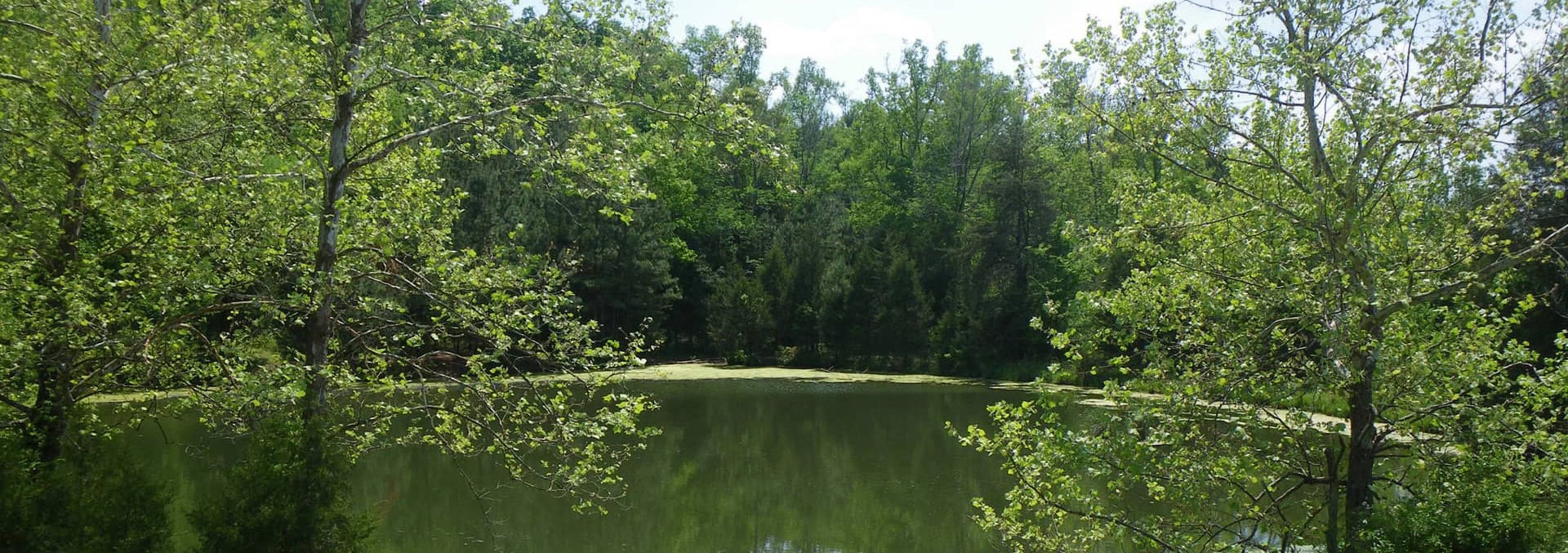
Knob Hill Farm
Ten Mile, Tennessee
On the market virtually for the first time, Knob Hill Farm not only boasts of the highest ground in the area with the greatest views of the country side, but also has the appeal of excellent Southern big-game hunting in a secluded, private area of old Tennessee family farms with great road frontage, access, and beautiful topography.
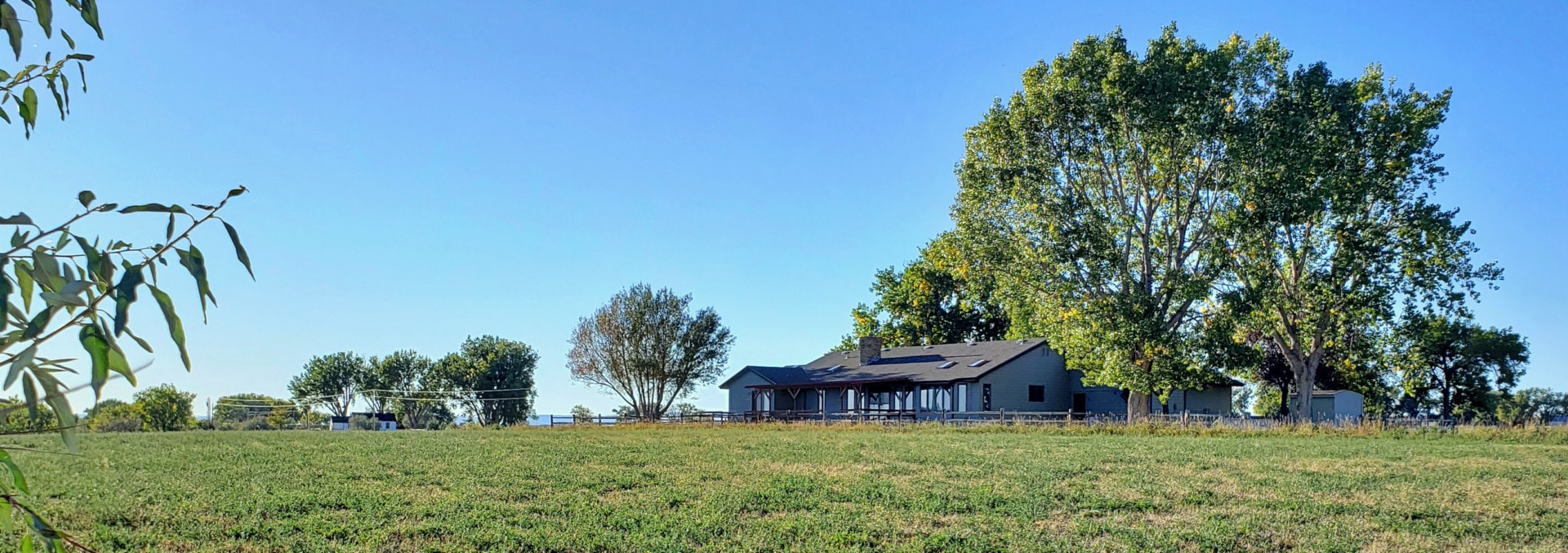
Powder River Valley Homestead
Kaycee, Wyoming
This is a versatile property suitable for private and secure living, telecommuting or as a small farm and ranch enterprise. The beautiful, custom home is very private and looks out over irrigated hay meadows to see as far as the Bighorn Mountains in Wyoming. The property has two additional homes, a shop and an outdoor riding arena.
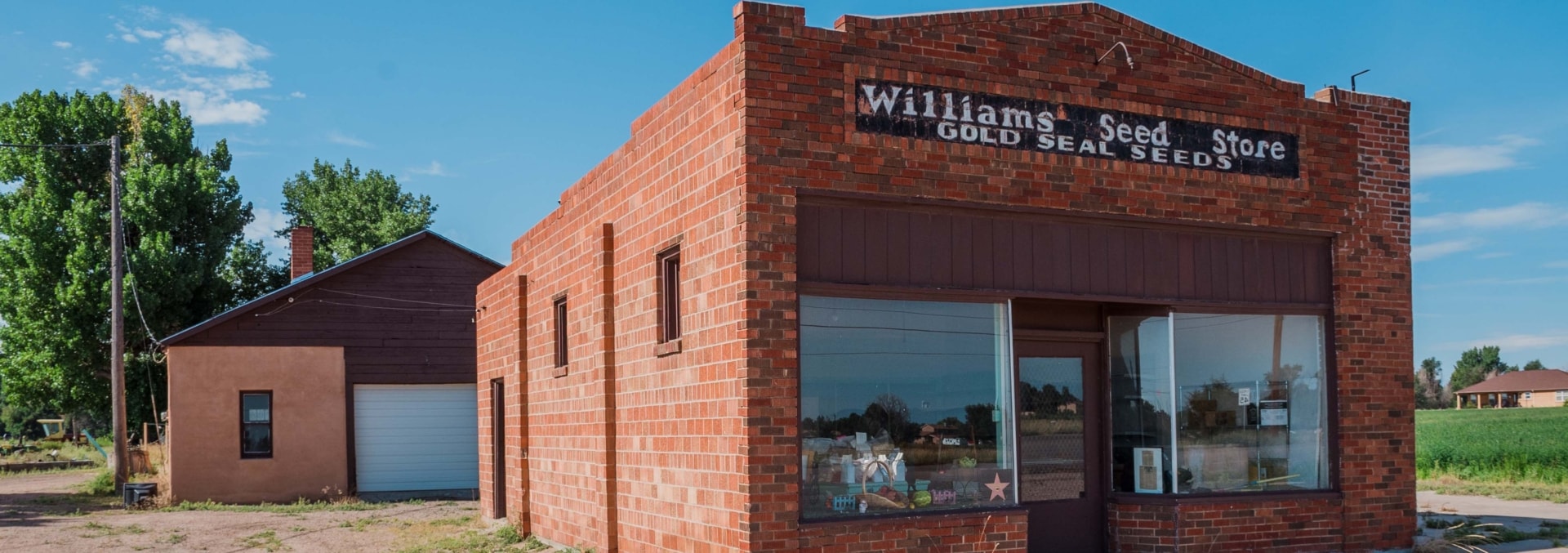
Williams Farm & Seed Company
Pueblo, Colorado
The farm, home, and seed store are iconic in Colorado. The farm is so coveted and celebrated that the Palmer Land Conservancy is including the property in a documentary they are producing about historic farms in the lower Arkansas River Valley. This historic and iconic property offers one of the best locations for a potential commercial business. With multiple types of zoning, plentiful water rights, and usable improvements, this property provides limitless opportunities for the next owner.
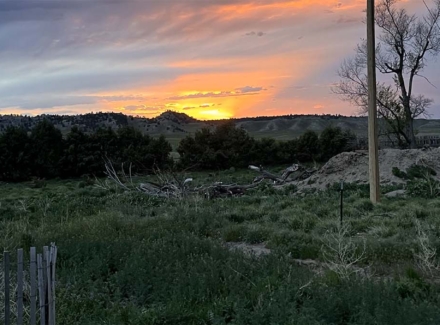
Vaughan Ranch
Fort Laramie, Wyoming
This expansive Wyoming property combines the essence of the Old West with modern conveniences, featuring stunning mountain views, a variety of outbuildings, comfortable homesite, cattle pens, corrals, and cross-fenced pastures. Well-equipped for livestock management and agricultural activities, it offers abundant water sources, including an improved well and livestock tanks. Enjoy year-round access and immerse in the tranquility and rugged beauty of Wyoming’s landscape.
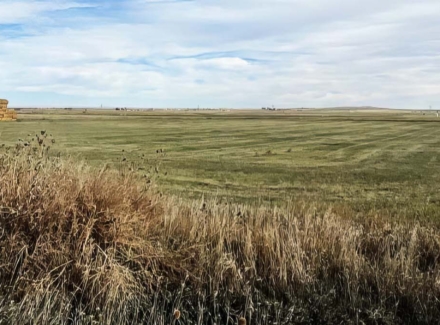
Kiowa Creek Farm
Lyman, Nebraska
Explore prime agricultural opportunity in Lyman, Nebraska! This 159± acre irrigated farm features high-yield alfalfa meticulously planted for exceptional investment potential. Kiowa Creek Farm ensures reliable irrigation with 153.8± acres of water rights from Gering-Fort Laramie Irrigation District. It’s perfect for residence or rental income, with a 2-bedroom farmhouse and versatile outbuildings. It is located in Scotts Bluff County, known for its fertile soil and favorable growing conditions.
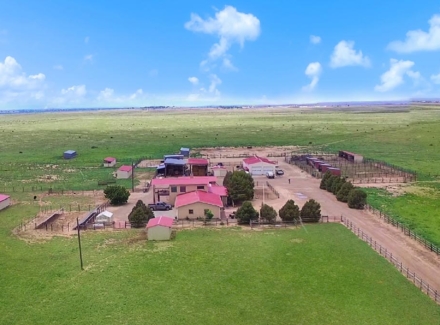
IL Ranch
Boone, Colorado
IL Ranch blends rural serenity with modern convenience on 40± acres in Colorado. Ideal for equestrians or self-sufficient living, the property features over a dozen loafing sheds, cross-fencing, a corral system with a cattle alley, and a sweep tub. The 2,747± square foot custom home offers 3 beds, 3 baths, granite, and custom cabinetry. It includes garages, a shop, and hay barns and is near Boone and 20± minutes to Pueblo: a turnkey ranching and equestrian opportunity.
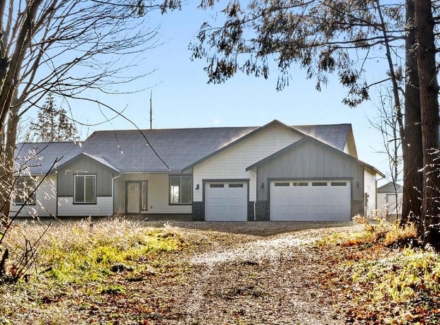
Mountain View
Yelm, Washington
Discover this newly built home in Yelm, set on a quiet 5± acres. Enjoy a spacious open floor plan with a large office, luxurious primary suite, and two big bedrooms. Breathtaking pasture views surround the property, creating a peaceful retreat. This elegant, modern home offers comfort, privacy, and tranquility—perfect for those looking to escape the city while enjoying refined rural living. A rare opportunity to own a serene sanctuary in a charming community.
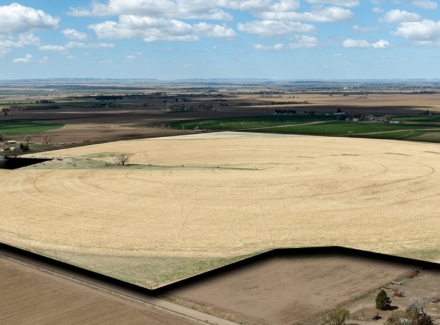
A13 Farm
Mitchell, Nebraska
This productive irrigated farm in western Nebraska offers a rare chance to acquire a turnkey operation with dual water rights and a strong yield history. Featuring a professionally maintained pivot system and an average of 5.7 tons per acre, the farm is currently optimized for alfalfa but easily adaptable to other crops. Its reliable water access, quality soil, and efficient layout support long-term value. Proximity to Mitchell, Scottsbluff, and key ag services adds to its operational appeal.
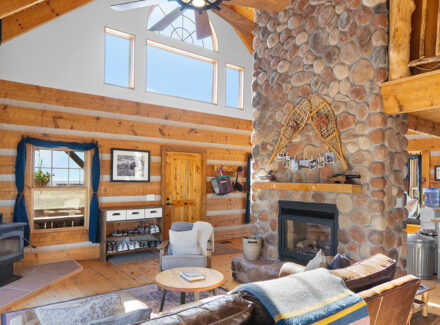
McHenry Ranch
Pueblo, Colorado
A rare Colorado lifestyle property just west of Pueblo, where comfort, privacy, and recreation come together in one remarkable package. This updated square-cut milled log home features 3BD/3BA and sweeping views of Pikes Peak, Greenhorn Mountain, and Pueblo Reservoir. Inside you’ll find a river-rock fireplace, high-end kitchen, and serene primary suite. Outside: insulated shop with radiant heat, 4-car garage, irrigated garden, and a mile-long trail. Fiber optic internet, new flooring, and more.
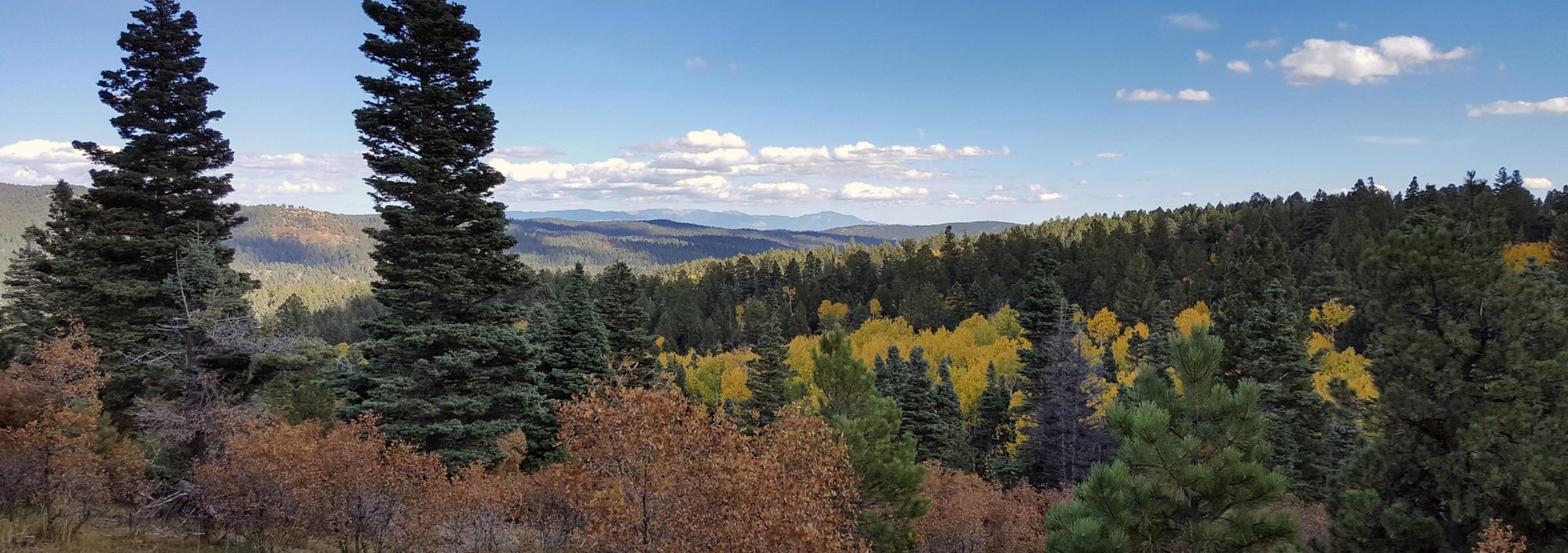
Upper Montane Ranch
Tres Piedras, New Mexico
A diverse 60± acres in New Mexico completely surrounded by thousands of acres of Carson National Forest, this inholding is a literal gem in the rough. There is a high producing water well, a spring-fed pond, quality forest road access, wildlife, and mining claims. Originating from mining claims, Upper Montane has two historic gold and silver/copper pit mines on the property and the remnants of mining camps. Elk, mule deer, and black bear hunting is great; timber is abundant on the part of the property.

Jefferson View Hobby Farm
Culver, Oregon
This beautiful custom Oregon home, built in 2019, sits off a quiet country road and has plenty of room for kids, dogs, farm animals, livestock, and toys. Fully fenced with a gate gives it the privacy you want. The 2,352± square foot home features 3 beds, 2 baths, a formal dining room, a loft, and a large mud/laundry room. Beautiful finishes are noted throughout the home, including vaulted ceilings, hickory and maple cabinets, modern farmhouse light fixtures, hardwood floors, and more.
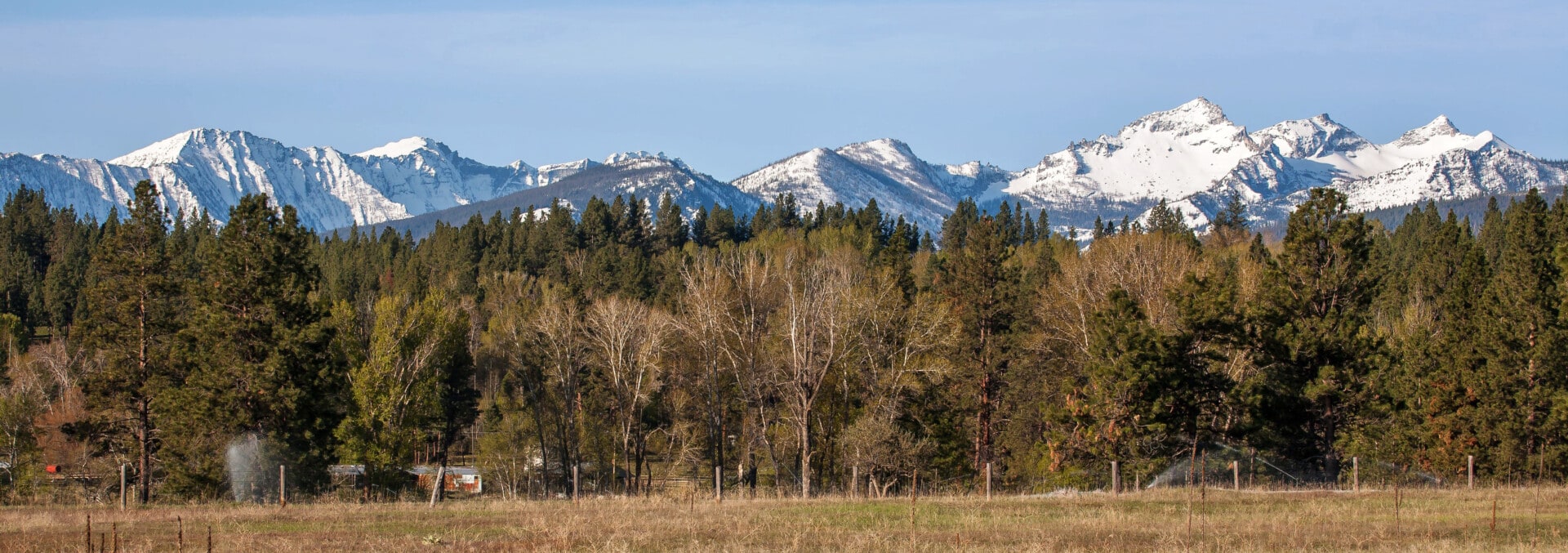
Camas Creek Ranch
Hamilton, Montana
Located along the desirable west side of the Bitterroot Valley, Montana, this property is an ideal tract for a recreational retreat or a permanent residence. The west side of the valley has seemingly endless drainages flowing easterly from the Bitterroot Mountains towards the valley floor.
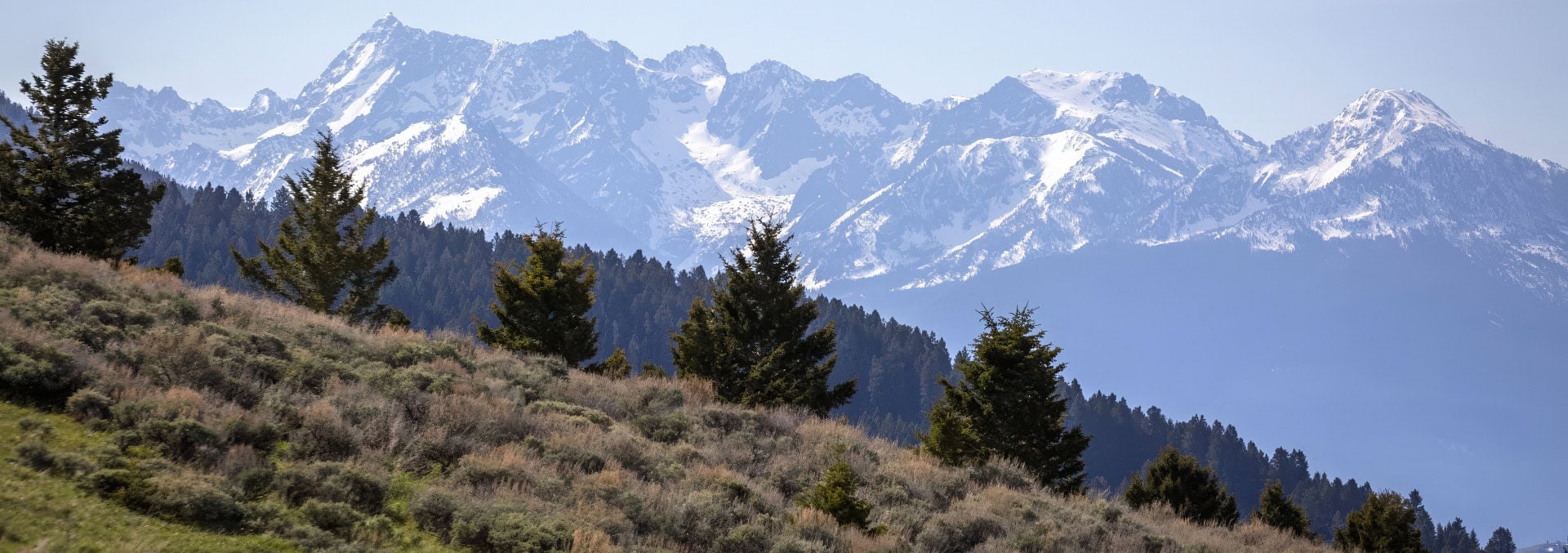
Trail Creek Refuge
Bozeman, Montana
Trail Creek Refuge is an extraordinary 80± acres that abuts 640± acres of State land located on top of the world. To the south, the property controls expansive views down the Trail Creek Valley into the Paradise Valley and the adjoining Absaroka Mountain Range. Less than 30± minutes to Bozeman, Livingston and the Yellowstone River, you couldn’t ask for a better location.
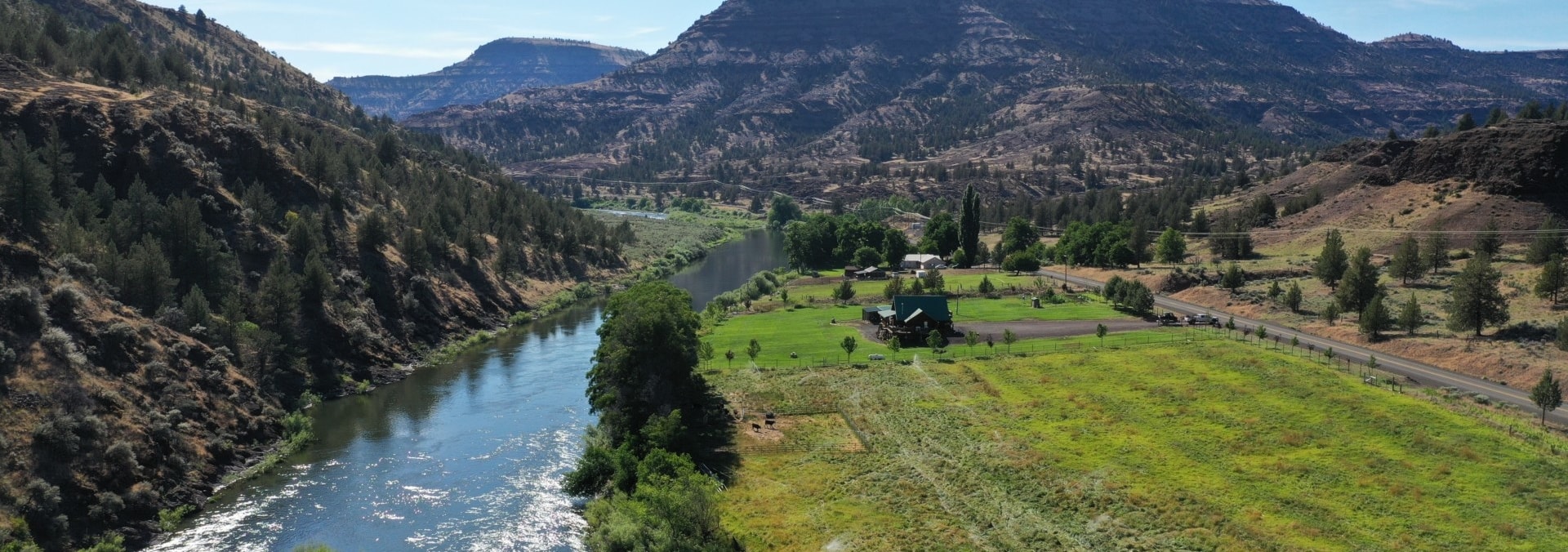
John Day River Retreat
Spray, Oregon
Looking for some peace and quite with river frontage and a rural setting? This is the perfect combination of ranch/farm living, endless recreational opportunities and solitude on small acreage that is easy to manage and maintain. Imagine fishing, floating and boating with family and friends, right out your front door. All 7.3± acres are irrigated, fenced and cross fenced and perfect for your small cattle operation, horses and other 4-H animals.
Quiet Prairie Retreat
Dickinson, North Dakota
Fay Land Sales represented the buyer in securing this beautiful custom home near Dickinson, North Dakota. The property is situated on 2± acres and offers privacy, mature trees, and a well-maintained landscape. A 40′ x 60′ heated shop provides ideal workspace and storage. Inside, heated floors, expansive windows, and a custom kitchen enhance comfort and style. The outdoor gazebo with a hot tub adds relaxation, making this an exceptional rural retreat.
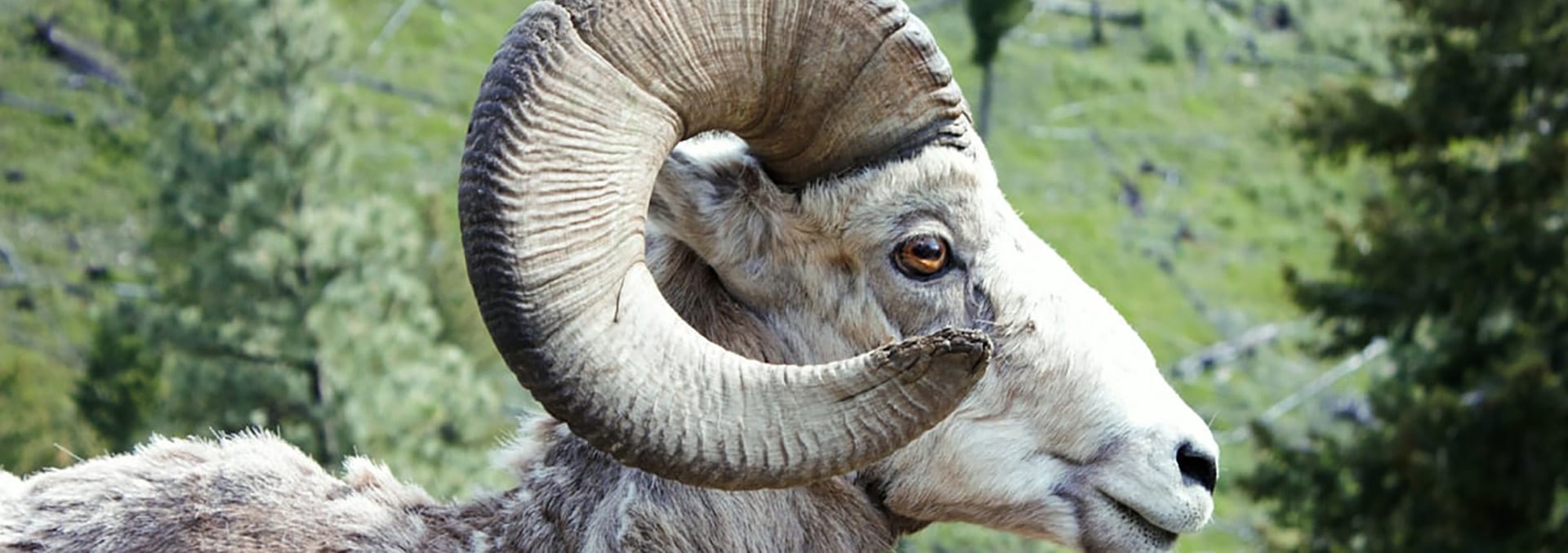
Critter Crossing
Conner, Montana
This ranch offers a perfect balance of location, views, wildlife, and outdoor recreation. Just a short distance to the historic town of Darby, and a hop, skip, and a jump over into the famous Big Hole valley. Please call to set up your own personal tour of this reasonably priced ranch.
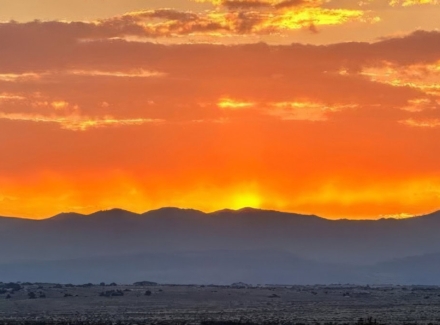
Little River Ranch
Pueblo, Colorado
The Little River Ranch offers 40± fenced acres with live water on the eastern edge. The custom home features 5 bedrooms, 3 bathrooms, 16′ ceilings, two fireplaces, and a loft with a spiral staircase. Above the detached garage is a studio apartment with a kitchen and bath. The property includes a 250′ x 100′ riding arena, a three-stall loafing shed, covered decks, and views of Greenhorn Mountain, the Spanish Peaks, and Pike’s Peak. Located 7± miles south of Pueblo in the Eagle Ranch subdivision.
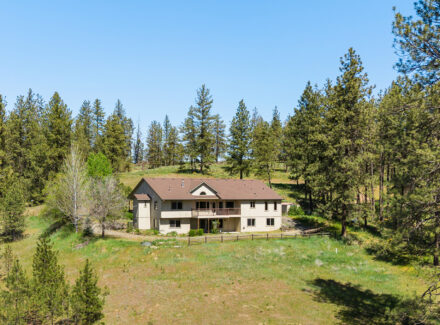
Pierson Place
Medical Lake, Washington
A gated, paved entry welcomes you to this custom daylight rancher where cathedral ceilings, solid hardwood floors, and a floor-to-ceiling masonry rock fireplace set a tone of rustic elegance. The daylight basement, covered back deck, and lower patio create seamless indoor-outdoor living against a backdrop of rolling terrain and natural quiet. A 3-car garage, RV parking, barn/shop, lean-tos, and partial fencing deliver the infrastructure for equestrian pursuits & a fully realized rural lifestyle.
Up The Creek Ranch
Silt, Colorado
This totally off-grid property has seven pastures and four ponds. The hunting is outstanding for elk, mule deer and black bear to name the major species. This ranch comes with an agricultural irrigation water right and it’s own registered ranch brand. The home has been set up as a lodge primarily for the fall hunting operations.
Cherokee Ridge
Benton, Tennessee
A raw-land tract offering privacy and recreation or agricultural opportunities with amazing sunrise views of the mountainous western edge of the Cherokee National Forest at McCamy Ridge and sunset views of the pastoral community of Benton in Polk County, Tennessee.

Bell Crossing
Stevensville, Montana
An excellent offering of spacious, buildable Bitterroot River frontage with easy access to Missoula and stunning views of the Bitterroot Valley’s rugged mountains. The property has irrigated hay fields, riparian areas and the scenic desirable river frontage.
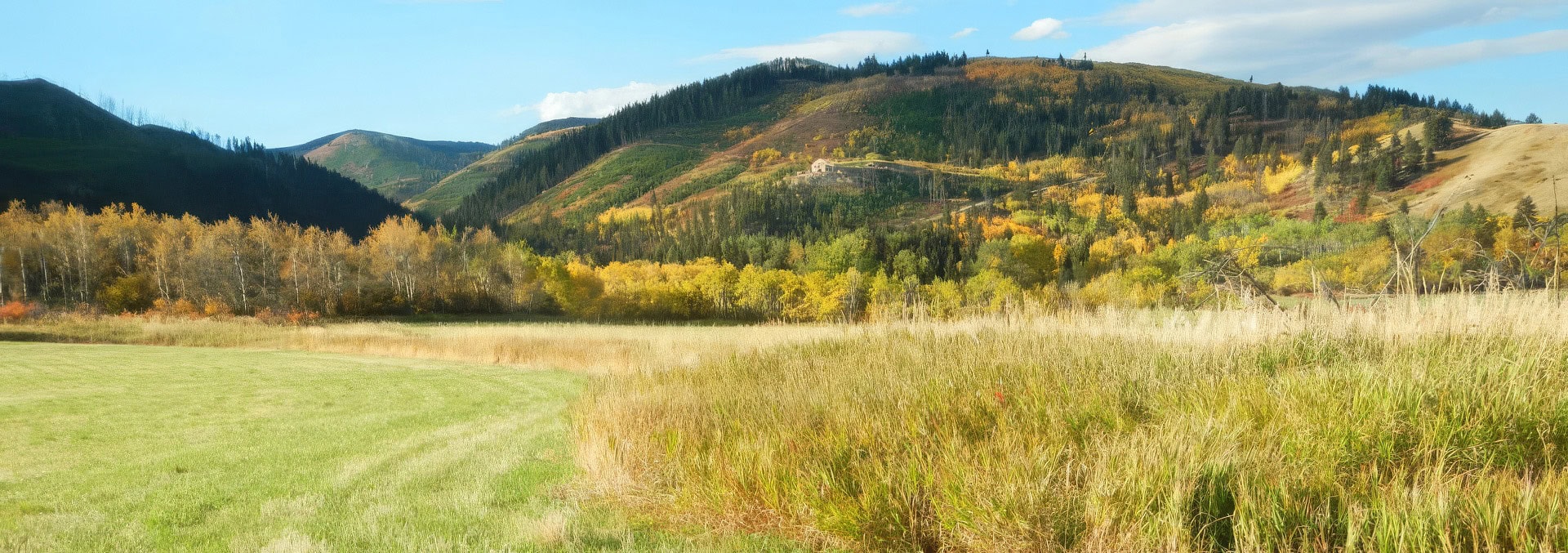
Wilson Creek 40
Bozeman, Montana
An exceptionally rare offering in such close proximity to so many wonderful amenities, located just south of Gallatin Gateway and minutes off highway 191. There is a beautiful building site and the rest of the property is mainly hay ground with the north boundary taking in the lush creek bottom of Wilson Creek.
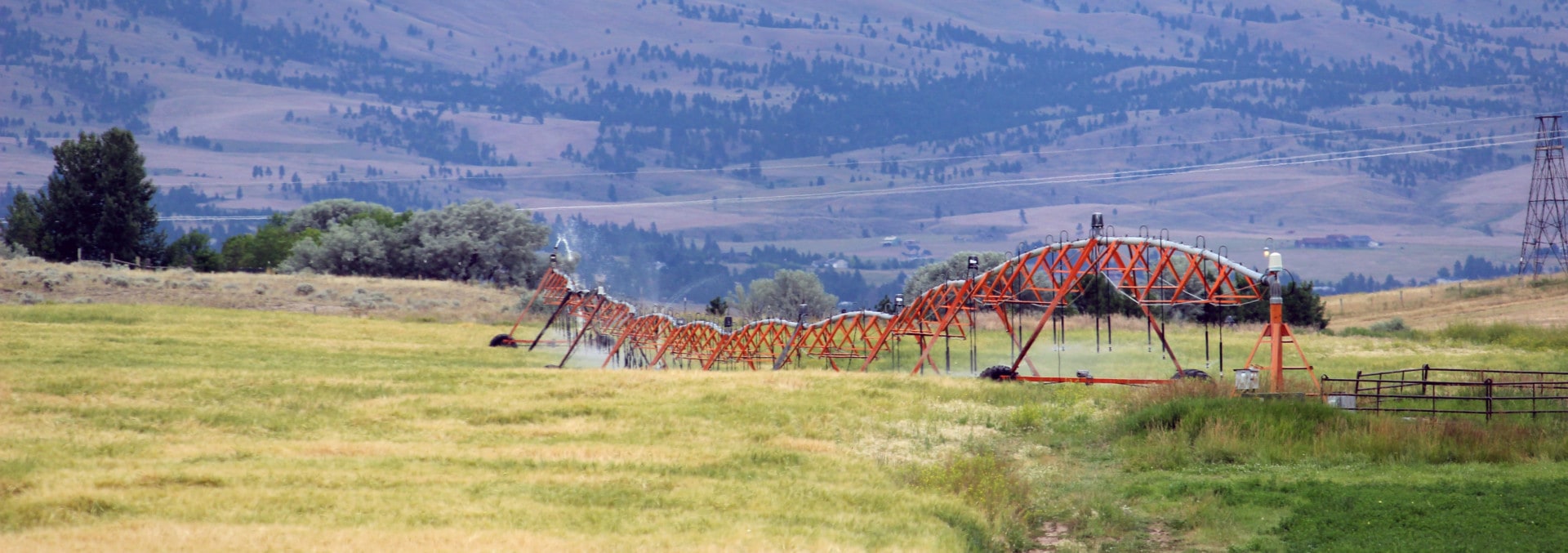
Dana’s Point Farm
Helena, Montana
This property offers a unique opportunity for a savvy buyer to enjoy an investment or continue to enjoy the property for its agricultural benefits in a location convenient to the many area events and the multiple and varied recreational opportunities that the Montana lifestyle embraces.
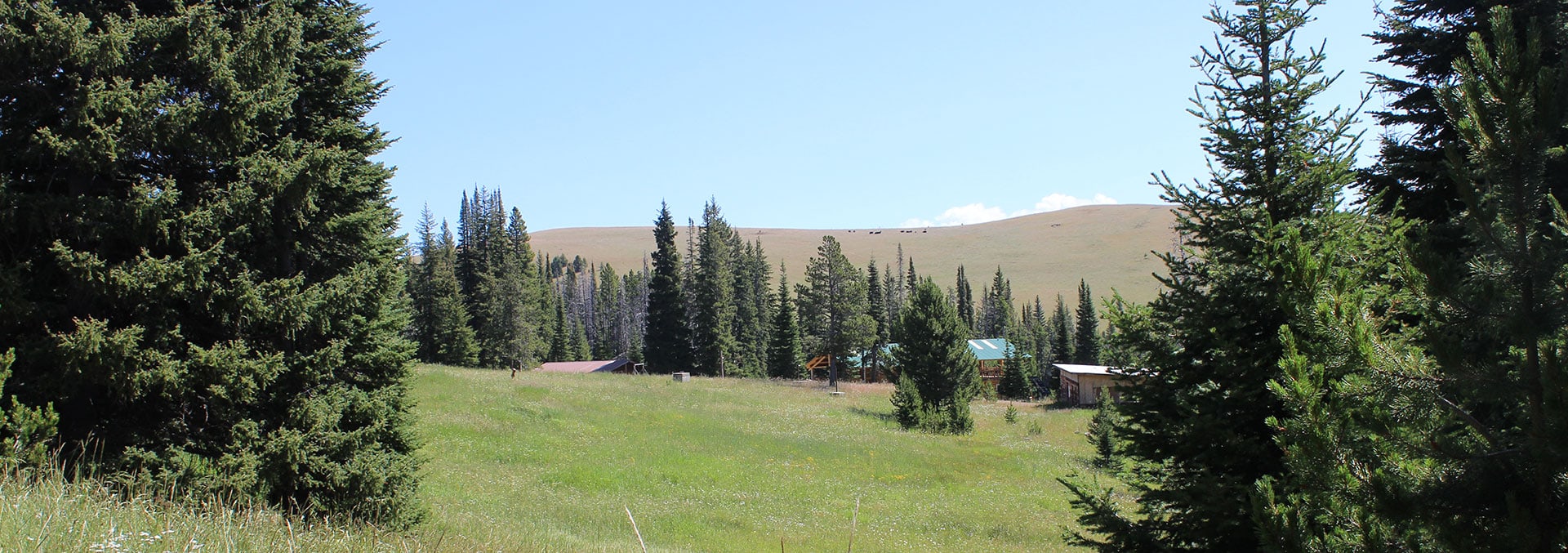
Hoodoo Creek Mountain Retreat
Boulder, Montana
This Montana ranch provides easy access to the surrounding Beaverhead/Deer Lodge National Forest lands and their outstanding variety of recreational amenities. The two cabins are strategically located in an area where hiking, horseback riding, or four-wheeling adventures can afford some of the most breathtaking views and complete solitude in nature.
Lowe Ranch
Boone, Colorado
In Colorado, this ranch offers acres of prime grassland featuring power, two wells at 15 GPM, and vestiges of old buildings. With Class 4 sandy loam soils, it’s ideal for grazing and includes 315.38± acres in CRP, yielding $6,778 annually until 2031. A perfect EQIP and Grasslands CRP candidate, it offers income and grazing improvements. The ranch affords privacy, year-round access, and breathtaking views from the Spanish Peaks to Pikes Peak, presenting a rare opportunity to establish a home.
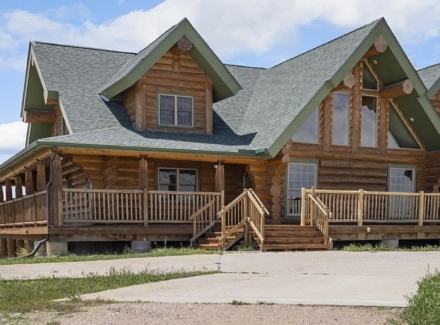
Burnt Mill Ranch
Pueblo, Colorado
The log home offers 3 beds, 3 baths, and 59± acres, with views of Greenhorn Mountain, the Wet Mountain Range, and Pikes Peak. With large spruce beams, Douglas fir, lodgepole pine, new carpeting, new kitchen appliances, and fresh paint, this Mountain State Log Homes design includes vaulted ceilings, a great room, office, theater room, and mud/laundry room. The unfinished basement features natural light. With a shop, 4 loafing sheds, and a pond, it’s an ideal location with paved road access.
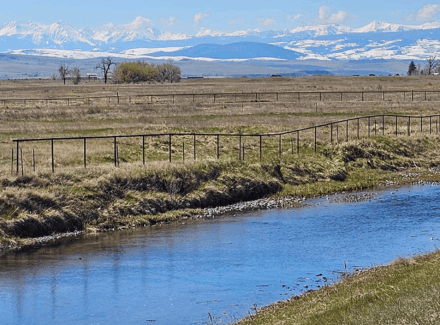
26 Acres on the Lower Madison
Three Forks, Montana
Nestled within the scenic landscape of Montana, this property consists of acres of pristine land, boasting 0.12± miles of riverfront along the Madison River. Near the Cobblestone Fishing Access Site, this section of the Madison River offers deep, slow holes providing ample opportunities for fishing. The Gallatin, Yellowstone, Jefferson, and upper portions of the Madison River are located within 15 to 60 minutes from the property and are some of the world’s most famous fly-fishing rivers.
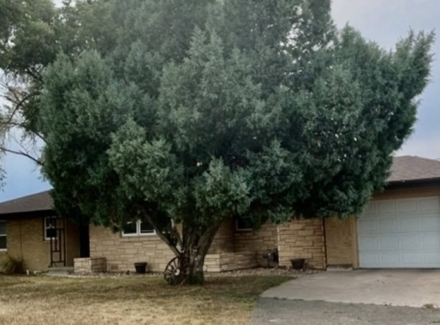
Coletti Farm
Pueblo, Colorado
Ideally located in the desirable Saint Charles Mesa, this well-rounded farm combines comfortable living with practical agricultural improvements. The one-level home includes three bedrooms, one and a half baths, a spacious kitchen, an enclosed porch, and a covered patio. Multiple garages and a carport support equipment storage. A hay barn, corrals, and loafing sheds serve horses and livestock. Paved access, 16.8 Bessemer Ditch shares, and an irrigation well support productive pasture.
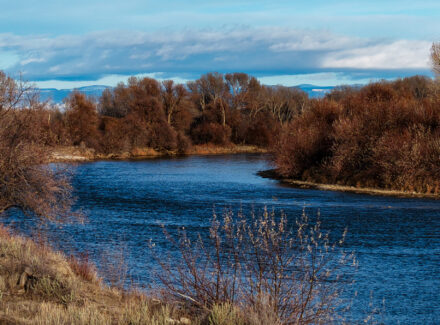
Shoshone Valley Versatility Land
Byron, Wyoming
Featuring 1,000± feet of Shoshone River frontage and a tranquil pond, this irrigated parcel delivers trout fishing and prime habitat for waterfowl, upland birds, deer, and turkey. Easy access from Highway 14A, multiple building sites, and power along the road support a custom home, horse setup, hobby farm, or homestead. Irrigation water is provided by the Sidon Canal. No HOA or subdivision. Near Cody, Yellowstone, the Bighorns, and public land across the highway for long-term recreation.
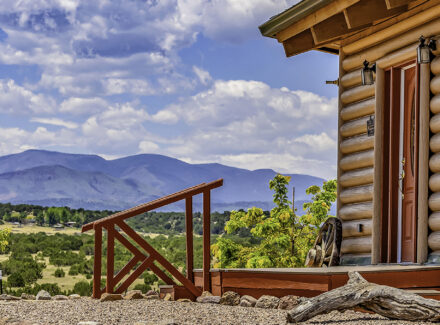
Arrowwood Ranch
Pueblo, Colorado
Custom-crafted in an octagonal log design, this Colorado retreat blends rustic character with modern comfort, set among rolling grass and junipers with expansive mountain views. The home offers an open main level, flexible walkout basement space, and inviting outdoor living. Extensive barns, stalls, and a large garage/shop add excellent utility for equipment, livestock, recreation, and storage, all within easy reach of Lake Pueblo, national forest, and daily amenities.
Painted Skies Ranch
Maupin, Oregon
In search of amazing views, excellent privacy and an outstanding location, all under a million dollars? Painted Skies Ranch has it all! With 2 L.O.P. tags, excellent deer and waterfowl bird hunting and 127± acres of fertile irrigated ground. Surrounded by outstanding views and just minutes to the Lower Deschutes River and White River.
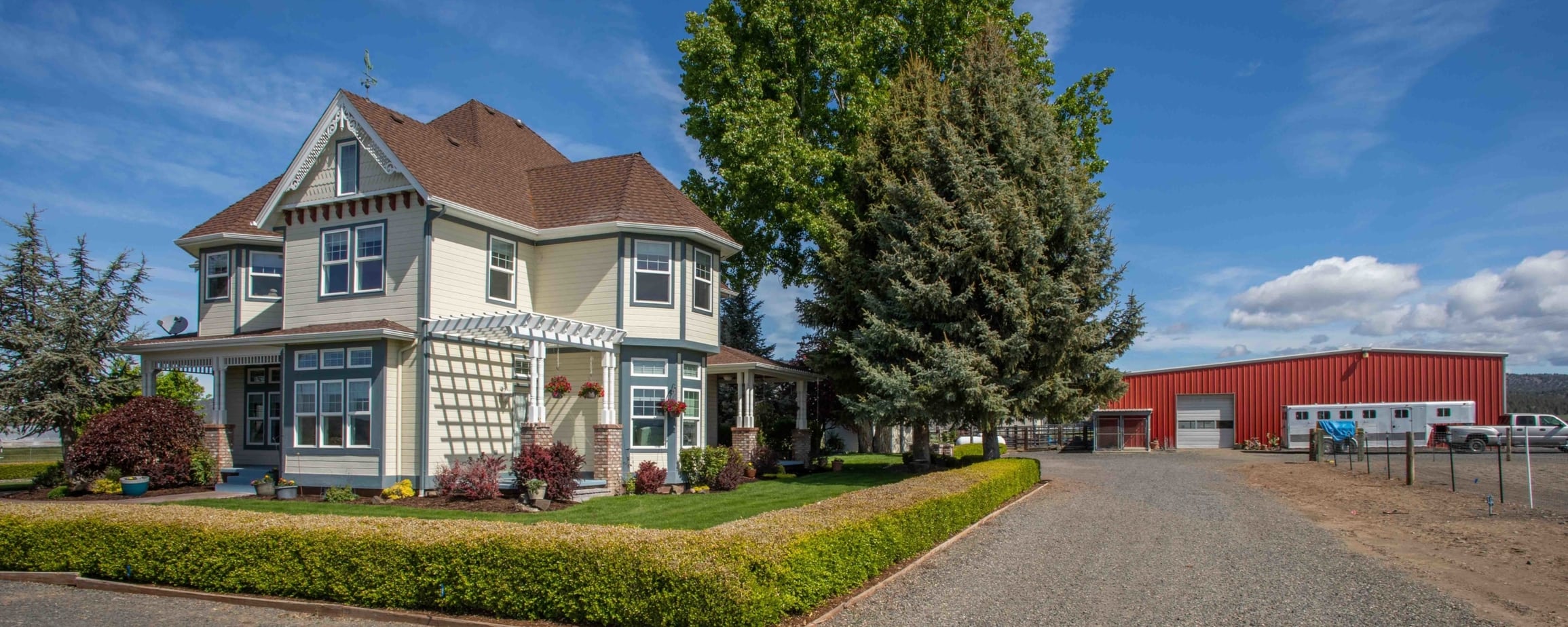
Mountain View Acres
Prineville, Oregon
Almost 5 acres of the finest country living that Central Oregon has to offer! A beautiful custom home, amazing shop, 4.4± acres of irrigation and a horse barn are just a few of the features at Mountain View Acres. You don’t have to look very hard to see the pride of ownership here. This relaxing country setting is just minutes from Prineville and allows plenty of elbow room for the kids to roam, dogs to play, horses to run, cows to graze and chickens to lay.
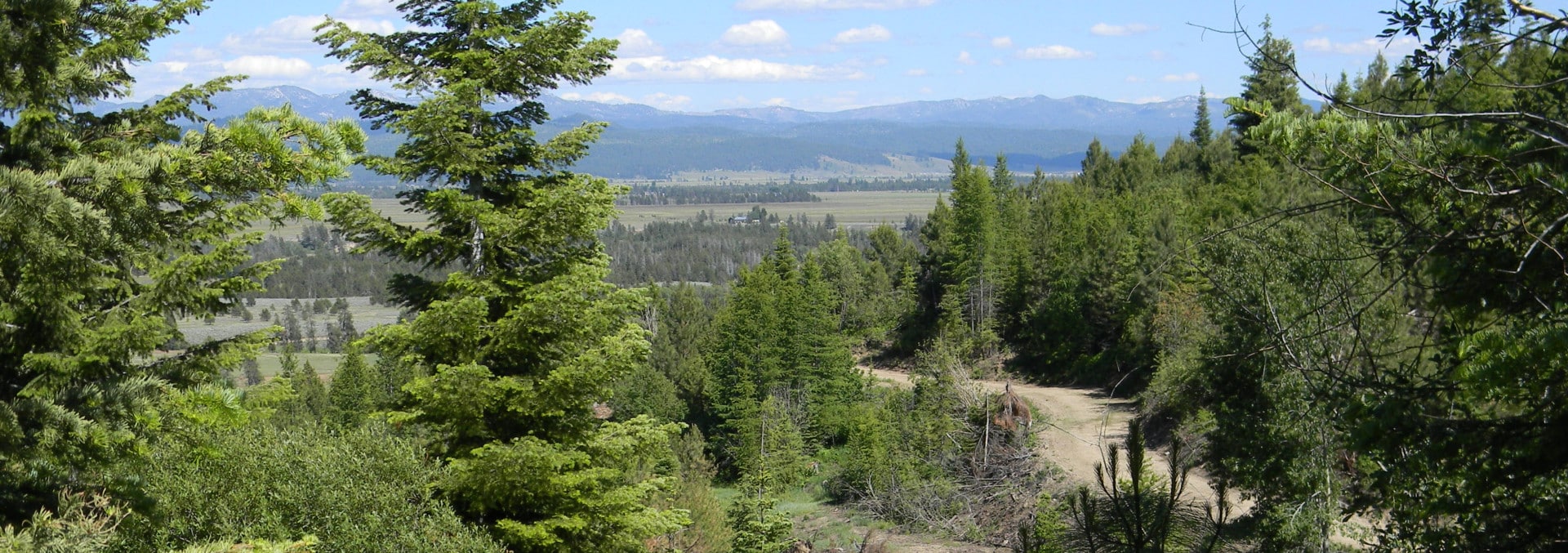
West Mountain 480
McCall, Idaho
West Mountain 480 is located above the valley floor looking over the Payette River Valley. Curtis Creek flows through this timbered property which borders National Forest land. This ideal retreat is only minutes away from the quaint mountain resort town of McCall, Idaho.
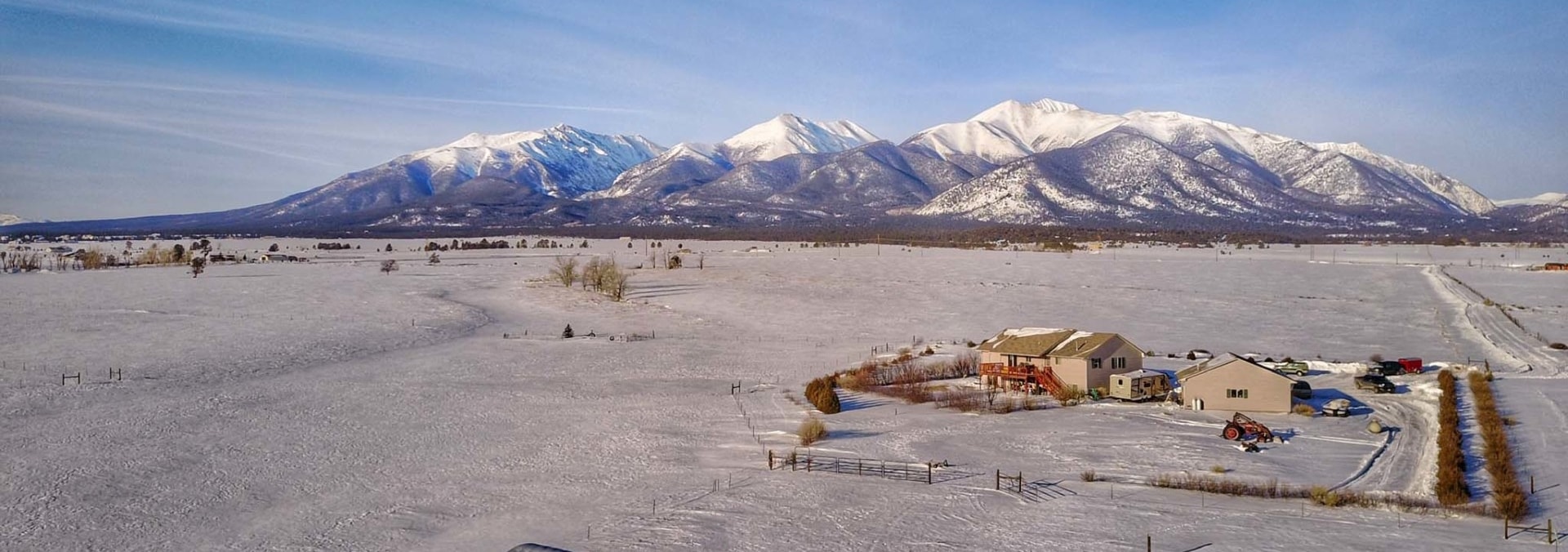
Corner Post Ranch
Nathrop, Colorado
Located in the coveted Arkansas River Valley and surrounded by San Isabel National Forest and Brown’s Canyon National Monument, this versatile ranch property offers year-round recreation opportunities for sportsmen and outdoor enthusiasts.
Narrows RV Park and
Jackalope Bar & Grill
Princeton, Oregon
Tourist and local destination near Malheur National Wildlife Refuge and Steens Mountains Wilderness, this 41-space RV park offers multiple income streams with a store, café, bar, gas station, and a cabin. Short-term tenants, a few year-round residents, and the Jackalope Bar & Grill’s strong reputation keep it thriving. With clean amenities, catering potential, and room to expand services, it suits an owner-operator or investor seeking steady returns in scenic southeast Oregon.
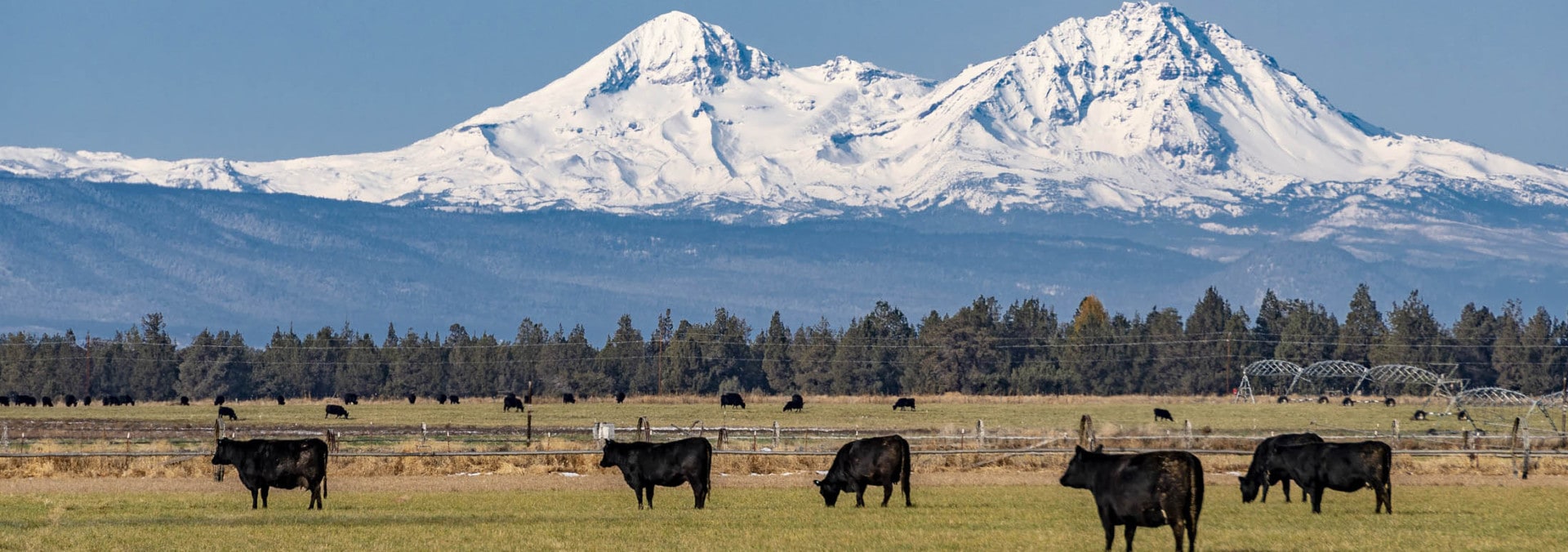
Green Grass Farm
Bend, Oregon
Whether you are looking for your first or last farm, the Green Grass Farm can be the one that fits you. It has all the infrastructure one might need to be an efficient hay farm and/or a place to graze livestock, as well as a comfortable place to rest and enjoy family and friends. Boasting a two-bedroom, two-bathroom home, a detached shop with a heated tack room and a bunk room, a multi-use barn, a hay barn, and Cascade mountain views, this property hits all the marks.
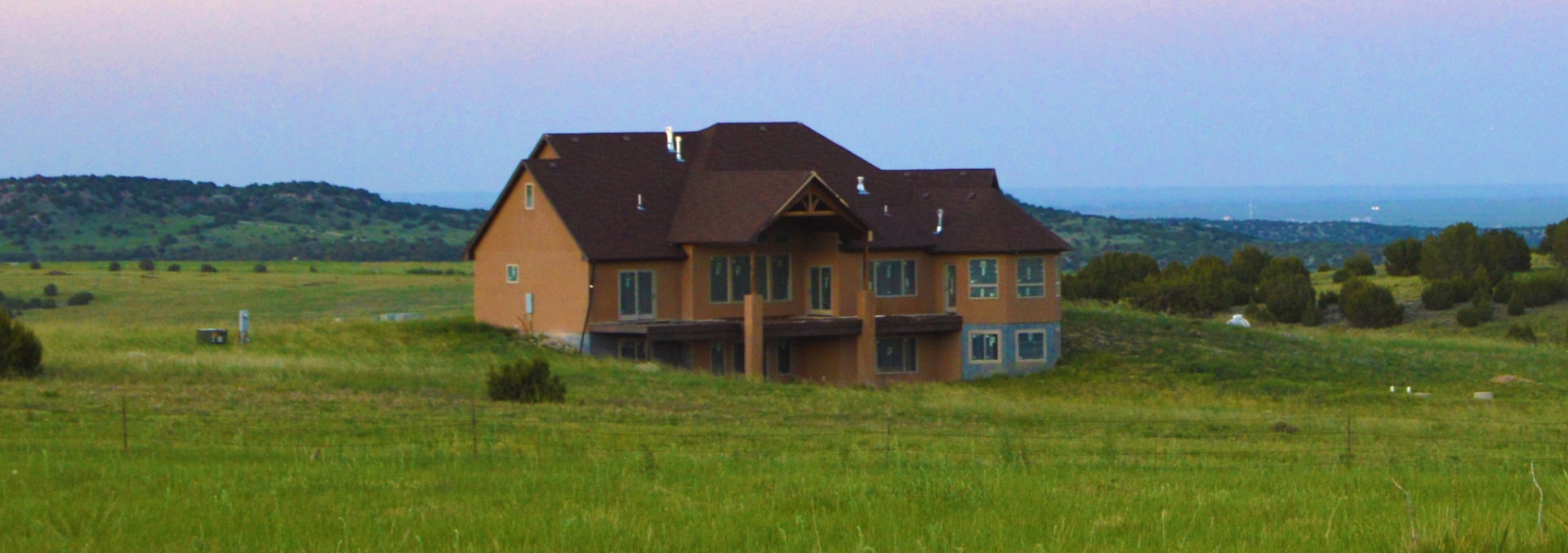
Painted Sky Ranch
Beulah, Colorado
This ranch in Colorado offers the perfect opportunity to buy a spectacular building and finish it with the details you desire. The water well, septic, power, and propane are already in place. The building plans are available to the buyer to help make the completion of the project a bit smoother as they make their dreams come true. Spectacular mountain views, stunning sunsets that truly paint the sky, grassy meadows, and a four-season climate make this a fantastic location for year-round living.
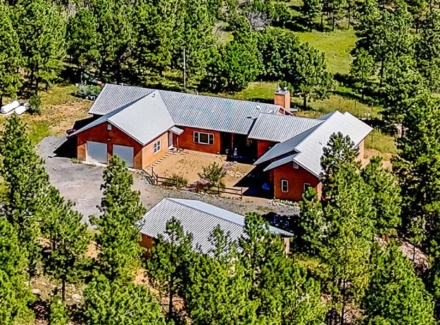
Santillanes Creek Ranch
Las Vegas, New Mexico
This New Mexico ranch spans 13± forested acres near Las Vegas, NM, offering stunning views of Hermit’s Peak and abundant wildlife, including mule deer, elk, and raptors. Majestic ponderosa pines and Gambel oaks create a serene setting with access to the Santa Fe National Forest for hiking, horseback riding, and ATV adventures. The property features a 28′ x 38′ insulated shop with a walk-in cooler, a two-car garage, and a strong well, making it ideal for year-round living or a private getaway.
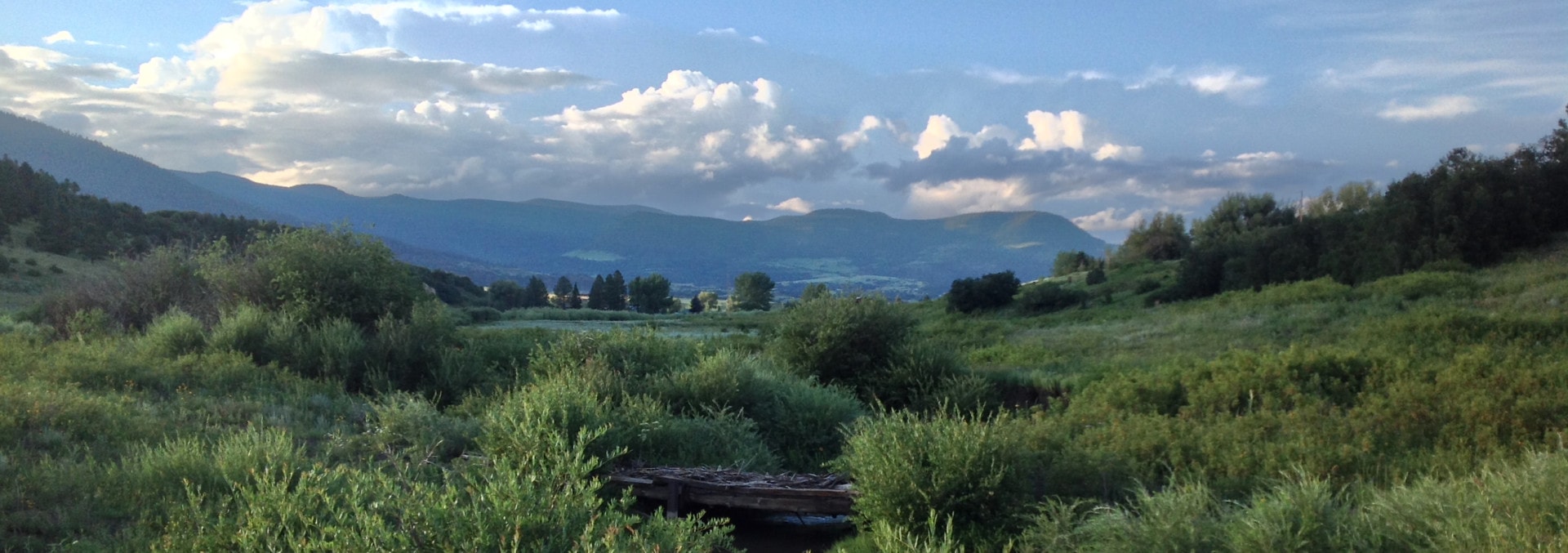
Mora River Refuge
Chacon, New Mexico
This charming Mora Valley, New Mexico property has a one-of-a-kind, well-designed, red iron steel building situated between a state-maintained road and the riverfront. It offers over 5,700 SF of heated living space plus an attached 3-car garage. This house lays the groundwork for your custom choices for a beautiful, solid, open-style large home on the Mora River in the pristine Chacon Valley. This Mora River property offers the most stunning views in northeastern New Mexico among its forest, meadows, and over 1,000 ft of river frontage on both sides.
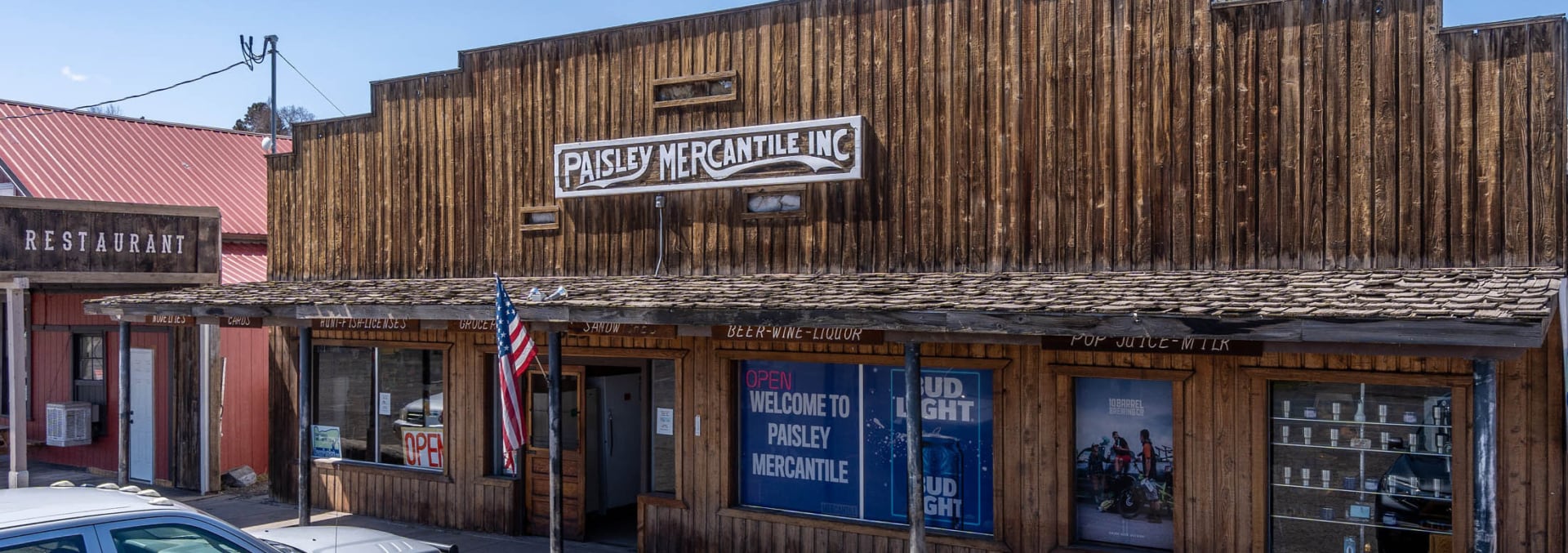
Paisley Mercantile
Paisley, Oregon
Located in the quiet, ranching town of Paisley is a landmark of the area, the Paisley Mercantile. The offering includes The Paisley Mercantile building and business, fixtures and equipment essential to the operation of the business, a quality three-bedroom/two-bath home, and a metal framed and sided shop, all on three separate tax lots. Enjoy a steady income in a quiet rural community or invest in an essential business in rural Oregon from afar.
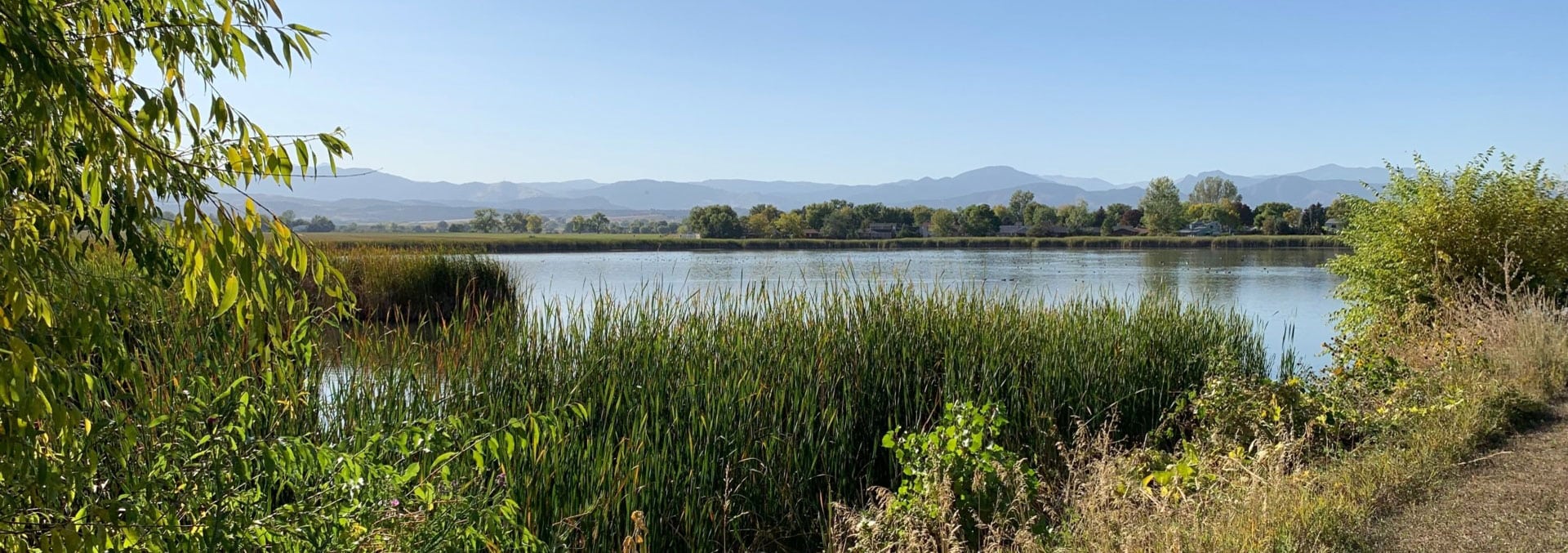
Cattail Pond
Loveland, Colorado
Cattail Pond offers a unique, affordable investment opportunity located on the rapidly growing Front Range of Colorado. Create your dream, fly-fishing sanctuary or retreat, invest in a Front Range fish club, bring your ideas forward, the opportunity awaits. This property offers exceptional value and is priced to move quickly.
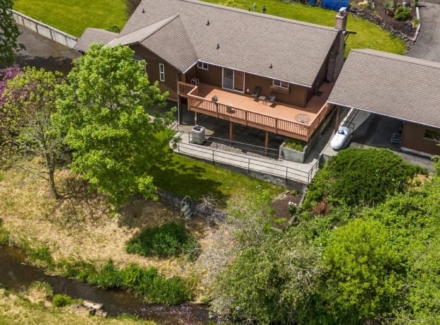
Dillenbaugh Creek Farm
Chehalis, Washington
A rare chance along Jackson Highway near Chehalis, Washington, offers a classic 1976 ranch home with 2,573± sq ft, four beds, three baths, and a deck overlooking Dillenbaugh Creek. The level ground includes a wooden bridge, shop, and outbuildings—ideal for livestock, gardens, or a hobby farm. The creek, pastures, and wildlife set the stage for peaceful rural living. This property blends practicality, natural beauty, and a strong sense of place for those seeking purpose and possibility.

Boulder Creek Gold Mine
Nome, Alaska
Active placer gold mine for sale in Alaska’s Nome Mining District. Just 26 miles from Nome, this turnkey operation includes three unpatented claims, a wash plant, mining equipment, and basic housing. Boulder Creek runs 3.5± miles through the property, with nearly two miles confirmed gold-bearing. Documented gold sales reached $250K. Historic mining dates back to 1902. Strong geology, development potential, road access, and proximity to Nome make this a compelling investment opportunity.
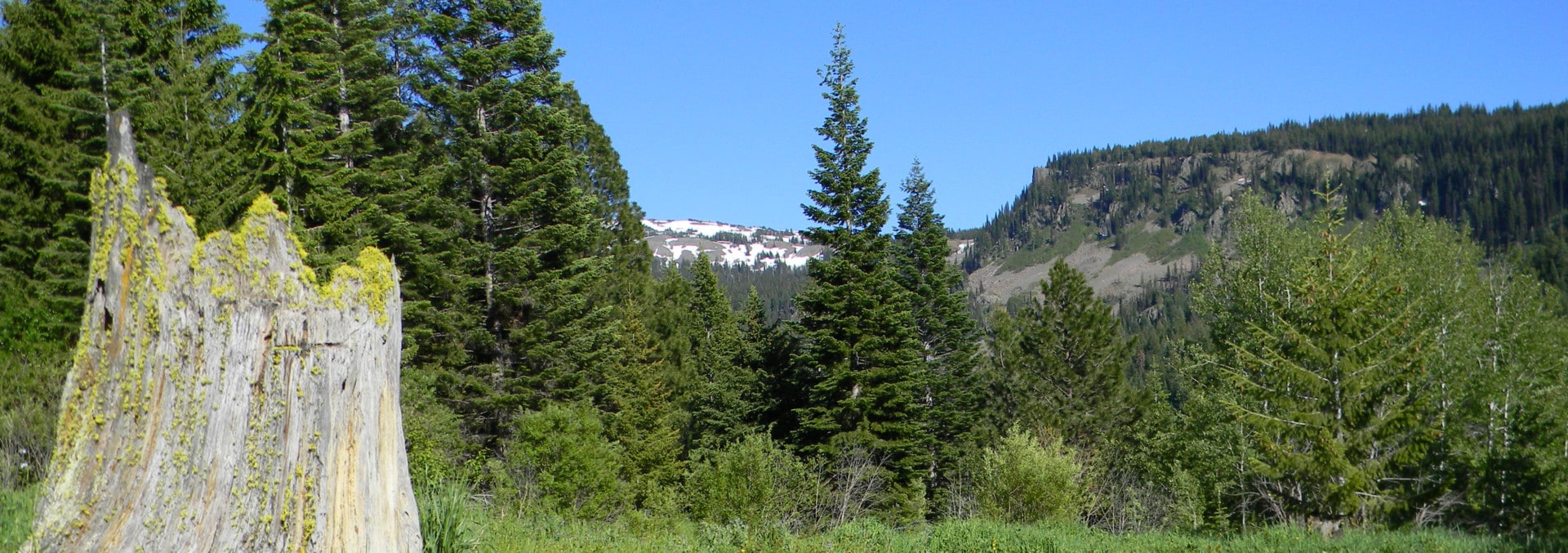
Dempsey Flat Hunting Property
Pollock, Idaho
This sportsman’s paradise has what every outdoor enthusiast desires in privacy and is close to exclusive access to 1,000s of acres of national forest in Idaho. The property and the area offer excellent big game hunting and access to many high mountain lakes to explore. This hunting property offers the ultimate in high mountain access to big game country.

Beartooth Mountain Meadows Ranch
Fishtail, Montana
At 205± acres, this ranch is a clean canvas allowing for the construction of improvements designed to suit the needs of a new owner. The property truly is an ideal setting for the most discriminating buyer with its breathtaking views, rural setting, wildlife, proximity to excellent fishing, nearby public land access for unlimited recreation including hiking, horseback riding, backpacking, camping, hunting and more!
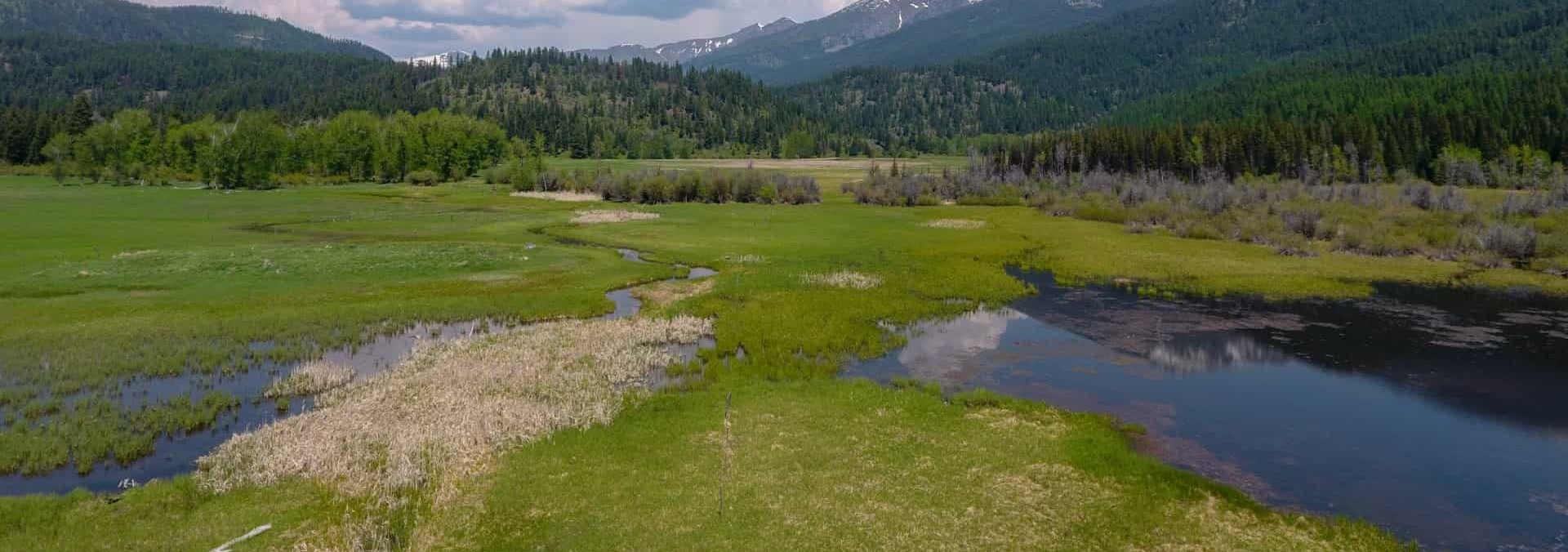
Salmon Prairie Homestead
Ovando, Montana
This 118± acre property is set in the foreground of the famous Bob Marshall and Scapegoat wildernesses. Lush meadows and Aspens create the perfect homesite. This land is part of an intact Rocky Mountain ecosystem that is one of the few remaining in North America. This Montana land is wild, scenic, and breathtaking. This land is part of an intact Rocky Mountain ecosystem that is one of the few remaining in North America.
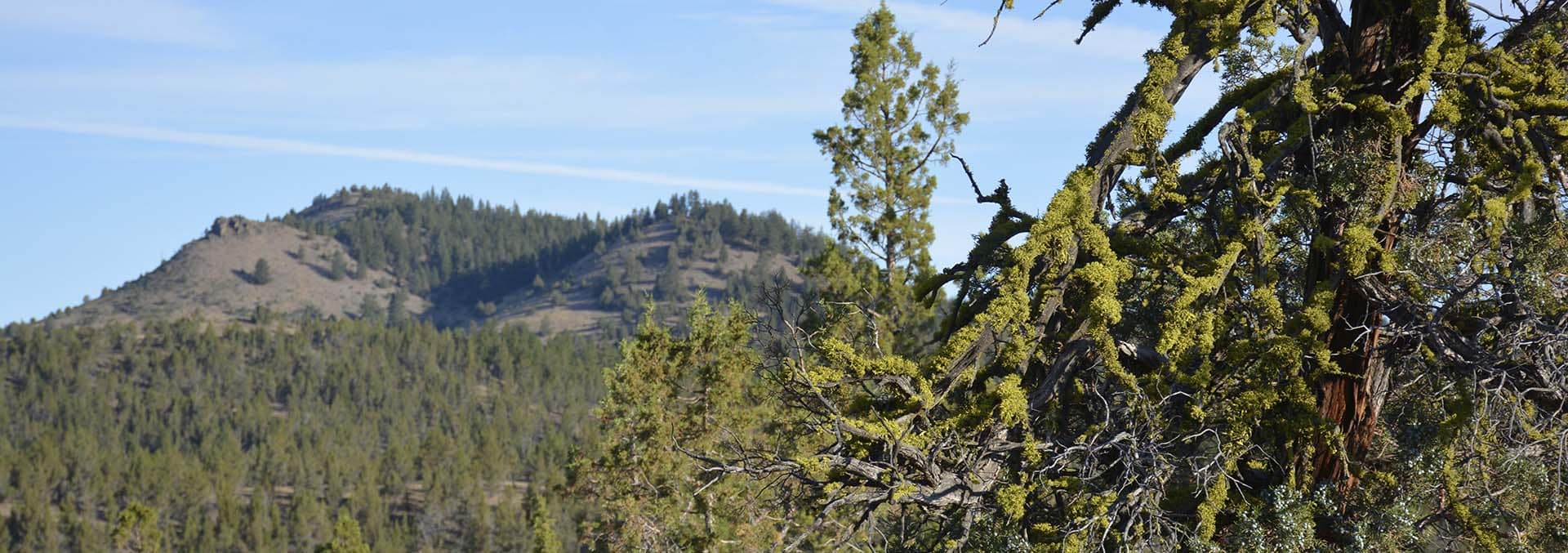
Kuman Creek Hideaway
Prineville, Oregon
Kuman Creek Hideaway is an Oregon outdoor enthusiast’s dream offering endless adventures. Enjoy snowmobiling, ATV’ing, horseback riding, hiking, camping, biking, and more from this property. Or savor sitting by the campfire, relaxing, and breathing in the fresh mountain air. This blank canvas is waiting for you to make it the retreat you’ve been dreaming of. With two landowner preference tags, plenty of wildlife, two seasonal creeks, excellent access, this is the perfect hideaway in the woods.
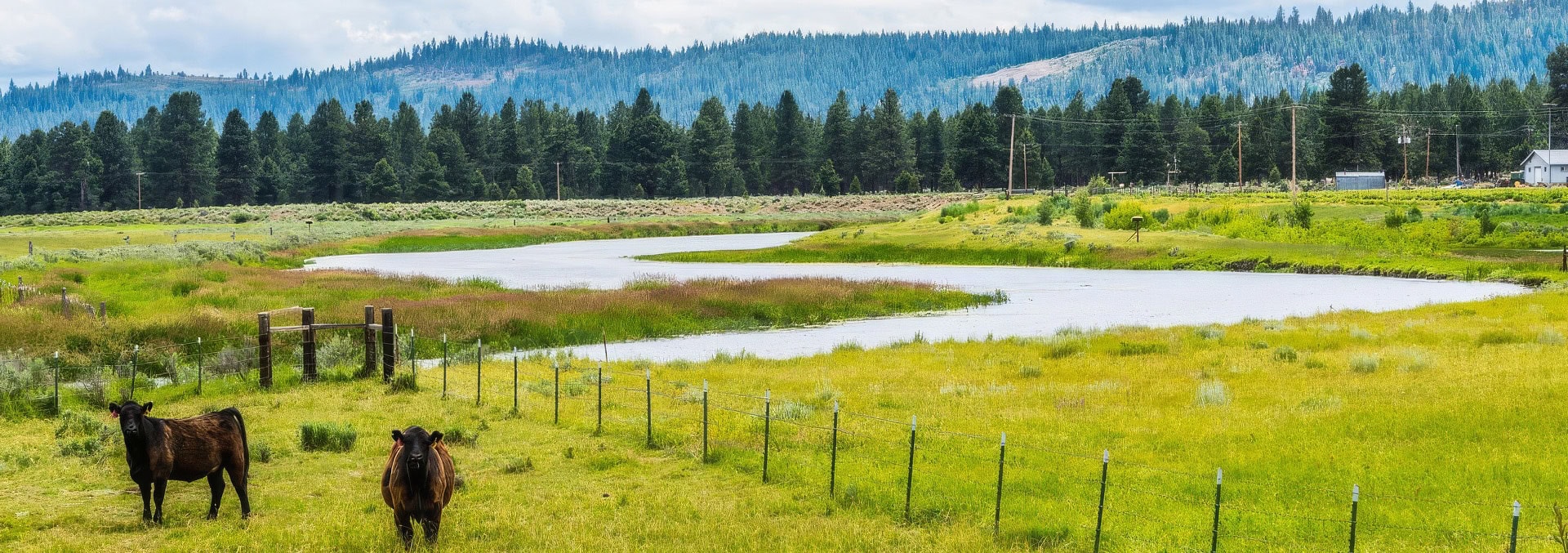
C-7 Ranch
Sprague River, Oregon
The C-7 Ranch offers an exciting recreational opportunity, plus income from cow/calf summer pasture and CREP contracts. The ranch lies in a bend of the Sprague River, providing approximately 3.2 miles of river frontage, offering excellent duck and goose hunting, plus fishing and wildlife viewing.
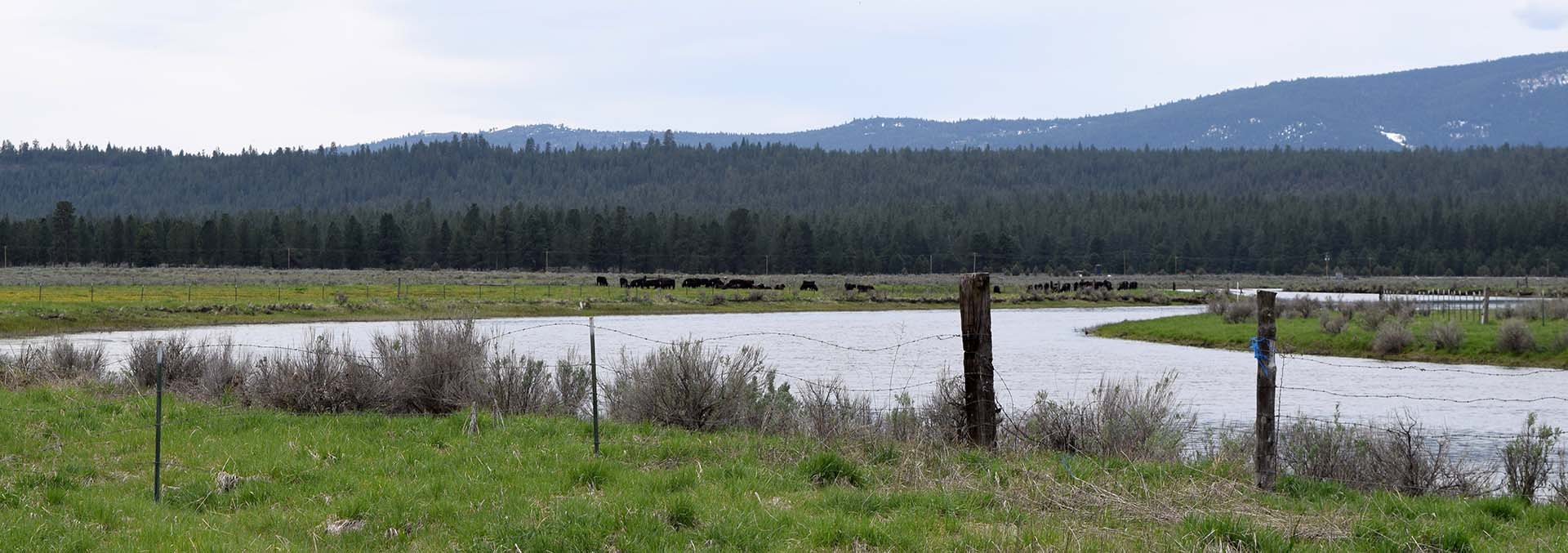
Four J Ranch
Sprague River, Oregon
This Oregon ranch offers an exciting recreational opportunity, plus income from cow/calf summer pasture and CRP contracts. The ranch lies in a bend of the Sprague River, providing approximately 3.2± miles of river frontage, offering excellent duck and goose hunting, plus fishing and wildlife viewing. In addition to fishing the Sprague River right from the ranch, fly fishing the Williamson River, a world-famous trout fishery, is just minutes away.
Hauser Lake View Retreat
Helena, Montana
A unique opportunity to build in a scenic setting with outdoor access and proximity to Montana’s capital, Hauser Lake View Retreat offers mountain and select lake views with rare private dock access just minutes from Helena. This level parcel has year-round access, space for a home and outbuildings, and borders extensive public lands for recreation. Enjoy fishing, boating, hiking, and skiing nearby, with Great Divide Ski Area and premier waters like the Missouri River nearby.
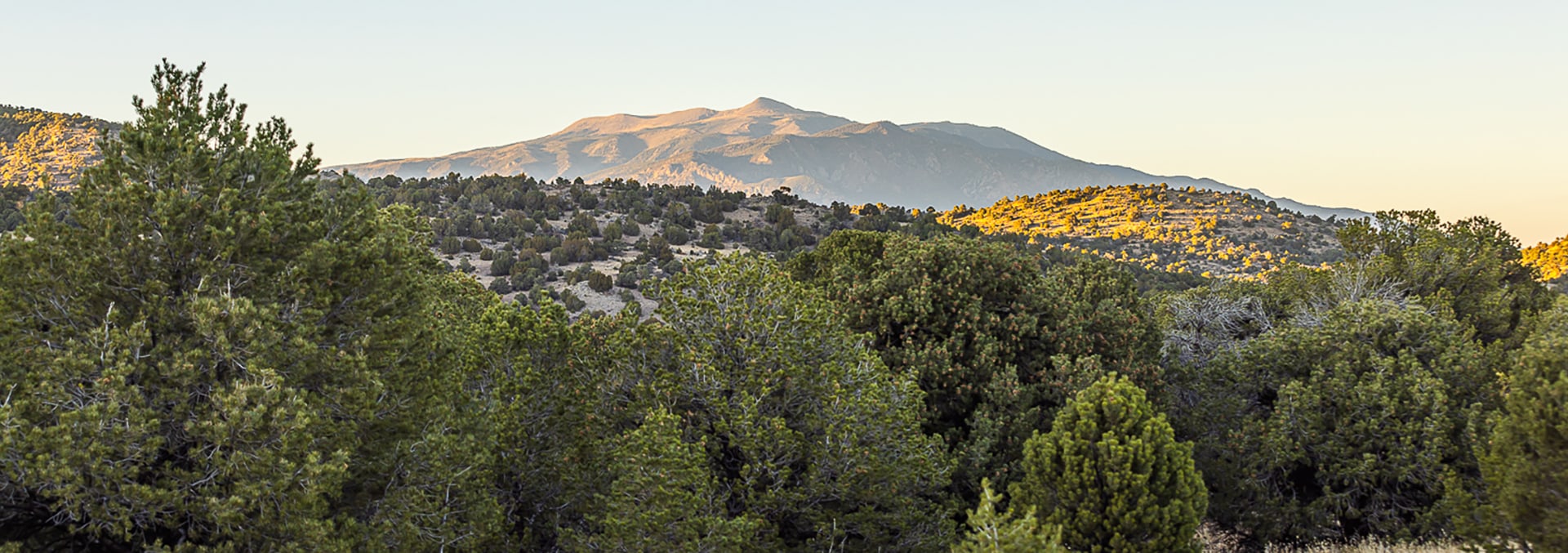
IMN Heaven Ranch
Walsenburg, Colorado
IMN Heaven Ranch is aptly named if you value abundant wildlife, the privacy of a large acreage property, excellent big game hunting, productive water well, expansive, beautiful views, a seasonally mild climate, and easy year-round access in southern Colorado. Hunt elk and mule deer on your own property with private access to a large landlocked 2,000+ acre Bureau of Land Management (BLM) parcel. IMN Heaven remains a blank slate with water, electricity, and a workshop already in place.
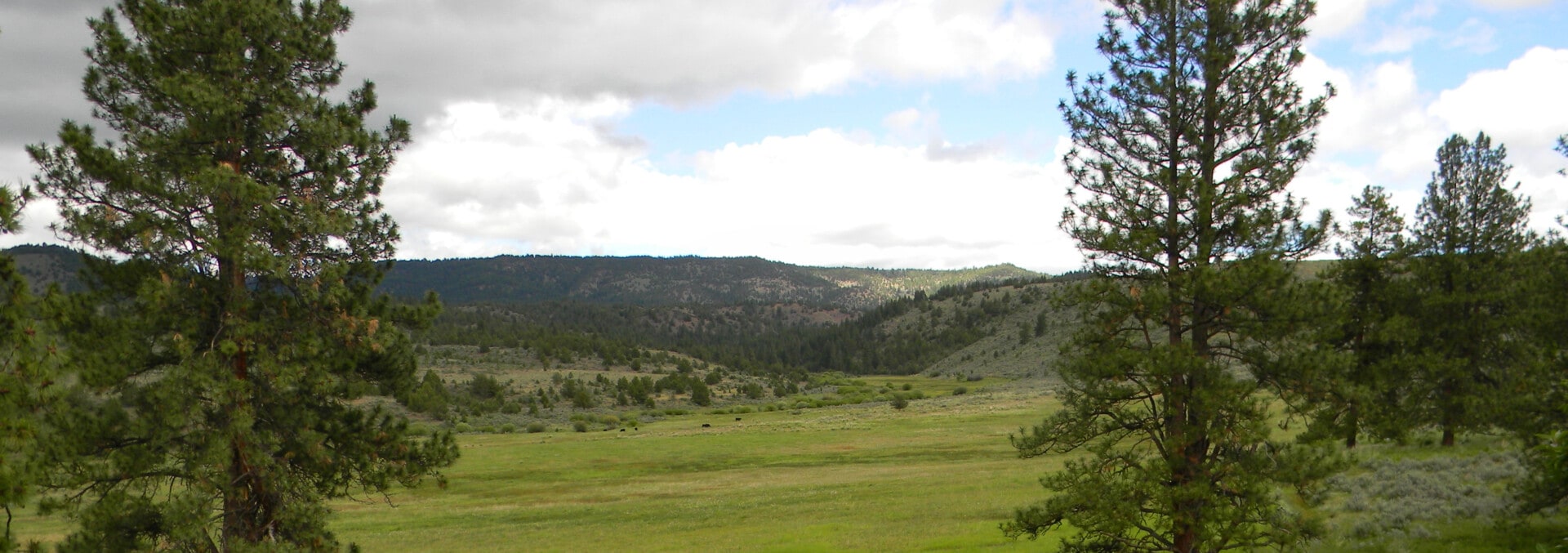
Burnt River Ranch
Unity, Oregon
Located in Eastern Oregon, the ranch provides an exceptional habitat for big game hunting, fishing as well as easy grazing land for horses or cattle.
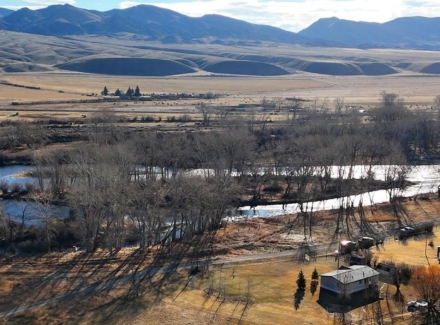
Big Hole River Escape
Melrose, Montana
Escape to your own Montana paradise with this ideal rural property near the Big Hole River, a haven for outdoor enthusiasts. Enjoy endless recreational activities, including hiking, hunting, fishing, camping, and horseback riding. The property features an existing home for immediate occupancy and a vacant parcel perfect for building your dream home or cabin. Surrounded by natural beauty and abundant wildlife like elk, deer, and moose, this is a rare opportunity for a serene rural retreat.
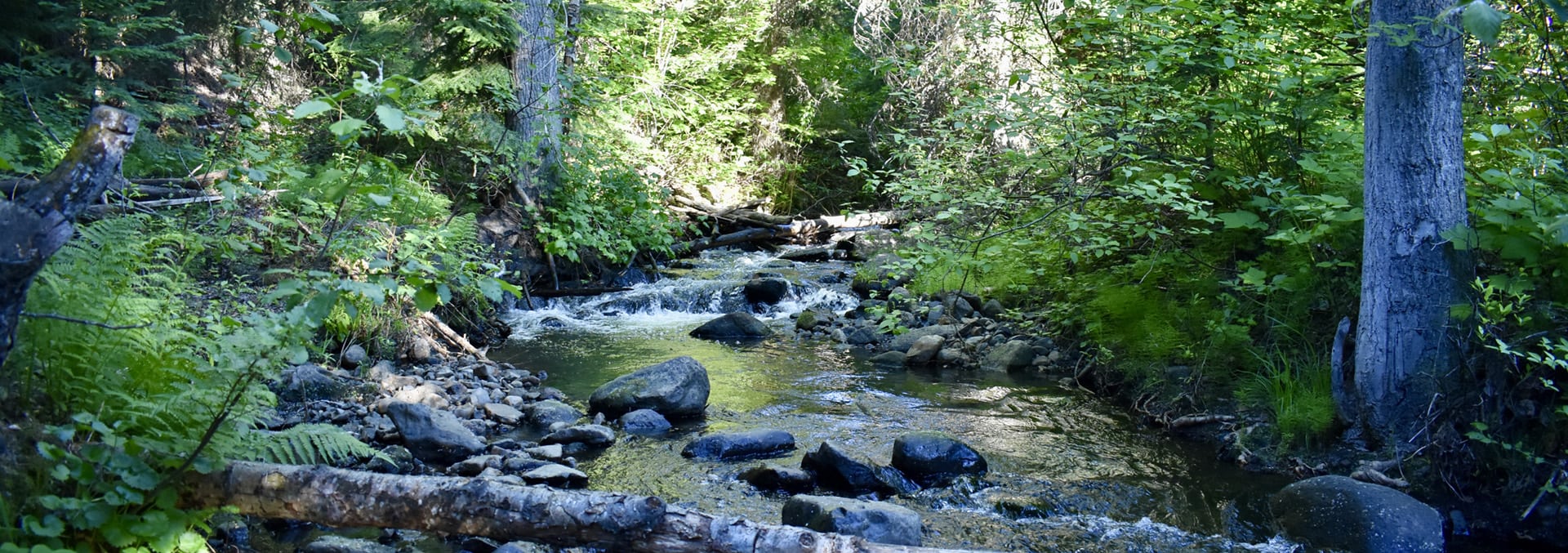
Nasty Creek
Yakima, Washington
With over 600± Washington acres of recreational property, Nasty Creek is like no other. Enjoy the cathartic sounds of Cowiche Creek at one of three well-established campsites as it flows through the middle of the property. Deer, quail, chipmunks, and birds are abundant throughout the property, located just 20± miles west of Union Gap. Nearby are Tampico, Yakima, and the Ahtanum State Forest with ORV trails, camping, horseback riding, mountain biking, and picnic spots on the creek.
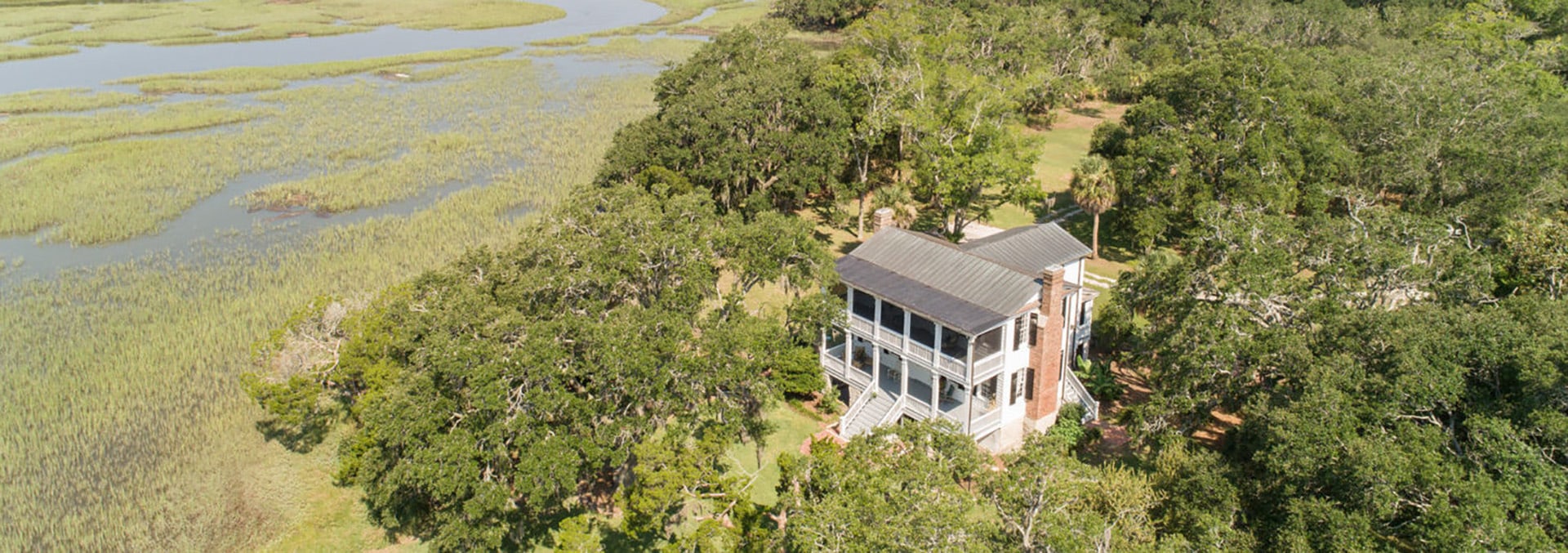
Tombee Plantation
Saint Helena Island, South Carolina
With direct access to the Atlantic Ocean and 3,000 feet of water frontage, this property is ideal for a family or individual seeking an incomparable private waterfront estate. One of the few surviving antebellum plantation houses on St. Helena Island, this property provides the opportunity for southern “dream” living, offering a main house and a guest house situated right on Station Creek.
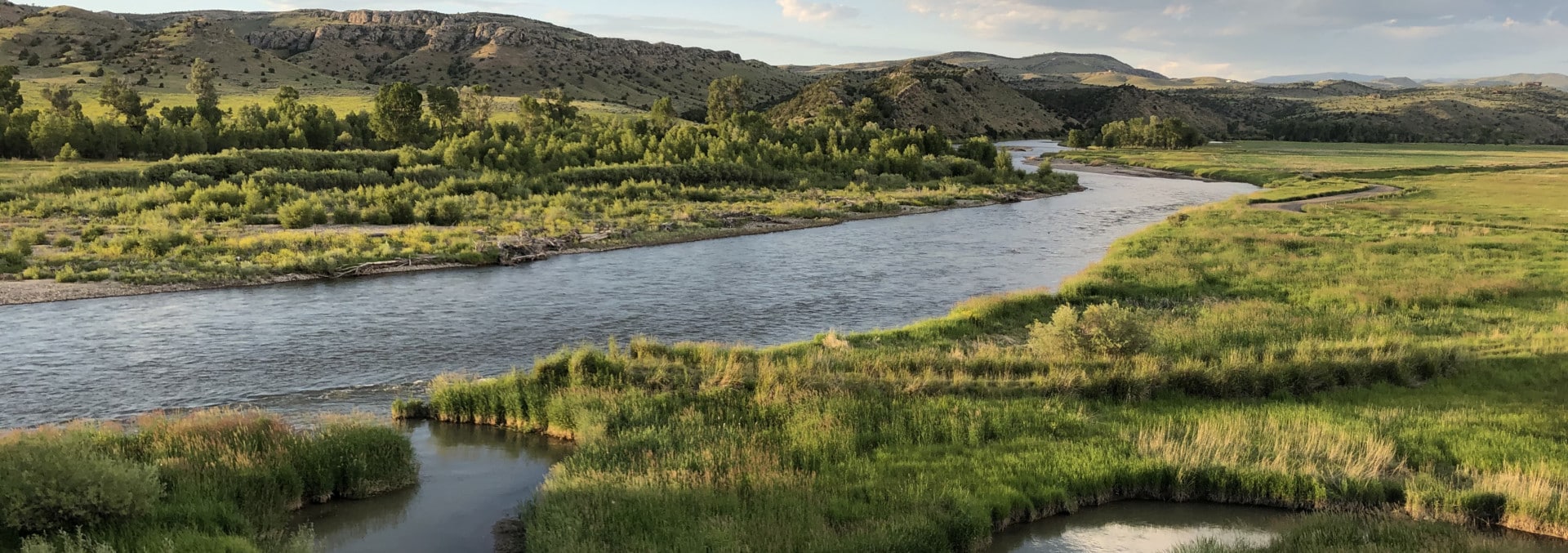
F Double D Ranch
Manhattan, Montana
An evening on this ranch is like no other. It’s a time and place where you can watch hundreds of elk descend from the hills and cross the Gallatin River to feed. Or see whitetail deer grazing on the hayfields and expansive grasslands, or the sun’s last rays dance on the river as it glides beneath the towering cottonwoods. Where you can watch a brown trout lazily rise to sip a mayfly from the surface of one of the three private spring creeks. This ranch is a refuge for fish and wildlife, and a place where families gather to make memories.
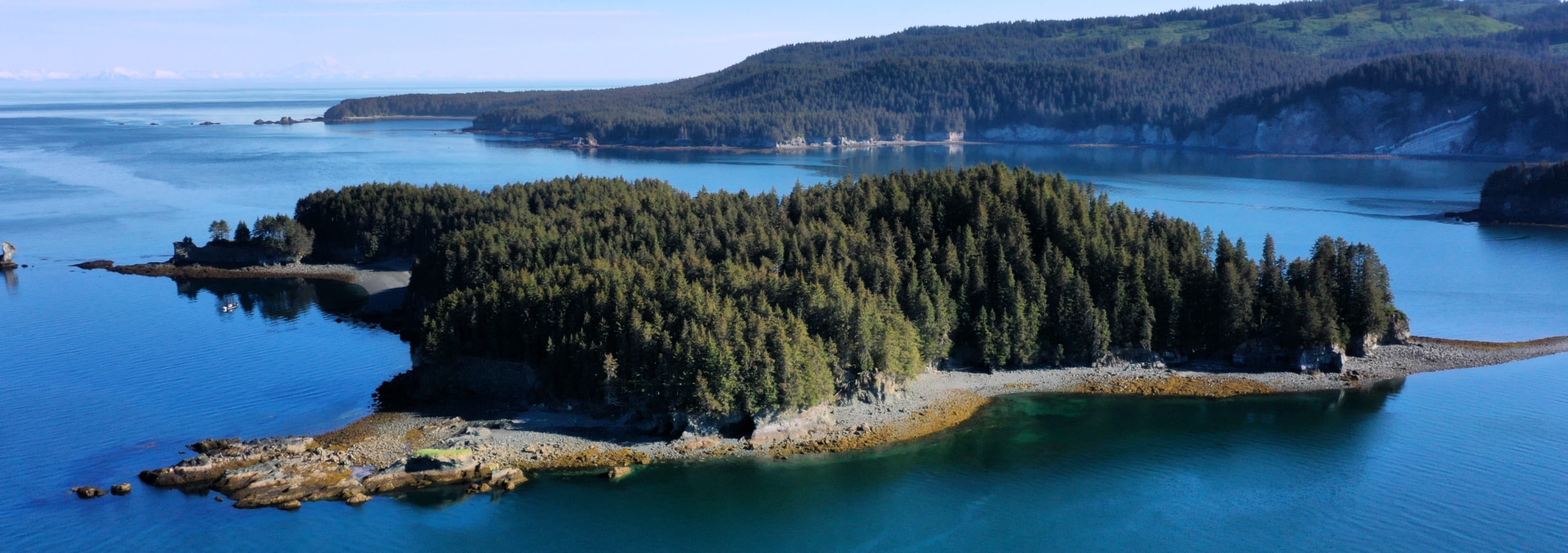
Passage Island & Coal Cove
Seldovia, Alaska
Passage Island and Coal Cove in Alaska’s Cook Inlet offer a rare off-grid retreat. Passage Island, 22± nautical miles from Homer Spit, spans 44± acres with 7,000 feet of frontage, deep water moorage, and 350-year-old spruce trees. Coal Cove, 20± nautical miles away, covers 79± acres with 1,500 feet of frontage and elevated terrain. Rich in history and wildlife, both properties provide unparalleled opportunities for recreation, conservation, and secluded living.
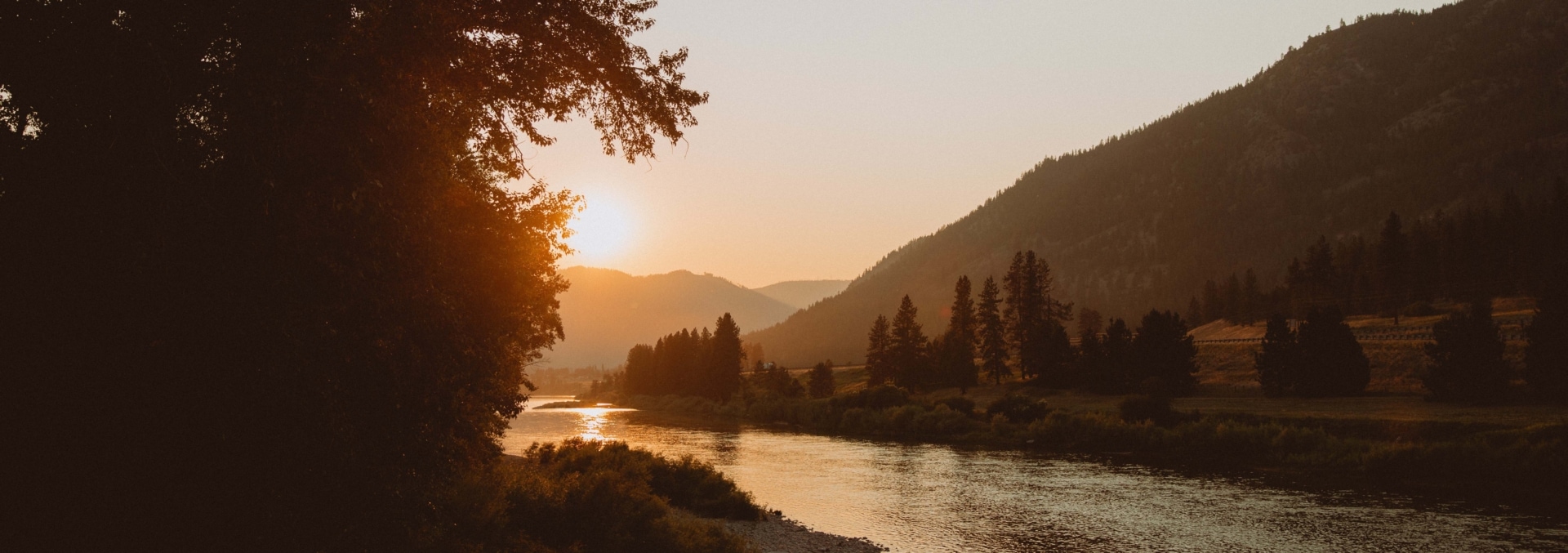
River View Ranch
Alberton, Montana
The River View Ranch is a stunning and versatile property in Montana that offers a wealth of recreational opportunities for nature lovers. Nestled in the foothills of the Bitterroot and Coeur D’Alene Range, this ranch boasts an idyllic location on the banks of the Clark Fork River. With its close proximity to public lands, the ranch presents outdoor enthusiasts with a chance to immerse themselves in a wide range of activities. Seek adventure or tranquility; this property has it all.
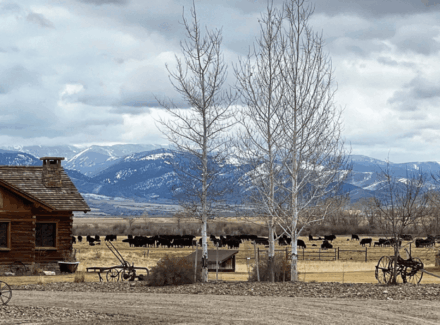
Beaverhead River Cattle Ranch
Twin Bridges, Montana
This property is a perfect blend of a productive agricultural operation and recreational ranch. The Montana ranch is blessed with nearly a mile of the Beaverhead River running through both sides of the property, complemented by additional live water sources from California and West Baker Sloughs. These water systems create lush riparian habitats and fertile pastures, offering excellent opportunities for waterfowl, whitetail deer, and pheasant hunting alongside a substantial grazing potential.
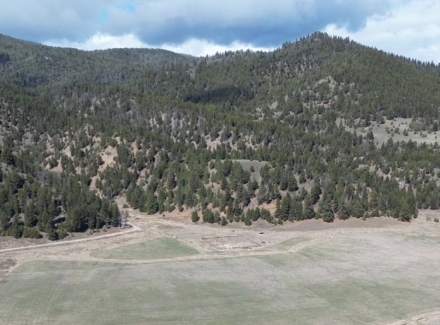
Puller Gulch Ranch Retreat
Philipsburg, Montana
The Montana ranch consists of two parcels totaling 413± acres, located only minutes from Upper Rock Creek, a world-class blue-ribbon trout stream. The retreat is adjacent to thousands of acres of U.S. Forest Service lands, offering excellent hunting right out of the back door. Historic Philipsburg is just a short drive away, and the property provides convenient access to many of the area’s recreational amenities.
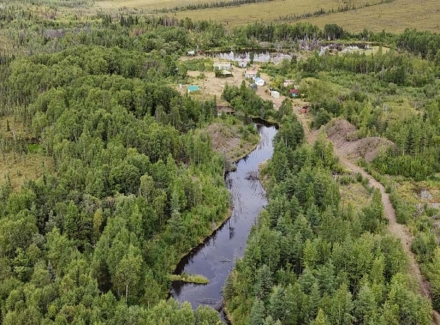
Cripple Creek Gold Mine
McGrath, Alaska
This Alaskan gold mine in the untamed wilderness offers a unique investment opportunity as a gold mine and a hunting camp. Located 46± miles north/northwest of McGrath, this 1,640± acre site in the Innoko Mining District features 72 unpatented claims. With a gold mining history dating back to 1917, the property includes a modern suction dredge, trommel, and various equipment. It boasts a 1,600± foot gravel runway, multiple cabins, abundant wildlife, and a nearby 6,000-foot paved airstrip.
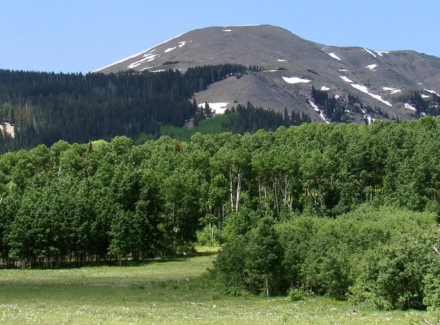
JB Ranch
Moab, Utah
Fay Ranches facilitated the off-market purchase of the 11,000± acre JB Ranch in eastern Utah. Nestled in the La Sal Mountains, this ranch offers premier elk and mule deer hunting. It was recognized as the CWMU Ranch of the Year in 2023 and served as a filming location for Kevin Costner’s Horizon: An American Saga. The new owner plans to maintain the ranch’s esteemed traditions. This sale marks Fay Ranches’ entry into the Utah ranch market.
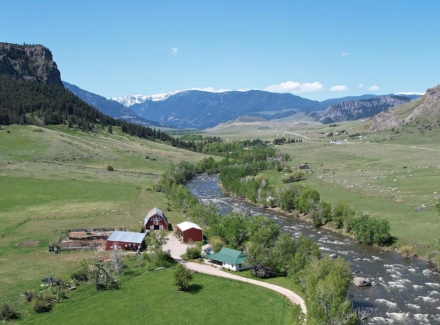
Flying C Ranch
Nye, Montana
This Montana ranch spans 11,177± acres, of which 8,880± are deeded, supporting populations of elk, deer, mountain lions, upland birds, antelope, and black bears. Roughly 3.5 miles of the ranch borders National Forest, which transitions into Absaroka-Beartooth Wilderness and Yellowstone National Park. In addition to 620± acres of contiguous State Land and 1,677± acres of contiguous BLM land, the property enjoys 1.4± miles of pristine Stillwater River frontage for trout fishing.
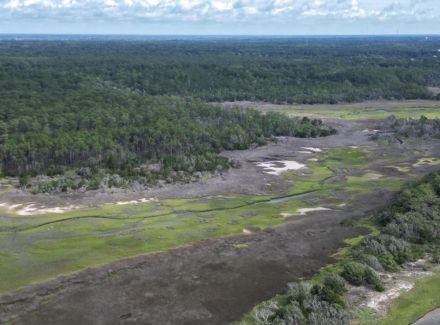
Pawleys Point
Pawleys Island, South Carolina
Pawleys Point reflects the coastal heritage that long drew America’s business elite to South Carolina, where refined simplicity, privacy, and abundant wildlife defined life along the Lowcountry shore. Spanning approximately 989 acres from Kings Highway to the tidal waters of Pawleys Creek, the property offers maritime forest, longleaf pine, wetlands, creek frontage, and limited homesite potential under easement, creating an exceptional setting for recreation, conservation, and retreat.
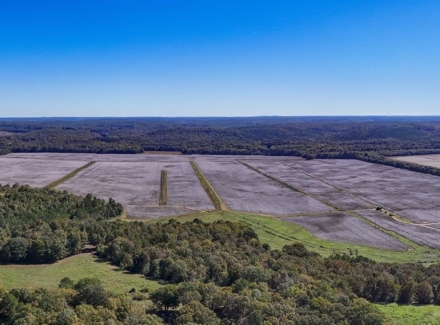
Allsboro Limestone Farms
Cherokee, Alabama
A rare farm and ranch opportunity along the Mississippi and Alabama state line features rolling topography, open land, and documented limestone and gravel potential. The property combines pasture, timber pockets, and irrigated farmland with dependable access, supporting agriculture, cattle grazing, recreation, and long-term mineral development. Improvements include a modest brick home, an equipment shed with power, multiple spring-fed ponds, and year-round creek irrigation.
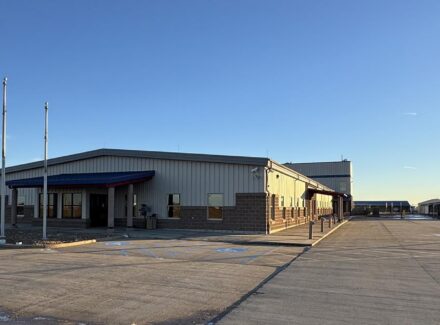
Industrial Office Complex
Dickinson, North Dakota
Fay Land Sales represented the buyer. Four buildings on 3.4± acres deliver 44,037± SF: 33,781± SF offices, 3,256± SF shop, and 7,000± SF open-air garage. Built 2007–2013 with metal/steel frames and 6-inch concrete floors, it includes a heated shop, three 16.5′ x 18′ drive-in doors, and 8′ security fencing with auto gates. 80 offices, 17 conference rooms, training space, city water, natural gas, separate meters, plus FF&E for turnkey operations. High visibility, flexible layout, and room to grow.
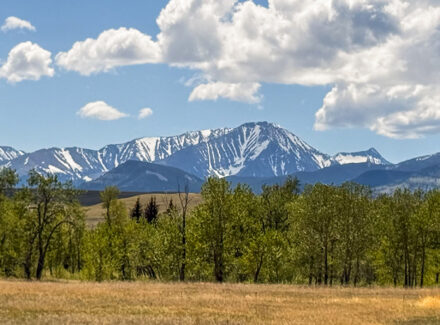
Crazy Views Ranch
Big Timber, Montana
Nestled beneath the dramatic Crazy Mountains of Sweet Grass County, Montana, this exceptional ranch delivers a rare combination of high-capacity agriculture and world-class recreation. Over 2,000± acres of irrigated ground, supported by ten center pivots, anchor a serious ag operation backed by substantial infrastructure. Two miles of live trout water and diverse wildlife habitat attract elk, whitetail, turkey, and more, making this a true sportsman’s paradise in the heart of Big Timber country.