Farms for Sale
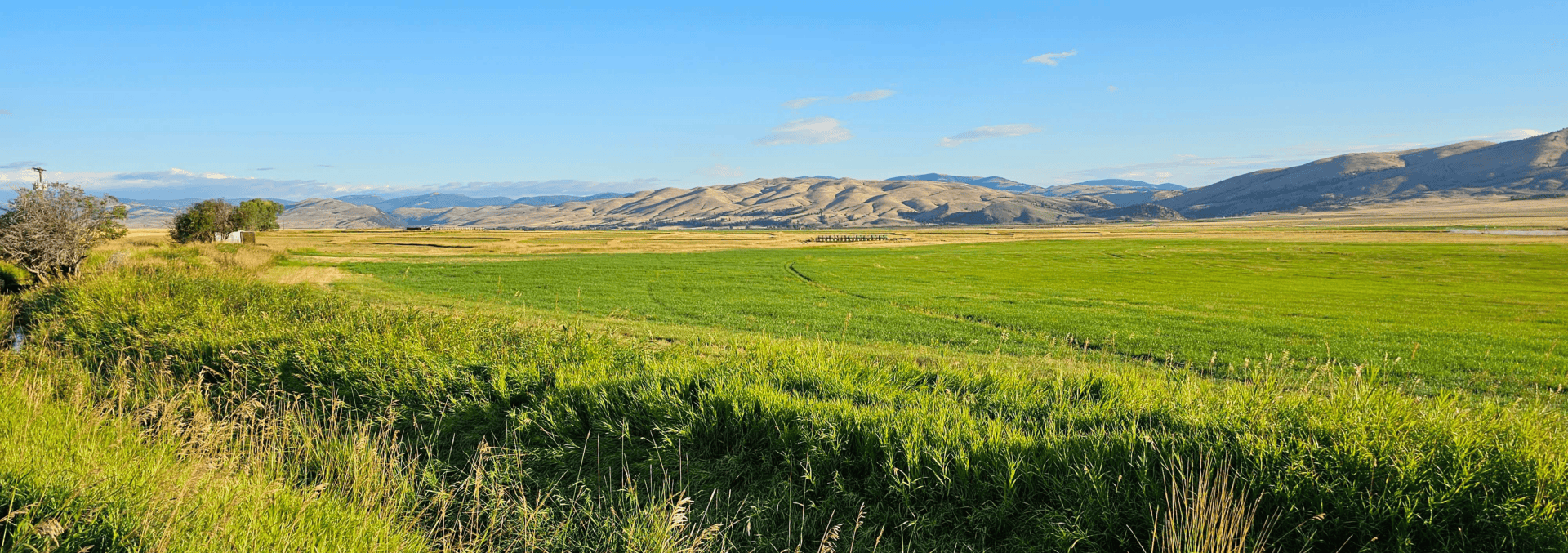
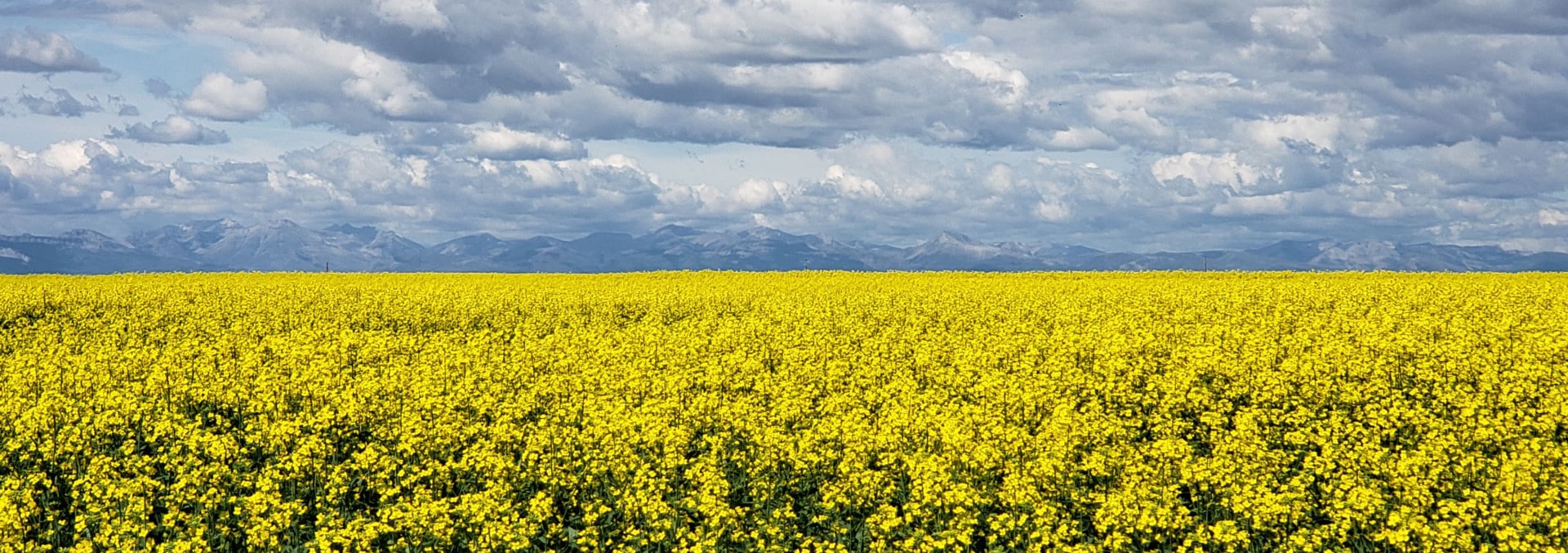
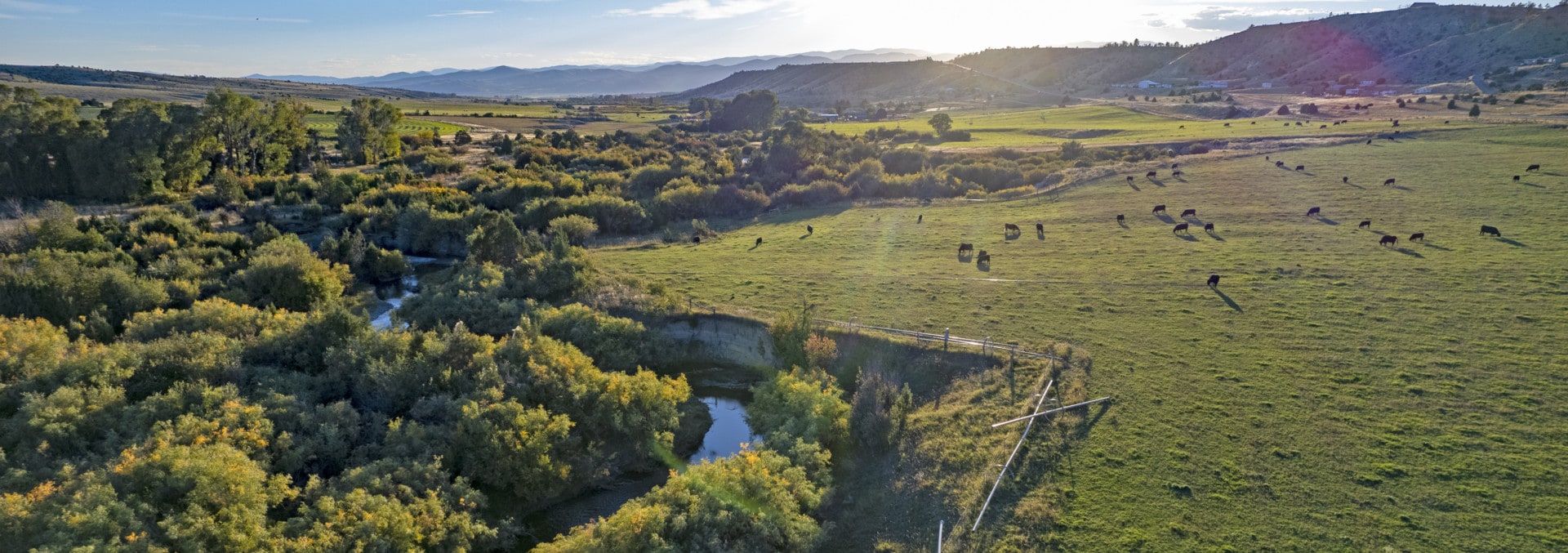
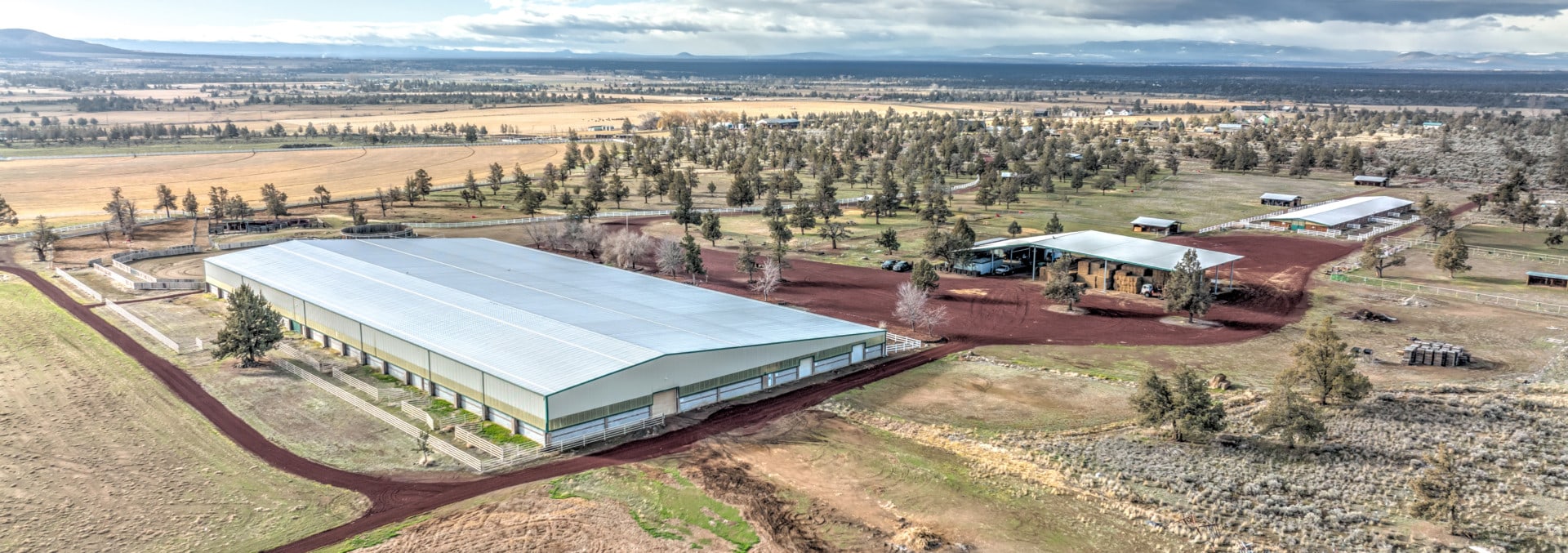
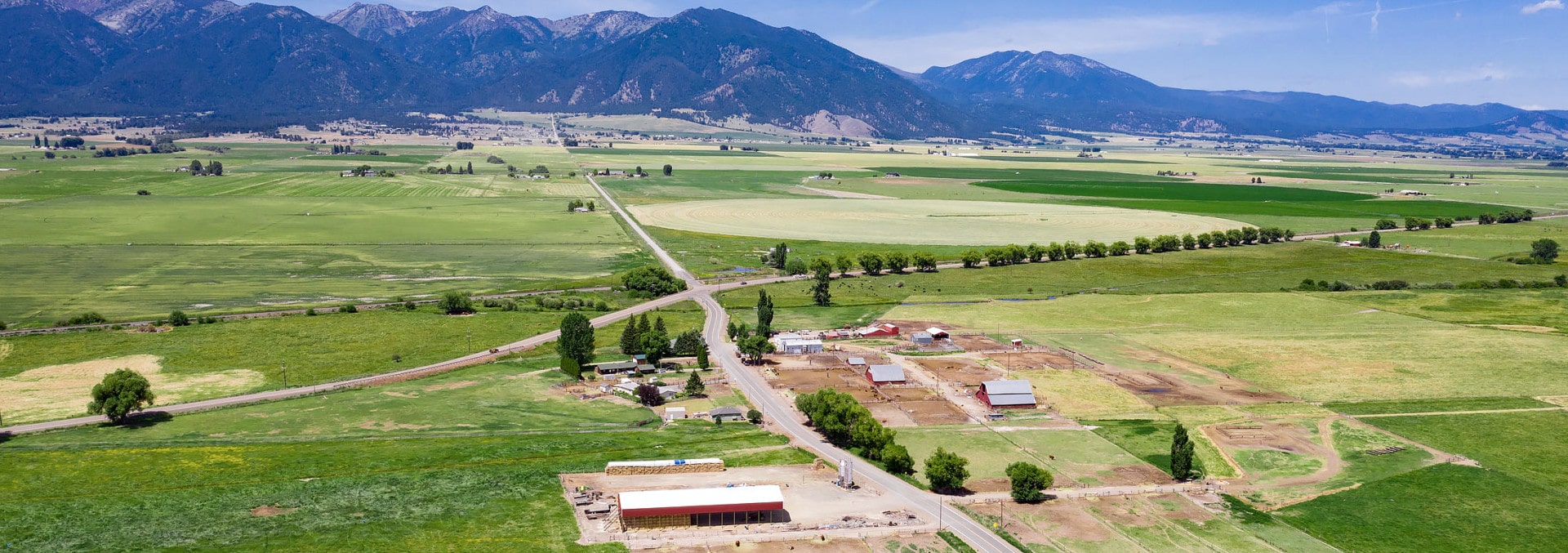
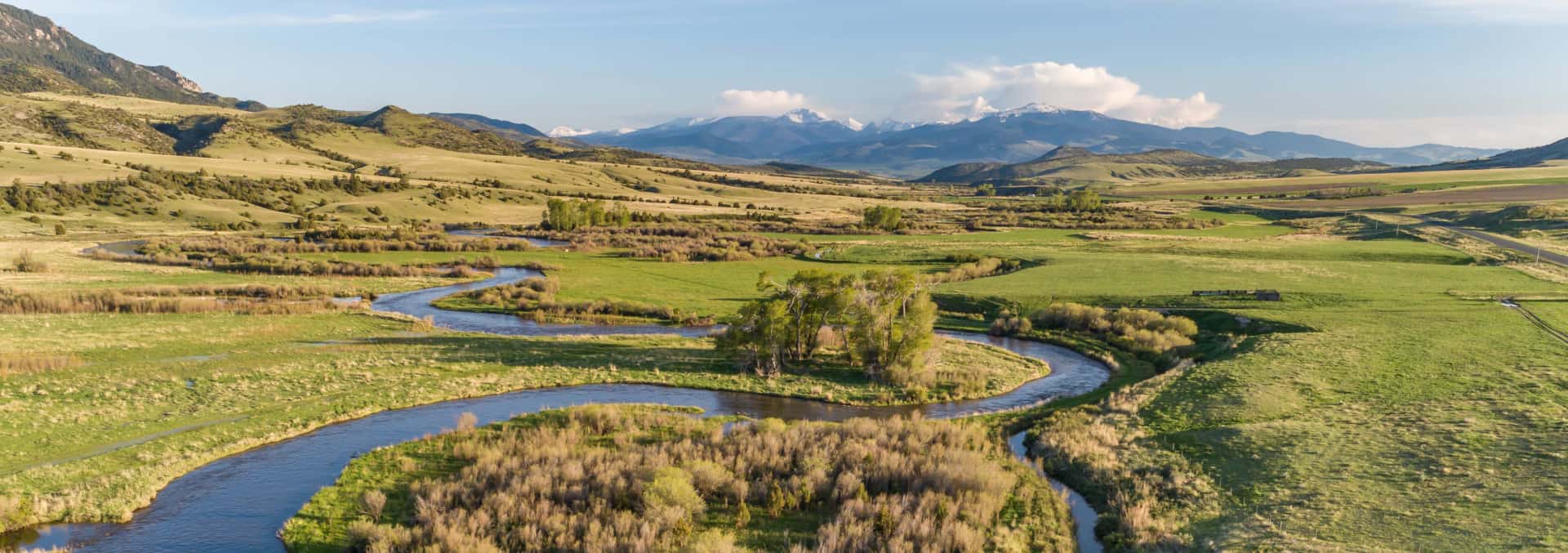
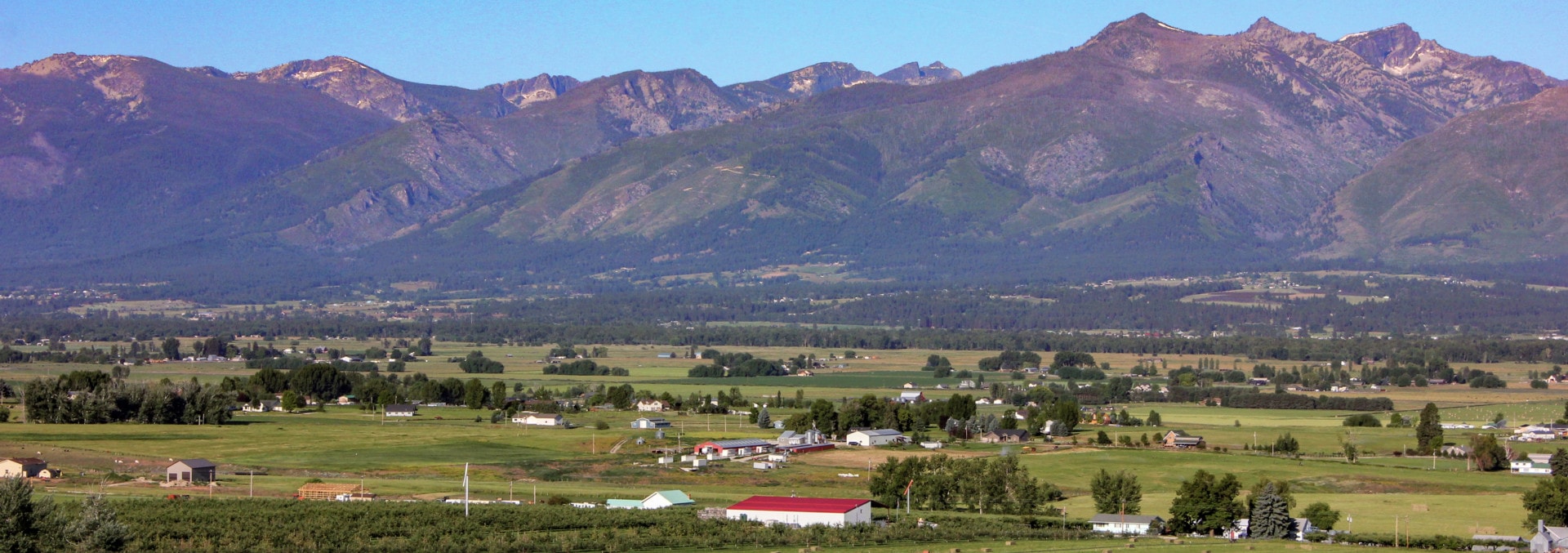
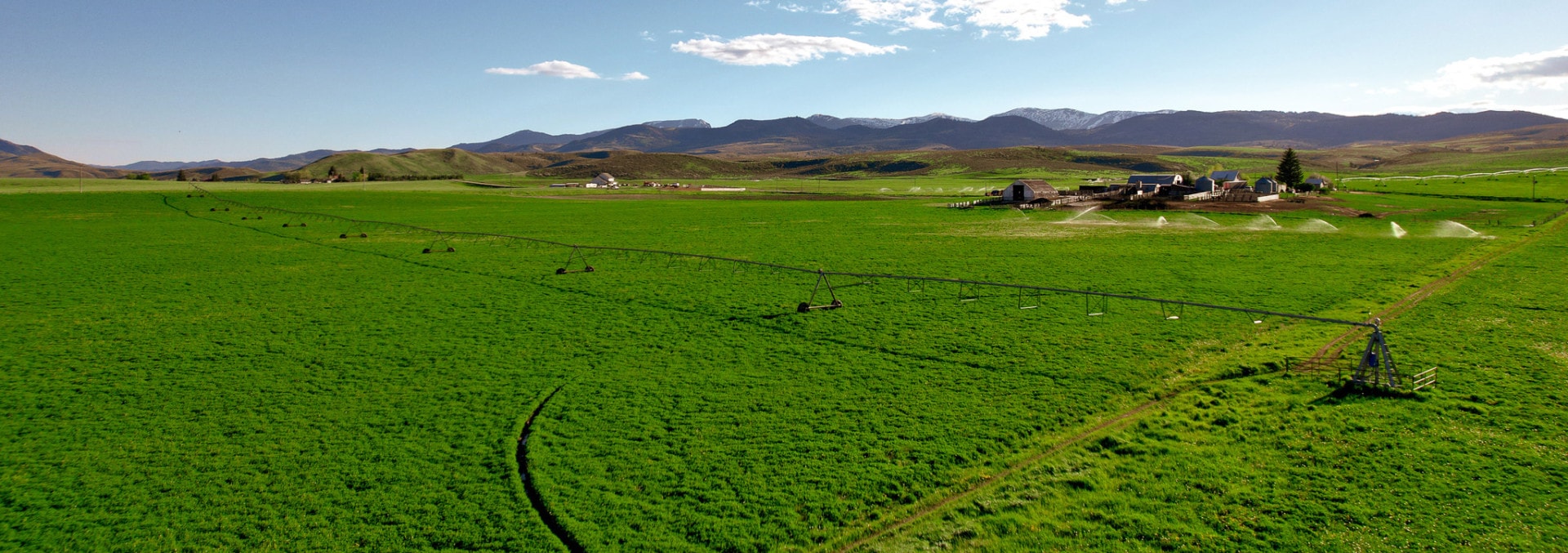
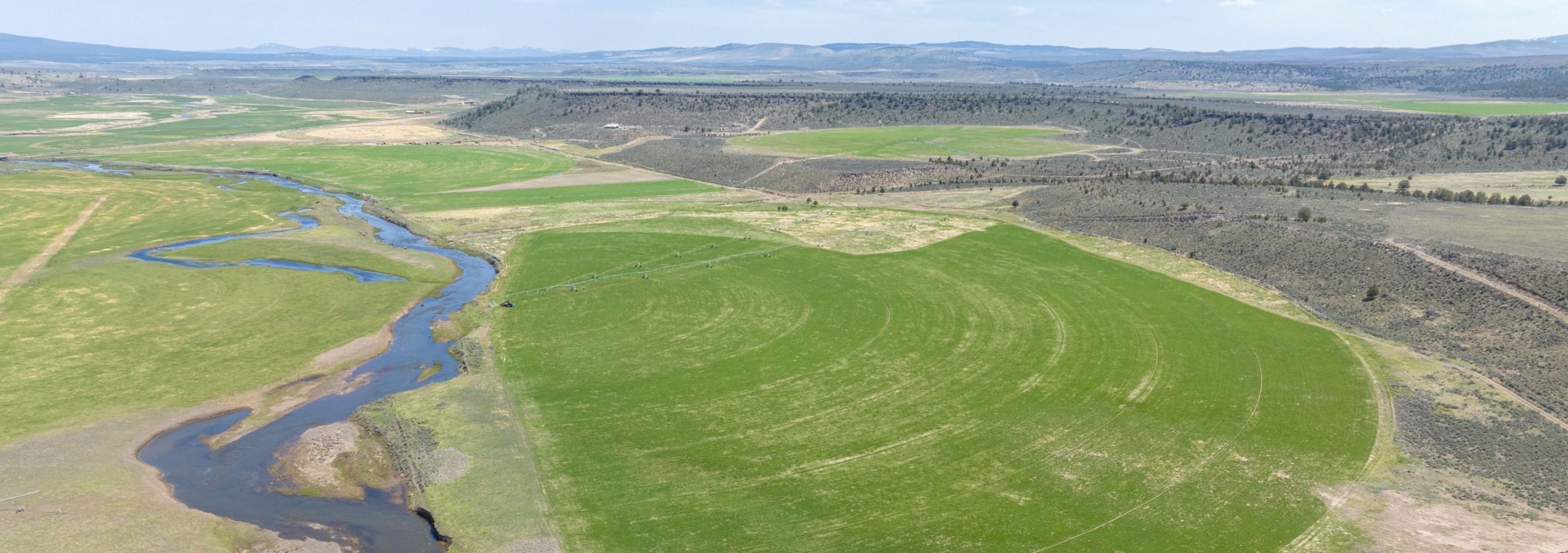
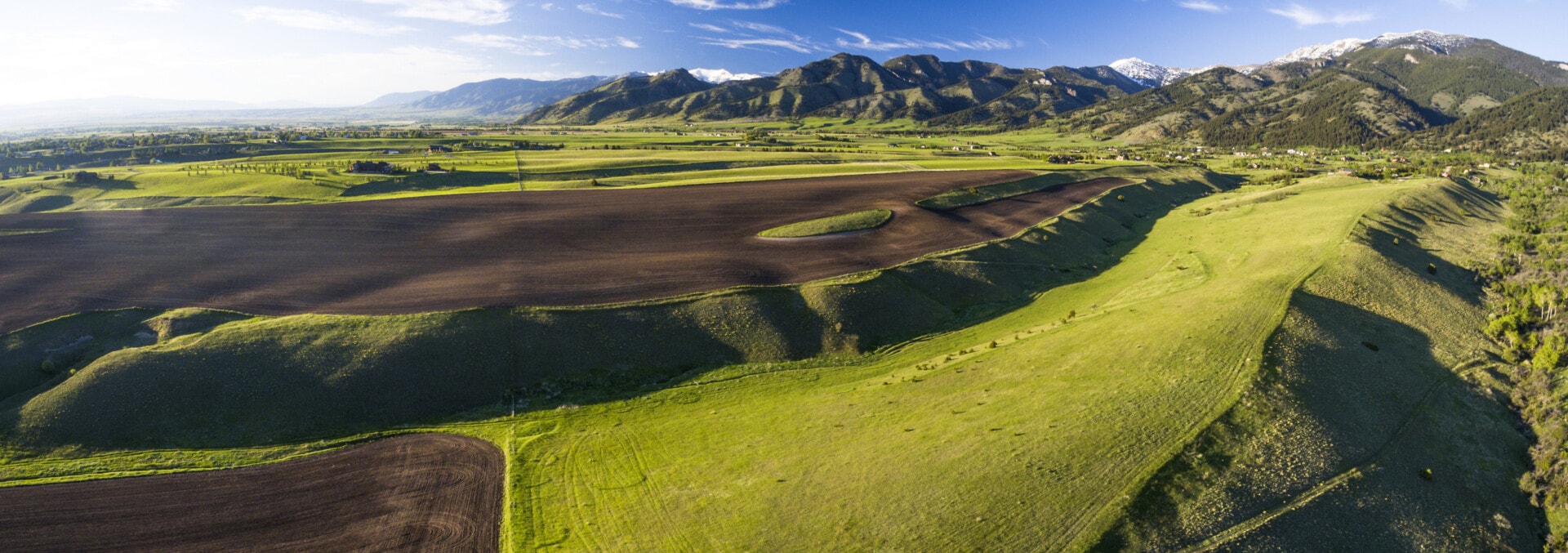
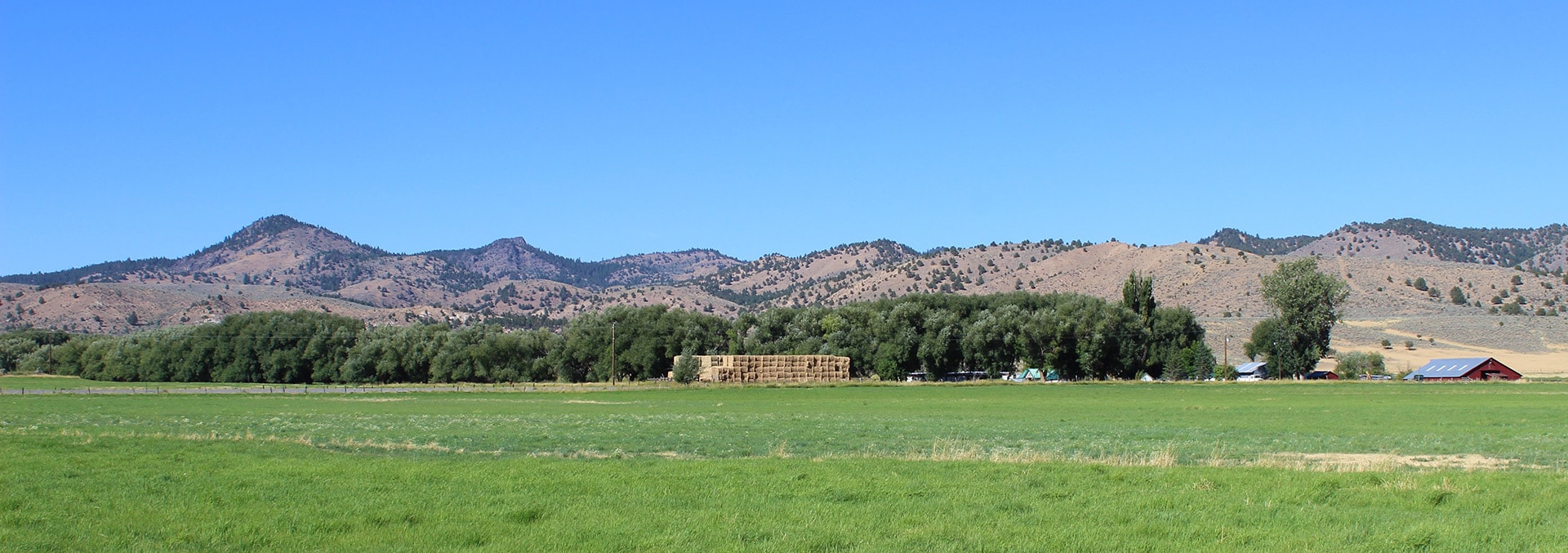
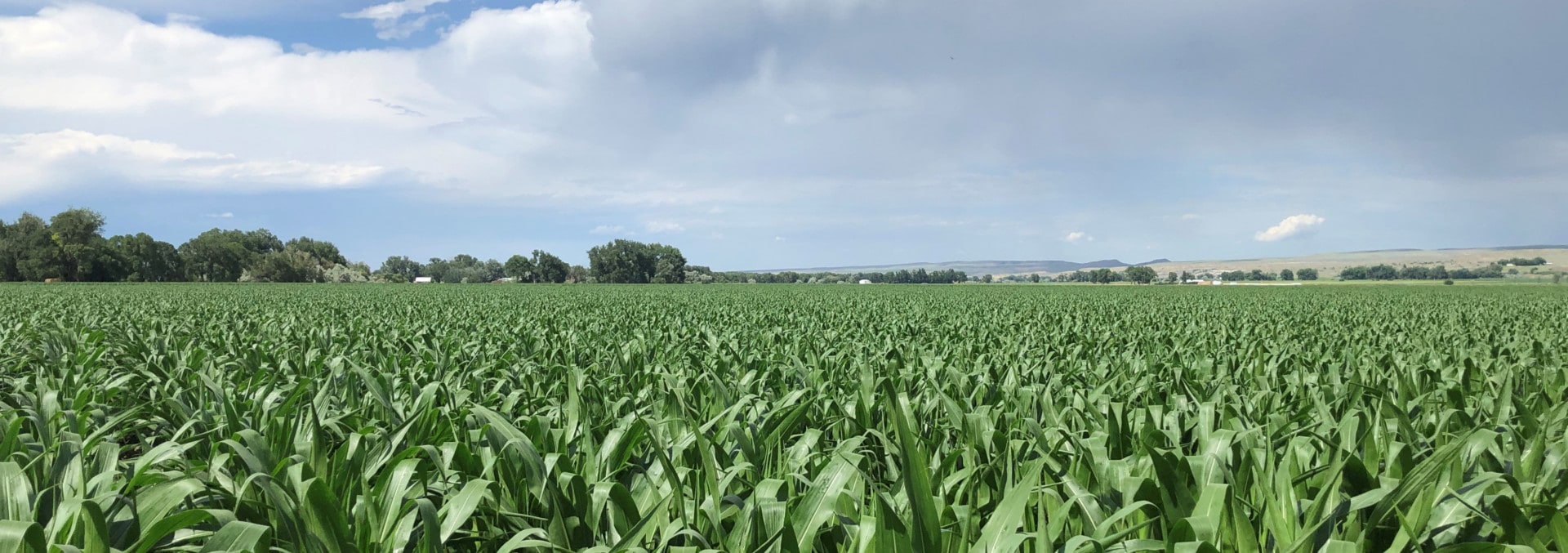
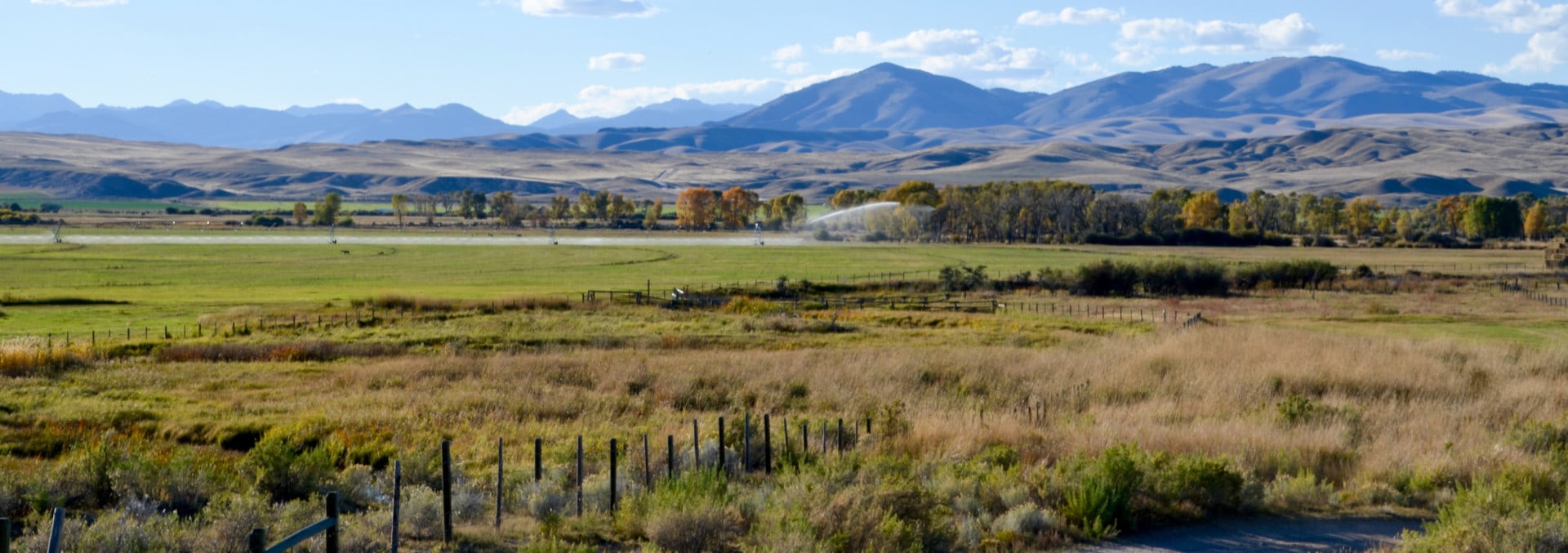
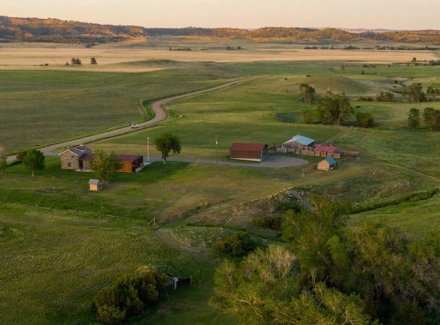
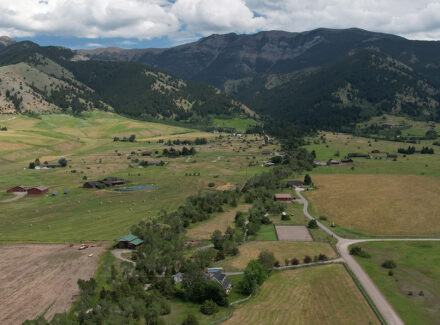
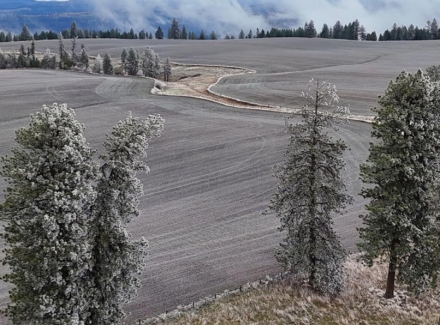
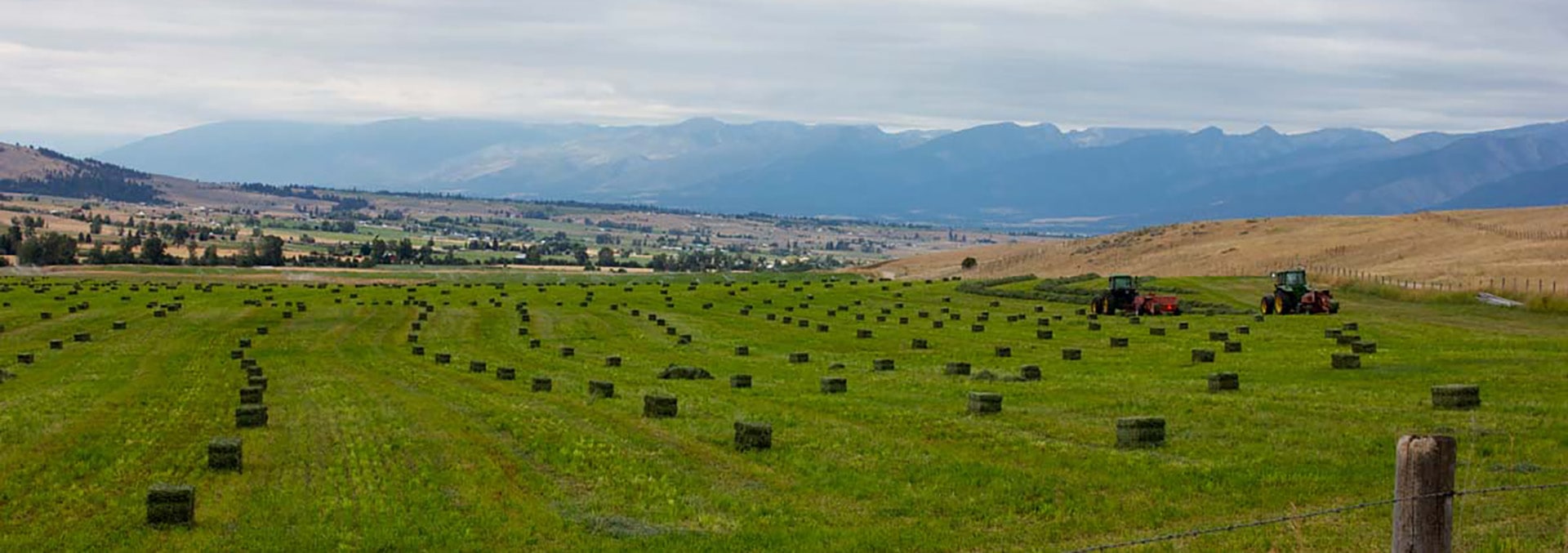
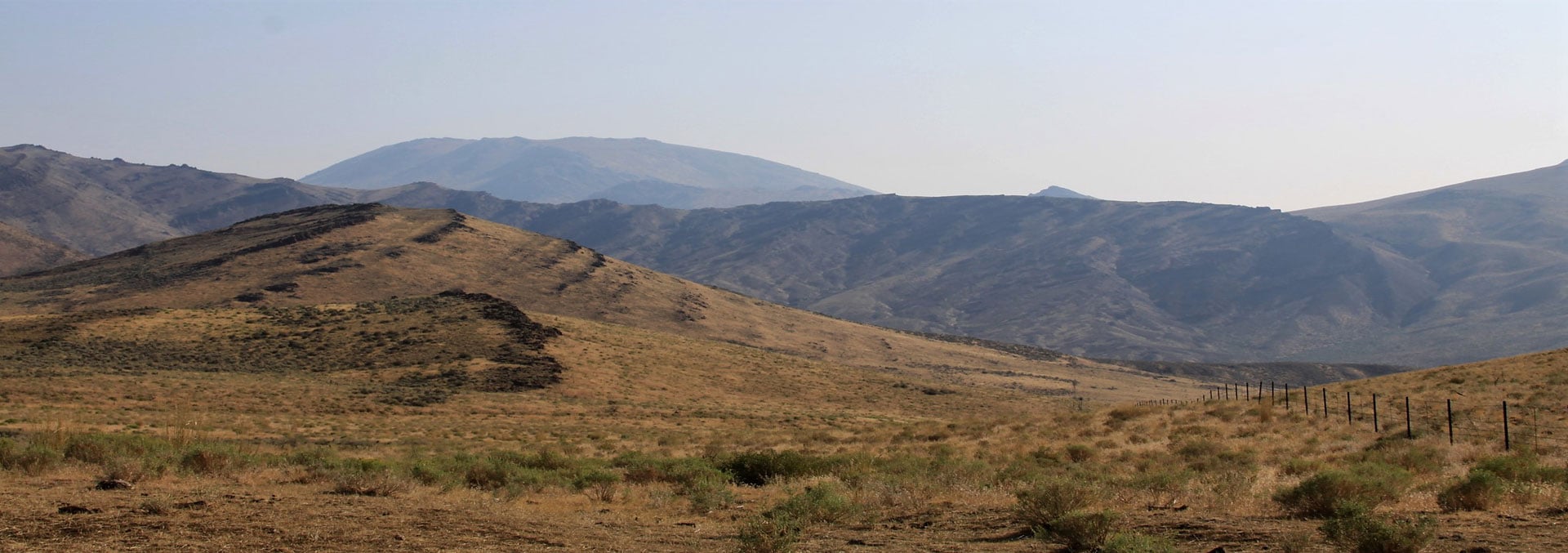
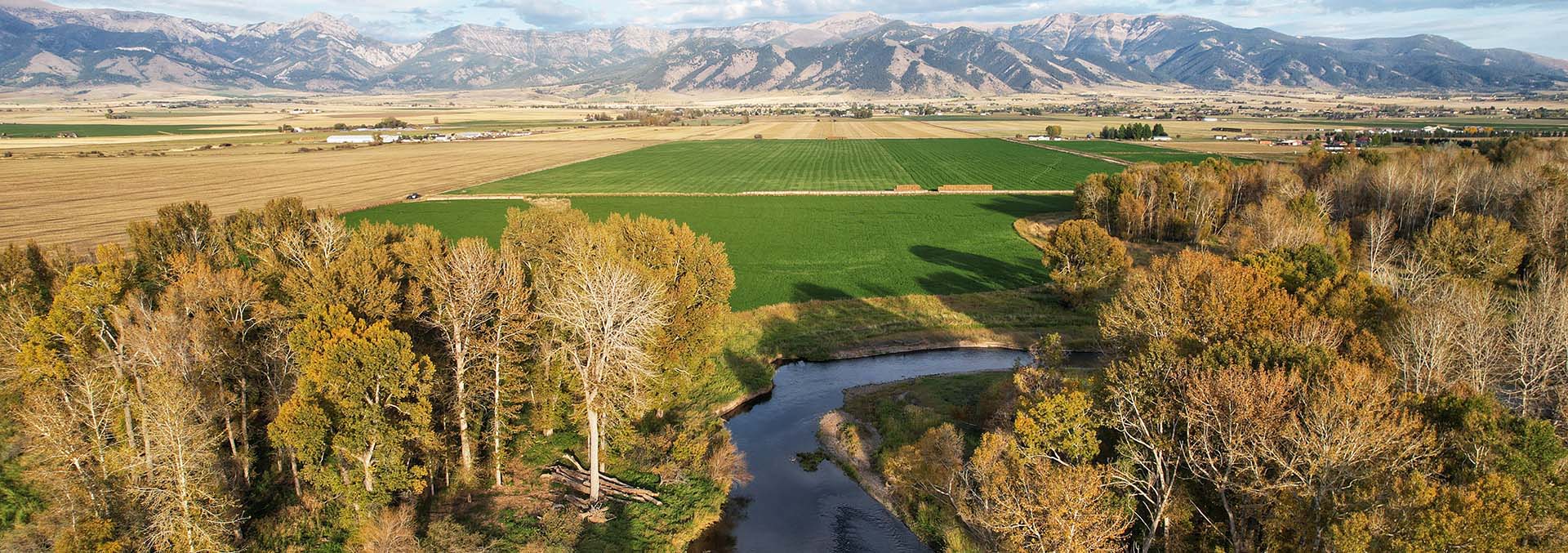
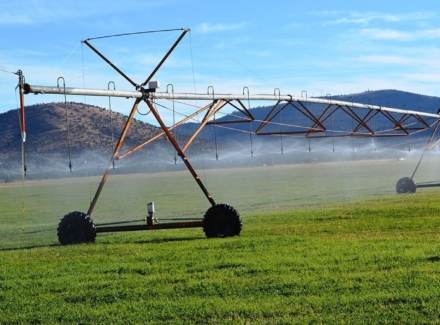
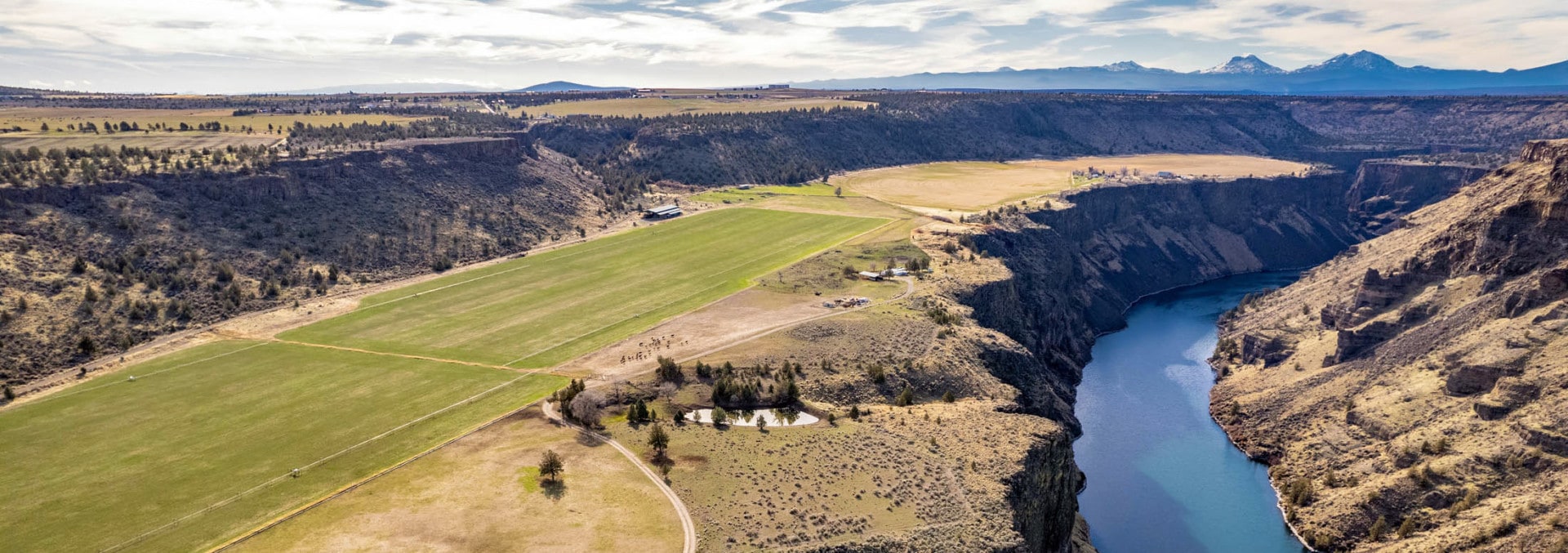
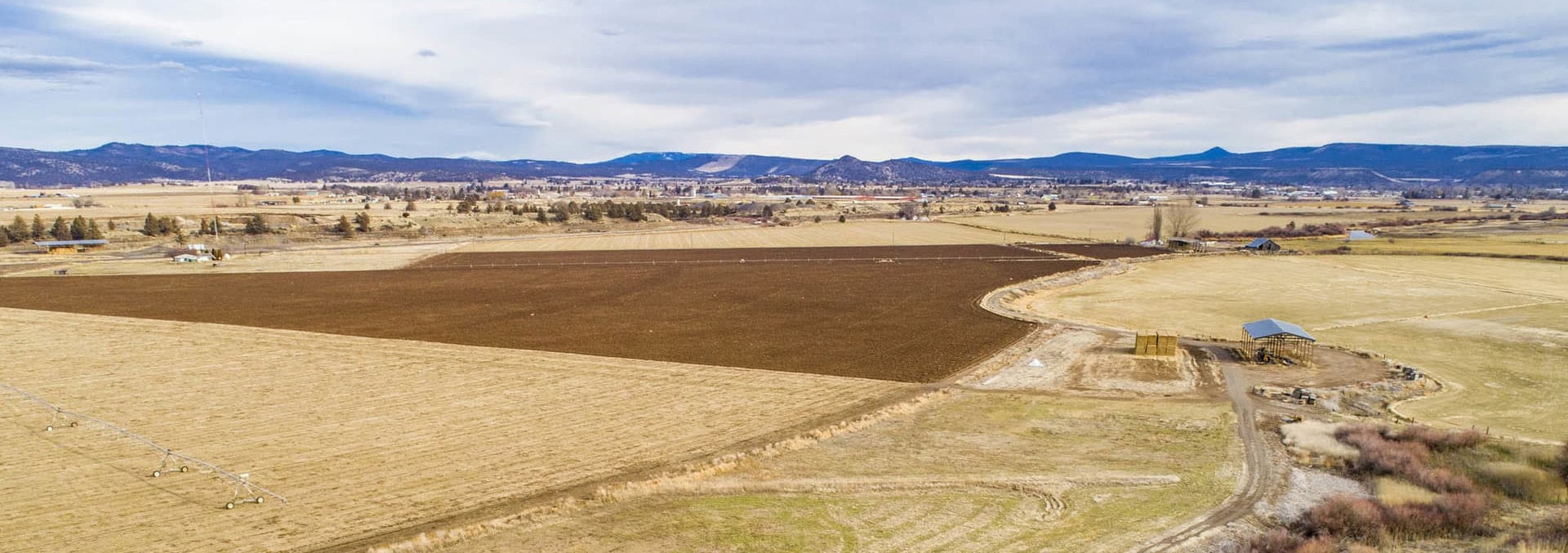
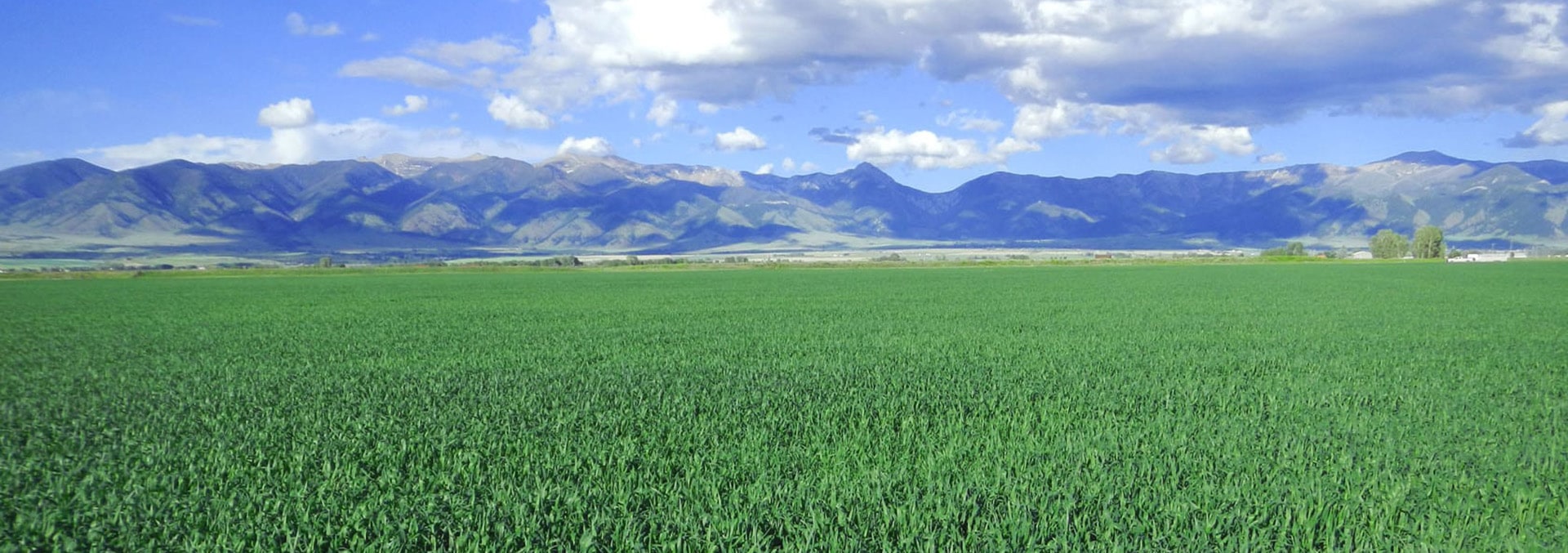
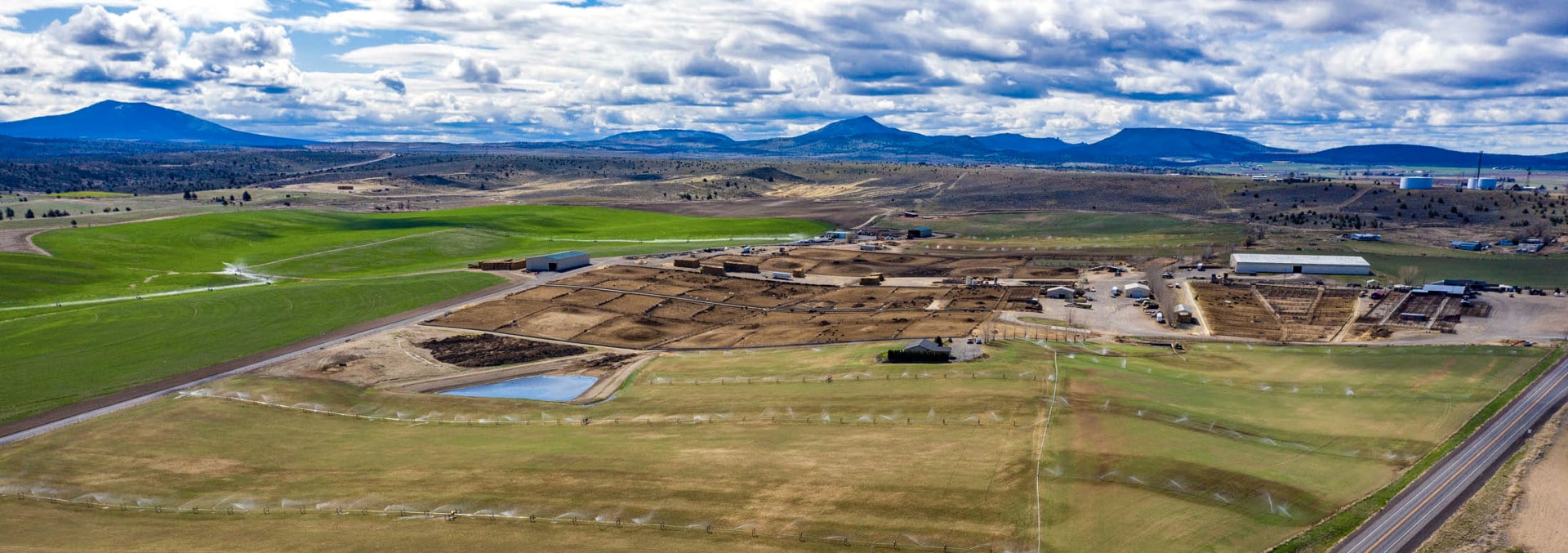
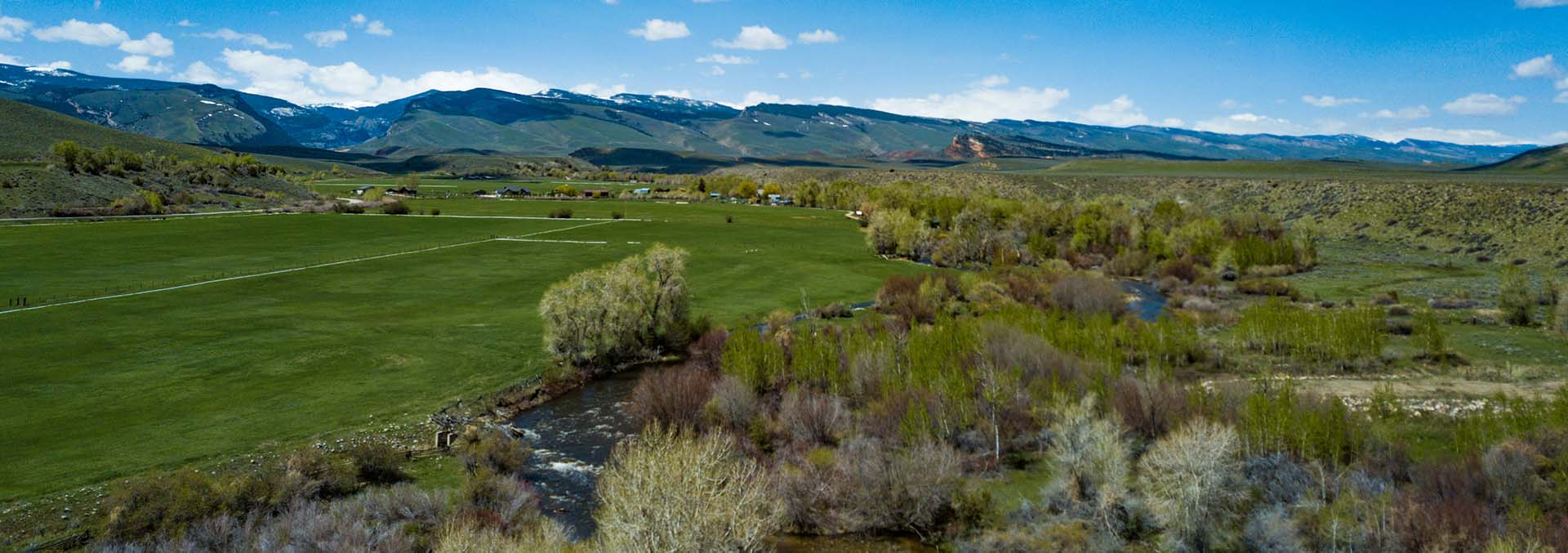
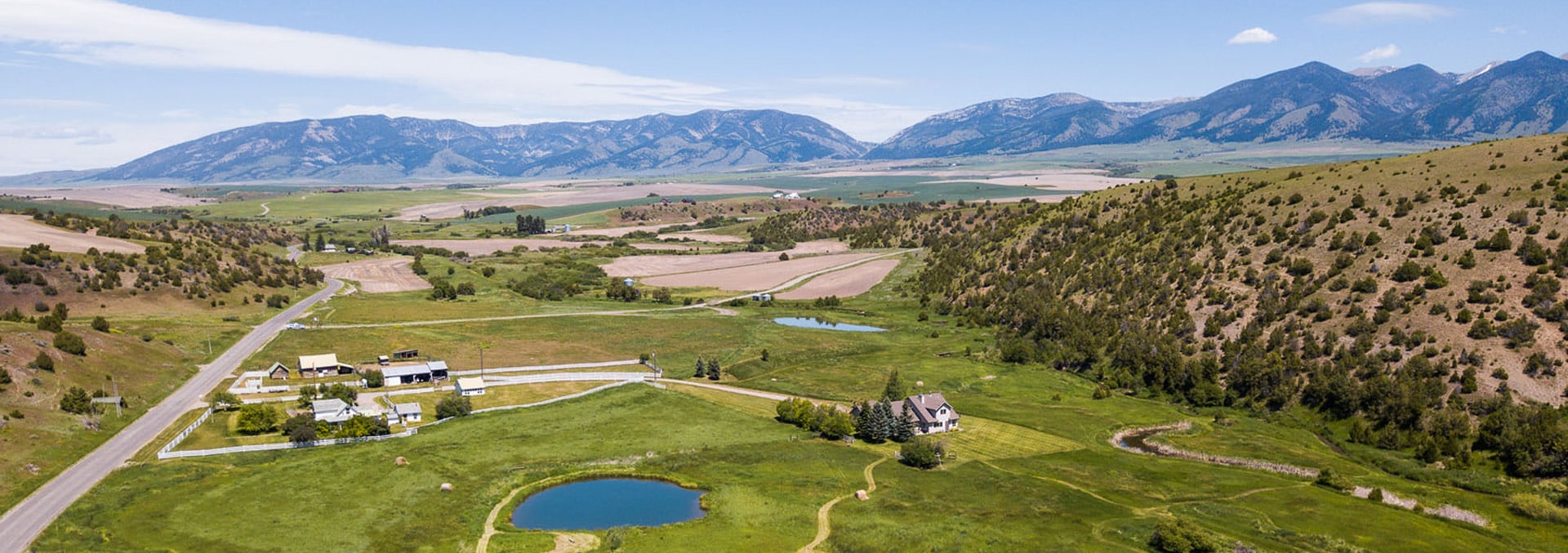
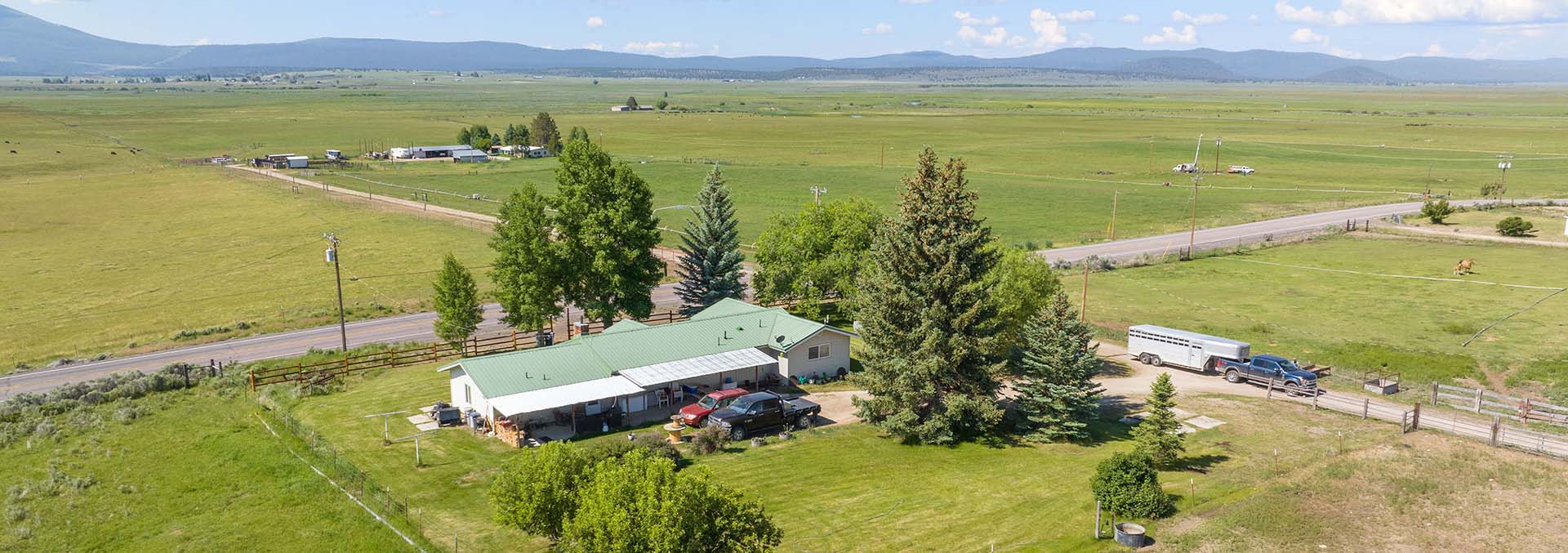
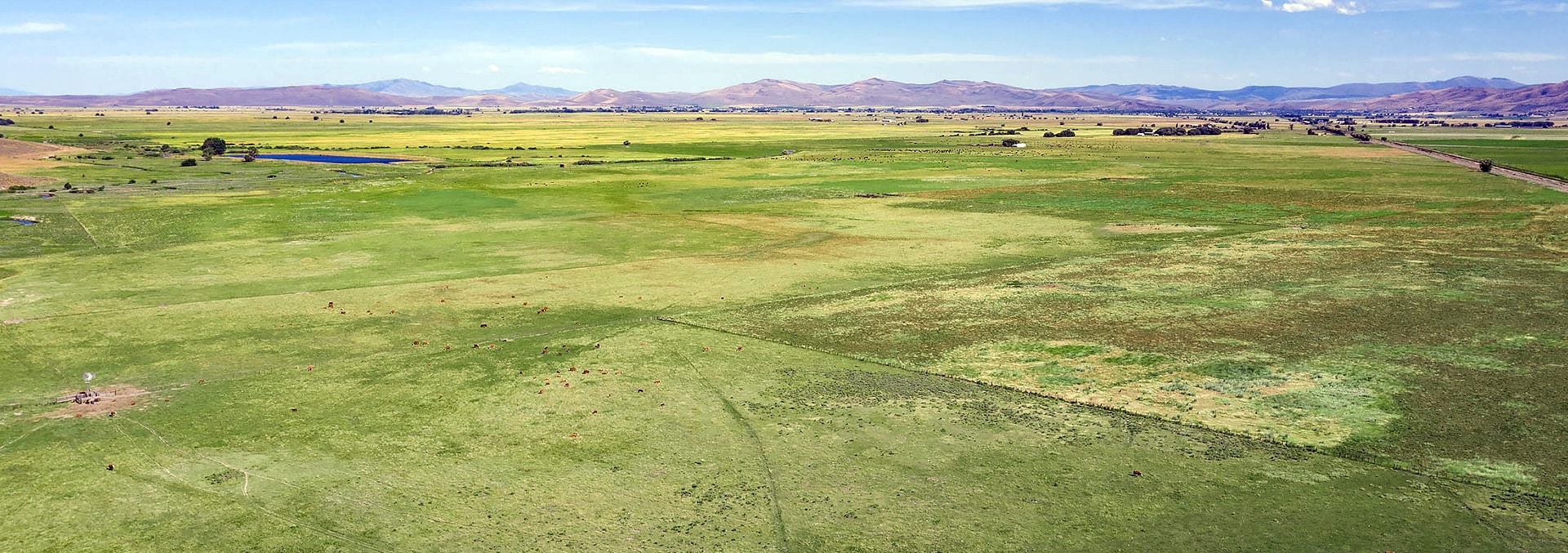
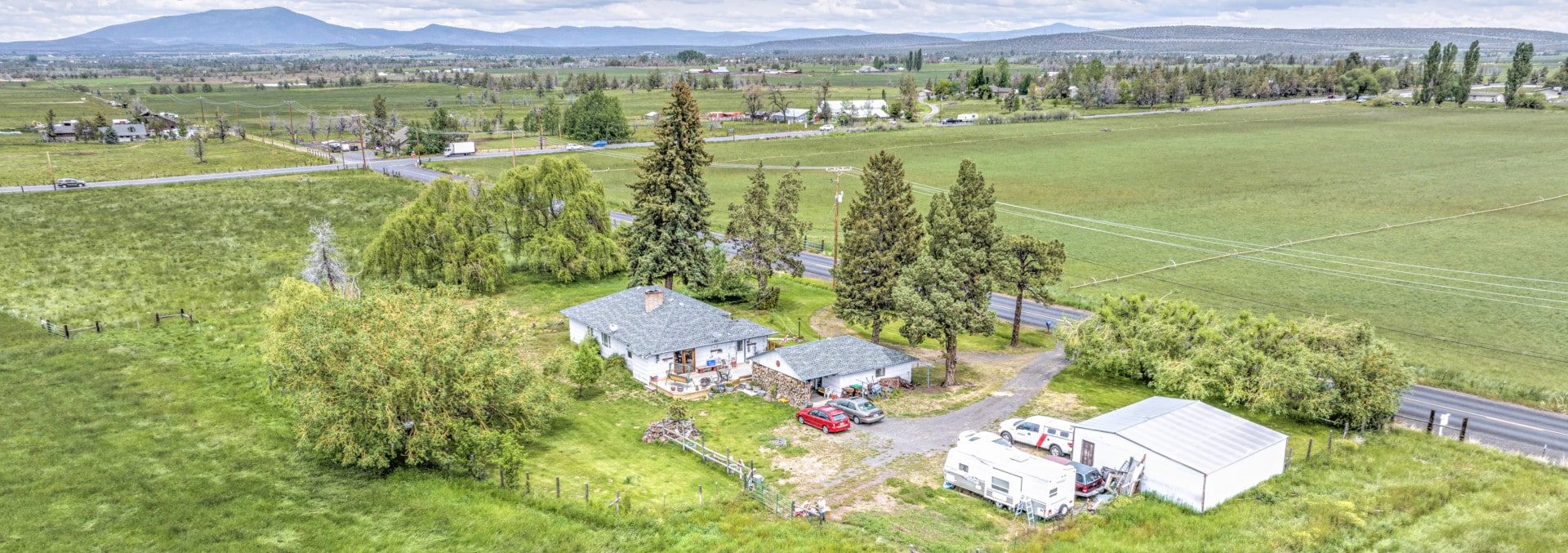
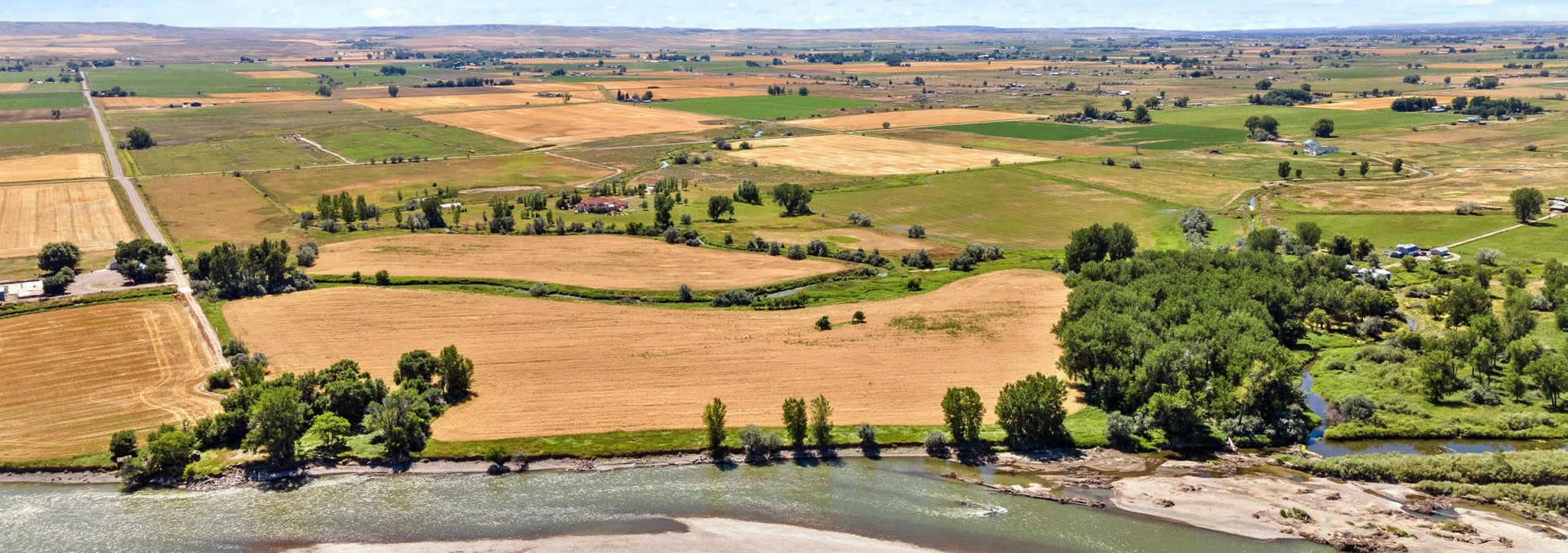
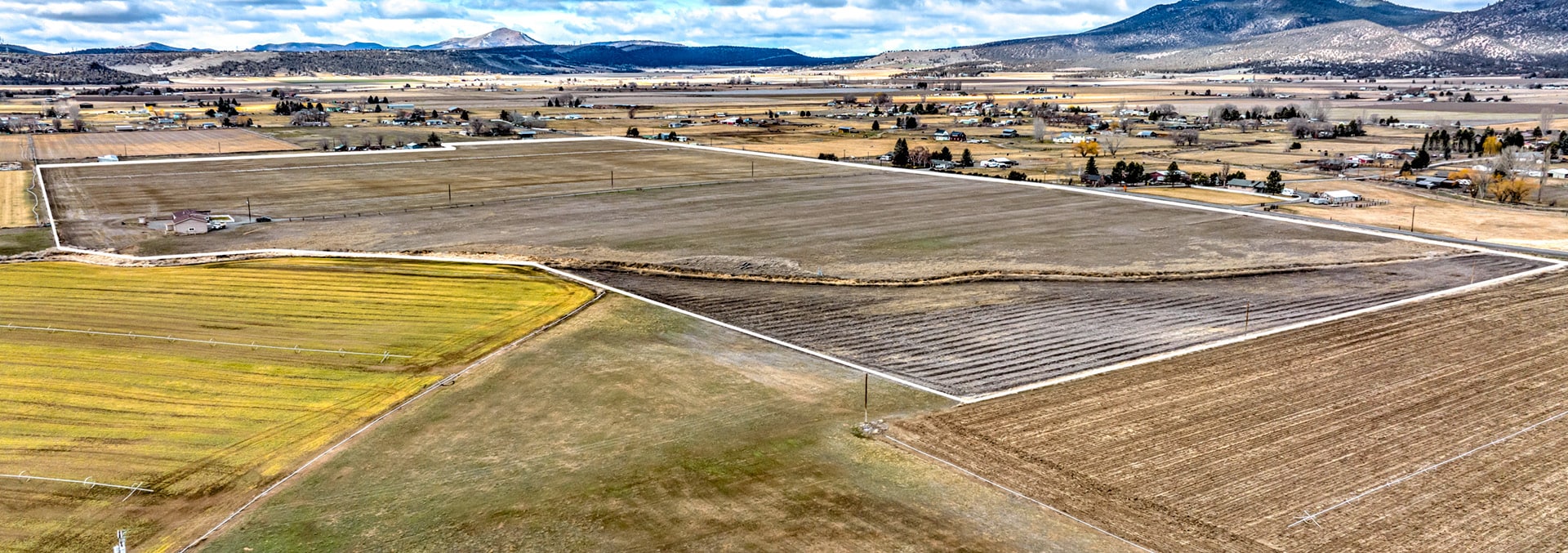
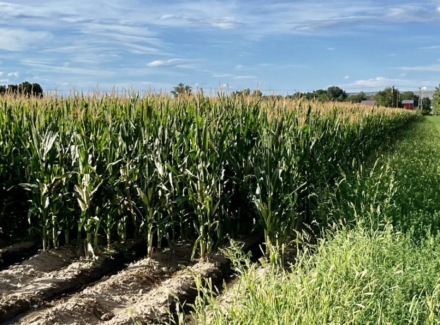
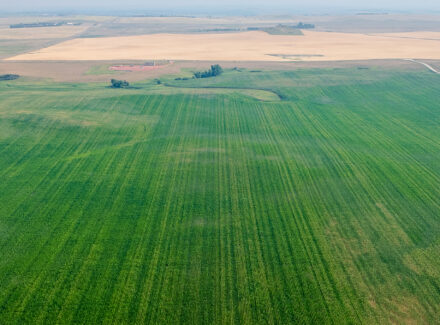
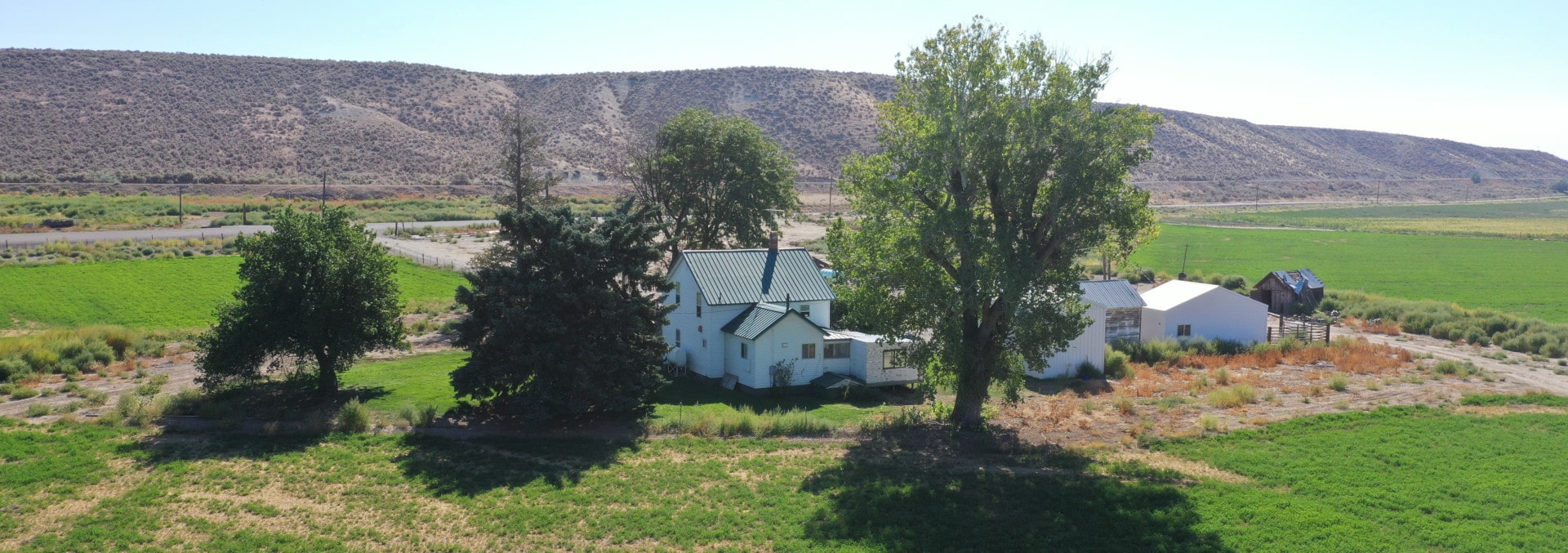
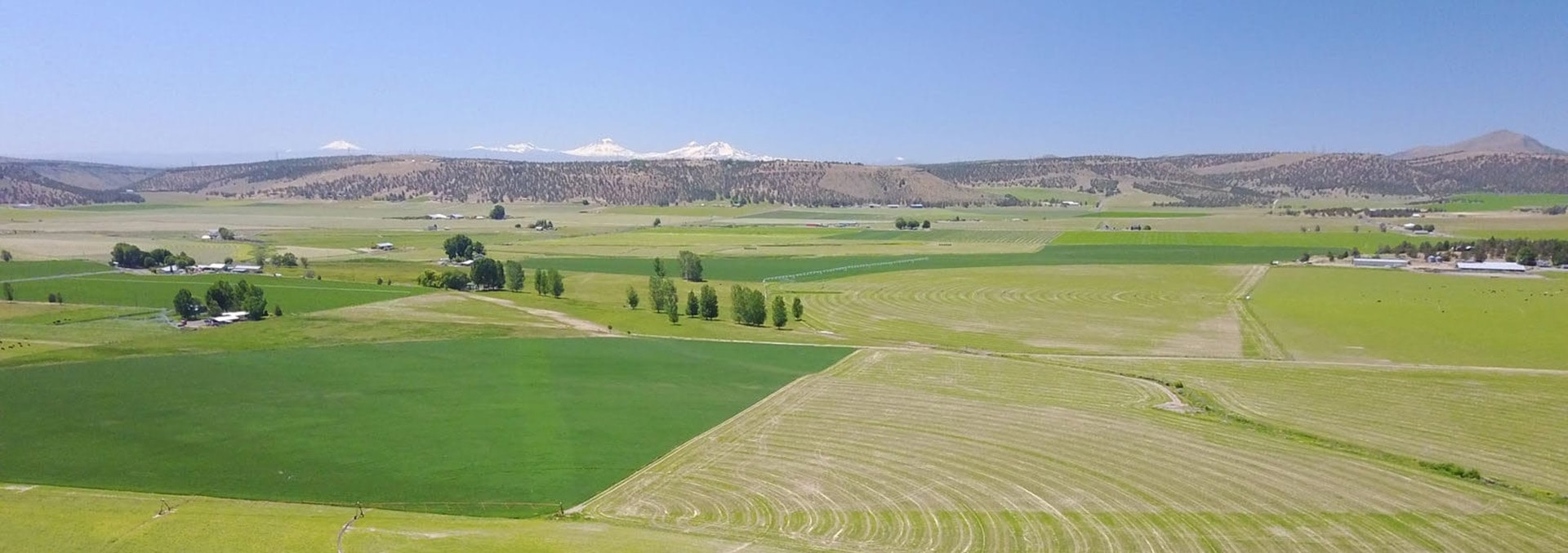
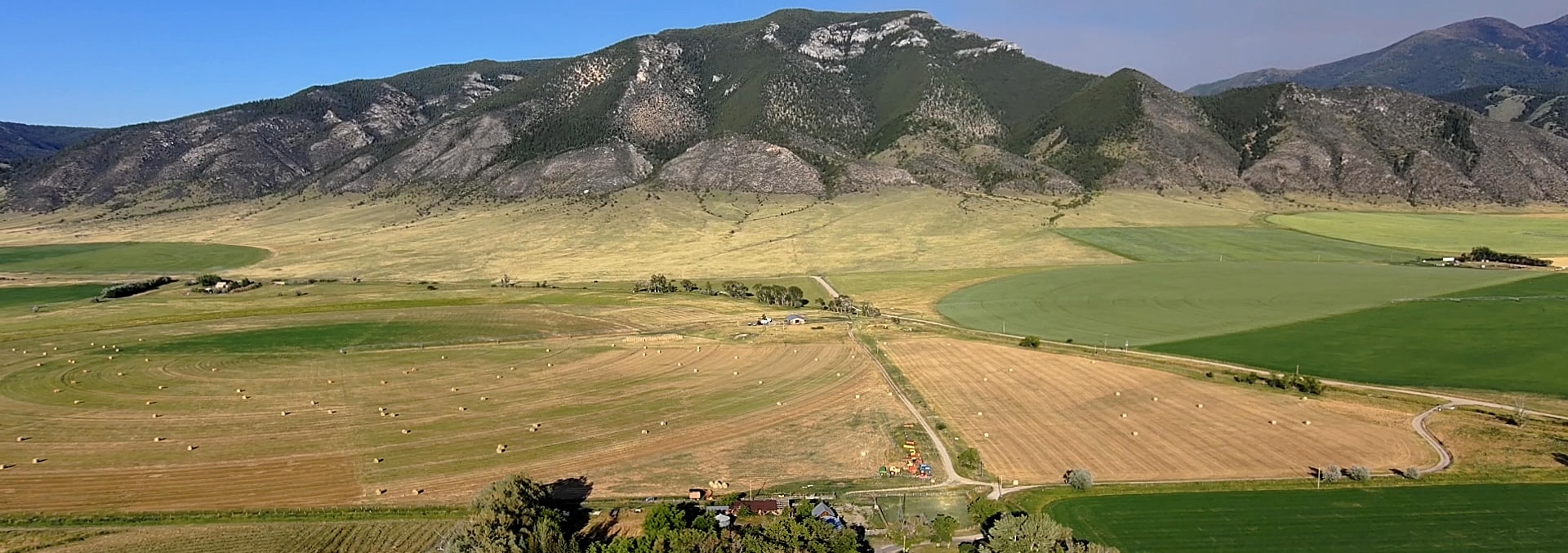
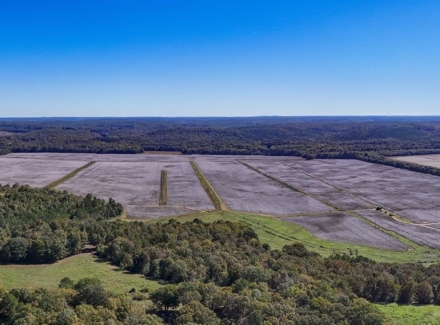
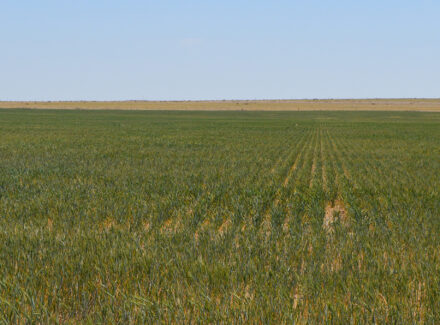
Our farms for sale span some of the most productive agricultural land in the American West, from irrigated hay and grain operations in Montana and Idaho to dryland wheat farms in Oregon and Washington and diversified farm ranches across Colorado and New Mexico. Fay Ranches has deep experience representing farming operations of all types and sizes, including irrigated cropland, dryland grain farms, hay operations, farm and ranch combinations, and specialty crop properties. Browse our current farm listings below or contact one of our farm specialists to discuss what you are looking for.
Farm Purchase Considerations
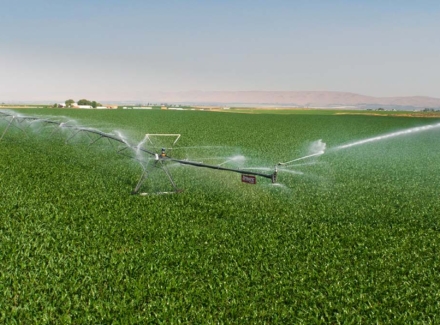
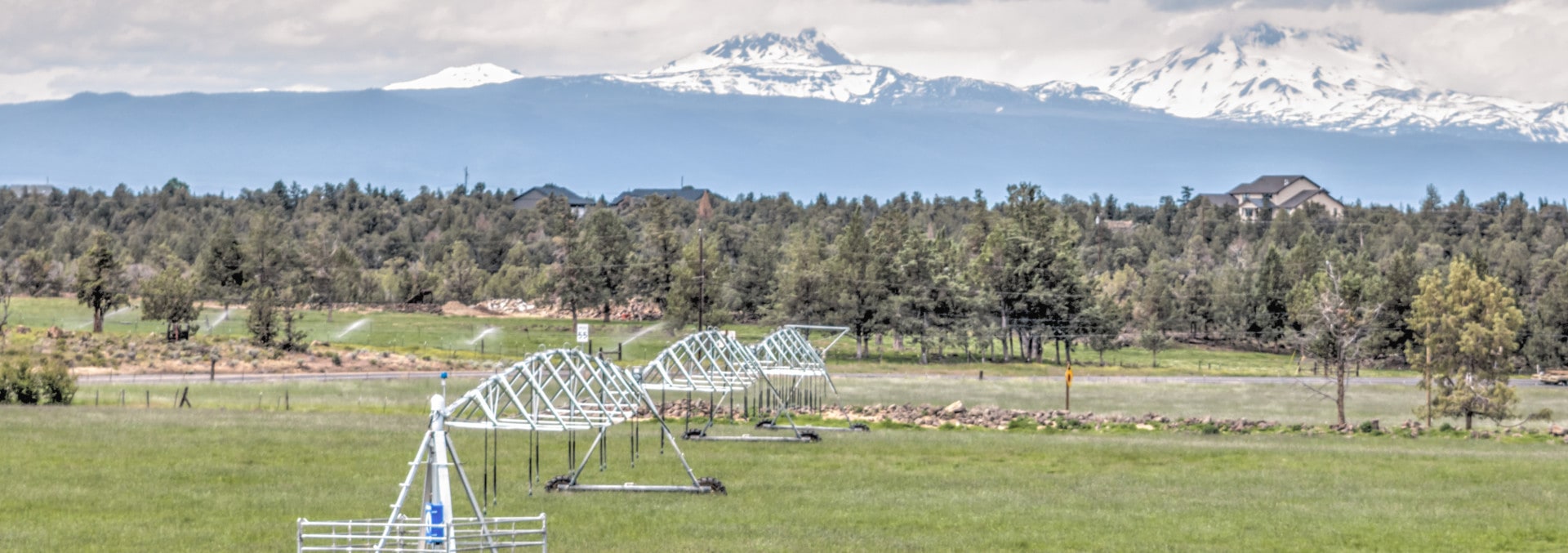
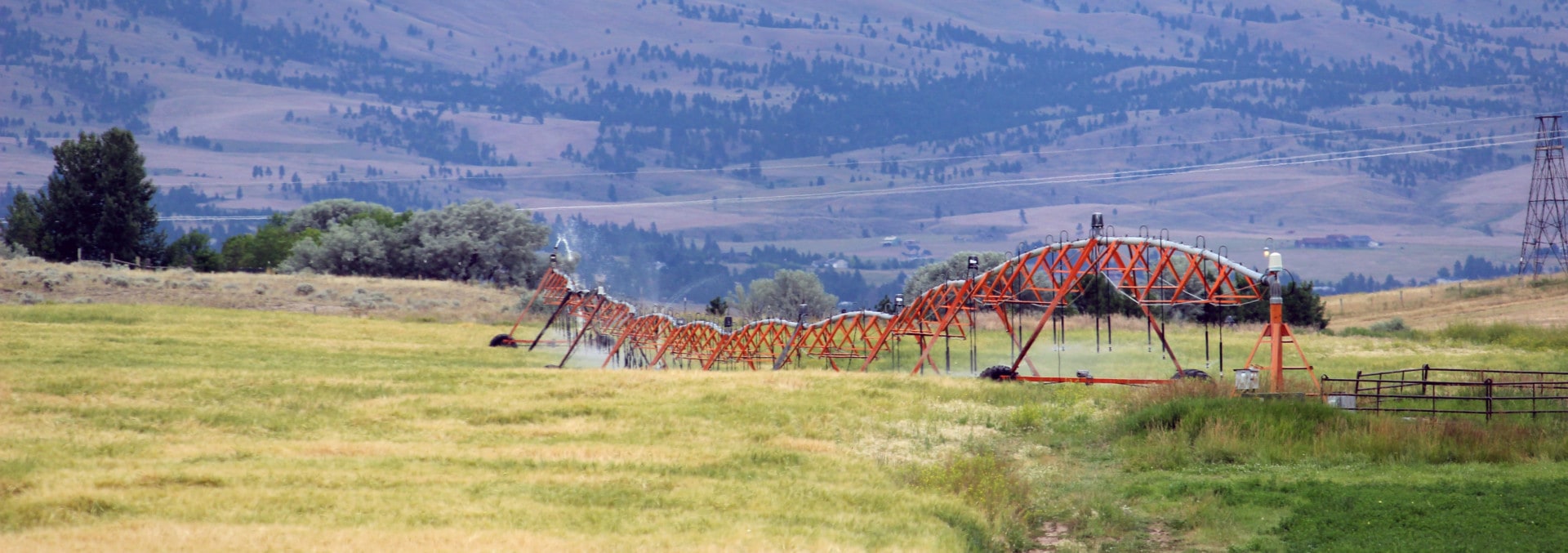
Farmland transactions involve due diligence considerations that vary significantly by operation type and region. For irrigated operations, key factors include water rights documentation, irrigation infrastructure condition, water source reliability, and delivery system efficiency. For dryland grain farms, soil productivity ratings, precipitation history, and equipment condition matter most. For hay operations, cutting history, yield data, and market access are primary considerations. All farm purchases should include a review of any government program enrollments, such as CRP or farm service agency base acres, existing lease terms and tenant relationships, soil and water conservation practices, and any deed restrictions or easements affecting agricultural use. Fay Ranches agents have hands-on knowledge of farming operations across all of our operating states and can guide buyers through farm-specific due diligence from first inquiry through closing.
Questions Buyers Often Ask
What types of farms does Fay Ranches sell?
Our farm listings include irrigated cropland, dryland grain farms, hay and forage operations, farm and ranch combinations, specialty crop properties, and diversified agricultural operations. Properties range from smaller family-scale operations to large commercial farming enterprises across the American West.
What should I look for when buying irrigated farmland?
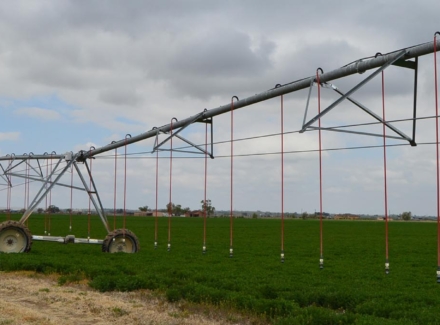
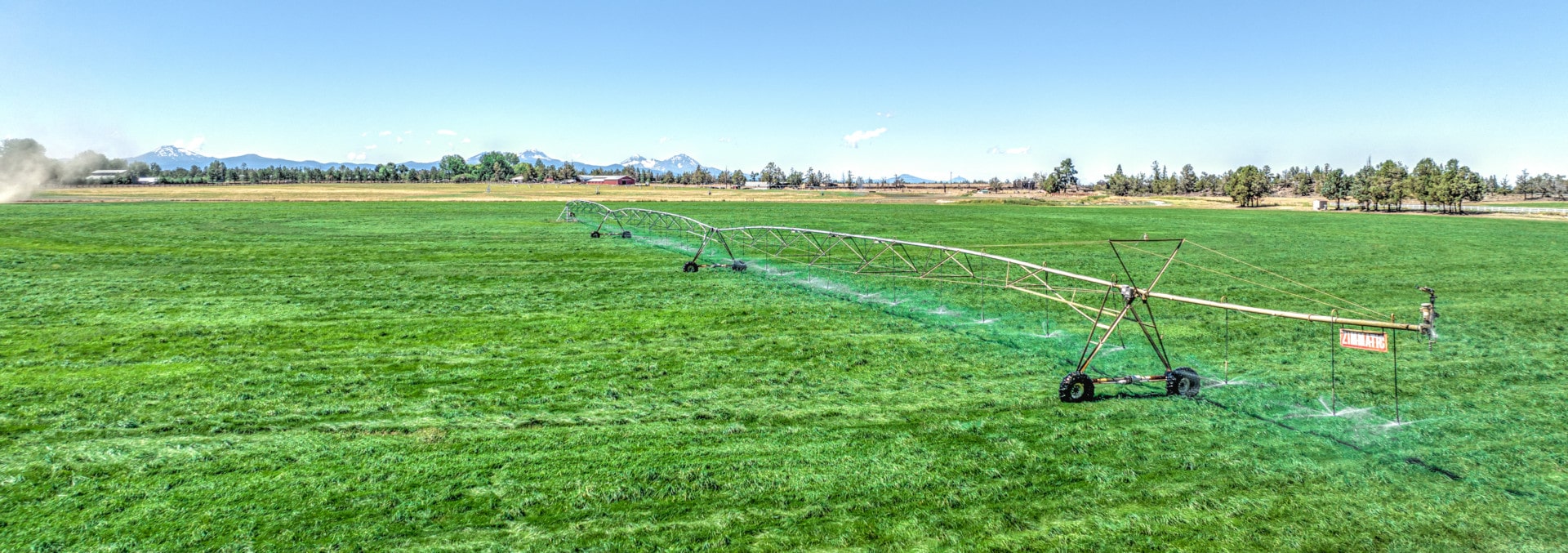
Key considerations include the type and seniority of water rights, the condition and efficiency of irrigation infrastructure, annual water delivery history, soil productivity, and any drainage issues. Understanding the water rights is particularly important in the American West, where water availability varies significantly by year and region. A Fay Ranches specialist can walk you through the water and soil details on any irrigated farm listing.
What is the difference between a farm and a farm-ranch combination?
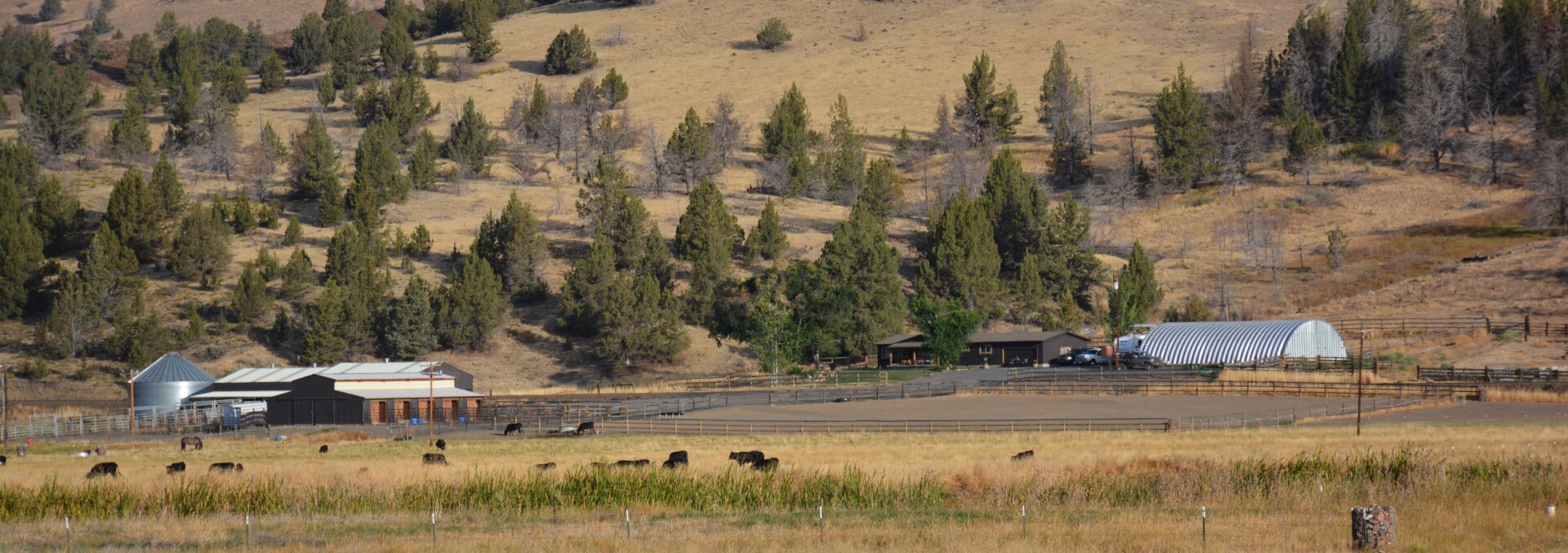
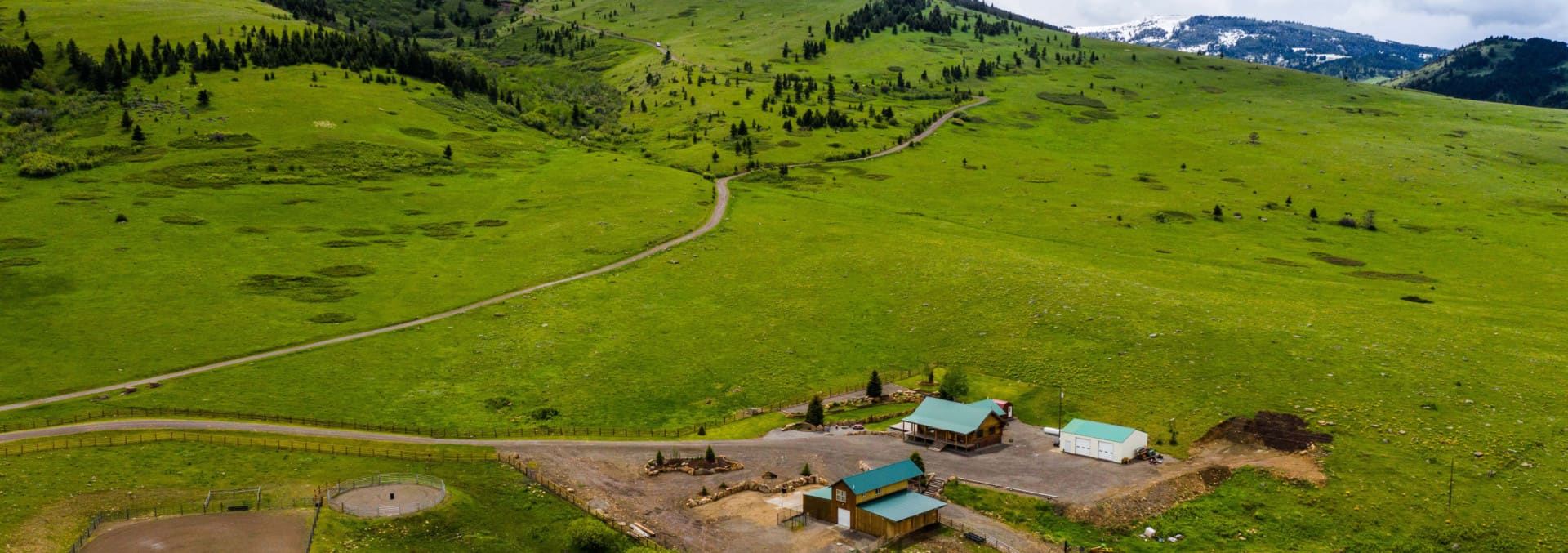
A farm focuses primarily on crop production, whether irrigated or dryland, while a farm-ranch combination integrates crop farming with livestock grazing, typically including both tillable acres and native or improved grass pasture. Farm-ranch combinations are common across the American West and often provide more operational flexibility and income diversification than a pure farming operation.
How do government programs like CRP affect farmland purchases?
Conservation Reserve Program enrollments can significantly affect how land can be used during the contract period, typically restricting haying, grazing, and crop production. Buyers should confirm CRP enrollment status, contract expiration dates, and annual payments as part of due diligence. Farm Service Agency base acres and payment history are also important factors in evaluating a farming operation’s income potential. A Fay Ranches specialist can help you understand how any program enrollments affect a specific property.